
Bring Back Meet-Cutes: The Analog Trend Is Changing How People Meet
As more people in 2026 step back from constant phone use, a renewed interest in living analog is reshaping dating culture and bringing spontaneous meet-cutes back into focus




The rise of the analog lifestyle
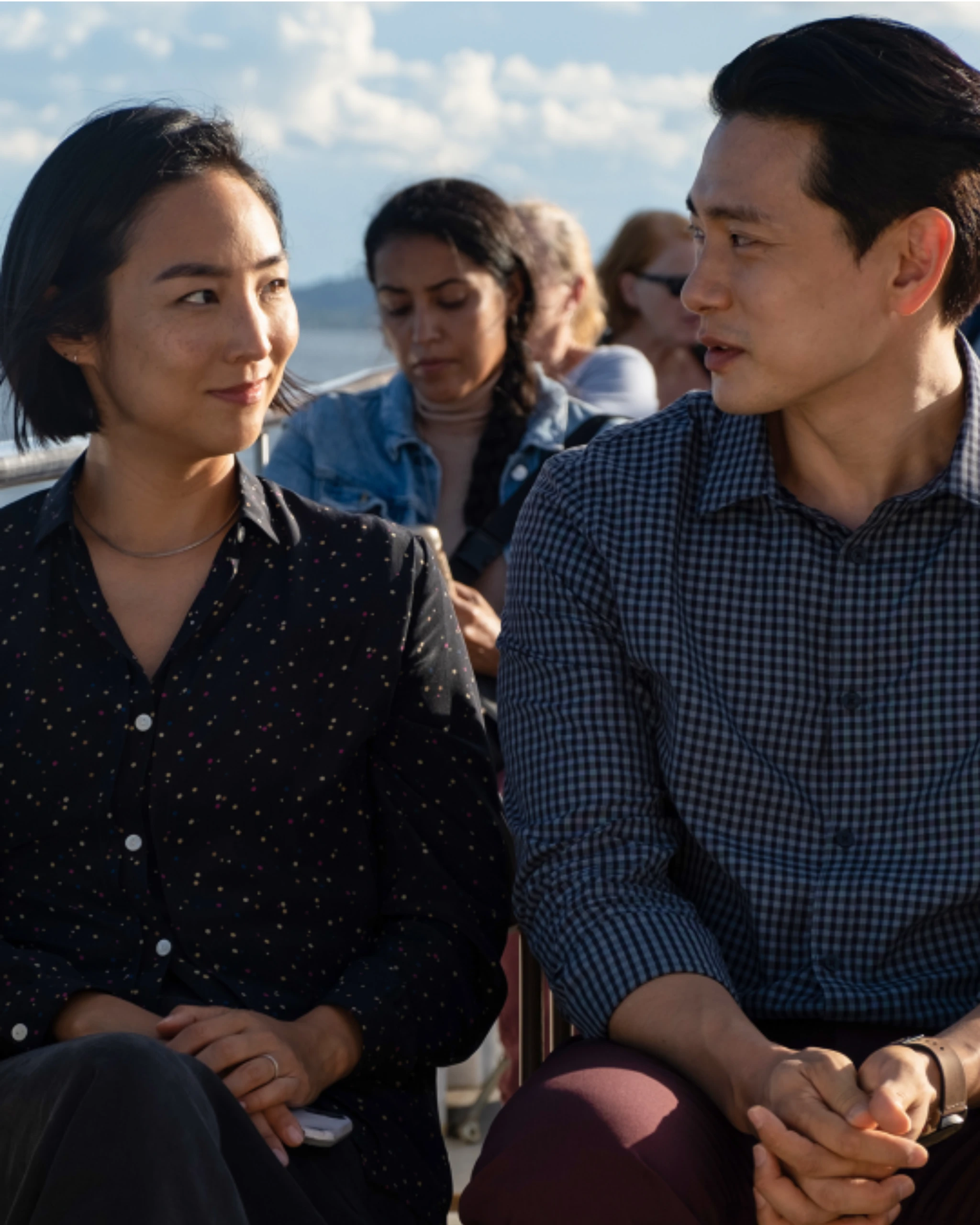
In 2026, a growing number of young people are intentionally spending less time on their phones. What started as a niche “digital detox” movement has evolved into a broader lifestyle shift toward living more analog. Film cameras, physical books, paper planners, and phone-free social outings are becoming increasingly common across major cities and university campuses.
Alongside this shift, another cultural phenomenon is resurfacing: the meet-cute.
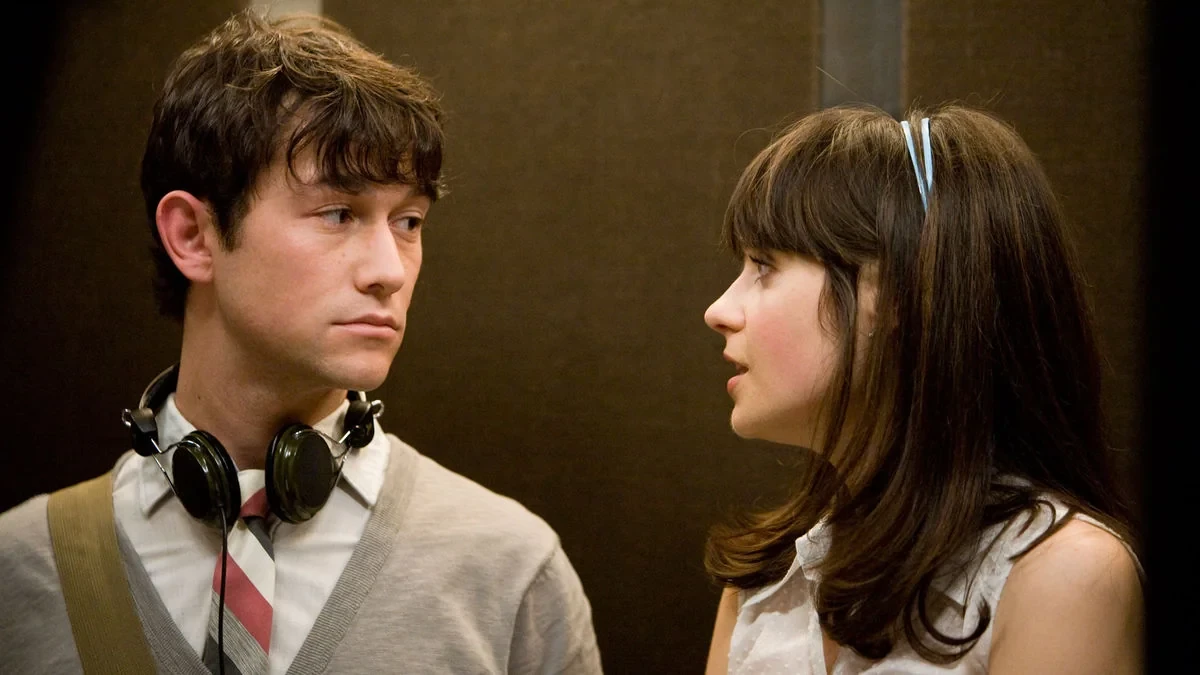
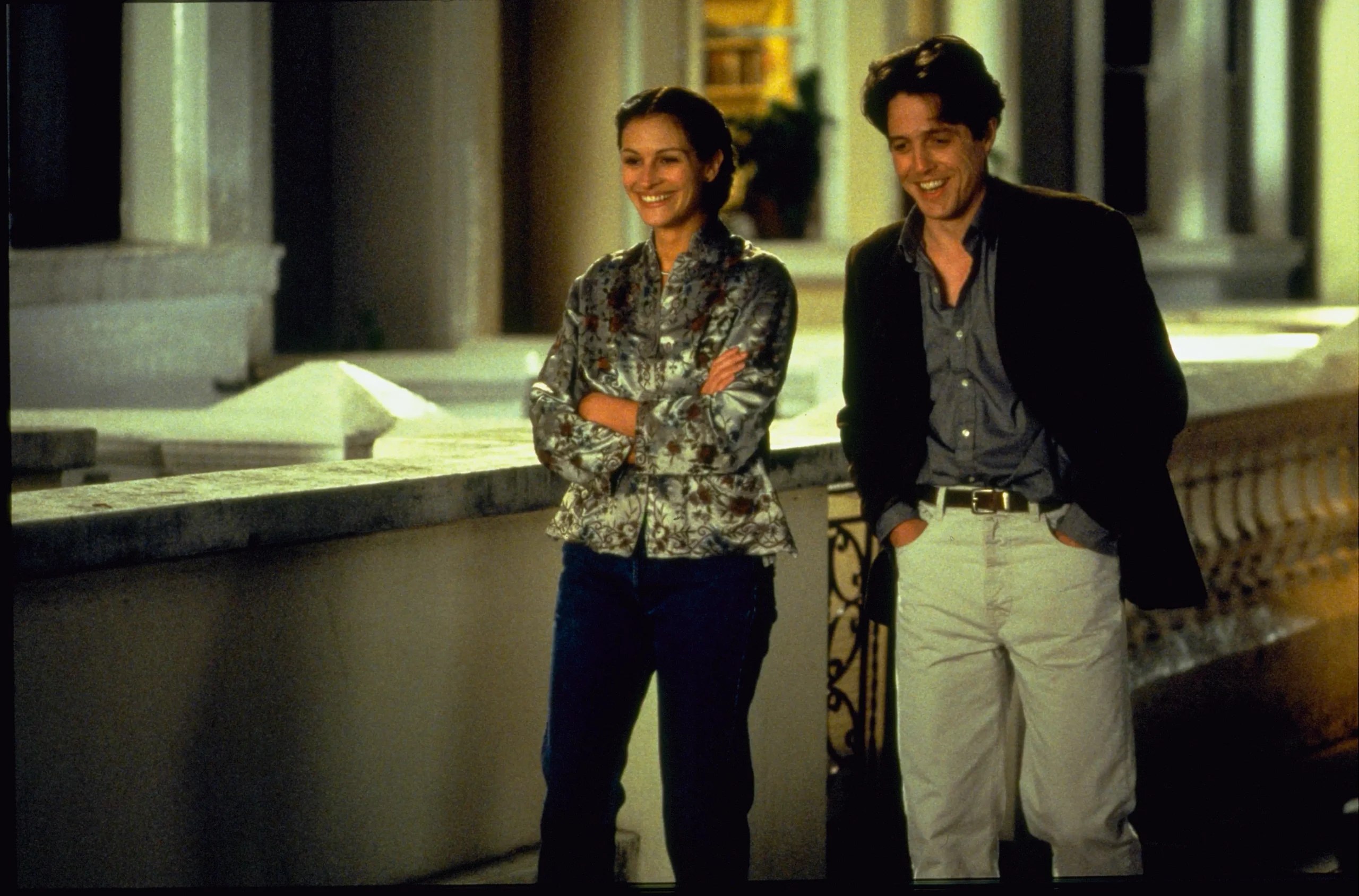
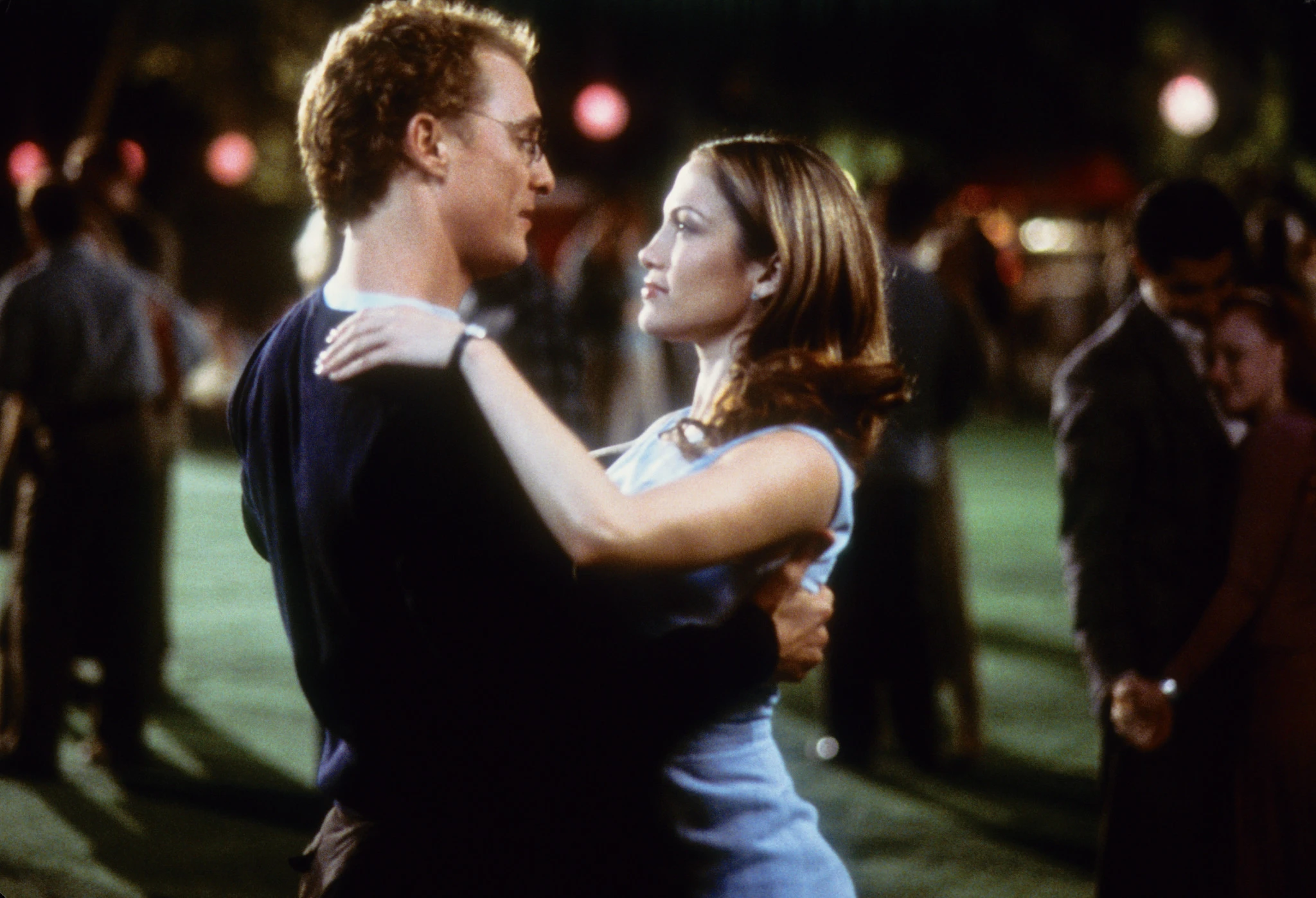
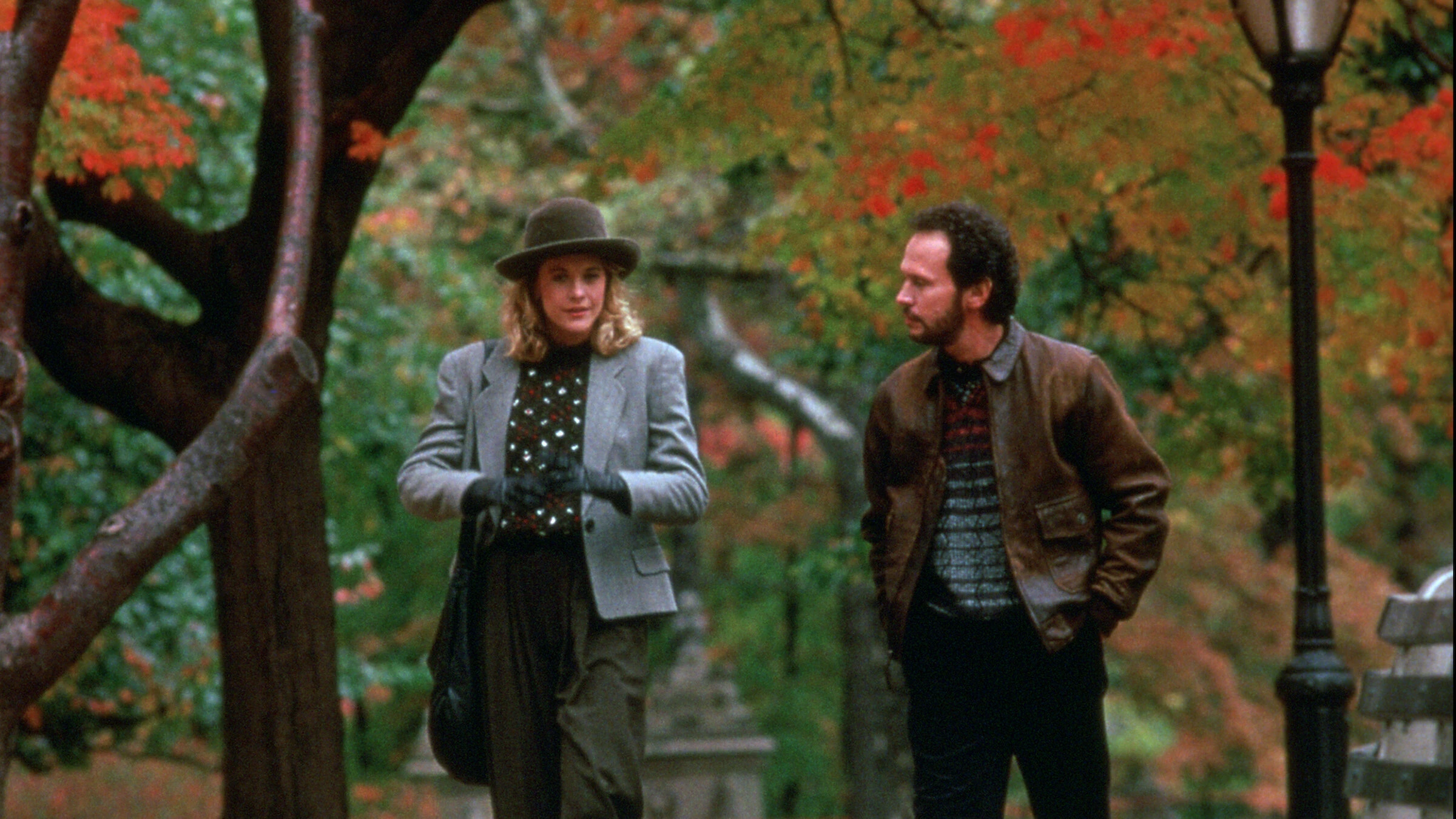
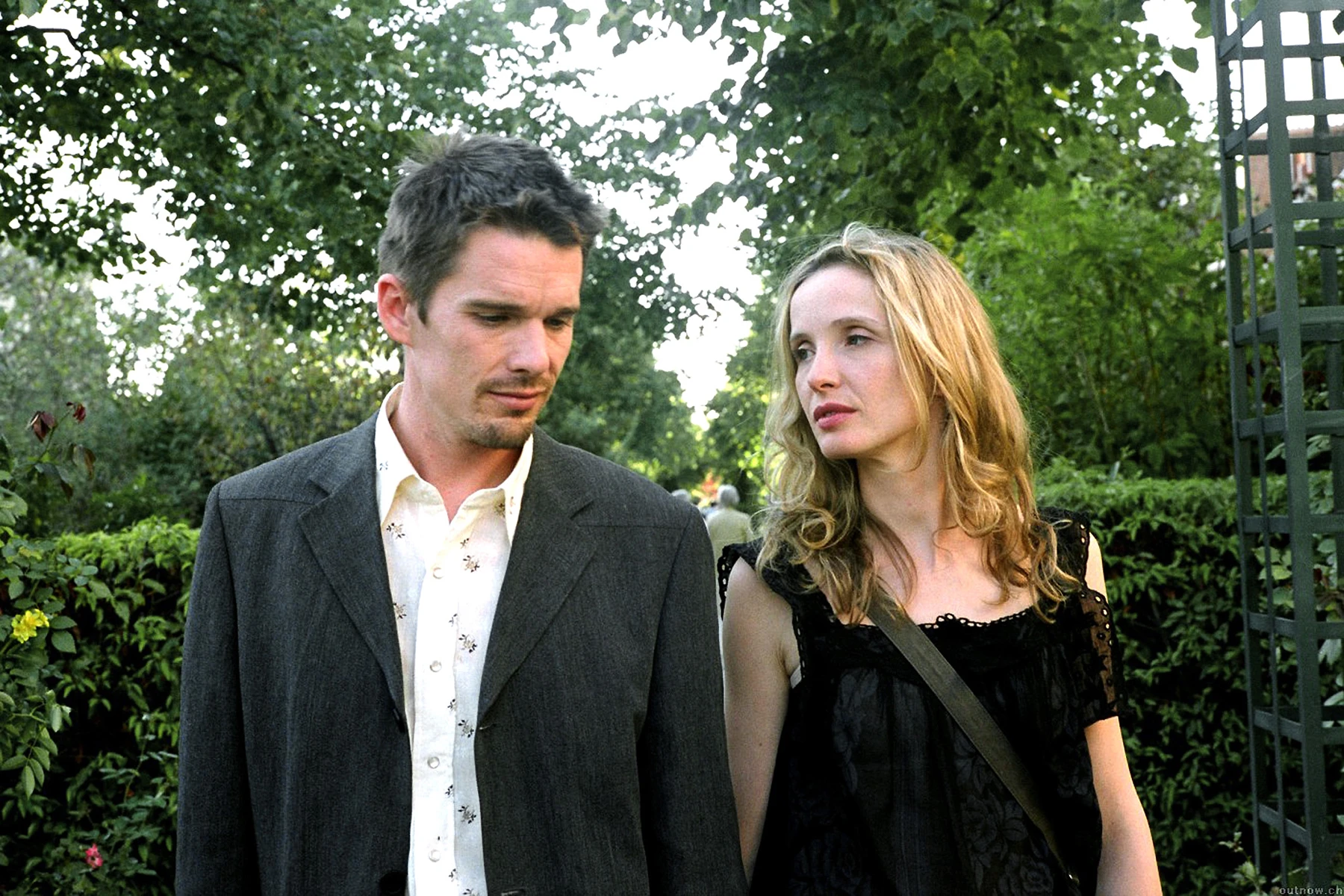
The term, popularized by romantic comedies like Notting Hill, How to Lose a Guy in Ten Days, and The Holiday, refers to two people meeting by chance or in person rather than through digital platforms. Traditionally, meet-cutes involved everyday moments such as an accidental coffee spill, two strangers reaching for the same book, or seatmates striking up a conversation on a long flight.
READ MORE: 2026: The Year We Go Analog
Dating apps and their trade-offs
For much of the past decade, these kinds of introductions were often overshadowed by dating apps. They became the default way for many people, particularly Gen Z and younger millennials, to meet romantic partners. The convenience was undeniable. Users could browse potential matches from home, filtering by location and common interests.

But convenience has come with trade-offs. Many users report fatigue from repetitive conversations and the pressure to present a curated version of themselves. The cycle of matching, messaging, and ghosting has become a familiar experience.
At the same time, concerns about authenticity and safety remain part of the broader conversation around online dating, where profiles can be heavily edited or misleading.
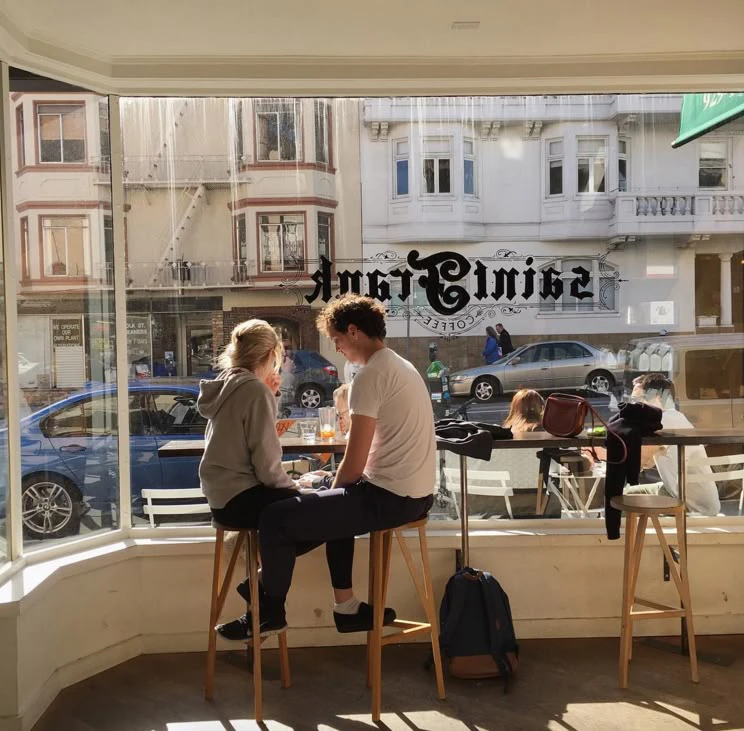
The analog lifestyle trend is indirectly reshaping this dynamic. As people spend more time in physical spaces without constant digital distraction, opportunities for organic interaction increase. Social settings like cafés, classes, shared workspaces, and group activities are once again becoming primary environments for meeting new people.
Opportunities in physical spaces
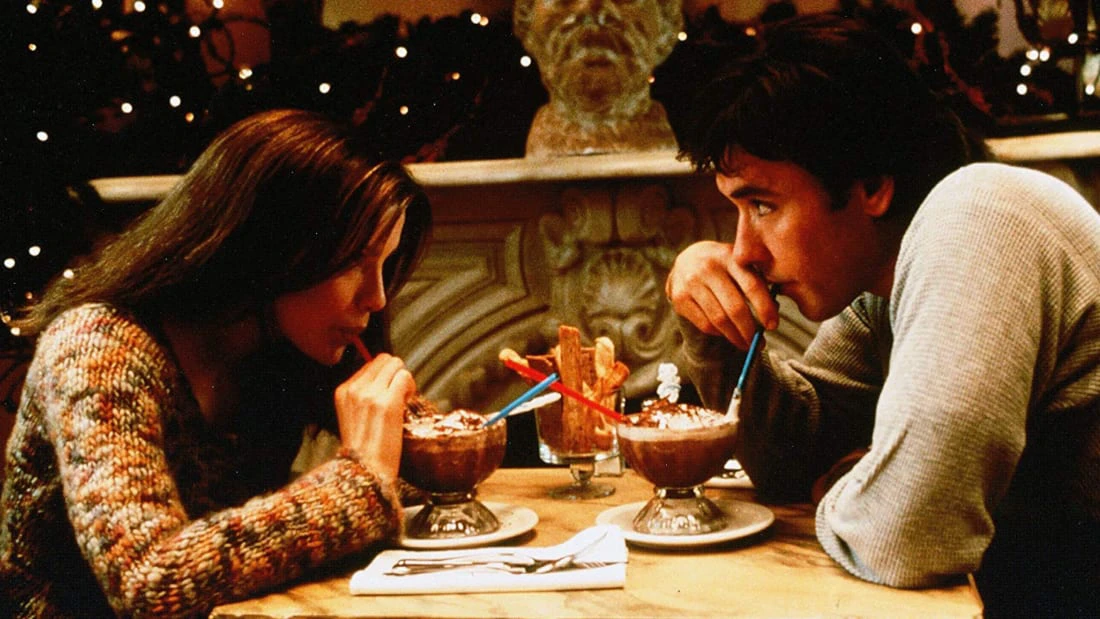
A meet-cute, in practical terms, simply means meeting through real-life proximity or coincidence. It can be as simple as connecting with a coworker at a café, being introduced through mutual friends, or bonding with a classmate after a late lecture. These interactions are typically rooted in shared environments rather than algorithmic matching.
Cultural interest in meet-cutes is also tied to a broader conversation about authenticity. Many young people are reassessing how technology shapes relationships, particularly as new relationship terminology like “situationship” becomes more common.
The term is often used to describe relationships without clear labels or long-term expectations, reflecting what some researchers describe as generational caution around commitment.

The online dating culture
At the same time, Gen Z continues to be described in multiple reports as one of the loneliest generations, despite being the most digitally connected. The contrast has fueled renewed interest in in-person connections, particularly those that feel spontaneous or unplanned.
Family stories often reinforce the idea that organic meetings were once the norm. Many older couples describe meeting through work, mutual friends, or travel rather than through structured dating systems. These types of stories continue to shape how younger generations imagine romantic beginnings.
Still, advocates of digital dating point out that apps remain valuable tools. They can help people meet outside of their immediate social circles and can be especially important for individuals in smaller communities or with limited opportunities to meet new people in person. For many, apps are still the most practical starting point.
The future of dating
The current shift is rebalancing how it is used. Many people are choosing to be more intentional about when they are online and when they are fully present in physical spaces.
This change also reflects a growing awareness of how constant digital engagement affects attention and social behavior. Without phones as a default distraction, people are more likely to observe their surroundings, initiate conversations, and tolerate the natural awkwardness that can come with meeting someone new.
Importantly, not every in-person interaction qualifies as a meet-cute. There is a clear distinction between organic connection and unwanted attention. Genuine meet-cutes are built on mutual engagement and shared experience, not intrusion or harassment.
The analog movement is creating conditions where those stories can happen more often. As more people choose phone-free social time, attend in-person events, and engage in shared physical spaces, the likelihood of spontaneous interaction increases.
The future of dating is unlikely to be fully analog or fully digital. Most people will likely continue using a mix of both. But current trends suggest that organic and in-person meetings are regaining cultural value.
The meet-cute was never completely gone. It was simply competing with a more efficient system. In 2026, as people rethink their relationship with technology, chance encounters are becoming part of the dating landscape again. And for many, that unpredictability is exactly the appeal.
Photos courtesy IMDB