
2026: The Year We Go Analog
In 2026, more people are turning away from screens and rediscovering the appeal of hands-on and offline activities





Life through the screen
For more than a decade, screens have defined the rhythms of daily life. Phones and laptops have been our constant companions, buzzing with notifications and displaying the curated lives of friends and strangers alike.
Yet beneath the glow, a shift is taking place. Social media time, which peaked in 2022 across most developed countries, has been slowly declining.
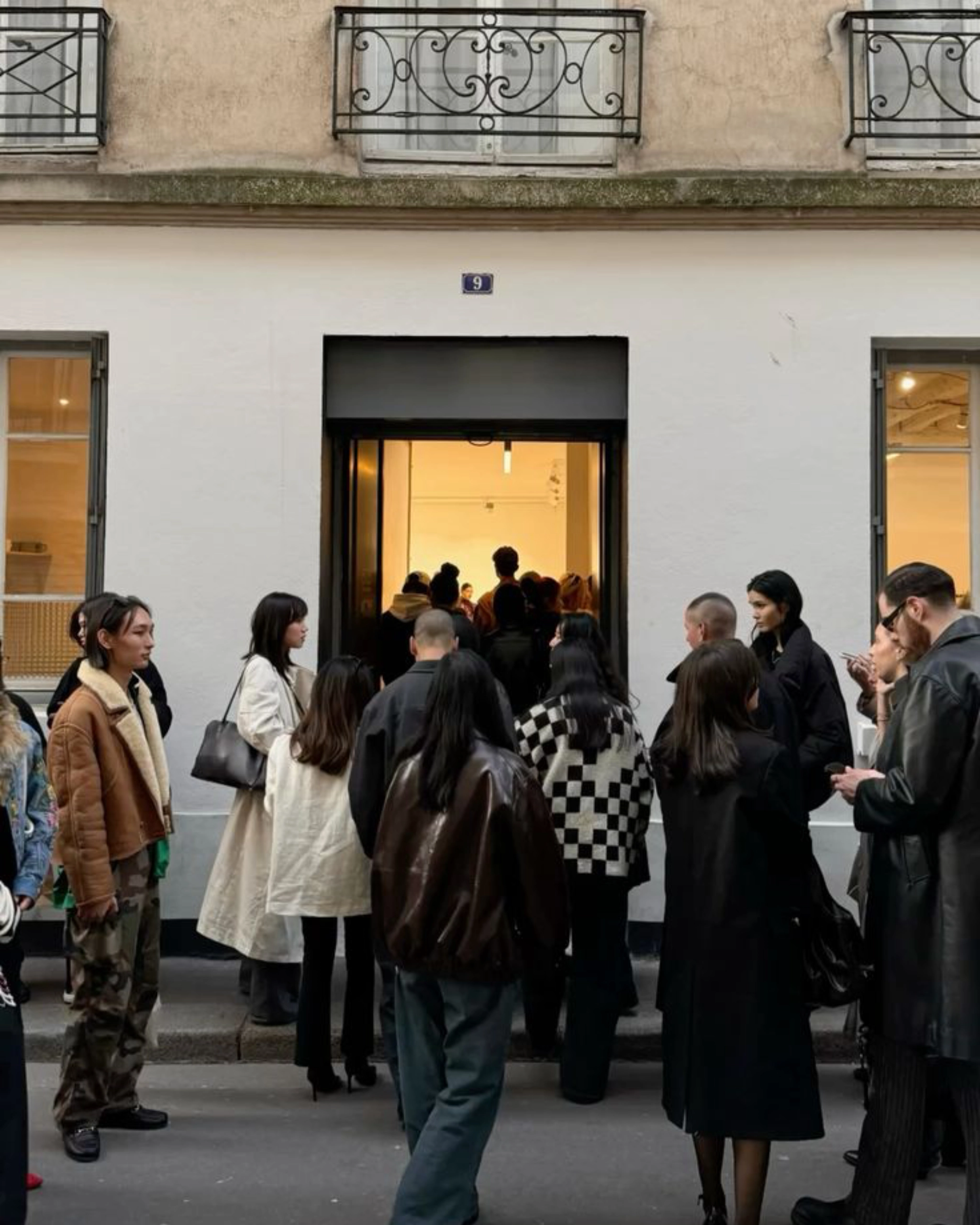
Once serving as a tool for connection, it has evolved into something closer to television, where content is consumed passively, and attention is commodified. With the rise of AI-generated material, the signal-to-noise ratio has begun to favor noise, and users are noticing.
The pull of the physical
The result is a growing appetite for the analog. By 2026, experts predict, society will collectively turn toward activities that require hands, eyes, and presence rather than screens. The evidence is already clear.
Gen Z, often assumed to be inseparable from their devices, shows surprising interest in digital-free alternatives.
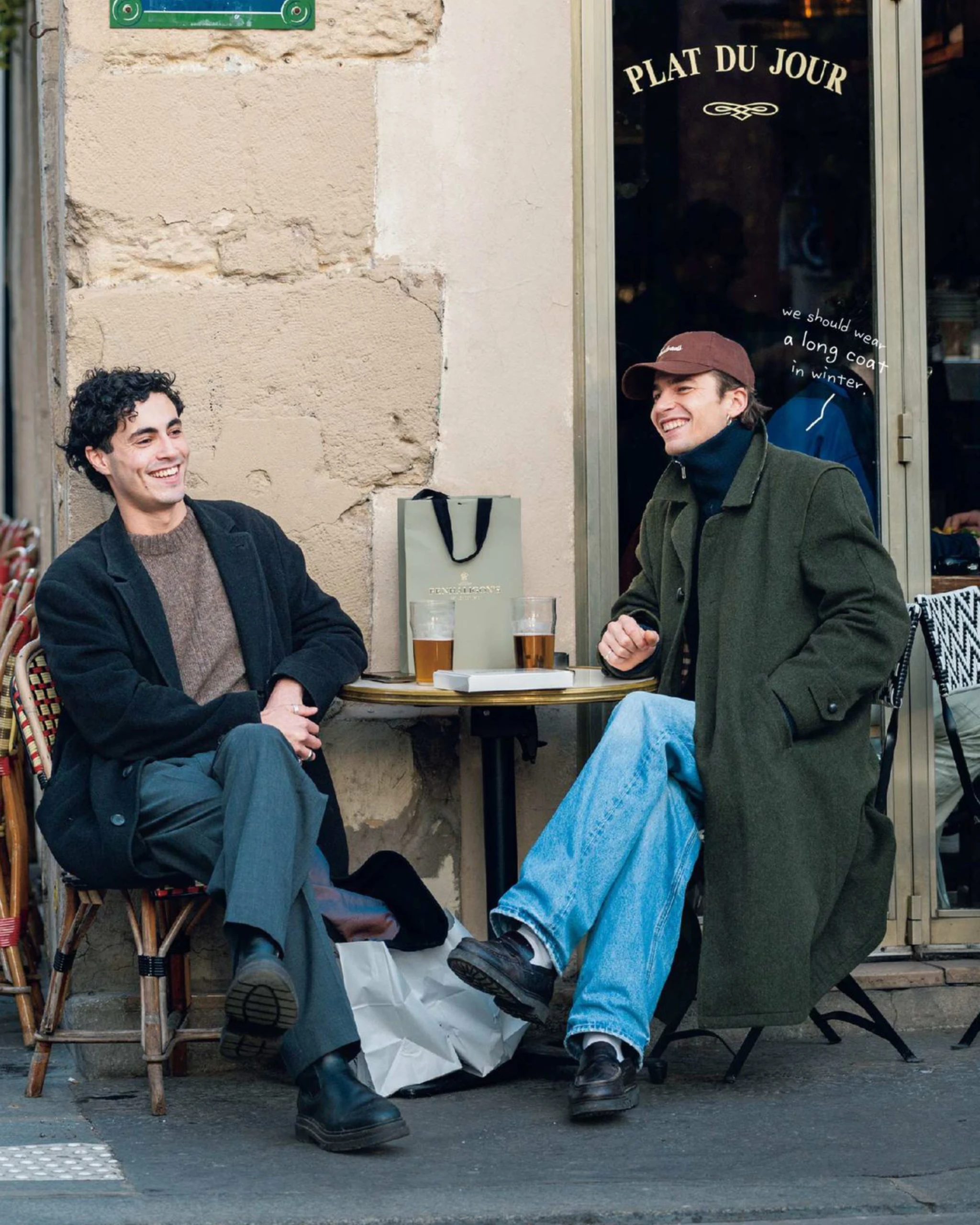
Traditional games are also experiencing a revival. Mahjong events have risen by nearly 200 percent, while book clubs and creative workshops are flourishing in urban centers. These are not casual hobbies but spaces for engagement, where people can slow down, reflect, and interact without interruption. Analog experiences are emerging as a response to the overstimulation and artificiality of the digital landscape.
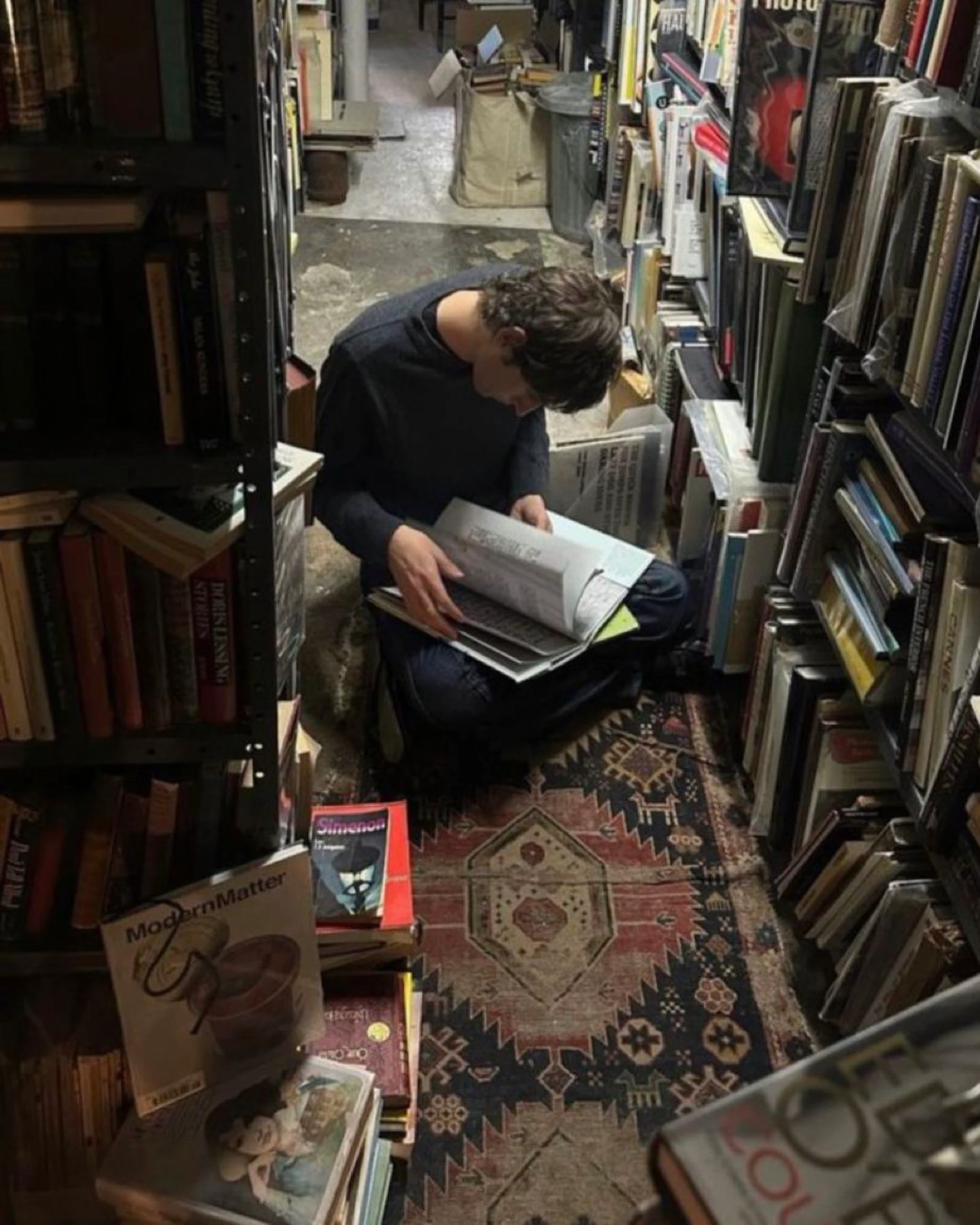
RELATED: What Kind of Performative Male Are You, Based on Your Book of Choice?
This reflects a reassessment of attention as a valuable resource. Choosing analog activities is an act of reclaiming focus. It is a way to assert control over time and mental space, to nurture creativity, and to cultivate presence in a world that rewards distraction.
An offline economy takes shape
The rise of analog events also represents an opportunity for businesses. Phone-free meetups, creative classes, journaling workshops, and offline retreats are becoming commercially viable markets.
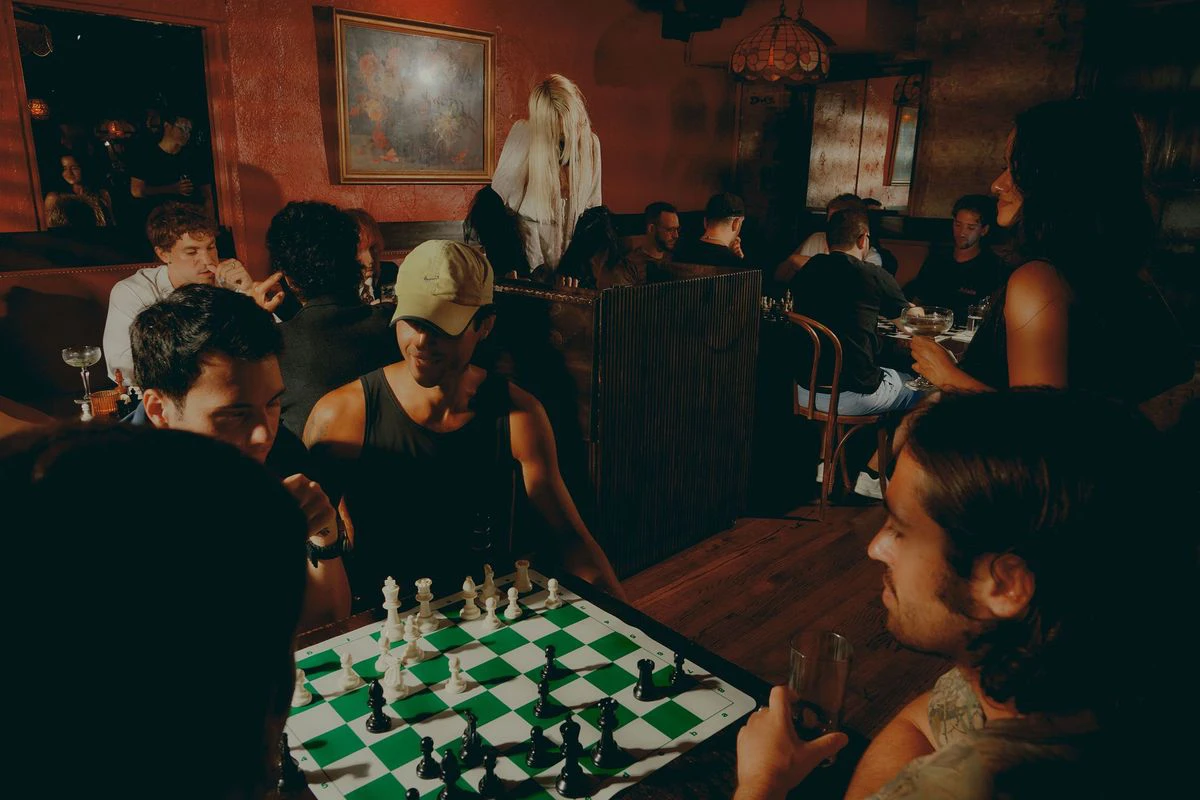
By 2026, public spaces may feel transformed. Coffee shops might host journaling circles instead of laptop rows. Parks may host board game meetups and book club readings. The clatter of mahjong tiles and the scratch of pen on paper could become as familiar as the hum of notifications once was.
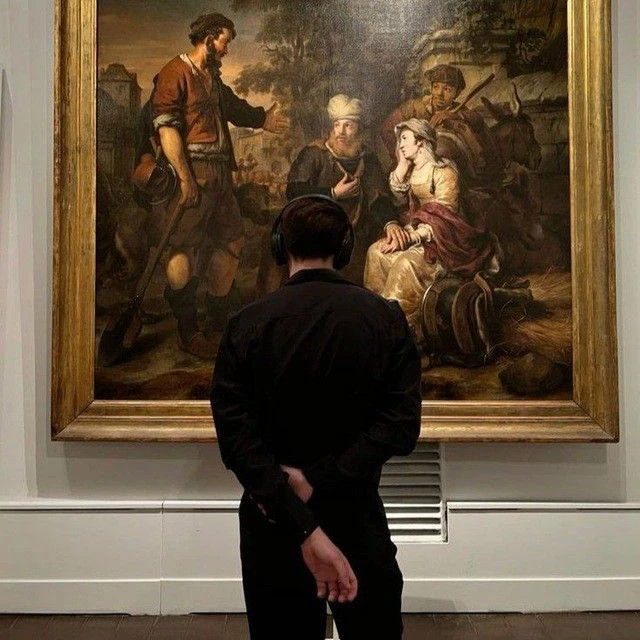
Far from retreating, those who embrace analog practices are moving forward into a landscape where attention is directed and richly rewarded.
As society grapples with the consequences of constant connectivity, 2026 may mark a turning point. The shift is subtle but unmistakable: people are seeking slower experiences, reclaiming time from screens, and rediscovering the pleasure of the analog world.
People are increasingly seeking ways to reclaim their attention from constant digital distractions. Social media use has plateaued or declined in many countries, and younger generations are turning to screen-free activities like journaling, reading books, and board games.
Analog activities gaining popularity include crafting, journaling, needlepoint, mahjong nights, book clubs, and other creative workshops. These activities provide focus, social connection, and a break from screen time.
You can join local craft workshops, book clubs, or game nights, or set aside daily time for journaling or creative hobbies. The goal is to prioritize presence and focus over digital multitasking.
No, the movement is not about nostalgia. It reflects a broader cultural shift where people intentionally reclaim attention and seek slower experiences in response to digital overload.
Photos courtesy Pinterest