
The New Age of Apl
The Black Eyed Peas star on exploring new sounds, embracing his Filipino roots, and building a more sustainable future from the ground up


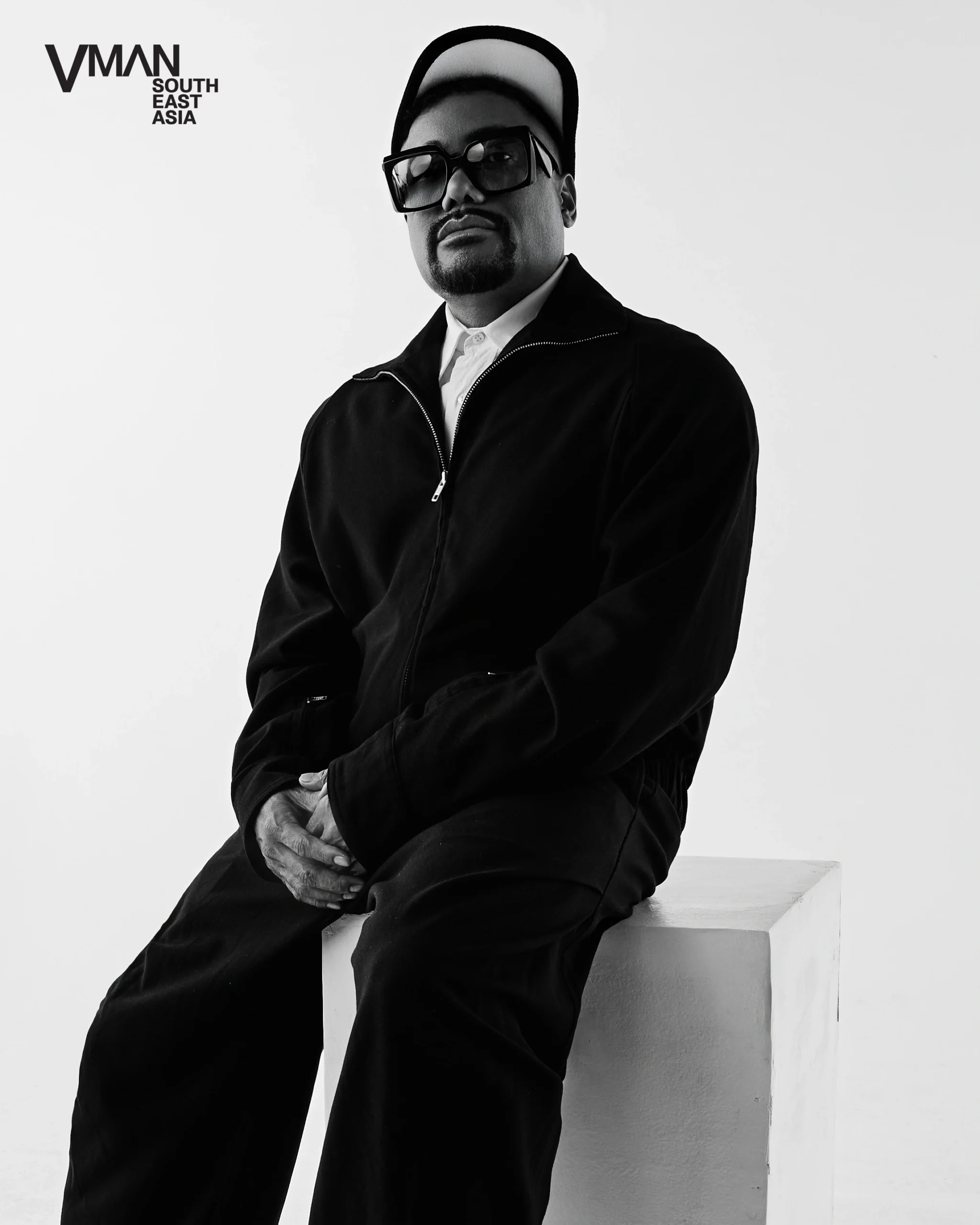
- Apl.de.Ap is bringing Filipino musical influences into his latest experiments, blending them with Afrobeats while continuing to explore his identity as an artist.
- Beyond music, his work in sustainable agriculture and philanthropy reflects a commitment to giving back to the community that shaped him.
Finding new rhythms

Before performing in front of global stadiums, Black Eyed Peas star Allan Pineda Lindo, better known as Apl.de.Ap, grew up in a farming family in Sapang Bato, Pampanga. Today, those beginnings continue to inform his creative directionCreative DirectionCreative direction refers to the overarching artistic vision guiding a brand, musician, or publication's visual identity, spanning styling, imagery, set design, and tone. Across Southeast Asia's fashion and music scenes,Go to Creative Direction Glossary, from exploring new musical influences to championing Filipino identity.
His latest experiments bring Filipino musical elements into Afrobeats, combining different rhythms while expanding the sound he has spent decades developing.
“With my new music, I try to incorporate my culture, of who I am, but also try other rhythms in mixing the two worlds,” Apl shares.
The process has also meant becoming a student again, learning from the people who helped shape the genre rather than relying solely on his years in the industry.
“It’s a genre that I’ve never done before, so it makes me want to dig in and really learn from the architects of the sound,” he says. “I find that as an experimental kind of thing.”
Built on persistence
That willingness to start from scratch recalls the early years of his career, before the Black Eyed Peas became a global name. Apl remembers playing college campuses, facing rejection, and working to convince the music industry that their sound had a place.
“I remember when we first started, our type of music wasn’t tangible enough for the market. And so we had to prove to the record companies that our music is tangible enough.”
Those setbacks became lessons in persistence and humility, shaping the approach he carries into his work today. “That’s what kept us humble, taking ‘no’ for an answer, and really having that tenacity not to give up and to prove ourselves.”
Giving back to his roots
Away from music, Apl’s connection to his upbringing has taken shape through his advocacy for sustainable agriculture. Through the food forest program, he supports modernized farming and hopes to encourage more young Filipinos to see opportunities in the agricultural sector.
“Well, you know, before my share of carbon footprints and performing around the world, I was just a kid from Sapang Bato and came from a farming family,” Apl admits. “That type of work remained in my heart, and it’s kind of instilled in me.”
His commitment to giving back also comes from having experienced the generosity of others early in life. Now, he hopes to extend that same support to the next generation and create opportunities for those who might otherwise not have access to them.
“Philanthropy is very special to me because I was one of those kids that was helped by someone else’s generosity,” he explains.
That sense of purpose carries into his creative work, too. With greater freedom to explore his identity as an artist, Apl sees an opportunity to make music that reflects who he is while creating space for others to do the same.
“Right now, we’re at that space where we have the freedom to create what we like, who we are, and create something unique, and really scream from the top of our lungs about our creativity,” he said.
His advocacy for OPM and Filipino identity comes from that same desire to bring his heritage into wider conversations. Whether through music, agriculture, or philanthropy, he continues to connect his international platform with the community that shaped him.
For Apl, success is not measured by how far his career takes him, but by what he can bring back home and pass on to others.
“Whatever I have—knowledge, music, or anything that I could bring back home here in the Philippines… I paid it forward because I was given that opportunity.”
As seen in the pages of VMAN SEA 07: now available for purchase
Photography Karlo Torio
Frequently Asked Questions
Apl.de.Ap, born Allan Pineda Lindo, is a Filipino-American musician best known as a member of the Black Eyed Peas.
He grew up in Sapang Bato, Pampanga, in a family with roots in farming.
His recent musical experiments combine Filipino musical elements with Afrobeats, bringing together influences from different cultures and rhythms.
He supports sustainable agriculture through a food forest program that promotes modernized farming and encourages young Filipinos to explore opportunities in the sector.
Having benefited from the generosity of others early in his life, he sees giving back as a way to extend opportunities to future generations.
Recommended Video