
Philip Morris International Wants to Engineer a Smoke-Free Future. Here’s How
From induction heating and battery breakthroughs to artificial intelligence, PMI is betting on technology to reshape the future of tobacco, one device at a time


- PMI’s smoke-free devices have evolved through advances in battery technology, induction heating, and temperature control.
- Beyond engineering, the company is exploring how design, artificial intelligence, and changing social environments could contribute to its vision of a smoke-free future.
Rethinking the way tobacco is used
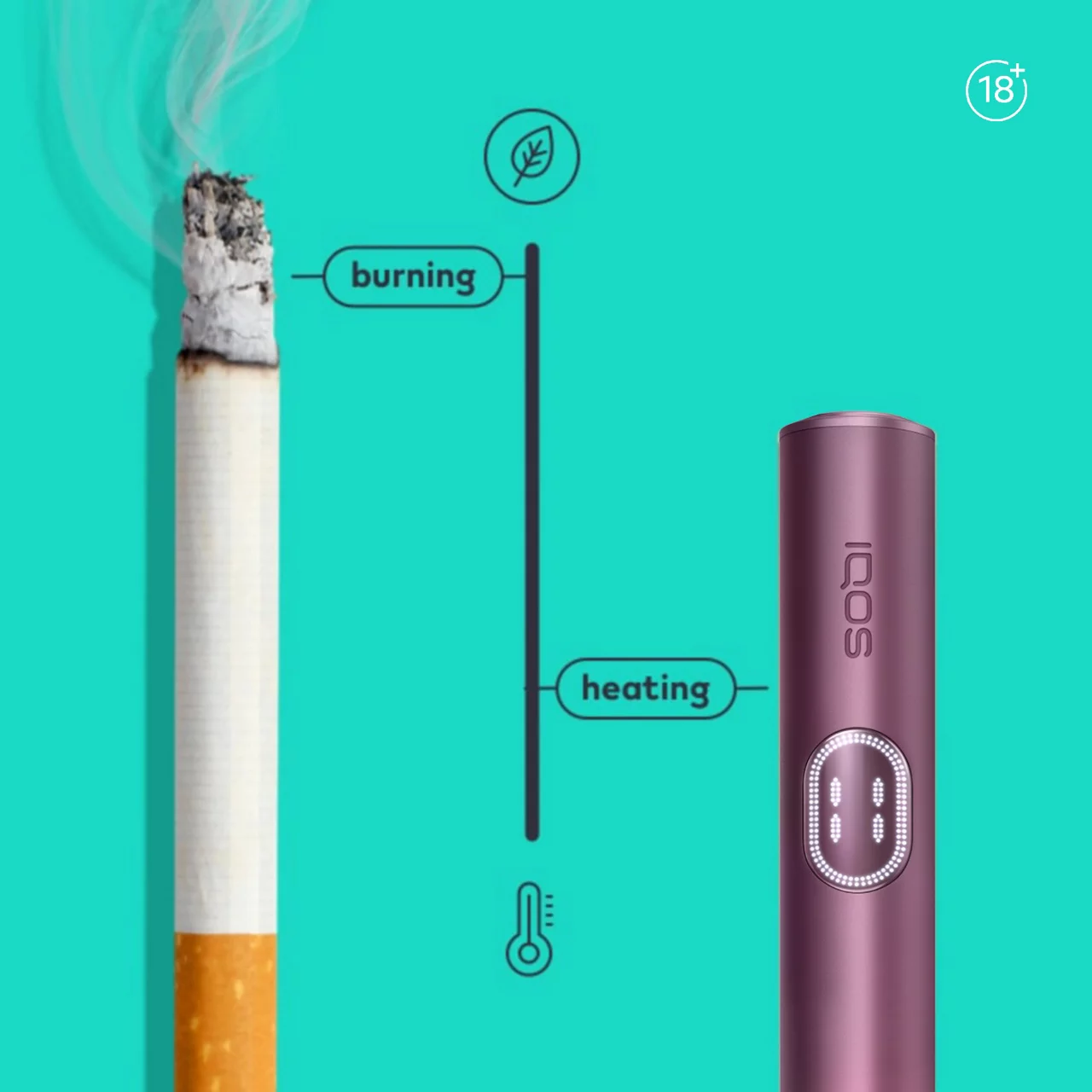
The humble cigarette has had a consistent design brief for generations. Light it, burn the tobacco, and inhale. Philip Morris International (PMI), however, is investing in technology designed to take combustion out of that equation.
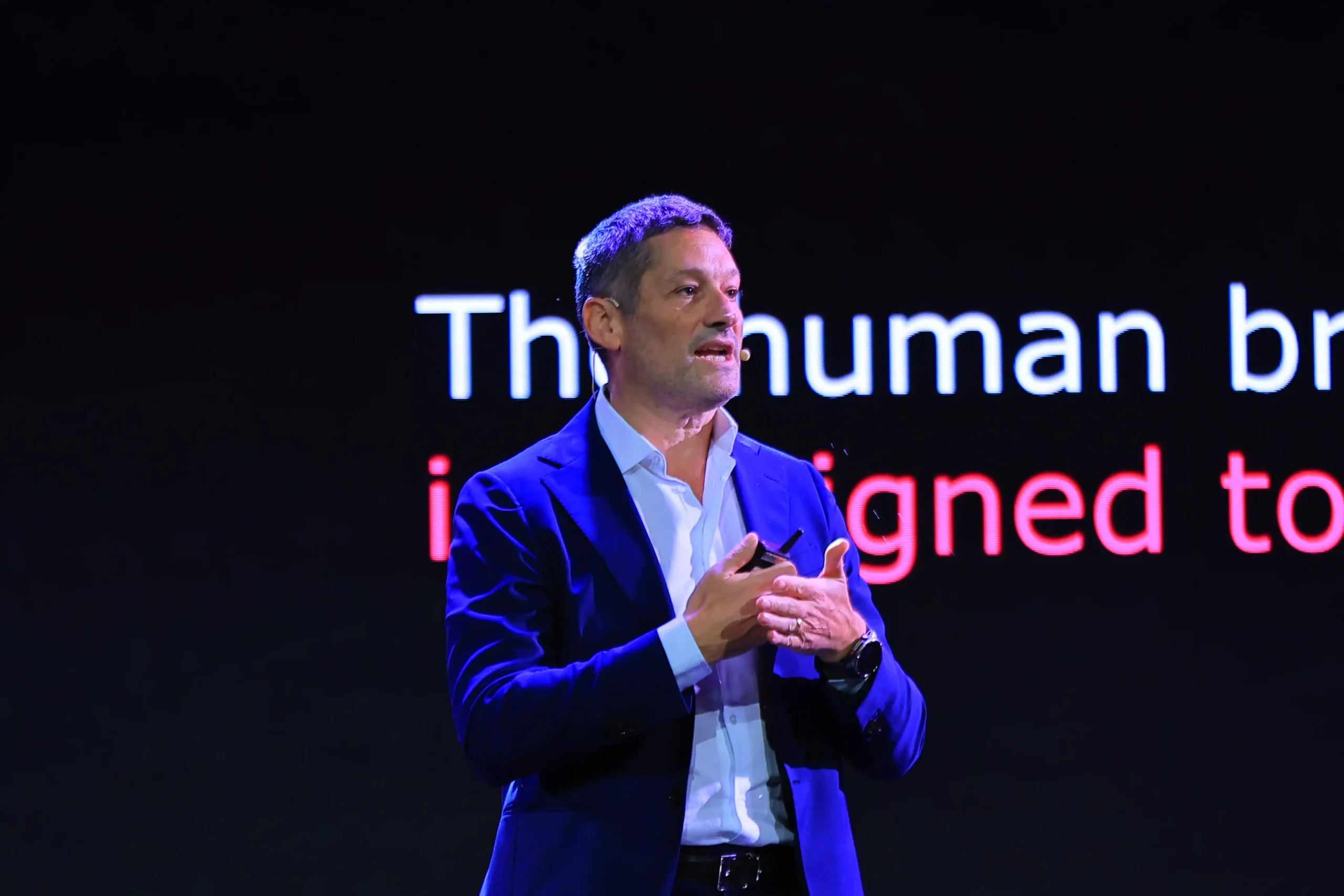
At Technovation Manila 2026, the Swiss tobacco manufacturer’s latest thinking centered on the engineering behind its smoke-free product portfolio, with Tommaso Di Giovanni, PMI’s Vice President of International Communications, explaining why the difference between burning and heating matters.

“Whatever burns basically starts a chemical factory,” Tommaso said.
PMI’s heated tobacco products, including IQOS, are designed to heat tobacco rather than burn it. The company reports that this produces 90 to 95% fewer harmful chemicals compared with cigarette smoke.
PMI is also looking at how portability, appearance, and ease of use influence the way adult smokers interact with these devices. Engineering a new way to heat tobacco is one thing. Getting the technology into a compact form is quite another.
Inside the technology that changed the device
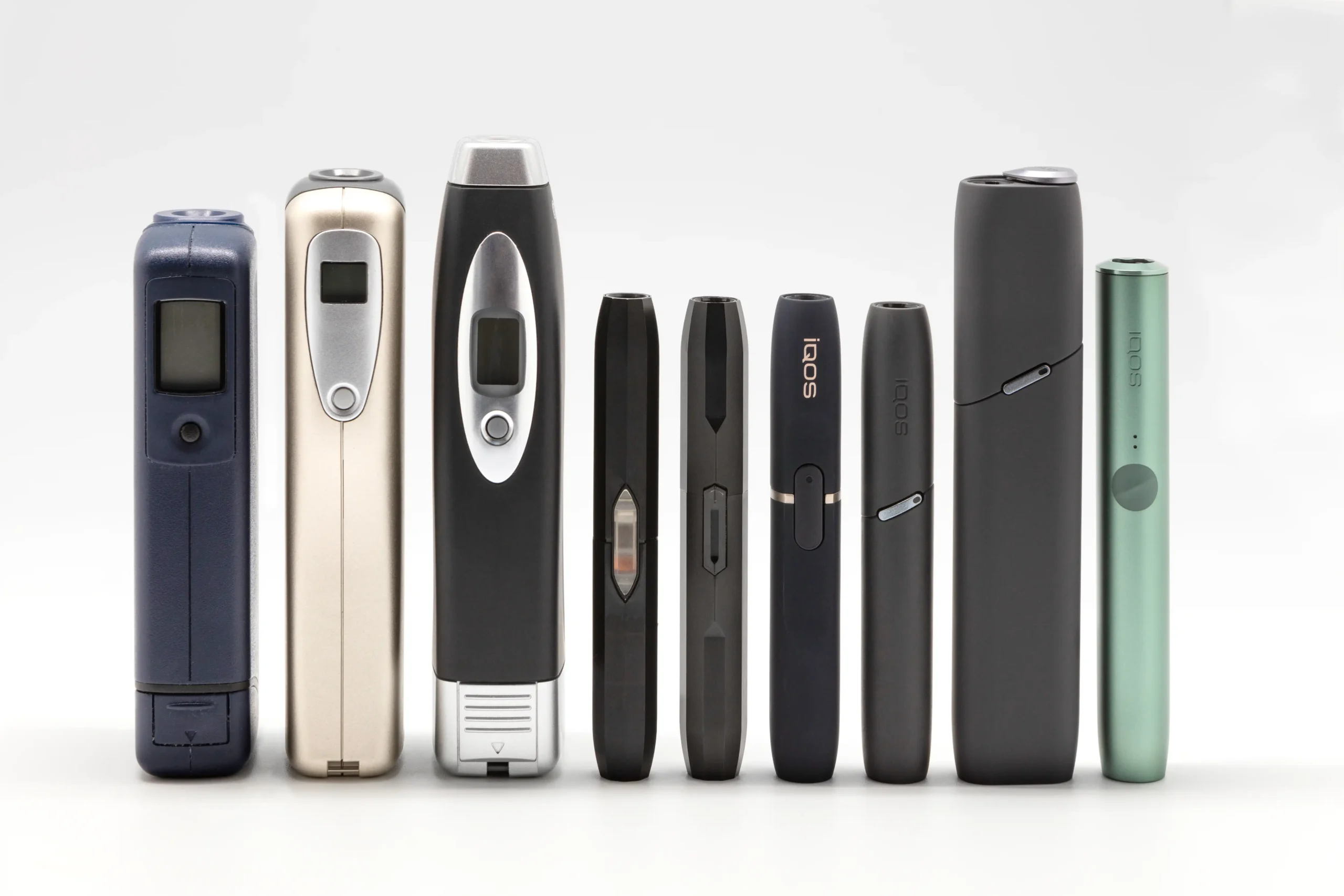
Getting tobacco to heat consistently without burning it was no simple feat. Early versions were bulky, but improvements in battery technology allowed PMI to develop more compact devices and separate the holder from the charger.
The heating mechanism also underwent several changes. Earlier models used a ceramic blade that could break and leave tobacco residue inside the holder, eventually giving way to miniaturised induction technology that heats the tobacco stick from the outside.
Later iterations introduced features such as consecutive use and the ability to pause a session. These refinements reflect the company’s efforts to improve both the device’s performance and everyday usability.
“All in all, we’ve had eight to ten iterations of this product,” Tommaso recalled.
For Tommaso, that evolution demonstrates how product development continues well beyond the initial breakthrough, with each generation addressing the limitations of its predecessor.
More than what’s under the hood
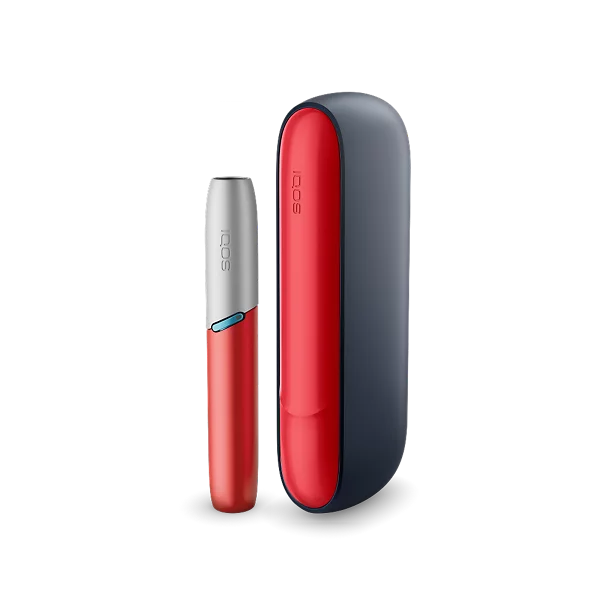
The engineering may happen inside the device, but its design determines how it enters someone’s daily life. Portability and appearance matter for products that consumers carry in their bags or pockets and bring into social settings.
“People want to carry an object they can be proud of,” Tomasso said.
The thinking has informed PMI’s collaborations with designers, musicians and creative figures. For Tommaso, these connections can communicate ideas in ways that technical explanations alone cannot. As he put it:
“Music gathers people together; it is about emotion, and emotion is what truly drives behavioral change.”
PMI also highlighted public space initiatives, citing a past MotoGP partnership allowing smoke-free products—where permitted by regulations—and reiterating that its marketing targets adult smokers exclusively.
The future is still being built
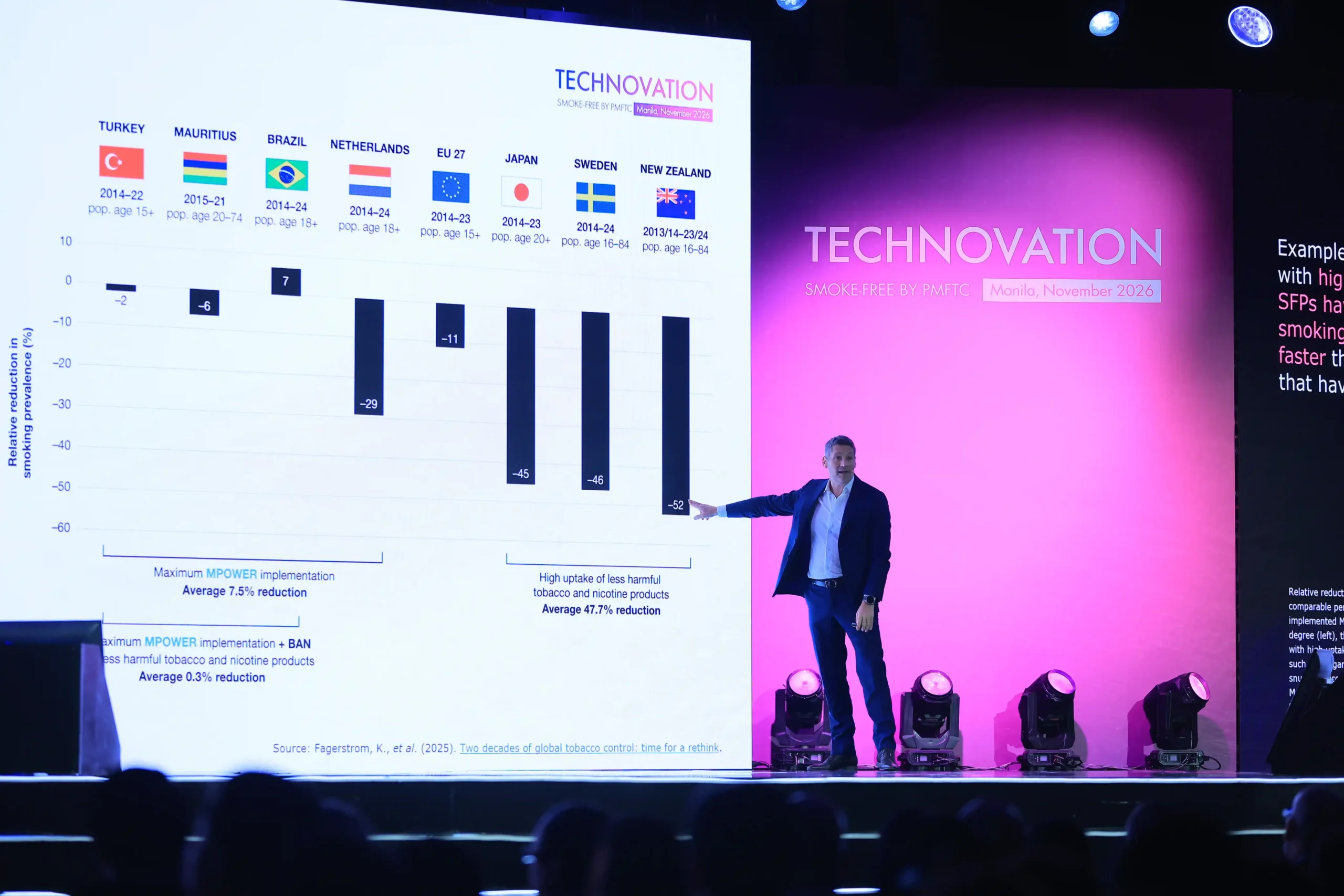
After focusing on heated tobacco in its first phase, PMI’s next transformation could span broader technologies. Tommaso noted the company already uses AI and biotechnology across its operations, from manufacturing to age verification.
At its Bologna facility in Italy, AI-powered systems detect production errors and make corrections, an approach Tommaso described as “Factory 2.0.” PMI is also testing AI-assisted age verification for retail and online sales, including facial-age estimation and identification-document recognition, as part of its efforts to prevent underage access.
Though the Philippines is a key market, smoke-free adoption remains limited. Tommaso noted that technology alone cannot achieve PMI’s vision, stressing that cooperation with governments, health authorities, and retailers is essential.

Looking ahead, he sees artificial intelligence as a major force in accelerating product development. Reflecting on how far the technology has come, he said:
“Something like an IQOS device would have been impossible 20 years ago; today we can make it, and we can go much further,” he said.
For PMI, the ultimate goal is a future in which conventional cigarettes become a relic of the past.
“Ideally, one day, cigarettes will belong in a museum.”
Reaching that point will require more than increasingly sophisticated devices; continued scientific scrutiny, responsible regulation, and clear communication about the risks of nicotine and smoke-free products remain essential to any meaningful transition.
Frequently Asked Questions
PMI says it aims to move adult smokers away from conventional cigarettes by developing alternatives that heat tobacco rather than burn it.
IQOS uses a heating mechanism to warm tobacco without burning it. This is designed to reduce the production of certain harmful chemicals associated with cigarette combustion.
Key developments include miniaturised batteries, precise temperature controls, and induction heating systems that heat tobacco sticks without a traditional heating blade.
PMI says it uses AI to detect manufacturing errors and is testing AI-assisted age-verification systems for retail and online sales.
No. Heated tobacco products still contain nicotine, which is addictive, and are not risk-free, even if they may reduce exposure to certain harmful chemicals compared with cigarettes.

Recommended Video