
Why Southeast Asia Keeps Going Back to Horror
Across the region, ghost stories remain a cinematic constant, giving filmmakers a way to revisit cultural memory, confront social anxieties, and bring old fears to new audiences





The ghosts never really left
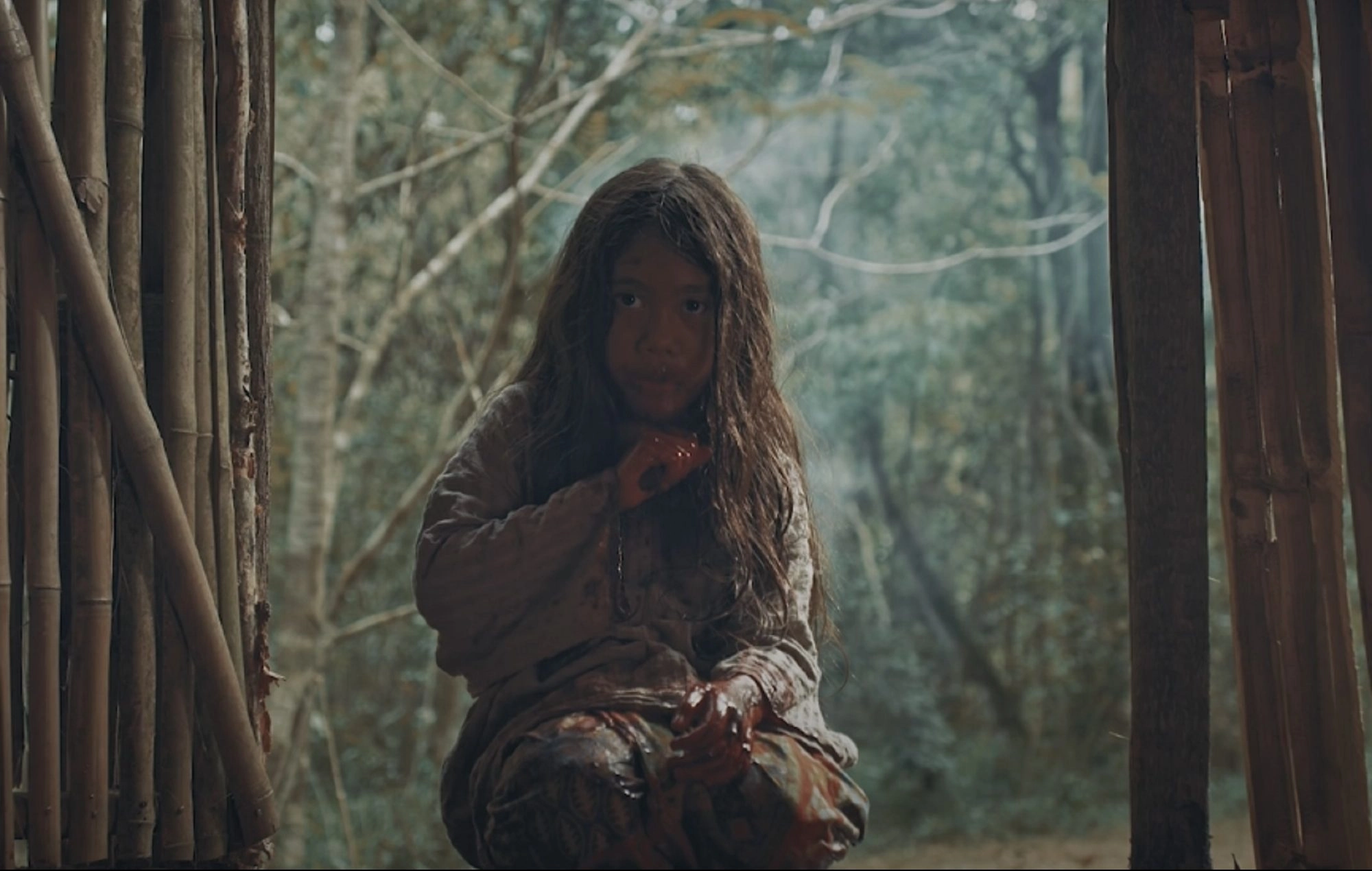
If you’re looking for fresh horror movies to watch this fall, Southeast Asia has no shortage of stories about the dead returning to haunt the living. From Indonesia’s vengeful spirits to Thailand’s phi and the Philippines’ aswang, regional horror draws on supernatural figures familiar through folklore and family stories.
These tales persist because they carry cultural memories that survive across generations. Cinema gives them new life, allowing familiar monsters to evolve alongside the societies that created them, whether through a contemporary retelling of an old legend or an entirely new story built around traditional beliefs.
Thailand’s Pee Mak, for instance, reimagines the legend of Mae Nak, a ghost whose devotion to her husband persists beyond death. Its blend of horror, romance, and comedy shows how filmmakers can revisit familiar folklore while keeping it relevant to new audiences.
When the supernatural reflects real life
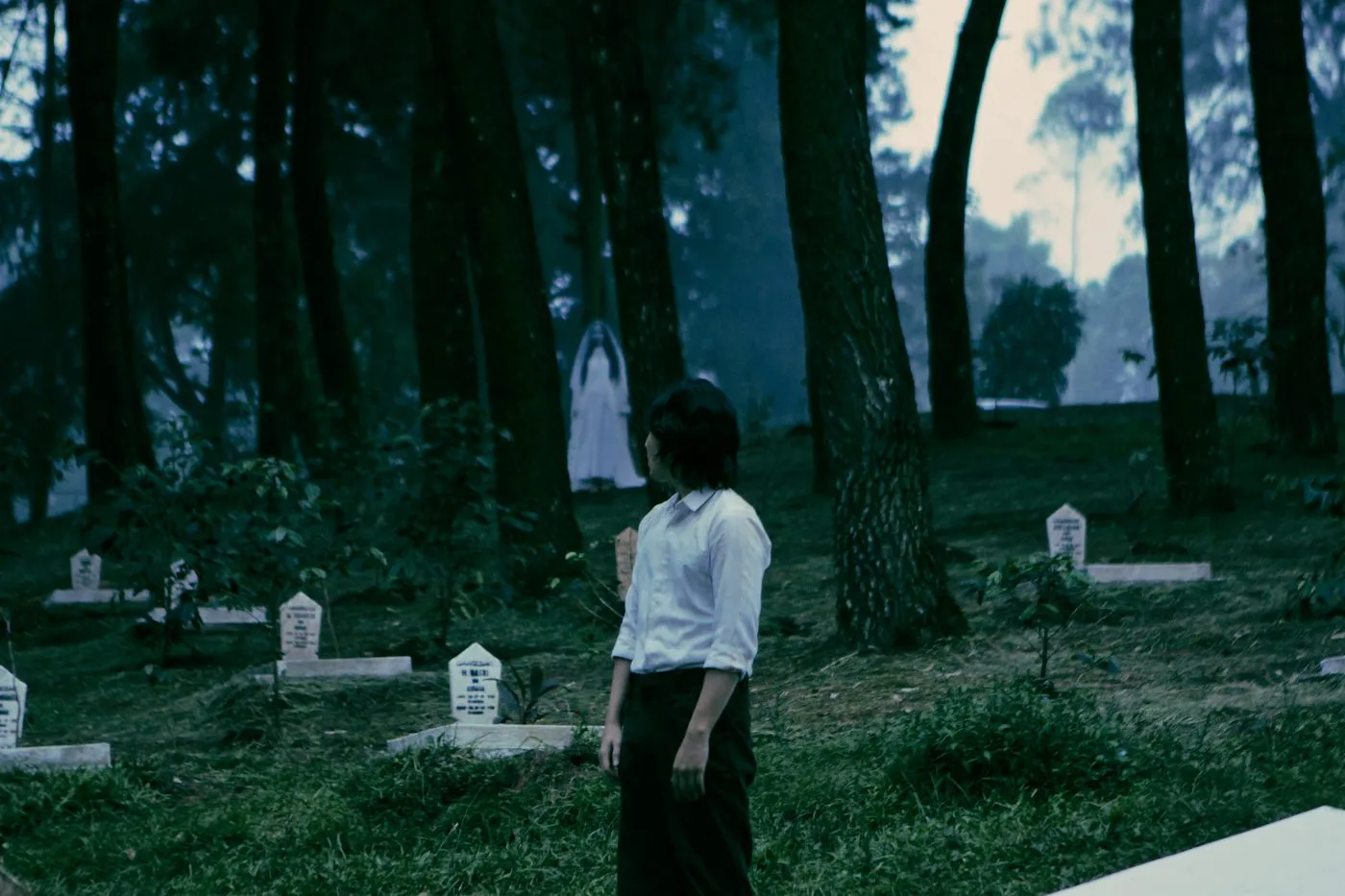
Regional horror often makes the supernatural feel inseparable from everyday life. A family dispute, village ritual, or isolated house can become a source of dread, turning familiar surroundings into something sinister.
Stories about possession, curses, and vengeful spirits can also reflect tensions around family obligations, gender, class, and religious authority. In Indonesia, Joko Anwar’s Satan’s Slaves and Impetigore draw on local settings and supernatural traditions to build horror from the histories and beliefs that shape a community.
The monsters may be fictional, but the fears surrounding them are recognizable. By giving grief, exclusion, and unresolved histories a supernatural form, filmmakers can examine difficult subjects while keeping audiences on edge.
A genre built to travel

Horror offers filmmakers creative flexibility without always requiring blockbuster budgets. Atmosphere, sound design, suspense, and strong performances can make a film effective, while local folklore provides a distinctive foundation beyond expensive visual effects.
The genre’s commercial reach has helped sustain its momentum. In Indonesia, horror has become a major box-office force, while streaming has expanded its reach; Netflix reported in 2022 that viewing hours for horror content across Southeast Asia grew by more than 40 percent between 2020 and 2021.
Global reach is only one aspect. Regional horror thrives by offering local audiences fresh takes on traditional beliefs while introducing global viewers to new mythologies. As long as filmmakers find new meaning in old fears, Southeast Asia will keep returning to horror.
Frequently asked questions
It draws on familiar folklore and spiritual traditions while giving filmmakers room to explore contemporary anxieties.
Many regional films feature local supernatural beings, rituals, and cultural histories that distinguish them from familiar Western genre conventions.
Indonesia, Thailand, and the Philippines have established horror traditions, while Malaysia and other regional markets also produce supernatural stories.
Folklore provides characters and storylines that filmmakers can reinterpret for contemporary audiences.
Yes. Streaming platforms have helped regional films reach wider audiences, with local mythology and distinctive settings offering fresh genre perspectives.

Recommended Video