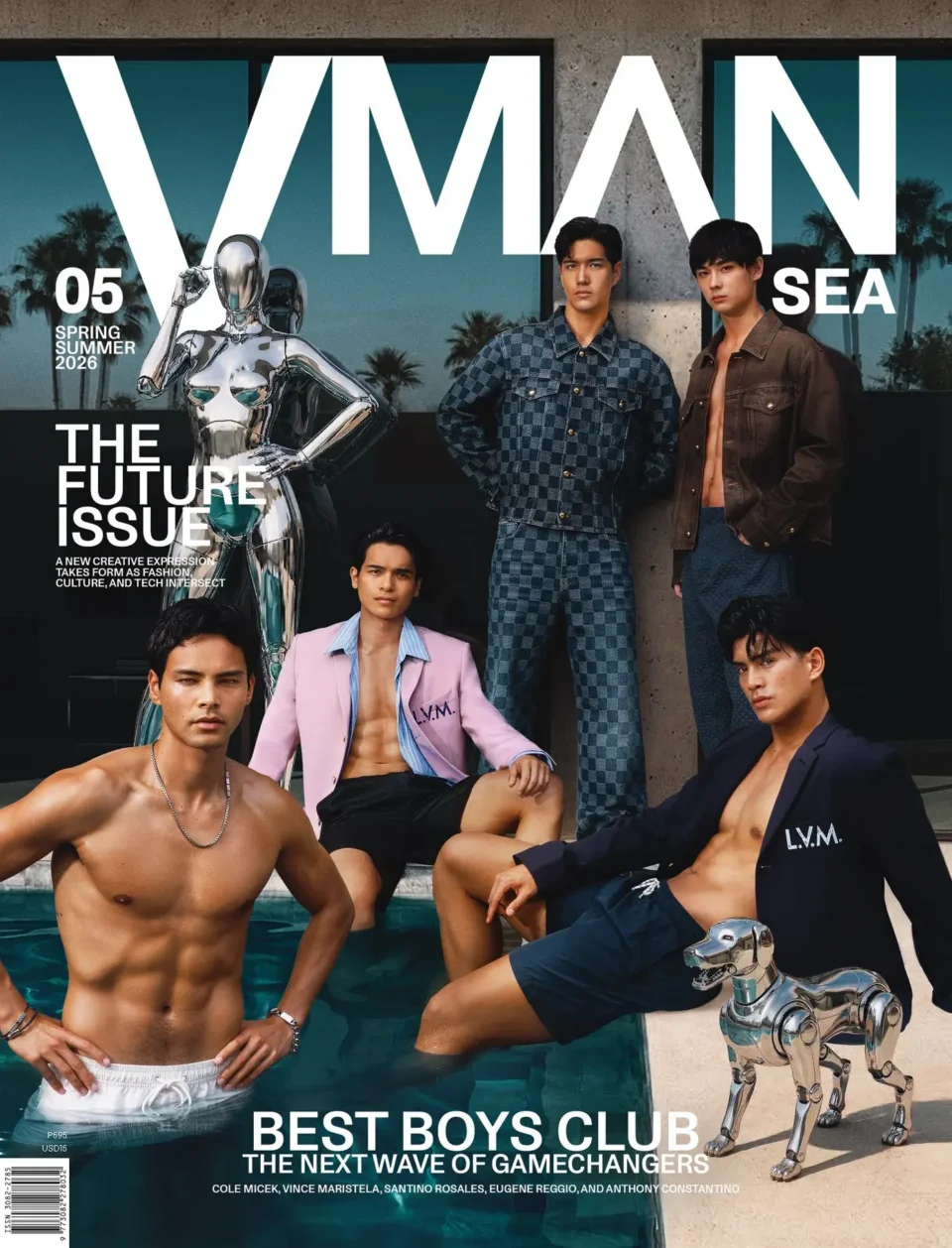
Rifky Krismon Has More Than One Canvas
Rifky has built a creative life around curiosity, moving from art and design to dining without feeling the need to pick just one





- Jakarta-based artist and designer Rifky Krismon moves between painting, design, creative direction, and hospitality, letting curiosity shape his career.
- Through INRUM, his intimate dining concept, Rifky brings his visual approach to food, treating the table as another canvas for creativity.
Why pick one creative lane?
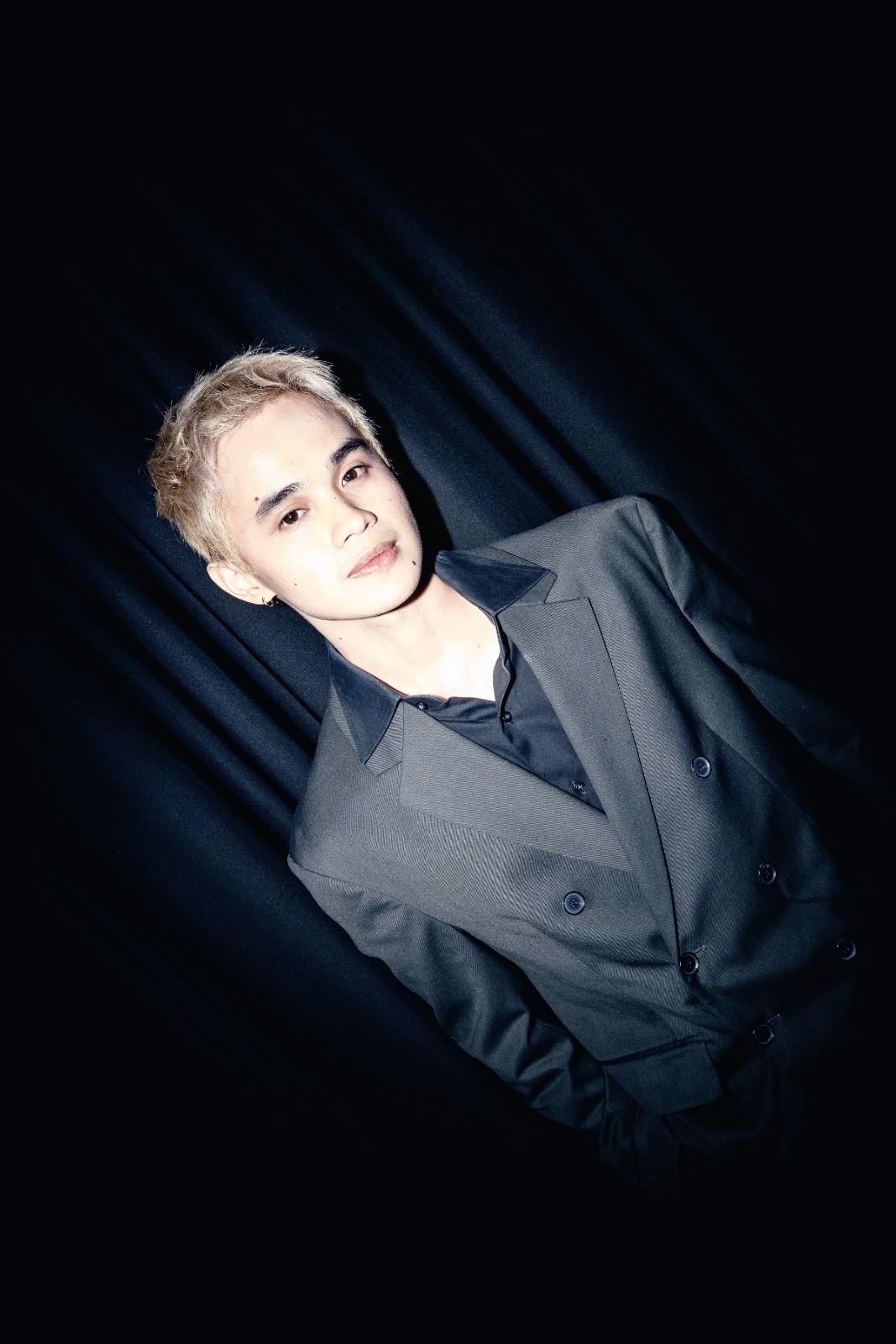
Rifky Krismon has never been interested in staying in his lane. The Jakarta-based Indonesian visual artist, designer, and creative director has moved between painting, illustration, creative direction, and entrepreneurship, while also finding his way into Indonesia’s hospitality scene through INRUM, his lifestyle and dining concept.
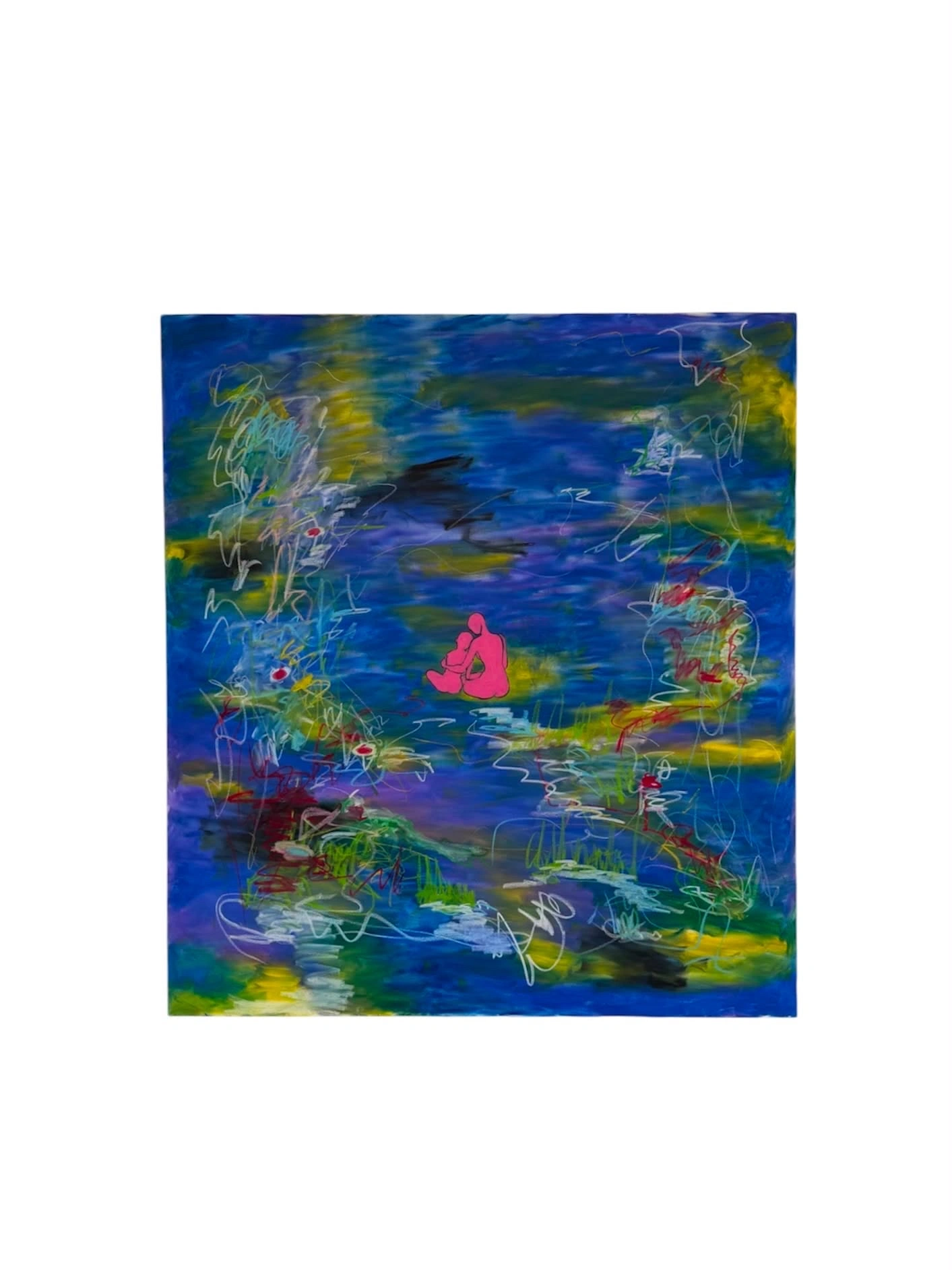
His paintings are another world entirely: vibrant colors and abstract backgrounds that give form to the less easily expressed parts of being human and the things people feel but rarely say out loud.
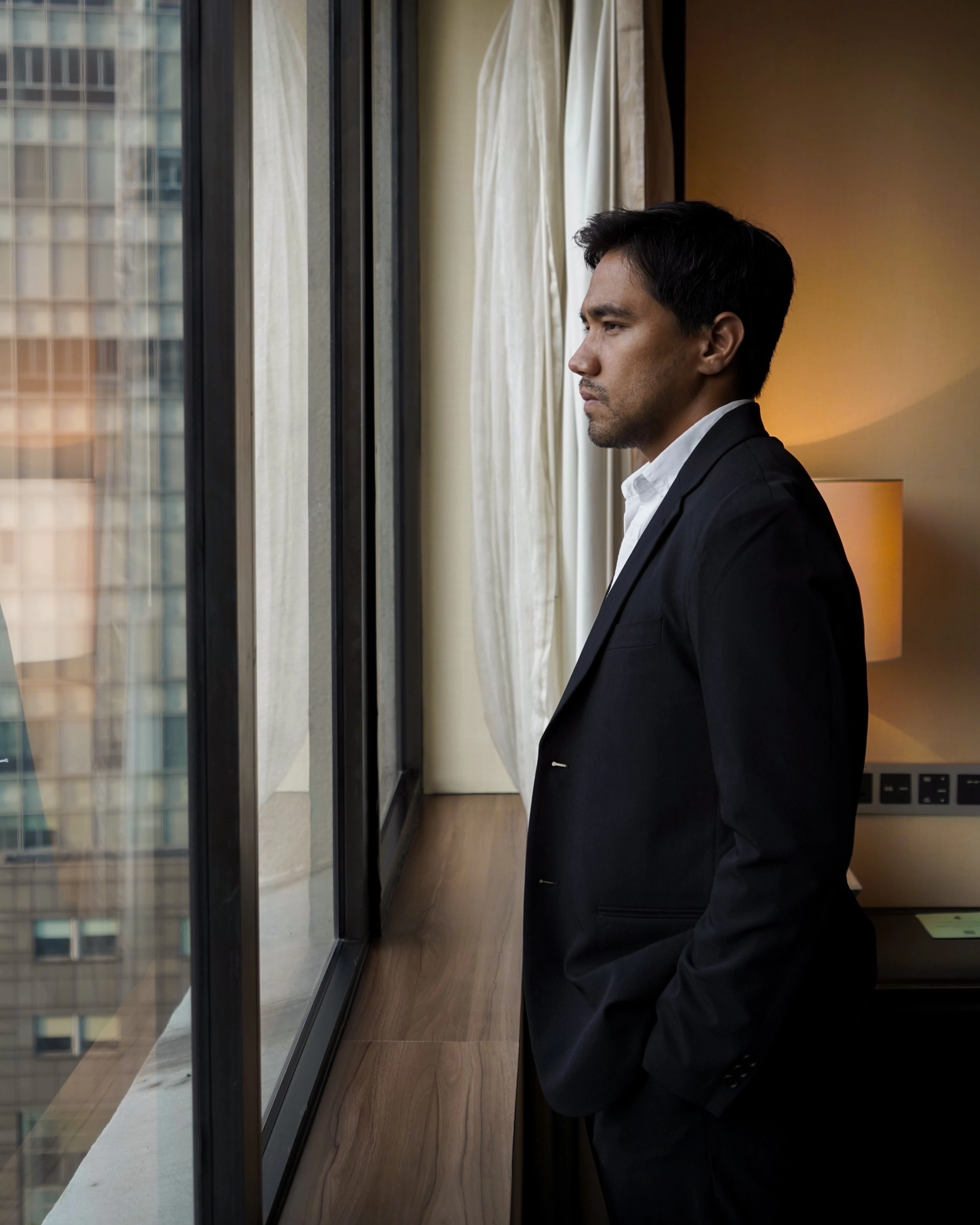
“I’ve always liked trying different things and seeing where they lead. One thing just led to another,” he says, and sometimes he simply followed an opportunity because he was curious.
“I think the common thread is probably the process of making something and learning along the way. I’m still figuring out what that means for me, so I try not to define it too much.”
Follow the interest
Rifky studied Visual Communication Design, but his education in looking at the world has been less tidy. His influences span biker culture, music, food, travel, and art, driven by a fascination with the subcultures that form around each one.
A motorcycle, for instance, is never just a motorcycle. A restaurant is never merely somewhere to eat. There are the people, the rituals, the clothes, the conversations, and the strange little communities that form around shared obsessions.
“I’m interested in the culture around things rather than just the things themselves.”
Which explains why Rifky’s work doesn’t feel confined to a single discipline. Inspiration can come from somewhere completely unexpected, linger in the background, then eventually find its way into a painting, a visual identity, or an entirely different project.
Less is, occasionally, more
His personal style follows suit. Rifky tends towards clothes that are casual and comfortable, and there’s a similar instinct at work in his creative practice. He likes clarity. He dislikes things that have been worked to death simply because someone was nervous about leaving them alone.
“I just tend to feel more comfortable when things are clear and not overworked,” he says. The catch, naturally, is that simplicity is difficult to fake.
“It’s easy to keep adding things because you’re afraid something is missing. Knowing when to stop is probably the harder part.”
Art, but make it dinner
His instinct to experiment eventually made its way to the dining table through INRUM, his lifestyle brand and intimate dining concept.
The idea is what Rifky calls “art to table”: food treated as another creative medium, where presentation, ingredients, balance, and atmosphere become part of the experience. He brings the same curiosity to food as he does to visual work, treating each meal as another space for experimentation.
“The menu is not only about the food itself, but also about how it is presented, how the ingredients work together, and how the whole experience feels.”
The comparison between painting and food becomes interesting when Rifky considers how differently the two mediums exist in time.
“A painting can stay with you for years, but a meal only exists for a short moment. You experience it, share it with other people, and then it’s gone.”
There’s something appealingly fleeting about that. You can’t hang dinner on a wall. There’s no returning to last Tuesday’s perfect bite. You eat it, talk about it, and it becomes a memory.
“For me, INRUM is really an ongoing experiment in bringing the way I think about art into dining. It gives me another kind of canvas, and this time, the canvas is the table.”
Indonesia is not one aesthetic
As Indonesian creatives gain greater international attention, Rifky is optimistic about the visibility but cautious about the idea that there is one definitive Indonesian creative style waiting to be exported. The country is simply too big, too varied, and too full of its own subcultures for that.
“There are so many different communities and ways of creating that it’s difficult to describe Indonesian creativity as just one thing.”
What the rest of the world may not fully understand, he suggests, is how much exists beyond the easiest visual shorthand. “I don’t think we need to try too hard to explain it,” Rifky says. “Hopefully, as more people get the chance to experience the work and meet the people behind it, they’ll understand it better.”
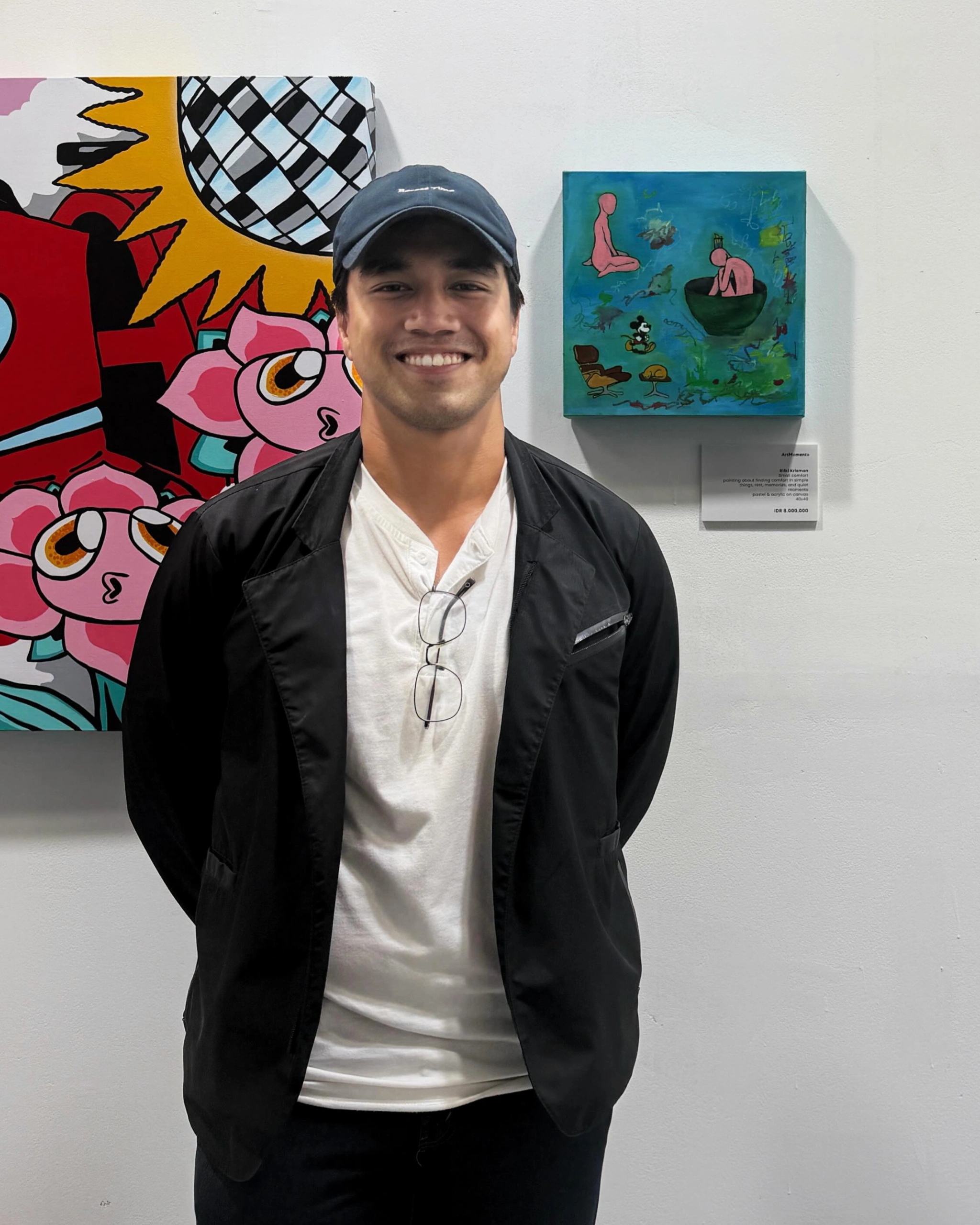
The same goes for his own work. He draws from Indonesia, but also from everywhere else. He doesn’t feel obliged to make every project announce where it came from. “I don’t feel the need to make everything obviously Indonesian,” he says. “At the same time, I don’t want to ignore where I come from either.”
Forget the big audience
After years spent working commercially and creatively, Rifky has also started thinking differently about what success actually looks like.
A large audience is nice, naturally. Nobody’s going to complain about people paying attention. But he’s increasingly interested in making things that have meaning even when they are experienced by fewer people.
“I’m becoming more comfortable with making things that don’t necessarily need a big audience. Sometimes something small can stay with you for a long time.”
He’s more interested now in “the quality of the experience and the people involved” than the number of people watching from the sidelines.
What’s next for Rifky? Who knows
The future, for Rifky, remains open. “I don’t really have a clear answer yet,” he says when asked what kind of creative life he is trying to build.
There are more things he wants to explore in food, design, and beyond, but he’s in no rush to give them names or deadlines. The next project can arrive when it arrives.
“I think I’m trying to build a life where I can keep making things without putting too much pressure on what they have to become.”
Perhaps that’s the real connective tissue between everything Rifky does. Not a particular medium or industry, but an appetite for discovery. He paints because he has something to explore. He works in design because he’s interested in making things work. He created INRUM because food offered another creative problem. And if another idea comes along tomorrow, there is every chance he will follow it.
For now, he has a simple plan: “I’m just happy to keep learning, working with good people, and staying curious.”
Frequently Asked Questions
Rifky Krismon is an Indonesian visual artist, designer, and creative director based in Jakarta. His work spans painting, illustration, creative direction, and hospitality.
Rifky Krismon is known for vibrant paintings featuring fragmented figures and abstract backgrounds, as well as his work across design and creative direction. He is also the founder of INRUM, an intimate dining and lifestyle concept in Indonesia.
INRUM is a lifestyle and dining concept built around Rifky’s idea of “art to table.” It treats food, presentation, ingredients, and atmosphere as parts of a wider creative experience.
Rifky draws inspiration from a wide range of interests, including biker culture, music, food, travel, art, and the communities surrounding them.
Rifky believes Indonesian creativity can’t be reduced to one style because the country has diverse communities and creative practices. He sees authenticity as more important than making work that looks obviously Indonesian.
Recommended Video