
Can the iPhone Duo Cure Every Foldable Headache?
Addressing a decade of trade-offs, Apple’s folding phone debut targets crease fatigue, awkward aspect ratios, and screen fragility




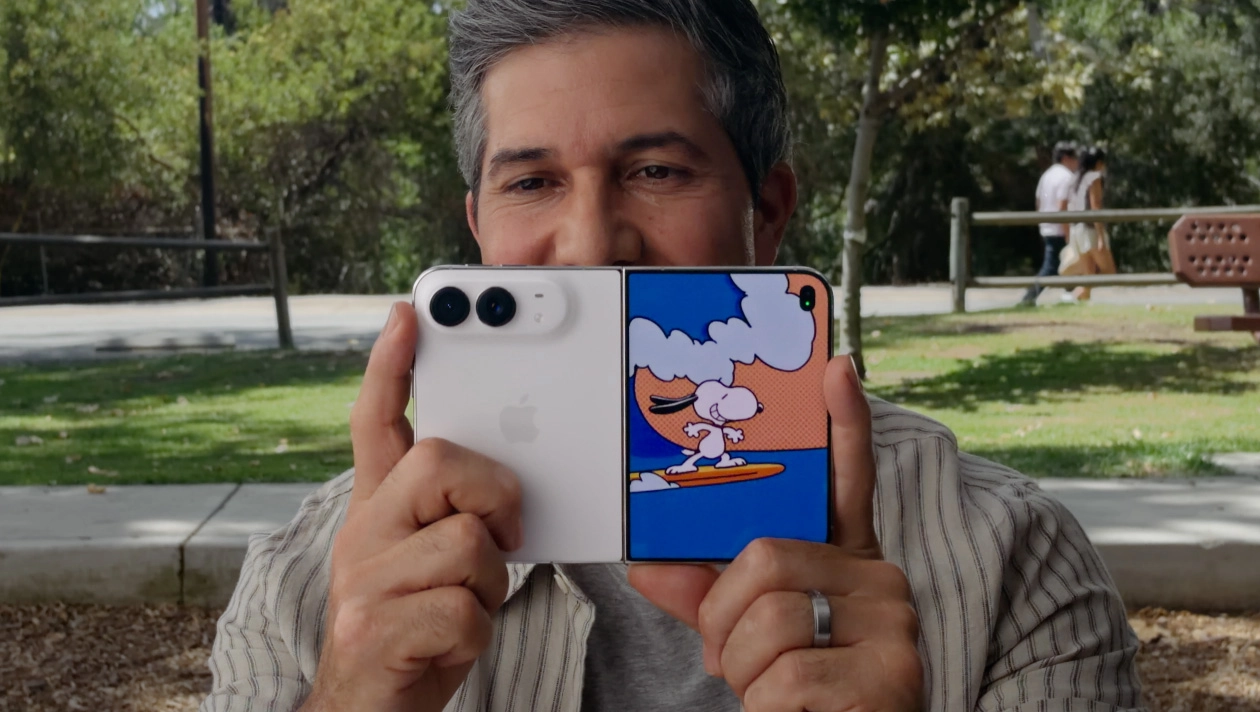
- Built with a multi-layer gliding hinge and balanced passport proportions, the device attempts to solve the functional pain points of early bendable hardware.
- The true test remains whether unified software scaling and reinforced materials can transition foldables from an enthusiast novelty into durable everyday tools.
Soft screens and the battle against daily wear
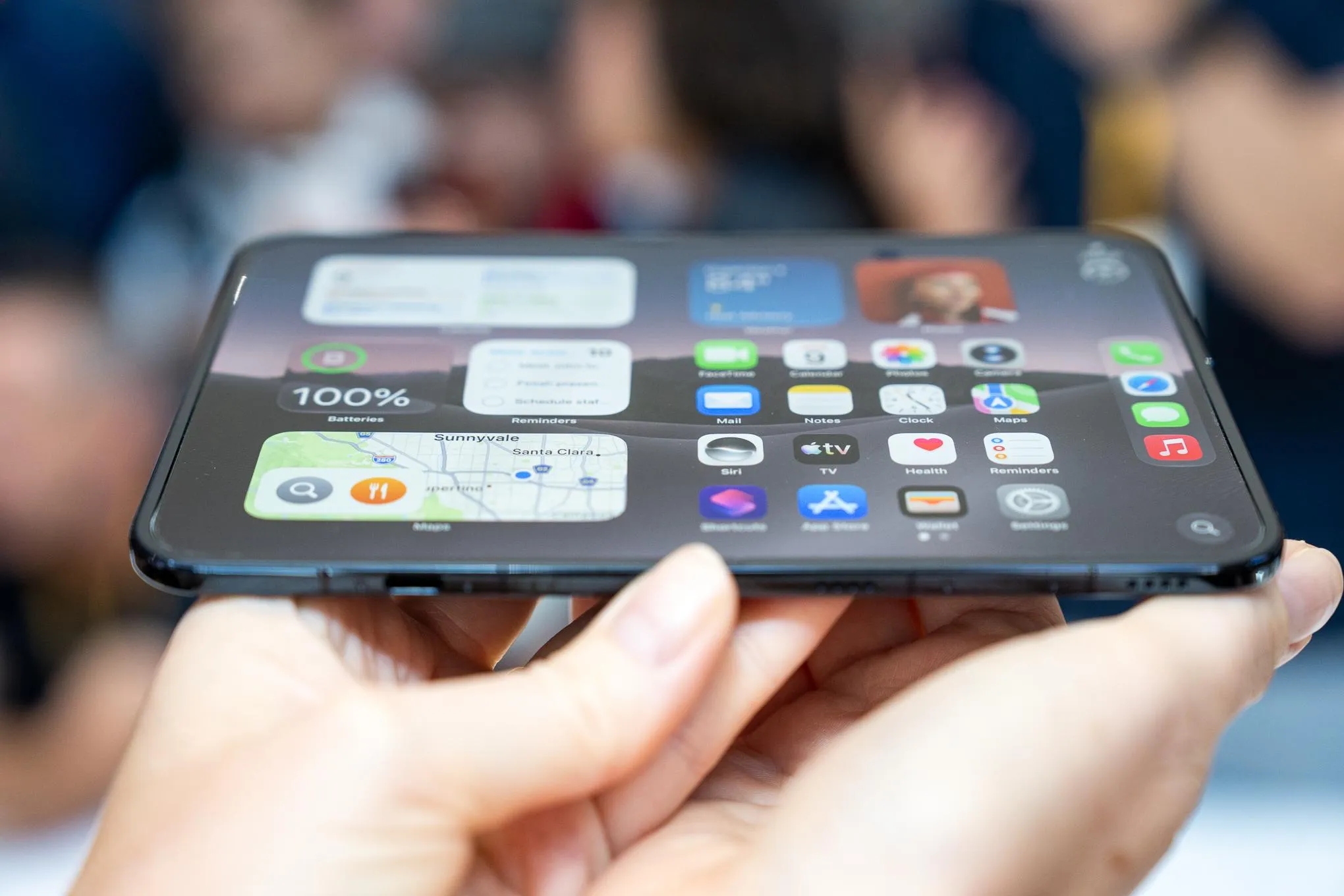
For years, foldable phone owners have faced fragile inner screens made of soft plastics that smudge, dent under fingernails, and scratch easily compared to tough traditional glass, according to hardware teardowns. Pre-installed factory screen protectors also frequently bubble, peel, or split down the middle after repeated bending stress, per long-term device testing.
To combat this, the iPhone Duo swaps delicate coatings for a ten-layer inner assembly protected by a stiff nano-texture polymer and ultra-thin glass. These sliding layers glide smoothly against one another to relieve bending stress without snapping or delaminating.
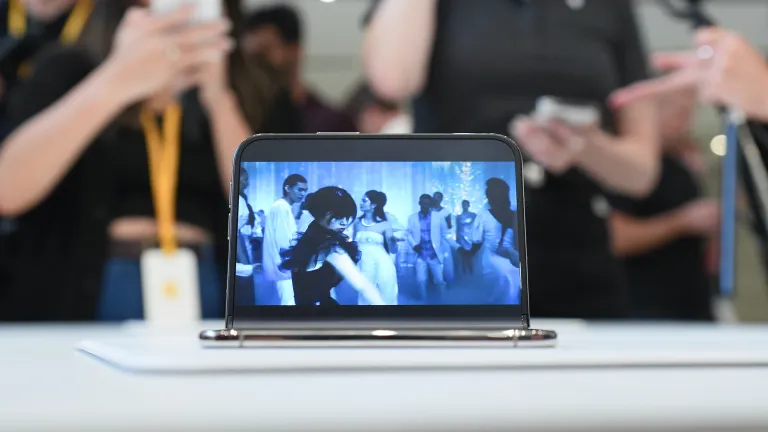
While flexible panels are naturally softer than standard glass, sliding internal layers aim to prevent early cracking and surface peeling. These reinforced materials help mitigate the micro-crevices that historically degrade flexible displays over extended cycles.
Extreme weather has also plagued foldables, as field stress tests show sub-zero temperatures stiffen flexible screens and make them prone to cracking mid-fold. While Apple’s reinforced display is built to handle freezing climates far better, flexible glass fundamentally demands more gentle daily care than a standard flat screen.
Taming the hinge and hiding the crease
The moving parts inside a folding hinge have historically acted as magnets for pocket lint and dust, causing gritty noises, stiffness, or broken internal ribbon cables, according to repair specialists. Compounding that, display durability benchmarks confirm a noticeable groove—the crease—often sits right in the center of the display and deepens over time.
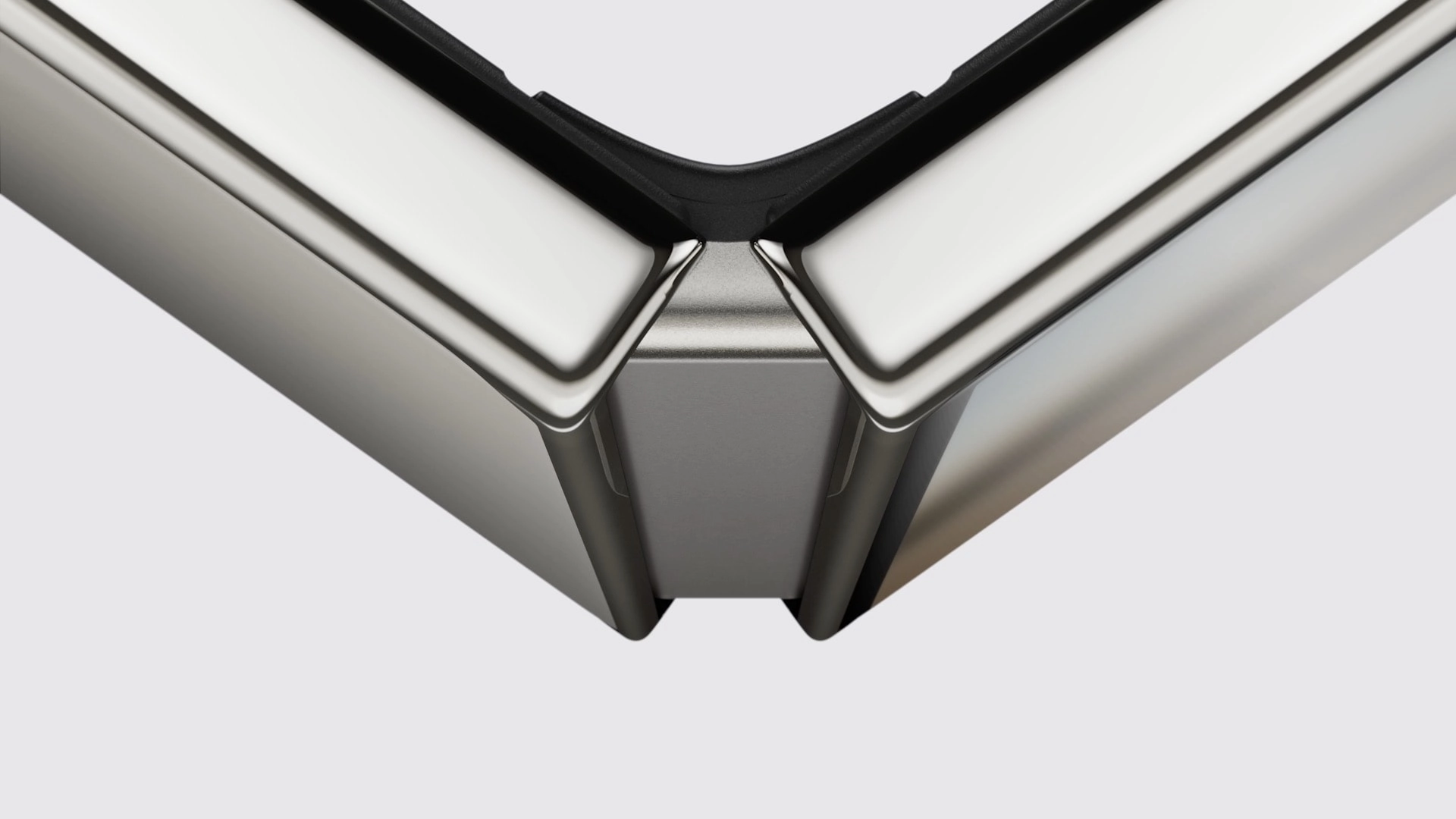
The iPhone Duo addresses this with an IP68-sealed titanium and carbon-fiber hinge built from over a hundred micro-parts to lock out grit. Rigid internal support plates flatten directly beneath the screen when opened, keeping the center ridge nearly invisible to both sight and touch.
Apple’s switch to a matte nano-texture display also proves to be a great addition, diffusing ambient light reflections to virtually eliminate crease visibility in everyday use. By scattering highlights rather than showing sharp surface distortions, the screen presents a clean, uninterrupted canvas.
This continuous internal backing ensures internal cables avoid pinched bends during repeated folds. Even so, reliability engineers point out that keeping any complex mechanical hinge completely flawless over hundreds of thousands of cycles remains a massive real-world hurdle.
Big screen balance without the clunky trade-offs
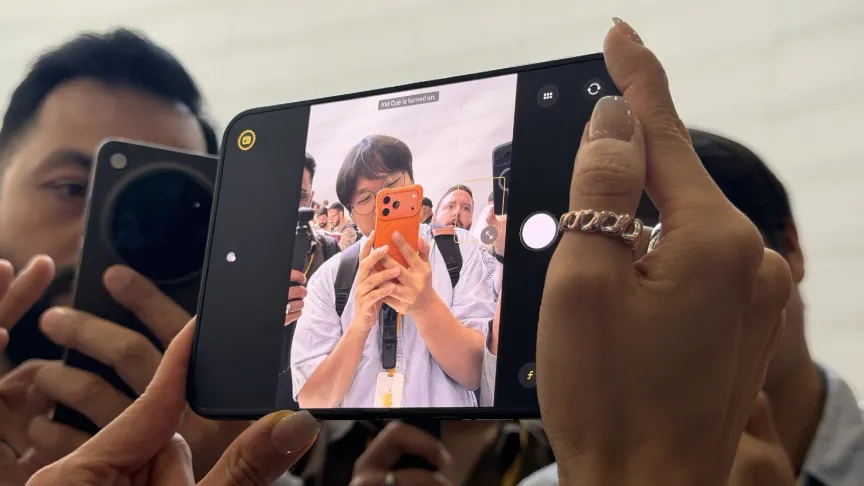
Early book-style foldables often felt awkward to use in daily life, featuring tall, cramped outer screens, top-heavy camera bumps, and stretched apps. Their massive footprint made them slippery to hold while walking, all while demanding steep prices between $1,500 and $2,000 without offering class-leading cameras.
The iPhone Duo tackles this with a wider passport silhouette, giving you a natural 5.4-inch outer phone that fits safely in one hand without unfolding. Unfolded, its balanced weight distribution and flush camera layout keep the phone stable in your palms or resting flat on a desk.
Apps on a foldable must feel natural immediately, adapting from a pocket-friendly screen into a clean side-by-side workspace. First-hand impressions also confirm the iPhone Duo doesn’t have the best cameras compared to top-tier flagships, sticking to a modest dual setup to keep the profile slim.
On the software side, iOS cleanly reorganizes apps into polished side-by-side views without awkward black bars or stretched layouts. However, starting at $1,999, it still asks everyday buyers to pay a steep premium for the folding form factor over camera supremacy.
Frequently asked questions
The iPhone Duo is Apple’s first foldable smartphone, featuring a 5.4-inch outer display that unfolds like a book into a 7.6-inch tablet-style screen.
It uses sliding glass layers and rigid titanium plates under the display to support the center, making the crease far flatter and less noticeable than past foldables.
The hinge is sealed to achieve full IP68 water and dust resistance, preventing pocket debris from jamming the moving gears or damaging internal display cables.
Yes, the wider passport-style cover screen acts like a normal compact smartphone, so you can easily text and navigate without needing to unfold it.
No, iOS automatically adjusts apps into native two-column tablet views or Split View windows, preventing the cropped text and black bars seen on poorly optimized platforms.

Recommended Video