Praise Ndlovu on Building a Personal Style Beyond Trends
Two countries, one wardrobe, and a very clear rule: fashion can influence your style without deciding it for you




- Praise’s interest in style started with outfit posts in high school before evolving into a career in fashion content and modeling.
- He studies trends without blindly following them, using fashion to express his identity and inspire others to dress with confidence.
A style shaped by two worlds
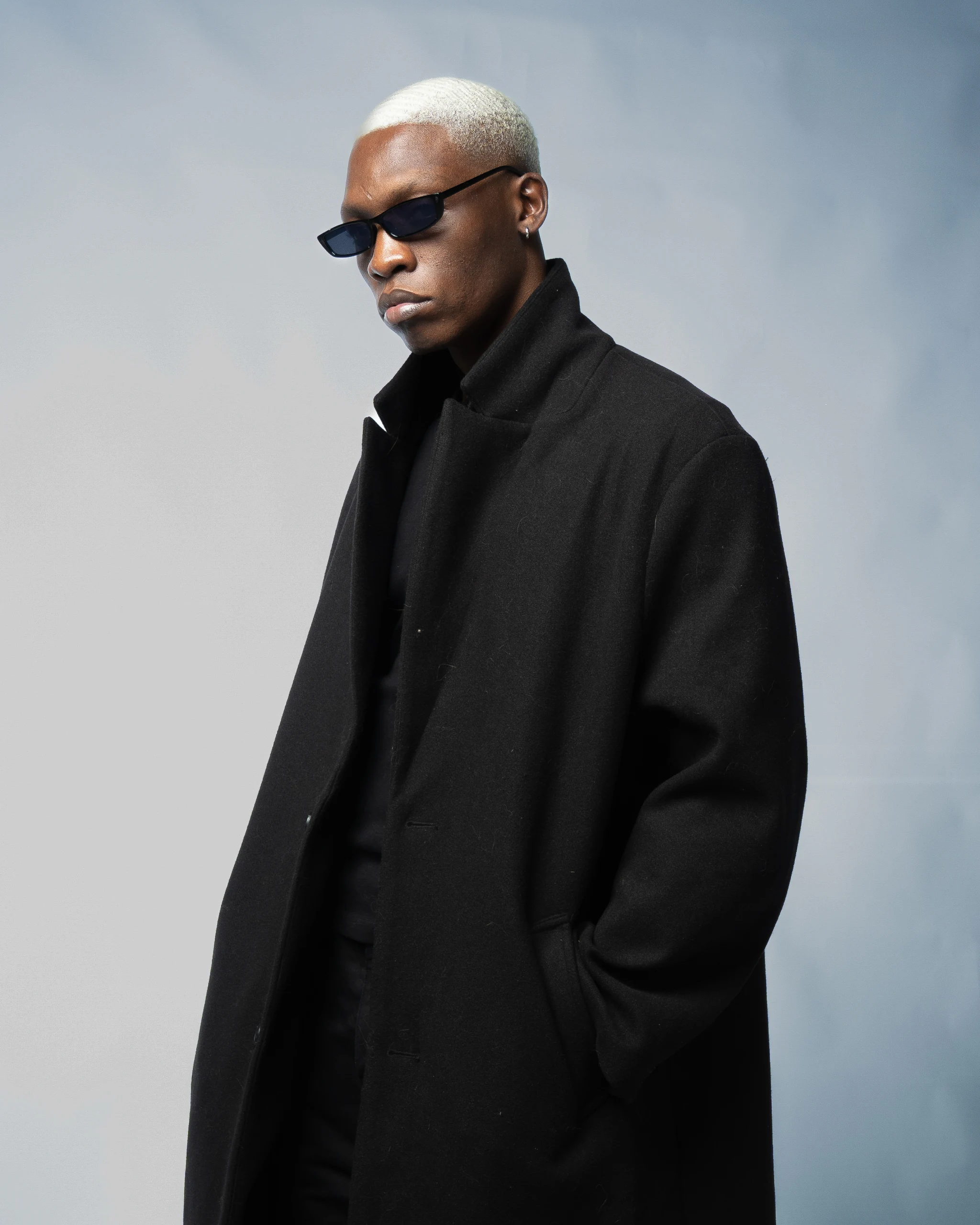
Praise Ndlovu has never needed a dress code to tell him what to wear. The Zimbabwe-born, Philippine-based fashionFashionThe art and industry of designing, producing, and styling clothing, footwear, accessories, and beauty trends. It reflects cultural influences, personal expression, and evolving styles across seasons and markets.Go to Fashion Glossary content creator and model has built a style around tailoring, layering, and the occasional curveball, becoming one of Southeast Asia’s best-dressed men in the process.
His wardrobe carries traces of where he grew up, what he has learned in the Philippines and, most importantly, what he actually likes.
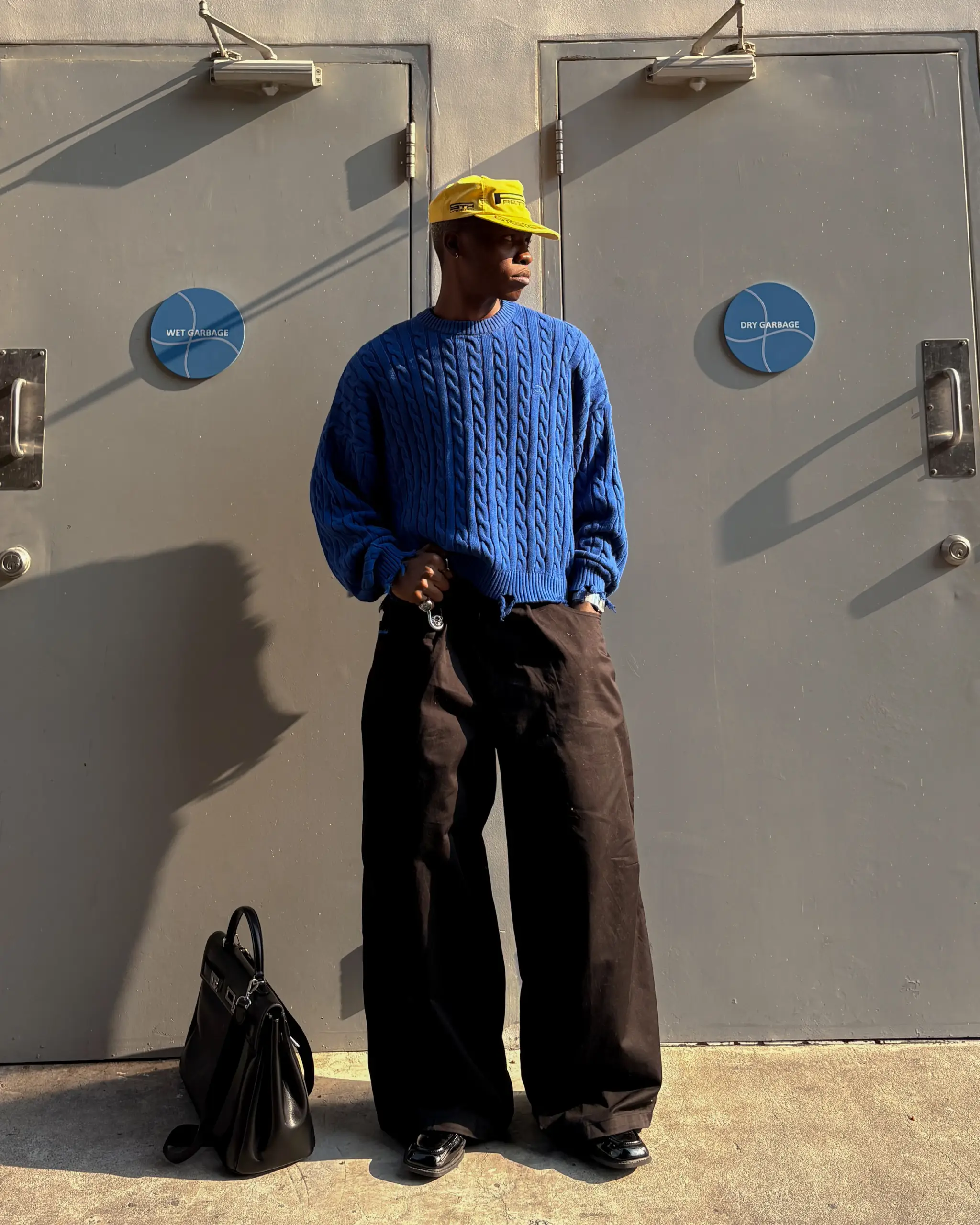
Praise grew up in Bulawayo, where dressing well meant looking put together. Suits and layers were part of the visual vocabulary around him, while colder winters made the latter practical. Manila flipped the formula. The tropical climate demanded lighter clothes, while the city’s fashion culture allowed for more ease and experimentation.
“Zimbabwe taught me how to dress like an adult before I even realized that’s what was happening,” he says.
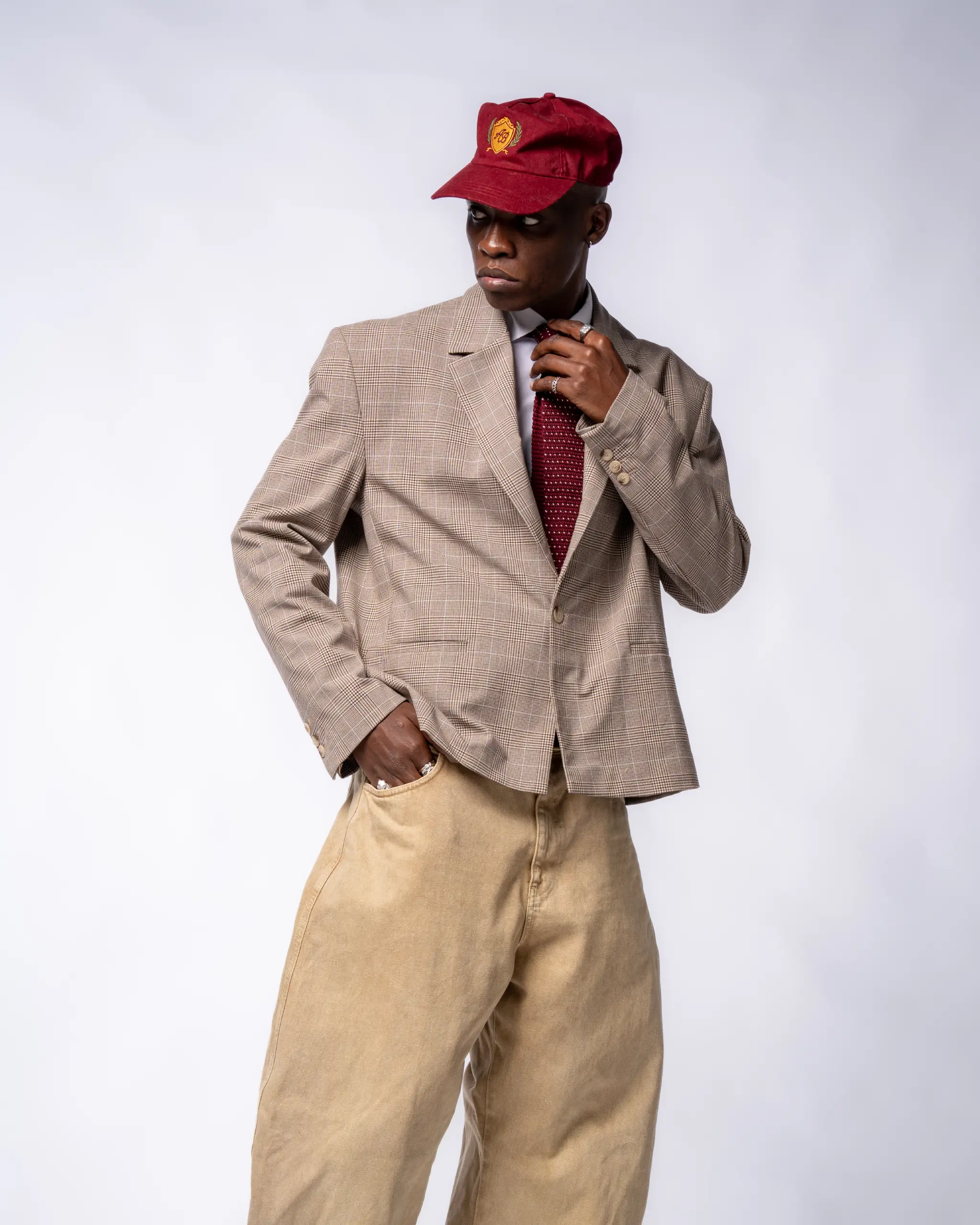
Now, his style sits somewhere between those two worlds. There is experimentation, but never the sense that he is trying too hard. The contrast has become part of his signature.
Before Instagram, there were sneakers
FashionFashionThe art and industry of designing, producing, and styling clothing, footwear, accessories, and beauty trends. It reflects cultural influences, personal expression, and evolving styles across seasons and markets.Go to Fashion Glossary was already a serious interest before Praise ever considered turning it into a career. In high school, he saved whatever money he could to buy sneakers and caps that were considered stylish at the time.
He posted his outfits on Facebook, mostly for himself and his friends. There was no content calendar or a carefully engineered personal brand. Just a guy who liked clothes and wanted to show what he was wearing. Then the pandemic happened.
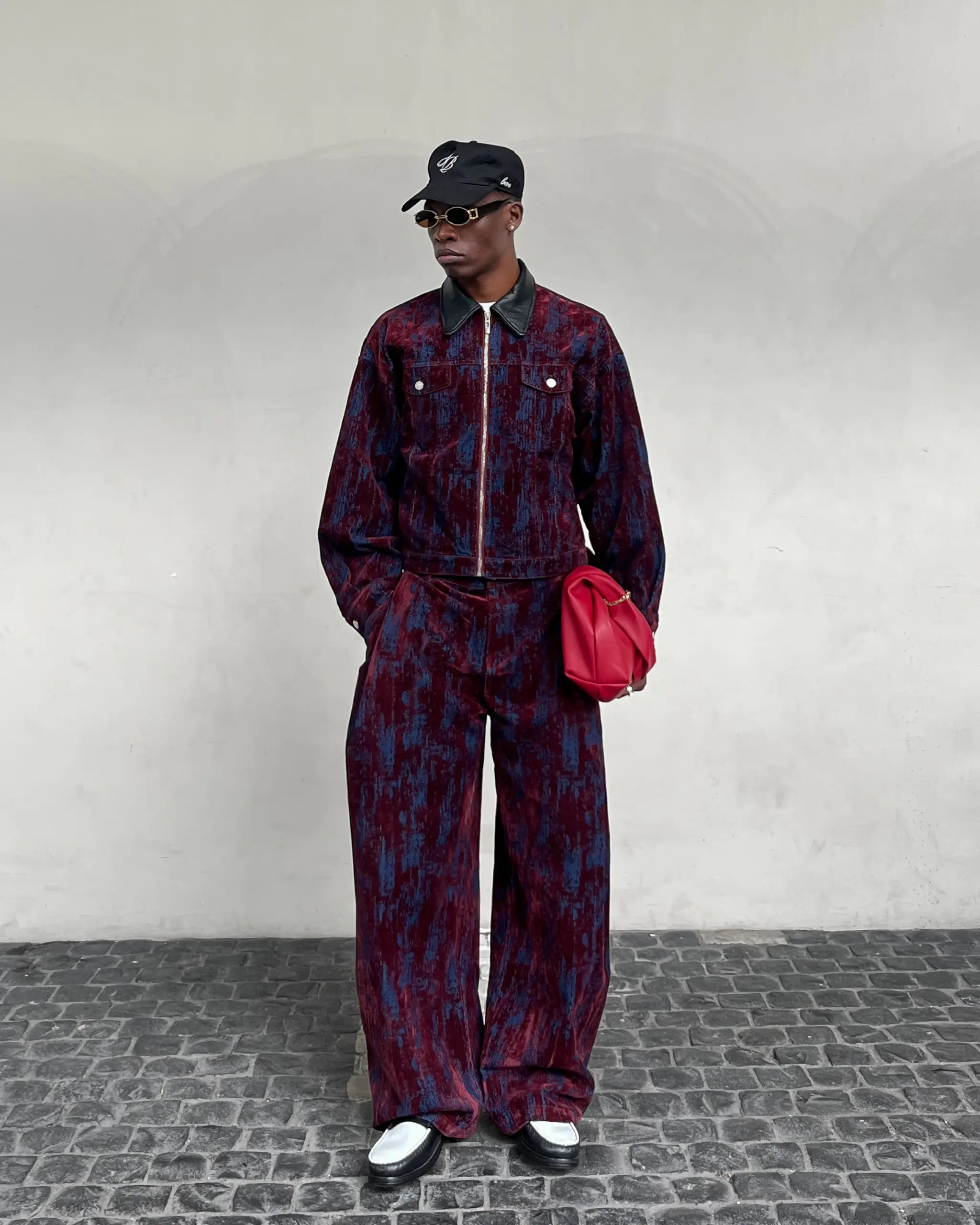
Instagram suddenly looked like a potential portfolio. Praise began to recognize that the thing he had been doing for years could actually become work. The transition was straightforward because the interest was genuine from the beginning.
“I wasn’t forcing a niche,” he says, which tracks. He never had to manufacture a fashionFashionThe art and industry of designing, producing, and styling clothing, footwear, accessories, and beauty trends. It reflects cultural influences, personal expression, and evolving styles across seasons and markets.Go to Fashion Glossary identity for the internet because he already had one.
He follows trends, but he doesn’t follow them blindly
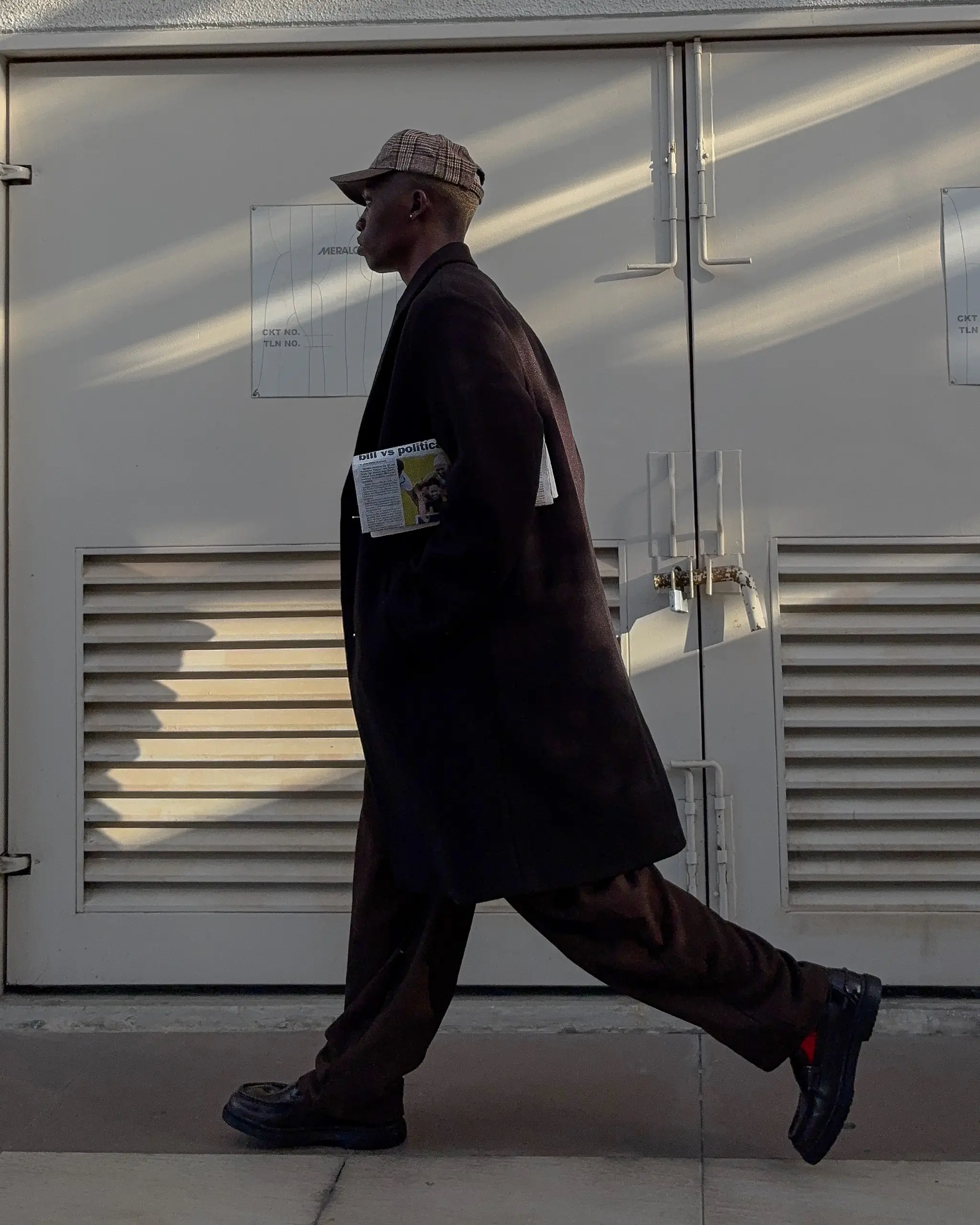
The internet has made fashionFashionThe art and industry of designing, producing, and styling clothing, footwear, accessories, and beauty trends. It reflects cultural influences, personal expression, and evolving styles across seasons and markets.Go to Fashion Glossary faster, but Praise is not letting the algorithm dress him. “I pay attention to trends, but I don’t copy them,” he says.
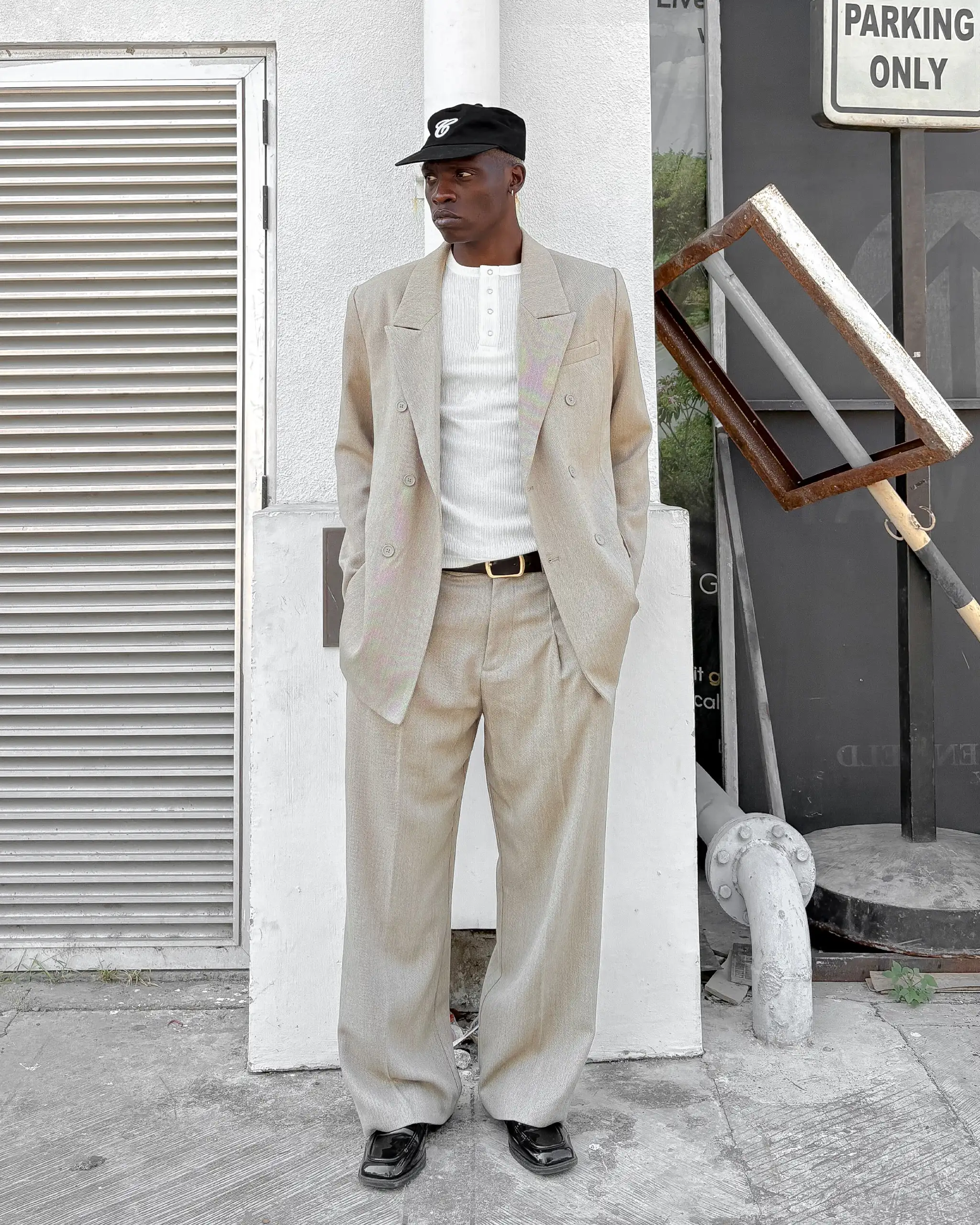
His approach is closer to research than reaction. When a new trend appears, he wants to understand the story behind it, where it came from, and why people are suddenly interested in it. If it feels like a flash in the pan, he lets it go. If there is something more enduring underneath, he looks for a way to make it work within his own wardrobe.
Praise knows that trends come and go. Personal style has to survive them. “The second you start chasing every trend just because it’s trending, you lose your visual identity,” he says.
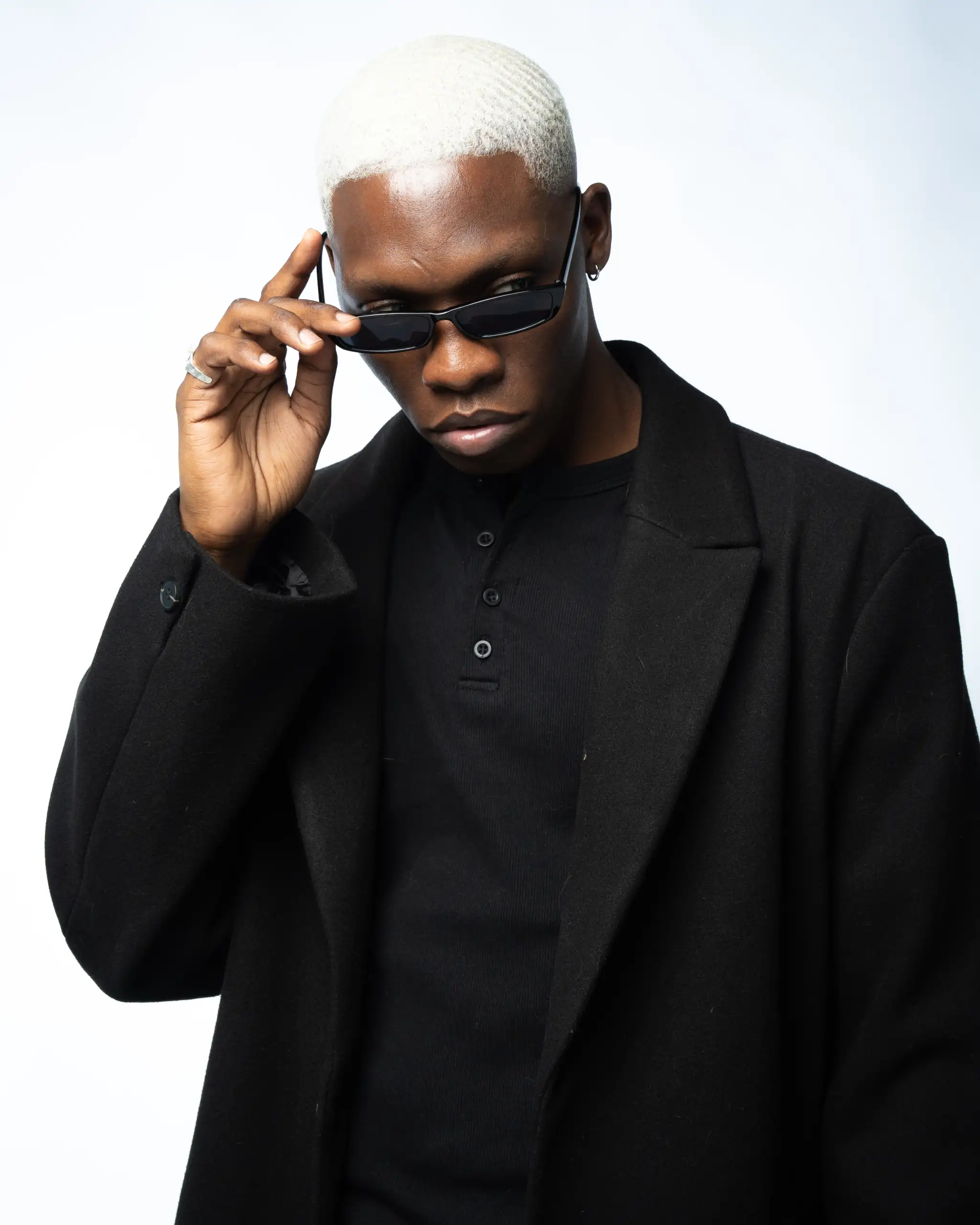
Whether he is working with tailoring, streetwear, or something more experimental, the clothes still feel like they belong to the same person.
From Zimbabwe to the Philippines
There is an obvious story to tell about a Zimbabwean creative making a name for himself in Southeast Asia. Praise, however, is not particularly interested in making his biography do all the work.
His African roots and life in the Philippines naturally inform the way he sees fashionFashionThe art and industry of designing, producing, and styling clothing, footwear, accessories, and beauty trends. It reflects cultural influences, personal expression, and evolving styles across seasons and markets.Go to Fashion Glossary, but he does not feel obligated to package himself as a walking cultural exchange. “I don’t really think of it as a responsibility,” he says.
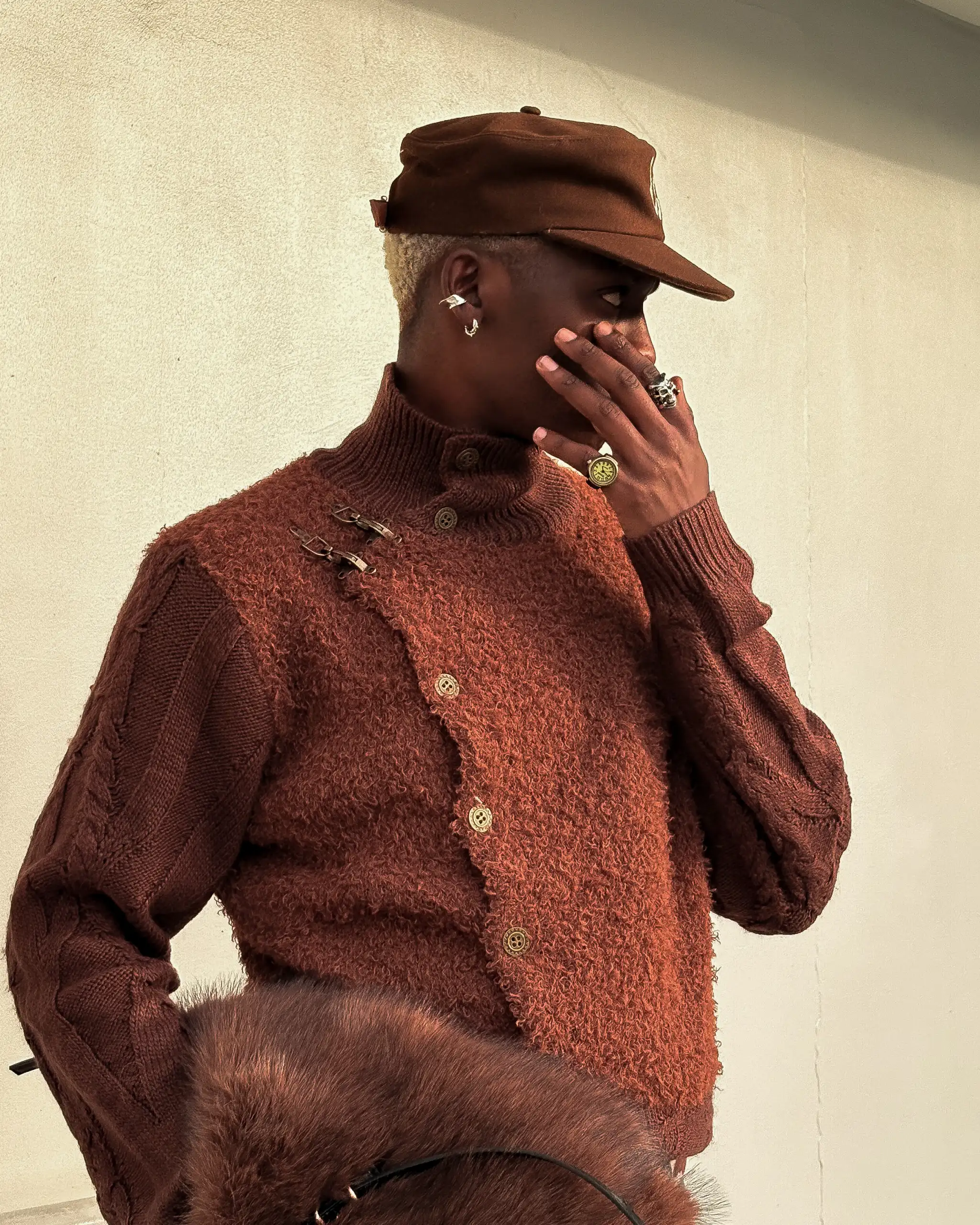
Instead, he thinks about the person on the other side of the screen. Someone in Zimbabwe. Someone in the Philippines. Someone anywhere who might see his outfit and feel a little more comfortable taking a risk with their own.
“If someone sees the way I dress and feels more confident expressing themselves, that means more to me than fitting into any category.”
It is a straightforward philosophy for a creator working in a space that often rewards the opposite. Praise does not need every outfit to make a statement. Sometimes it just needs to look good.
The @_serialchiller way
Praise’s style travels well. He pulls from each continent with a sharp eye for what to carry forward and what to leave behind.
Zimbabwe gave him an appreciation for structure. The Philippines taught him to loosen up. Fashion gave him a language to combine the two.
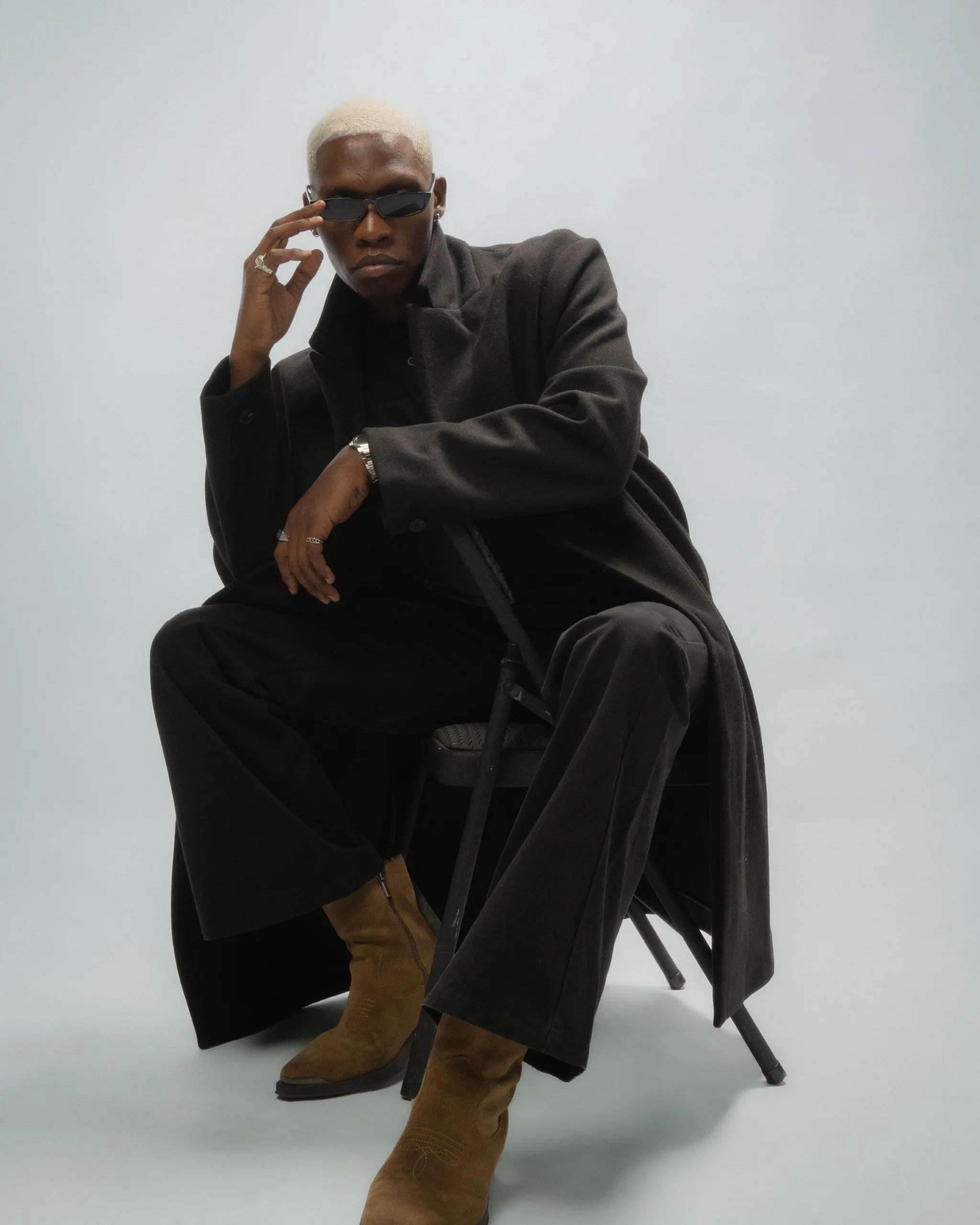
What emerges is a wardrobe that feels entirely his own, guided by instinct rather than whatever the internet says is next. He can push an outfit into experimental territory without making it feel like costume, or tap into what is current without looking like he has taken his cues straight from a trend forecast. Somehow, he always comes back to himself.
For one of Southeast Asia’s best-dressed men, that may be the real trick. Praise is just having fun with it, picking up what he likes and leaving the rest behind. And considering how quickly the internet moves, that might be the most stylish thing he can do.
As seen in the pages of VMAN SEA 06: now available for purchase!
Photography Shaun Lua and Deshy Baby
Frequently Asked Questions
Praise Ndlovu is a Zimbabwe-born, Manila-based fashion content creator and model known for his personal style and fashion-focused content.
Praise Ndlovu grew up in Zimbabwe before moving to Manila, Philippines. His style is shaped by both his Zimbabwean roots and life in Southeast Asia.
His interest in fashion began in high school, when he saved money for sneakers and caps and shared his outfits on Facebook. During the pandemic, he began treating Instagram as a portfolio and turned his passion for fashion into a career.
His style combines the tailoring and structure he learned in Zimbabwe with Manila’s relaxed and expressive approach to dressing. He pays attention to trends but adapts them to his own visual identity.
Praise studies trends without blindly following them. He looks at their cultural context and only incorporates elements that feel authentic and lasting to his personal style.