Omar Daniel Wants You to Stop Dressing for the Algorithm
The Indonesian actor opens up on personal style and why the best-dressed men know when to ignore the noise




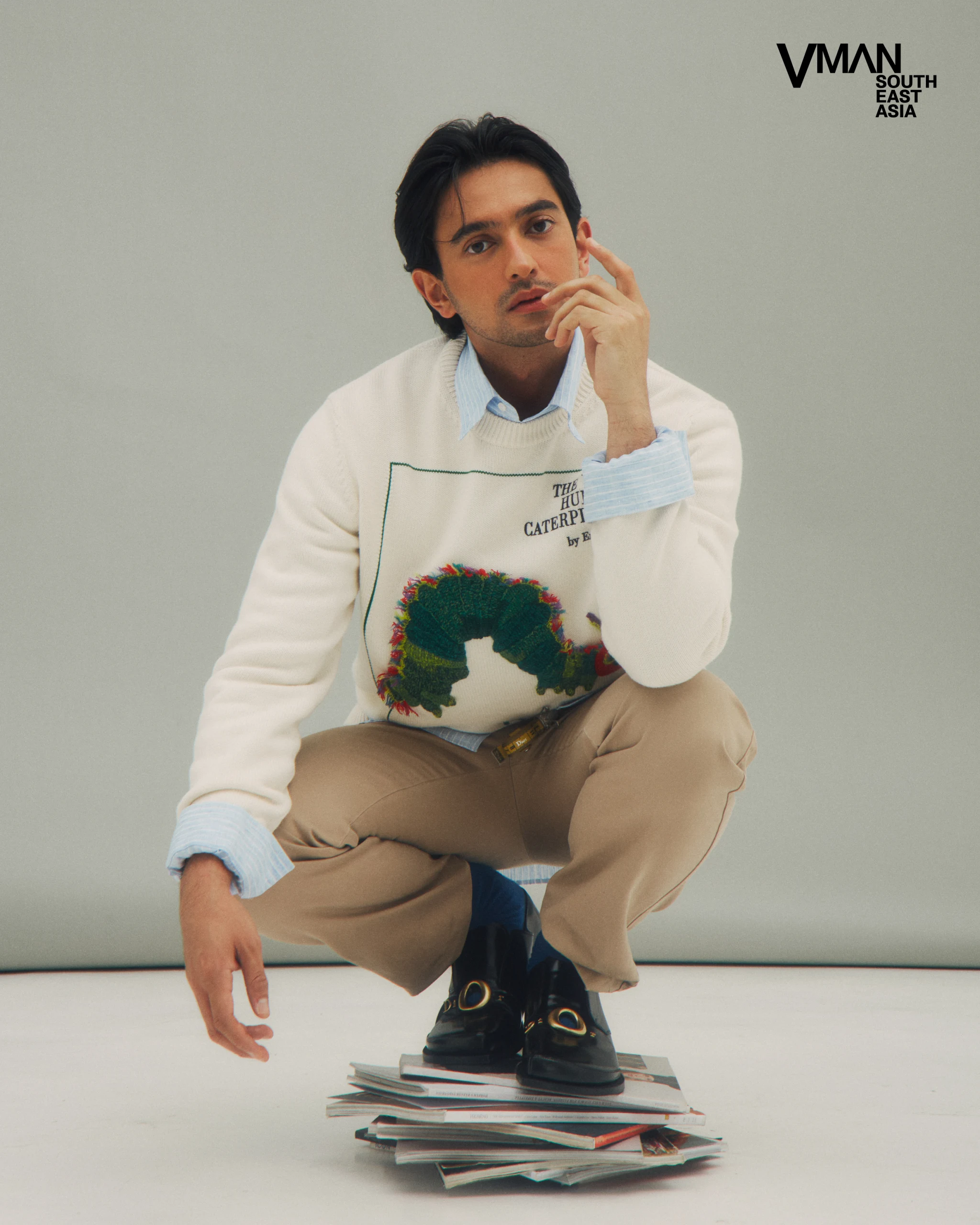
- Omar Daniel believes authentic personal style comes from confidence, not chasing trends, advocating for timeless tailoring over fast-moving aesthetics.
- He hopes global recognition of Indonesian craftsmanship translates into greater appreciation and lasting opportunities for the artisans behind the work.
Authenticity over algorithms
“Staying true to who you are means having confidence in doing and wearing what you genuinely love instead of what’s trending,” says Omar Daniel.
For the Indonesian actor and one of our best-dressed men of 2025, it is a response to the way fashion works today.
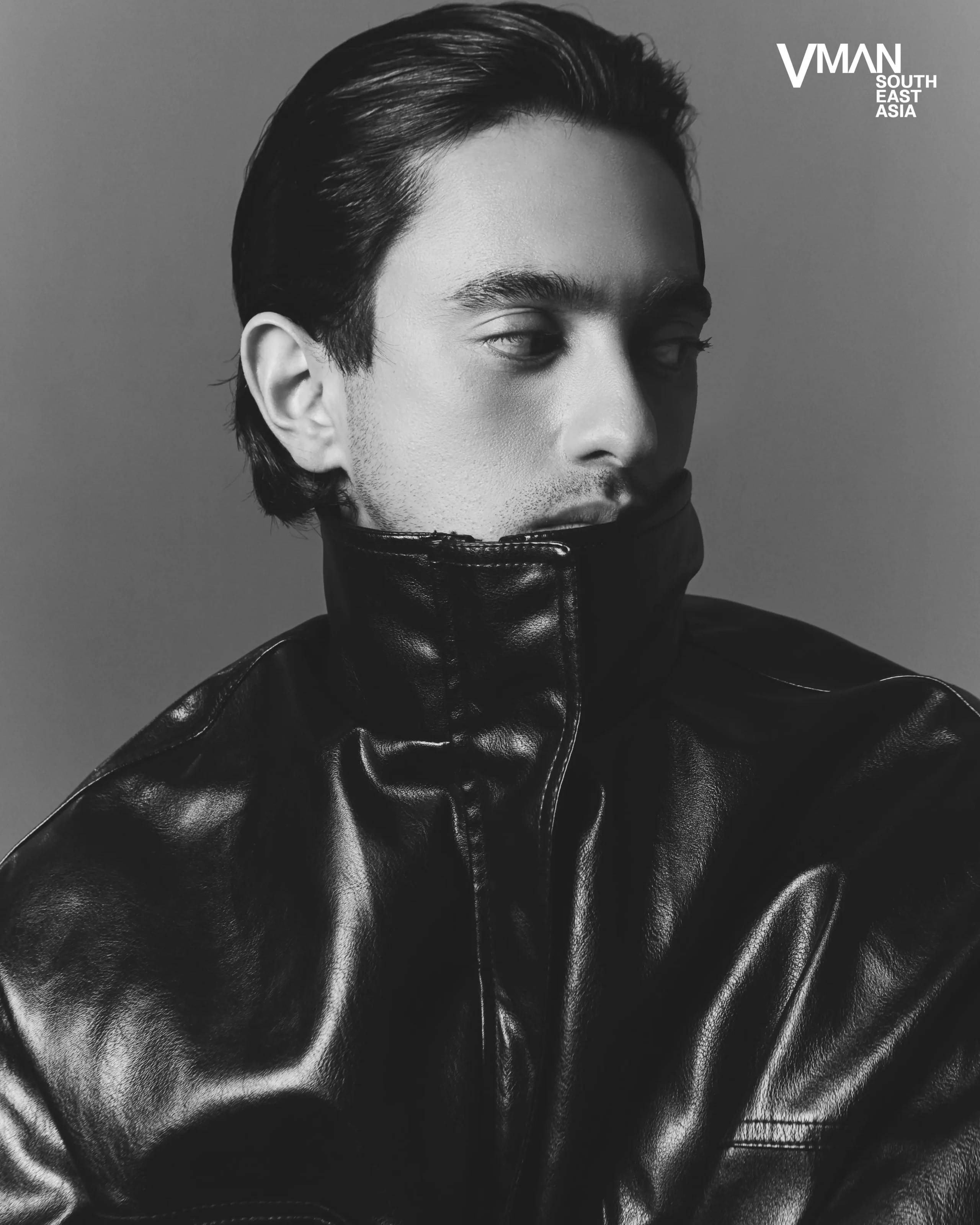
As algorithms increasingly dictate what’s worth wearing and aesthetics disappear almost as quickly as they arrive, he has embraced an approach built on timeless tailoring and clothes that outlast the conversation. It’s also a perspective that mirrors Indonesia’s own fashionFashionThe art and industry of designing, producing, and styling clothing, footwear, accessories, and beauty trends. It reflects cultural influences, personal expression, and evolving styles across seasons and markets.Go to Fashion Glossary industry, which is earning greater global recognition by elevating an identity rooted in heritage and exceptional craft.
Omar understands that tension firsthand. As one of Indonesia’s leading actors, he occupies a space where visibility often comes with the expectation of constant reinvention. FashionFashionThe art and industry of designing, producing, and styling clothing, footwear, accessories, and beauty trends. It reflects cultural influences, personal expression, and evolving styles across seasons and markets.Go to Fashion Glossary is part of the job, but he refuses to let it become the whole story.
“It’s not just the fashion industry that’s trend-driven. It’s life in general. Social media tells us what’s in and out almost every day.”
For him, authenticity means having the confidence to know which pieces deserve a place in your wardrobe and which ones don’t.
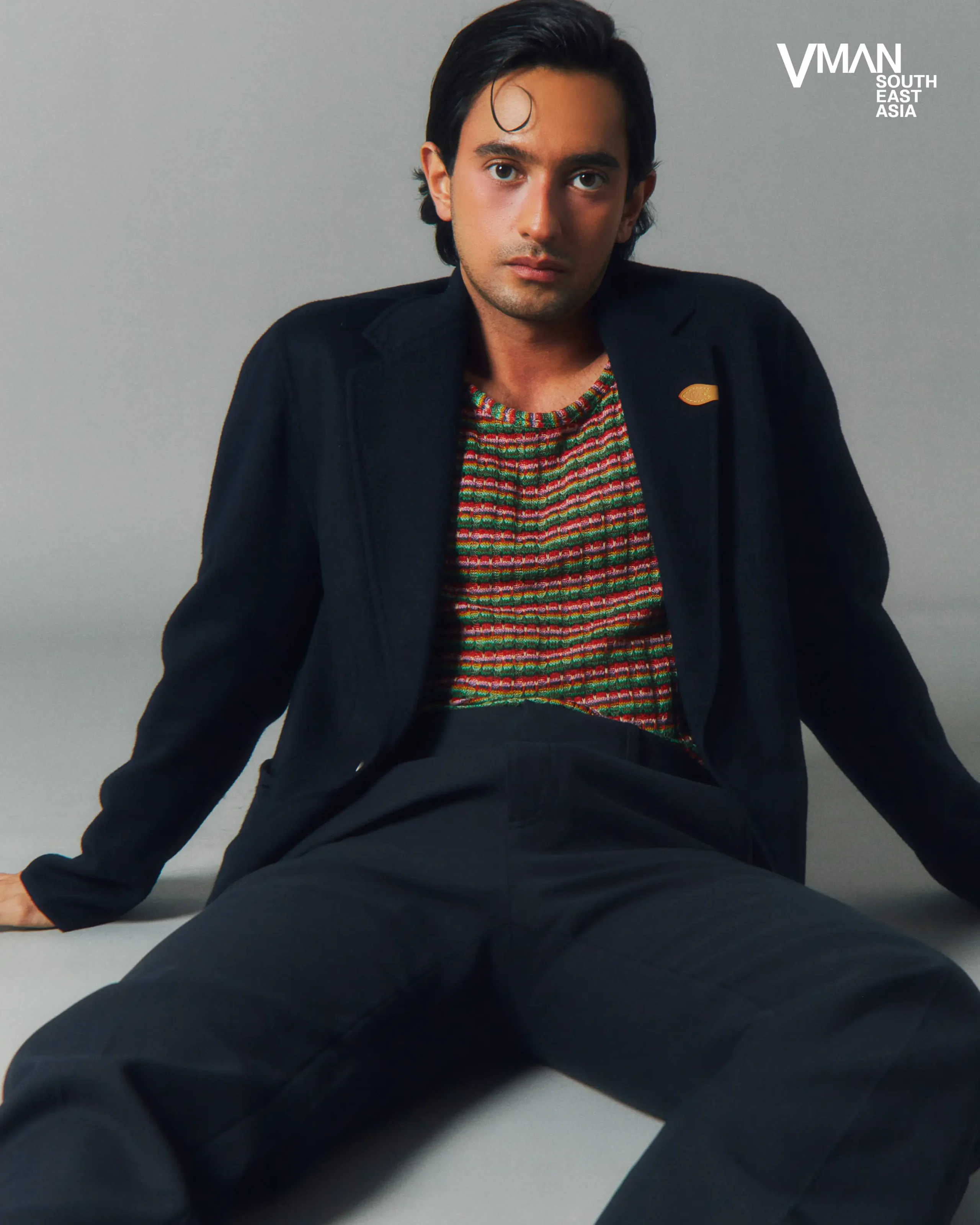
“My style leans toward timeless, simple designs that feel effortlessly me,” he says. “I choose to wear only what I love: pieces that are comfortable, feel right on me, and make me feel confident.”
The return of timeless dressing
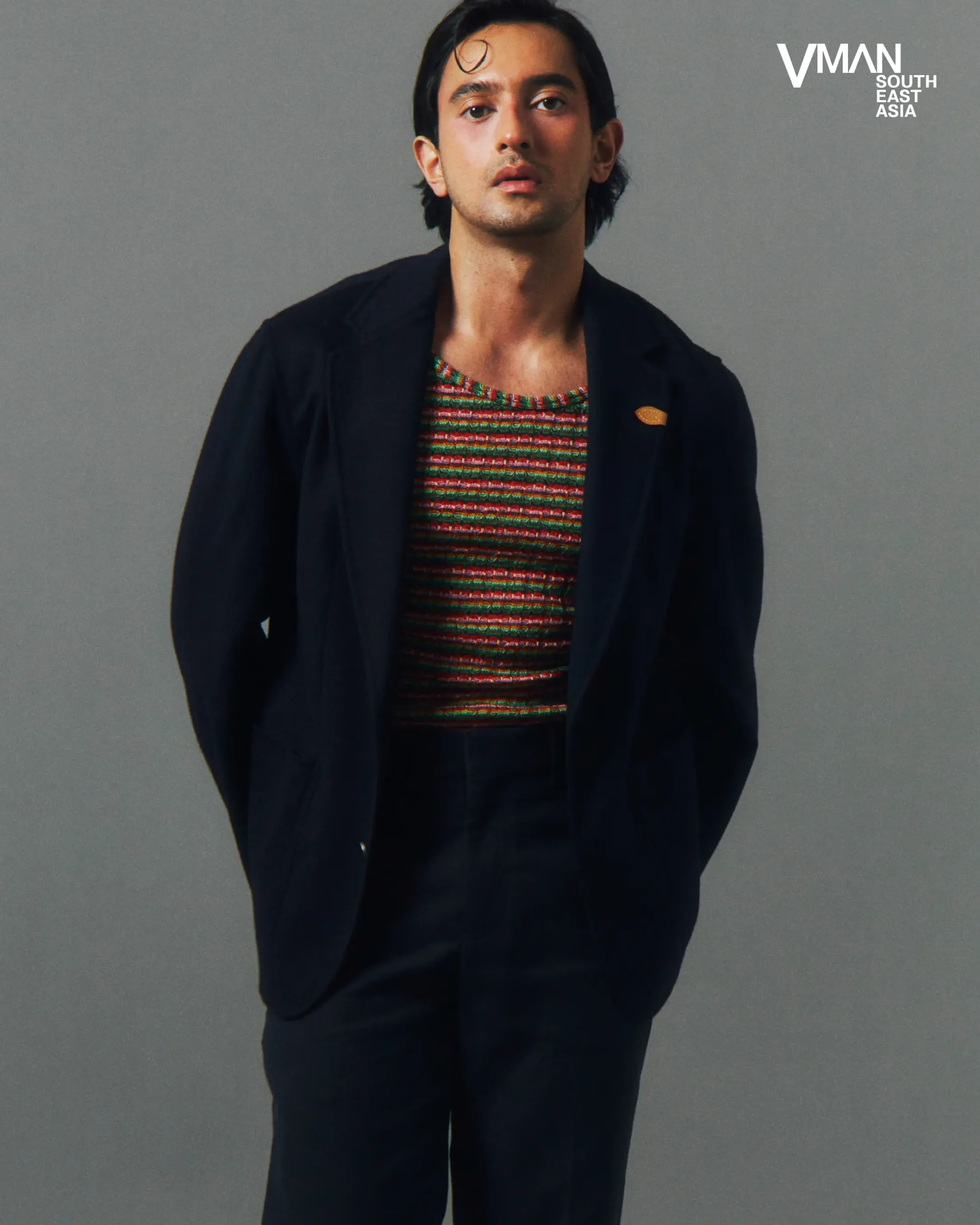
Omar’s mindset feels especially relevant as menswear enters another era of sleek dressing. Tailoring has reclaimed the spotlight, and craftsmanship has become the industry’s most valuable currency. He sees those shifts as a return to fashionFashionThe art and industry of designing, producing, and styling clothing, footwear, accessories, and beauty trends. It reflects cultural influences, personal expression, and evolving styles across seasons and markets.Go to Fashion Glossary’s foundations.
“Timeless, well-tailored pieces have longevity because they’re defined by craftsmanship and a clear sense of identity,” he says.
“I think everyone should have at least a few well-tailored pieces in their wardrobe. They’re versatile, and something you’ll always come back to, regardless of the trends.”
Omar on Indonesia’s fashion identity
His appreciation for craftsmanship naturally extends beyond his own closet to Indonesia’s evolving fashion landscape.
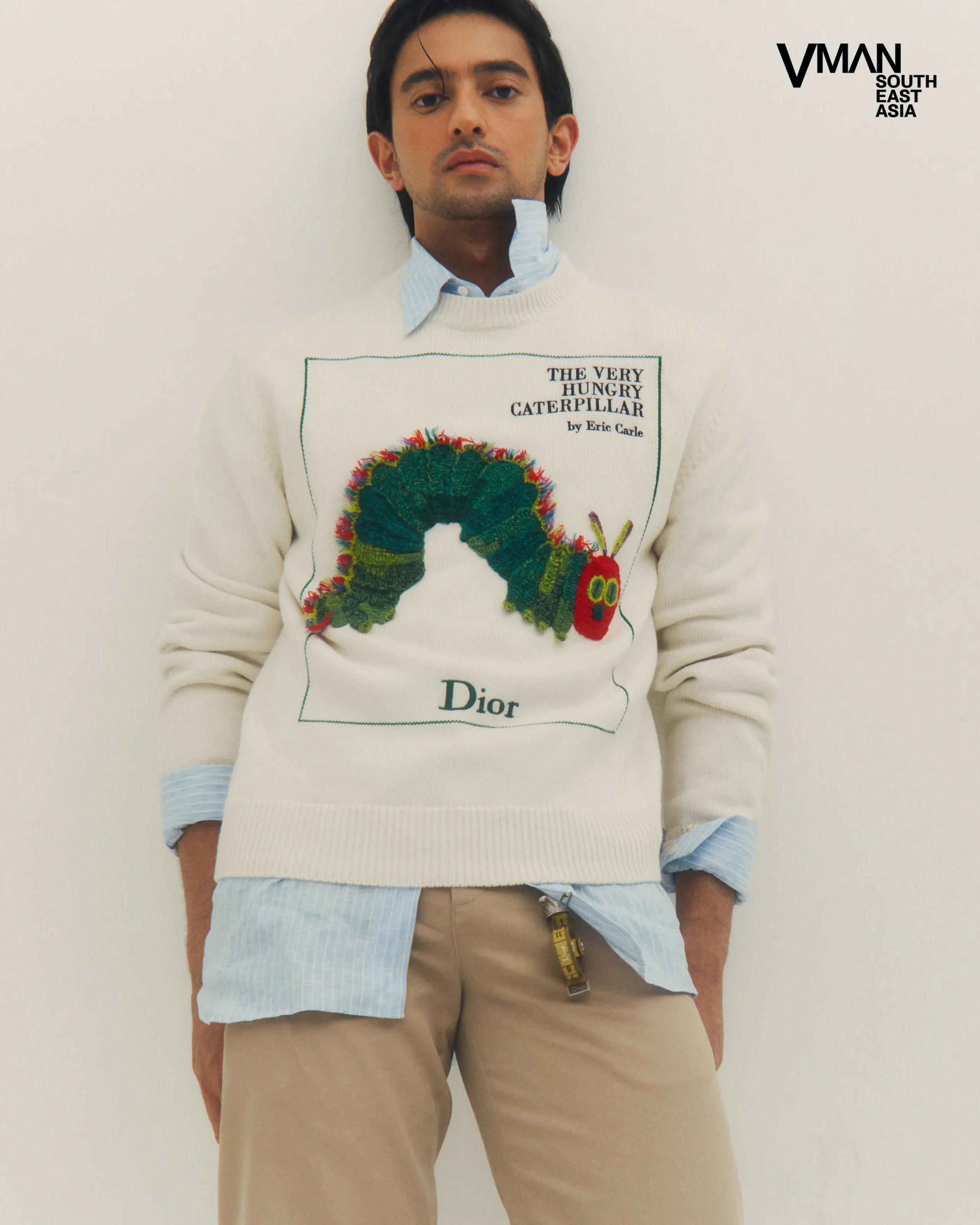
Over the past decade, Indonesian menswear has undergone quite a transformation. Designers have elevated local brands through contemporary interpretations of traditional textiles, earning attention both within Southeast Asia and increasingly beyond it.
“I think Indonesian local brands have progressed tremendously over the past decade,” Omar says. “The quality and attention to detail have improved so much that, sometimes, you can’t even tell whether a brand is local or international. I’m really proud of how far we’ve come.”
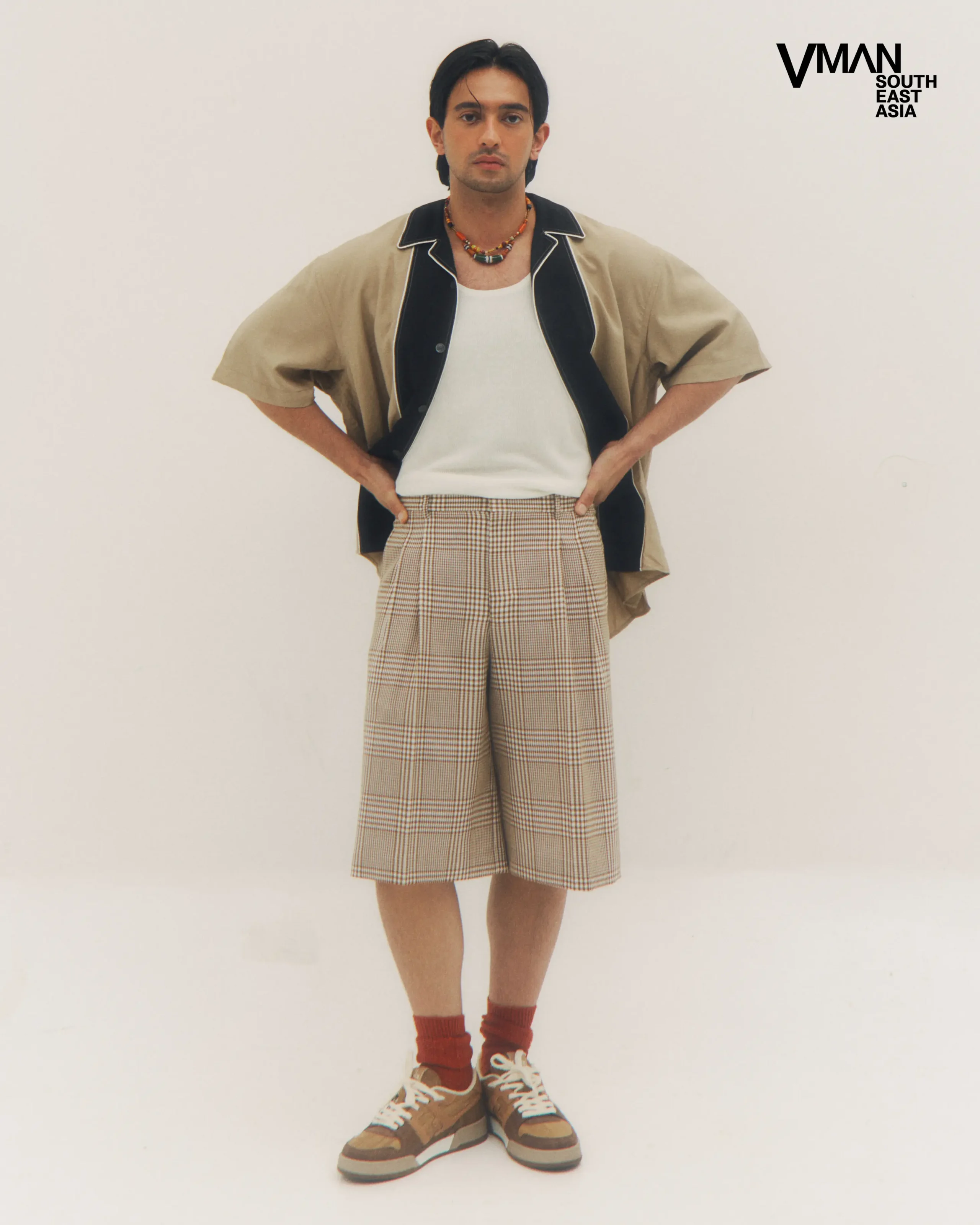
Yet technical excellence alone isn’t what makes Indonesian fashionFashionThe art and industry of designing, producing, and styling clothing, footwear, accessories, and beauty trends. It reflects cultural influences, personal expression, and evolving styles across seasons and markets.Go to Fashion Glossary distinct. “I think what makes Indonesian fashion stand out is how naturally it blends heritage with a modern perspective,” he explains. “We have such a rich art and textile heritage, and more young designers are finding ways to make it feel relevant and wearable without losing its character.
“To me, that’s what makes Indonesian fashion so unique. It has a strong sense of identity while still evolving with the times.”
Omar often returns to the idea of heritage. For him, fabrics like batik and tenun aren’t simply design elements but cultural artifacts, carrying stories that deserve to be preserved even as they’re reimagined for contemporary wardrobes.
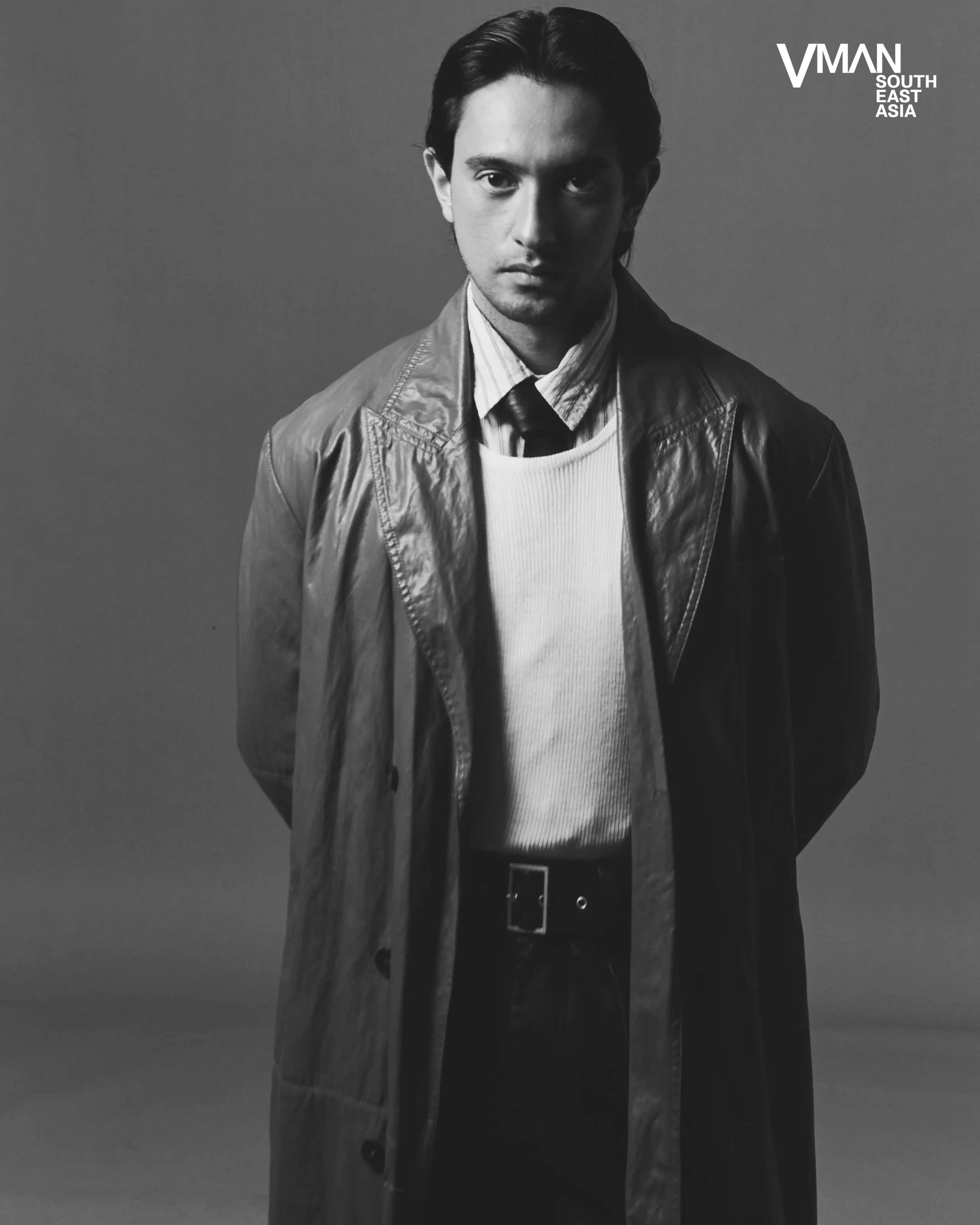
Beyond the spotlight
But as Indonesian craftsmanship gains international attention, he believes the industry’s biggest challenge lies beyond visibility.
“I think so,” he says when asked whether global fashionFashionThe art and industry of designing, producing, and styling clothing, footwear, accessories, and beauty trends. It reflects cultural influences, personal expression, and evolving styles across seasons and markets.Go to Fashion Glossary is finally paying attention to Indonesian craftsmanship. “But while some artists are finally getting the recognition they deserve, the craftsmen behind the work are often left dealing with tighter margins, lower prices, and increasingly high expectations.”
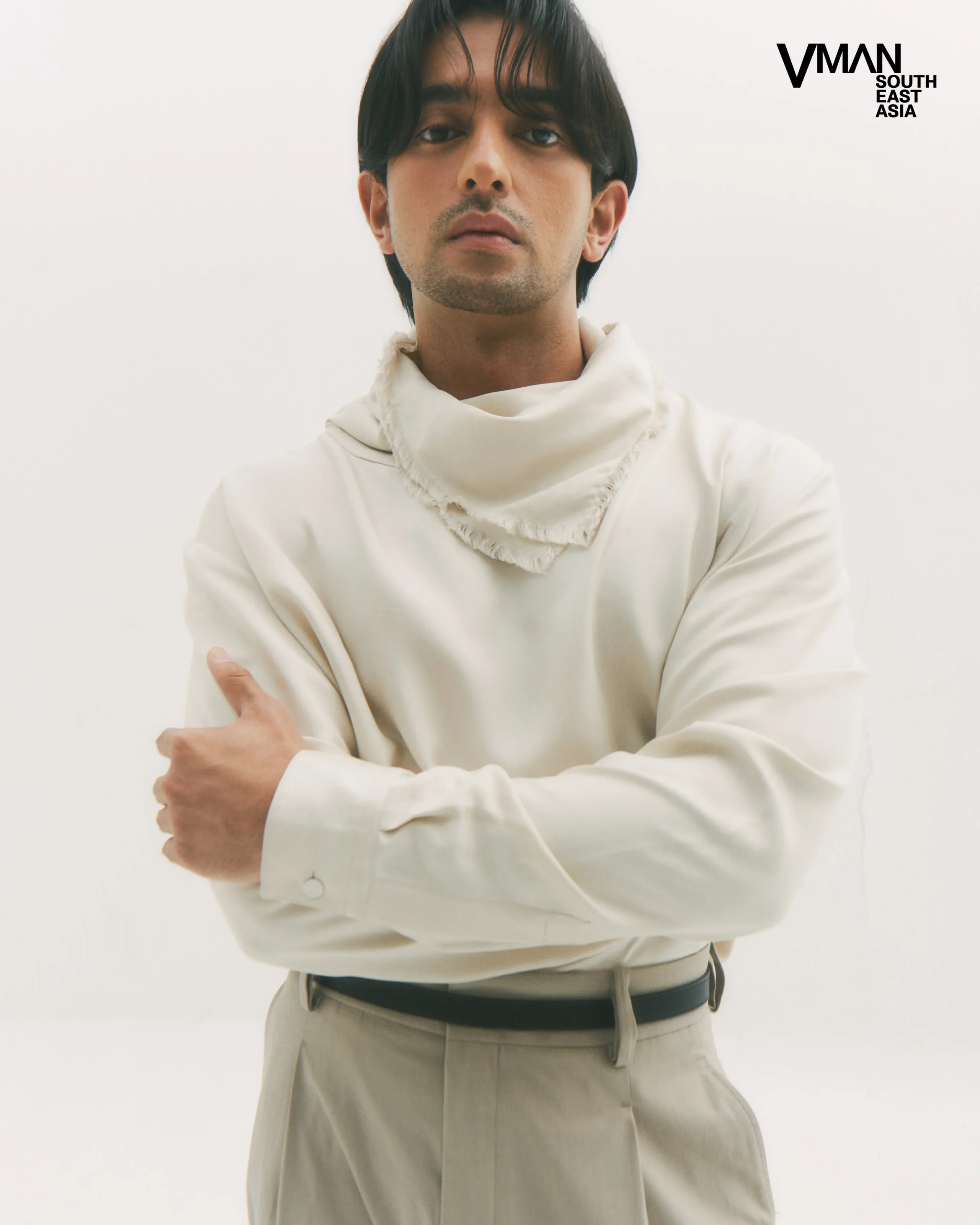
His answer shifts the conversation away from celebrity and toward the artisans whose work often remains unseen.
“As global appreciation for Indonesian craftsmanship grows, it’s important that the people preserving these traditions receive the same recognition and fair compensation, not just the spotlight for the people who keep these traditions alive.”
It’s an important distinction. FashionFashionThe art and industry of designing, producing, and styling clothing, footwear, accessories, and beauty trends. It reflects cultural influences, personal expression, and evolving styles across seasons and markets.Go to Fashion Glossary frequently celebrates craftsmanship as part of its storytelling, but recognition doesn’t always reach the communities responsible for preserving those techniques.
Omar argues that sustainability extends beyond materials, encompassing the people behind the work and their ability to keep creating.
The influence of individuality
“As someone in the public eye, I’m aware that my appearance can influence trends,” he says. “That comes with a responsibility to represent personal style and branding in a way that’s authentic to who I am.”
Still, he hopes that influence encourages individuality rather than imitation.
“More than influencing what people wear, I hope I can encourage them to find their own sense of style. If that means choosing pieces they genuinely connect with instead of just following every trend, then I think I’ve had a positive influence.”
Looking ahead, he believes Indonesia already possesses what it needs to become an even stronger force in global fashion. The talent exists, and the craftsmanship exists. What remains is ensuring that both receive the appreciation they deserve.

“I think the talent has always been here,” he says. “I’d just love to see more appreciation for good tailoring and craftsmanship, along with more opportunities for the artisans and makers behind the work. That’s how we keep an industry that’s both creative and sustainable to support everyone behind it.”
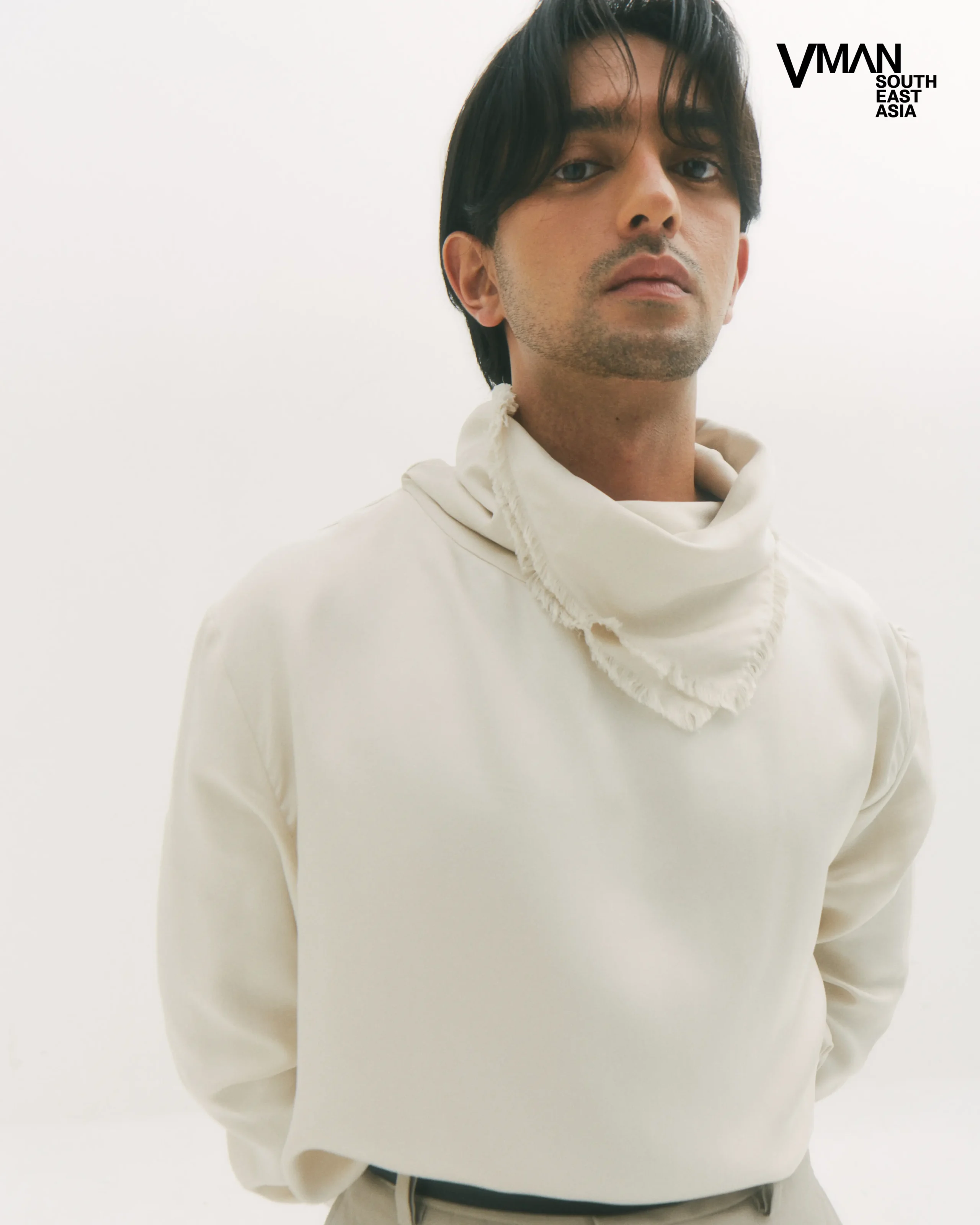
At a time when fashion moves faster than ever, Omar Daniel’s perspective feels almost countercultural.
While the industry races toward the next trend, he’s placing his confidence in something far less fleeting: craftsmanship with cultural meaning and a sense of personal style that doesn’t need permission from the algorithm.
Photography Arief Ointoe
FashionFashionThe art and industry of designing, producing, and styling clothing, footwear, accessories, and beauty trends. It reflects cultural influences, personal expression, and evolving styles across seasons and markets.Go to Fashion Glossary Ivan Teguh Santoso
Grooming Acha Pramono
Hair Taya Siahaan
Frequently Asked Questions
Omar Daniel is an Indonesian actor and model known for his work in television and film. He is also recognized for his timeless approach to menswear and his support for Indonesian fashion and craftsmanship.
Omar Daniel describes his style as timeless, simple, and comfortable. He prefers well-tailored pieces that make him feel confident rather than following fast-changing fashion trends.
He believes Indonesian fashion stands out for blending rich cultural heritage with a modern perspective. Omar says local brands have significantly improved in quality and craftsmanship over the past decade, making them competitive on the global stage.
According to Omar, well-tailored clothing offers longevity because of its craftsmanship and versatility. He believes everyone should own a few tailored pieces that remain relevant regardless of changing trends.
Omar believes Indonesian artisans deserve greater recognition and fair compensation as global interest in the country’s craftsmanship continues to grow.

Recommended Video