BRI JF3 Fashion Festival 2026 Is SHAPING the Future of Indonesian Fashion
More than a fashion show, BRI JF3 Fashion Festival 2026 offered a blueprint for Indonesia’s fashion future




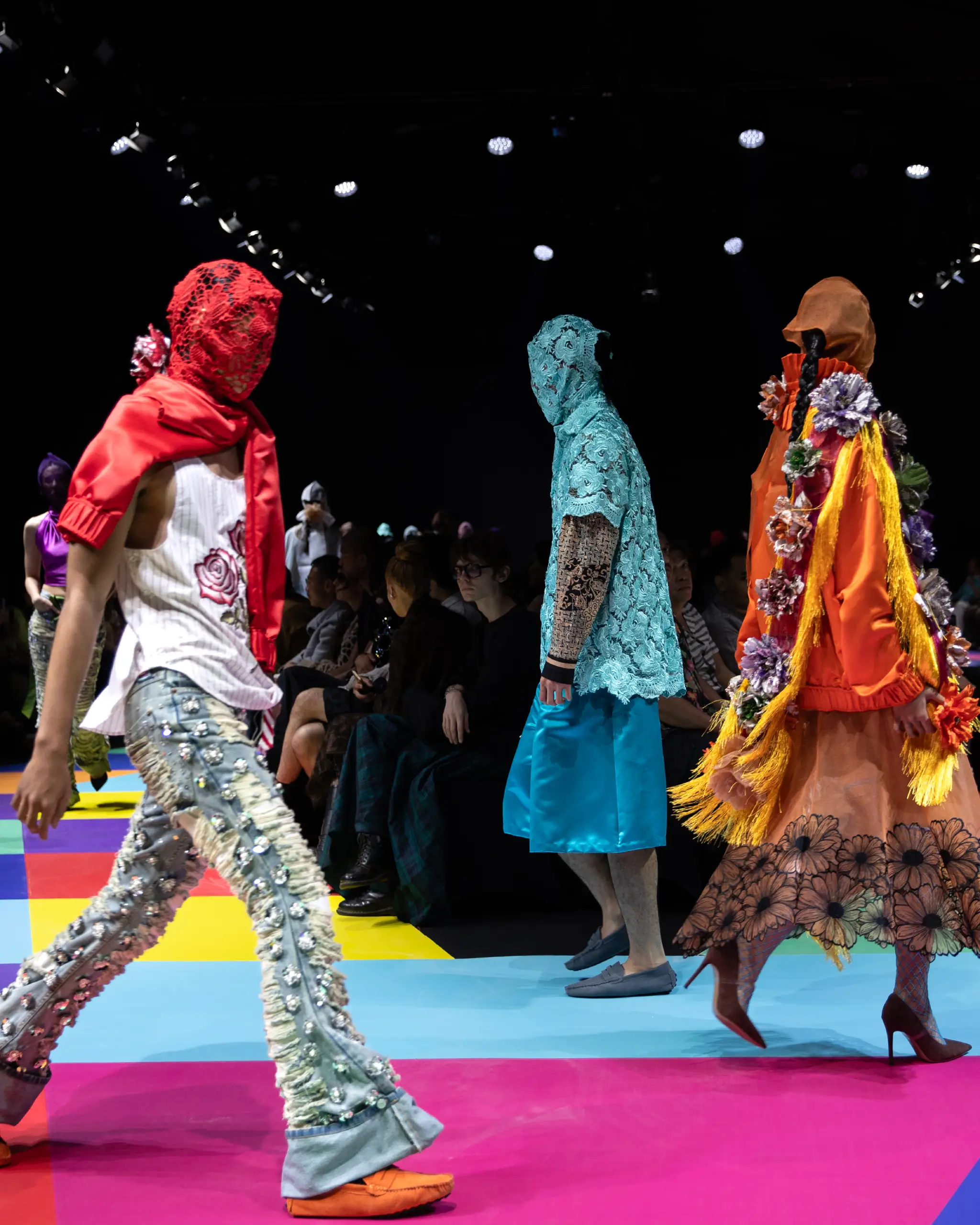
- BRI JF3 Fashion Festival 2026 brought together more than 50 designers and brands from Indonesia, Southeast Asia, South Korea, and France.
- Beyond the runway, initiatives including PINTU, Future Fashion Designer, JF3 Model Search, Fashion Village, and CODE.STRT reinforced the festival’s commitment to talent development and industry growth.
- LAKON Indonesia closed the festival with HARSA, a collection celebrating Indonesian craftsmanship and cross-cultural collaboration.
Recrafting and shaping the future
FashionFashionThe art and industry of designing, producing, and styling clothing, footwear, accessories, and beauty trends. It reflects cultural influences, personal expression, and evolving styles across seasons and markets.Go to Fashion Glossary weeks often live and die by the collections they debut. BRI JF3 Fashion Festival 2026 made a different argument. This year’s edition suggested that the industry’s future depends just as much on mentorship and infrastructure as it does on what walks down the runway.
Held from July 22 to 29 at the JF3 FashionFashionThe art and industry of designing, producing, and styling clothing, footwear, accessories, and beauty trends. It reflects cultural influences, personal expression, and evolving styles across seasons and markets.Go to Fashion Glossary Tent in Summarecon Mall Kelapa Gading, the 22nd edition of Indonesia’s leading fashion festival gathered more than 50 designers and brands from Indonesia, Southeast Asia, South Korea, and France under the theme “Recrafted: Shaping the Future.”
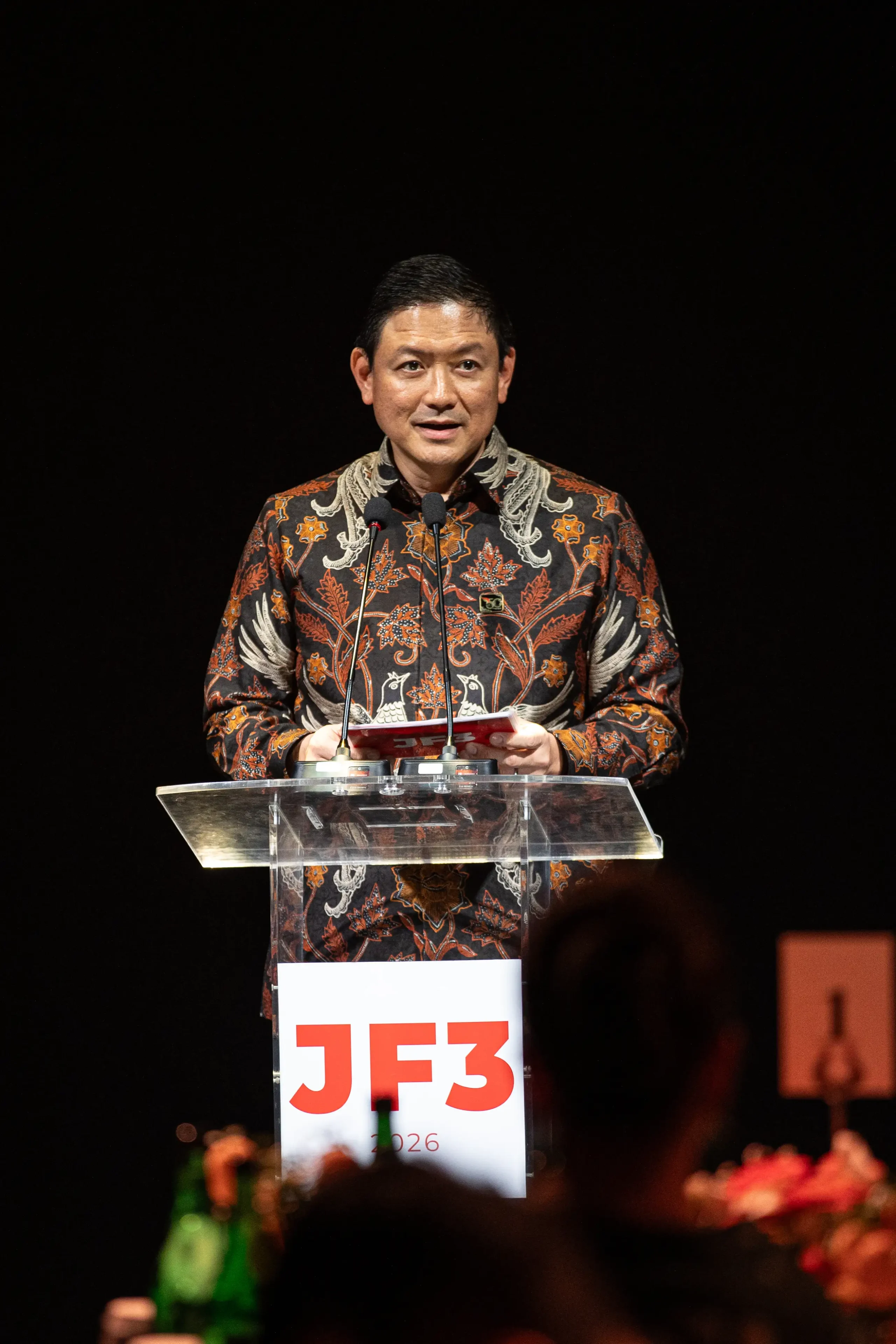
The title was fitting. Rather than simply presenting another week of runway shows, JF3 positioned itself as a platform building the next chapter of Indonesia’s fashionFashionThe art and industry of designing, producing, and styling clothing, footwear, accessories, and beauty trends. It reflects cultural influences, personal expression, and evolving styles across seasons and markets.Go to Fashion Glossary ecosystem, connecting designers with education, business opportunities, buyers, and global collaborators.
“Indonesia has an immense wealth of craftsmanship, materials, knowledge, and cultural identity. But all of that is not enough if it remains only potential. It needs to be shaped, directed, and connected to the right system.”
“ ”
That system extends beyond developing creative talent to ensuring that designers have tangible pathways to the market. As Chairman of JF3, Soegianto Nagaria explains:
“Through JF3 Fashion Festival, we connect the creative process with tangible market access, creating a direct pathway from the runway to consumers. A strong fashion industry cannot be built through a single event, but through an ecosystem developed consistently over time. We believe that when creativity is supported by the right infrastructure, it can generate far greater economic impact.”
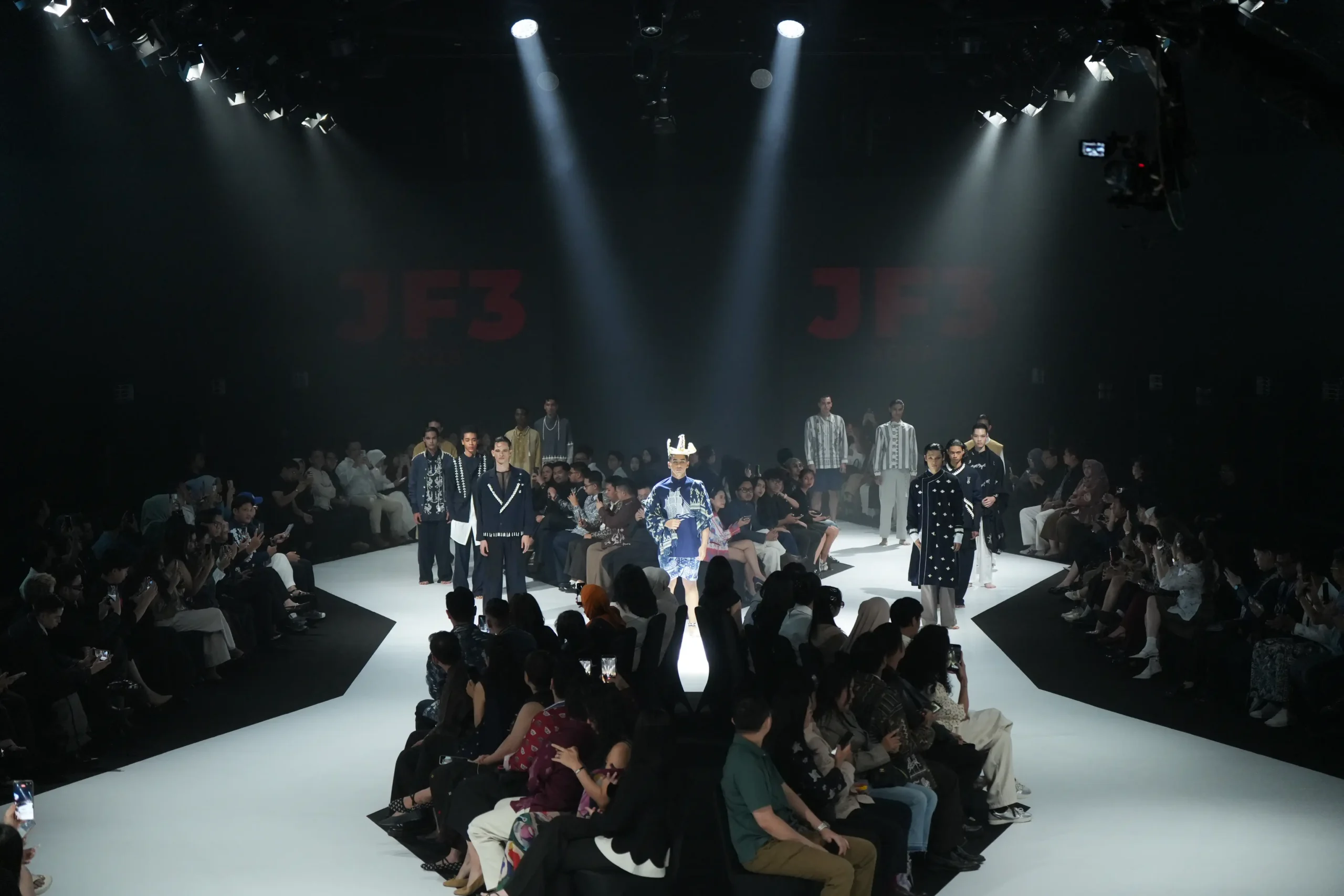
More than 50 designers push Indonesia into the global conversation
The runway was both a celebration of established names and a glimpse into fashion’s next wave.
Returning Indonesian designers including Tities Sapoetra, Hartono Gan, LAKON Indonesia, AMOTSYAMSURIMUDA, Adrie Basuki, HOWARD LAURENT, and RAEGITAZORO shared the schedule with emerging labels such as Billy Tjong.
Newer voices including YASA, The Theme, and Super Sentimental Secret Theory brought fresh perspectives to the lineup. The Indonesian presence was further expanded through the Indonesian Fashion Chamber (IFC), featuring Rengganis, OPIE OVIE, and XANDER.G, and the Asosiasi Perancang Pengusaha Mode Indonesia (APPMI), represented by ZAHIRA by Koyko, AGATHANDY, and Haze Be Wear by Harry Hasibuan, highlighting the breadth of generations and creative perspectives across Indonesia’s fashion landscape.
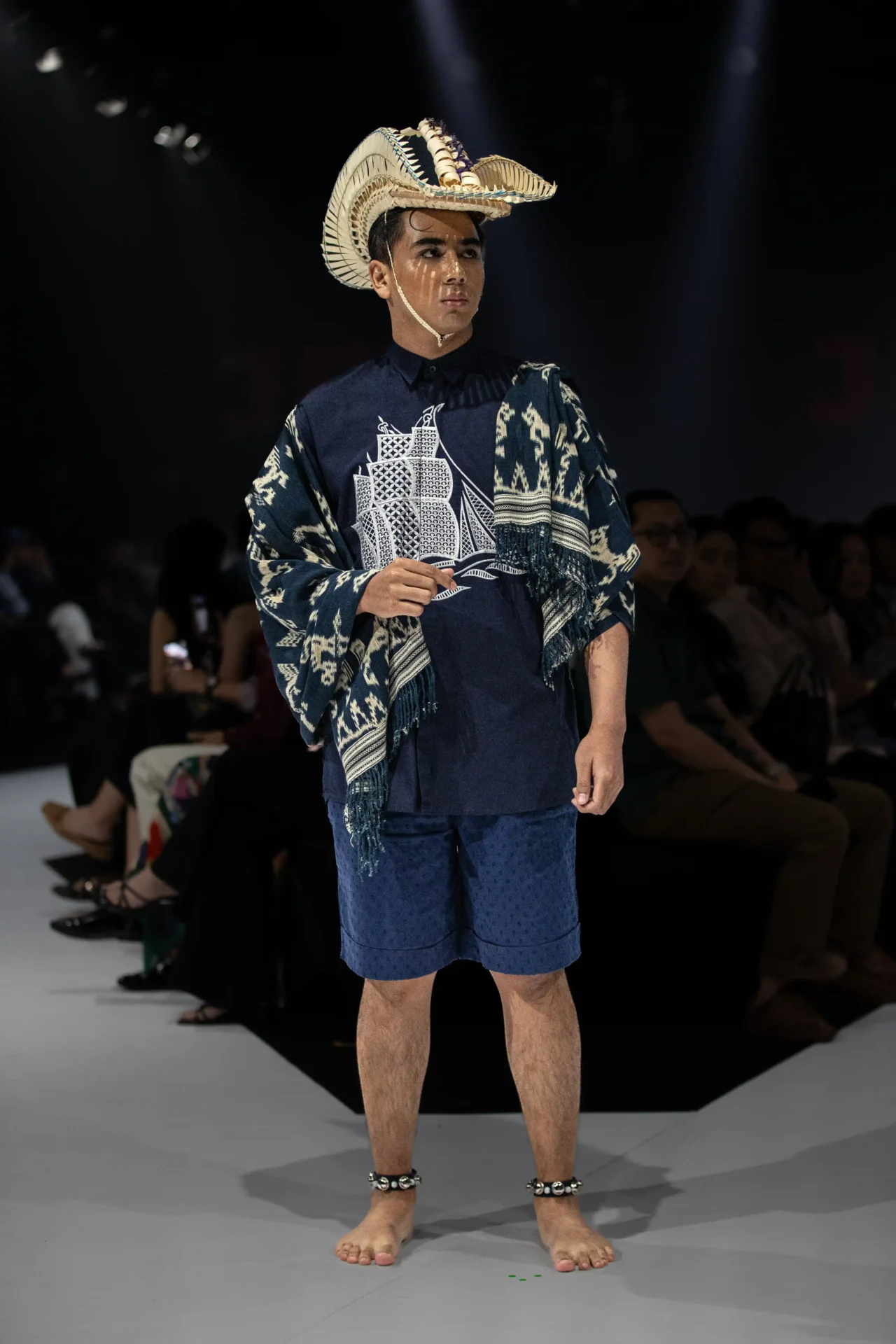
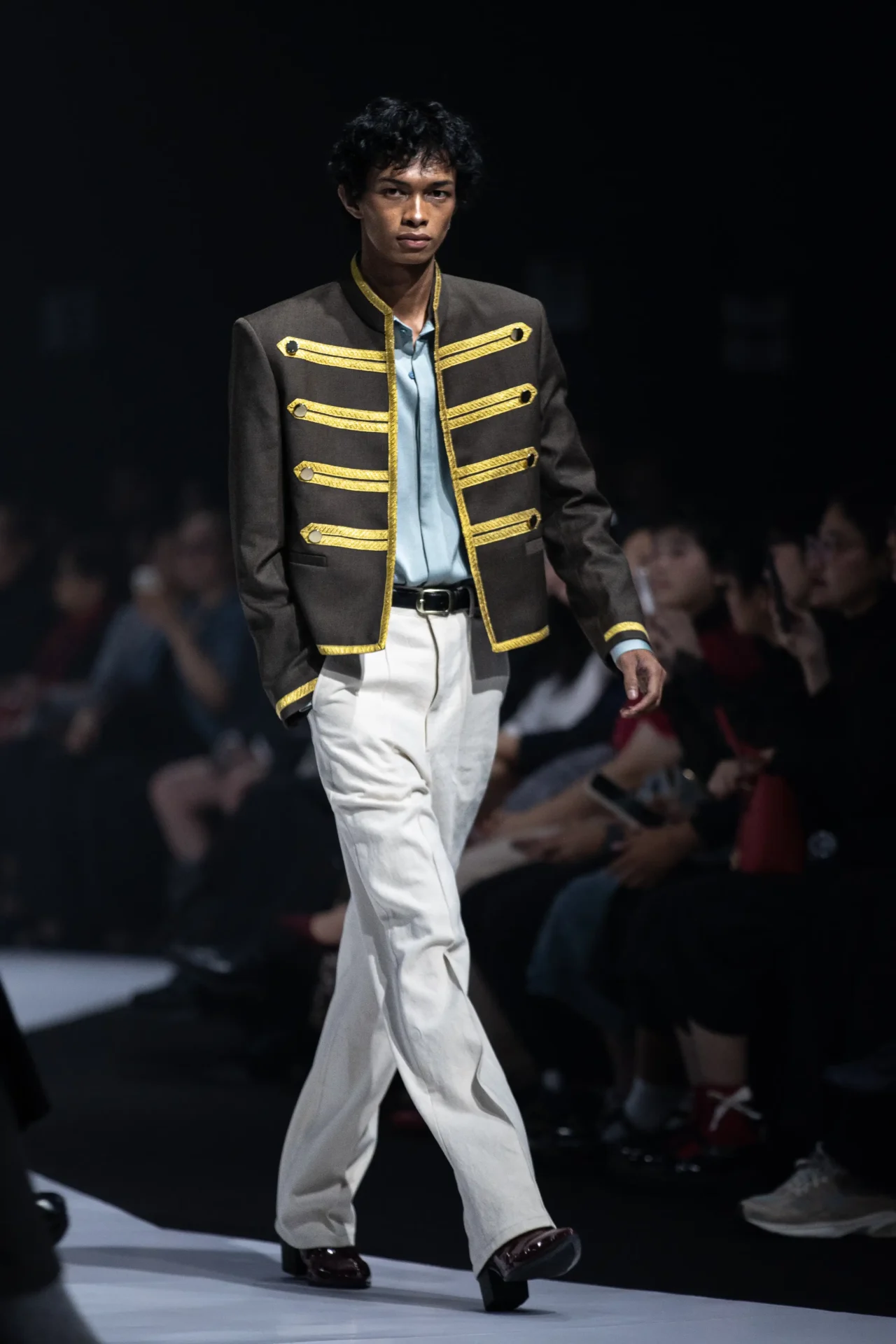
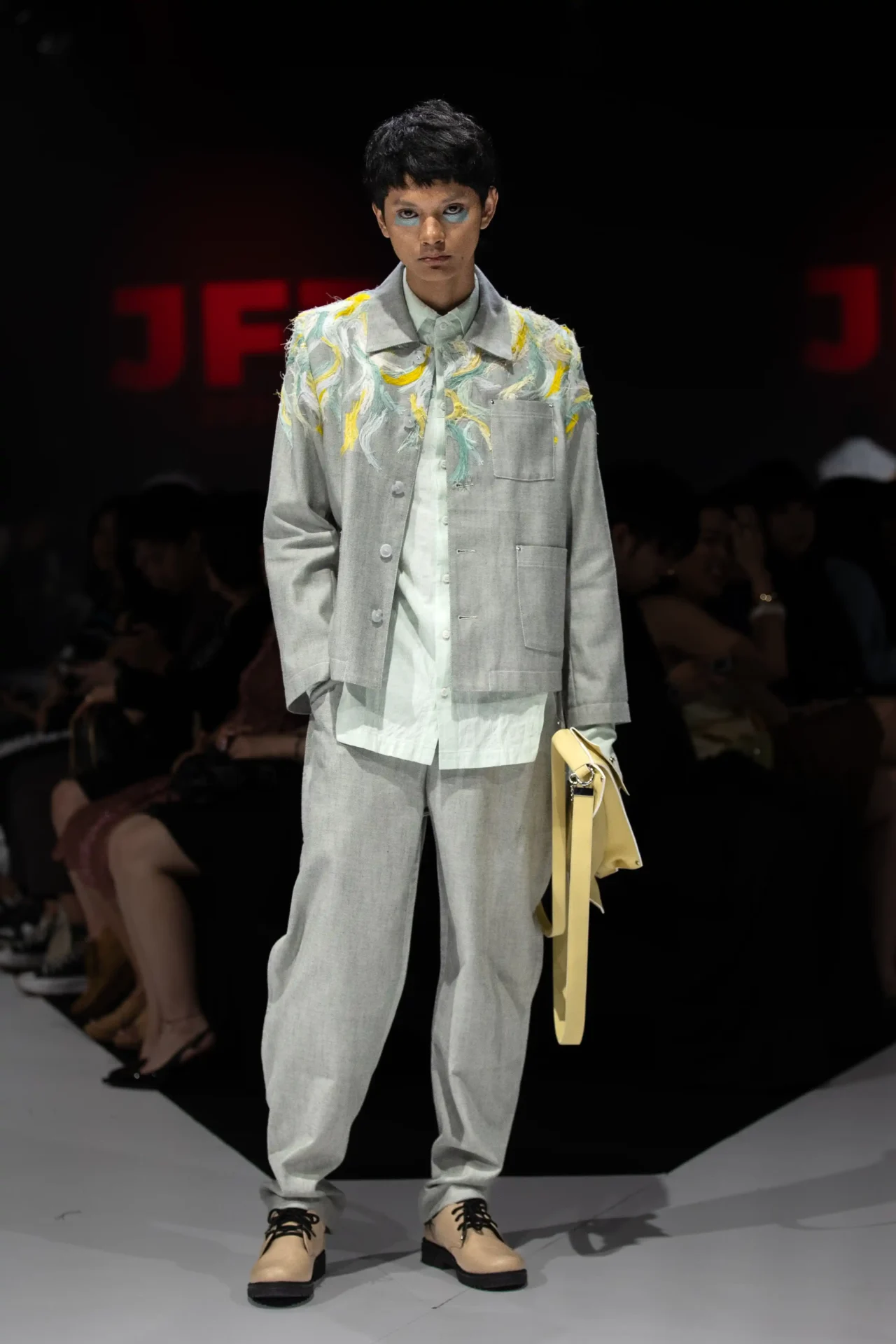
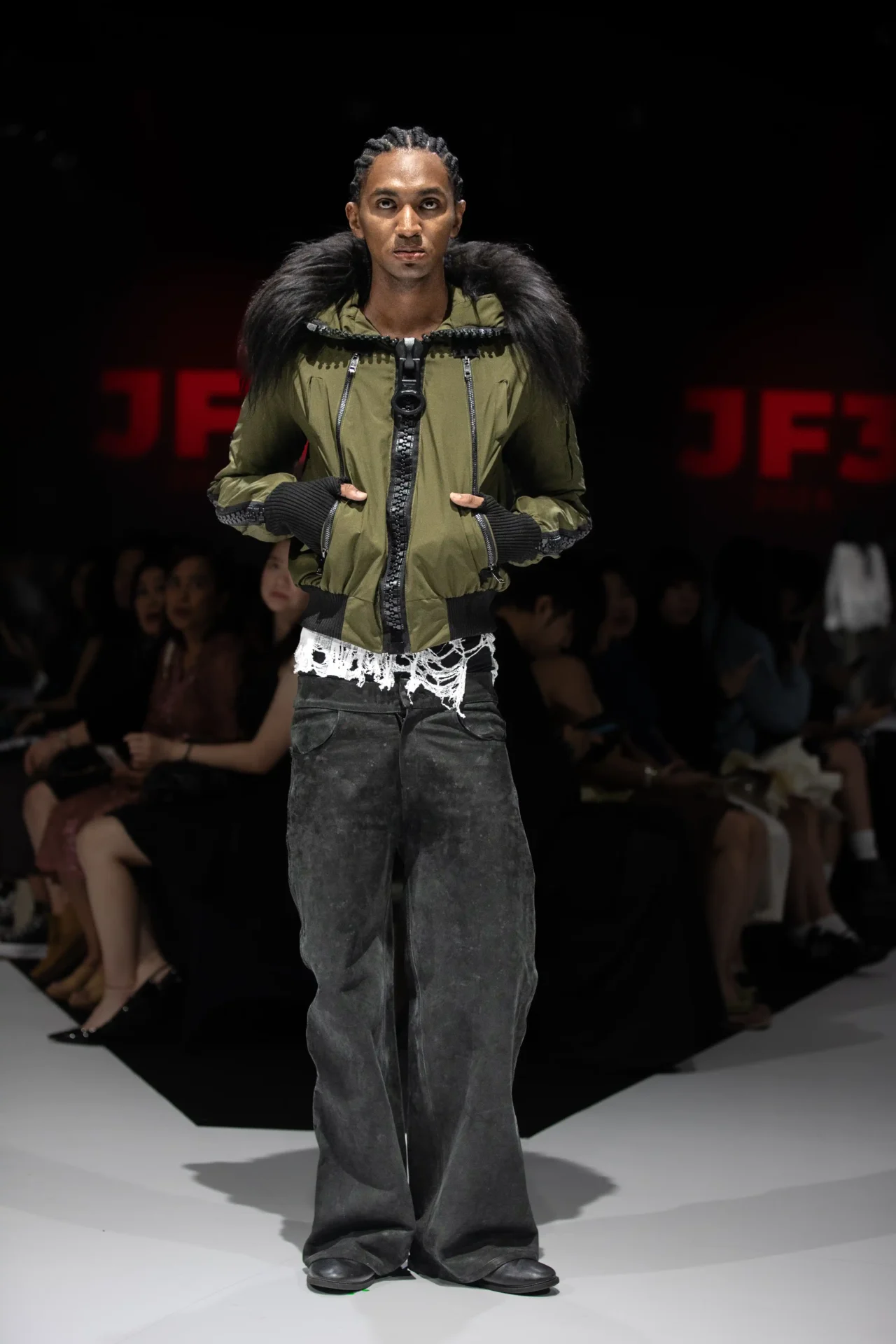
International names expanded that dialogue. From France, 30%70 by Fengyuan DAI brought Parisian experimentation to Jakarta, while ROHAN MIRZA STUDIO explored cutting-edge fabrication techniques using silicone and 3D printing.
French label TAREET, whose work has been worn by Playboi Carti and ENHYPEN and previously collaborated with PUMA, unveiled a new collaboration with Indonesian denim brand and PINTU Accelerator, DENIMITUP, demonstrating the kind of cross-border collaboration JF3 increasingly champions.
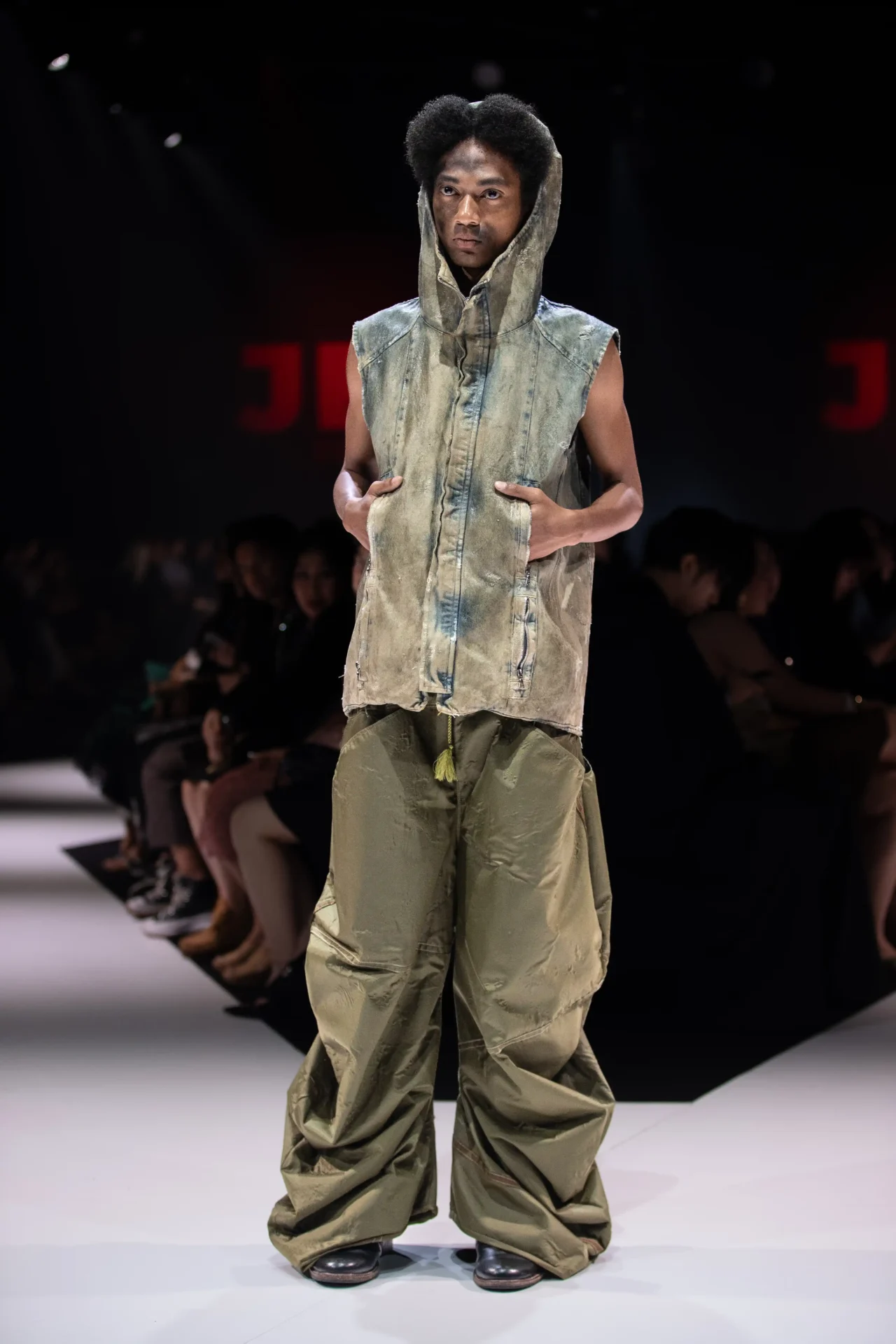
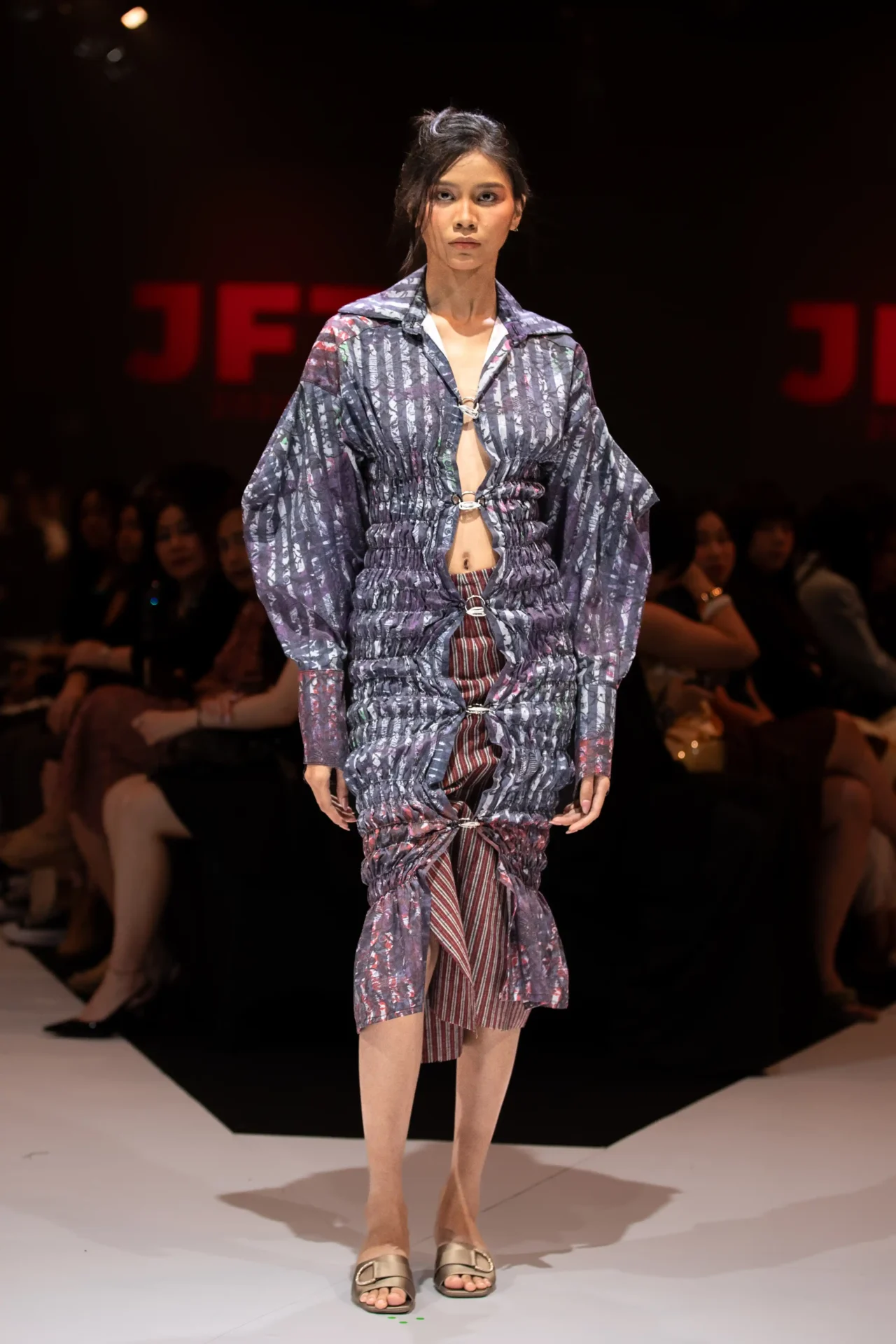
Designer Louise Marcaud also returned following last year’s PINTU focus week in Yogyakarta, transforming discarded batik and lurik textiles into a new collection. The deadstock fabrics, which had already been thrown away and were destined for waste, were recovered and reworked through her French tailoring approach, showing how cultural exchange can extend beyond a one-season collaboration.
Across the region, the ASEAN Fashion Designers Showcase (AFDS) welcomed brands including Erjohn dela Serna House of Designs from the Philippines, KINNALY from Laos, and Indra Murak from Singapore.
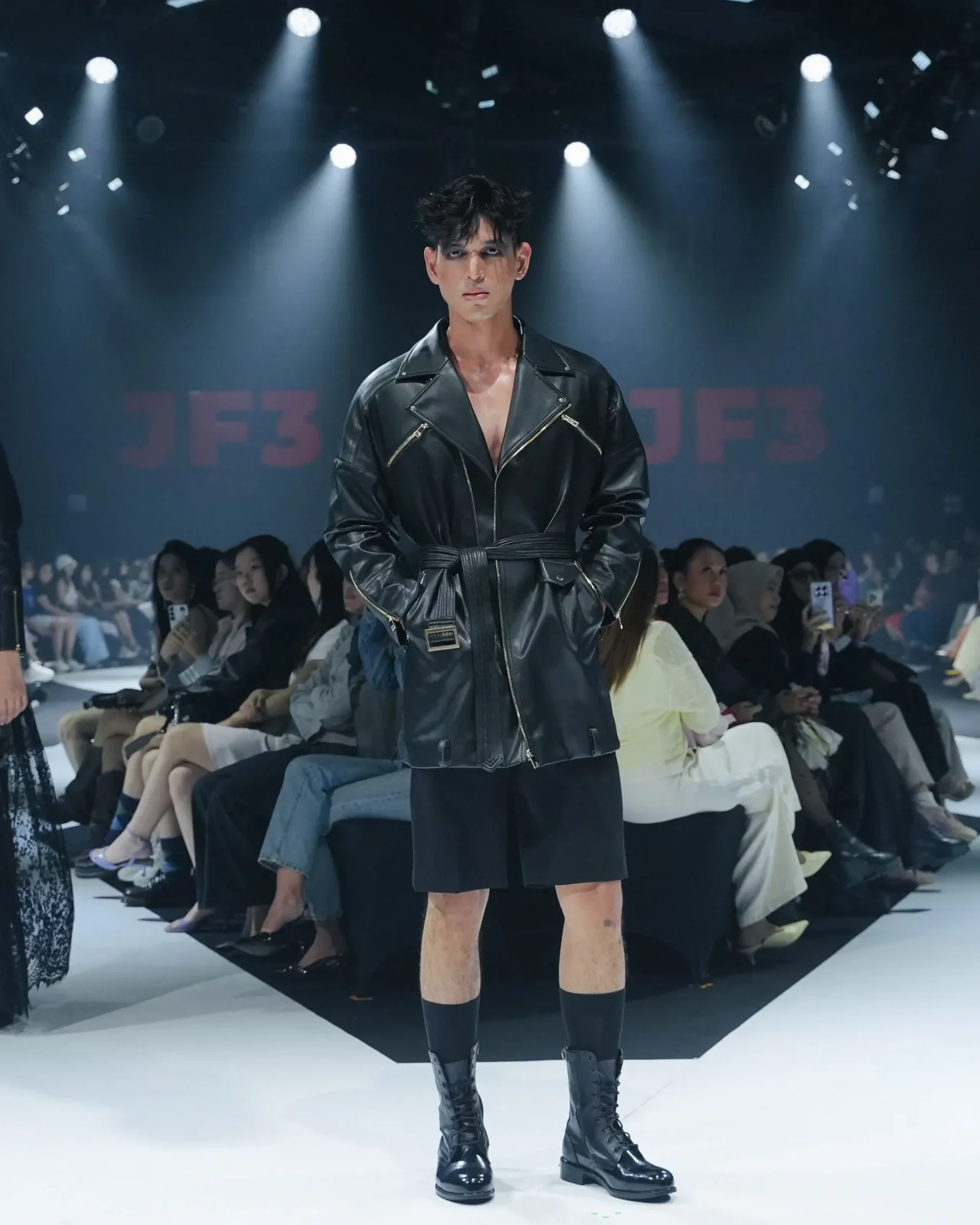
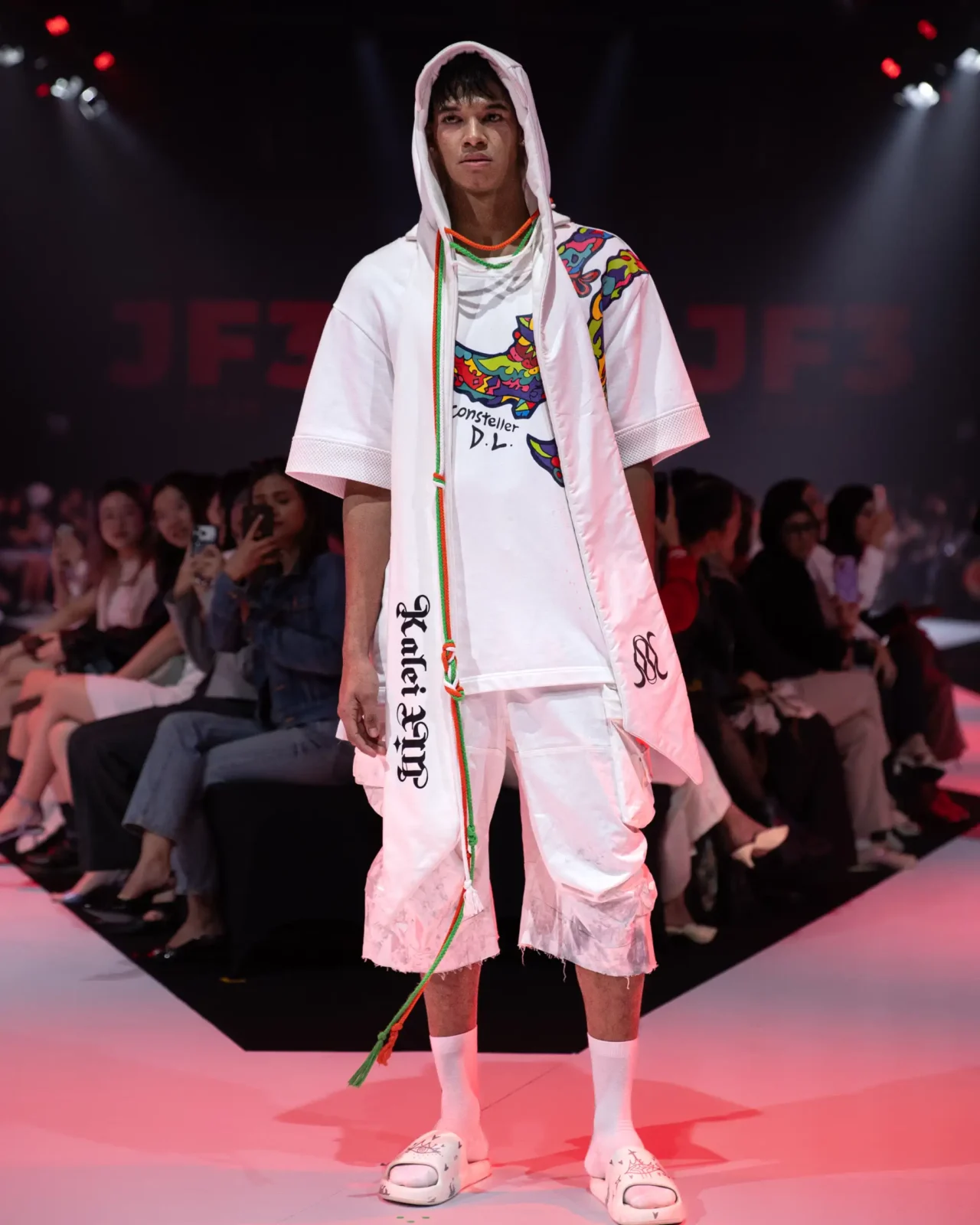
Now in its second year, JF3’s partnership with Busan FashionFashionThe art and industry of designing, producing, and styling clothing, footwear, accessories, and beauty trends. It reflects cultural influences, personal expression, and evolving styles across seasons and markets.Go to Fashion Glossary Week continues to foster a two-way exchange between Indonesia and South Korea. This July, Studio di Perla, OHGYO, and CONSTELLER D.L. presented in Jakarta, while selected Indonesian designers will showcase their works in October, presenting at Busan Fashion Week and HiSeoul Showroom.
The biggest investments happened behind the scenes
The runway may have drawn the headlines, but JF3’s most significant work happened offstage.
Programs such as Future Fashion Designer, JF3 Model Search, JF3 Talk, Fashion Village, CODE.STRT, and PINTU continued to strengthen the industry’s pipeline, giving emerging creatives access to mentorship and commercial opportunities.
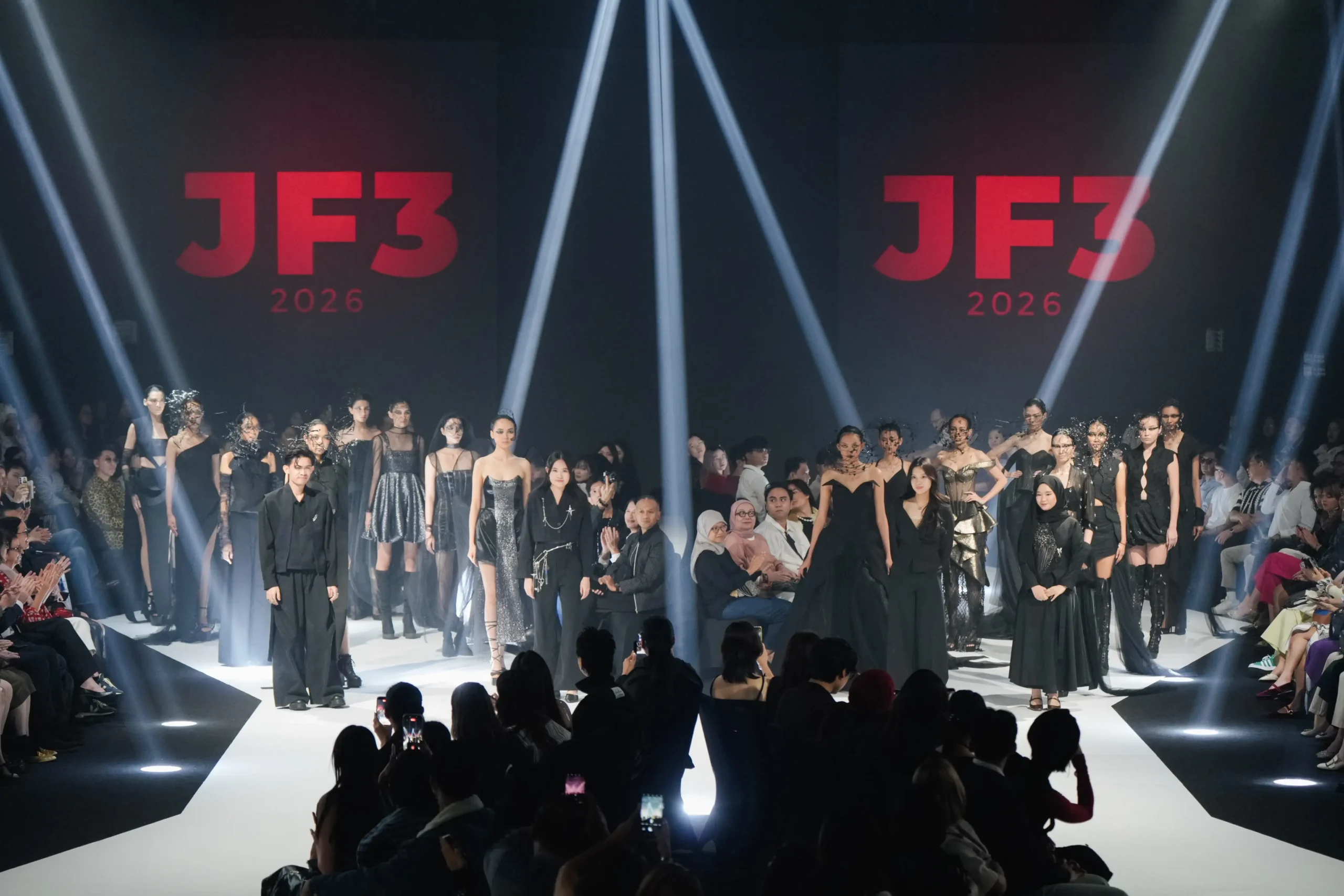
Future FashionFashionThe art and industry of designing, producing, and styling clothing, footwear, accessories, and beauty trends. It reflects cultural influences, personal expression, and evolving styles across seasons and markets.Go to Fashion Glossary Designer challenged participants through an intensive 14-day industry simulation covering concept development, production, and presentation. This year’s winner, Arron Bryan from Jayapura, Papua, joined finalists Agatha Lievia, Azzahra Najmanisa, and Tashannie Abigail Loekman in designs developed for their fifth challenge, themed “Opposite,” at the BRI JF3 Fashion Festival 2026.
Meanwhile, FashionFashionThe art and industry of designing, producing, and styling clothing, footwear, accessories, and beauty trends. It reflects cultural influences, personal expression, and evolving styles across seasons and markets.Go to Fashion Glossary Village transformed Summarecon Mall Kelapa Gading into a curated retail destination featuring more than 50 brands, including collections from French, Southeast Asian and South Korean designers who also showed at JF3, extending their runway presence into direct consumer access.
CODE.STRT returned for its third edition, bringing together local streetwear and urban creative brands alongside international brands from the United States, South Korea and China.
PINTU continues to open doors between Indonesia and France
Now in its fifth year, the initiative founded by JF3, LAKON Indonesia, and the French Embassy through Institut Français d’Indonésie has become one of Southeast Asia’s most ambitious talent development platforms.
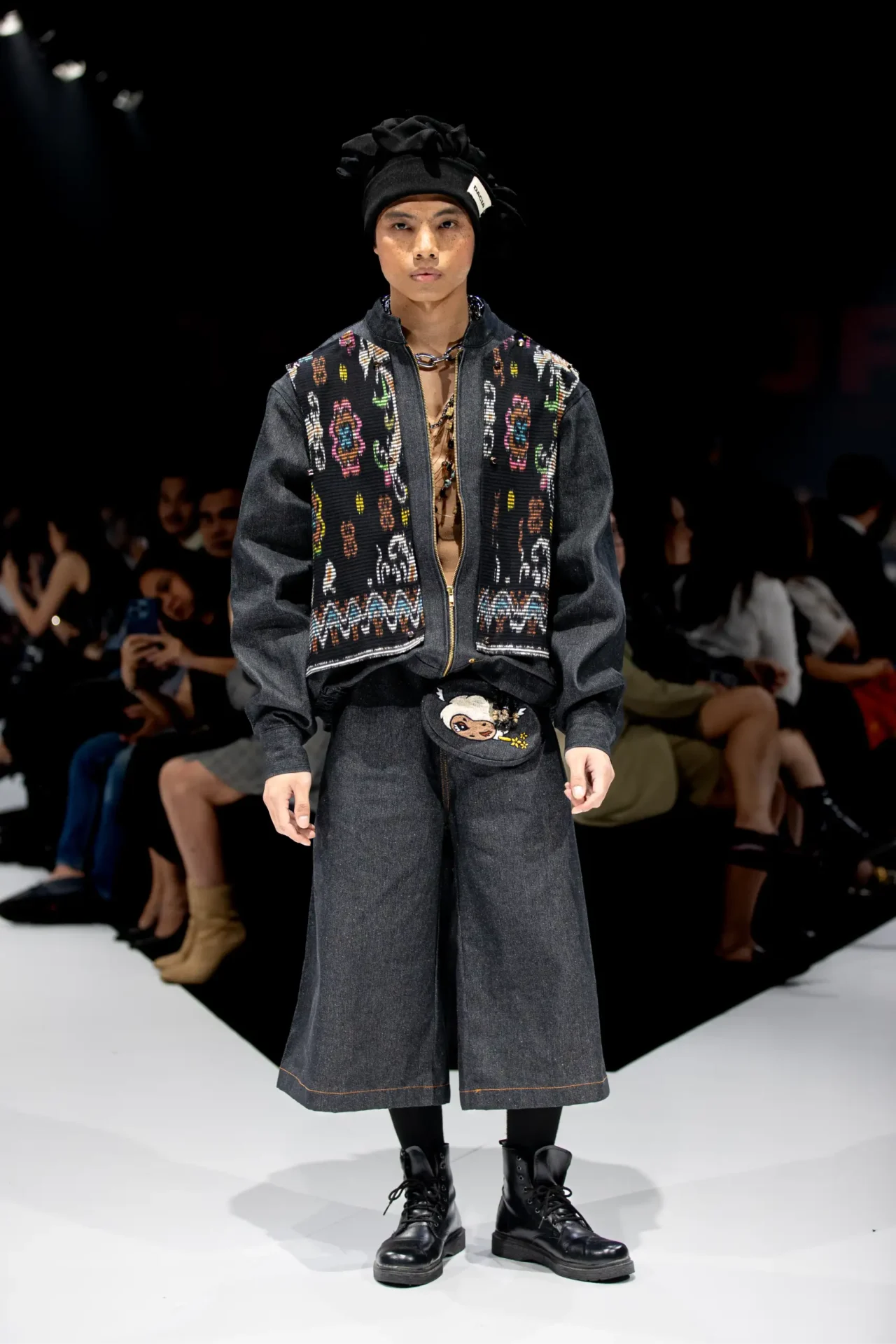
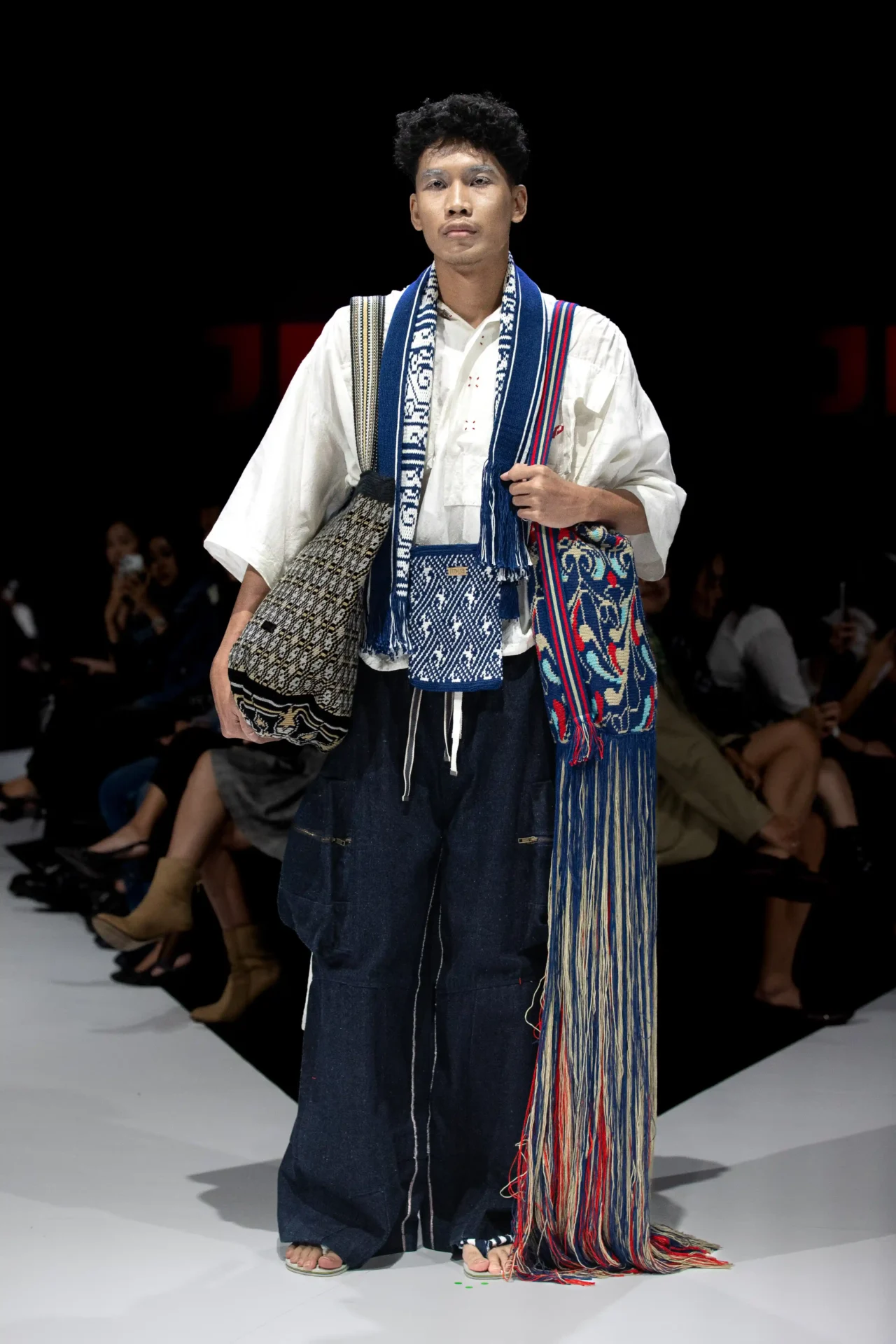
This year also marked the beginning of the PINTU Incubator Indonesia Foundation, a move designed to strengthen the program’s long-term impact.
After receiving 39 applications, the incubator selected five participants to debut their collections during JF3: Saul Studio, Toja House, ALDRIE, ANDREAN NR, and DACIA.
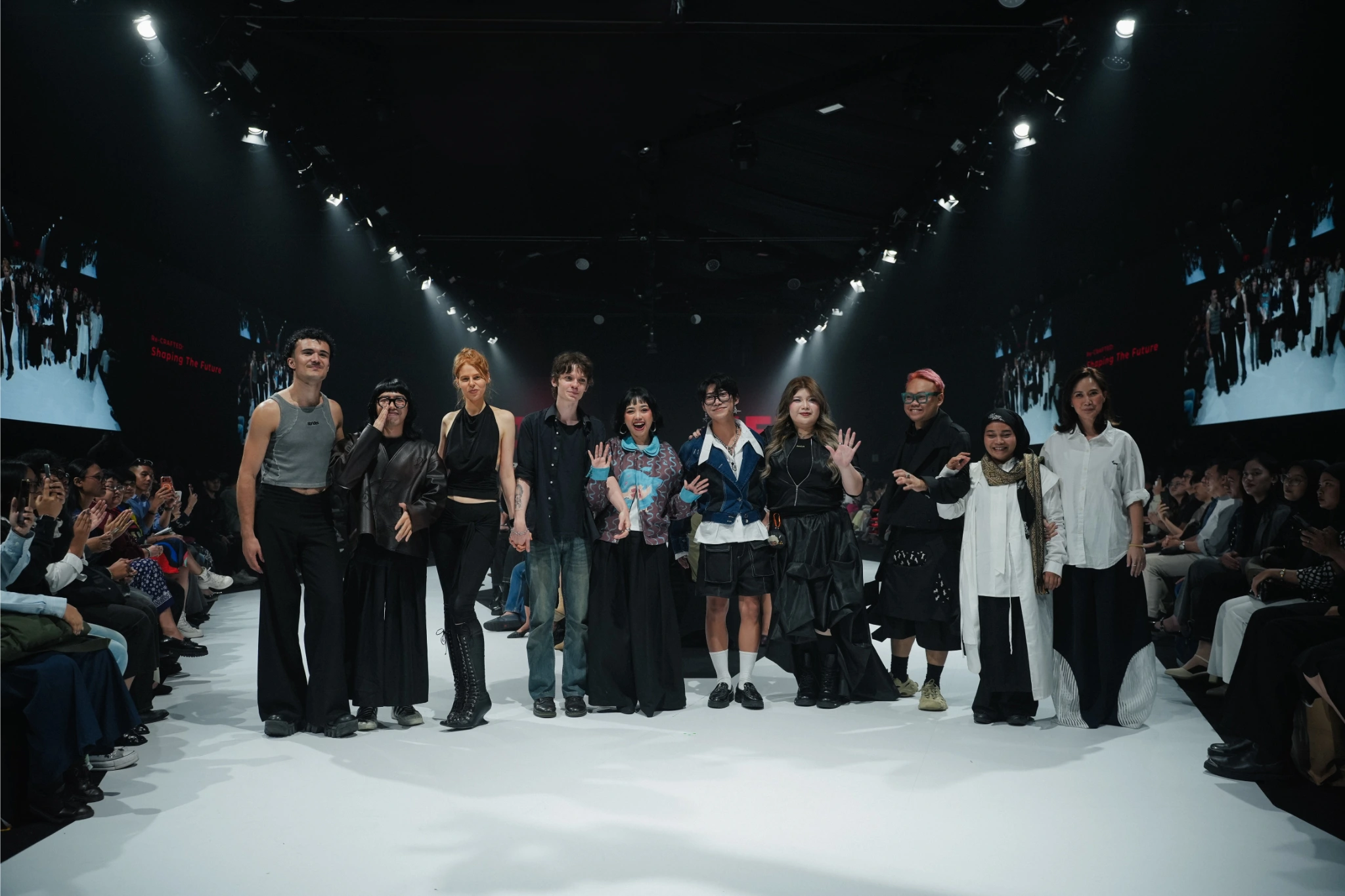
Their collections were presented as part of a shared runway that brought together emerging talents from the PINTU Incubator, Future FashionFashionThe art and industry of designing, producing, and styling clothing, footwear, accessories, and beauty trends. It reflects cultural influences, personal expression, and evolving styles across seasons and markets.Go to Fashion Glossary Designer (FFD), and graduates of École Duperré Paris, creating a platform for different pathways of fashion development to meet on the JF3 stage.
Beyond the runway, participants completed 39 learning sessions led by Indonesian and French mentors covering merchandising, finance, communication, intellectual property, export strategy, styling, and product development.
The PINTU Accelerator program also continued creating international opportunities. Indonesian label DENIMITUP collaborated with French brand TAREET, while Lil Public showcased its work at École Duperré Paris earlier this month.
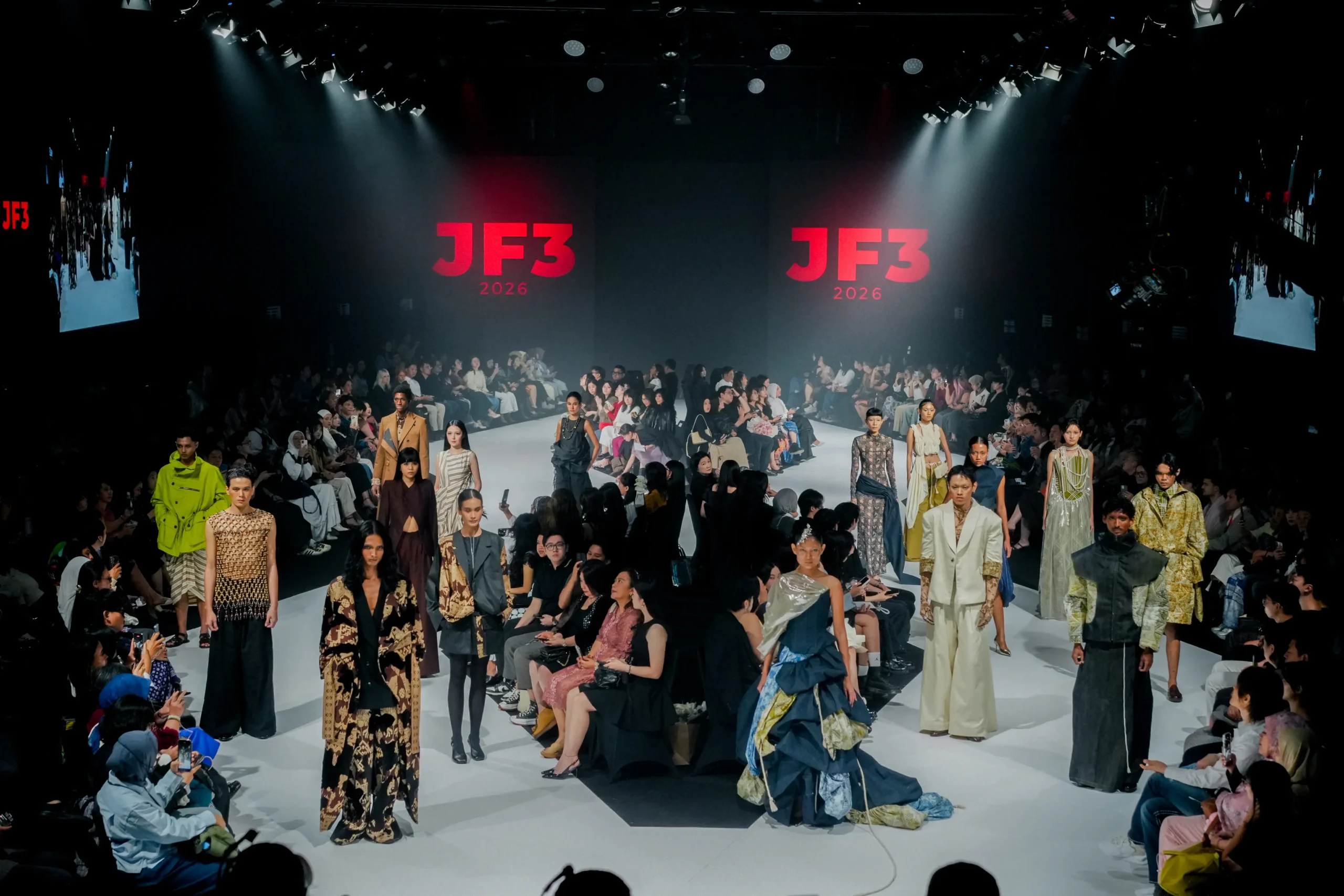
Meanwhile, the second edition of PINTU Residency paired Indonesian and French designers for a four-month creative exchange. In Lombok, Mickaël Nana and Beatrice Angelica developed GARUDA, exploring local tenun and songket through French tailoring, while in Mojokerto, Lisa Rayar and Gabriel Marcella created AU LARGE, reinterpreting local batik through French maritime influences and contemporary tailoring.
LAKON Indonesia closed the festival with a celebration of craft
The final runway belonged to LAKON Indonesia, whose latest collection, HARSA, closed the week with one of its strongest statements.
Named after the Sanskrit word for happiness, the collection celebrated something increasingly rare in fashionFashionThe art and industry of designing, producing, and styling clothing, footwear, accessories, and beauty trends. It reflects cultural influences, personal expression, and evolving styles across seasons and markets.Go to Fashion Glossary: the value of slowing down.
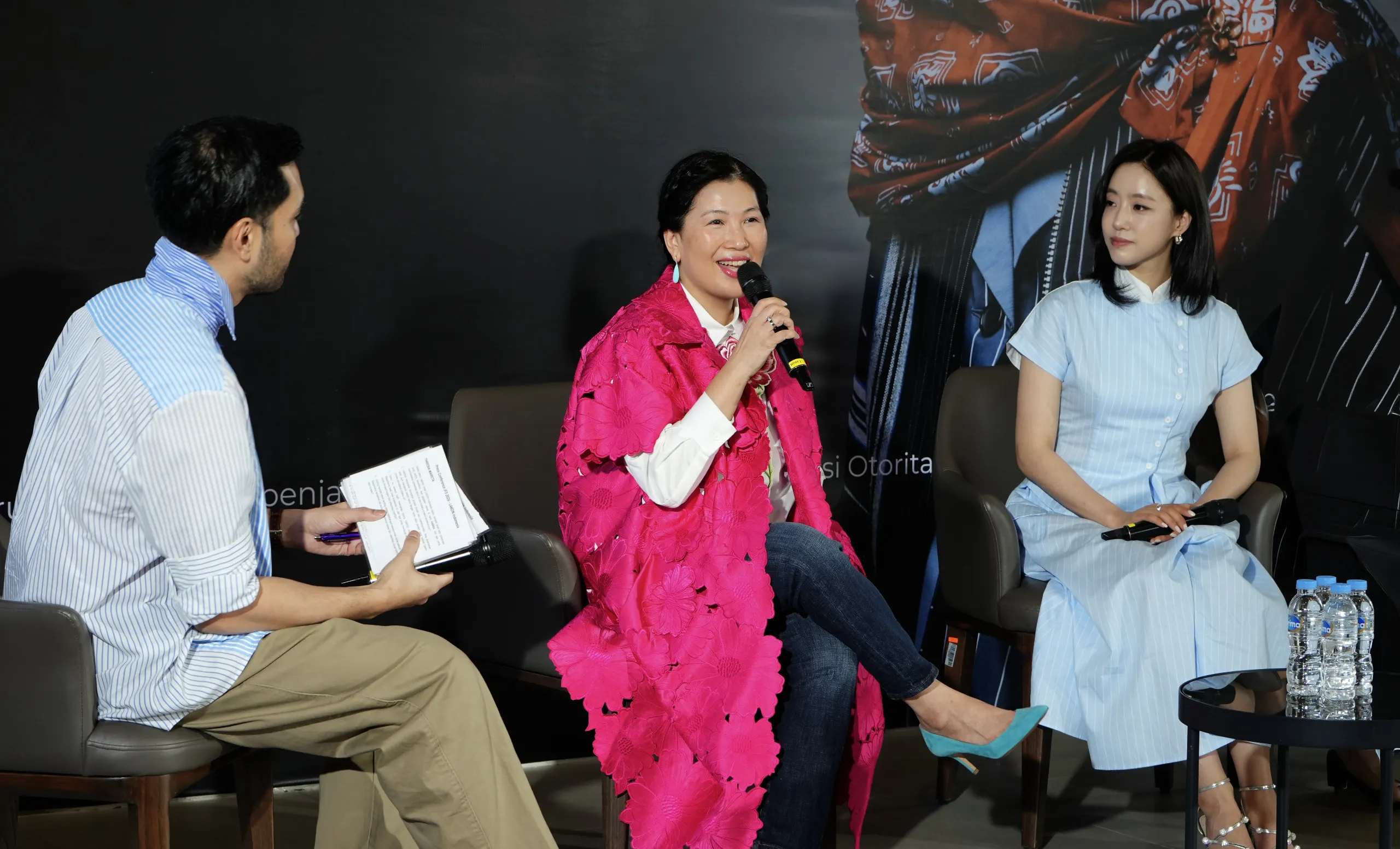
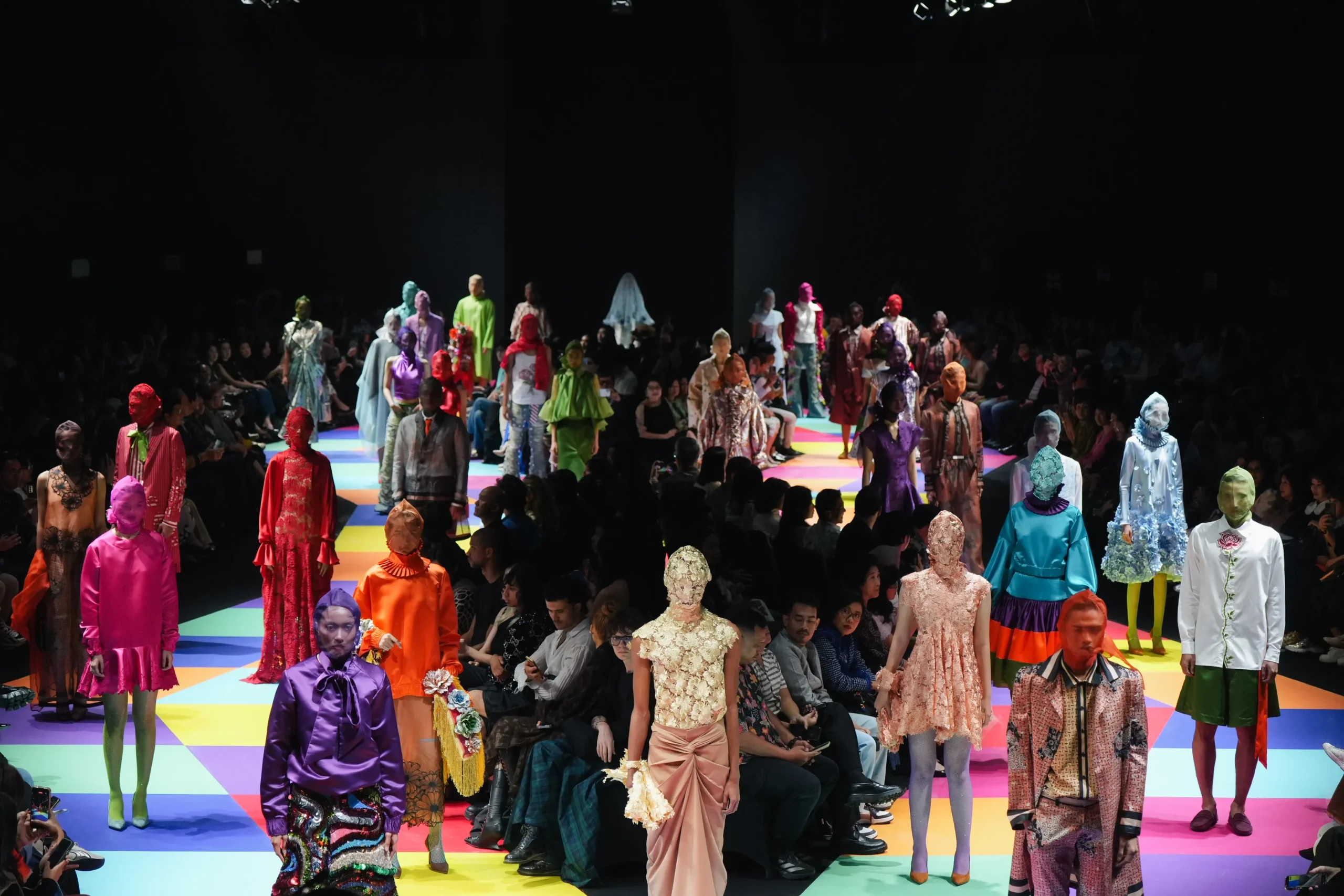
Under the creative direction of Irsan, LAKON Indonesia translated batik and embroidery into contemporary silhouettes through cotton poplin, cotton voile, duchess satin, and organza, marking his ninth collection with the house.
The presentation was complemented by Euneun, the South Korean bag label founded by actress and T-ara member Hahm Eun-jung, whose handbags completed the runway styling.
As the festival’s closing presentation, HARSA echoed the central idea behind this year’s theme. Fashion’s future is shaped by the people, traditions, and collaborations that make those collections possible.
Photos courtesy BRI JF3 Fashion Festival
Frequently Asked Question
BRI JF3 Fashion Festival 2026 is one of Indonesia’s leading fashion festivals, bringing together more than 50 designers and brands from Indonesia, Southeast Asia, South Korea, and France.
The theme of this year’s festival was “Recrafted: Shaping the Future.” It highlights JF3’s vision of fashion as an ecosystem where creativity, craftsmanship, business, and collaboration work together to support long-term industry growth.
The festival featured Indonesian designers including LAKON Indonesia, Tities Sapoetra, Hartono Gan, and AMOTSYAMSURIMUDA, alongside international labels such as France’s 30%70, ROHAN MIRZA STUDIO, and TAREET.
PINTU is a talent development initiative created by JF3, LAKON Indonesia, and the French Embassy through Institut Français d’Indonésie. It supports Indonesian designers through incubation, international residencies, mentorship, and creative collaborations with French fashion professionals.
LAKON Indonesia concluded the festival with HARSA, a collection celebrating Indonesian craftsmanship through modern silhouettes, batik, and embroidery. The presentation also featured handbags from South Korean brand Euneun, founded by actress and entrepreneur Hahm Eun-jung, highlighting the festival’s commitment to cross-cultural collaboration.
Recommended Video