
Compensatory Care and the Rise of “Punk Wellness”
Young urbanites in China and across the globe are merging chaotic modern lifestyles with traditional health practices, giving rise to a pragmatic, guilt-free approach to self-care




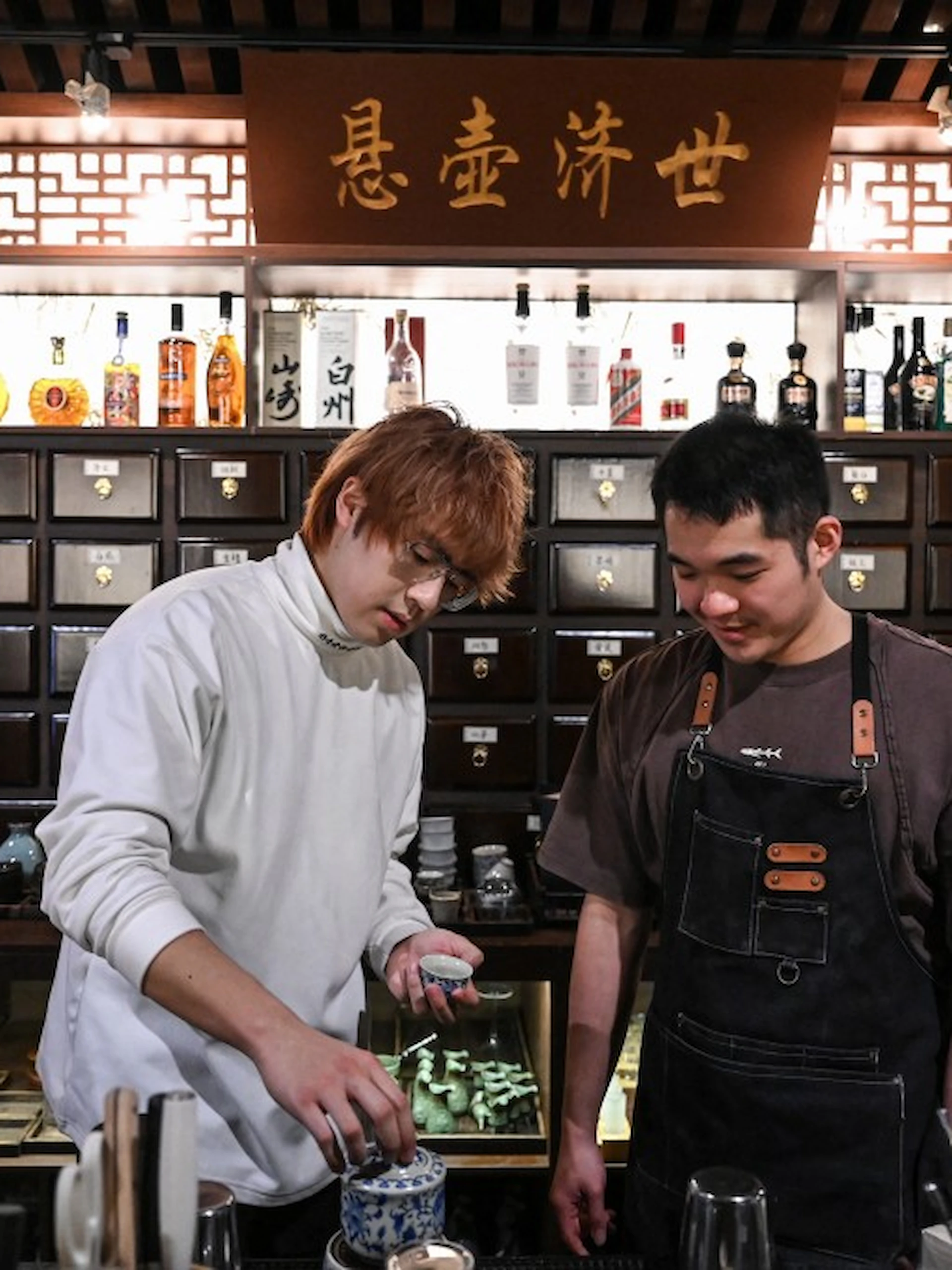
- “Punk Wellness” (Pangkè Yăngshēng) is a subculture where youth offset high-pressure routines and late nights with immediate, rapid-fire health fixes.
- The movement blends ancient remedies with modern convenience, from Chinese ginseng coffee to Western adaptogenic drinks.
- By rejecting rigid health perfectionism, young urbanites adopt compensatory care as a pragmatic, guilt-free framework for navigating modern burnout.
The philosophy of “paying health debts” in real time
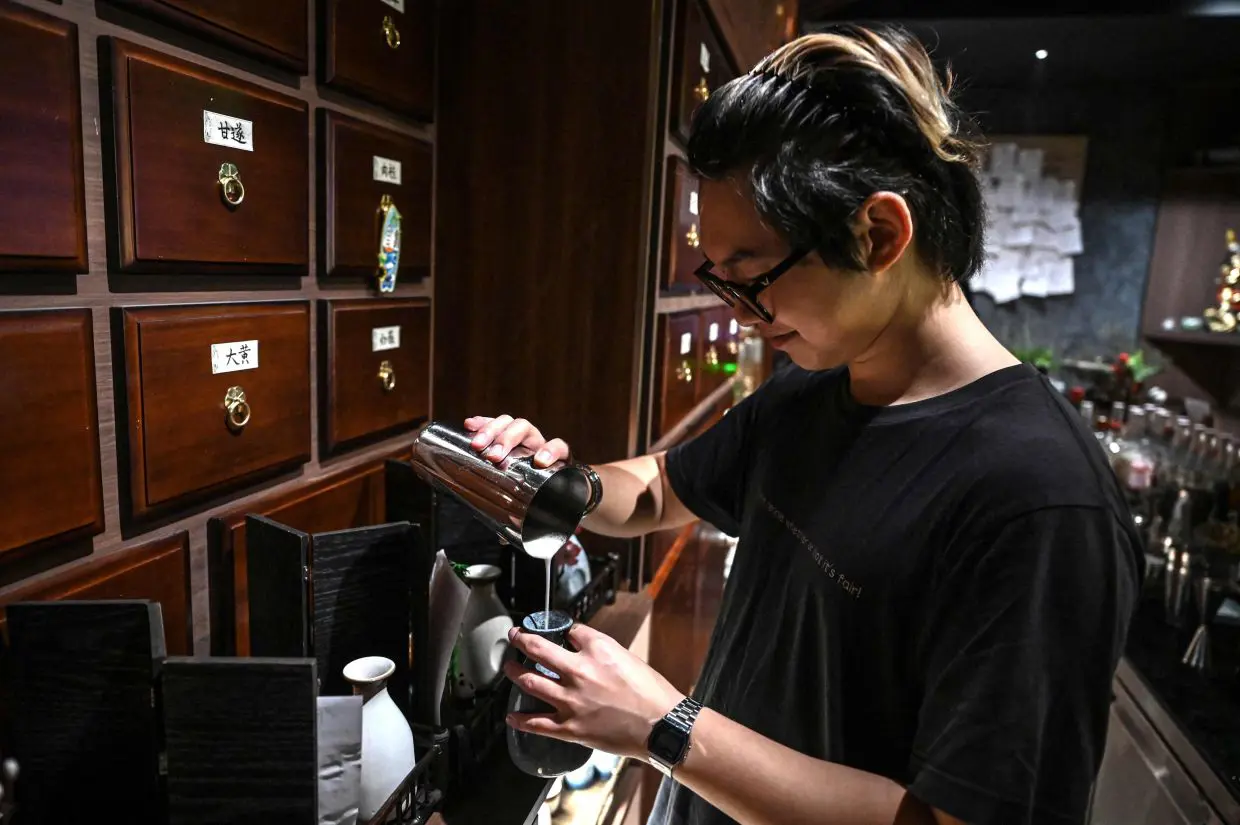
In China’s high-pressure urban centers, a distinct health subculture has taken root among young professionals and Gen Z. Known locally as Pangkè Yăngshēng (朋克养生)—or “Punk Wellness”—the trend describes indulging in unhealthy habits while simultaneously deploying rapid-fire wellness remedies to cancel out the damage.
It is a lifestyle defined by ironic contrasts: staying up past 2:00 AM while sipping goji berry tea, drinking ginseng-infused iced coffees, or wearing thermal patch packs under clubbing attire. Rather than striving for pristine, disciplined routines that require sweeping changes, young urbanites choose to “pay their health debts” in real time.
This trend stems directly from intense work cultures, socio-economic pressures, and urban burnout. Faced with long hours and high expectations, youth use Punk Wellness as a coping mechanism—a way to reclaim personal joy without drowning in lifestyle guilt.
How the trend connects to global health cultures
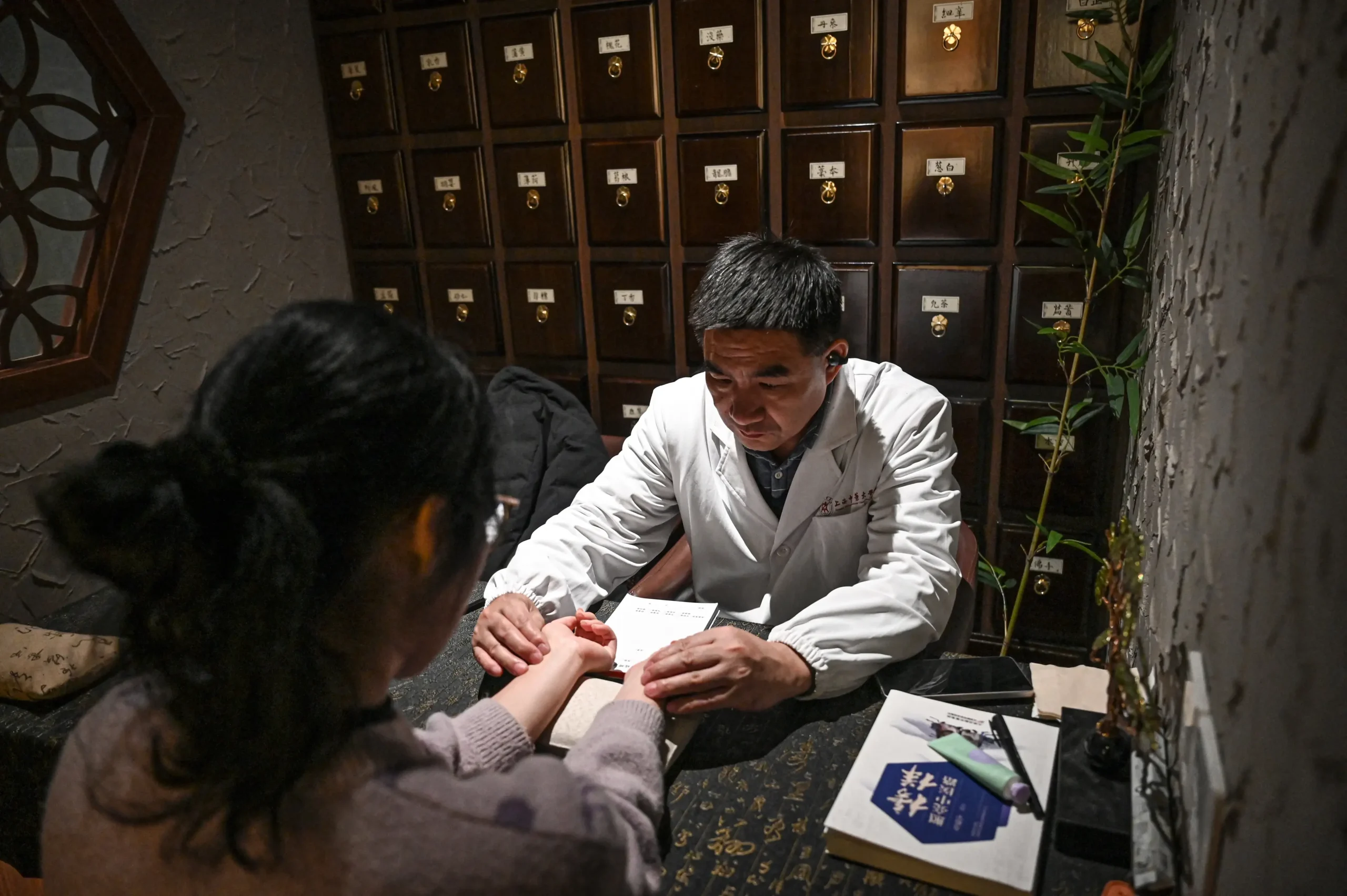
Punk Wellness creatively reinvents Traditional Chinese Medicine (TCM), repackaging traditional ingredients like red dates and astragalus into convenience drinks and ginseng shots. However, this practice of offsetting extreme lifestyles with rapid health fixes reaches far beyond China.
In South Korea, young workers dealing with extreme corporate stress, long hours, and suppressed emotional tension (hwabyung) engage in heavy drinking and late-night food culture. They balance this lifestyle on the go using expensive functional vitamins and traditional hongsam (red ginseng) tonics.
In Western countries, this mindset manifests through “Clean-15” and balance culture. Often seen in the “work hard, play hard” mentality, individuals maintain rigorous diets during the week or take adaptogenic mocktails while continuing weekend binge-drinking or severe sleep deprivation.
In South Asia, urban youth are reinterpreting ancestral Ayurvedic remedies as fast, modern fixes. Quick turmeric-ginger shots and herbal digestive preparations are routinely used to offset irregular eating schedules and high-stress lifestyles.
A pragmatic response to modern burnout
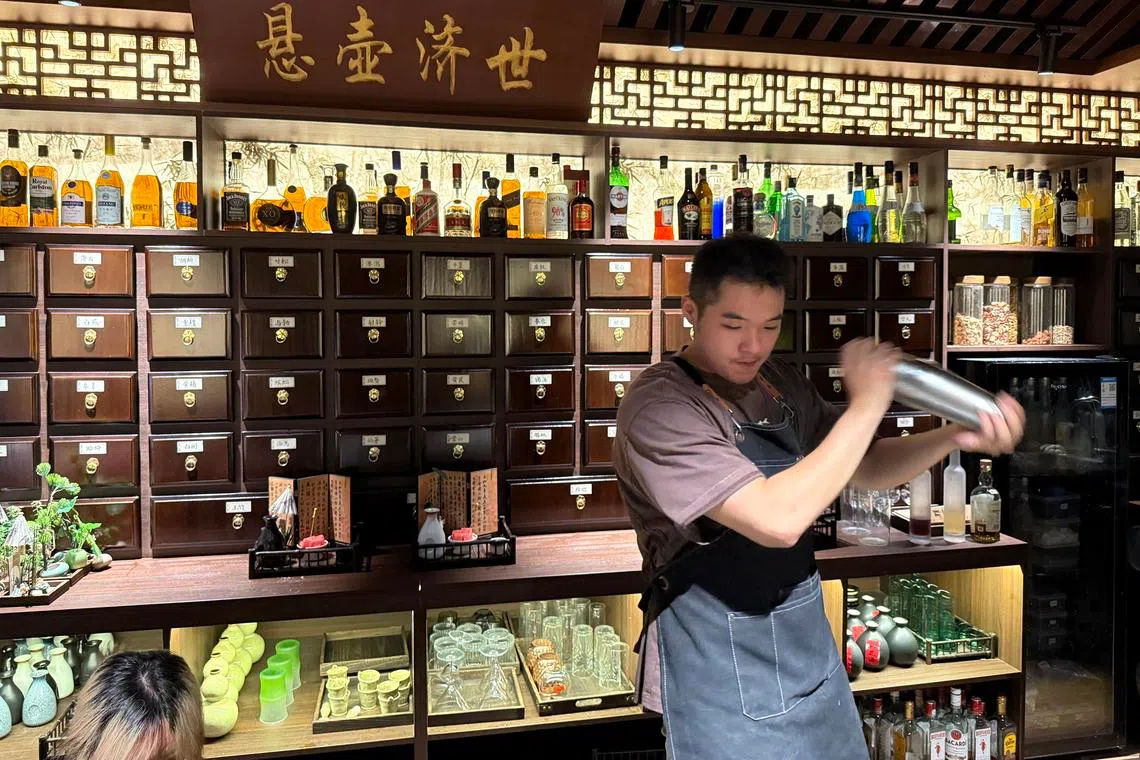
While critics see Punk Wellness as a self-deceptive band-aid for chronic stress and sleep loss, practitioners view it as emotional self-preservation and a practical way to balance real-world demands.
In a fast-moving society where perfect health habits are often unrealistic, Punk Wellness offers a middle ground. It acknowledges the real-world demands of modern careers while providing accessible, everyday rituals that foster physical and mental well-being.
Ultimately, Punk Wellness is redefining what it means to care for oneself in the 21st century. By stripping away the rigid perfectionism of traditional health advice, youth around the world have created a flexible, culturally rooted framework for staying grounded, one functional remedy at a time.
Frequently Asked Questions
It translates to “Punk Wellness” or “Punk Nourishing Life,” combining the rebellious spirit of punk subculture with the traditional Chinese concept of yangsheng (health cultivation).
Popular items include ginseng-infused iced coffees, herbal milk teas with red dates or goji berries, heated eye masks for late-night screen time, and TCM-inspired herbal snacks.
In South Korea, IV drips are frequently utilized by overworked professionals as an accepted, highly efficient quick-fix to recover from severe fatigue or hangovers.
TCM provides a familiar, culturally trusted foundation for holistic health, making its modern, repackaged forms an appealing and easy way for young people to practice self-care.
Food and beverage companies worldwide are releasing functional, herb-infused products, from ginseng shots to adaptogenic drinks, specifically marketed to young consumers seeking fast health resets.

Recommended Video