Inside the (Second) Golden Age of Indonesian Bands
The soundtrack of Indonesia has changed again, and this time, bands are leading the chorus




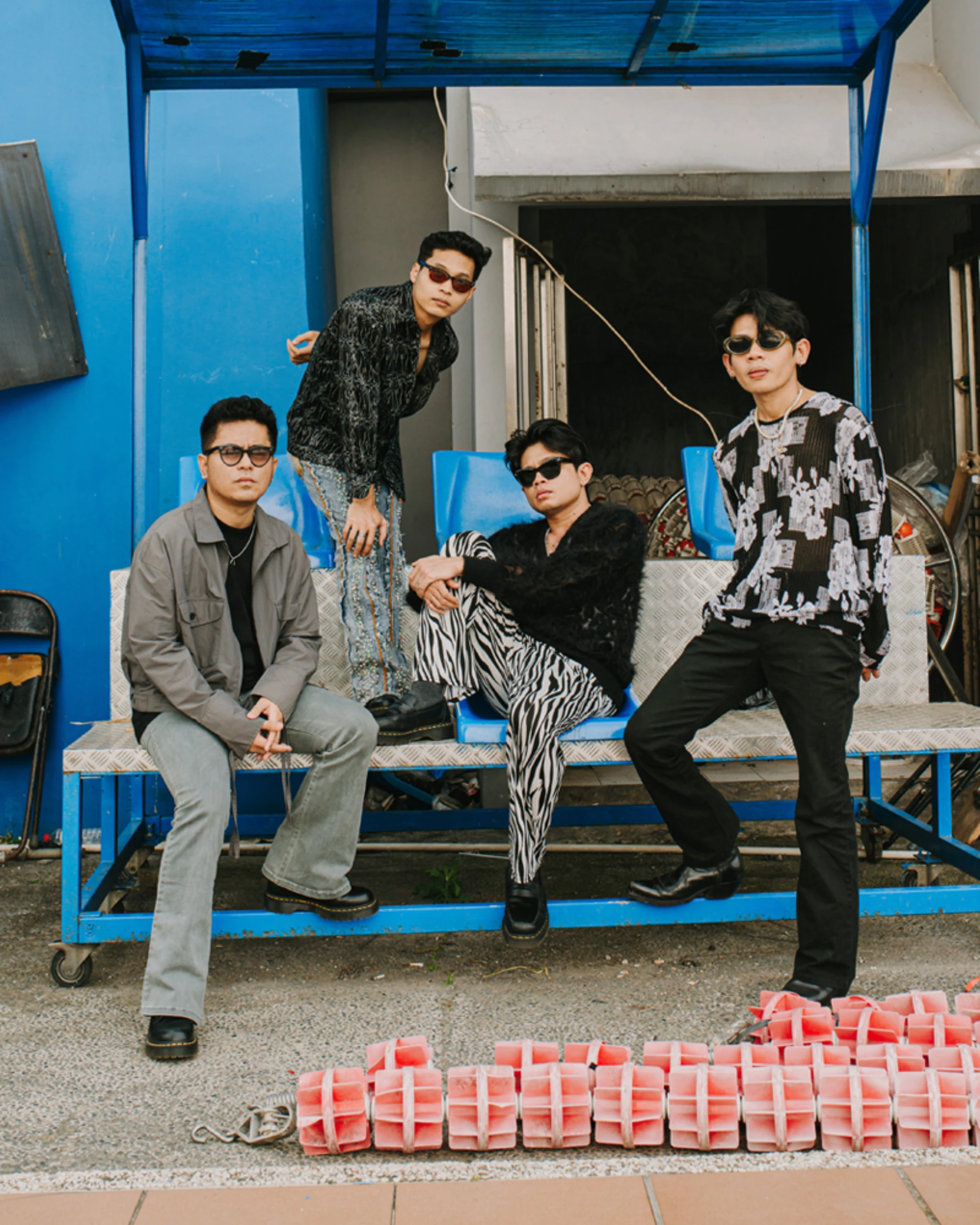
- Indonesia is experiencing a second golden age of bands, led by acts like Juicy Luicy, for Revenge, and .Feast, as homegrown groups reclaim the mainstream in the streaming era.
- Unlike the Y2K boom, this resurgence is built on individuality and patience, with many of today’s biggest bands spending years cultivating their sound and audience before breaking through.
When bands ruled youth
There was a pretty long moment, as soon as our calendar turned the page to Y2K, when bands were flowing so rapidly and torrentially through the mental bloodstream of all young Indonesians.
Local bands such as Sheila on 7, Dewa 19, NaFF, Slank, and Potret were fixtures on Indonesian teenagers’ bedroom walls. High schoolers would ditch class to see their favorite bands perform live. The peak of youth was standing close enough to touch the sweat of your beloved band’s frontman, literally.
Cut to 2026, and it would not be an overstatement that Indonesia has finally entered its second golden age of Indonesian bands.
This second chapter is not the same as its predecessor. Posters have been replaced by Instagram. Physical distance is the fabric of the post-pandemic world. With one touch on your mobile screen, you can watch your favorite bands perform free of charge, no ticket day necessary. Yet the Indonesian public’s enthusiasm unmistakably harks back to those halcyon days, and this second golden age may have what it takes to last longer than the first.
The silence between two golden ages
The Indonesian bands’ domination on the music charts and in the mainstream consciousness began to fade in the mid-2010s. Breakout soloists felt fresh to a changing generation, while bands and their frontmen started to be seen as an old-school trend that had overstayed its welcome. The COVID-19 pandemic only deepened the decline, making bands seem not only outdated but also impractical.
Meanwhile, younger millennials and Gen Z reshaped music consumption through streaming platforms and social media. Bands had long been associated with louder sounds, while contemporary Indonesian youth increasingly gravitated toward mellow music.
In hindsight, it was hardly surprising. One of the reasons Y2K became such a glorious era for local bands was because young listeners no longer identified with the cookie-cutter pop soloists of the 1990s. Music had shifted once before, and it shifted again. The heartbeats of local bands continued, but the euphoria diminished with each passing year.
Until, one day, the tune suddenly changed.
READ MORE: These Indonesian Male Soloists Have What It Takes to Conquer the World Stage
How Indonesian bands found their way back
Looking back to the fishbowl fiasco that was the global pandemic, one local band established a remarkable presence across social media, YouTube, and streaming charts: Juicy Luicy.
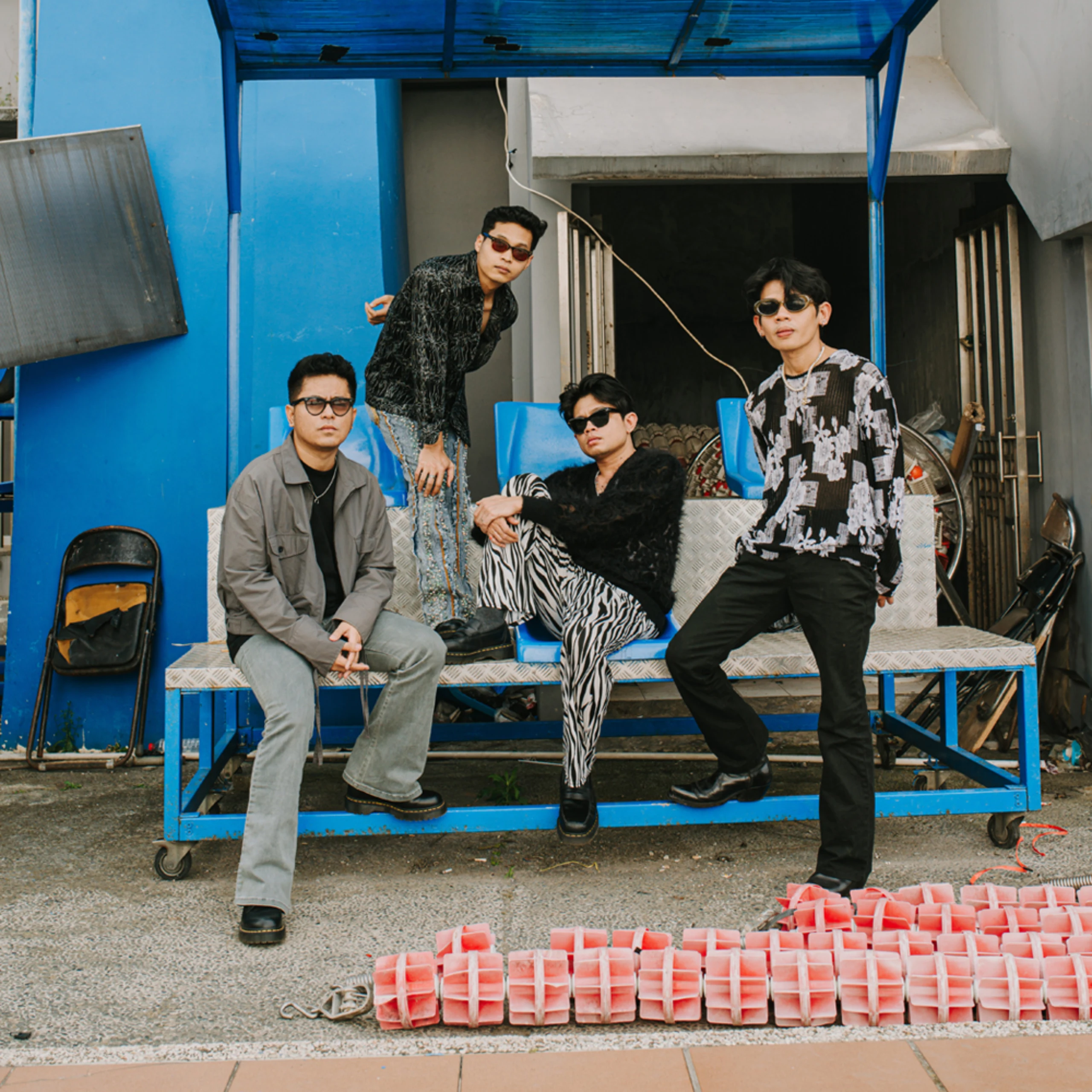
Between 2020 and 2022, Juicy Luicy’s rise was hardly Herculean, but it was steady. Lantas became a constant on the airwaves and, in 2026, it still is. More importantly, Juicy Luicy proved that local bands could adapt to the changing times without pandering to the tastes of the changing generation. The enduring success of Sentimental (2020) and Nonfiksi (2024) showed that the band’s momentum was no accident.
When Sialan, featuring Adrian Khalif, reached the top of Spotify Indonesia and other domestic charts, a change was officially afoot. Soon, the floodgates opened.
Bands like .Feast, Perunggu, Fourtwnty, The Lantis, and Batas Senja began dominating the mainstream charts. Lomba Sihir, Dongker, Sunwich, and The Jansen became the new indie darlings, while breakout acts such as Societeit de Harmonie and Tripov emerged as exciting new voices.
The virtue of patience
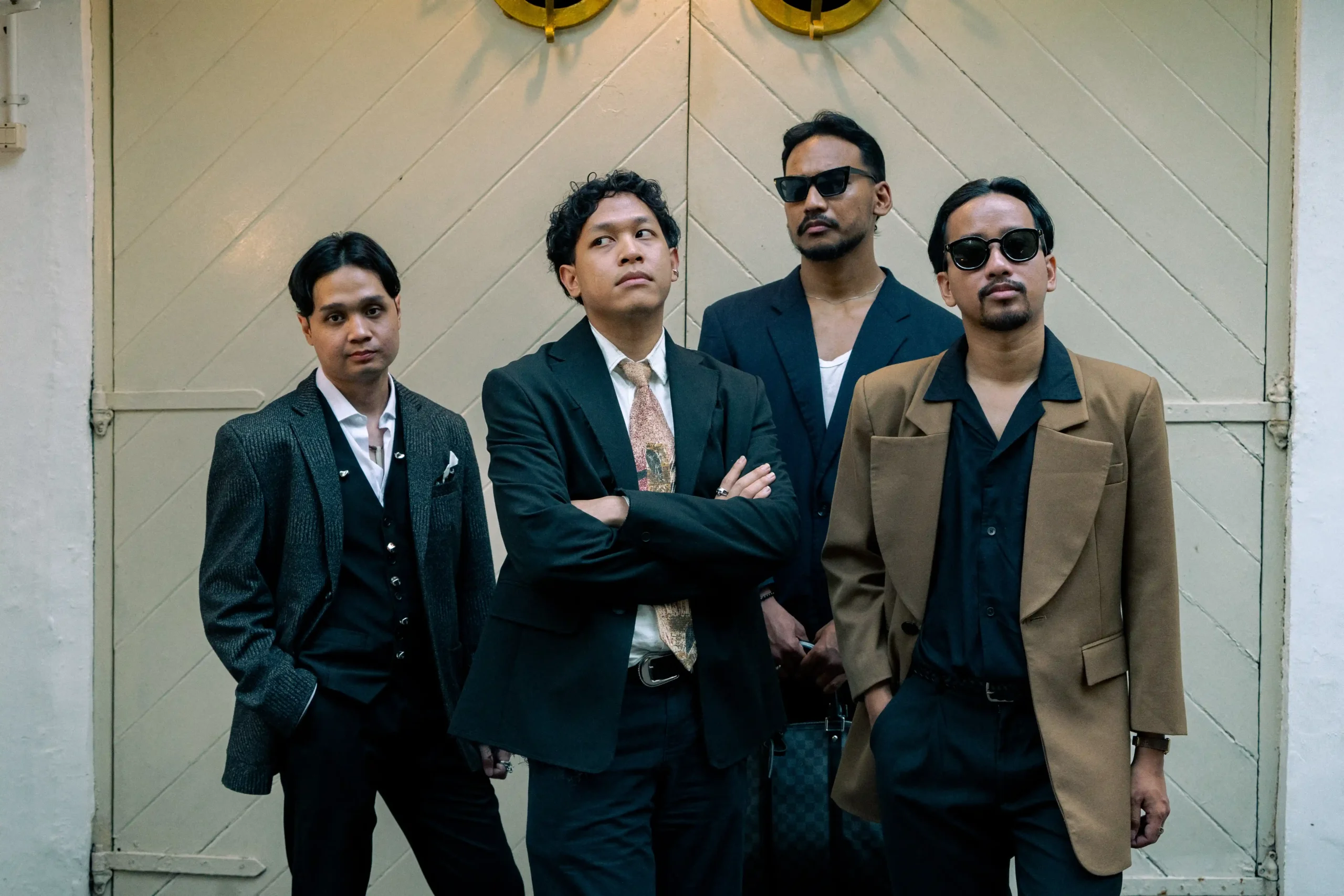
In a recent conversation with Juicy Lucy, the band reflected on the journey that led not only to the band’s success but also to the current renaissance of Indonesian bands.
Vocalist Julian “Uan” Kaisar believes what makes Indonesian bands unique today is their individuality.
“With the right composition, now any band can penetrate the mainstream. What’s unique is that now bands can properly introduce their identity to the public in their own way.”
Songwriter Denis Ligia agrees, adding that Indonesian music itself gives local bands a distinctive identity on the global stage: “We are the ones who can do the pop ballads that we do.”
Denis believes that if an Indonesian act ever wins a Grammy, it may well be for an Indonesian pop ballad. Uan and Denis also point out that today’s biggest bands are hardly overnight sensations. Many spent years, even decades, building their audience before finally reaching the mainstream.
“There are those who blow up so fast, but we often hear that the faster you soar, the faster you slump as well. However, the ones who stick together for a very long time before ascending usually have a stronger foundation.”
Juicy Luicy formed during the mid-2010s, when bands were no longer the dominant force in Indonesian music. Uan believes that as hangout culture faded, music creation became increasingly individualistic, and many people questioned whether bands still had a place in the modern era.
Regardless, Juicy Luicy chose to persevere together. “Bands will always exist.”
Their influence now extends beyond music. Indonesian filmmakers increasingly use bands in their soundtracks, while contemporary young men have adopted the style of frontmen like Uan, from eyeglasses and flare pants to semi-formal tailoring and middle-part hairstyles.
Even language has shifted. Thanks to the success of Sialan, the once-taboo word has become commonplace. “At first, there were three universities that prohibited us from performing Sialan because that word was considered churlish. But now, because that song blew up, everyone is okay saying that word.”
The birth of modern icons
For Revenge has followed a remarkably similar path. After years of persistence, Serana and Jakarta Hari Ini became defining songs of the decade, while Perayaan Patah Hati cemented the band’s commercial success.
Vocalist Boniex Noer believes Indonesia is witnessing a true resurgence of bands. “Soloists are still out there, but now many bands are stepping up, and they come from various genres as well. As a member of a band, I agree: this is the era of bands.”
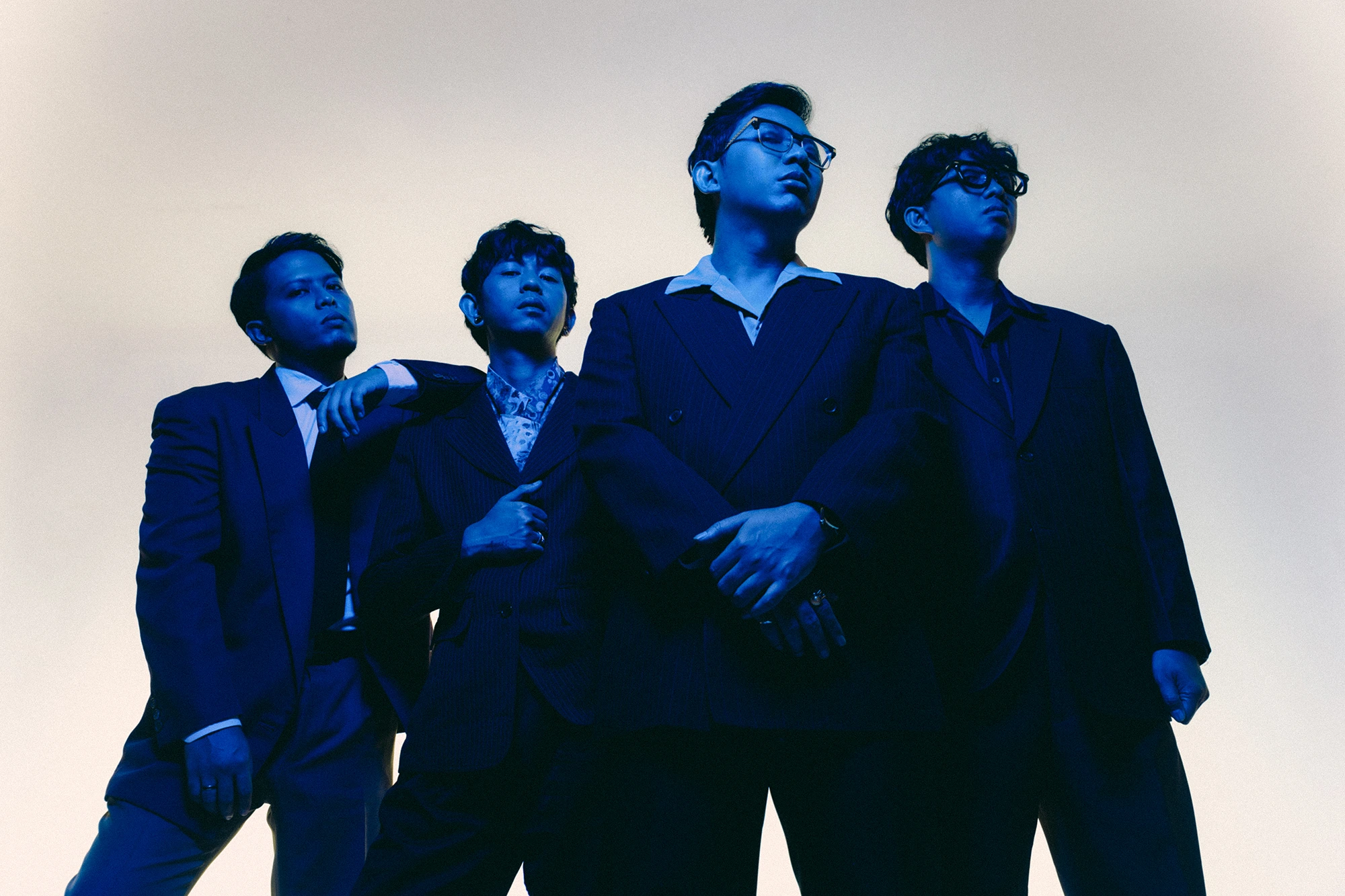
He believes post-pandemic audiences were searching for something more emotionally direct, and bands answered that demand.
“The emergence of such bold-sounding bands has represented the audience’s anguish. I also see how the bands currently on the rise are no newbies. None of their successes was instant.”
For Boniex, one advantage bands have over soloists is simple. “A band looks like a good hang. A soloist is seen as one person. But when we see a band, it is like friends getting together and having fun.”
That sense of camaraderie also creates unusually loyal fan communities. “Our fans are really loyal because they hope to be part of the band as well.”
Still, Boniex laughs off the idea of cultural-icon status. “We’re more like the icon for brokenhearted men.”
The power of friendship
The lingering question is whether this second golden age will outlast the first.
Juicy Luicy believes it will. Unlike the 2000s, today’s audiences no longer see bands as interchangeable. Veteran acts such as Dewa 19, Nidji, SAMSONS, HIVI!, and VIERRATALE have been rediscovered by younger listeners, while Sheila on 7, Elephant Kind, Reality Club, and D’MASIV continue releasing new music. At the same time, bands like Juicy Luicy, for Revenge, and .Feast show no signs of slowing down.
Unlike the 2000s, today’s media culture is also far less interested in manufacturing rivalries between bands. “There is no competition at all,” Uan says. “Who do we compete against? We are friends with HIVI! and we are very different from for Revenge.”
“And media can’t stir the pot anymore,” Denis adds.
That may ultimately be what makes this second golden age feel sustainable. These bands have already survived changing tastes, shifting technology, and the test of time. More importantly, they are connected not by rivalry but by genuine friendship, and perhaps that friendship is the very reason Indonesian bands will never go out of style.
Frequently Asked Questions
Indonesia is experiencing a second golden age of bands as acts like Juicy Luicy, for Revenge, and .Feast reconnect with mainstream audiences.
Juicy Luicy is widely seen as a key force behind the resurgence, with hits like “Lantas” and “Sialan” helping bring bands back into the spotlight. Other prominent names include For Revenge, .Feast, Perunggu, Fourtwnty, The Lantis, Batas Senja, and Lomba Sihir.
Unlike the first golden age, today’s bands have built their audiences through streaming and social media instead of traditional media and live concerts alone.
Beyond its commercial success, Juicy Luicy has influenced fashion, film soundtracks, and even everyday language. The popularity of the band’s hit “Sialan” helped make the once-sensitive word more widely accepted in casual conversation.
Artists like Juicy Luicy believe the current movement is built on strong foundations, with many successful bands spending years developing their music before breaking through. They also point to the collaborative spirit among bands today, which has replaced the rivalries that defined earlier eras.
Recommended Video