
How Your Own Plasma Can Combat Hair Thinning
Platelet-Rich Plasma (PRP) therapy harnesses the body’s natural growth factors to revitalize dormant follicles and restore hair density




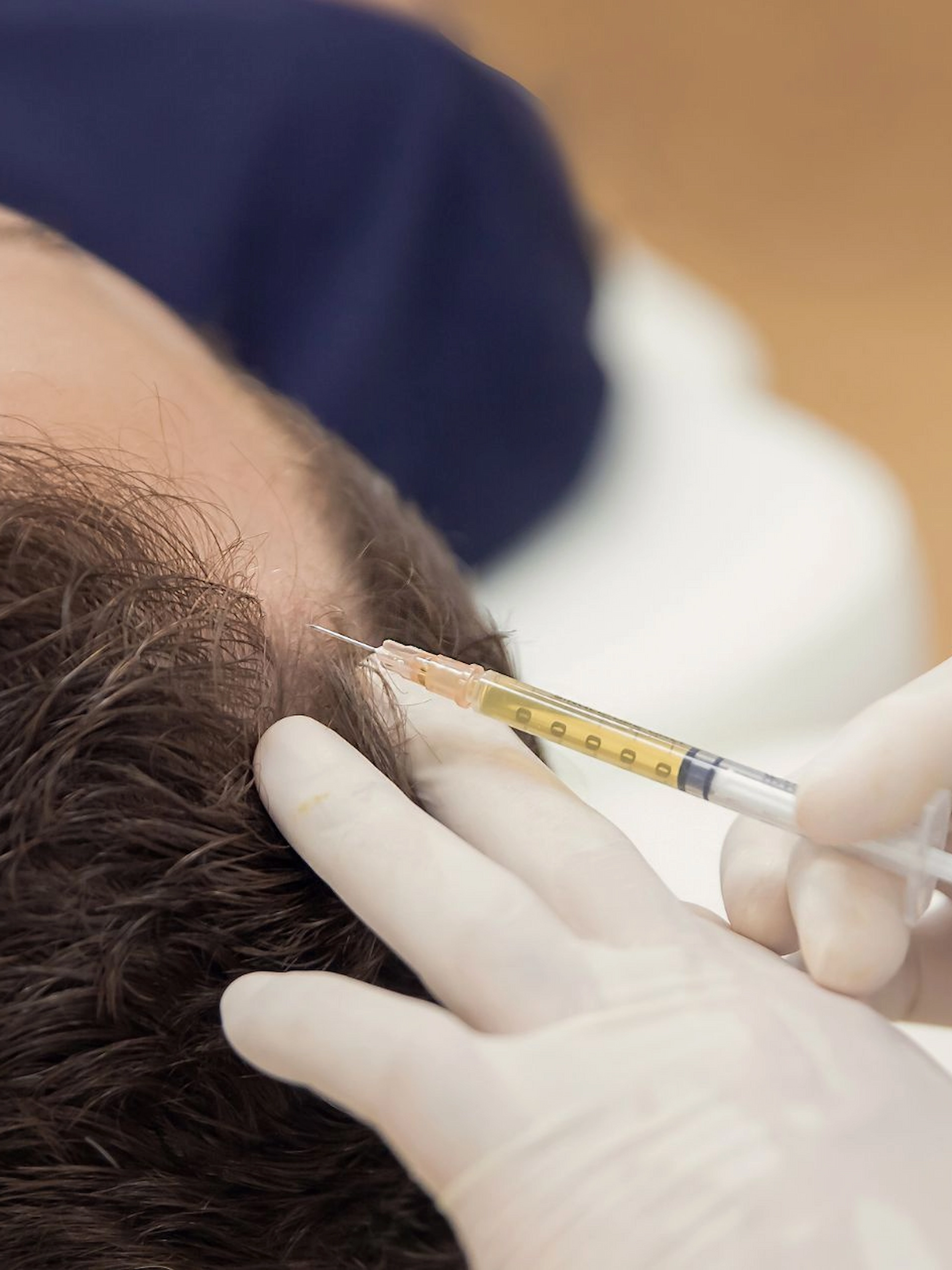
- PRP therapy uses a concentrated form of your own blood plasma, which is rich in platelets that signal hair follicles to enter the growth phase.
- A small amount of blood is drawn, spun in a centrifuge to isolate the plasma, and then injected into the scalp where thinning occurs.
- Unlike hair transplants, this treatment is minimally invasive, requires no downtime, and carries a low risk of allergic reaction since it uses your own biological material.
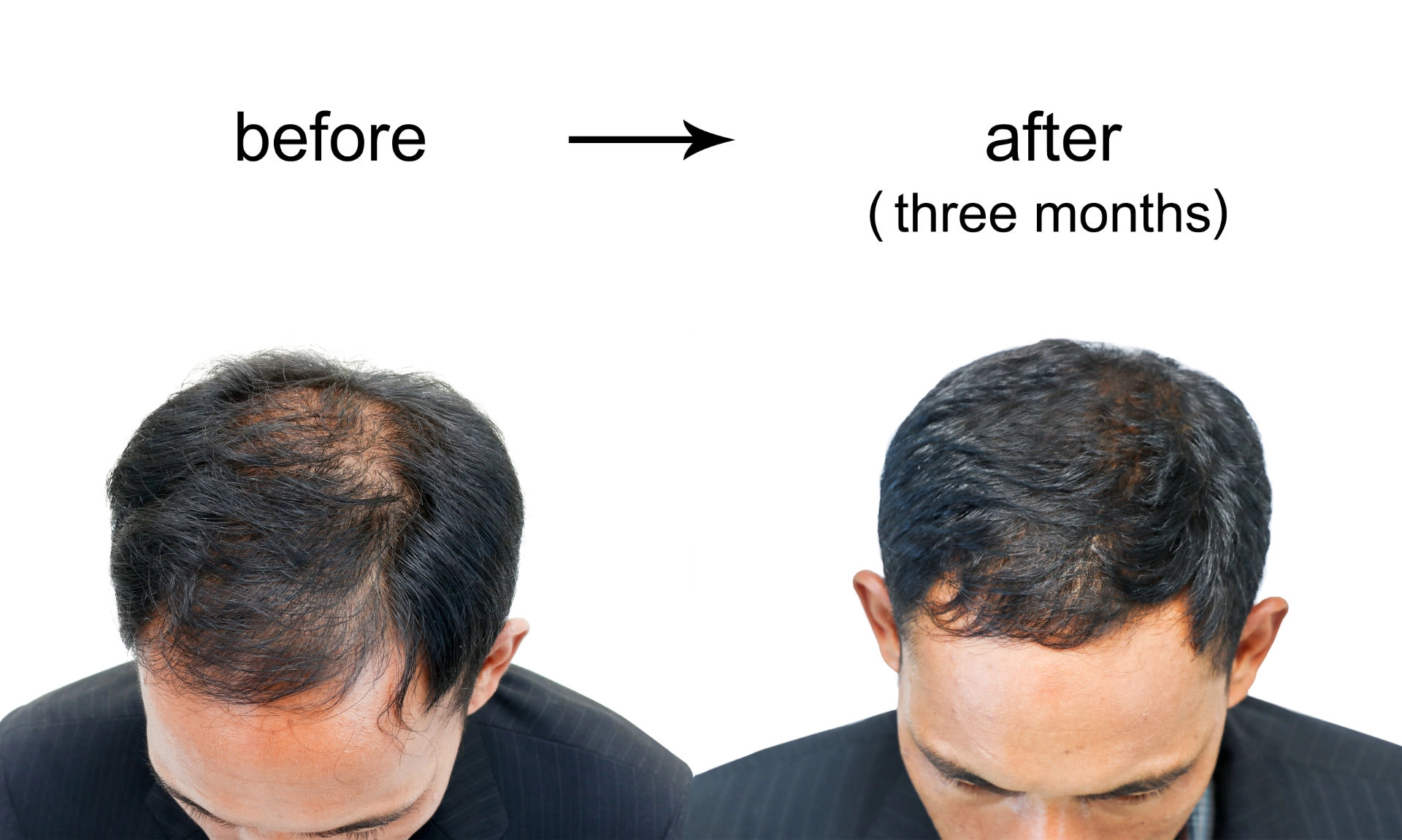
- Results typically become visible after three to four sessions spaced about a month apart, as the hair growth cycle requires time to reset.
- PRP is most effective for patients in the early stages of androgenetic alopecia or those experiencing thinning rather than complete baldness.
Is it possible to reverse hair thinning using your own biology?
The search for a “holy grail” in hair restoration has often led people toward harsh chemicals or expensive surgical interventions. However, the most potent tool for fighting hair thinning might already be circulating in your veins.
Platelet-Rich Plasma (PRP) therapy has emerged as a cornerstone of regenerative medicine, moving from the world of sports injury recovery into the forefront of aesthetic dermatology. It treats hair loss with external stimulants to heal the scalp from the inside out.
As we move further into 2026, the medical community is increasingly leaning on autologous therapies, treatments derived from the patient’s own body to minimize side effects and maximize biocompatibility.
How does PRP actually work?
Think of your hair follicles like plants in a garden. Sometimes the soil runs out of nutrients, and the plants stop growing or become very thin. Platelet-Rich Plasma (PRP) is like a high-end, organic fertilizer made specifically for your body.
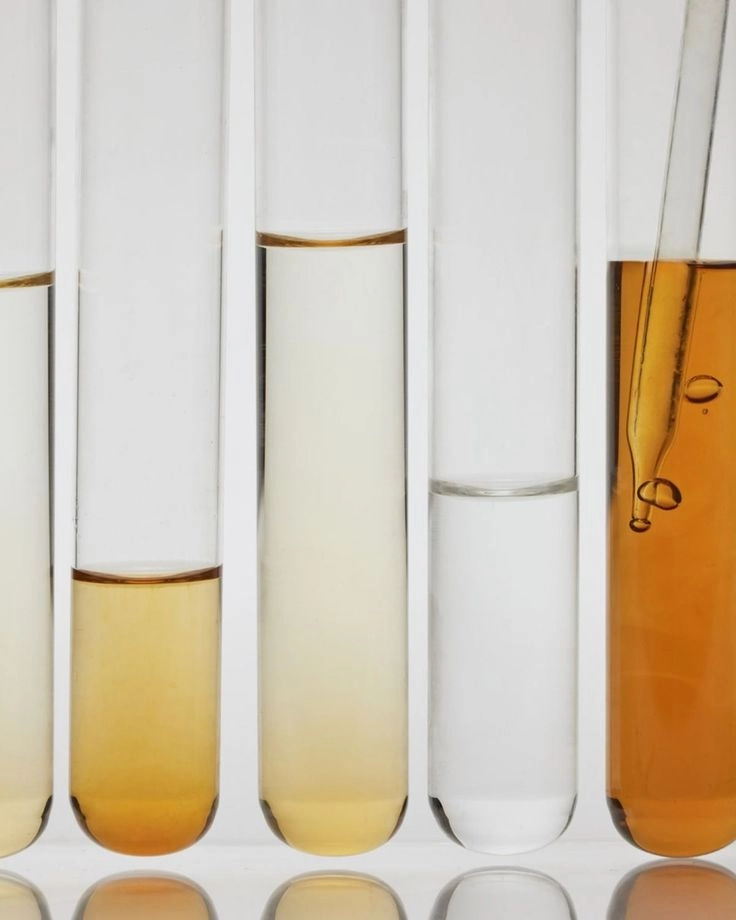
When your blood is spun in a machine called a centrifuge, the red cells are separated from the yellow liquid. This liquid is packed with growth factors—special proteins that act like messengers.
When injected into your scalp, these messengers tell your blood vessels to bring more oxygen to the hair roots. This keeps hair in the growth phase longer, preventing it from falling out prematurely and making individual strands thicker.
What to expect during treatment
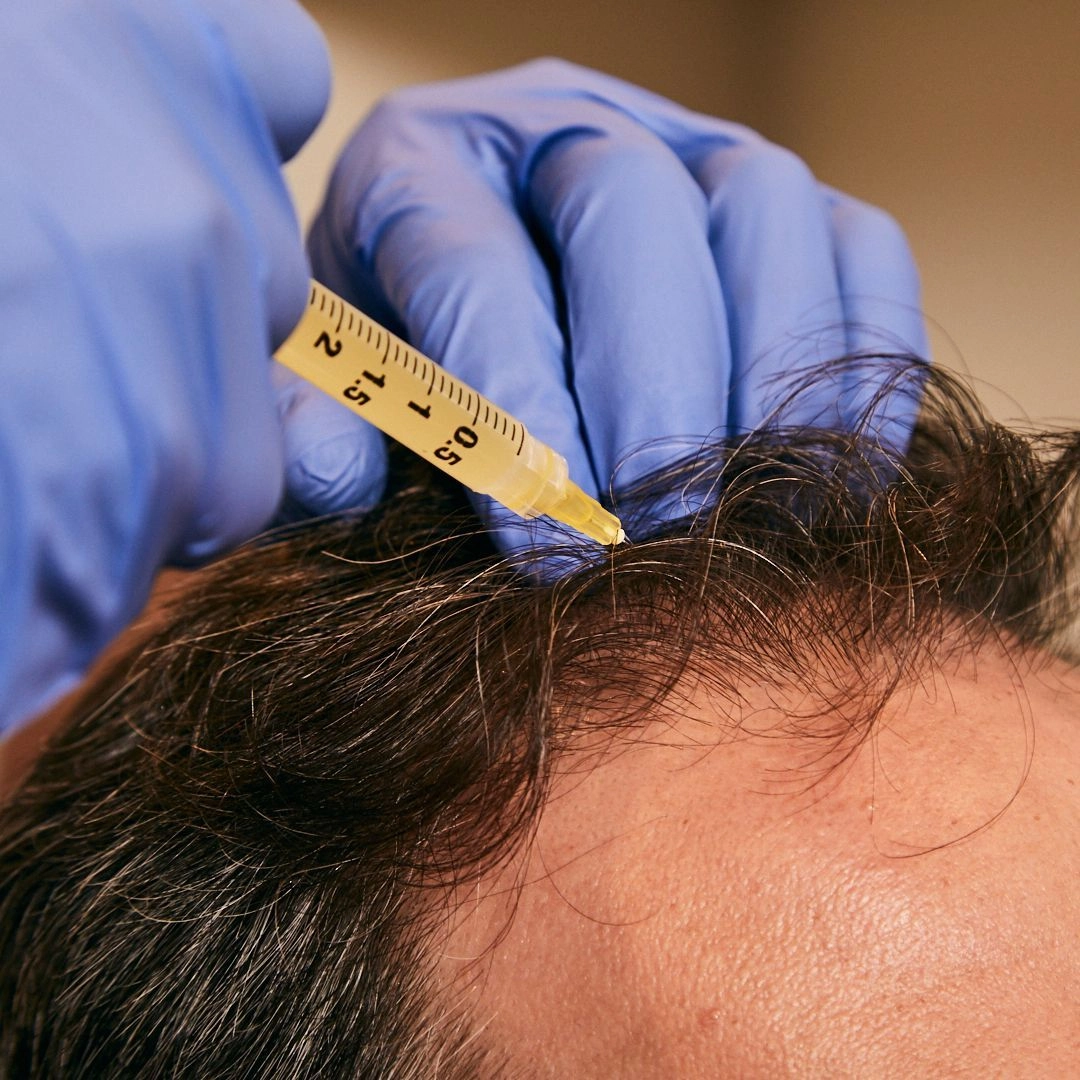
The straightforward process usually fits into a lunch break, beginning with a standard blood draw. The sample is then spun in a centrifuge to isolate the plasma, concentrating platelets to levels five to ten times higher than normal blood.
Once the scalp is prepared, a series of small injections is made into the dermal layer of the skin where the hair roots reside. While the idea of needles on the scalp may be daunting, the actual discomfort is minimal for most patients, often described as a light pinching sensation.
Because the substance is autologous (derived from your own body), the risk of rejection or an adverse immune response is virtually non-existent, making it one of the safest medical treatments available for hair restoration today.
Is it a permanent fix?
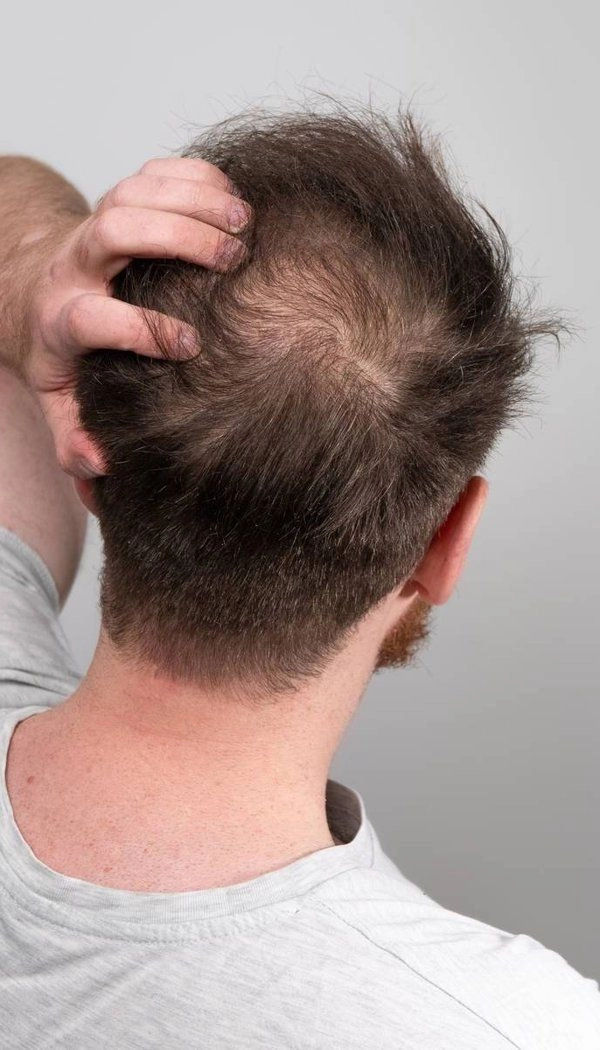
PRP is a restorative treatment, not a permanent cure for baldness. Because hair thinning is often driven by genetics, results eventually fade without upkeep.
Practitioners usually recommend an initial “loading” phase of three to four monthly sessions to jumpstart follicles, followed by maintenance every six to twelve months to sustain density. The treatment works best on active follicles rather than completely smooth, dormant areas of the scalp.
For those noticing a widening part or receding hairline, PRP serves as a powerful defense. By intervening early, patients can often maintain their natural hair and avoid more invasive procedures, such as transplants, later in life.
Frequently Asked Questions
The entire process, from the initial blood draw and centrifugation to the final injections, usually takes between 45 and 60 minutes.
There is virtually no downtime. Most patients can return to work and resume normal activities immediately, though it is advised to avoid harsh chemical hair treatments for 24 hours.
Hair growth is a slow process. Most patients report a decrease in shedding after the second session, with visible improvements in thickness appearing after three to six months.
Side effects are rare and mild, typically limited to temporary soreness, redness, or slight swelling at the injection sites.
Yes, PRP is often used in conjunction with topical treatments or laser therapy to maximize the chances of successful hair regrowth.

Recommended Video