
The Nightly Glow: Why Great Sleep is Your Skin’s Secret Weapon
While you rest, your body’s largest organ enters a high-performance repair mode to reverse daily damage and restore its natural barrier




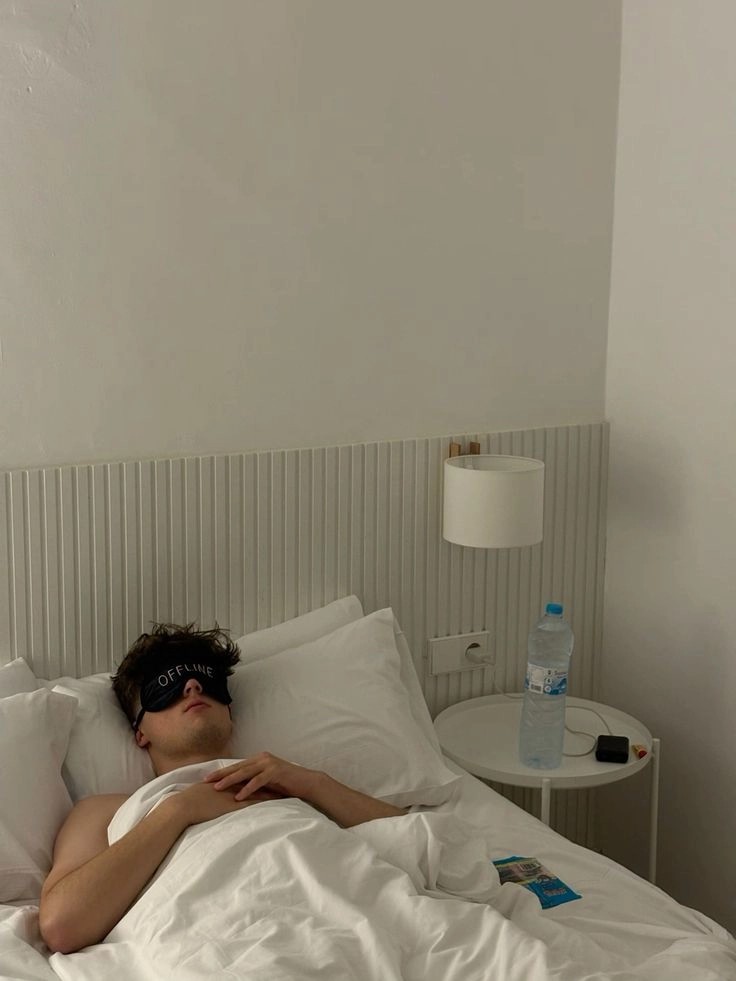
- The body increases blood flow to the skin and accelerates cell turnover during deep sleep cycles.
- Growth hormones released at night stimulate collagen synthesis, keeping skin firm and preventing premature sagging.
- Quality rest lowers cortisol levels, reducing the frequency of acne breakouts and inflammatory conditions.
- Sleep allows the body to rebalance its moisture levels, preventing puffiness and dry, flaky patches.
- Overnight is the primary time the skin heals from UV exposure and environmental pollutants encountered during the day.
The science of nocturnal repair
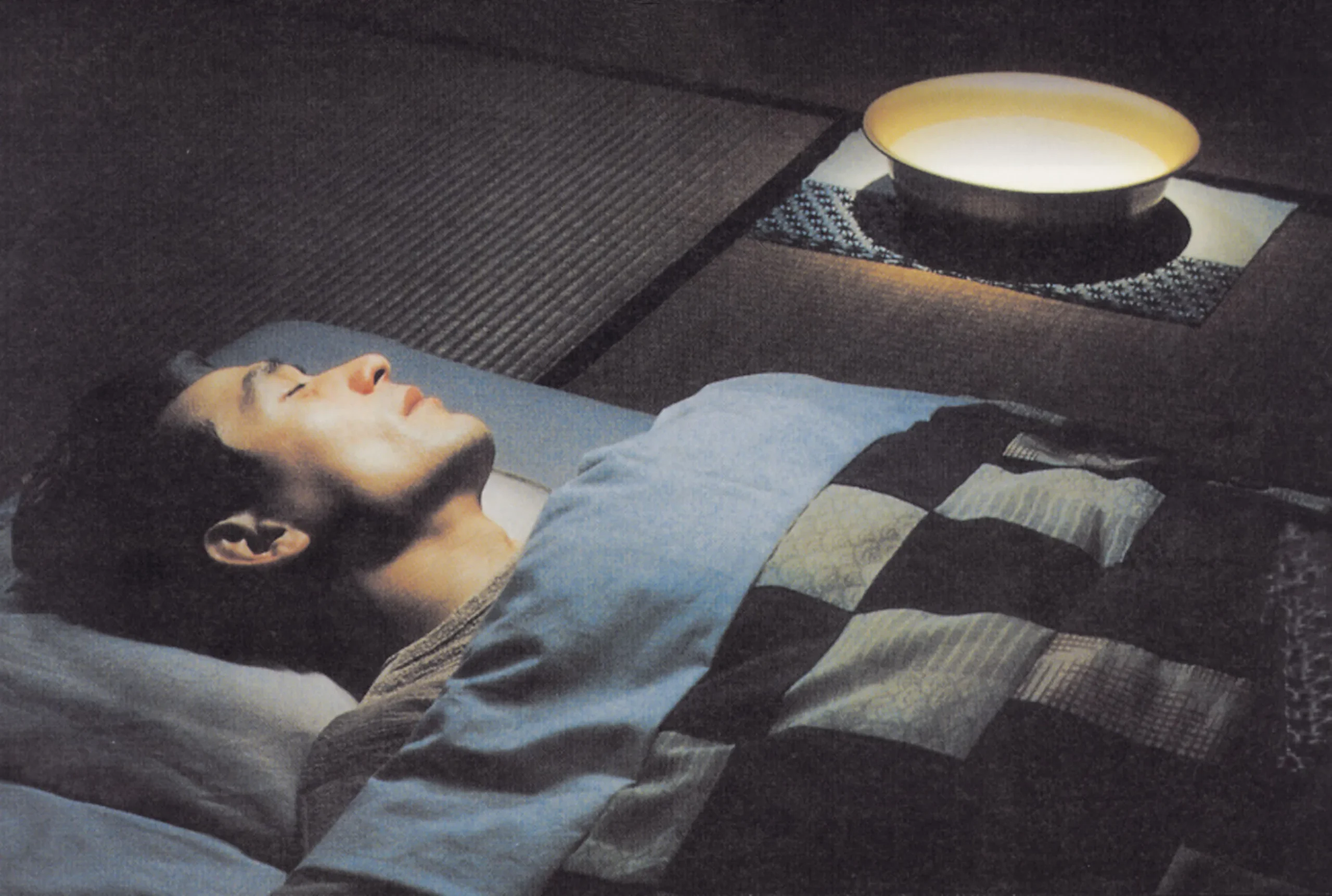
During deep sleep, your skin shifts from a defensive to a restorative state. The metabolic rate increases, and cells divide rapidly to fix daily damage. Missing these hours leaves your skin unable to keep up with environmental wear.
Blood flow to the dermis surges at night, delivering essential oxygen and nutrients. This vasodilation creates a healthy glow in the morning. Without enough rest, blood is diverted to vital organs, leaving the complexion looking pale.
At night, skin permeability is at its peak, making it highly receptive to treatments. While moisture escapes more easily, active ingredients in skincare penetrate much deeper. This window is the best time for products to work in sync with your body.
The role of hormones and collagen

Sleep deprivation keeps cortisol levels high, which breaks down skin-smoothing proteins. Elevated cortisol also triggers excess oil production, leading to more frequent breakouts. Consistent rest is the best way to keep these stress hormones in check.
Growth hormone is released during deep sleep to repair tissue and stimulate collagen. This protein provides the elasticity needed to prevent fine lines and sagging. Missing your rest effectively shuts down this vital anti-aging production line.
Cutting sleep short interrupts the peak window for hormonal exchange and barrier repair. This leads to increased sensitivity and chronic dryness over time. Prioritizing rest is a direct investment in the long-term structural integrity of your skin.
Managing puffiness and moisture

The body uses sleep to process and drain excess fluids through the lymphatic system. Poor sleep disrupts this drainage, causing fluid to collect in soft tissues. This results in the puffy appearance often seen after a long night.
The skin’s moisture barrier resets during the late-night hours to regain hydration balance. Proper rest prevents the skin from becoming either too oily or excessively dry. A rested barrier naturally plumps the skin and minimizes the look of pores.
Quality sleep hygiene, like using a humidifier, supports your skin’s internal moisture regulation. Giving your body enough time to balance its chemistry results in a vibrant complexion. A resilient face starts with a full night of uninterrupted rest.
Frequently Asked Questions
Most experts recommend 7 to 9 hours of quality sleep to ensure the body completes all necessary cycles of cellular and hormonal repair.
Yes, silk creates less friction than cotton, helping to prevent sleep lines and ensuring your skincare products stay on your face rather than the fabric.
Sleep deprivation causes blood vessels to dilate under the thin skin of the eyes, creating a dark tint often worsened by fluid retention.
Yes, applying products before sleep takes advantage of the skin’s increased temperature and permeability, allowing for superior ingredient absorption.
Sleeping on your back is ideal because it prevents the face from being pressed into a pillow, which can lead to permanent compression wrinkles.

Recommended Video