Is Food the New Status Symbol in 2026?
In 2026, status may no longer be defined by what you wear, but by what you choose to eat and what that choice communicates about you




Status in transition
Status used to be easy to identify. It appeared in the form of a handbag, a watch, or a car waiting at the curb. Today, it is more subtle and often more fleeting. It sits on a table, arranged carefully, photographed quickly, and consumed just as fast. Increasingly, it looks like food.

In 2026, food has emerged as a new kind of status symbol. Not because it is always expensive, but because it is visible and culturally coded. What people choose to eat now signals taste and belonging in ways that traditional luxury goods once did.
READ ALSO: Fashion’s Latest Muse Is… A Perfectly Plated Dish?
Small indulgences, big statements
The shift marks a broader change in consumer behavior, particularly during a period of economic uncertainty. Large purchases feel heavier and harder to justify, while smaller indulgences feel manageable. A pricier smoothie can communicate the same sense of lifestyle as a designer item, but without the long-term commitment.
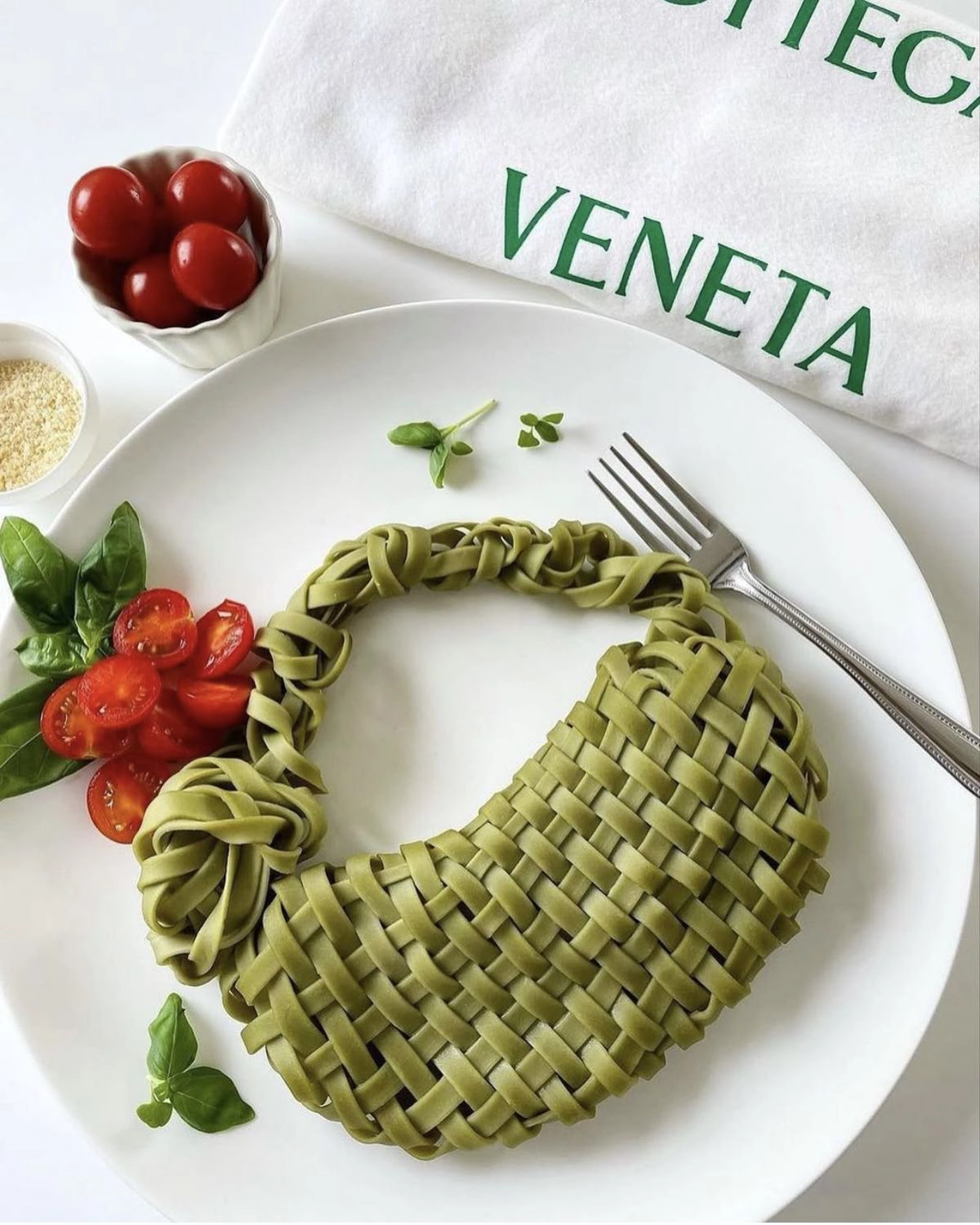
This recalibration has not reduced the desire for quality. Instead, it has redirected it. Consumers are increasingly expressing status through everyday choices. Premium groceries, artisanal ingredients, and curated meals have become markers of discernment. These are purchases that feel like personal upgrades rather than financial risks. They are also highly visible, both in social settings and online, where food has become a primary form of self-presentation.
Food as a lifestyle extension
Brands have responded by embedding themselves in this shift. Food is no longer just a product category but a strategic extension of identity. When celebrities or fashionFashionThe art and industry of designing, producing, and styling clothing, footwear, accessories, and beauty trends. It reflects cultural influences, personal expression, and evolving styles across seasons and markets.Go to Fashion Glossary houses engage with food, they are offering a way of life.
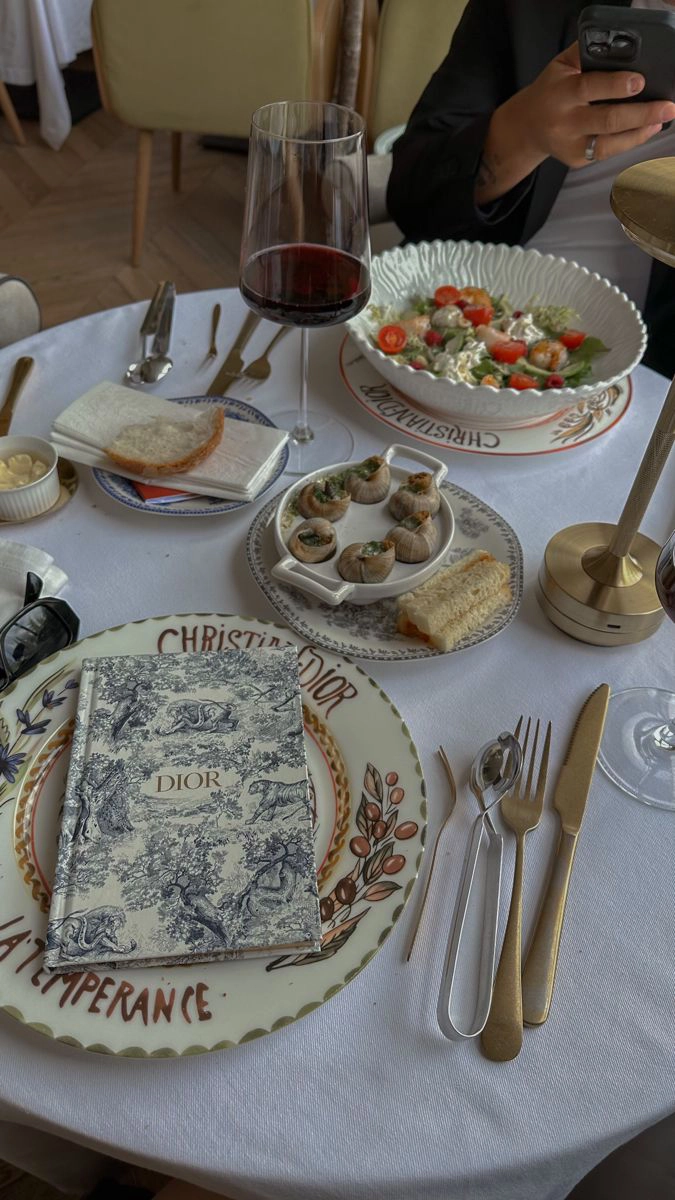
This helps explain why financial institutions such as Capital One have opened cafés, and why fashionFashionThe art and industry of designing, producing, and styling clothing, footwear, accessories, and beauty trends. It reflects cultural influences, personal expression, and evolving styles across seasons and markets.Go to Fashion Glossary brands like Dior and Louis Vuitton have expanded into hospitality. These spaces allow brands to remain present in consumers’ daily routines, even when major purchases are out of reach.
Jonathan Anderson’s recent work at Dior illustrates how deeply this connection now runs. His designs incorporate food imagery through objects like a ceramic plate featuring a hyper-realistic croissant, as well as invitations referencing eggs in tribute to Christian Dior’s personal interest in cooking.
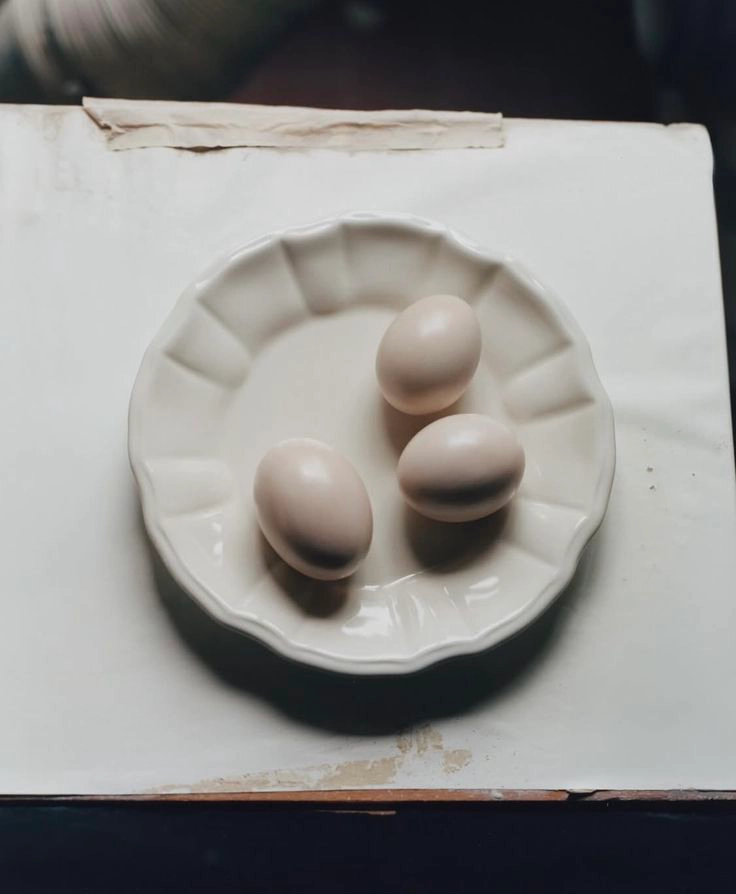
The approach draws from both archival history and Jonathan’s own surrealist sensibility. At the same time, his emphasis on intimate dining settings underscores a larger point. Luxury is being reframed as an experience shaped by atmosphere and sensory engagement.
The power of sensory marketing
The combination of food with fashionFashionThe art and industry of designing, producing, and styling clothing, footwear, accessories, and beauty trends. It reflects cultural influences, personal expression, and evolving styles across seasons and markets.Go to Fashion Glossary and beauty is also an example of sensory marketing. By appealing to taste and smell, brands create a more immediate emotional response. This strategy is visible in recent trends, from the popularity of espresso martinis to the rise of caviar pairings, and now to combinations that mix luxury with convenience. These moments are designed to circulate and remain embedded in cultural conversation.
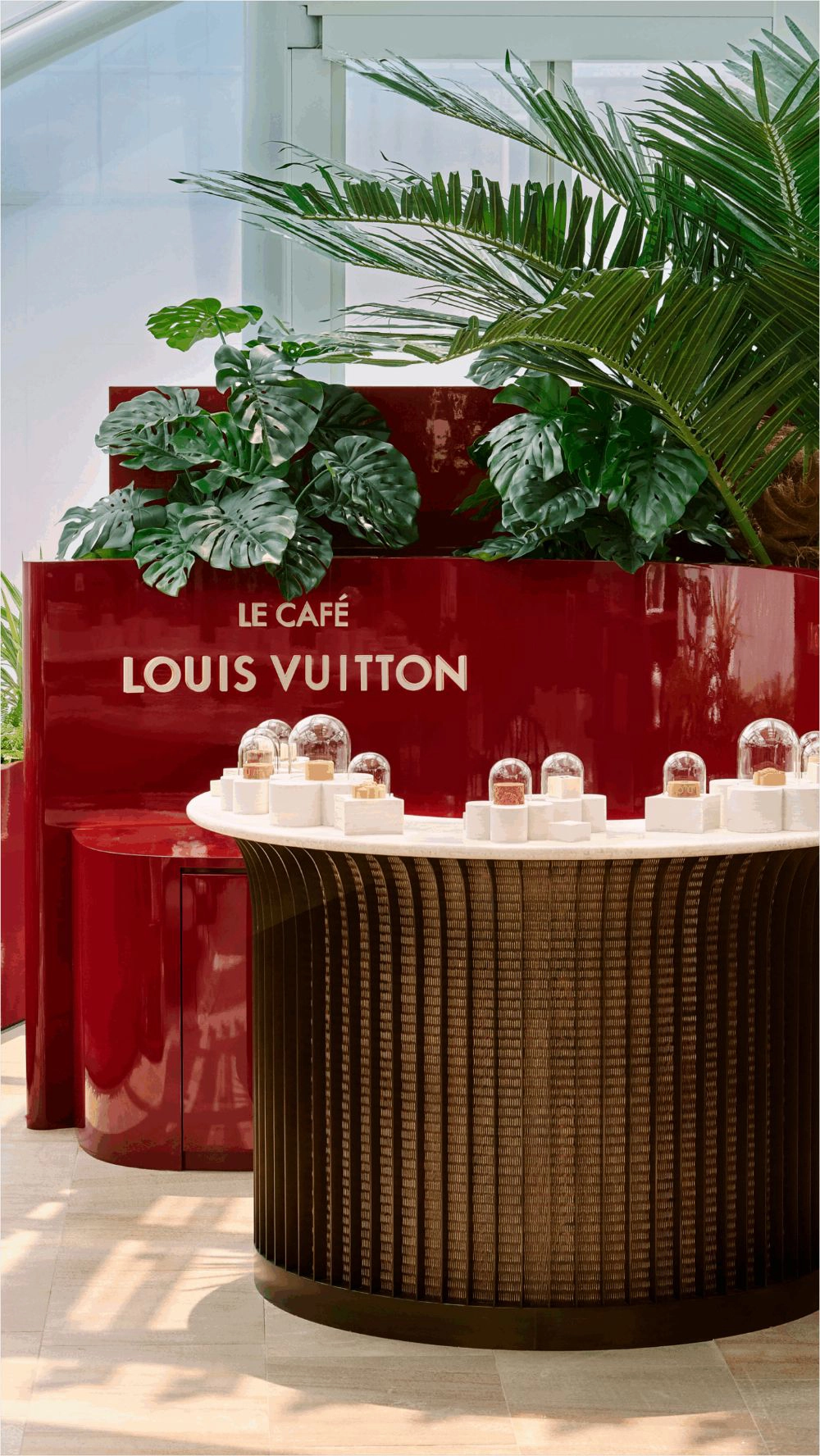
Food’s appeal lies in its accessibility. Unlike traditional luxury goods, it allows for repeated participation. Consumers may not be able to invest in high-end fashionFashionThe art and industry of designing, producing, and styling clothing, footwear, accessories, and beauty trends. It reflects cultural influences, personal expression, and evolving styles across seasons and markets.Go to Fashion Glossary regularly, but they can engage with premium food and drink on a consistent basis. This makes it a more democratic form of status, while still maintaining its aspirational edge.
Status you can eat
Luxury, in this context, has shifted into categories that feel more immediate and less permanent. It is expressed through what people eat, what they choose to buy regularly, and how they construct everyday experiences. Food has become the most acceptable and visible form of indulgence.
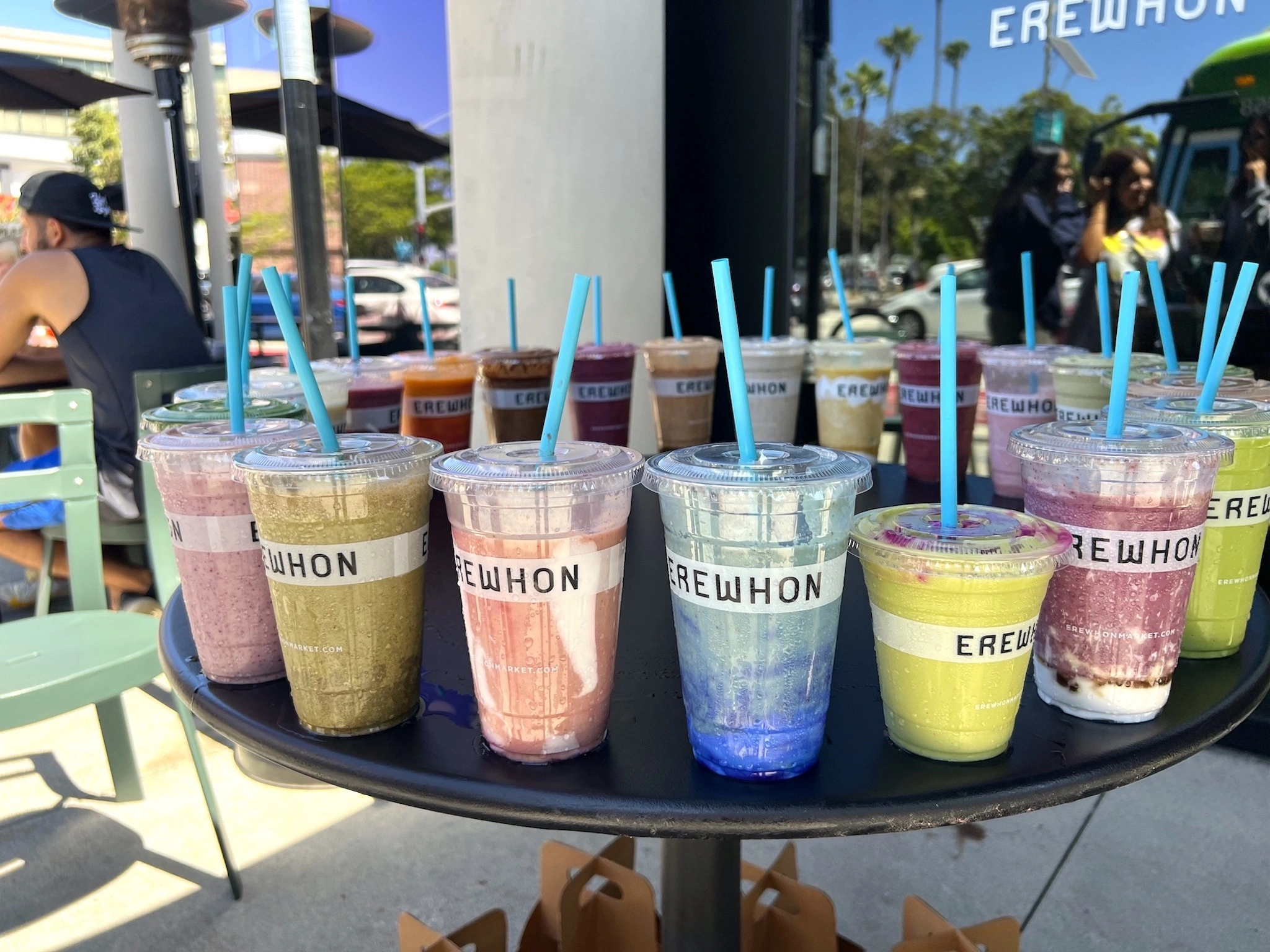
For now, the pattern is clear. What people eat has become an insight into who they are, or at least how they want to be seen. Food offers a way to signal identity that feels both personal and attainable.
Frequently Asked Questions
Food has become a culturally loaded way to signal taste, lifestyle, and belonging. Unlike traditional luxury items, small indulgences like artisanal meals or premium ingredients are accessible and socially sharable.
Brands like Dior, Ralph Lauren, and even Capital One are integrating food into experiences such as cafés, restaurants, and product collaborations. This keeps them present in consumers’ daily lives and links their identity to aspirational lifestyles.
Food-based luxury is experiential, emotional, and socially visible, while traditional luxury items like handbags or cars can feel heavy or risky during uncertain economic times. It allows repeated, smaller indulgences that still convey taste and status.
Yes, curated meals, premium groceries, and artisanal ingredients communicate cultural awareness. Social visibility, from dining with others to sharing food online, makes these choices recognizable signals of lifestyle and identity.
In uncertain economic periods, people prefer purchases that feel safer and more immediate. Items like smoothies, organic produce, or artisanal snacks are affordable, repeatable, and still provide the sense of personal upgrade or luxury.

Recommended Video