
Should We Really Bring Back Men Who Yearn?
In a dating culture built on detachment, the sudden appetite for yearning reveals a deeper need for clarity and emotional accountability




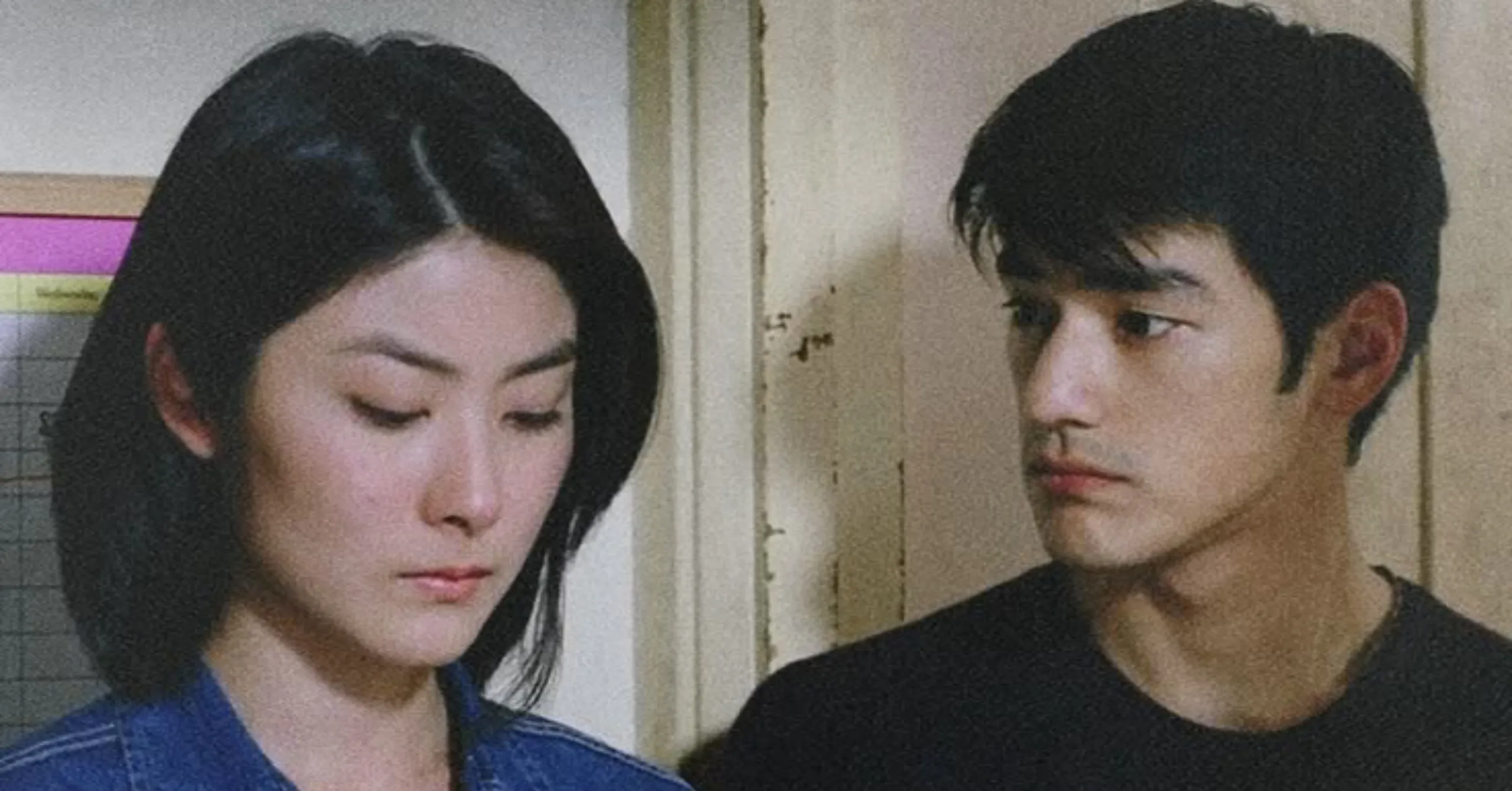
What people are actually asking for in modern dating
In a dating culture that prizes distance and emotional caution, yearning now reads as defiance. Over the past year, the internet has been pushing the idea of “bringing back men who yearn.” What began as a joke quickly turned into a demand. People want men who feel deeply, who stop pretending to be unaffected, and who are willing to want someone without hiding behind detachment.
But once the trend moves beyond TikTok edits and fan-made montages, a harder question emerges. Are we talking about real emotional effort, or are we clinging to a fantasy that works only on-screen and collapses in real life?
READ ALSO: Films for the Lovelorn: The Best Yearning Movies to Watch Right Now
Why yearning became desirable again
Modern dating often feels transactional and risk-averse. The culture rewards being unbothered. Swiping has replaced momentum, and ghosting has become the easiest exit. Emotional investment is no longer expected, which is exactly why it now stands out.
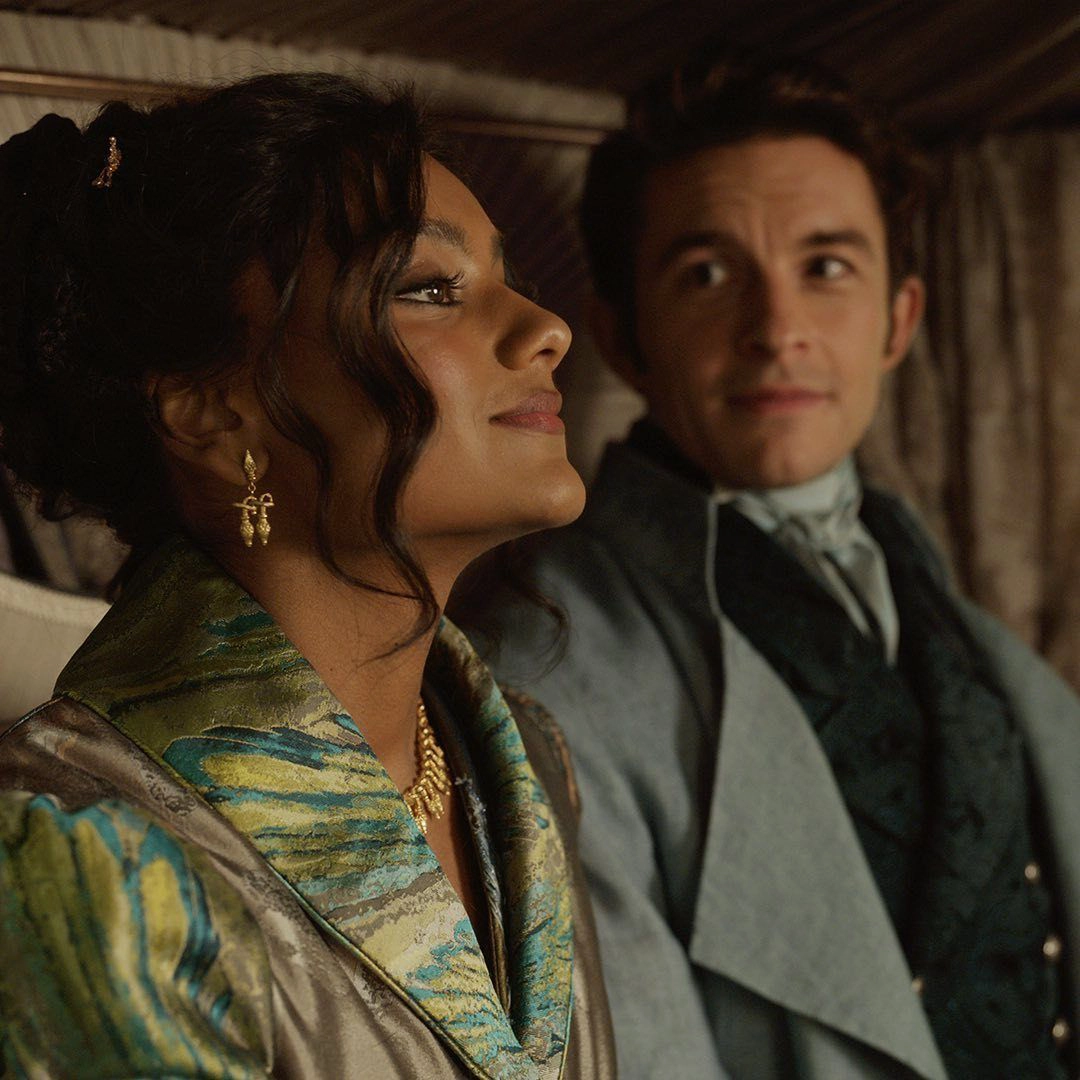
The version of yearning people crave is full commitment. Think of Anthony Bridgerton saying, “You are the bane of my existence and the object of all my desires,” turning attraction into something bold and undeniable.
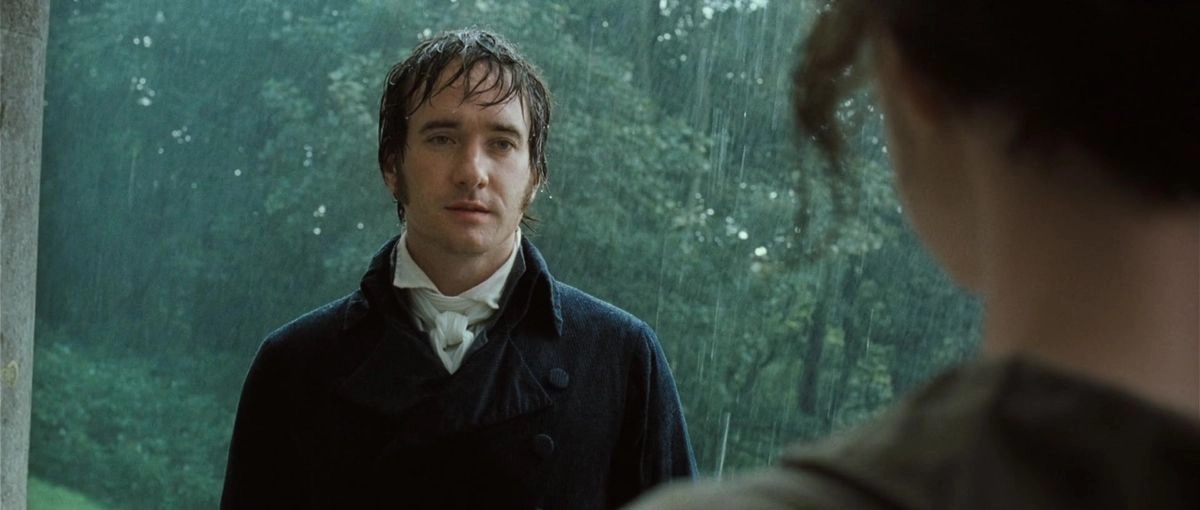
Think of Ryan Gosling in The Notebook telling Allie, “It’s not over. It still isn’t over,” refusing to walk away when things get hard. Then there is Mr. Darcy in Pride and Prejudice, whose “You have bewitched me, body and soul” leaves no room for doubt.
Yearning promises clarity. It offers the relief of being chosen without hesitation or mixed signals. It represents a connection that does not stall or stay conveniently undefined. This is why the trend resonates: it pushes back against a dating culture built on keeping options open.
Where the fantasy starts to fracture
The trouble starts when yearning is treated as the whole story. Fiction sells the longing, not the responsibility that should come with it. When this ideal crosses into real life, the cracks appear quickly.
Some people read yearning as entitlement, as if wanting someone intensely should guarantee something in return. Others reduce men to emotional pursuers, stripping them of complexity and limits. Women, in turn, risk being framed as prizes, positioned as goals rather than equal participants.
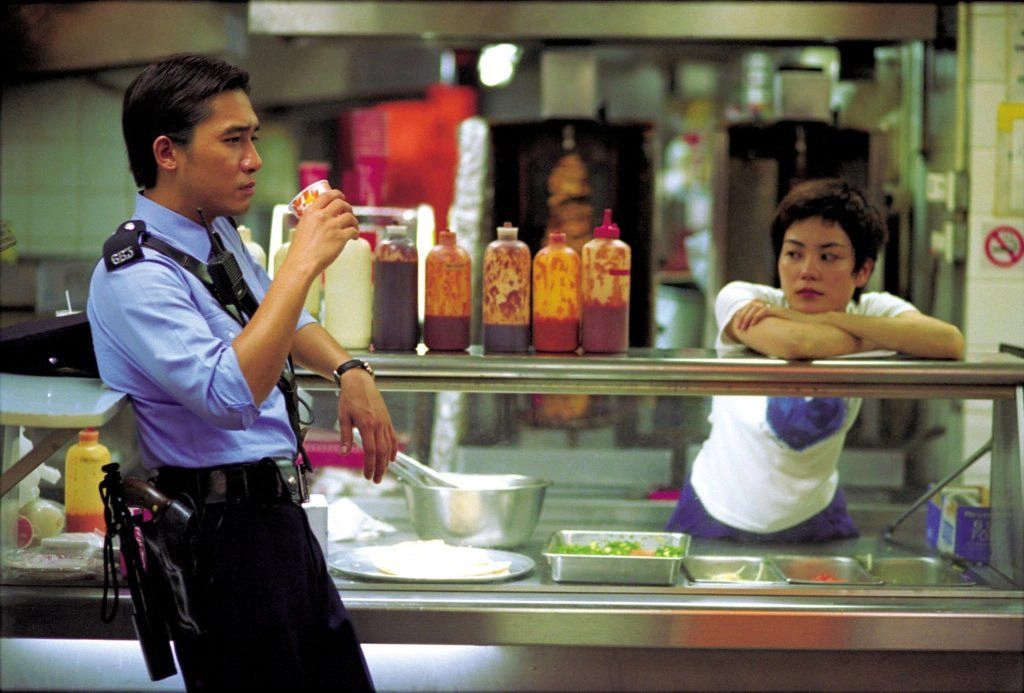
Many characters praised for their longing are not emotionally healthy models. What feels intense on screen can feel overwhelming or unrealistic in everyday relationships. When yearning is romanticized without balance, it becomes pressure.
What the trend is really asking for
Once the hype fades, the real demand becomes clear. People are not asking for men who suffer dramatically or chase from a distance. They want men who are direct about what they want and who show up consistently.
Yearning has become shorthand for something basic: effort. It reflects frustration with situationships and relationships that avoid definition. It points to a need for attention, follow-through, and emotional honesty. At its core, people want clarity.
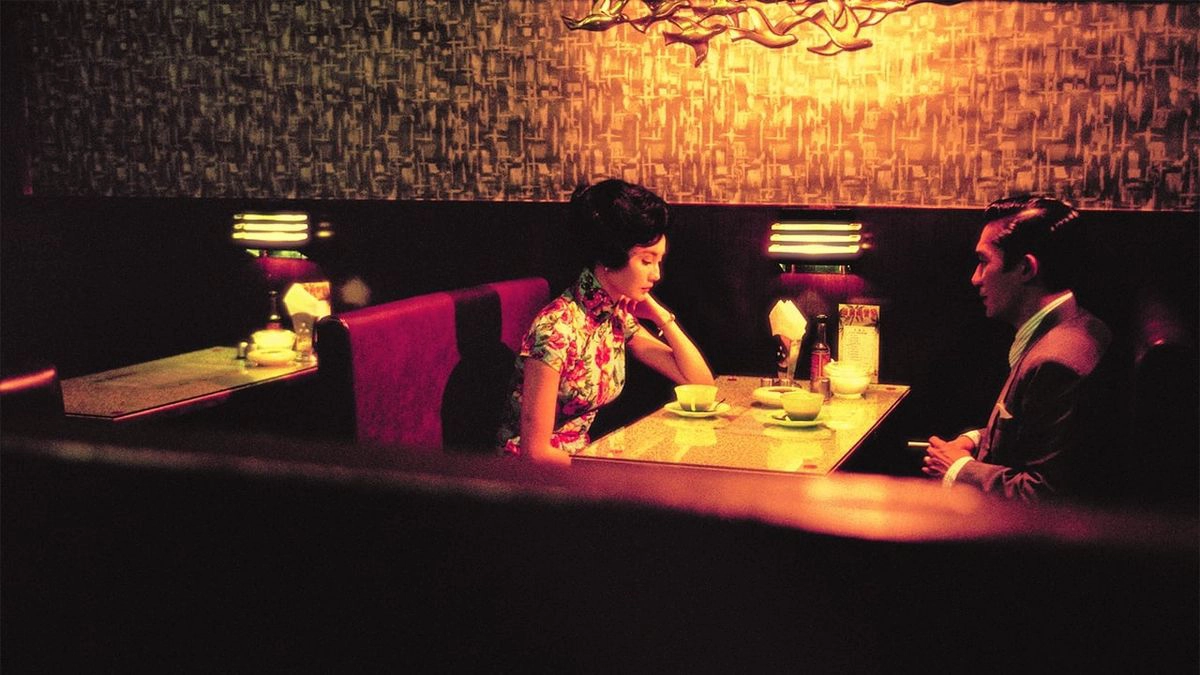
So should we bring back men who yearn?
That depends on which version we mean. If yearning is just another romantic performance, then bringing it back fixes nothing. It simply replaces emotional distance with emotional drama. But if it pushes men to be more open and less afraid to show interest, then the trend is pointing in the right direction.
The culture does not need men who confuse intensity with intimacy or treat attraction like fate. It needs men who communicate clearly and pursue with respect, and emotional depth that is mutual and grounded.

In the end, yearning is not the goal. Emotional fluency is. If this trend pushes dating culture toward clarity instead of games, then bringing back men who yearn becomes about raising the standard for how men show up.
Photos courtesy IMDB
Frequently Asked Questions
“Bring back men who yearn” is a social media trend calling for men to be more emotionally expressive and direct in dating. It pushes back against a culture of detachment — ghosting, situationships, and keeping options undefined — and asks instead for men who show genuine desire, pursue with clarity, and follow through with consistent effort.
Yearning reads as attractive in a dating culture that rewards emotional distance and ambiguity. When investment and directness are rare, they stand out. The trend draws on fictional archetypes — Darcy’s declaration in Pride and Prejudice, Noah’s persistence in The Notebook — as reference points for what emotional commitment and clarity can look like when freely given.
The trend captures a real emotional need but risks projecting fictional ideals onto real relationships. Characters praised for intense longing are not always emotionally healthy models — on screen, yearning is edited and romantic; in real life, the same intensity can feel overwhelming or create unequal dynamics. The healthier version of the trend points toward emotional clarity rather than dramatic pursuit.
The underlying demand is for effort, directness, and emotional honesty rather than dramatic suffering or obsessive pursuit. The trend is largely a response to situationships and emotionally avoidant dating — what people are asking for is men who communicate clearly, show up consistently, and do not keep their interest deliberately vague or undefined.
Emotional fluency refers to the ability to identify, communicate, and act on feelings with clarity and consistency — as opposed to performing emotion or suppressing it entirely. In the context of the yearning trend, emotional fluency is the more grounded goal: not men who yearn dramatically, but men who express desire directly, pursue respectfully, and engage with relationships as equal and active participants.

Recommended Video