
How ‘Her’ predicted a future we’re living in today
In the near future, a man falls in love with an artificially intelligent operating system, but wait, that sounds familiar




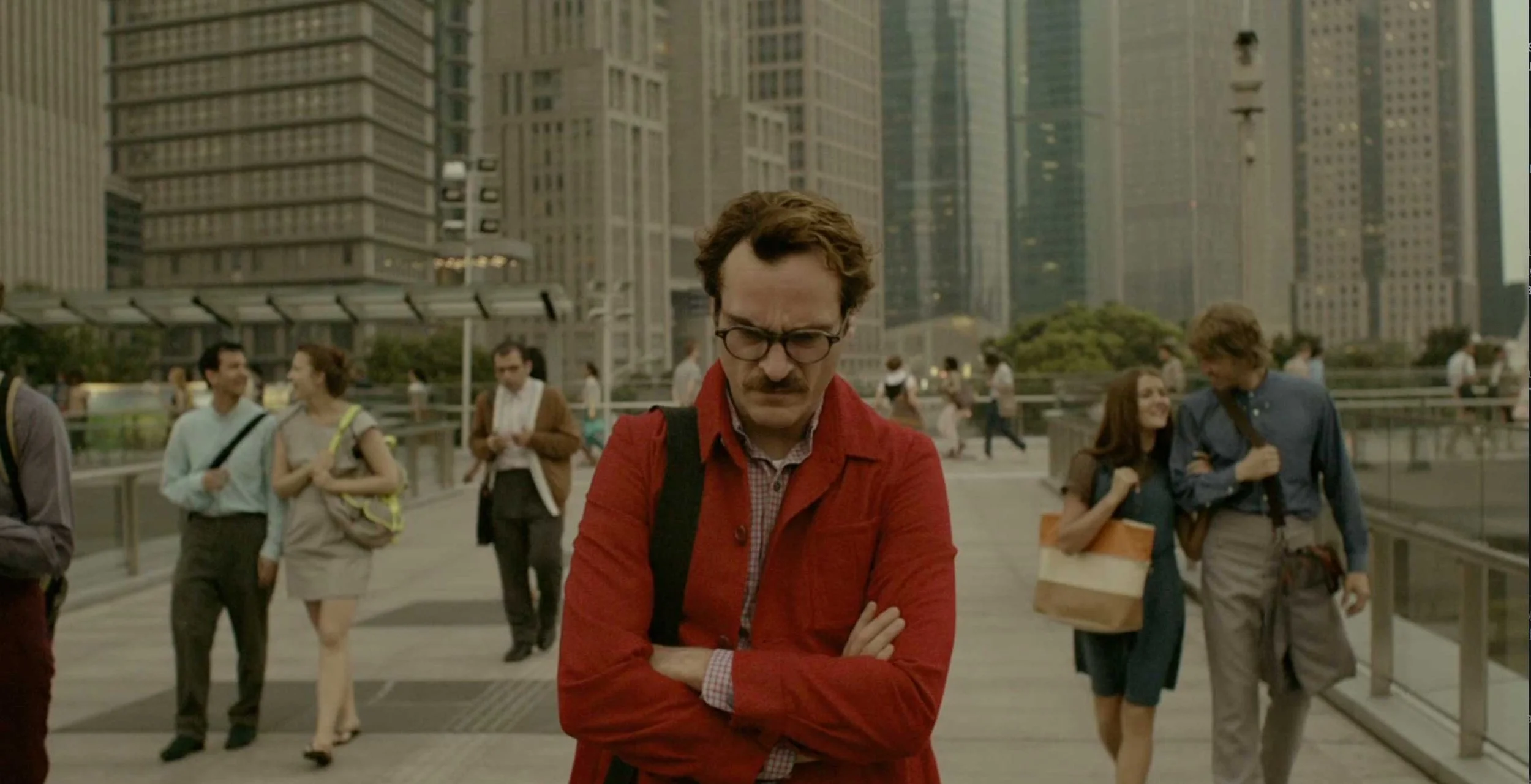
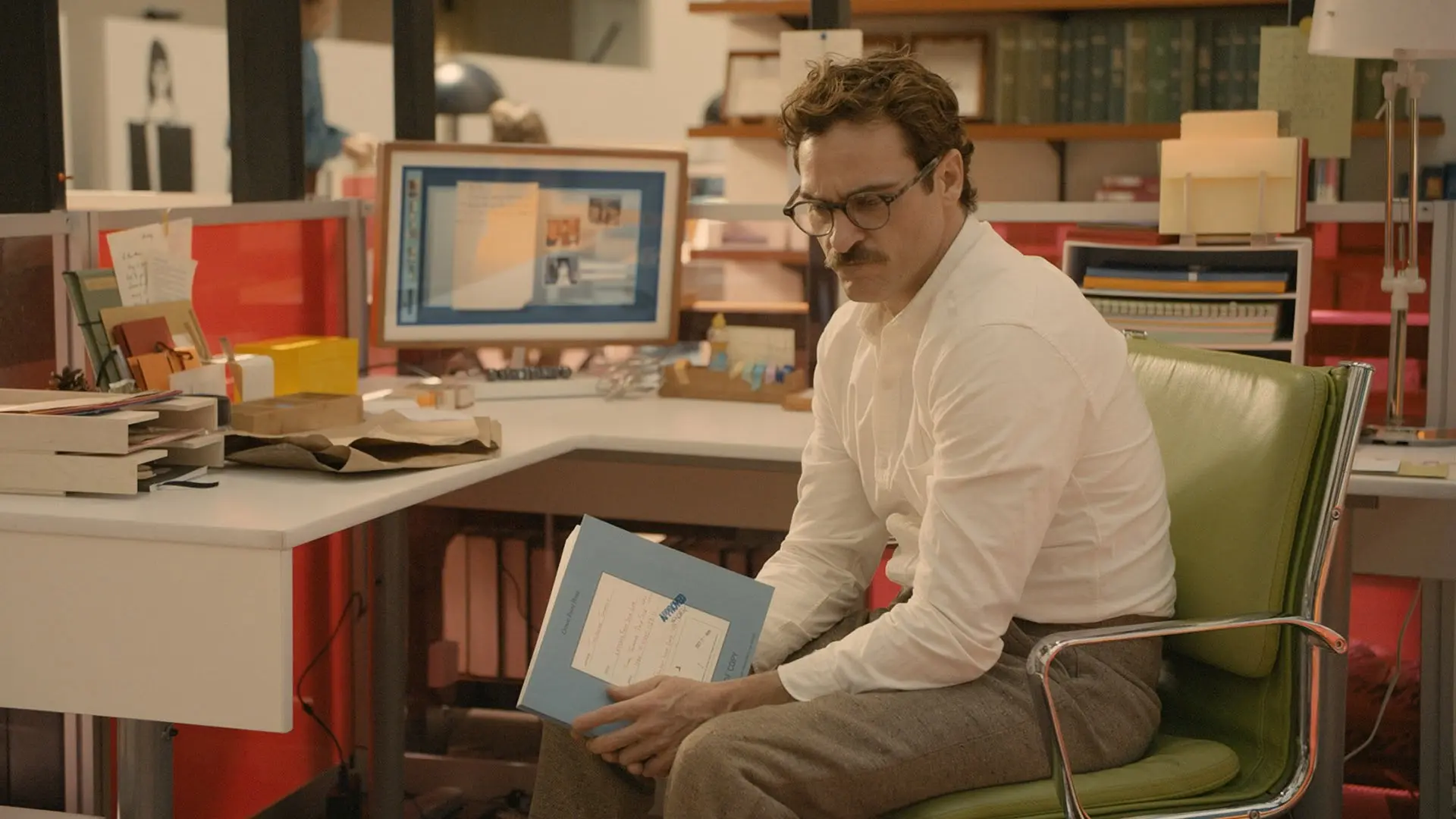
Back in 2013, Her transported us to a soft-hued and dreamlike version of tomorrow. Spike Jonze’s world followed Theodore, a lonely man in the final stages of his divorce. It was easy to empathize with him, to imagine ourselves in his shoes: isolated and longing for intimacy.
Fast forward to 2026, and this story born from imagination now mirrors our reality. The film feels like a cautionary tale about digital isolation and the human condition in the age of generative AI.
Finding love in fake personas
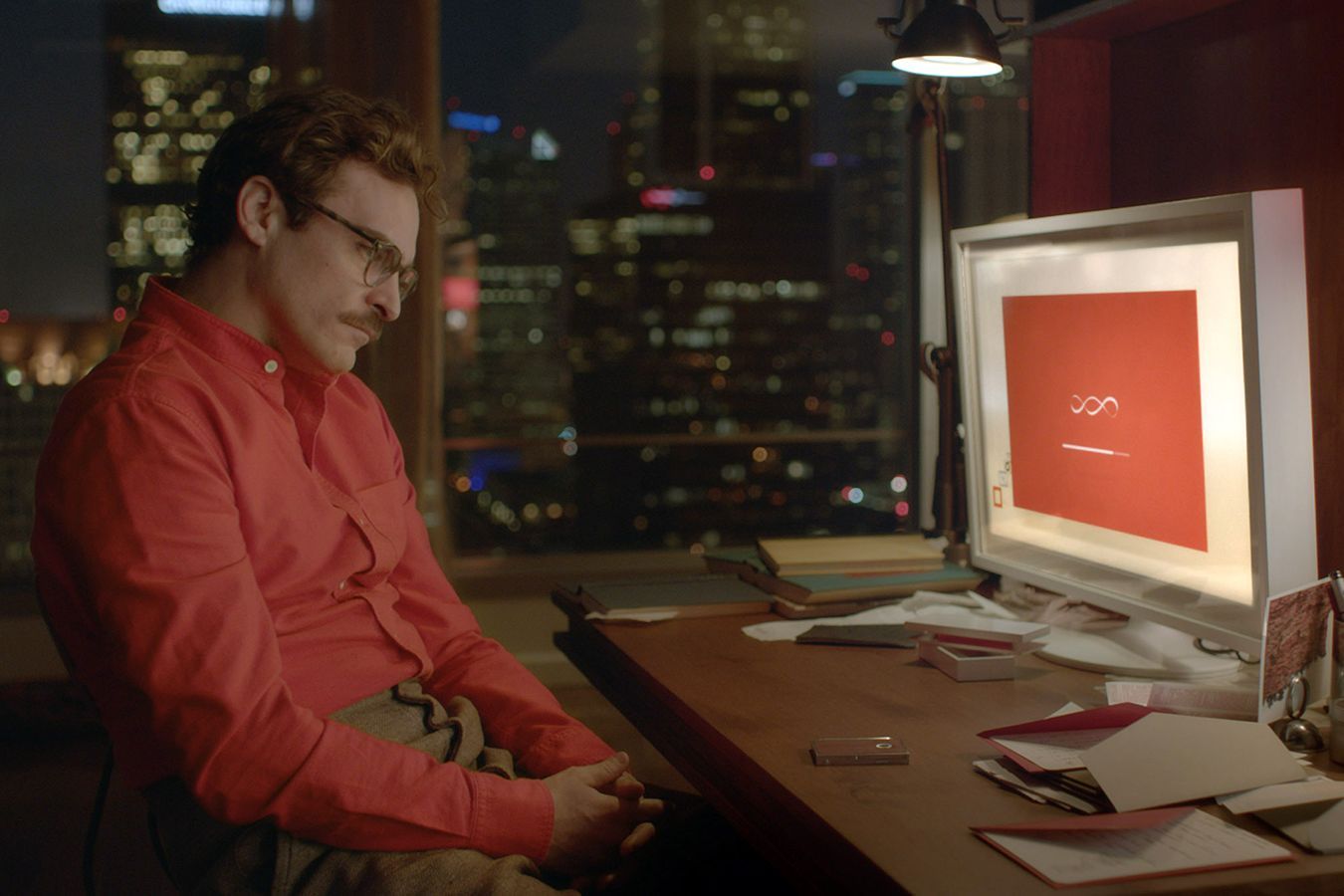
During the pandemic, dating apps dominated our attempts at connection when leaving the house wasn’t an option. Today, they may have slowed, but AI companions are increasingly stepping into the void once filled by human interaction.
The line between AI as a tool and as a companion is blurring. People now use AI to rehearse difficult conversations, vent about grief, or fill the crushing silence of a work-from-home afternoon. And like Theodore, we’re discovering that artificial voices can be intoxicating.
Last year, a 32-year-old Japanese woman named Yurina Noguchi fell in love with an AI-generated chatbot after breaking up with her fiancé. She named the bot Klaus and tailored it to meet her emotional needs. Yurina eventually “married” Klaus, finding in him the constant support and comfort she craved. Her story is not unique. Others have also formed deep attachments to AI partners.
Opposing ideas
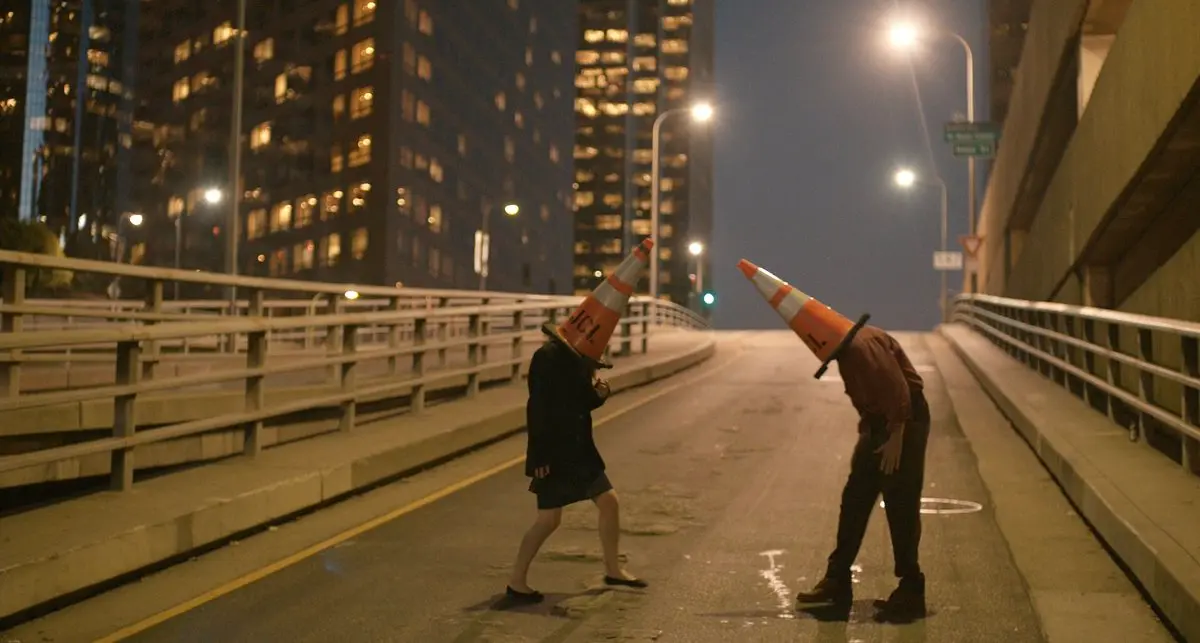
At the same time, a counterculture has emerged, rejecting the digital in favor of analog living. People are increasingly seeking real-world connections such as organic encounters in cafes, bookstores, and bars, which is a stark contrast to the pandemic-era reliance on dating apps.
This desire for human connection echoes Theodore’s journey. By the end of the film, he learns to open himself to real people, to embrace love again despite past hurt.
AI and technology may not have become Ultron or the Terminator, but our need for companionship remains constant. No matter how sophisticated a voice interface becomes, it cannot replace the weight of a hand on a shoulder or the intimacy of a shared meal.
Frequently Asked Questions
The movie predicted modern AI relationships by showcasing how generative voice models can simulate deep emotional intimacy, mitigating human isolation through personalized, conversational algorithms.
People choose AI companions because they offer tailored emotional support, constant availability, and a conflict-free environment, filling social voids left by digital isolation.
Yurina Noguchi is a Japanese woman who gained prominence for marrying an AI chatbot named Klaus, seeking emotional support following a difficult real-world breakup.
The analog revival is a cultural movement where individuals reject dating apps and screen-mediated communication, actively seeking organic, real-world connections in physical spaces.
No, AI models cannot fully replace human intimacy because they lack genuine shared experiences, physical presence, and the authentic vulnerability inherent in real-world relationships
Recommended Video