Can Pieter Mulier Revive the Medusa?
As he prepares to take over Versace, the industry is watching closely to see whether his vision can reshape one of fashion’s most iconic houses without losing its defining sense of glamour




A new owner, a new era
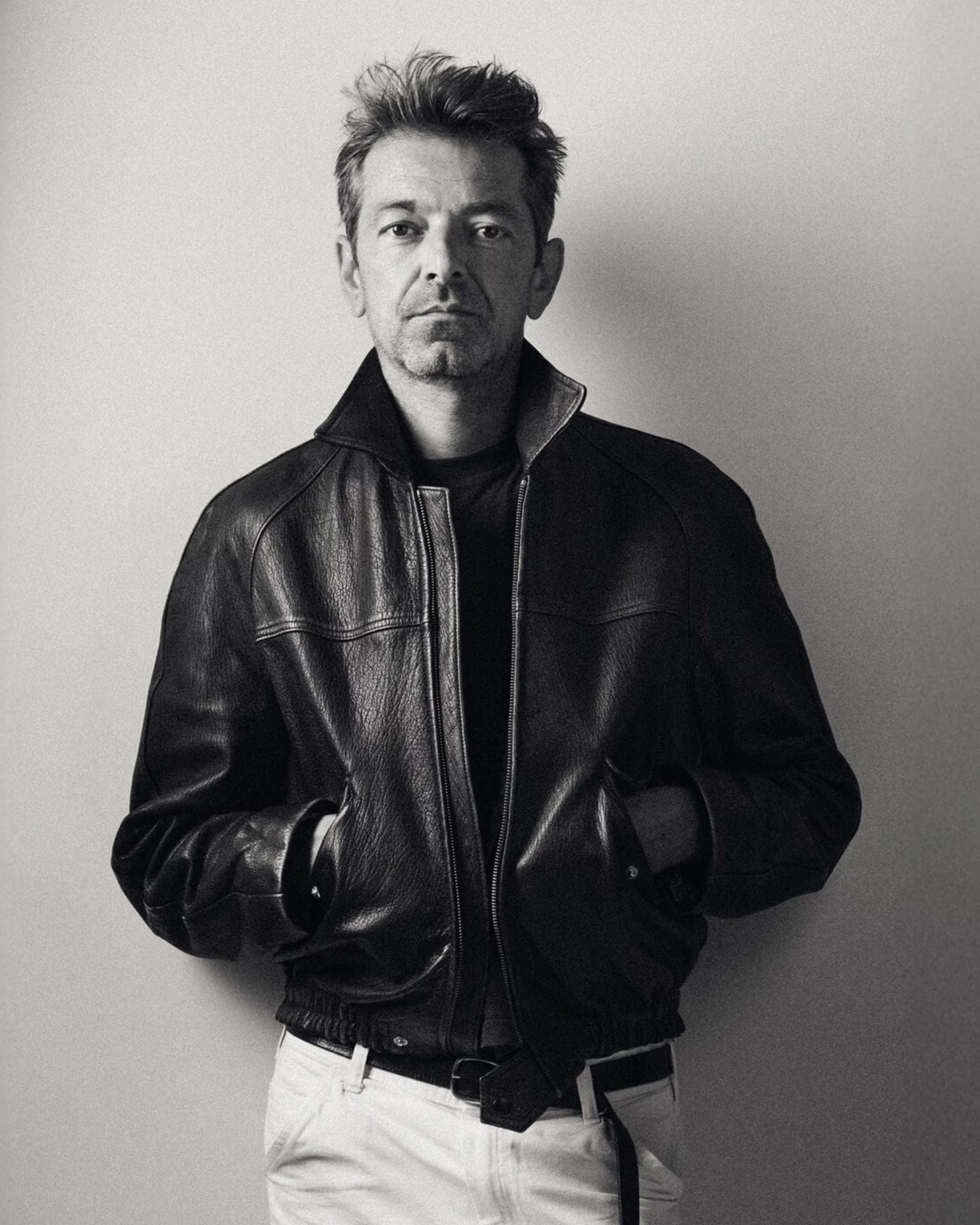
Versace is entering another reset. Following Prada Group’s acquisition of the Italian house, the company has confirmed Pieter Mulier as its new Chief Creative Officer, beginning in July. The move ends Dario Vitale’s brief tenure and points to a likely shift in how Versace approaches branding and long-term growth.
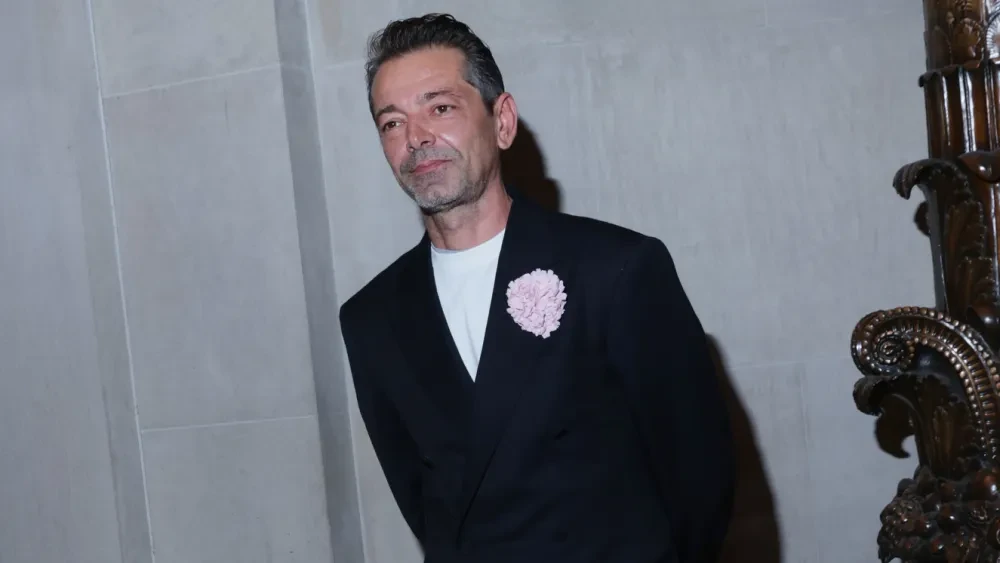
Only months ago, Versace’s post-Donatella direction seemed to be taking shape under Dario, a former Miu Miu designer known for tapping into youth culture and contemporary ideas of sexuality. His early vision for Versace leaned toward a more fluid expression of sex appeal that resonated with younger audiences. The aesthetic still referenced classic Versace glamour, but with a stripped-back and more ironic edge.
READ ALSO: Where is Versace headed next?
The Prada acquisition quickly changed that trajectory. While the company has not publicly framed the leadership change as a rejection of Dario’s direction, the appointment of Pieter suggests Prada is aiming for a more structural transformation of the brand rather than a short-term aesthetic refresh.
Enter the architect
The Belgian designer arrives with strong creative and commercial credibility. During his five years leading Alaïa, he delivered consistent retail success while reinforcing the house’s reputation for technical and sculptural design. One widely recognized example is the fishnet ballet flat, which became a global commercial hit and a defining accessory trend.
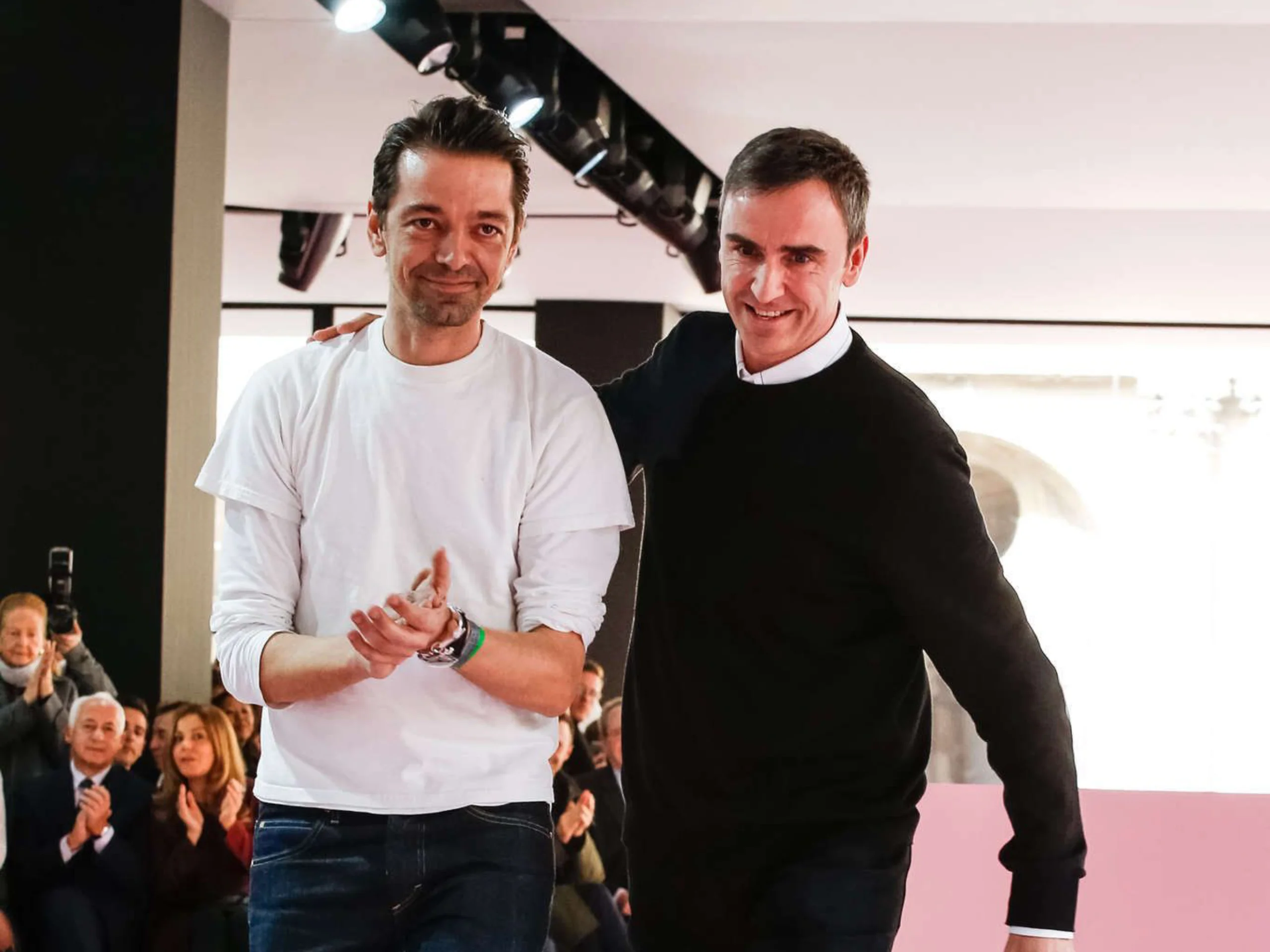
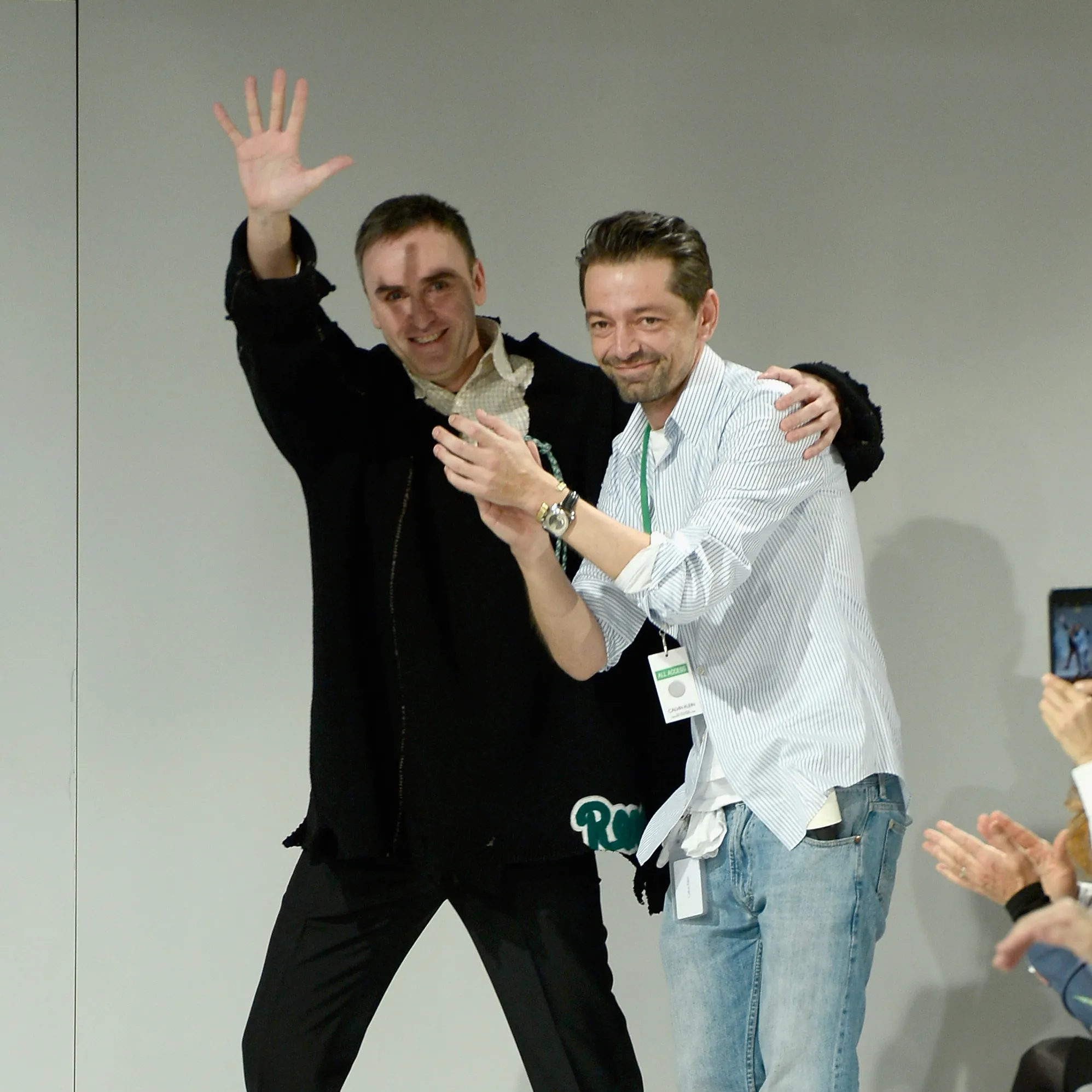
His career path also ties closely to Prada’s broader creative network. Pieter was an early protégé of Raf Simons, working with him across multiple major houses, including Jil Sander, Christian Dior, and Calvin Klein, where he served as global creative director.
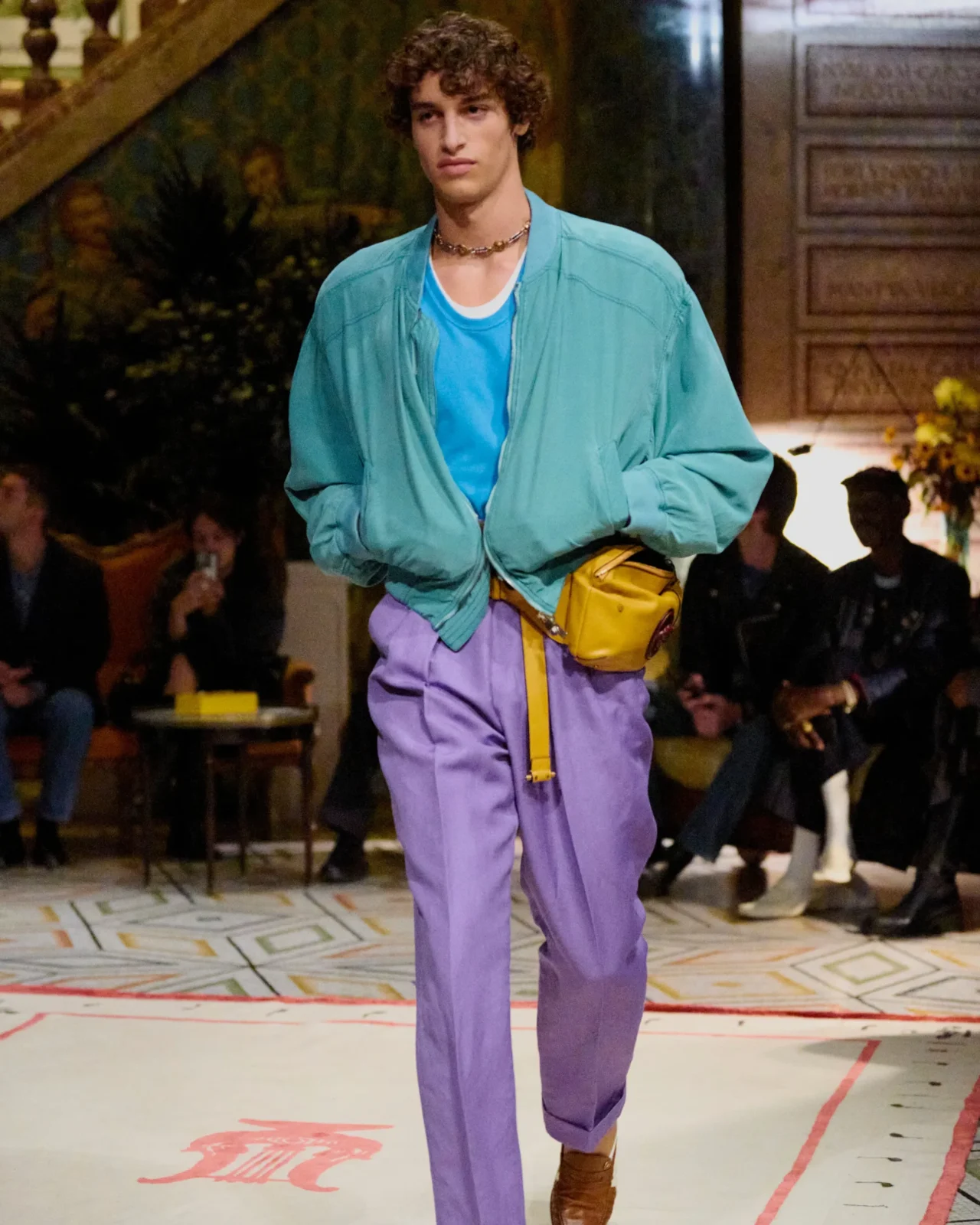
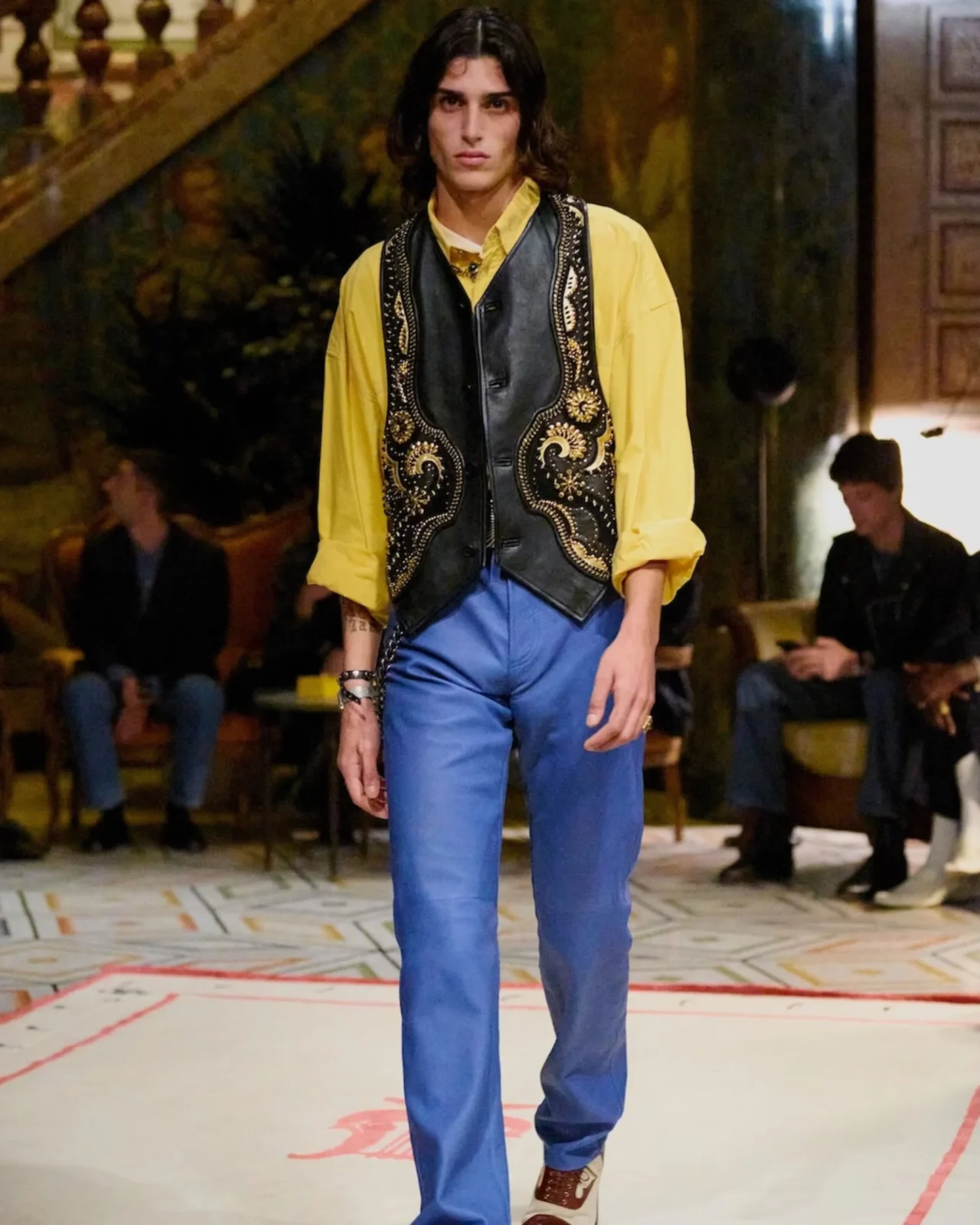
At Alaïa, this translated into clothing built around structure and engineering. Garments often focused on how fabric shapes and interacts with the body rather than relying on visual embellishment. That philosophy stands in contrast to Versace’s historical identity, which has been built around ornament and overt glamour.
The contrast is likely intentional. Versace remains one of the most recognizable luxury brands globally, but financially, it operates at a smaller scale than many of its peers. Prada’s challenge will be expanding Versace’s commercial reach while maintaining its cultural relevance.
Looking back to move forward
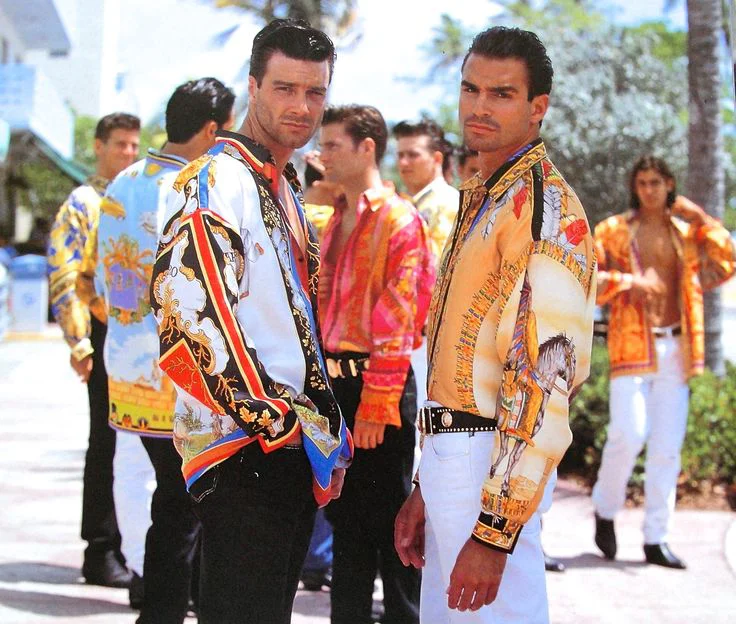
Pieter is also part of a generation that grew up influenced by Gianni Versace, making an archive-driven approach likely. Industry observers expect him to revisit house codes, but potentially through reinterpretation rather than direct revival.
Instead of focusing purely on surface signatures like prints or hardware, he may explore how Gianni built power and sensuality through cut and tension around the body.
Menswear remains one of the biggest open questions. Alaïa does not produce menswear, and while Pieter has worked across global brands, his independent creative authorship has focused primarily on womenswear. How he translates his sculptural approach into Versace’s menswear business will be closely watched.
Identity or reinvention?
The larger question remains whether Pieter can help Versace grow without diluting what made it culturally dominant in the first place. Prada appears to be betting that technical precision, archive awareness, and long-term brand discipline can help the house compete more aggressively on a global scale.
Whether that strategy strengthens Versace’s identity or fundamentally reshapes it will likely become clear once his first collection reaches the runway.
Frequently Asked Questions
Pieter Mulier is a Belgian fashion designer known for his work at Alaïa and his long collaboration with Raf Simons at brands like Jil Sander, Dior, and Calvin Klein. He is now the incoming creative director of Versace under Prada Group.
Prada selected Mulier for his mix of creative credibility and commercial success, as well as his strong background in concept-driven design. The company believes he can help grow Versace while respecting its legacy.
Mulier is known for architecture-influenced clothing that focuses on structure and silhouette. This could shift Versace toward more technical and construction-driven design while keeping its signature sensuality.
Dario Vitale had a short tenure as Versace designer before Prada completed its acquisition and replaced him with Mulier. His first and only collection is still set to reach stores.
Mulier officially starts in July, but the exact date of his first Versace runway show has not yet been announced. Industry attention is already building around his expected debut.

Recommended Video