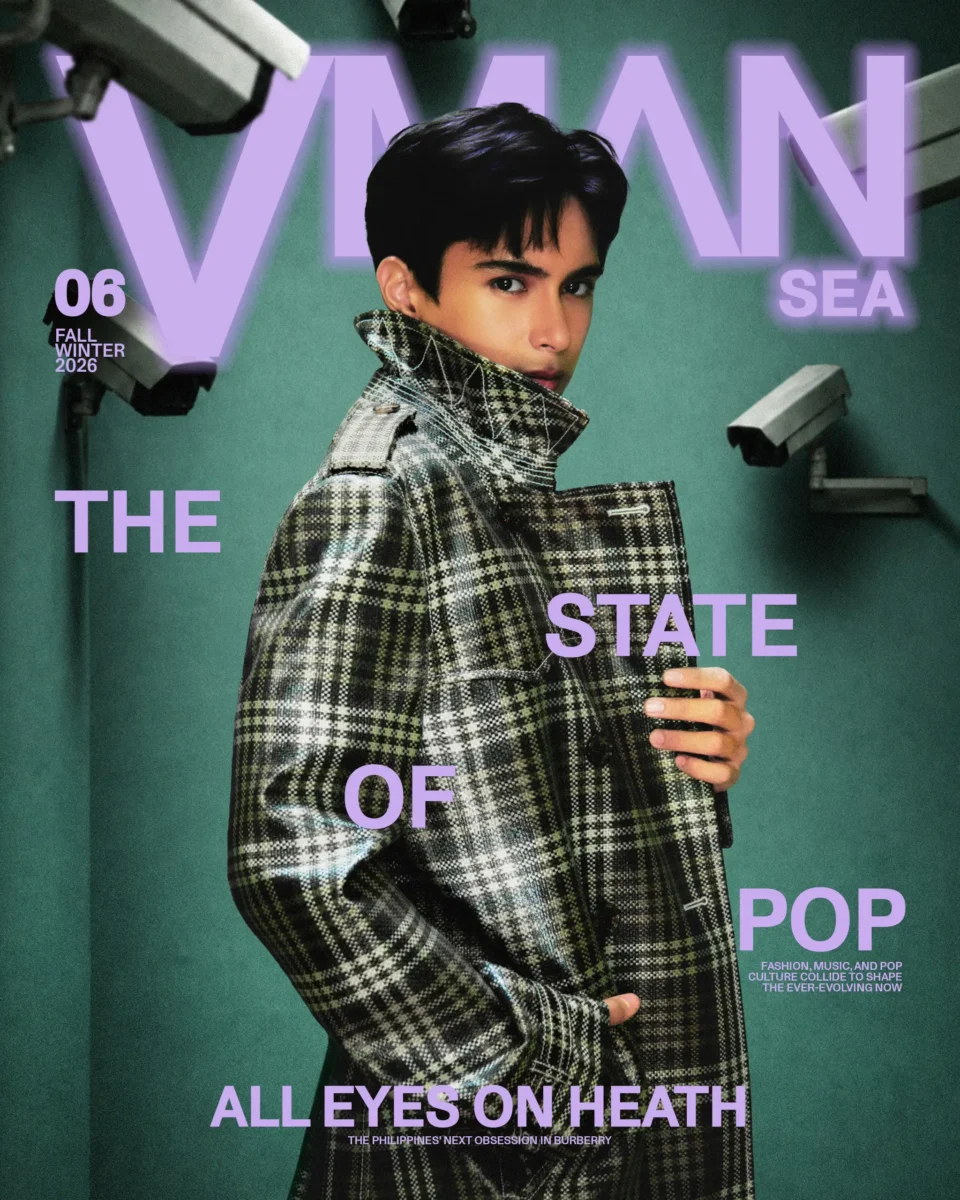
A Decade Later: Revisiting the Fashion Moments of 2016
As pop culture in 2026 begins to echo the excess and irony of a decade ago, we look back at the moments in 2016 that reshaped how style was defined




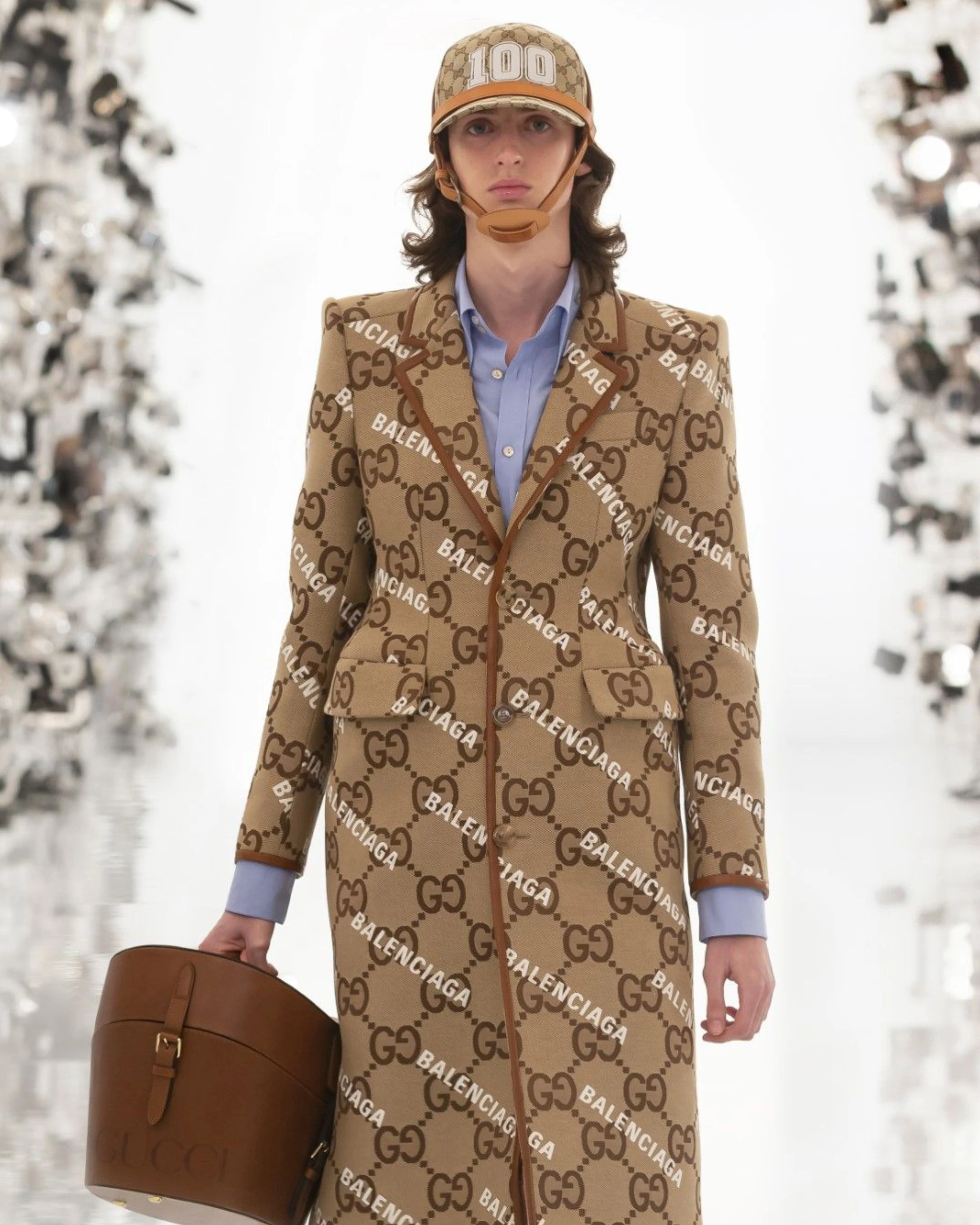
As pop culture begins to look more referential again, a familiar comparison has emerged. Across runways and social media, 2026 is increasingly being described as a return to 2016. Logos are reappearing, maximalism is regaining momentum, and irony is once again shaping how clothes are worn.
This renewed interest has prompted a reassessment of the year that first set many of these ideas into motion. In 2016, fashionFashionThe art and industry of designing, producing, and styling clothing, footwear, accessories, and beauty trends. It reflects cultural influences, personal expression, and evolving styles across seasons and markets.Go to Fashion Glossary moved toward visibility, embracing excess, concept-driven design, and provocation. The shift reflected broader cultural changes, including the rise of social media as a primary fashion platform and a growing skepticism toward traditional luxury.
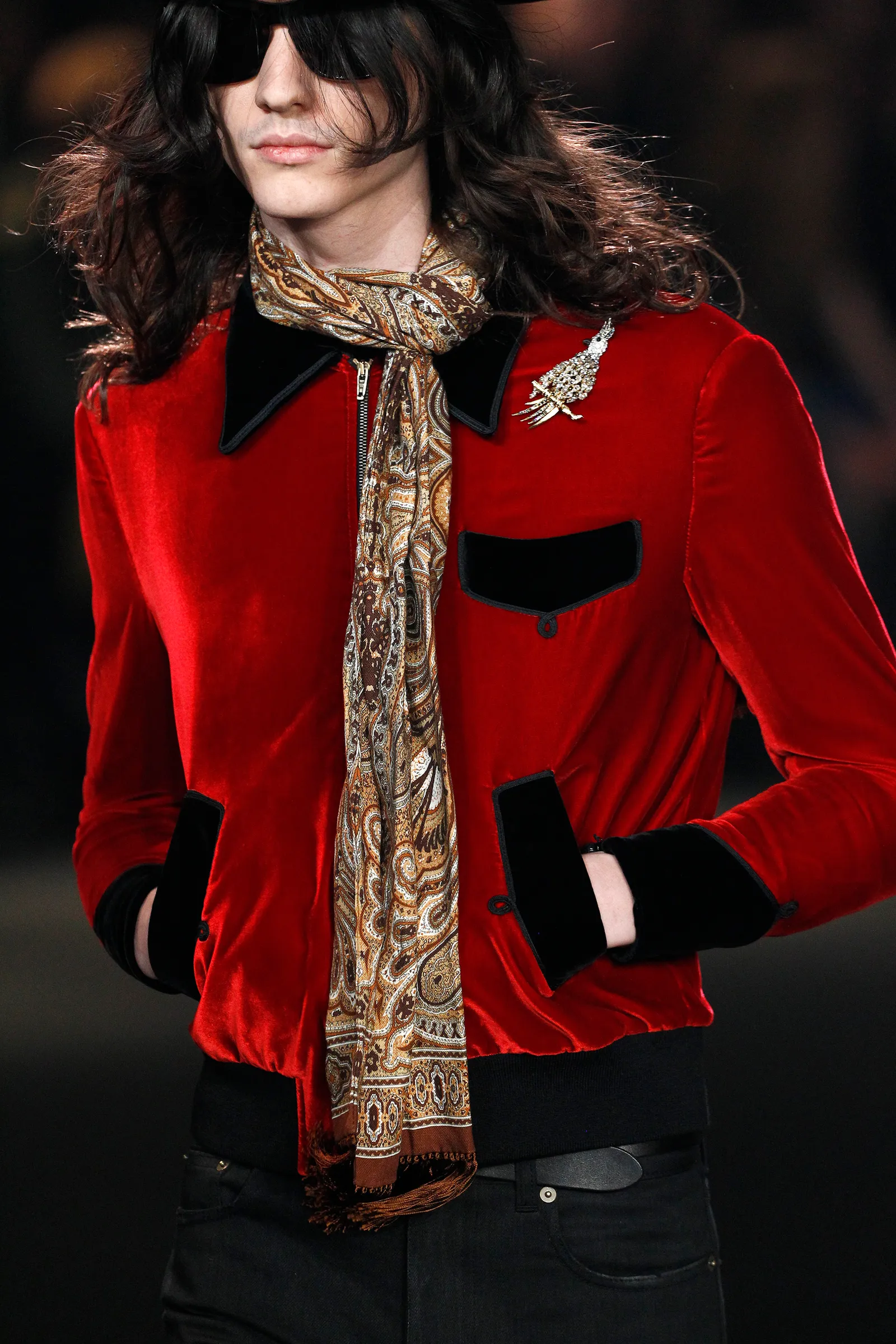
To understand why 2016 now feels newly relevant, it is worth revisiting the moments that defined it. Below are the key fashionFashionThe art and industry of designing, producing, and styling clothing, footwear, accessories, and beauty trends. It reflects cultural influences, personal expression, and evolving styles across seasons and markets.Go to Fashion Glossary highlights of that year, and the ideas that continue to influence how the industry is dressing today.
Gucci and the return of maximalism
By 2016, Alessandro Michele’s vision at Gucci had fully taken hold. His collections rejected the clean lines and neutral palettes that had dominated earlier in the decade, replacing them with layered textures, historical references, and an unapologetic embrace of decoration.
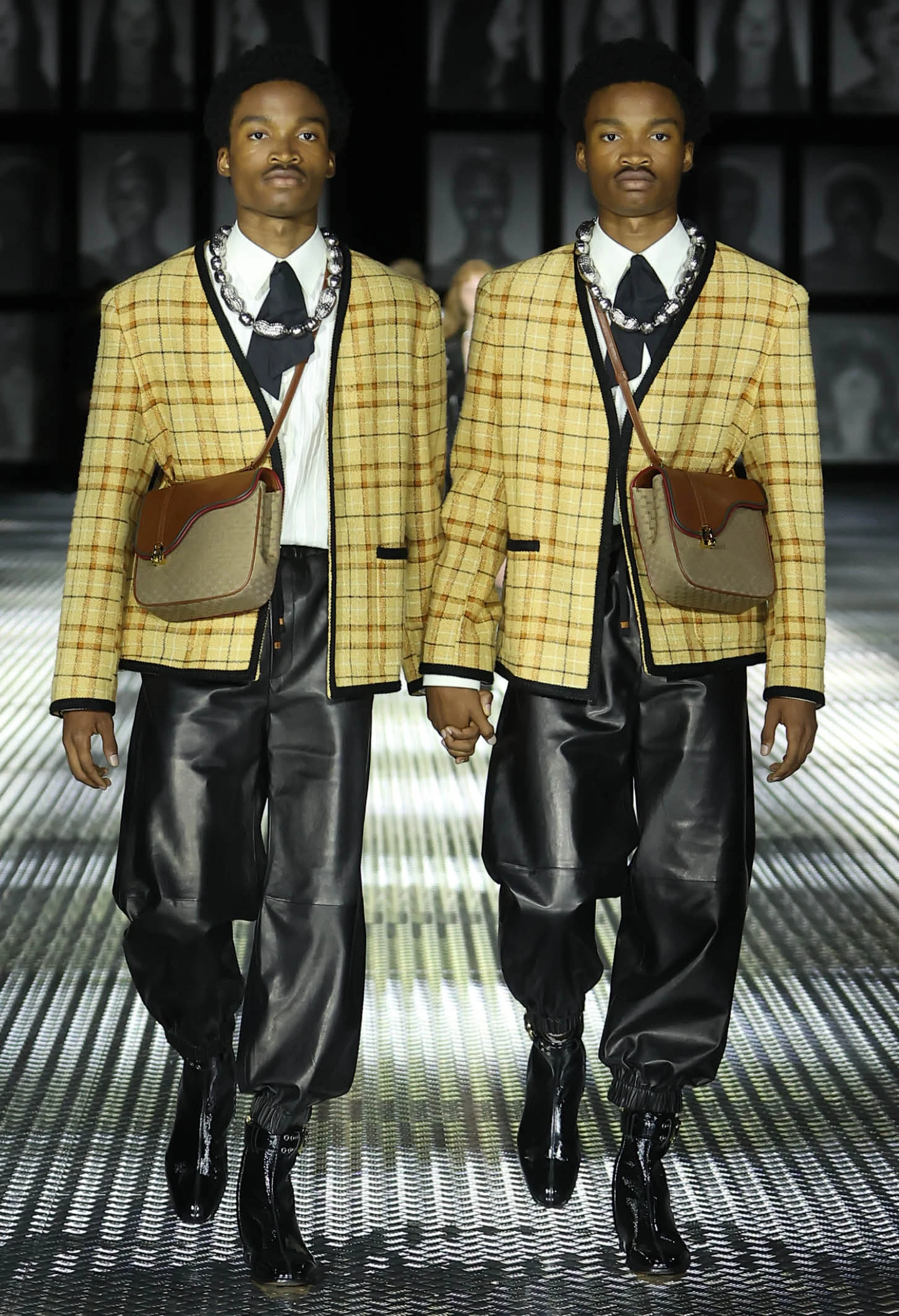
Alessandro’s approach treated clothing as a narrative, where embroidery, color, and silhouette accumulated meaning rather than simplifying it.
The widely discussed “twins” presentation that year reinforced the idea that identity could be multiple and contradictory. Maximalism at Gucci was not only aesthetic but philosophical. At a time when fashionFashionThe art and industry of designing, producing, and styling clothing, footwear, accessories, and beauty trends. It reflects cultural influences, personal expression, and evolving styles across seasons and markets.Go to Fashion Glossary had grown cautious, Gucci offered abundance as a form of confidence.
Demna at Balenciaga and the rise of anti-glamour
Demna’s early years at Balenciaga reached a turning point in 2016. His work challenged the idea that luxury needed to appear classy. Rather than chasing elegance, Demna focused on realism and discomfort. His designs highlighted the tension between price and appearance, forcing consumers to confront why they valued certain objects.
RELATED: Demna Revisits the 1990s to Shape Gucci’s Future Identity
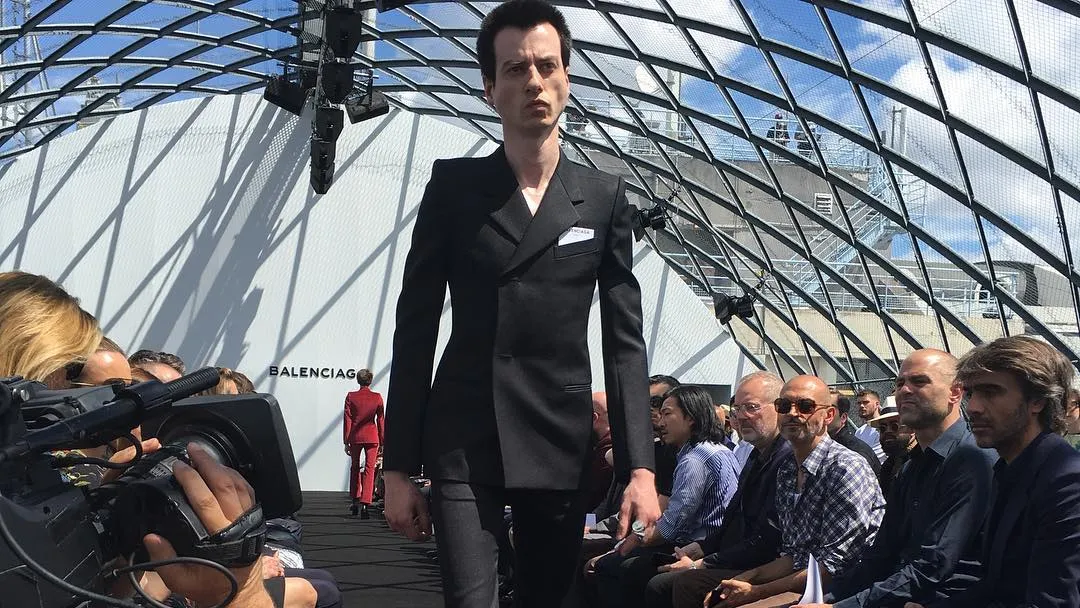
Balenciaga’s influence during this period shifted the industry’s understanding of what could be considered desirable and opened the door for a more confrontational definition of fashionFashionThe art and industry of designing, producing, and styling clothing, footwear, accessories, and beauty trends. It reflects cultural influences, personal expression, and evolving styles across seasons and markets.Go to Fashion Glossary.
Vetements and post-Soviet normcore
Alongside Balenciaga, Vetements articulated a more explicit critique of fashionFashionThe art and industry of designing, producing, and styling clothing, footwear, accessories, and beauty trends. It reflects cultural influences, personal expression, and evolving styles across seasons and markets.Go to Fashion Glossary’s excess through what became known as normcore, though its roots were more specific. Founded by Demna and Guram Gvasalia, the label drew heavily from post-Soviet and Eastern European visual culture.
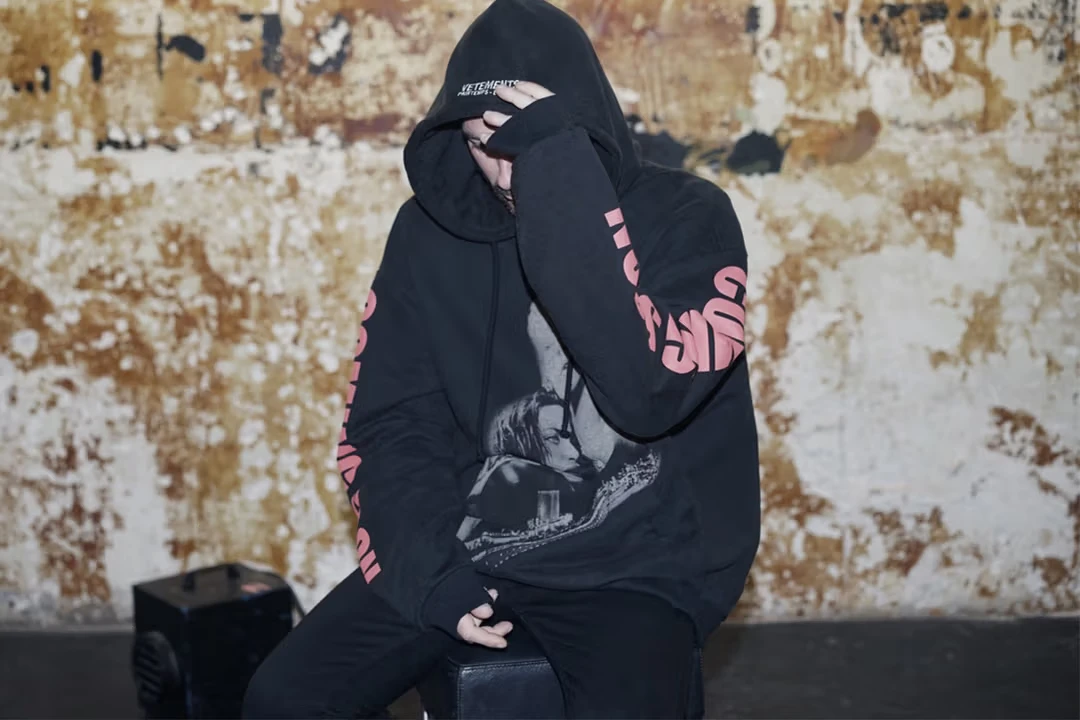
In 2016, Vetements resonated because it acknowledged globalization and economic disparity without romanticizing them. The clothes looked familiar, almost aggressively so, and in doing that, they challenged the industry’s obsession with novelty. FashionFashionThe art and industry of designing, producing, and styling clothing, footwear, accessories, and beauty trends. It reflects cultural influences, personal expression, and evolving styles across seasons and markets.Go to Fashion Glossary did not need to invent new forms, Vetements suggested, only reframe existing ones.
The peak of sneaker culture
Sneakers reached a cultural and commercial peak in 2016. What had once been niche enthusiasm became a dominant force across streetwearStreetwearCasual fashion rooted in skate, hip-hop, and urban youth culture, characterized by graphic tees, hoodies, sneakers, and limited-edition releases. Streetwear has grown into a major global influence on luxury menswear,Go to Streetwear Glossary. Collaborations sold out instantly, resale markets expanded rapidly, and designers began treating sneakers as central fashion statements.
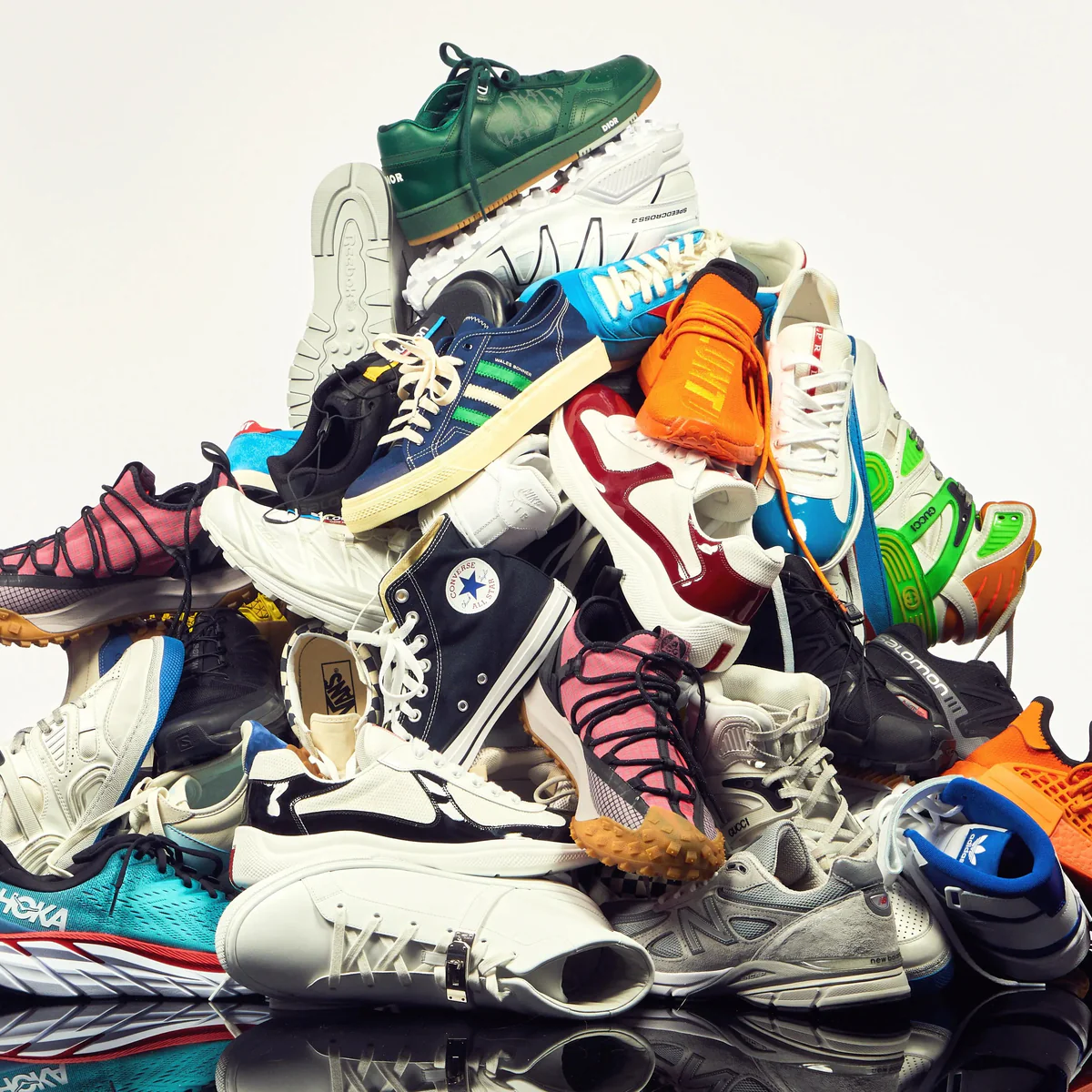
The rise of sneaker cultureSneaker CultureThe community and market built around collecting, trading, and styling sneakers, shaped by limited releases, collaborations, and sports and music figures. Sneaker culture influences menswear by turning footwear into aGo to Sneaker Culture Glossary reflected broader changes in how people dressed and shopped. Comfort and functionality were no longer compromises. Sneakers also became markers of access and identity, shaped by online communities and the digital age’s rapid pace.
READ MORE: Trend Report: The Rise of Tan Sneakers
Logomania and the end of subtle branding
Logos returned in force in 2016, often oversized and intentionally obvious. This resurgence was closely tied to social media, where visual clarity took precedence over nuance. A logo could communicate status in seconds, especially on a phone screen.
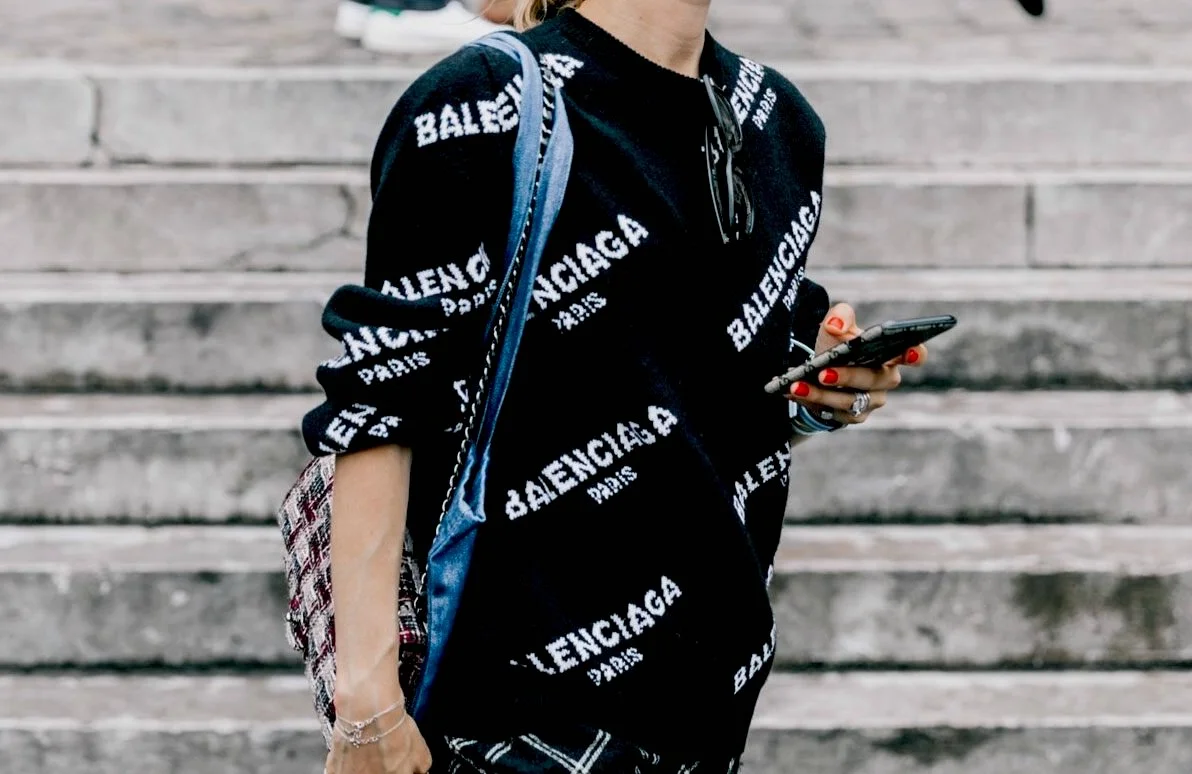
Brands embraced this shift by making their names part of the design rather than a discreet signature. Logomania reflected a fashion industry increasingly aware of how consumption had become performative.
Virgil Abloh’s Off-White
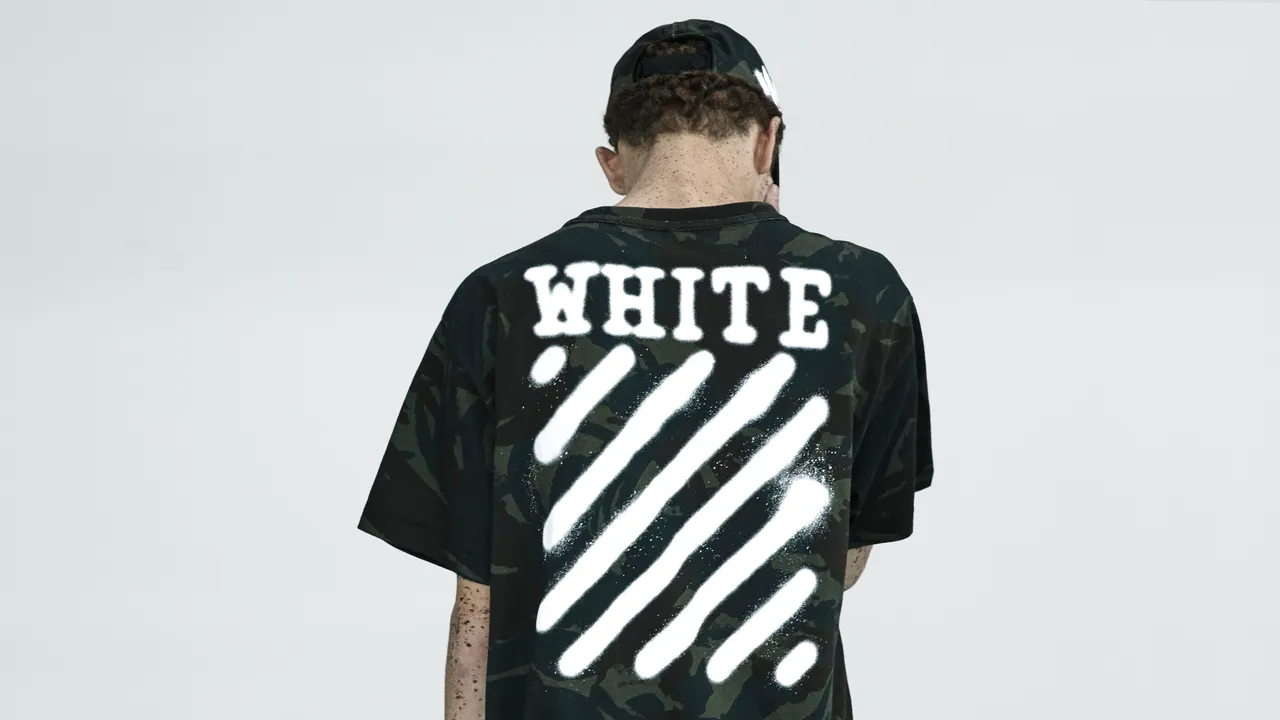
Virgil Abloh’s Off-White captured the intellectual mood of 2016 through objects that blurred the line between art, irony, and commerce. The binder clip accessory became emblematic of this approach.
The designer understood that fashion was operating within a culture fluent in references and skepticism. His work spoke to a generation comfortable with contradiction, where critique and participation could exist at the same time. In 2016, Off-White demonstrated that streetwear could carry conceptual weight without losing its cultural reach.
Photos courtesy Instagram
Frequently Asked Questions
The 2016 fashion aesthetic was defined by an intentional shift toward high visibility, featuring bold logomania, experimental streetwear, post-Soviet normcore, and an influential return to philosophical maximalism.
Gucci changed fashion trends by rejecting minimalist mid-decade aesthetics under Alessandro Michele, introducing heavily layered textures, historical references, and complex narrative designs that embraced decorative abundance.
Logos became popular due to the rapid growth of social media platforms, where prominent, oversized branding offered immediate visual clarity and clear status communication on digital screens.
Vetements shifted industry dynamics by utilizing post-Soviet visual culture to challenge the traditional luxury market, subverting the necessity for constant novelty through reframed, aggressively familiar clothing.
Streetwear influenced luxury fashion by introducing high-demand sneaker culture and conceptual accessories, proven by brands like Off-White that seamlessly merged high-art irony with mass commercial appeal.
Recommended Video