The Homegrown Indian Brands Shaping Its Streetwear Scene Today
Indian streetwear is moving from the margins to the mainstream, led by a new generation of homegrown brands changing how India shows up in global fashion through design and community




Indian streetwear is entering a more visible phase. Long viewed internationally as a manufacturing base or a source of traditional craft, India is now producing streetwear labels that operate with global awareness while remaining rooted in local culture, community, and design thinking.
The shift reflects a broader change in how Indian fashionFashionThe art and industry of designing, producing, and styling clothing, footwear, accessories, and beauty trends. It reflects cultural influences, personal expression, and evolving styles across seasons and markets.Go to Fashion Glossary is positioned and how Indian consumers see their own value within the global market. Below are some of the Indian streetwear brands defining the present moment, each contributing to a more confident and outward-facing scene.
RELATED: These 4 Indian Menswear Brands Are Gaining Global Recognition
NorBlack NorWhite
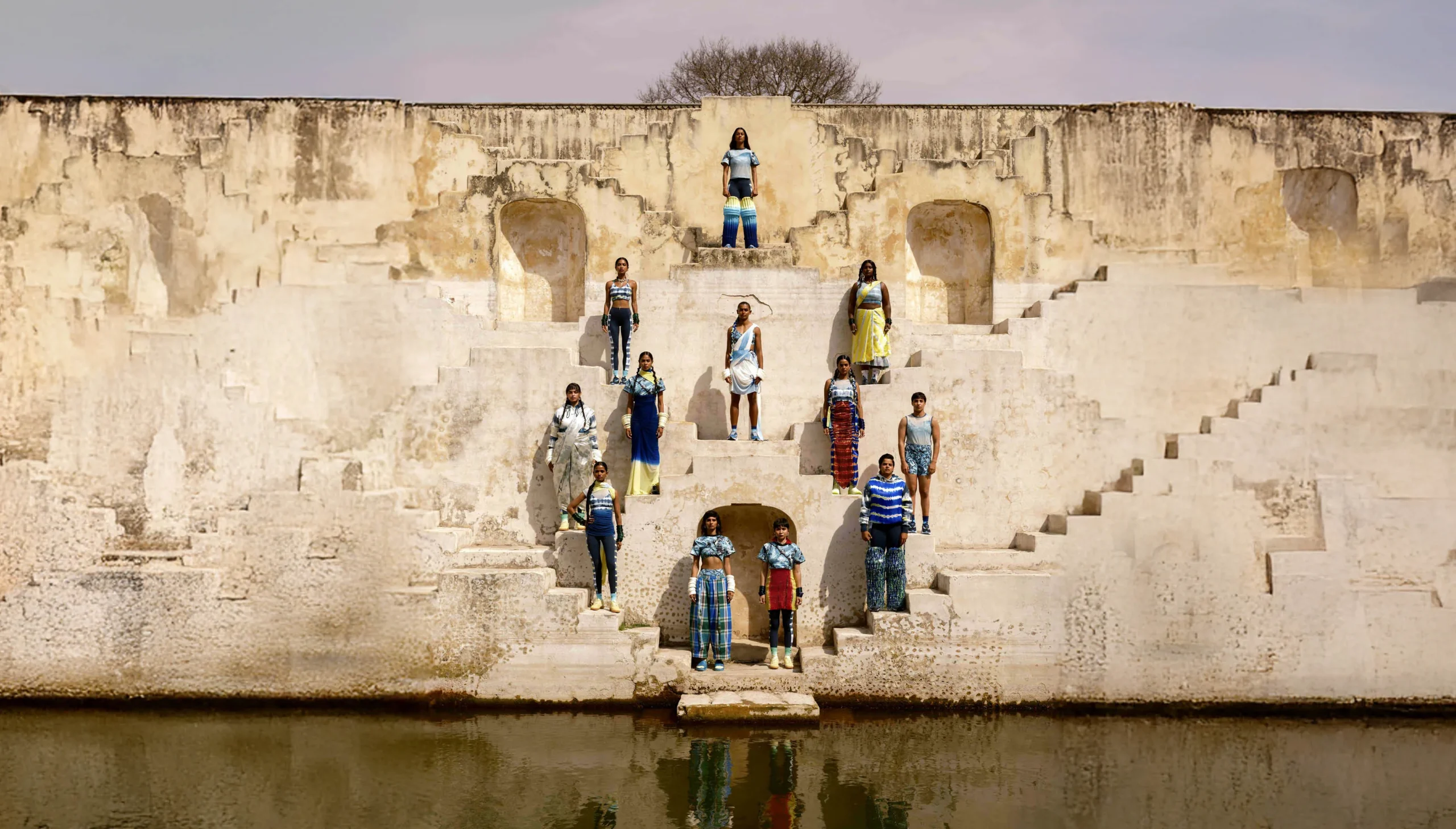
NorBlack NorWhite sits at the intersection of streetwear, craft, and cultural storytelling. The brand applies traditional Indian techniques to contemporary silhouettes, positioning heritage as something lived-in rather than preserved. Its appeal lies in community and point of view, resonating strongly with creatives and diasporic audiences who see themselves reflected in the brand’s approach.
Dhruv Kapoor

Dhruv Kapoor approaches streetwear through reworking foundational Indian garments into modern forms. The label operates comfortably within international fashion circuits while challenging lingering perceptions of India as solely a mass production hub.
Rkive City
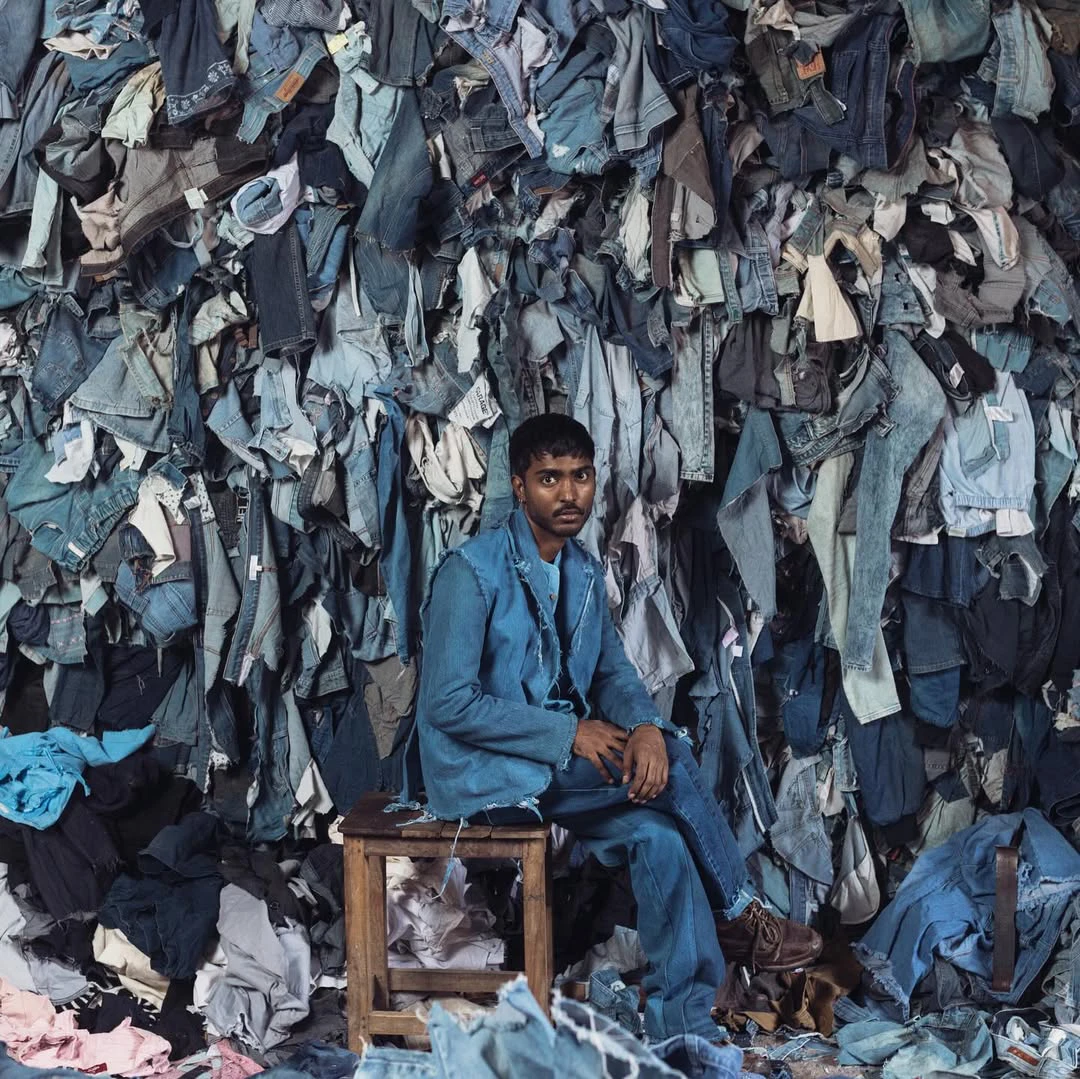
Rkive City focuses on upcycling and material reuse, building collections from vintage and discarded garments. The brand’s emphasis on sustainability positions responsible production as a core design principle.
Prxkhxr
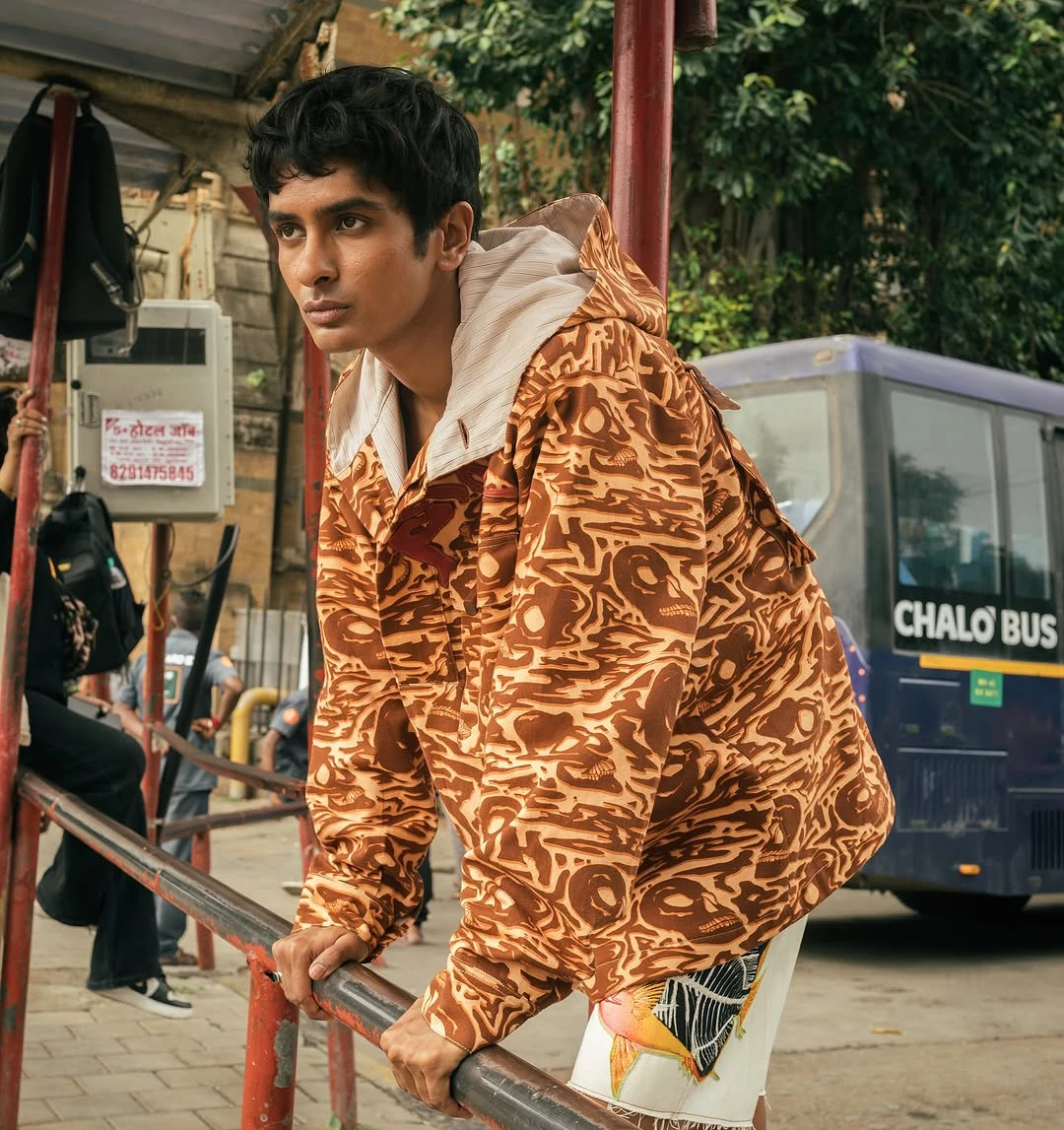
Prxkhxr has built its following through community-driven growth rather than traditional retail expansion. The brand maintains a strong digital presence, sharing process and development openly with its audience. This approach has allowed it to cultivate international demand without relying on physical stores abroad.
Huemn
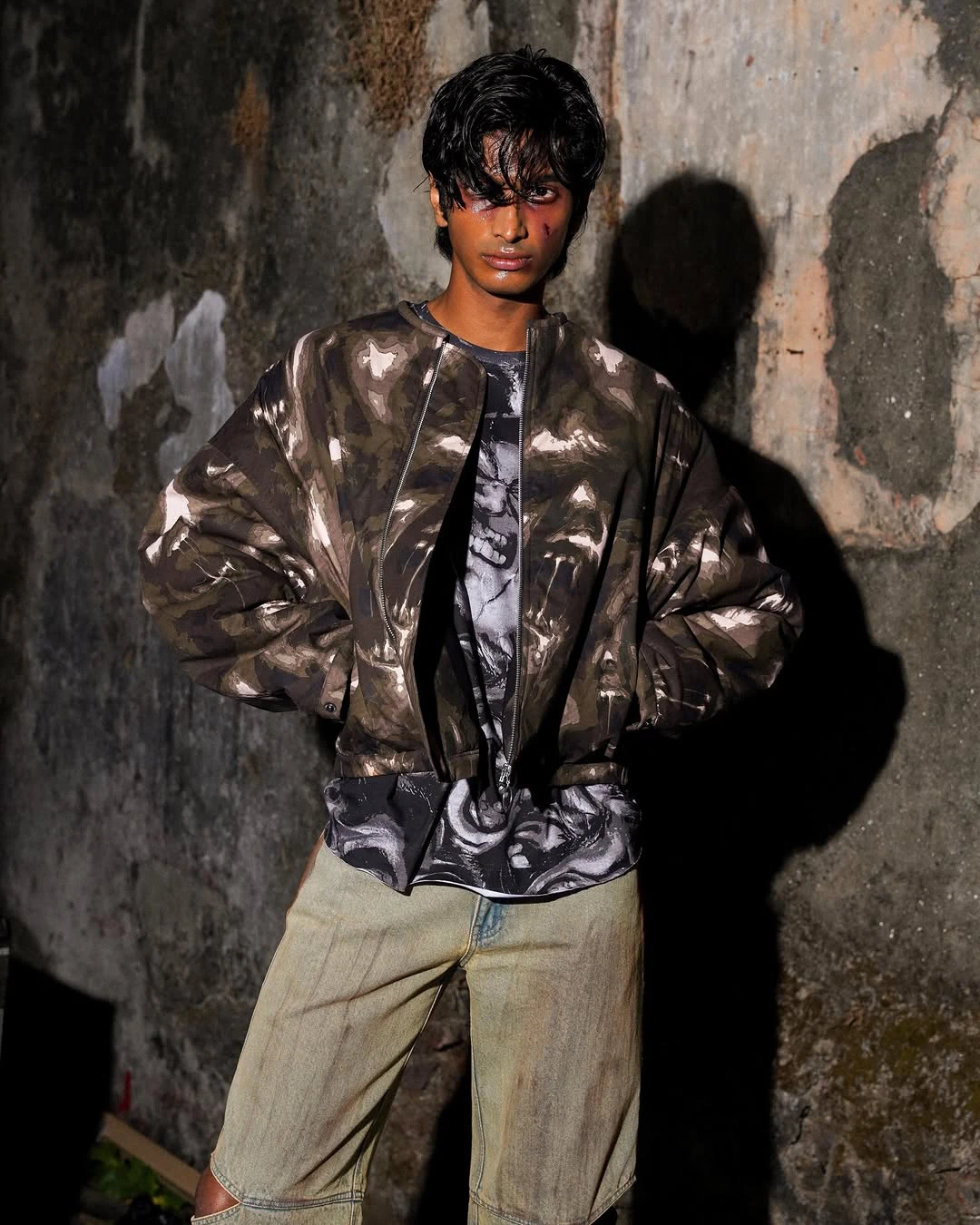
Huemn often aligns its collections with moments of national relevance. They prioritize direct-to-consumer channels, responding to shifting global trade conditions and market volatility. Its strategy centers on creating cultural moments within India that resonate beyond the country.
Bluorng

Bluorng has focused on strengthening its domestic presence before pursuing international retail expansion. With multiple stores across major Indian cities, the brand emphasizes accessibility and community-building. A digital-first strategy has helped it scale quickly while maintaining a direct relationship with its audience.
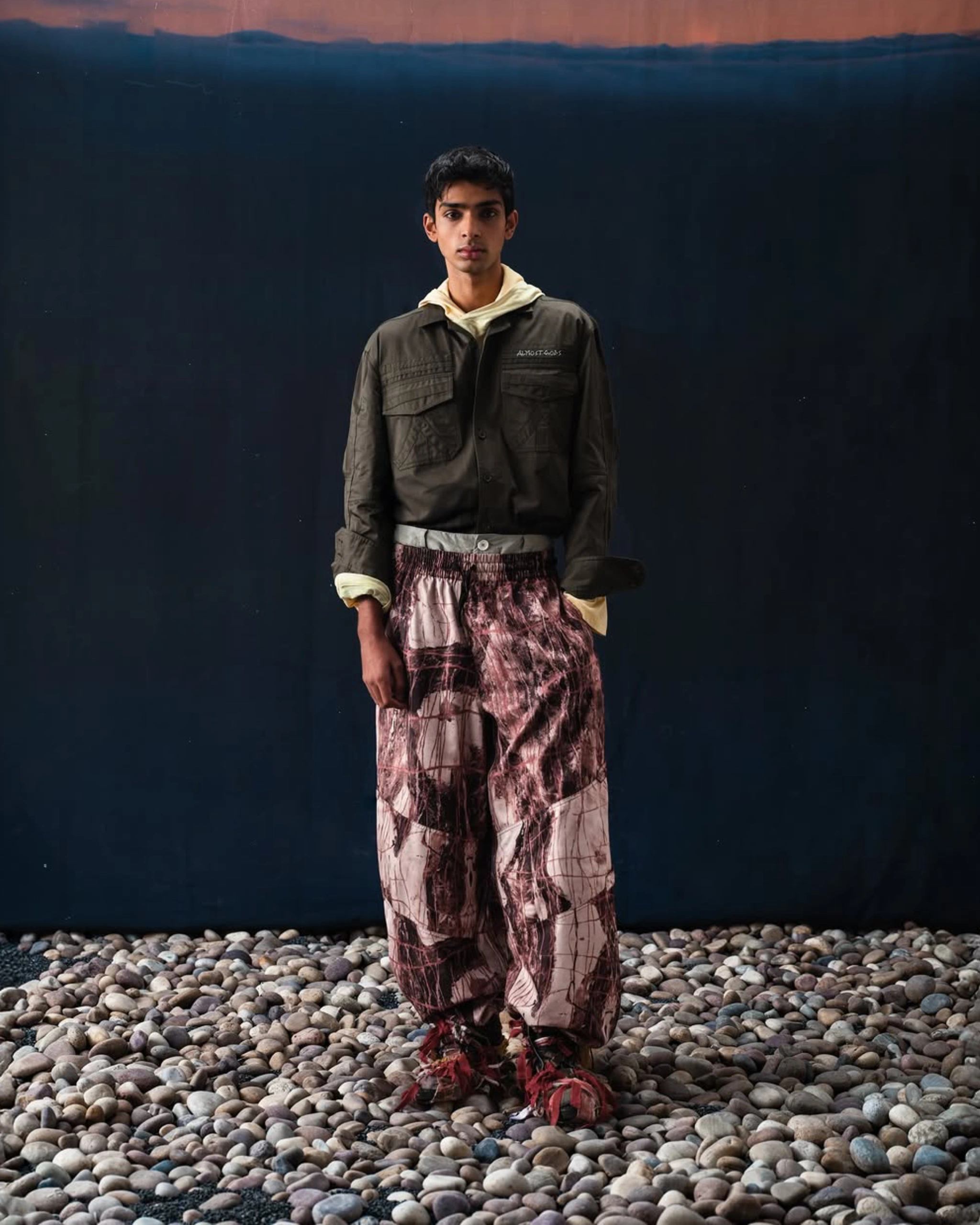
Almost Gods

Almost Gods takes a broader view of streetwear as a business ecosystem. They extend beyond apparel into merchandise and design objects. This diversified approach supports long-term stability in an uncertain global market.
Together, these labels point to a streetwear scene that is becoming more structured and outward-looking. Rather than chasing hype, Indian streetwear brands are shaping their identities, building communities, and developing business models that can withstand global uncertainty.
The result is a category that is no longer peripheral but increasingly part of the international streetwear conversation.
Frequently Asked Questions
Some of the leading Indian streetwear labels include NorBlack NorWhite, Dhruv Kapoor, Rkive City, Prxkhxr, Huemn, Bluorng, and Almost Gods. These brands combine local craft, sustainable practices, and modern design to appeal to both domestic and international audiences.
Indian streetwear focuses on casual clothing with a modern edge, often incorporating traditional techniques, upcycled materials, and cultural storytelling. Unlike conventional fashion, it emphasizes community, sustainability, and global relevance.
Yes, many Indian streetwear brands are expanding internationally through direct-to-consumer channels, collaborations with global labels, and digital platforms. Labels like Prxkhxr and Rkive City have cultivated international demand without relying solely on physical stores abroad.
Young consumers are drawn to Indian streetwear for its originality, sustainability, and cultural relevance. Many labels offer story-driven pieces that feel meaningful, rather than relying solely on logos or trend-driven hype.
Sustainability grounds Indian streetwear through a foundational commitment to textile upcycling, slow fashion practices, and preserving ancestral craft techniques, offering an ethical alternative to global fast fashion.
Photos courtesy Almost Gods, NorBlack NorWhite, Dhruv Kapoor, Rkive City, Prxkhxr, Huemn, Bluorng

Recommended Video