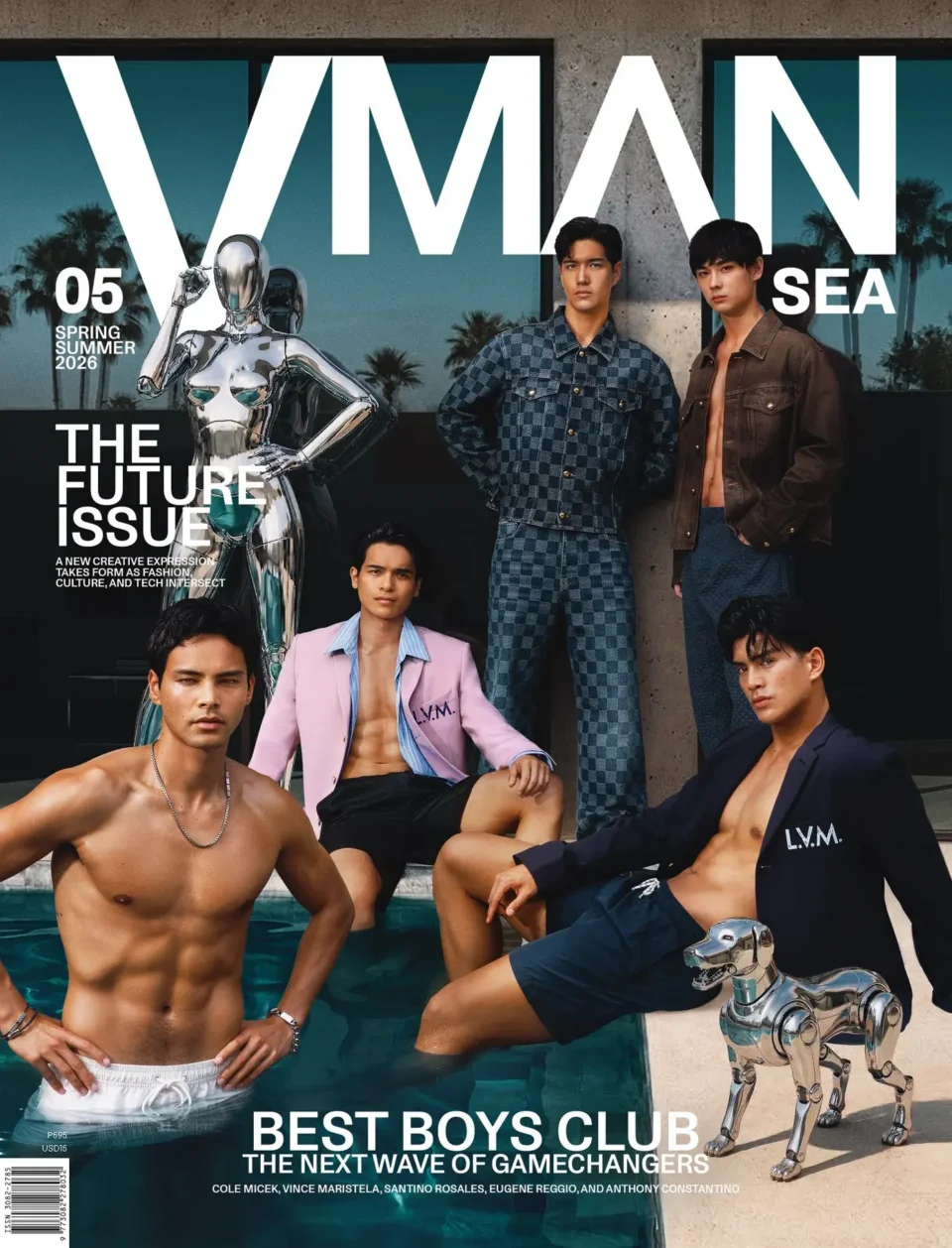
How Salad Day Serves Maximalist Streetwear in Style
The Manila-based brand draws from Japanese influences and the extraordinariness of the everyday to conjure creatively chaotic pieces




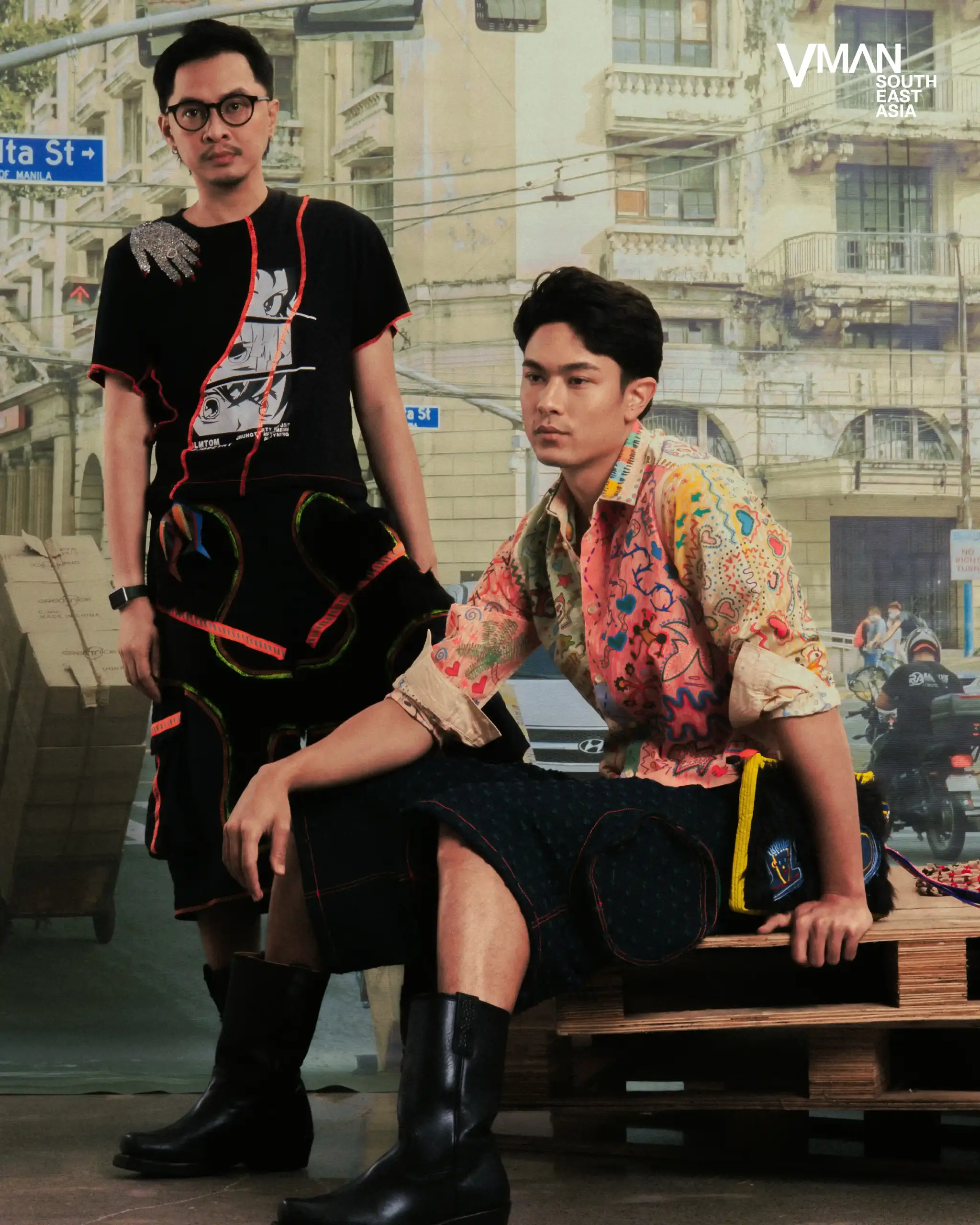
How Salad Day translates multiple influences into maximalist pieces
Salad Day is known for its handcrafted and more-is-more aesthetic, inspired by Japanese streetwear and culture. Founded by Willar Mateo, the brand takes root in much of his experiences back in high school.
“I didn’t want to use my name,” Willar recalls, when asked about his label. “Then I remembered my high school days, whenever I’d call any day that had something interesting a ‘Salad Day.’ That’s how it started.”
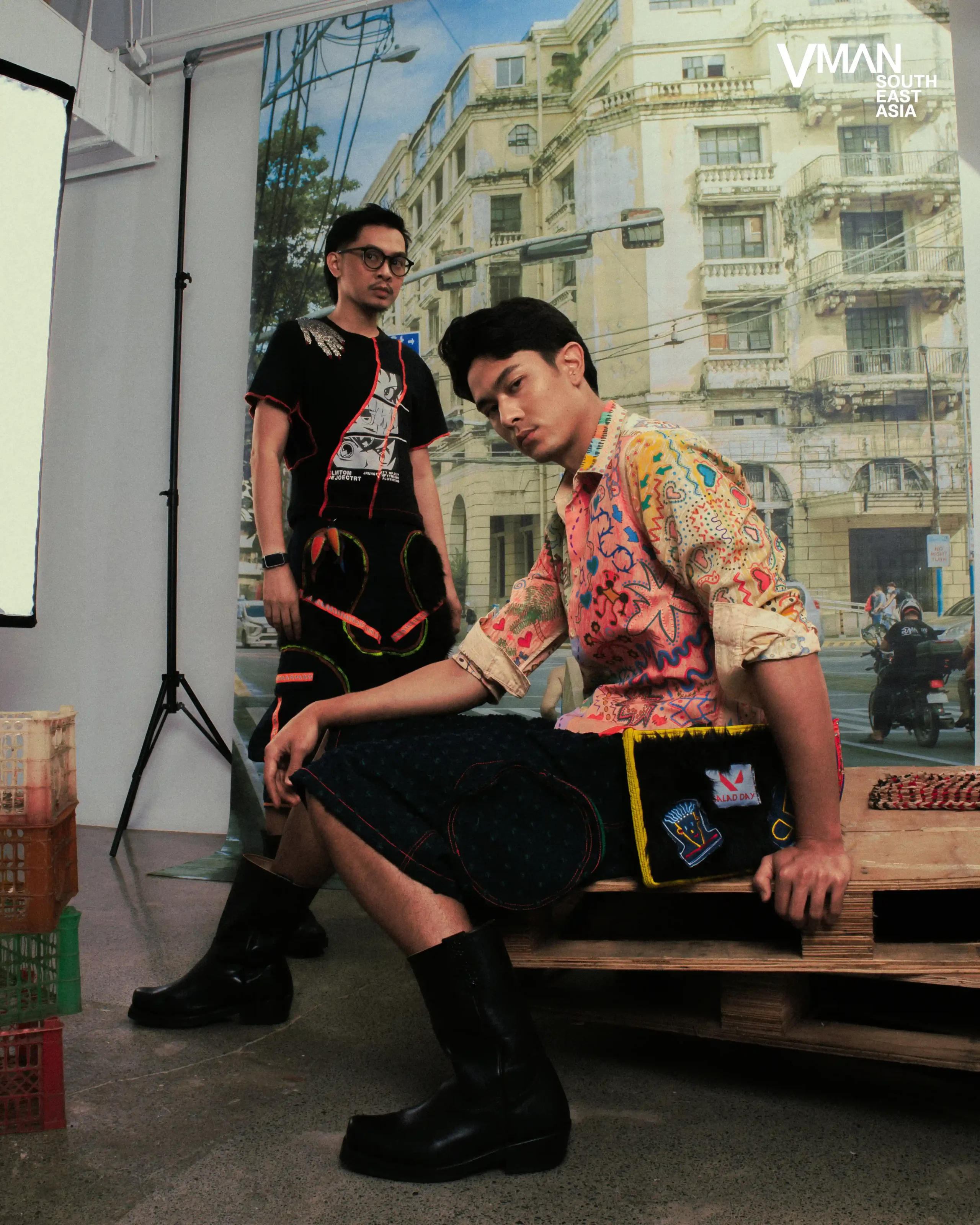
It was also back in high school when Willar—already an internet native then—painstakingly waited for images of Japanese streetwear to load on excruciatingly slow dial-up speeds, printing them afterward and collaging them with magazines that shaped his aesthetic and creativity. This became one of the foundations of Salad Day, which he began months after he graduated in 2011.
“Japanese street fashionFashionThe art and industry of designing, producing, and styling clothing, footwear, accessories, and beauty trends. It reflects cultural influences, personal expression, and evolving styles across seasons and markets.Go to Fashion Glossary taught me that things don’t have to make sense to make sense,” he says. “It’s colorful, chaotic, but cohesive. That’s the energy I love.”
Internships molded his creative spirit—stints at the I Love You store at Cubao Expo and under designer Gian Romano exposed him to the workings of the fashionFashionThe art and industry of designing, producing, and styling clothing, footwear, accessories, and beauty trends. It reflects cultural influences, personal expression, and evolving styles across seasons and markets.Go to Fashion Glossary industry. He recalls then that the local streetwear scene was small, fragmented, and limited by access.
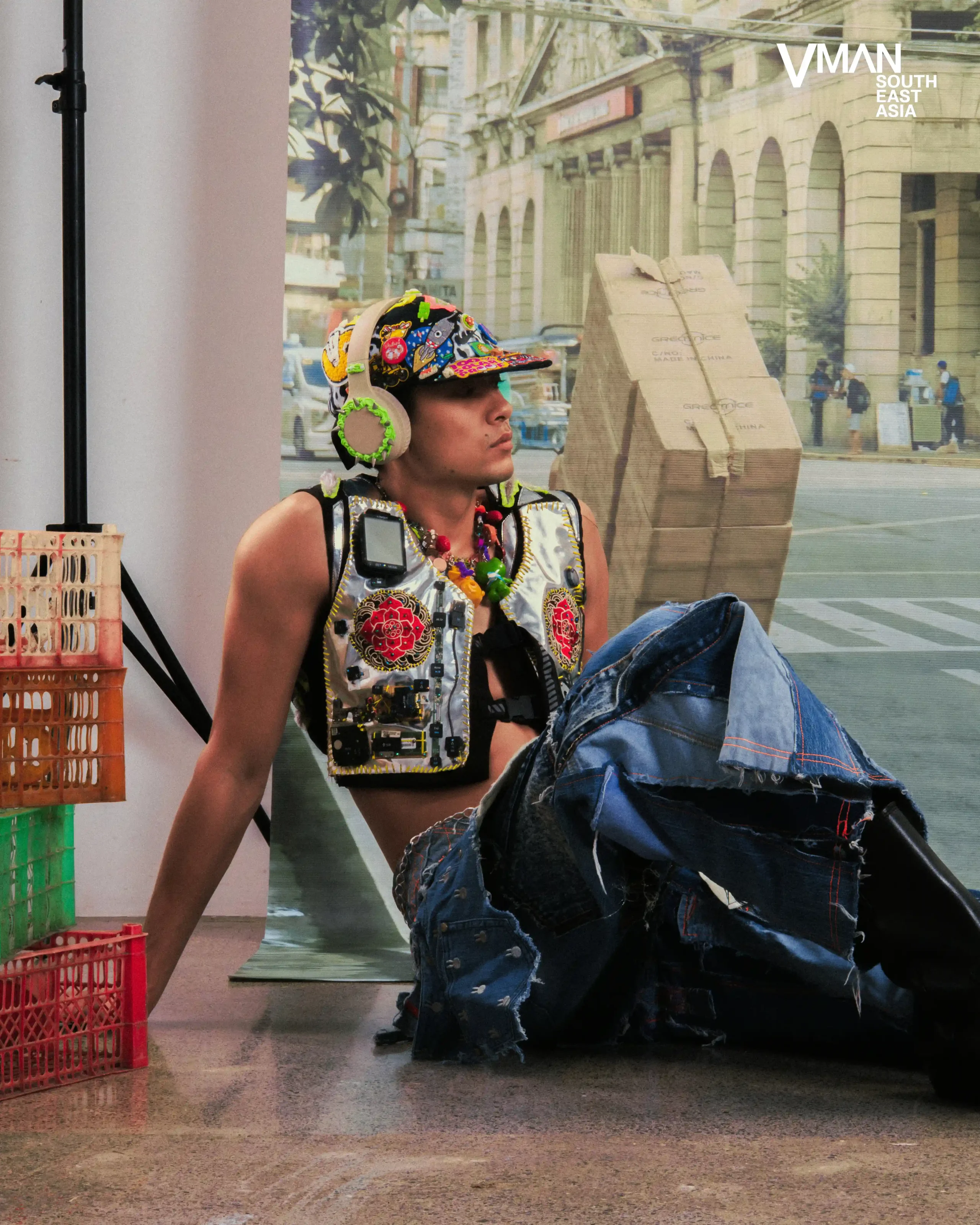
“There weren’t many choices for people who wanted to get into fashionFashionThe art and industry of designing, producing, and styling clothing, footwear, accessories, and beauty trends. It reflects cultural influences, personal expression, and evolving styles across seasons and markets.Go to Fashion Glossary,” he reiterates. “Now it’s limitless—online, secondhand, vintage. You can find anything.”
Salad Day takes advantage of this overflow of influences. It thrives on recombination—mixing eras, fabrics, and references into something that feels both spontaneous and deliberate. Upcycling, for Willar, isn’t a trend but a natural extension of that philosophy.
“I think we’re overproducing. It’s time to reinvent what we already have. Salad Day has always been about making use of things that are available instead of creating more waste.”
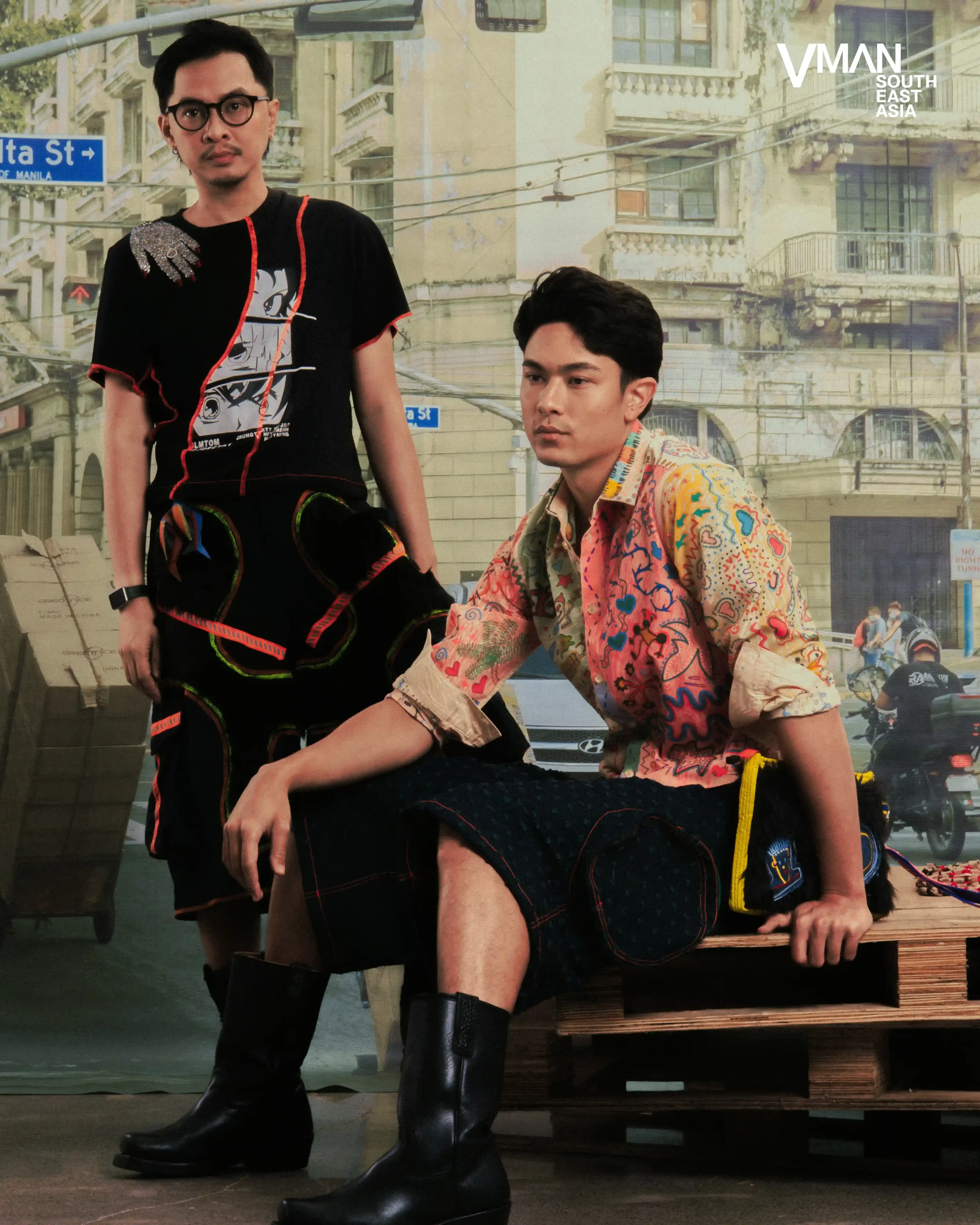
Through his maximalist creations, Willar adds to the Southeast Asian streetwear conversation by offering pieces to those who love showing up and out—something that he observes with the region’s style savants.
“I think we’re all moving in different directions, but in a good way. We’re developing a distinct look—when I compare it to Western fashion, I feel like our scene is more vibrant and diverse.”
Chief of Editorial Content Patrick Ty
Photography Joseph Bermudez
Art direction Mike Miguel
FashionFashionThe art and industry of designing, producing, and styling clothing, footwear, accessories, and beauty trends. It reflects cultural influences, personal expression, and evolving styles across seasons and markets.Go to Fashion Glossary Corven Uy
Grooming and hair Jean Anganangan, Crish Marfil, Patricia Marcaida, and Dhanver Serrano (Nix Institute of Beauty)
Model Christian Bootle (Monarq Agency)
Production design Studio Tatin
Production Francis Vicente
Lighting direction Rojan Maguyon
Frequently Asked Questions
Salad Day is an independent clothing label known for its handcrafted, maximalist aesthetic. The brand blends Japanese street fashion influences with sustainable, upcycled textiles to create cohesive, vibrant designs.
Salad Day was founded by designer Willar Mateo in 2011. Mateo launched the label shortly after graduating, drawing creative inspiration from his high school subculture collages and industry internships.
The brand is heavily inspired by Japanese street fashion and youth culture. This design philosophy embraces colorful, chaotic elements that remain visually cohesive through creative textile recombination and distinct styling.
Salad Day approaches sustainability through upcycling, reinventing existing garments to minimize textile waste. The label focuses on using available, secondhand resources rather than contributing to mass clothing overproduction.
Southeast Asian streetwear is defined by its vibrant diversity, regional style variations, and expressive maximalism. Local designers increasingly lean into distinct subcultures that contrast sharply with traditional Western fashion trends.
Recommended Video