
7 of History’s Most Daring Heists, From the Louvre to Antwerp
A new jewel heist at the Louvre has revived the world’s fascination with the art of stealing beauty, reminding us that even history’s most guarded treasures are never entirely safe





A new chapter in the Louvre’s long history of theft
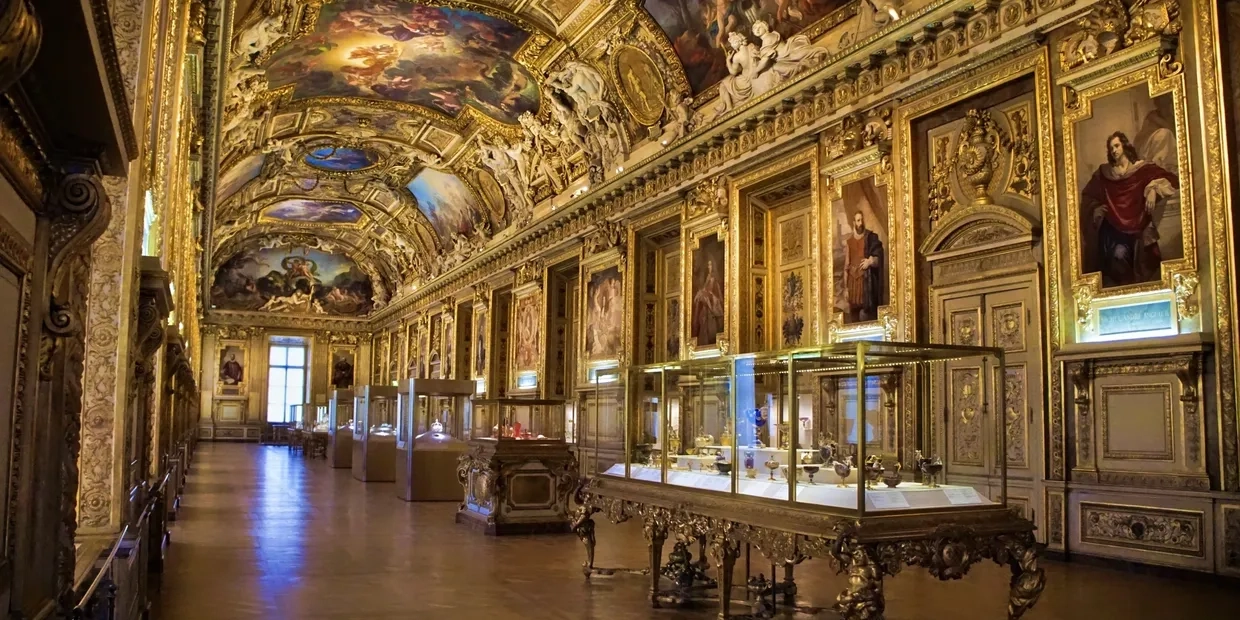
The Louvre has once again found itself at the center of a global mystery. Early Sunday morning, a pair of masked thieves broke into the museum’s Apollon Gallery, escaping in just seven minutes with jewels once belonging to French royalty.
The operation, which involved power tools and a truck-mounted crane, targeted a collection of Napoleonic and royal pieces, including gifts from Napoleon to Empress Marie-Louise and diamonds worn by Queen Marie-Amélie and Empress Eugénie.
The theft has drawn comparisons to the Louvre’s long and troubled history with crime. From the infamous 1911 theft of the Mona Lisa to a series of unsolved robberies throughout the 20th century, the museum has repeatedly been both a symbol of cultural preservation and a magnet for those determined to test it.
This latest heist joins a list of history’s most audacious acts of theft, each revealing how fragile even the most carefully guarded treasures can be.
1. The Apollon Gallery Heist (2025)
Two thieves entered the Louvre’s Apollon Gallery shortly after opening hours, forcing entry through a window with a crane and cutting through glass display cases. Within minutes, they had taken nine priceless jewels, including diamond and sapphire pieces from the French crown collections. A single tiara, found broken on the floor, was the only item left behind.
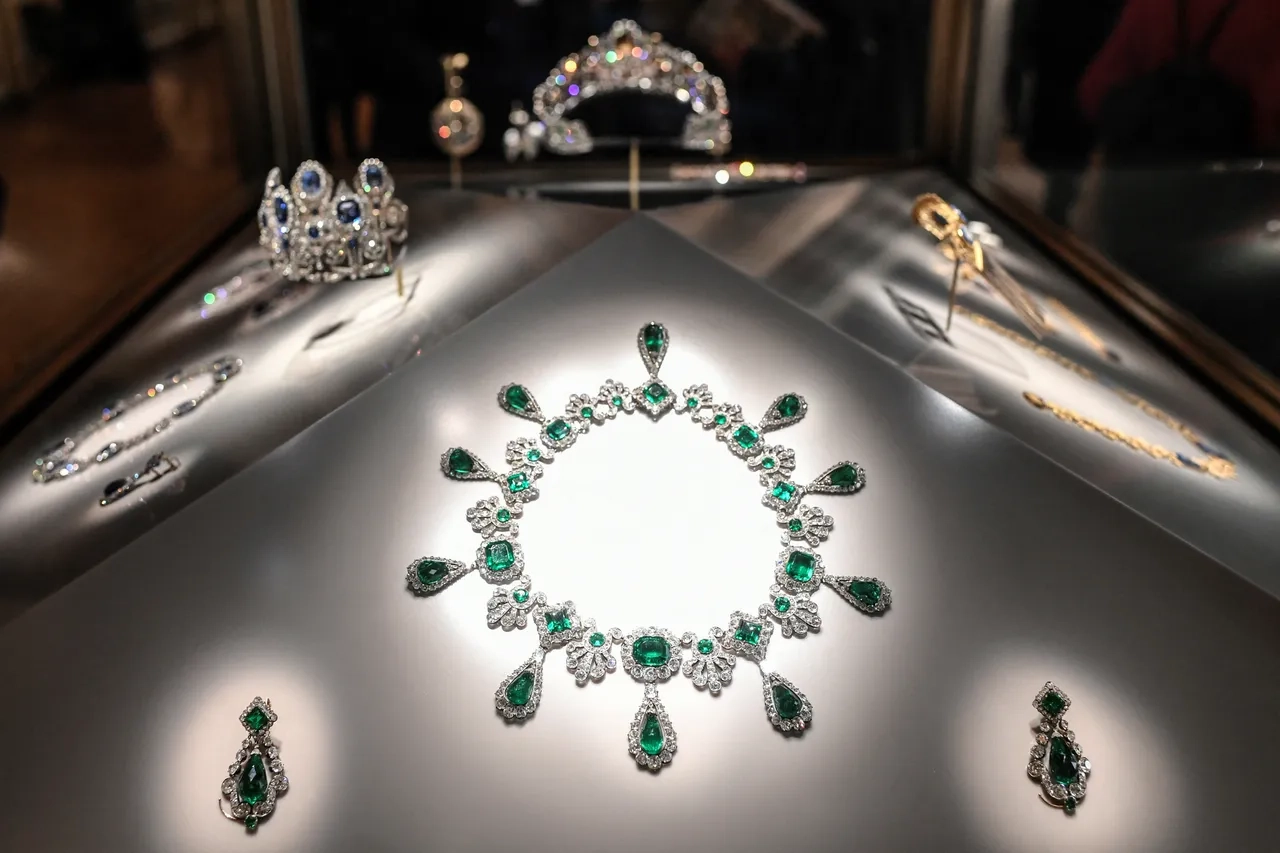
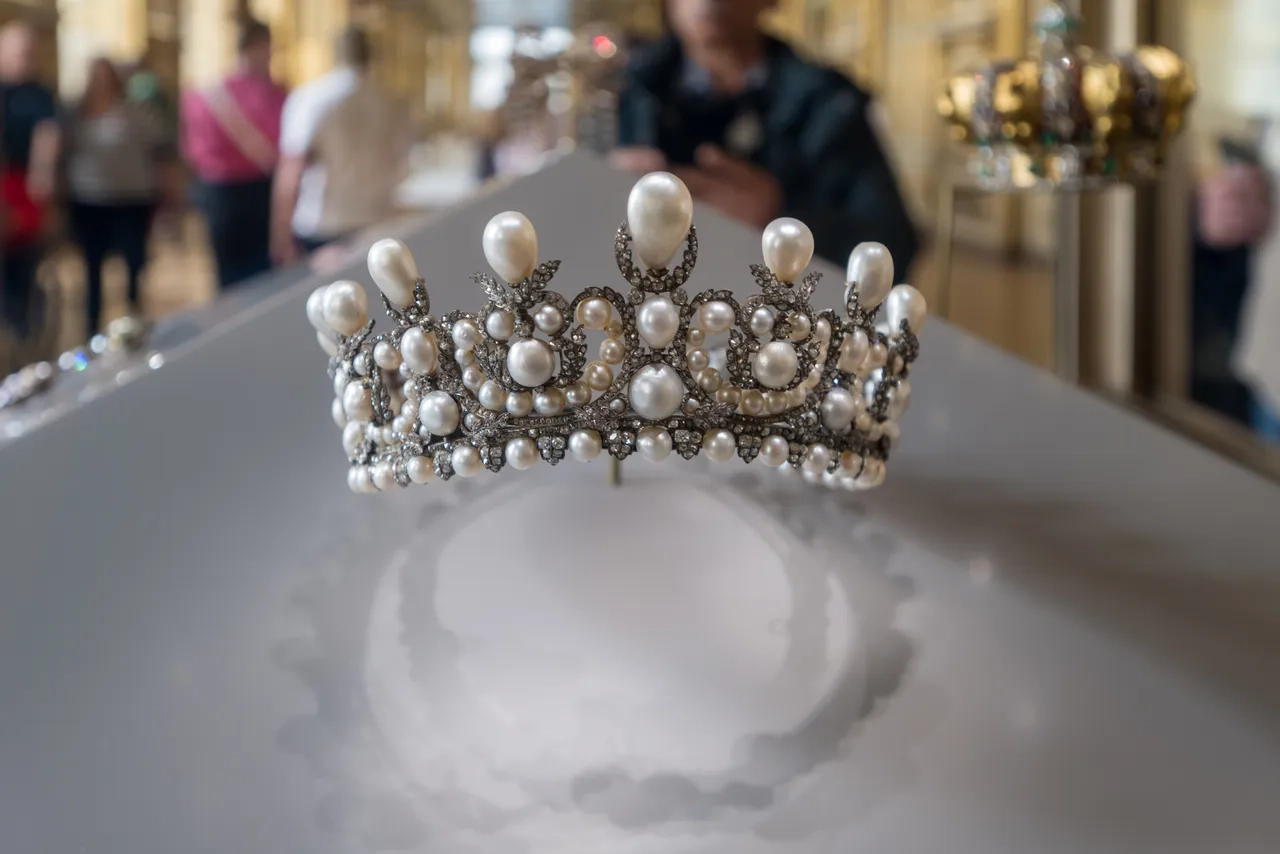
Authorities believe the crime was either a high-level commission or a theft for dismantling and resale. For a museum that has spent centuries defending the symbols of France’s identity, the event has renewed debate about whether such treasures can ever truly be protected.
2. The Mona Lisa Heist (1911)
In August 1911, Italian handyman Vincenzo Peruggia walked into the Louvre dressed in his work uniform and removed Leonardo da Vinci’s Mona Lisa from its frame. He hid the painting in his apartment for two years before attempting to sell it in Florence.
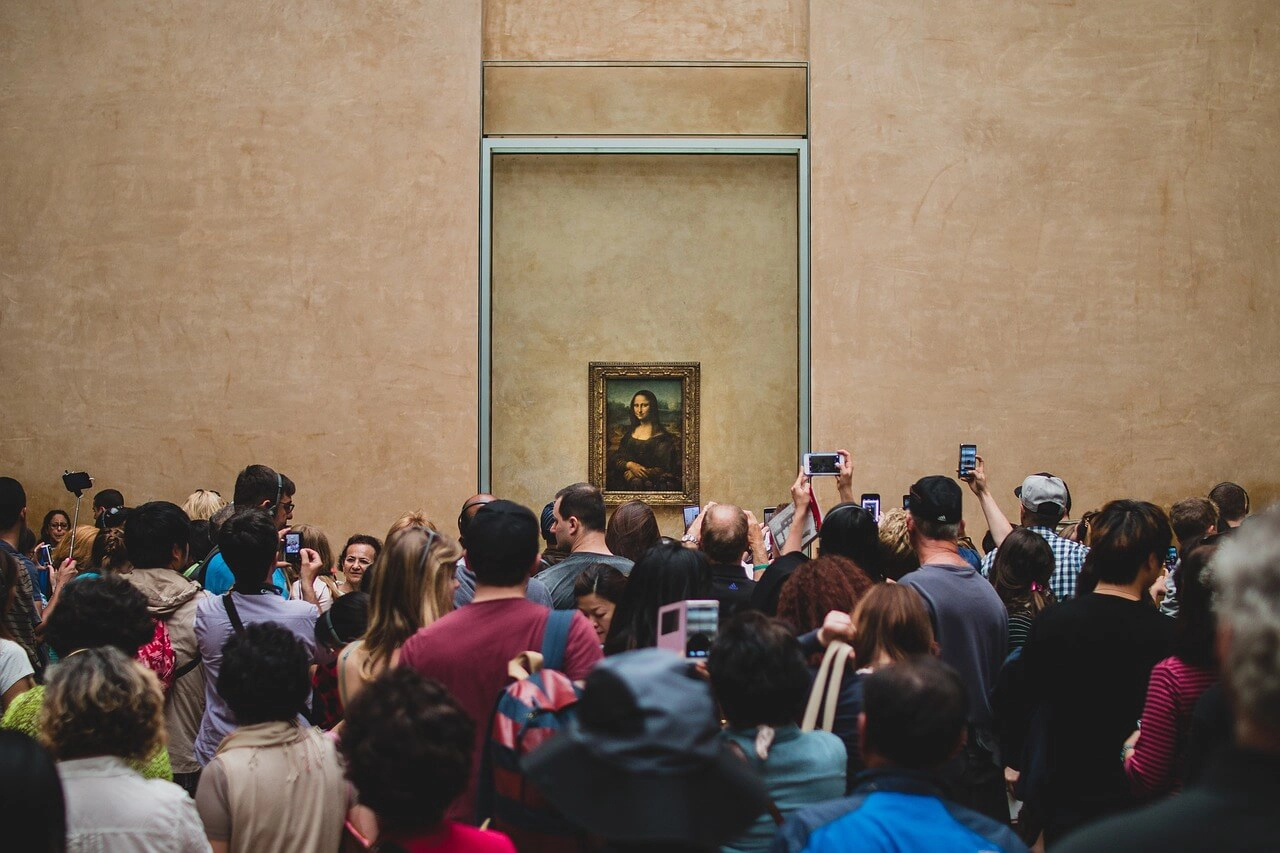
His stated motive was patriotism; he believed the masterpiece belonged in Italy. The theft transformed the painting from an admired artwork into one of the world’s most famous images, proving how theft can alter the cultural meaning of what it takes away.
3. The Great Train Robbery (1963)
In the English countryside, 15 men stopped the Royal Mail train carrying large sums of cash. They overpowered the driver, disabled communication lines, and made off with £2.6 million, worth over £60 million today.
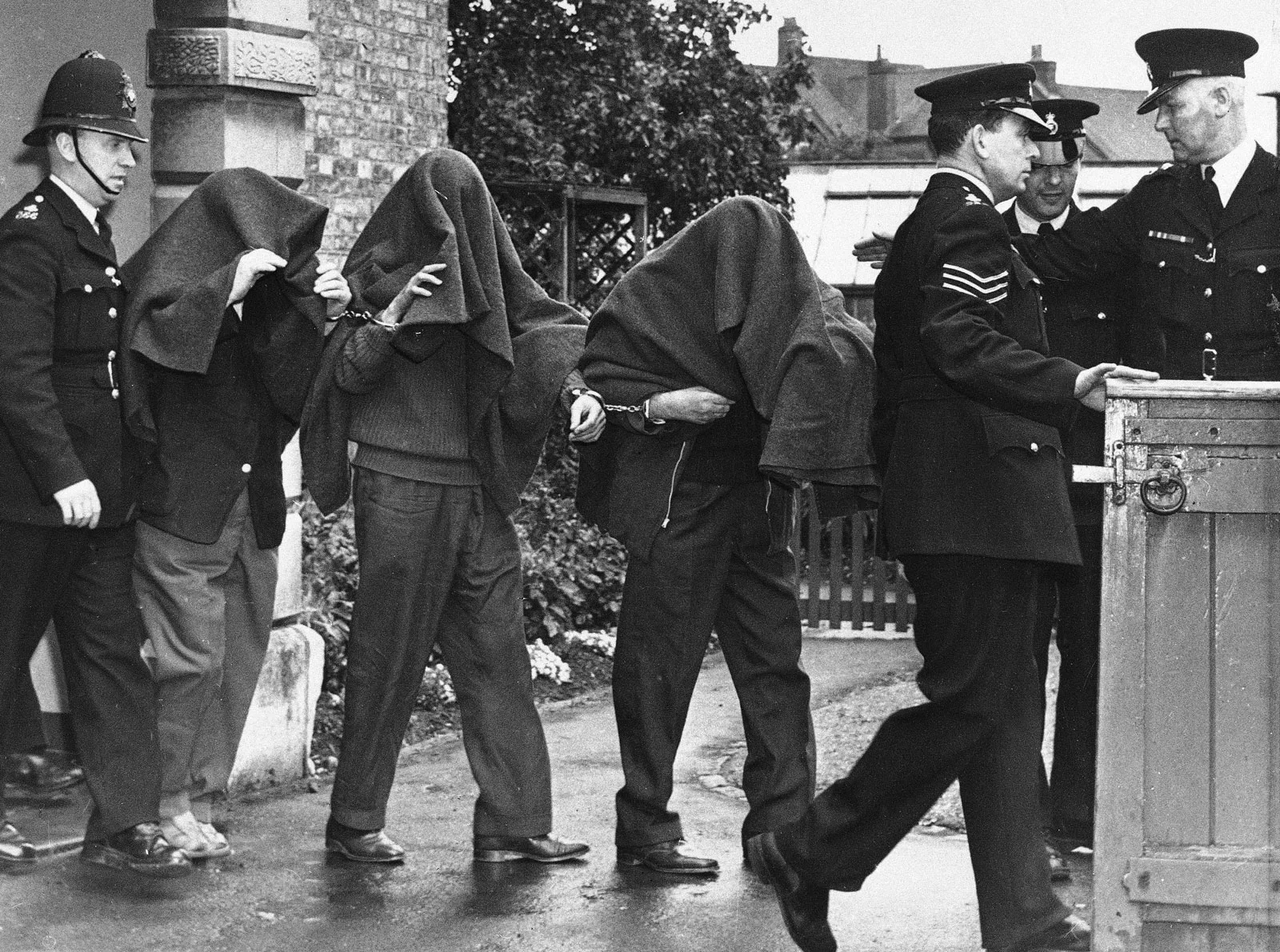
The gang’s near-perfect planning and later downfall turned the robbery into one of Britain’s most notorious crimes. Some members spent decades in prison, while others fled abroad and became cult figures.
4. The Gardner Museum Robbery (1990)
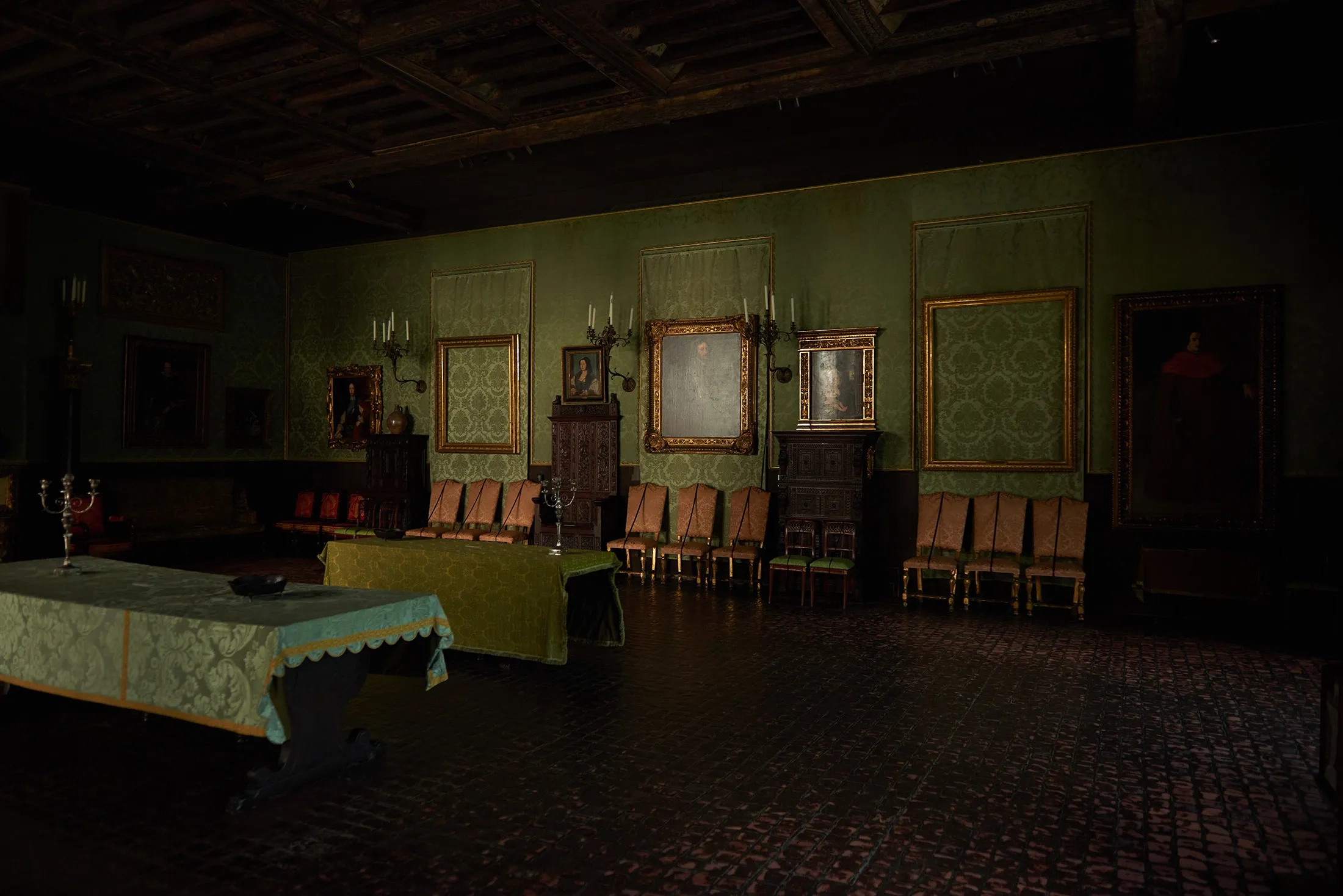
Two men disguised as police officers entered Boston’s Gardner Museum, convincing guards they were responding to a call. Over 81 minutes, they stole 13 artworks valued at more than $500 million, including Vermeer’s The Concert and Rembrandt’s The Storm on the Sea of Galilee. None of the works has been recovered, and the museum still displays the empty frames as reminders of the loss.
5. The Antwerp Diamond Heist (2003)

In what became known as the “heist of the century,” a group led by Italian thief Leonardo Notarbartolo bypassed multiple layers of security to steal more than $100 million worth of diamonds from a vault in Antwerp, Belgium.
They were eventually caught after investigators found DNA on a discarded sandwich near the scene, but the diamonds themselves were never recovered.
6. The Hatton Garden Safe Deposit Robbery (2015)
Over the Easter weekend, a group of elderly thieves broke into a London vault and stole an estimated £14 million in cash and jewels. The men, all in their sixties and seventies, drilled through a concrete wall to access the safety deposit boxes.

Their age and meticulous planning fascinated the public, though most were later arrested. The case became one of the most talked-about modern heists in Britain.
7. The Nazi Looting of Europe (1939–1945)
During World War II, Nazi forces carried out one of the largest cultural thefts in history, seizing artworks and valuables from across occupied Europe. The Louvre’s director Jacques Jaujard acted quickly to protect the museum’s treasures, secretly evacuating over 1,800 crates of art before German troops arrived.
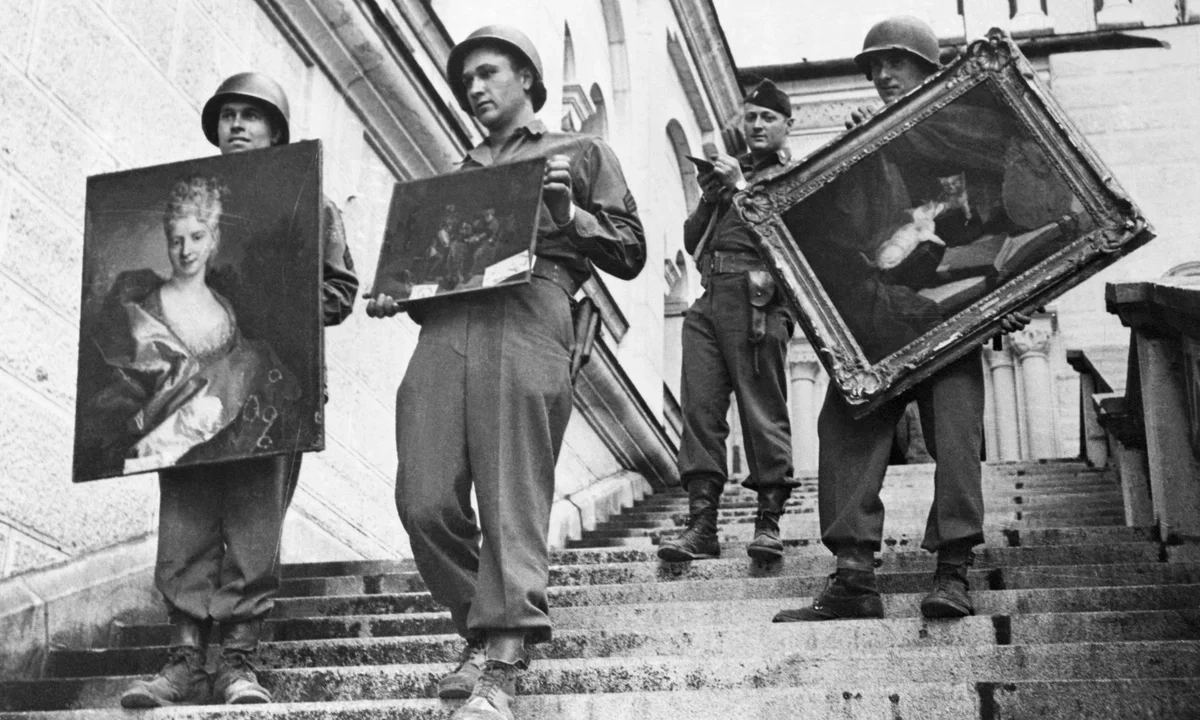
Although much of the Louvre’s collection survived, countless private artworks were never returned to their owners. The recovery of these looted pieces continues today.
The latest Louvre heist fits within a pattern of fascination and loss. Throughout history, the theft of cultural treasures has challenged not only the boundaries of law enforcement but the meaning of ownership itself.
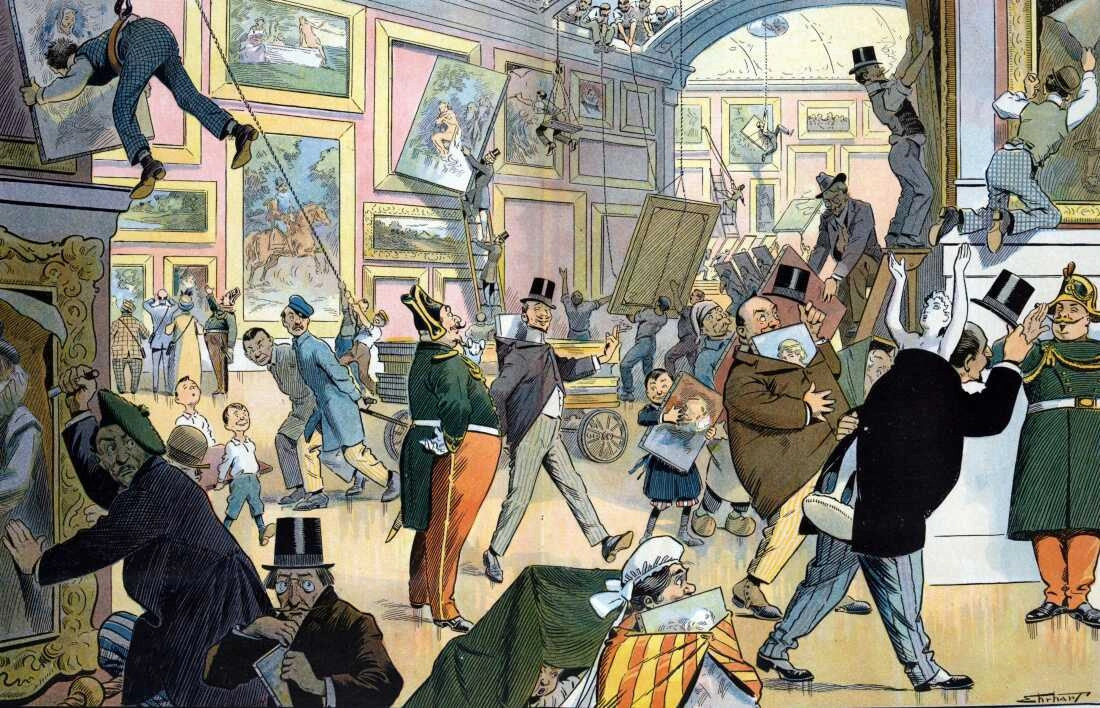
Whether the stolen jewels reappear or vanish into private hands, they have already entered another kind of collection: the world’s ongoing archive of what we can lose, and the lengths to which some will go to take it.
Frequently Asked Questions
Thieves stole nine priceless jewels, including necklaces, earrings, and tiaras that once belonged to Empress Eugénie, Queen Marie-Amélie, and Napoleon’s second wife, Marie-Louise. One tiara was later found broken at the scene.
The thieves used power tools and a truck-mounted crane to enter the Apollon Gallery through a window, completing the heist in just seven minutes.
Yes, the museum has a long history of theft, including the 1911 Mona Lisa theft, the 1976 disappearance of a jeweled sword, and the 1983 theft of Renaissance armor that was only recovered in 2021.
The stolen pieces belonged to French royalty, including Empress Eugénie, Queen Marie-Amélie, Queen Hortense, and Empress Marie-Louise, many of whom played influential roles in fashion and court life.
Experts suggest the jewels could either be sold to private collectors or broken up for their stones and metals, making recovery difficult but not impossible, as past stolen items have sometimes resurfaced decades later.
Photos courtesy Universal History Archive

Recommended Video