How Weary Studios Uses Clothing as a Canvas For Authenticity
With roots in painting and drawing, Mark Taojo of Weary Studios designs clothes for unapologetic self-expression




How did visual artist Mark Taojo create Weary Studios?
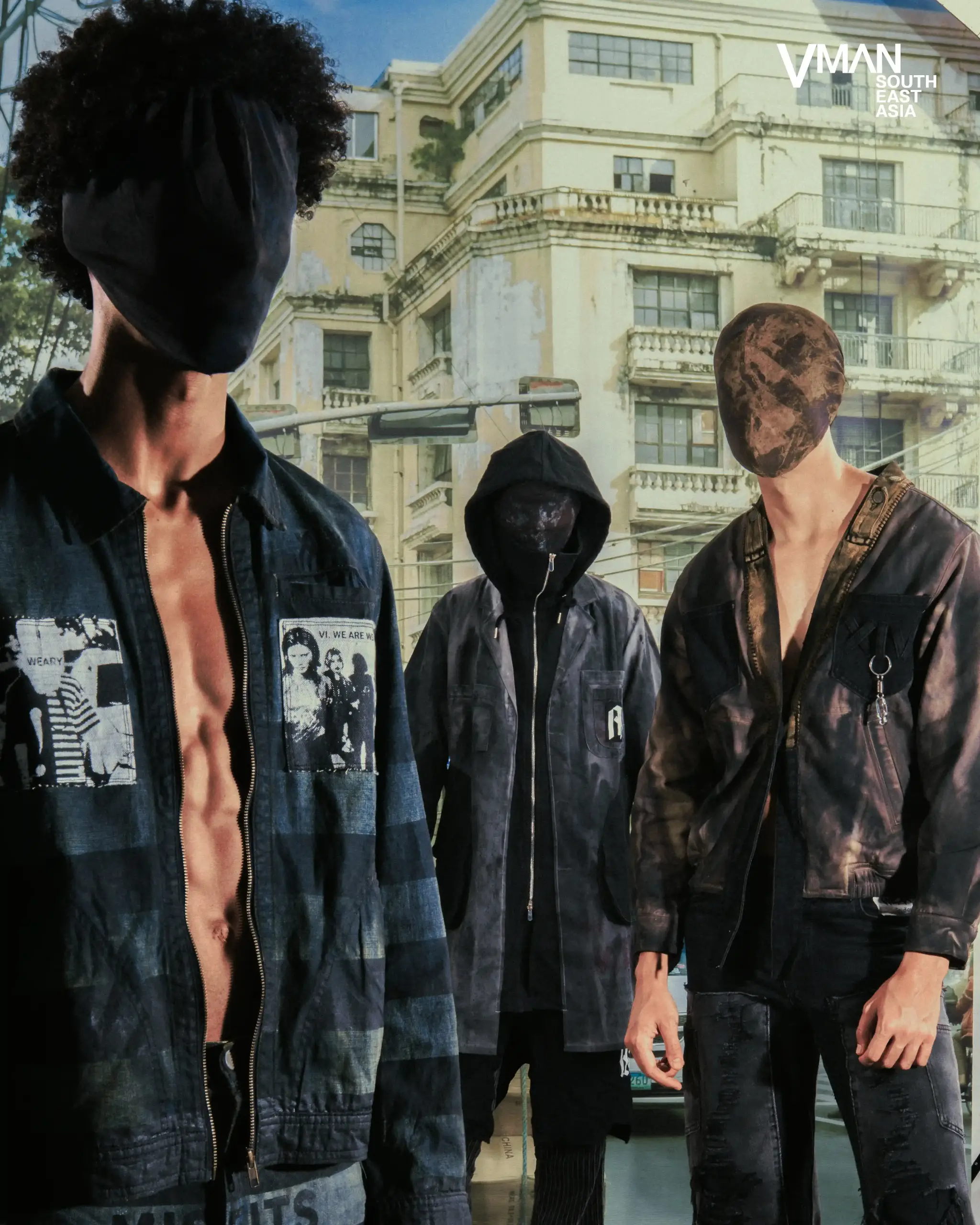
Designer and visual artist Mark Taojo is carving a niche for himself in the Philippines’ evolving streetwear scene. The creative mind behind Weary Studios, Mark takes pride in experimentation and unapologetic self-expression, as seen through his designs and artwork.
Mark’s artistic roots trace back to painting and drawing. While he moved from Davao to Manila to work with a gallery, he found himself experimenting with garments and selling pre-loved clothes on the side. These set the foundations for what would become Weary Studios.
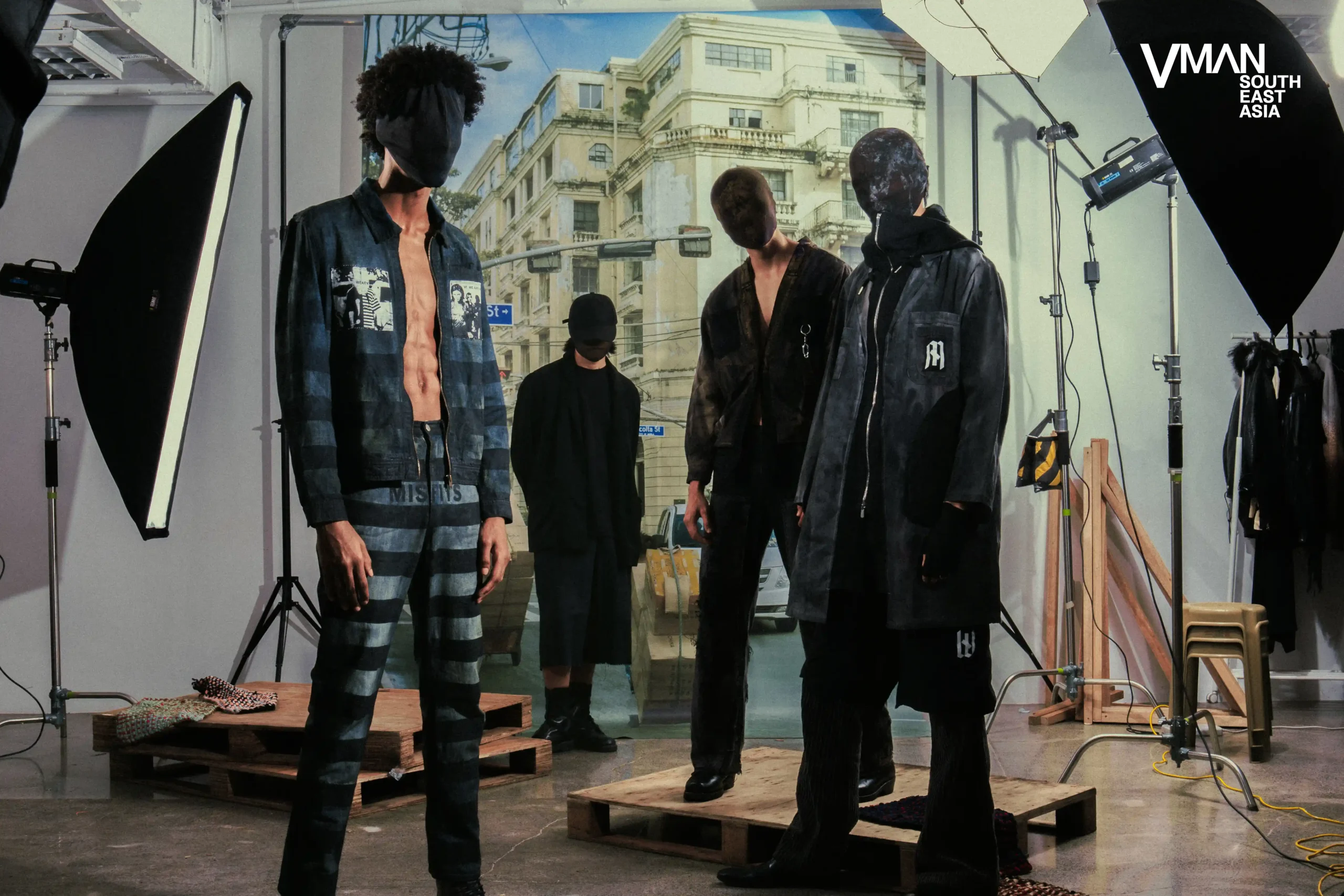
“Back then, I was just focused on painting and drawing every day, since galleries here always held monthly shows,” Mark says. “Eventually, I met people in the underground and hip-hop scene that got me curious about fashionFashionThe art and industry of designing, producing, and styling clothing, footwear, accessories, and beauty trends. It reflects cultural influences, personal expression, and evolving styles across seasons and markets.Go to Fashion Glossary. I started by experimenting with my personal style: all-black, different silhouettes, among others. Then, whenever I had time, I would design my own clothes or deconstruct existing pieces.” He cites avant-garde event photographer, content creator, and events producer Hyperaktib as one of his key inspirations.
Mark’s creative practice heavily informs the way he designs pieces for the brand. “Most of what I paint are self-portraits, and I also try to do that with my clothes. I make the concepts a bit more general so that others can relate, but the words, the visuals—they all tell my story.”
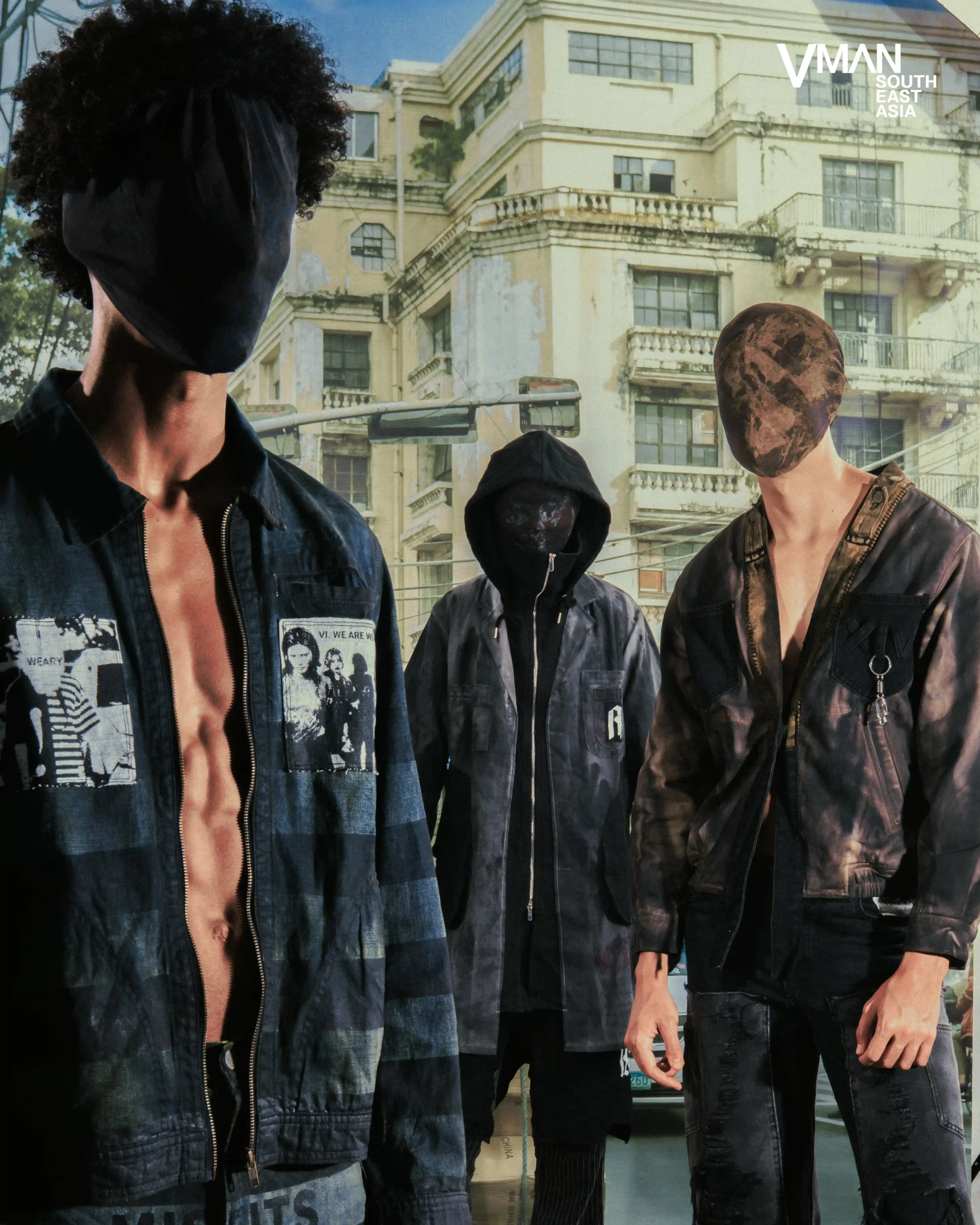
Operating as a home-based label, Weary Studios stands out by specializing in limited-run, one-of-a-kind pieces. “I mostly focus on one-of-one pieces; I don’t make big batches or fast fashion,” Mark says. Each design is unique — a wearable self-portrait echoing his artistic roots.
Mark also draws inspiration from the rising vintage community in Southeast Asia, especially Thailand, where vintage pieces can hold immense cultural and monetary value. He scours thrift stores and online markets, repurposing and reworking found garments to breathe new life into them—either for himself or for the brand.
He shares that Weary Studios’ name has straightforward and cheeky origins: “weary” has the word “wear” in it, which alludes to the clothes; the full adjective itself, a friend of Mark used to describe the Davaoeño designer’s demeanor. “Studios” was finally added upon recommendation by another friend, who got Mark interested in the business of selling vintage.
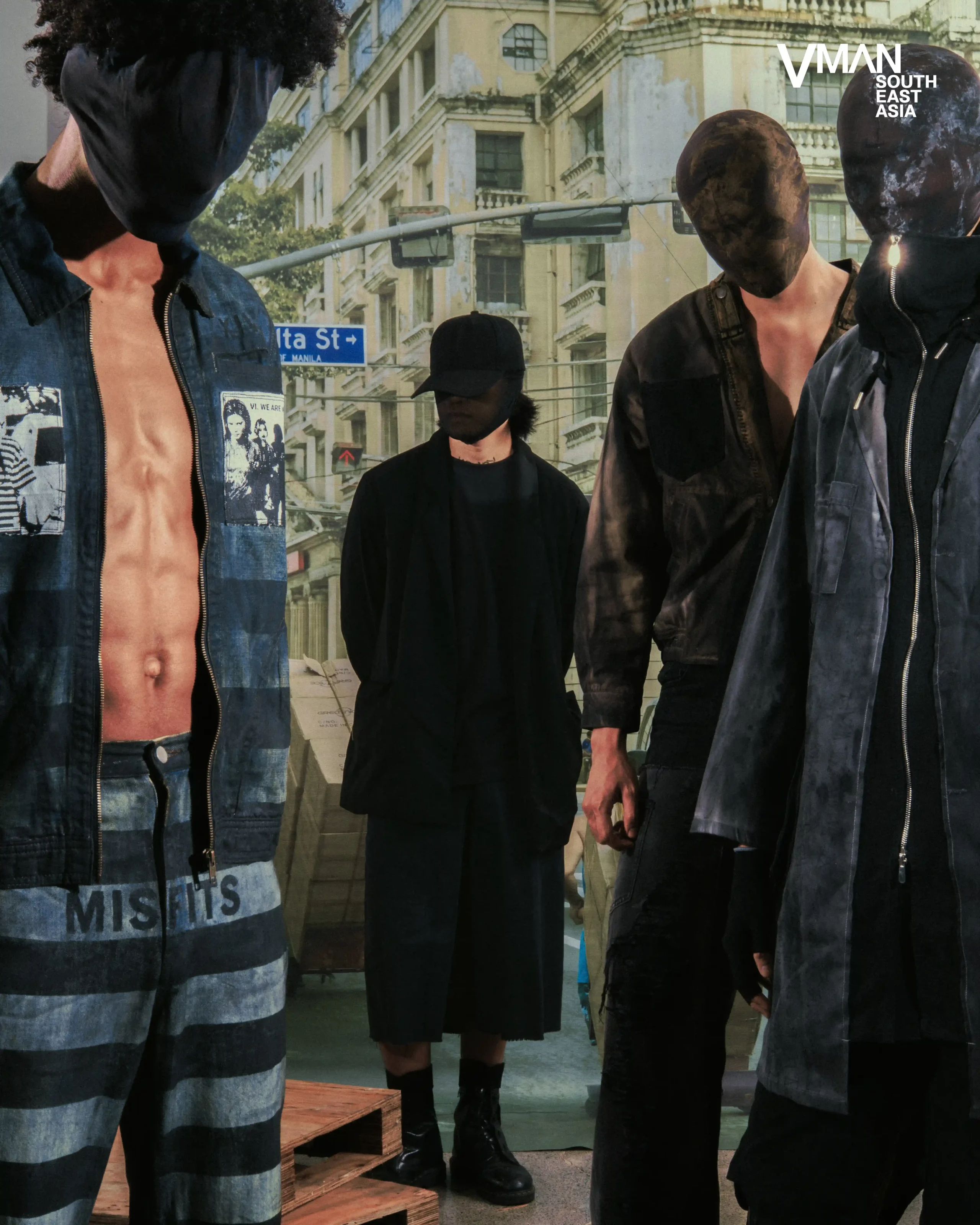
For Mark, streetwear is all about functionality, silhouette, and storytelling. “Streetwear means clothes you can easily wear and style every day,” he says. His aesthetic leans toward oversized, deconstructed pieces that challenge traditional structures.
Amid the domination of mass production and fleeting trends, Mark’s dedication to authenticity stands as his proudest achievement. “Authenticity is something I will never compromise,” he states firmly. His goal is to remain hands-on, focusing on every detail to ensure his creations tell his genuine story.
Chief of Editorial Content Patrick Ty
Photography Joseph Bermudez
Art direction Mike Miguel
FashionFashionThe art and industry of designing, producing, and styling clothing, footwear, accessories, and beauty trends. It reflects cultural influences, personal expression, and evolving styles across seasons and markets.Go to Fashion Glossary Corven Uy
FashionFashionThe art and industry of designing, producing, and styling clothing, footwear, accessories, and beauty trends. It reflects cultural influences, personal expression, and evolving styles across seasons and markets.Go to Fashion Glossary editor Rex Atienza
Words Angelo Dionora
Grooming and hair Jean Anganangan, Crish Marfil, Patricia Marcaida, and Dhanver Serrano (Nix Institute of Beauty)
Models Noel Hein, Christian Bootle, and Nubi Osman
Production design Studio Tatin
Production Francis Vicente
Lighting Direction Rojan Maguyon
Frequently Asked Questions
Weary Studios is an independent, home-based clothing label in the Philippines known for its limited-run, one-of-one garment designs that emphasize artistic expression and authenticity.
Weary Studios was founded by Mark Taojo, a Filipino visual artist and designer who transitioned from gallery painting and drawing into underground fashion experimentation.
The name Weary Studios blends the word “wear” with a description of founder Mark Taojo’s personal demeanor, finalized with advice from vintage fashion community peers.
The Weary Studios aesthetic centers on oversized, deconstructed silhouettes, heavily relying on repurposed thrift garments, vintage Southeast Asian subcultures, and functional daily wearability.
Weary Studios approaches sustainability by intentionally rejecting fast fashion and mass production, focusing instead on hand-crafted, upcycled, and unique wearable art pieces.
Recommended Video