How reality TV continues to define generations of Filipinos
Philippine pop culture was never the same after the early 2000s, when reality TV started rising in popularity




Unexpected collaborations
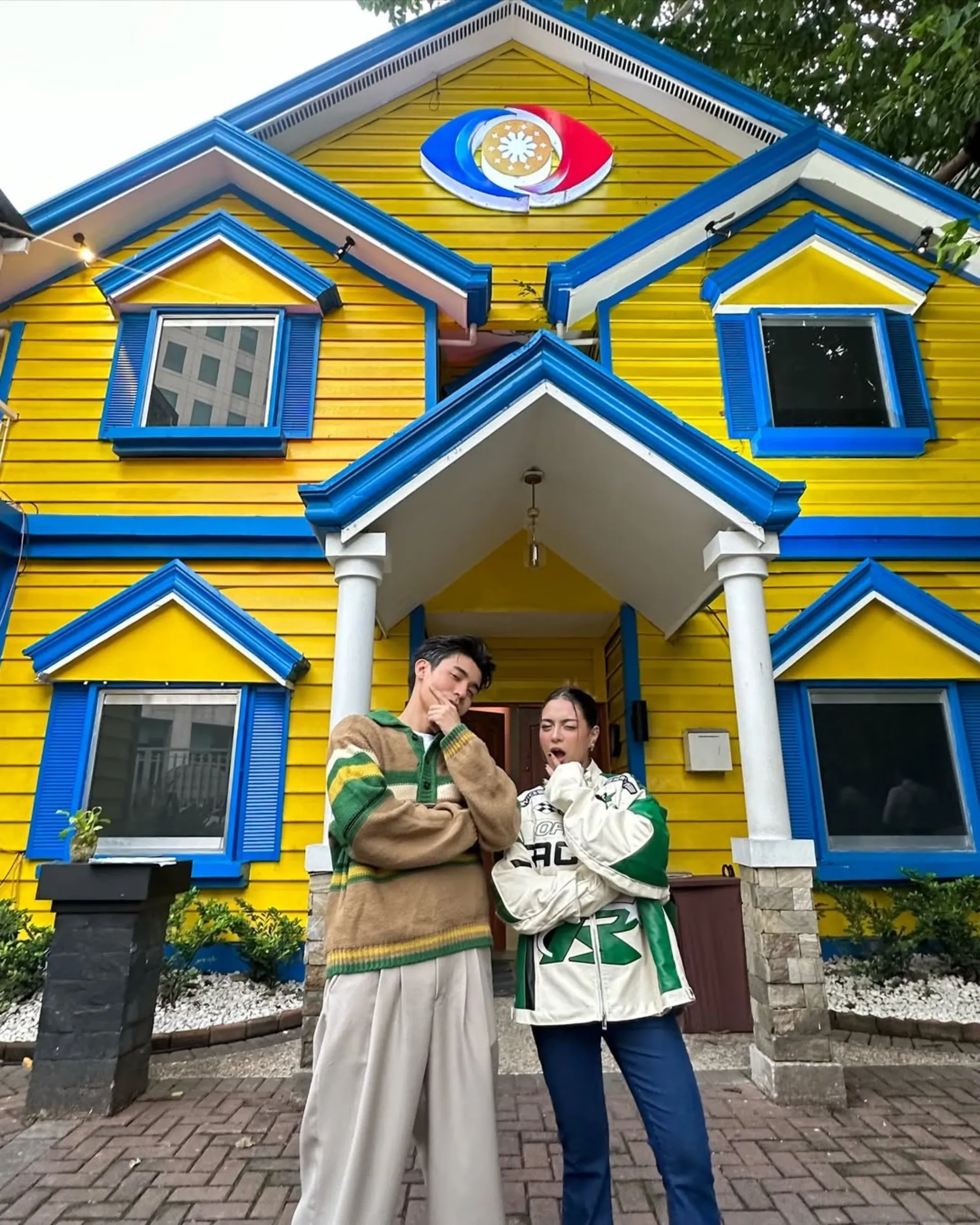
The recently-concluded season of Pinoy Big Brother (PBB): Celebrity Collab Edition was a cultural milestone and reset in more ways than one—at least, in the context of Philippine television.
Standing out the most was the ‘collab’ aspect of the show: for the first time, two broadcast networks in the country set aside their rivalry, sending ten talents each to live in the Big Brother house. Pairs were set cross-network—a mix of actors, singers, models, and content creators—and the show crowned a ‘duo’ winner instead of just one person.
More than the pairings, the show also broadcasted on multiple networks and platforms, further broadening its reach and accessibility. Over 119 days, the longest non-regular season of PBB, a greater audience witnessed the diverse narratives of a group whose mix was previously unheard of, prompting innumerable engagement and discussions across X, Reddit, TikTok, and more.
The impact of the recent season, as well as the cultural behaviors that it espoused with the current generation, recalls a similar effect that reality TV brought to the Philippines back in the early 2000s. Two shows come to mind: StarStruck, the first major talent search show in the country, and the debut of the first Big Brother season.
The shows were launched only two years apart: StarStruck in 2003, PBB in 2005. Both gave platforms for people to rise, be known, and be heard, albeit in different ways: while StarStruck sought for the next big names in entertainment, PBB signal-boosted the stories of ordinary Filipinos on a bigger platform. While the former was aspirational, the latter focused on the relational aspect of public figures.
In terms of audience behavior and impact, the two programs made good use of the dominant communication tool at the time: the cellphone and text messaging. Viewers had the power to vote and save their favorites by sending certain keywords to pre-assigned numbers, giving the masses a sense of collective power and participation.
While it may seem trivial now, social media and mobile internet weren’t around yet: it was quite the social practice and memorable moment, rushing to nearby stores to buy or subscribe to text messaging promos, just so that one can send as many votes for their idols. Then, families and friends would crowd in front of the television on nights when results would be announced. For many Filipinos, it defined many dinnertime conversations and bonding moments.
The shows also gave us many pop culture moments, many of which are still referenced to this day. StarStruck’s ‘Dream. Believe. Survive’ tagline lives rent-free in the minds of early-2000s Filipinos, while the original song of PBB’s debut season, Pinoy Ako, became an anthem of Filipino pride and a cultural touchpoint. The track continues to be used in several iterations to this day.
Several reality shows followed suit, both homegrown and localized versions of international programs like Got Talent, Survivor, and more. However, it’s safe to say that PBB and StarStruck set the precedent for how reality TV would thrive and define Philippine audiences moving forward.
Much has changed since—talent discovery shows still exist, and PBB still appeals to those who value emotional vulnerability, but these are things that social media has greatly affected, too. Virality has given rise to celebrities, and vulnerability is as simple as going on Instagram Live.
Hence, the cultural reset that the most recent season of PBB espoused is nothing short of astounding. In an era where reality TV almost seemingly got overshadowed by ‘reality’ as seen through social media, the show’s renewed format and co-opting of digital platforms, on top of the cross-network tactic, breathed new life into the program.
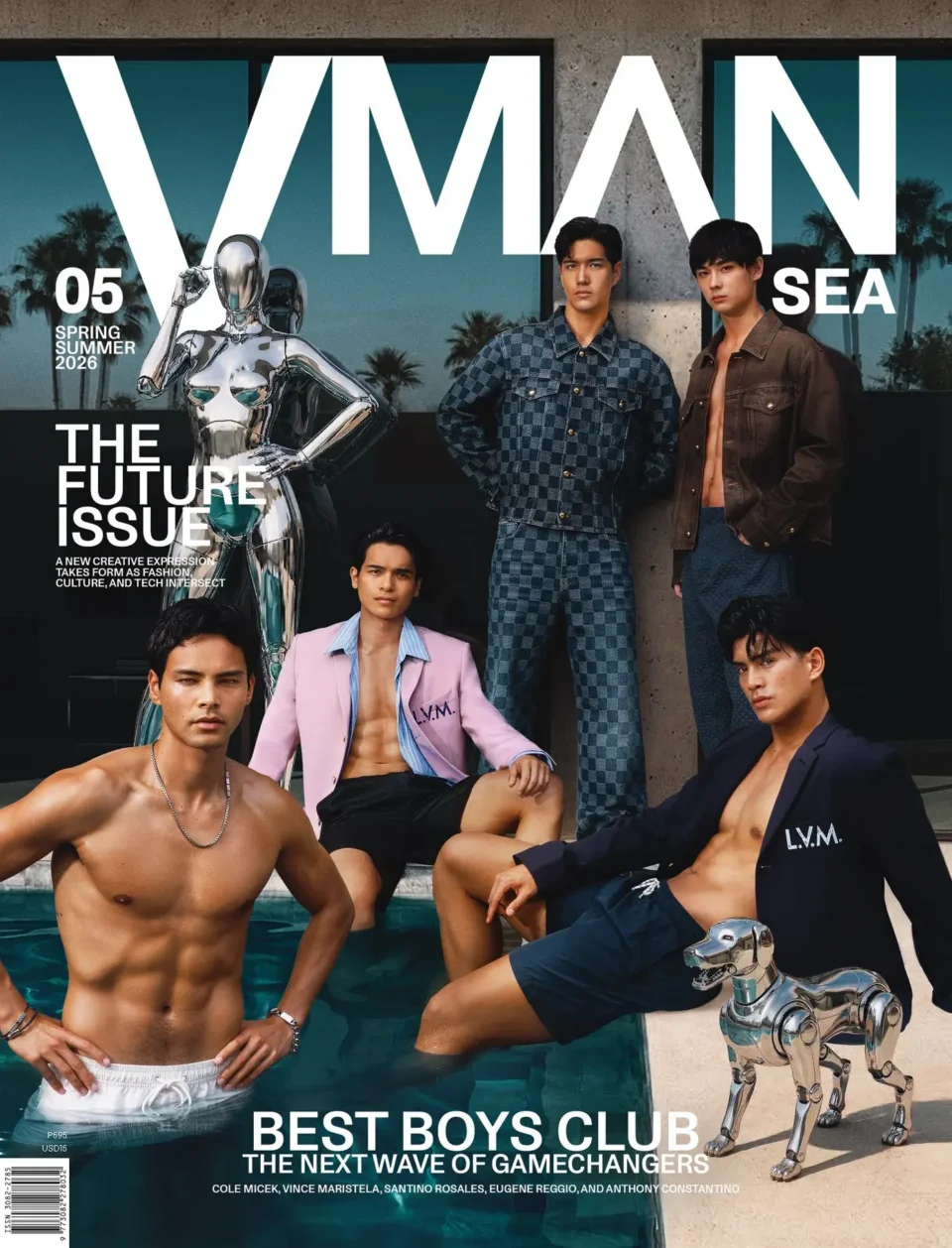
And not to mention, it gave rise to new names that Philippine, Southeast Asian, and even global audiences should look out for—just like our nine cover stars that are gracing the Television Digital Issue of VMAN Southeast Asia.
Photo courtesy Instagram/Brent Manalo
Recommended Video