
Why Flip Phones Are Set for a Comeback: A Timeline That Shaped Generations of Tech
With nostalgia dominating pop culture, flip phones are making a comeback, proving a design once deemed obsolete still has a place in today’s smartphone world





The comeback of the past
Technology has a habit of looping back on itself. Devices once considered outdated often find new life when design, innovation, and cultural shifts align again.
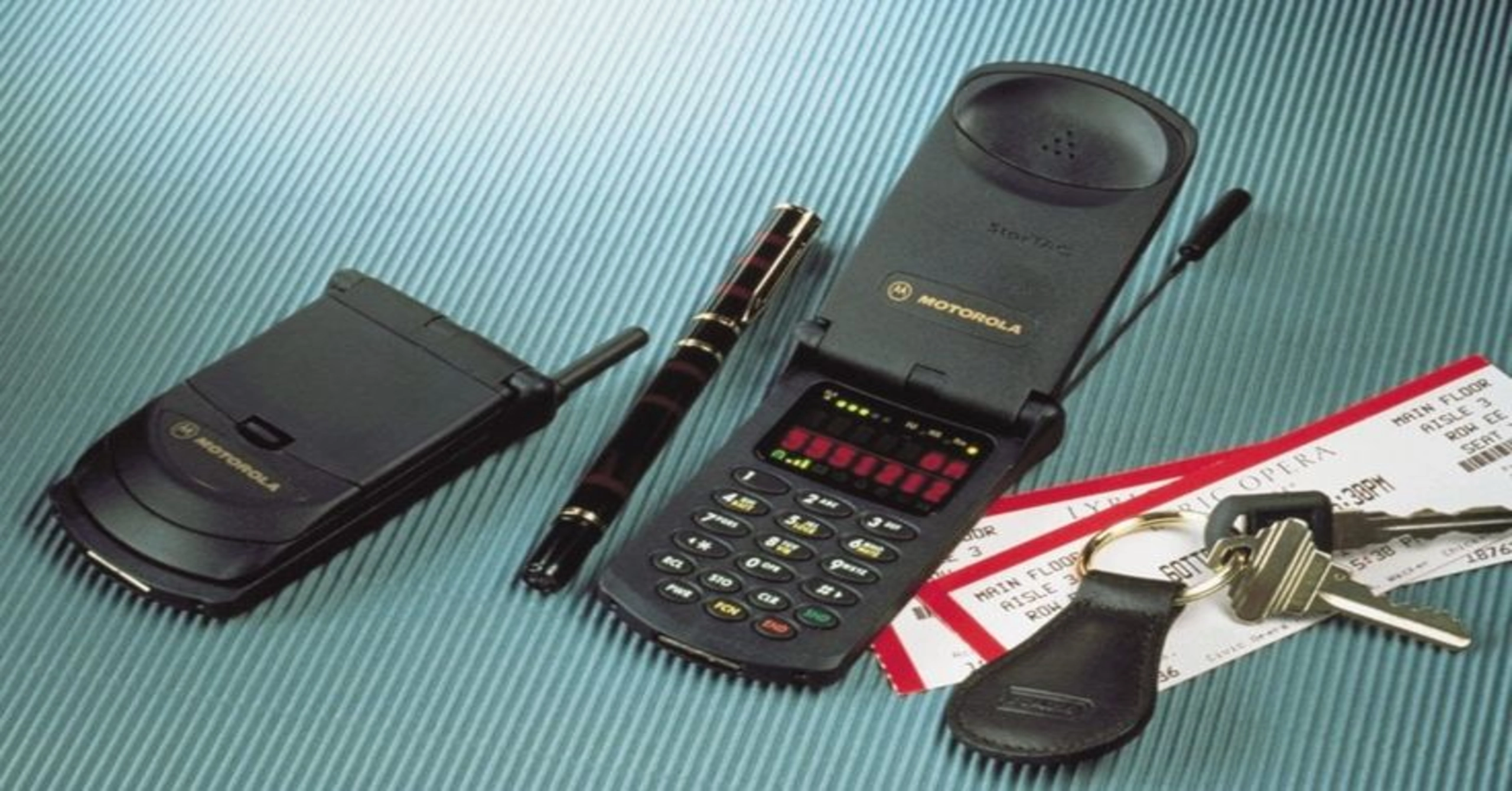
In the early days of mobile phones, compact form and mechanical ingenuity were central to design. Flip phones stood out for their clamshell build and combined portability with a sense of futuristic appeal.
Flip phones are no longer relics of the past. Today’s versions incorporate flexible displays, faster processors, and advanced features tailored to modern use, proving the format still has room to evolve.
Sparking a revolution
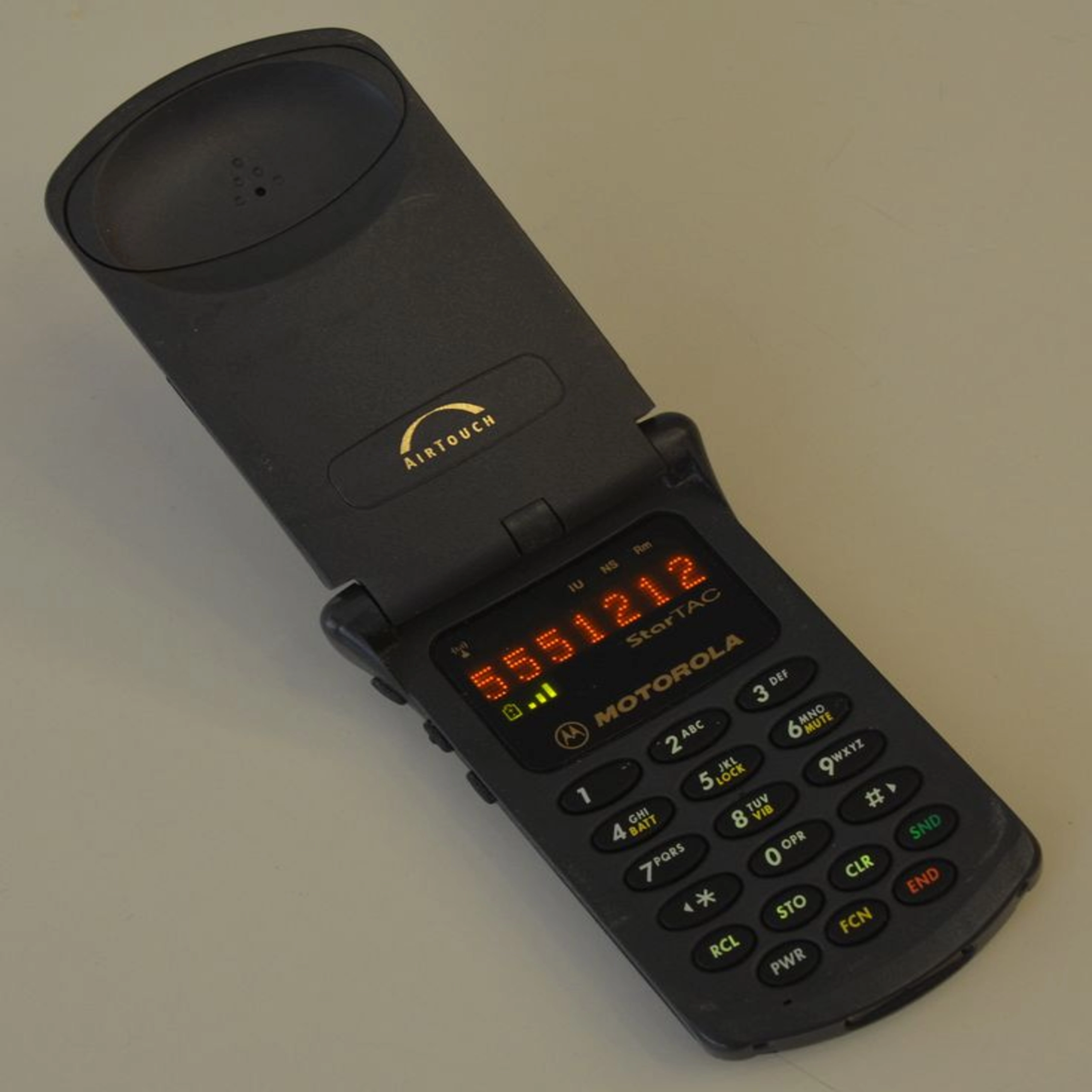
The 1990s marked a turning point as mobile technology became more accessible to everyday consumers. Motorola’s StarTAC, released in 1996, is widely recognized as the first true flip phone and redefined convenience at the time. Lightweight and remarkably small for its era, it set a new standard for mobile design. Early models could only receive text messages, with full SMS functionality arriving in later iterations.
By the late 1990s, competition emerged as Nokia introduced its own flip phone models with expanded features. However, it was in the early 2000s that flip phones truly dominated the market. Devices like Samsung’s SPH-M100, which featured a built-in MP3 player, and Sony Ericsson’s music and gaming-focused phones became cultural staples.
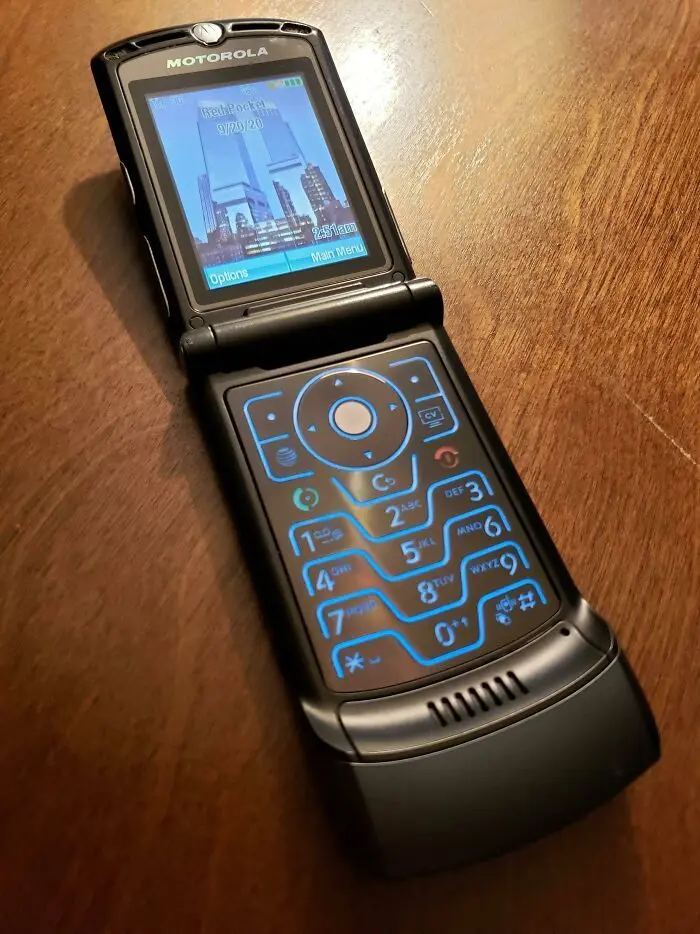
Motorola sustained its influence with the release of the Razr in 2004. Ultra-slim and visually striking, it introduced style with usability at a time when 2G networks were improving call quality and text messaging speeds. The Razr became one of the most iconic phones of its generation.
Smartphones steal the spotlight
Ironically, the Razr era also marked the beginning of the decline for flip phones. The launch of the iPhone in 2007 and Samsung’s first Galaxy device in 2009 shifted consumer demand toward touchscreen smartphones. By the 2010s, most major manufacturers had phased out flip phone production entirely.
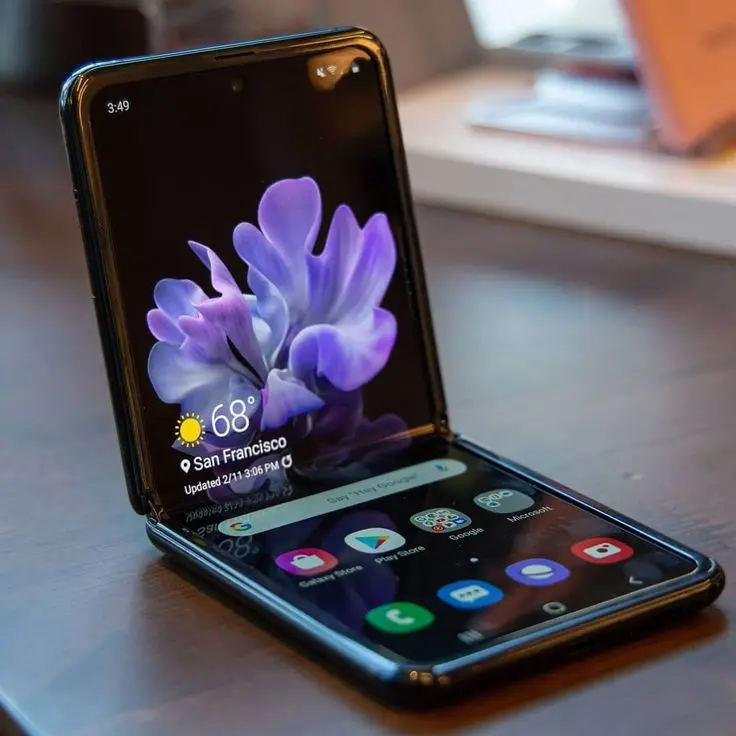
A comeback began in 2020, driven by nostalgia and a growing interest among Gen Z in simpler devices, when Samsung introduced the Galaxy Z Flip. Featuring a flexible AMOLED touchscreen and 5G support, it reimagined the flip phone for the smartphone era.
As foldable phones attract renewed interest, Apple is expected to release its first creaseless foldable device in late 2026. Analysts and fans are watching to see if flip phones will return to pop culture or become a lifestyle and fashionFashionThe art and industry of designing, producing, and styling clothing, footwear, accessories, and beauty trends. It reflects cultural influences, personal expression, and evolving styles across seasons and markets.Go to Fashion Glossary statement for the future generation.
Frequently Asked Questions
Flip phones are experiencing a clear revival. Samsung’s Galaxy Z Flip, introduced in 2020 with a flexible AMOLED display and 5G support, reestablished the form factor for the smartphone era. Apple is expected to release its first creaseless foldable device in late 2026, with analysts watching to see whether the format returns as a mainstream lifestyle and fashion statement.
The Motorola StarTAC, released in 1996, is widely recognized as the first true flip phone. Lightweight and compact by the standards of its era, it redefined mobile design by combining portability with a clamshell form that felt distinctly futuristic. It set a new benchmark for what a personal communication device could look and feel like.
The iPhone’s launch in 2007 and Samsung’s first Galaxy device in 2009 shifted consumer demand decisively toward full touchscreen smartphones. The tactile satisfaction and compact form of the flip phone could not compete with the expanded functionality of the touchscreen era, and most major manufacturers had phased out flip phone production entirely by the early 2010s.
The renewed interest combines nostalgia with a growing appetite among younger audiences for devices that feel more intentional and less all-consuming than conventional smartphones. The flip phone’s physical closure gesture — the act of ending a call by snapping the phone shut — carries a tactile satisfaction that flat glass devices don’t replicate, and its compact form reads as both retro and considered.
The original Razr, released in 2004, was defined by its ultra-slim profile and striking design at a time when 2G networks were the standard. The Galaxy Z Flip reimagines the same clamshell format with a flexible AMOLED touchscreen, 5G connectivity, and full smartphone functionality — shifting the flip phone from a communication device into a fashion and lifestyle object.

Recommended Video