Why Historical TV Shows and Movies Still Inspire Men’s Fashion Today
Period dramas have long doubled as unlikely style guides, reshaping the way men dress far beyond the screen




From screen to sidewalk
For decades, the male wardrobe has been edited not just by designers and magazines, but by the characters who inhabit another century. Period dramas, whether set in the distant or not-so-distant past, have long been a stealth pipeline for menswear trends, transmitting silhouettes, fabrics, and attitudes from the screen to the street.
Their influence is rarely acknowledged in real time. A production team designs for historical accuracy or narrative impact; the audience absorbs the look as part of the story. Yet once the credits roll, the clothes begin to take on a life of their own. Costume becomes aspiration, aspiration becomes trend.
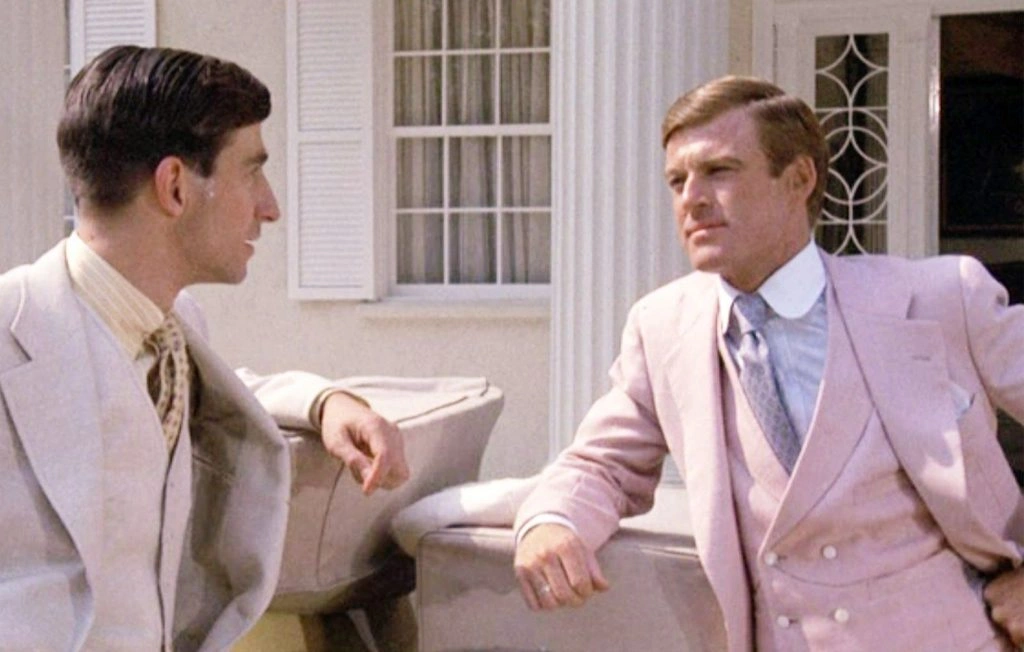
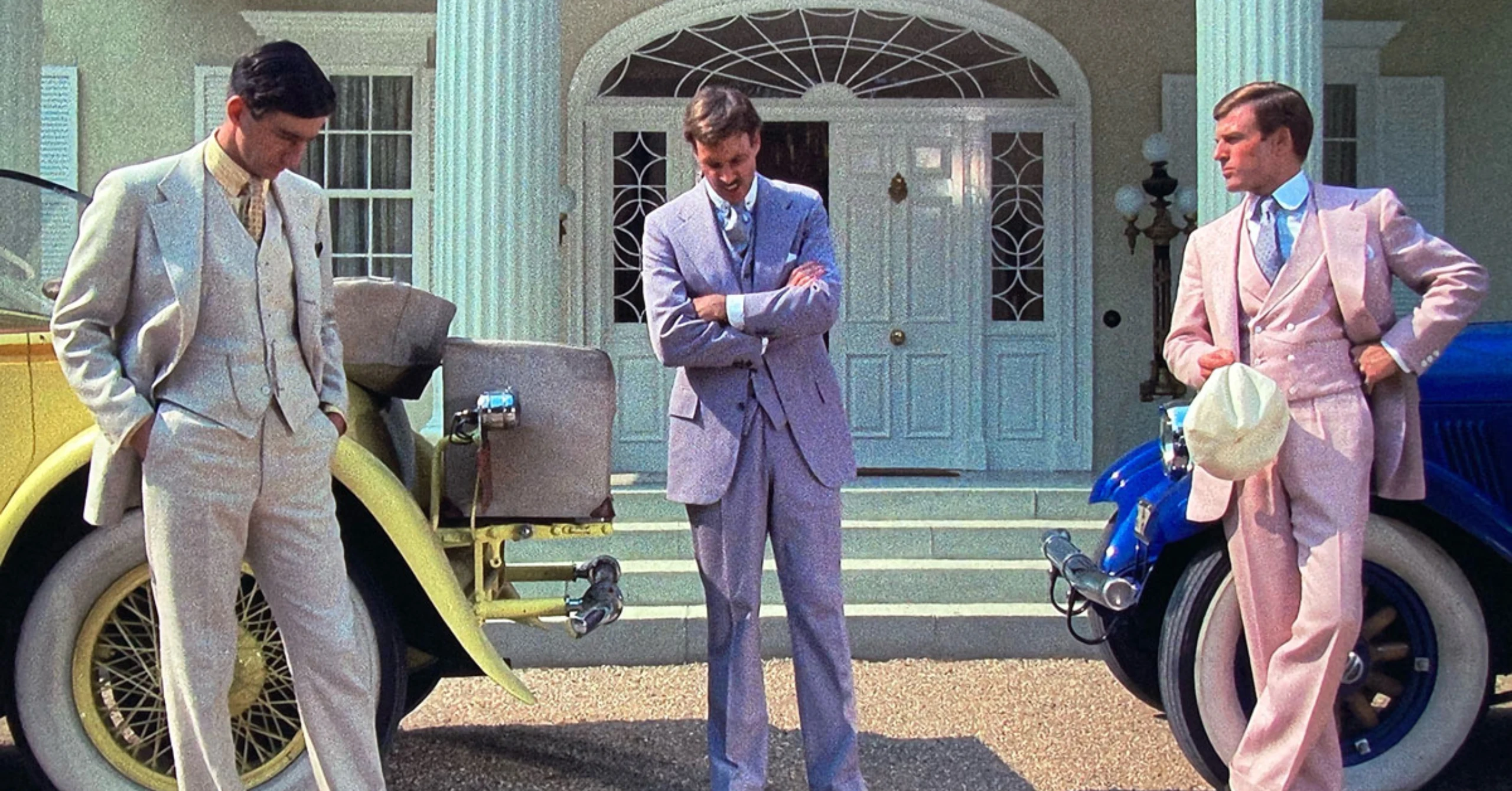
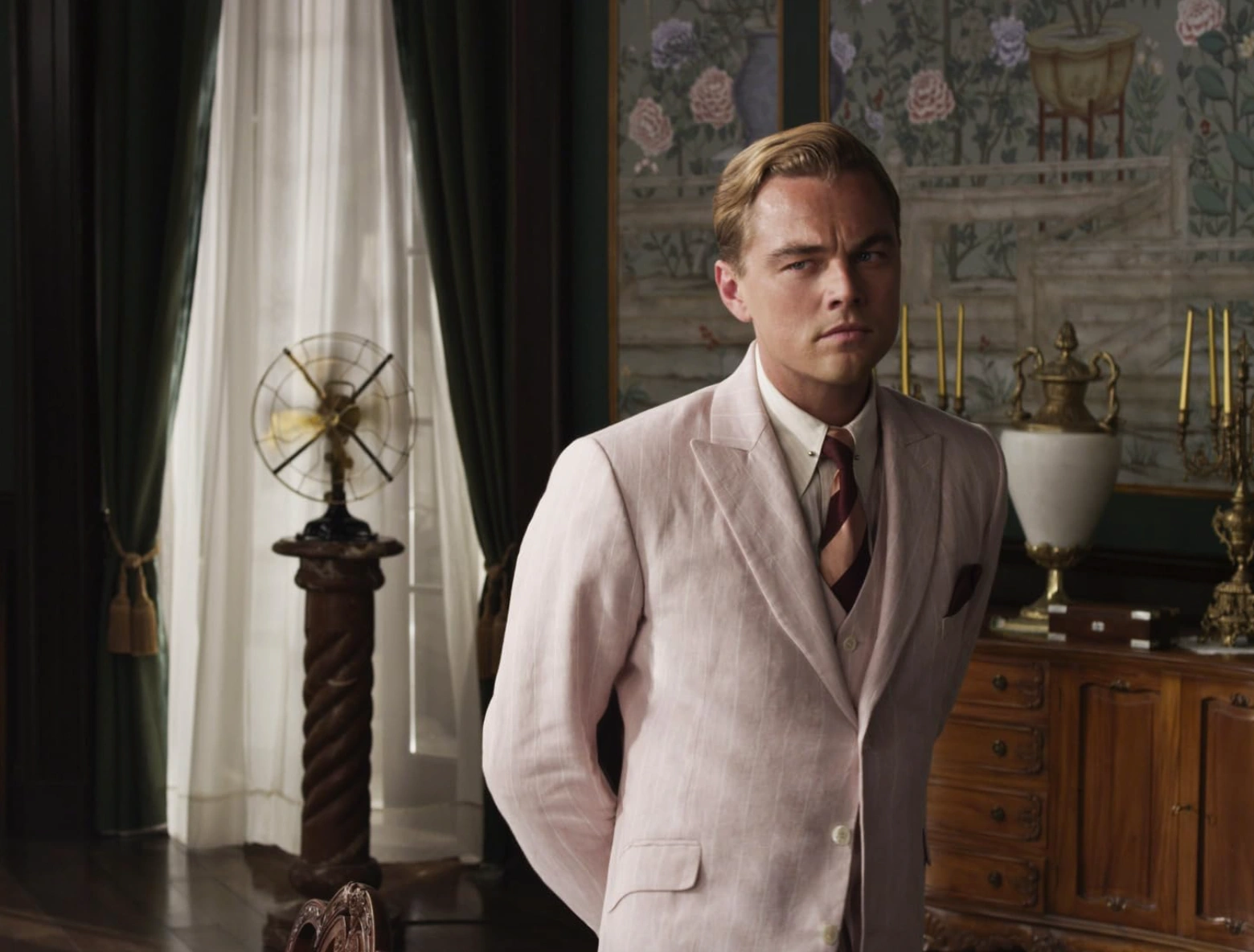
In 1967, Bonnie and Clyde reframed Depression-era tailoring, replacing the fusty museum image of double-breasted suits and felt hats with something sharper and more daring. By the end of the year, menswear retailers across the U.S. were displaying mannequins in three-piece suits and flat caps. In the 1970s, Robert Redford’s pale pink suit in The Great Gatsby became a cultural image almost as enduring as F. Scott Fitzgerald’s prose.
TV as a tailor
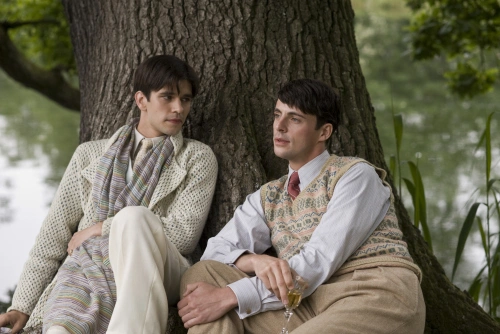
Television has been equally effective at rewriting the male dress code. Brideshead Revisited, the 1981 British miniseries, imprinted a generation with its languid Oxford style: cricket sweaters, linen blazers, and an easy elegance that made its way into department store displays within months.
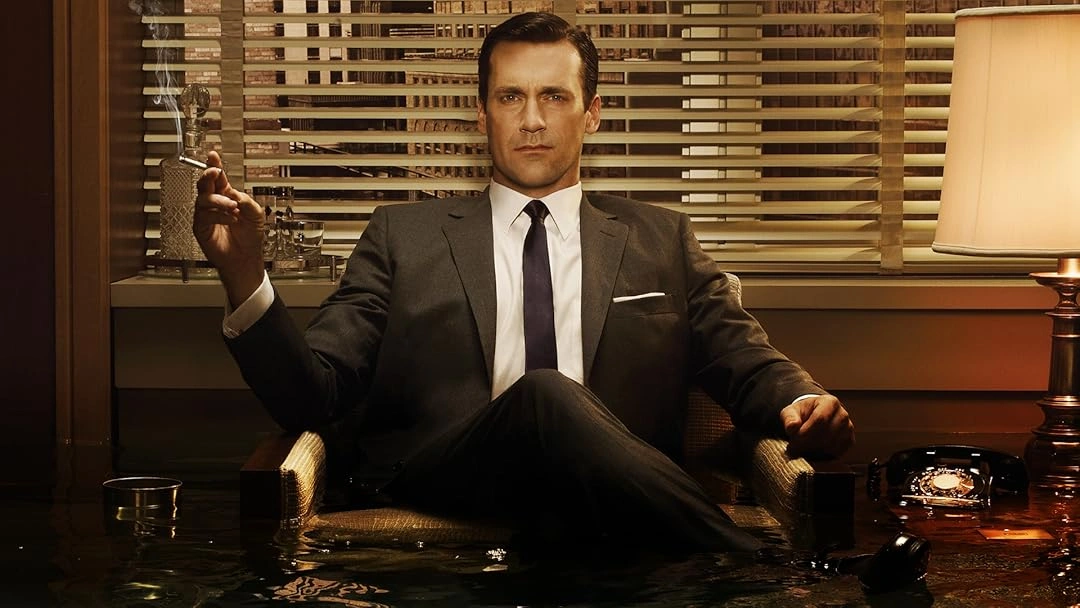
Decades later, Mad Men triggered a wholesale revival of mid-century tailoring. Narrow ties, tie bars, and slim-cut suits left the costume department and became everyday business attire. Cocktail culture followed suit, quite literally, down to the Old Fashioneds on the bar menu.
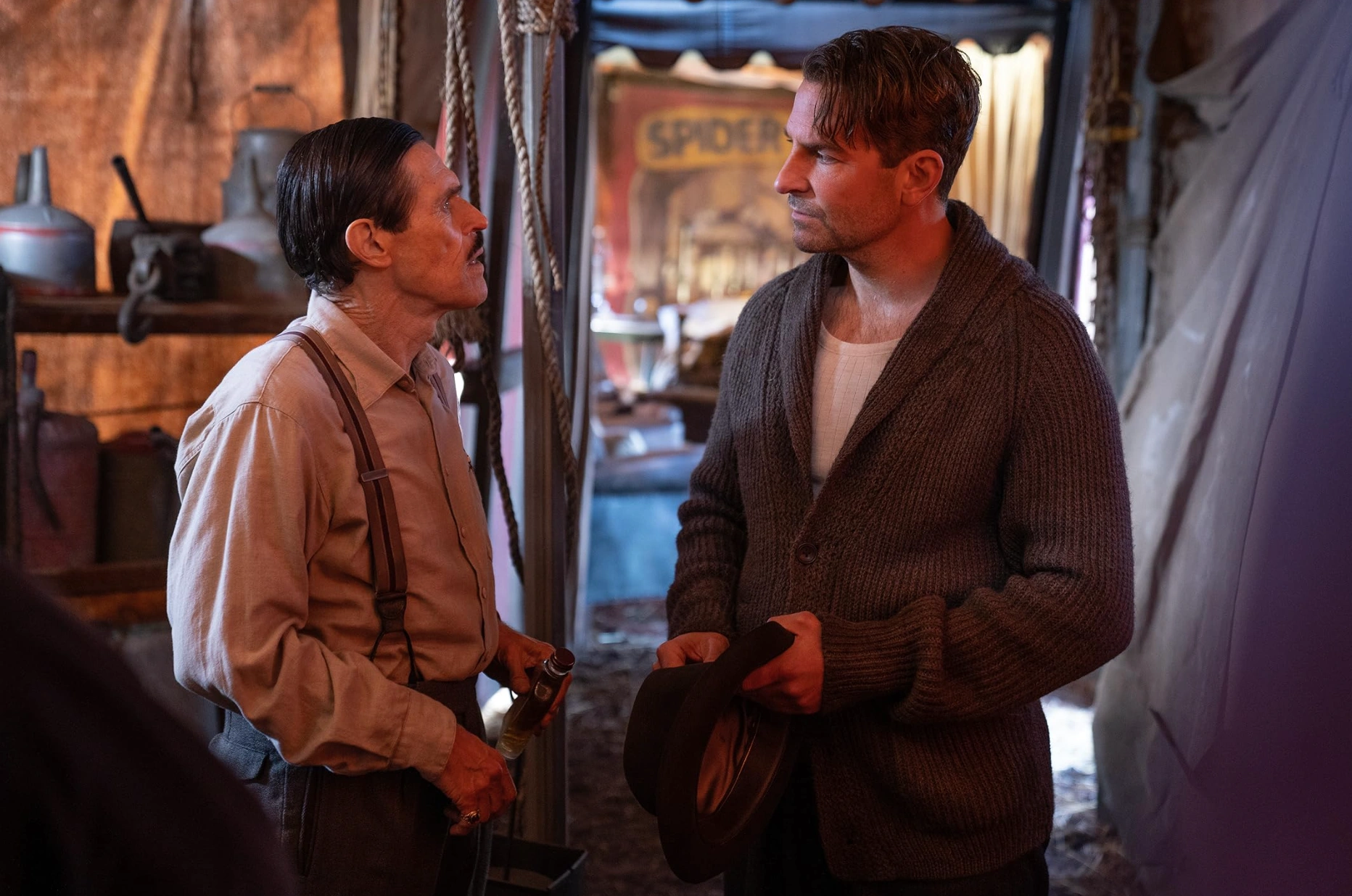
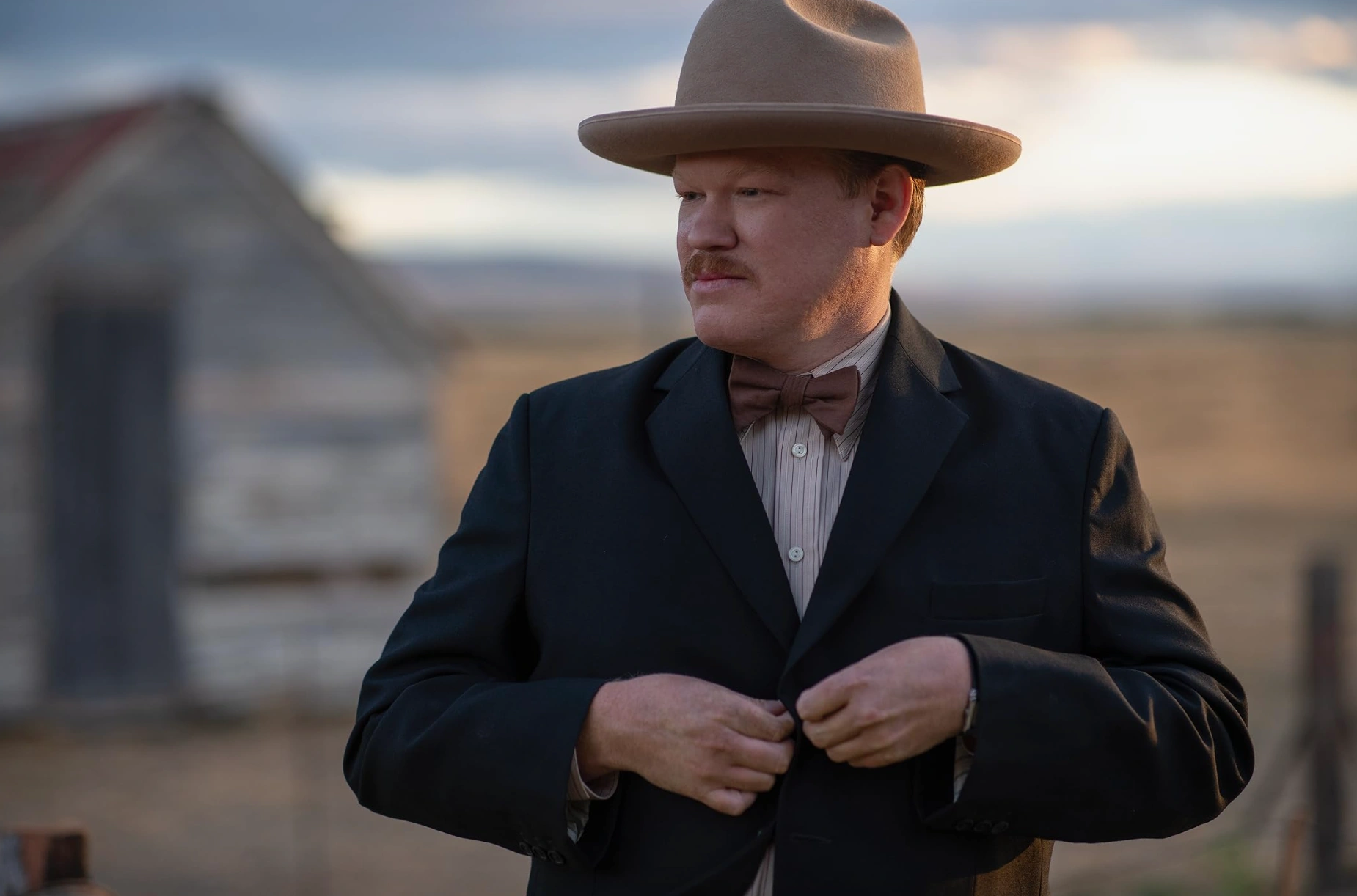
The effect is not confined to blockbusters or prestige dramas. A single garment in a single scene can resonate. A gray cardigan worn by Bradley Cooper in Nightmare Alley carried enough texture and slouch to be replicated in countless knitwear collections. Jane Campion’s The Power of the Dog reframed Western wear for the contemporary wardrobe, showing that worn-in denim and sturdy boots could transcend the genre without losing their grit. Even Peaky Blinders, set in post–World War I Birmingham, injected the flat cap and heavy overcoat back into men’s streetwear.
In on the secret
Designers have long recognized the commercial potential of this phenomenon. Ralph Lauren’s brand has built entire collections around the visual vocabulary of cinematic eras: Jazz Age eveningwear, Edwardian tweeds, Old West workwear. Brooks Brothers collaborated directly with Baz Luhrmann’s The Great Gatsby, using the opportunity to showcase its archive to a global audience.
What makes period dramas such a consistent source of inspiration is their command of narrative dressing. Clothes are embedded with information. A double-breasted coat signals authority, a loose linen suit suggests ease and worldliness, and a perfectly chosen accessory, whether a tie pin or a pair of gloves, becomes a shorthand for personality. These cues translate seamlessly into real-world wardrobes because they offer identity.
In an era of accelerated trends and disposable fashionFashionThe art and industry of designing, producing, and styling clothing, footwear, accessories, and beauty trends. It reflects cultural influences, personal expression, and evolving styles across seasons and markets.Go to Fashion Glossary, the enduring appeal of period style lies in its sense of permanence. Historical costume, whether Edwardian formalwear or mid-century workwear, is built on silhouettes and fabrics that have survived the churn of seasonal change. When these looks resurface via film and television, they bring with them the weight of history, stylized yet also time-tested.
That durability is part of the fantasy. To dress in the manner of another era is to borrow its imagined confidence and its attention to detail. Period dramas supply the wardrobe and the mood. The rest is up to the wearer.
In this way, fiction continues to infiltrate reality, quietly and elegantly, one costume at a time.
Photos courtesy IMDB
Recommended Video