These 4 Indian Menswear Brands Are Gaining Global Recognition
As Indian textiles appeared across European runways this season, a new wave of homegrown labels is redefining global menswear from within




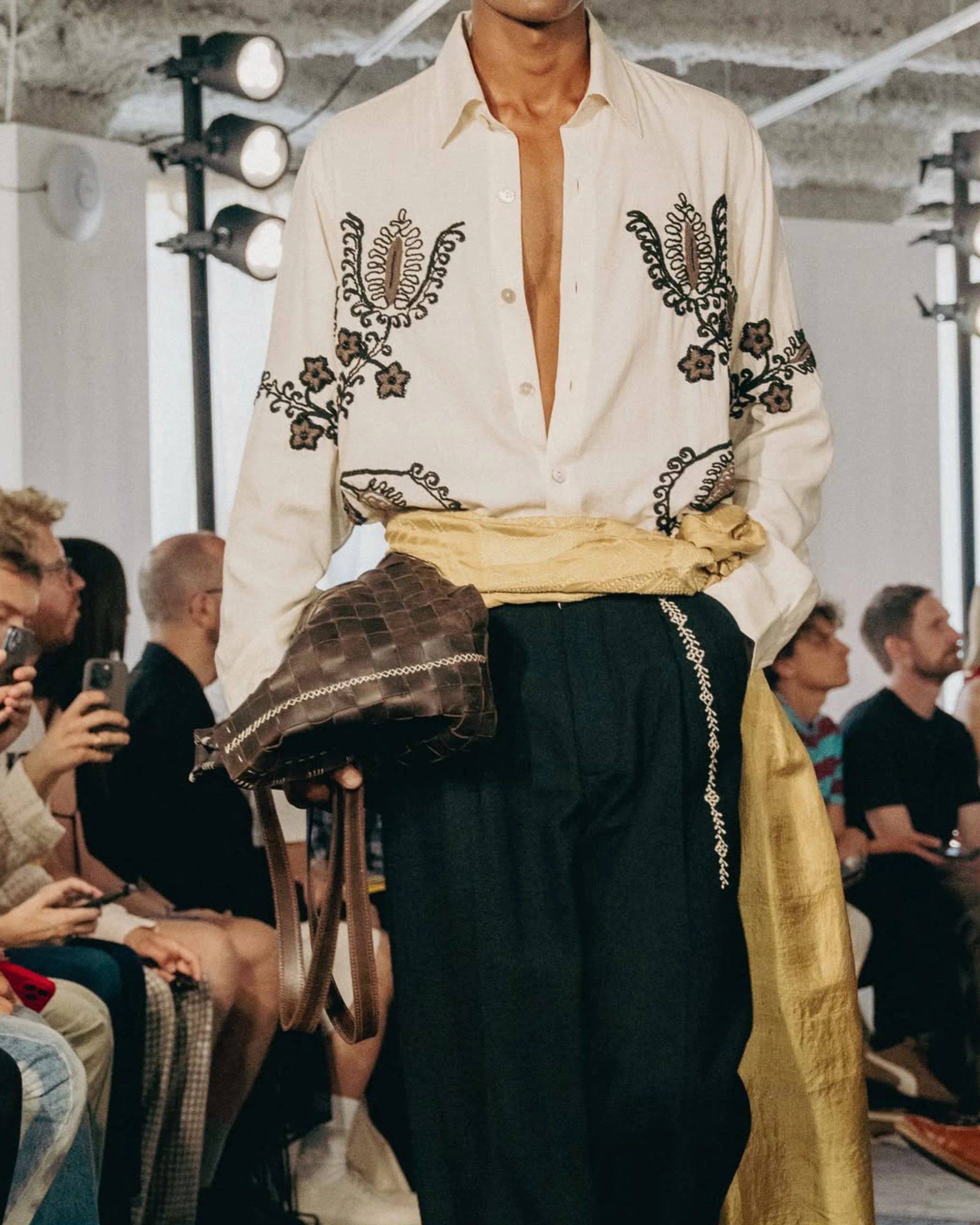
At the recent Men’s FashionFashionThe art and industry of designing, producing, and styling clothing, footwear, accessories, and beauty trends. It reflects cultural influences, personal expression, and evolving styles across seasons and markets.Go to Fashion Glossary Weeks in Paris and Milan, India was not just a point of reference. It was central to the conversation. From embroidered motifs to textiles and color palettes, designers across Europe turned to Indian craft traditions for inspiration. Yet while Western houses continue to borrow from the subcontinent’s aesthetic language, several India-based brands are now stepping onto the global stage on their own terms.
These labels are not just rooted in India. They are actively shaping a new chapter of menswear, one defined by craftsmanship, storytelling, and global relevance. Below are four standout brands driving this shift, from the runways of Paris to workshops in New Delhi.
RELATED: Sentimental Craftcore Is Here, And It’s the Next Big Thing in Menswear
1. Kartik Research
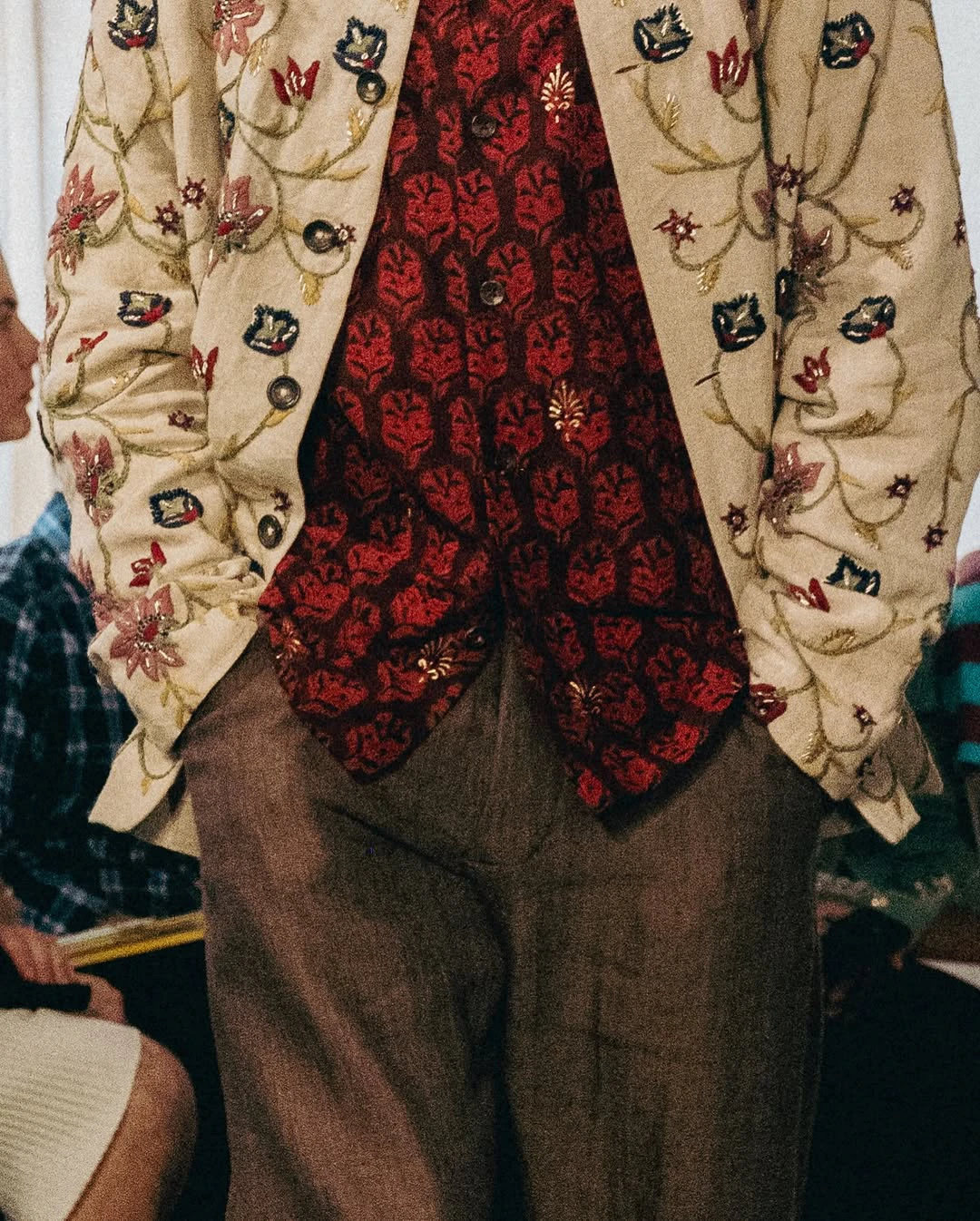
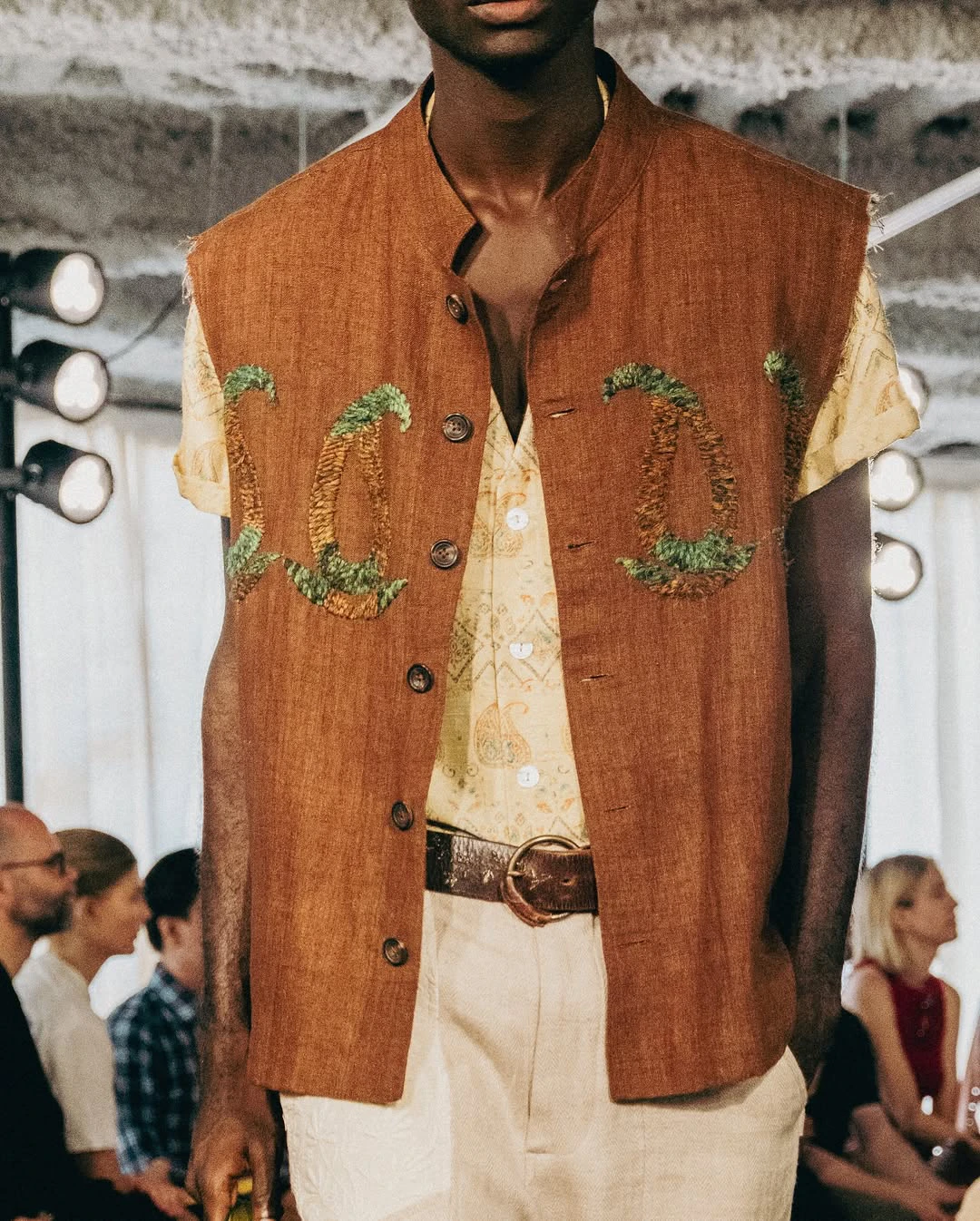
Kartik Research made its runway debut at Paris Men’s FashionFashionThe art and industry of designing, producing, and styling clothing, footwear, accessories, and beauty trends. It reflects cultural influences, personal expression, and evolving styles across seasons and markets.Go to Fashion Glossary Week with its Spring/Summer 2026 collection, marking a turning point for designer Kartik Kumra. Titled How To Make In India, the show served as both a presentation and a positioning statement. It called for Indian craft to be recognized not as a decorative accent to Western design, but as a leading force in fashion.
Based in India, Kartik has steadily built an international presence. Since founding the brand in 2021, he has opened a store in New York’s Lower East Side and expanded into major retailers such as Dover Street Market and Selfridges. The new collection featured intricately embellished garments, printed silks, and relaxed tailoring. For the first time, it also introduced womenswear, reflecting the brand’s growing appeal across audiences.
Kartik describes his approach as guided more by instinct than by trends. “We want to show the customer where to go as opposed to following what’s selling,” he said. The brand’s aesthetic combines maximalist detail with functional silhouettes. Cargo pants are embroidered with florals. Silk shirts are finished with vintage dye techniques. The result is a striking alternative to the minimalism that continues to dominate the industry.
2. KARDO
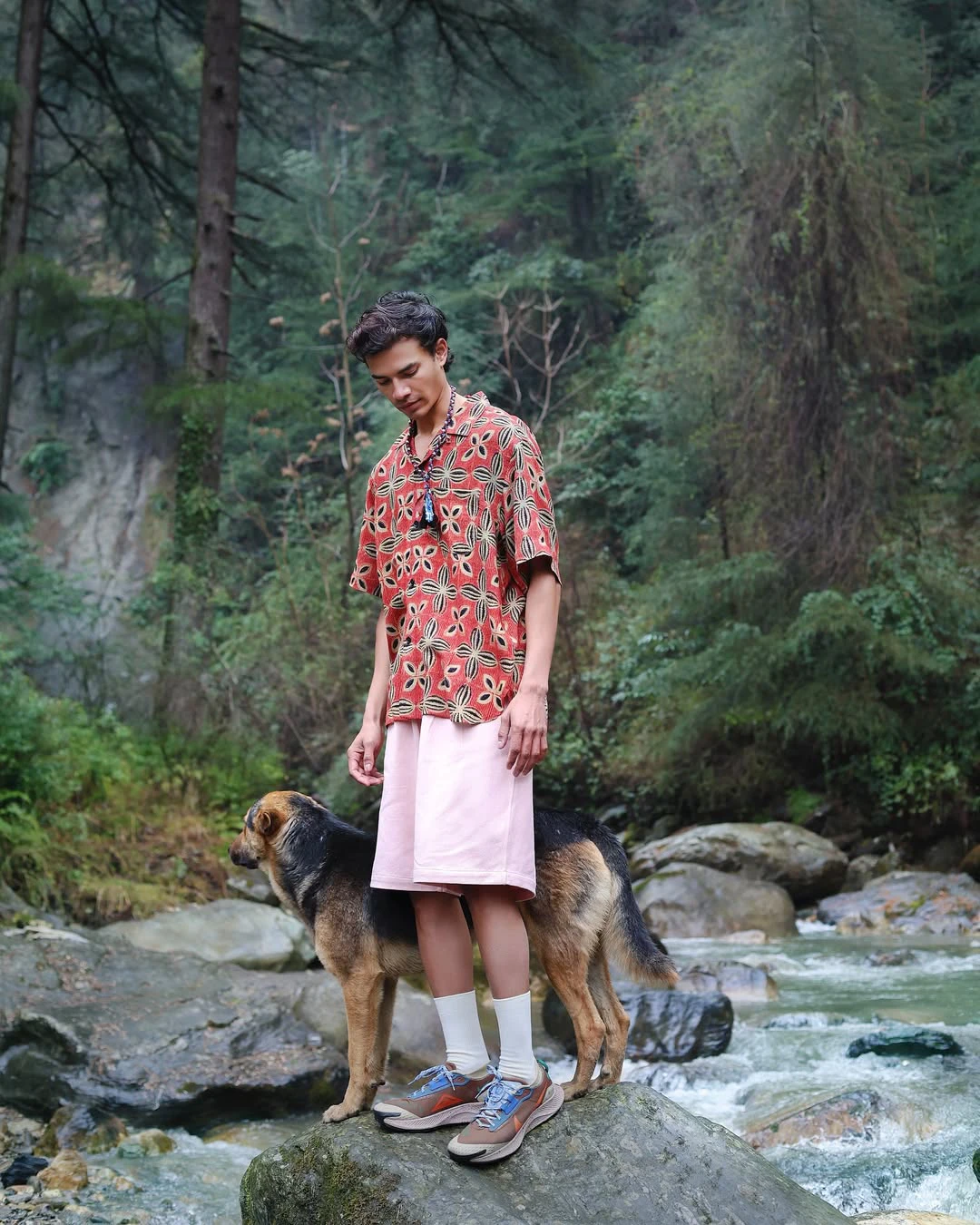
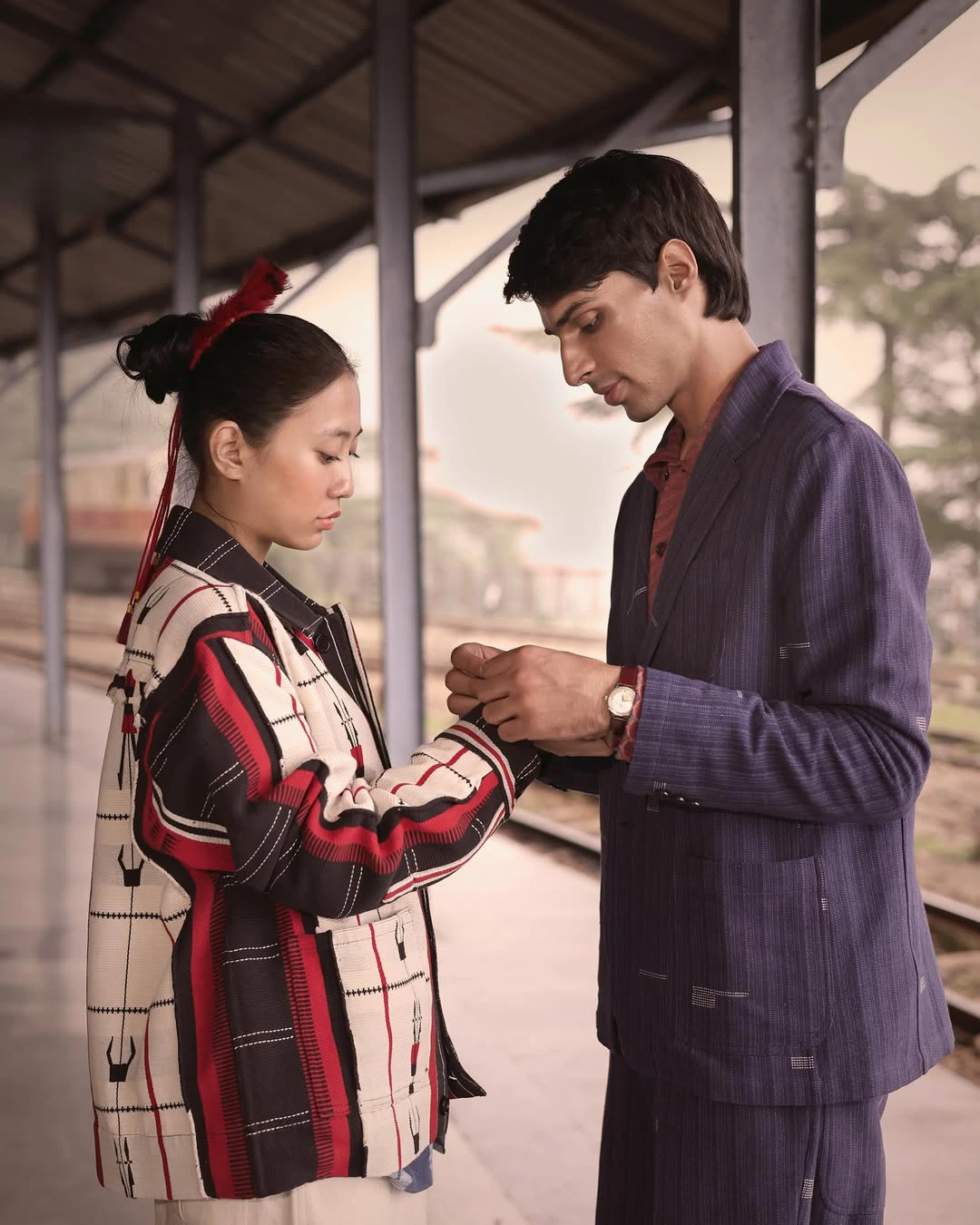
Founded in 2013 in New Delhi, KARDO has carved out a niche in slow, handmade menswear. The label emphasizes transparency and traditional techniques, producing each garment through its distinctive ‘ONExONE’ system. One tailor constructs each piece from start to finish, and every item includes a tag that names the person who made it.
KARDO works closely with artisan communities across India to incorporate handwoven, block-printed, and naturally dyed fabrics into contemporary silhouettes. Materials such as natural indigo denim, ikat weaves, and chikankari embroidery form the foundation of its menswear.
The brand’s production model is built to reduce environmental impact while increasing traceability. More than just a design philosophy, KARDO presents itself as a response to fast fashionFashionThe art and industry of designing, producing, and styling clothing, footwear, accessories, and beauty trends. It reflects cultural influences, personal expression, and evolving styles across seasons and markets.Go to Fashion Glossary, showing that ethical manufacturing and modern aesthetics can align in the menswear space.
3. ITOH
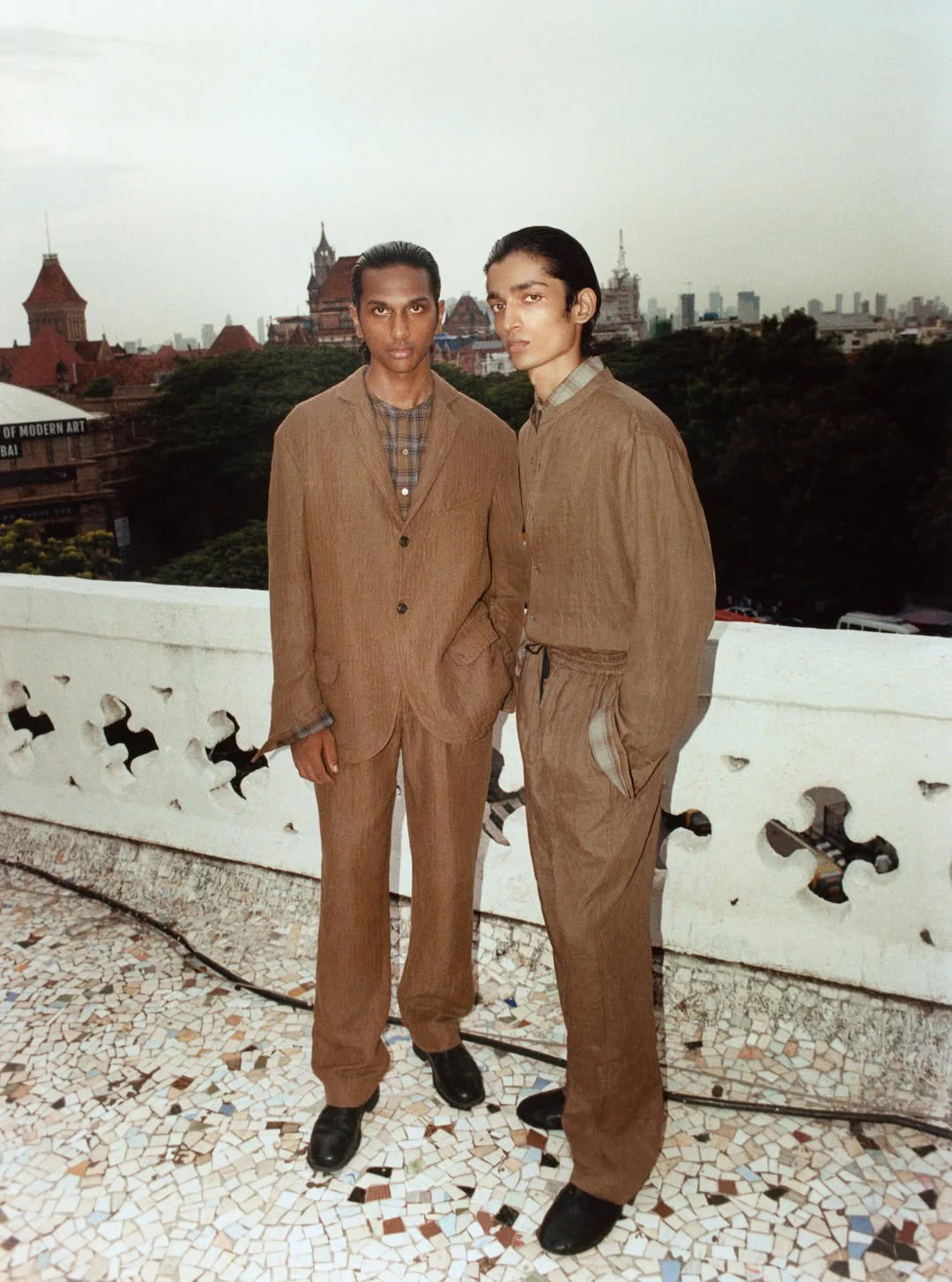
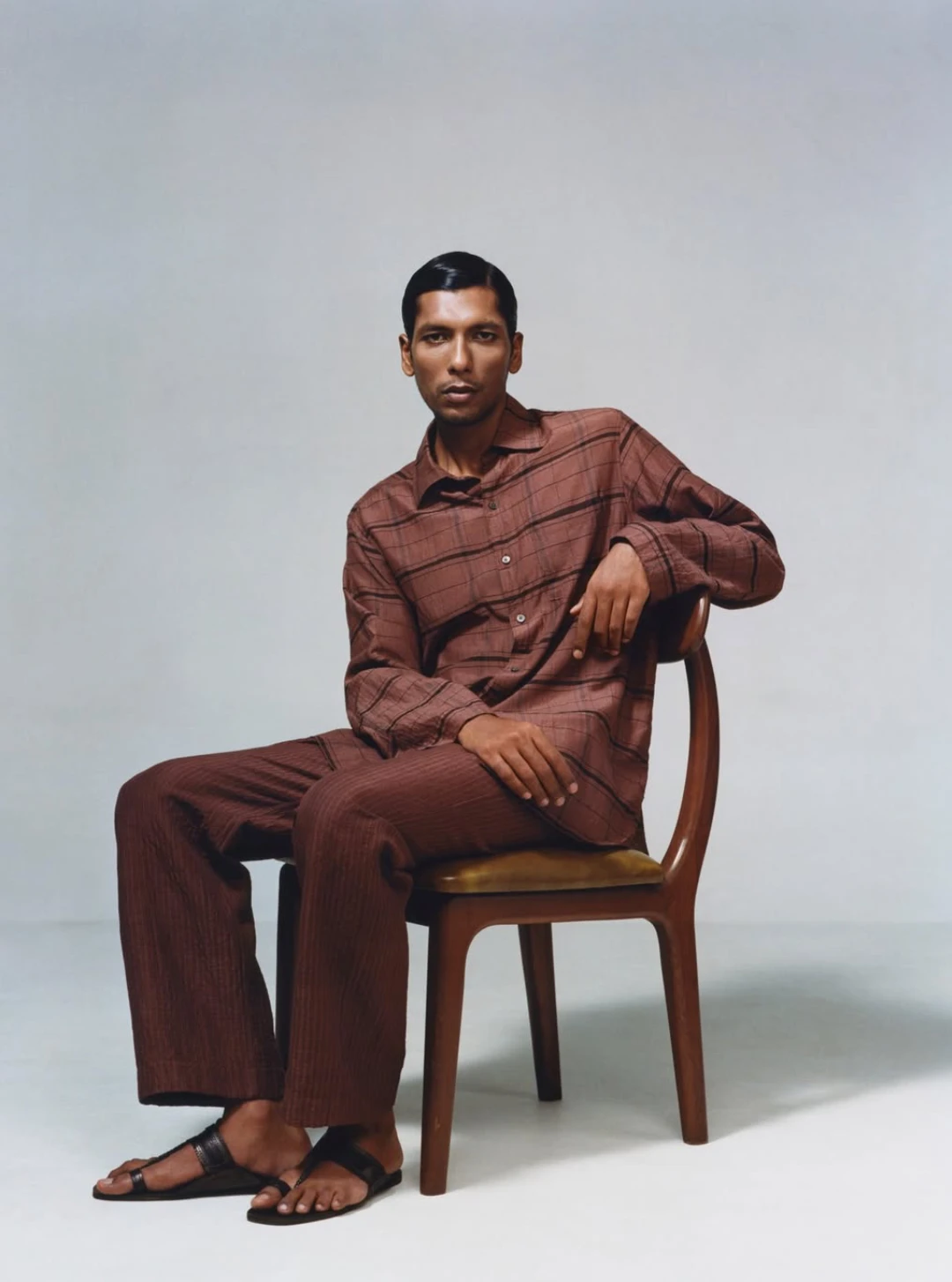
ITOH operates from New Delhi with a focus on refining vintage influences into modern menswear. The brand uses high-quality handwoven fabrics and reinterprets them through classic tailoring. Its design language leans toward quiet luxury, with relaxed blazers, utilitarian shirts, and tailored separates that prioritize material and form over embellishment.
ITOH does not make overt aesthetic statements, and that subtlety is intentional. The label aims to shift perceptions of Indian textiles, not by emphasizing heritage for its own sake, but by integrating craft into design that competes on a global level.
The brand occupies a space between tradition and modernity, appealing to consumers who value understated detail and textile innovation. Its growing recognition shows how Indian craftsmanship can move beyond artisan markets and become part of the international menswear conversation.
4. HARAGO
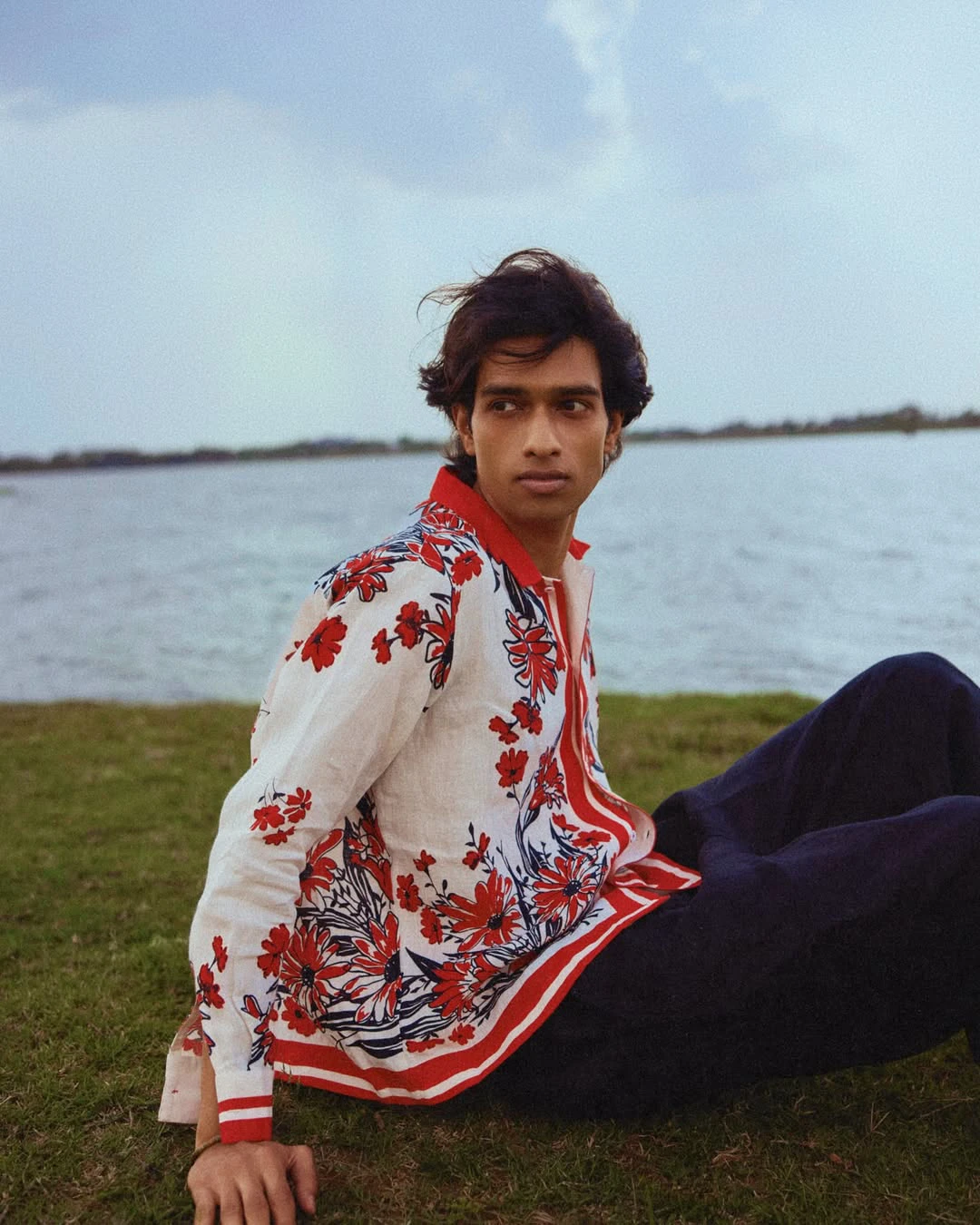
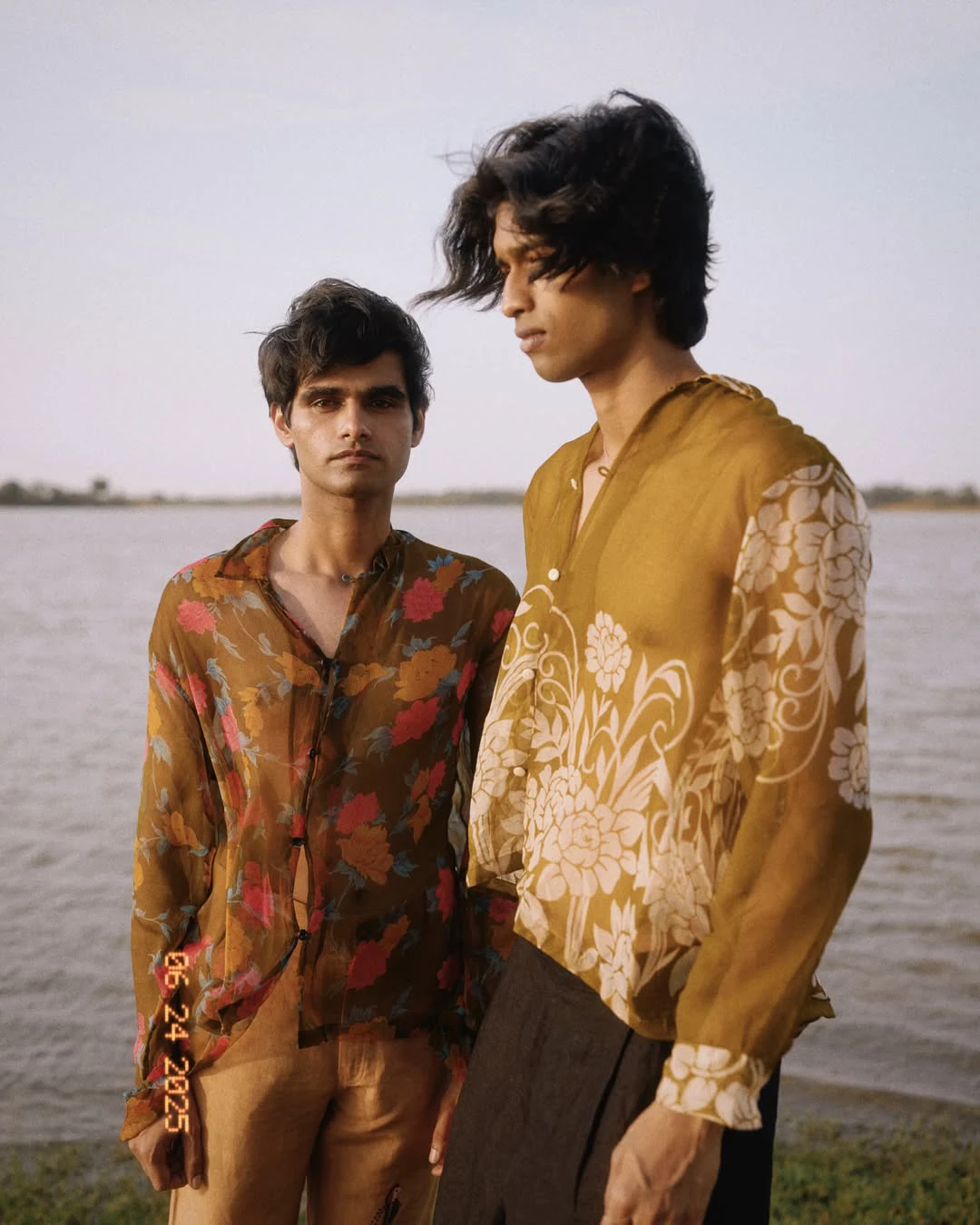
Founded in 2019 by Harsh Agarwal, HARAGO is a Jaipur-based brand that has gained attention for its use of vintage textiles and regional craft techniques. What began as a family-run operation has evolved into a fashion-forward label that fuses archival materials with modern silhouettes.
HARAGO is best known for its distinctive short-sleeved shirts and resort-style garments made from handwoven fabrics, repurposed tapestries, and embroidery inspired by everyday domestic objects. Pieces often feature techniques such as kantha, sujni, block printing, and couture-level beadwork.
The brand works with artisan groups across several Indian states, including Gujarat, Assam, and West Bengal. While the garments carry a casual aesthetic, many involve complex construction and a high level of hand-finishing. HARAGO’s commitment to storytelling through clothing has made it a standout in the global movement toward responsible and culturally grounded fashion.
A shift in perspective
While many European designers continue to look to India for inspiration, these labels are asserting their own presence on the global stage. They are defining the narrative rather than simply supplying references. This reflects a broader shift in fashionFashionThe art and industry of designing, producing, and styling clothing, footwear, accessories, and beauty trends. It reflects cultural influences, personal expression, and evolving styles across seasons and markets.Go to Fashion Glossary, where production transparency, craft preservation, and cultural context carry as much weight as aesthetic appeal.
By placing Indian craft at the heart of contemporary design, brands like Kartik Research, KARDO, ITOH, and HARAGO are not just responding to global interest. They are setting new standards for what modern menswear can be. As fashionFashionThe art and industry of designing, producing, and styling clothing, footwear, accessories, and beauty trends. It reflects cultural influences, personal expression, and evolving styles across seasons and markets.Go to Fashion Glossary’s center of gravity continues to decentralize, India is no longer just part of the conversation but increasingly leading it.
Photos courtesy Kartik Research, KARDO, ITOH, HARAGO

Recommended Video