Where Have All the Suit-Wearing Men on TV Gone?
Once central to television’s most iconic male leads, the suited protagonist is back with a new definition shaped by modern storytelling




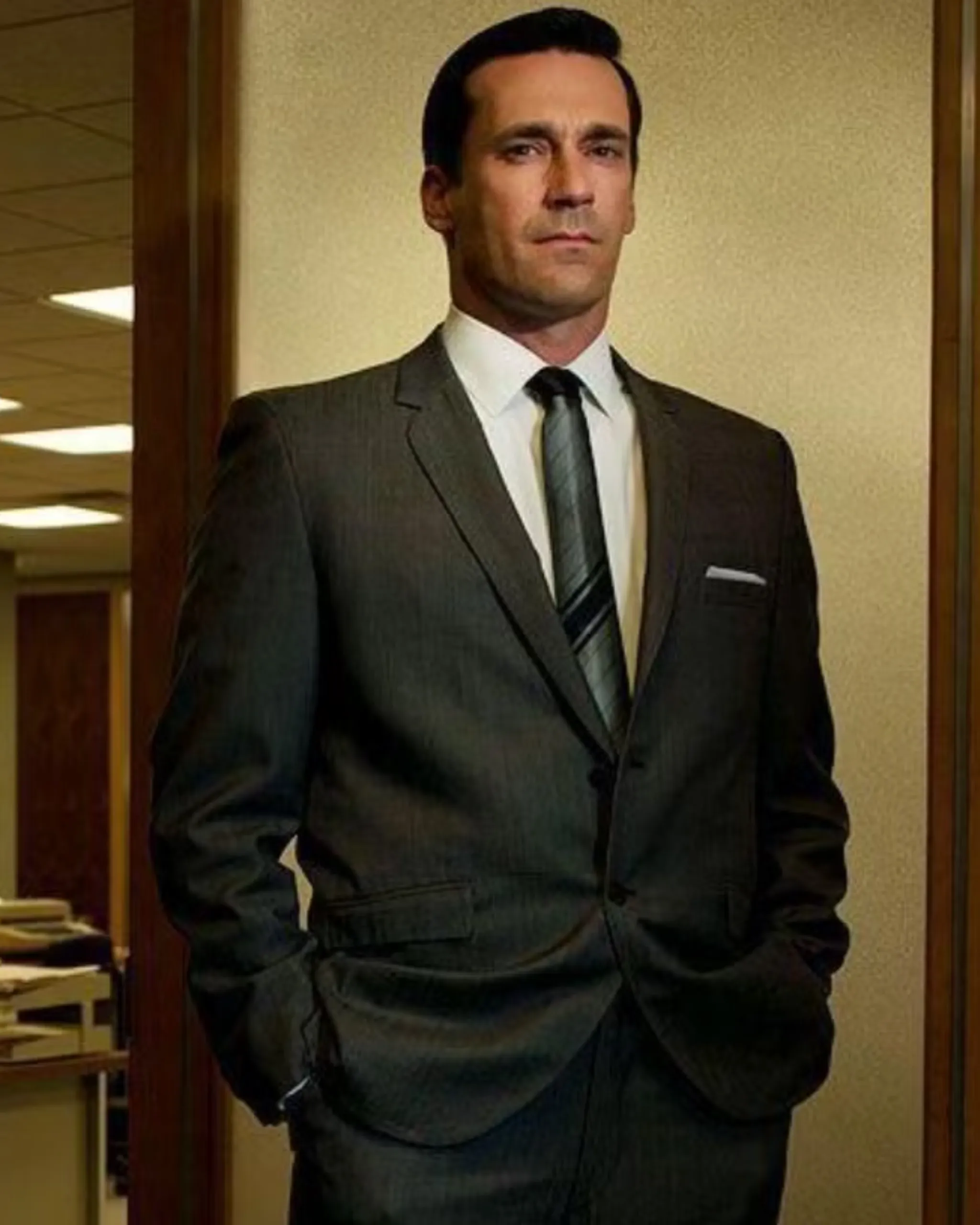
For years, the suit was the uniform of television’s most charismatic men. From Don Draper’s mid-century tailoring in Mad Men to Harvey Specter’s precision cuts in Suits and Barney Stinson’s over-the-top commitment in How I Met Your Mother, formalwear signaled polish and a man fully in command.
These characters were inseparable from the suits they wore. Their clothes were part of their identities, embedded in storylines and character arcs. Don’s polished façade matched the tight lines of his gray flannel suits; Harvey’s legal dominance was mirrored in his tailoring; Barney’s absurd confidence came wrapped in peak lapels and tie clips. In the 2000s and early 2010s, suiting was cultural shorthand for success and desirability.
RELATED: 7 TV Shows Where the Costumes Deserve Their Own Emmy
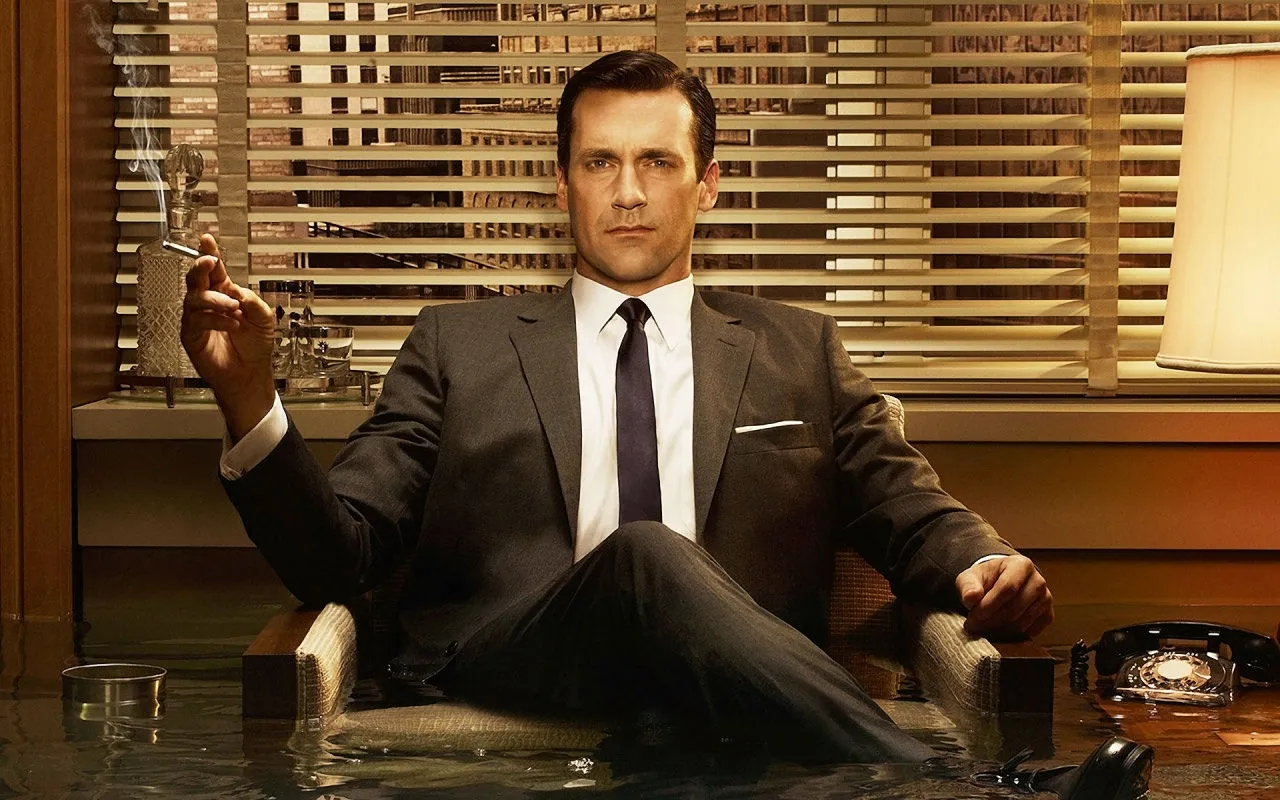
But television and culture have shifted. Today’s protagonists are more fractured, less aspirational, and often more casually dressed. The uniformity and polish of formal menswear no longer take center stage. Hoodies, chore coats, and technical outerwear have largely replaced the suit as the dominant visual language of the modern lead.
Yet the formal aesthetic hasn’t disappeared entirely; it has simply evolved. A new wave of shows across streaming platforms is reinterpreting the suit, not as a marker of status or charm but as a signal of control or danger. The tailoring remains sharp, but the message has shifted.
The Gentlemen
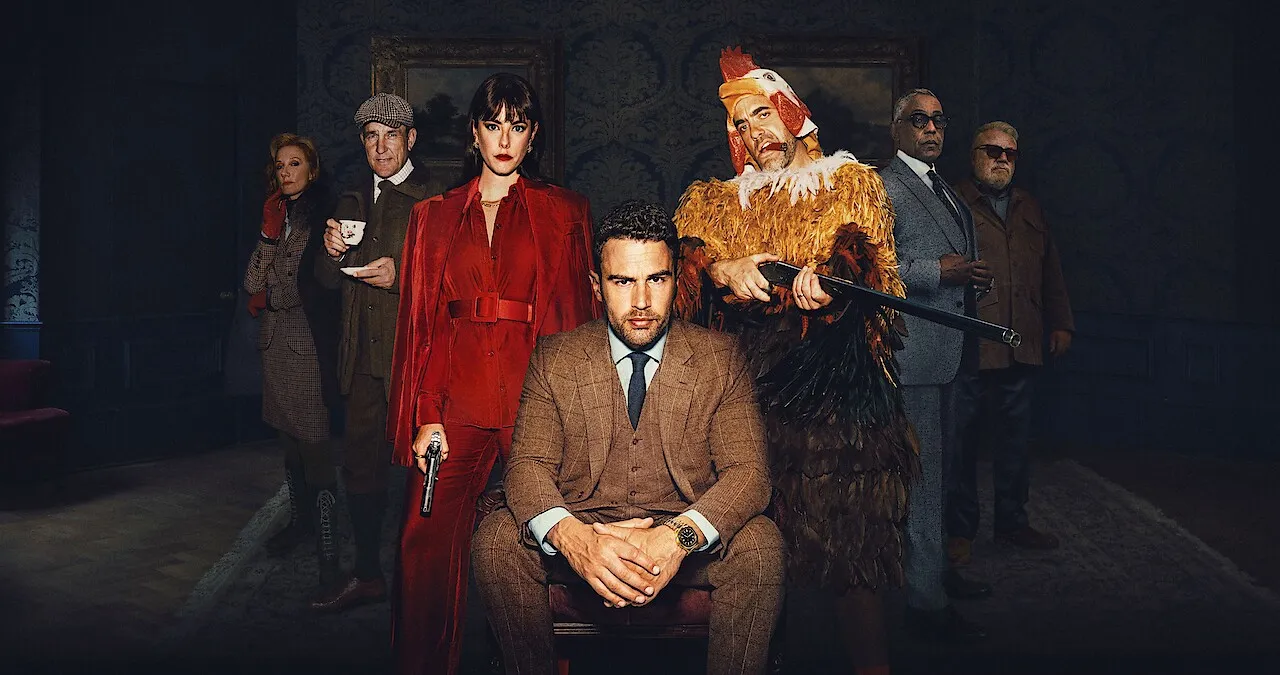
The Gentlemen, created by Guy Ritchie, is among the clearest examples of this shift. In the series, Theo James plays Eddie Horniman, a British aristocrat navigating the criminal underworld after unexpectedly inheriting his father’s estate and its drug empire.
While the show leans into Guy’s trademark stylized violence and fast-paced dialogue, it also reintroduces sharp suiting as part of its visual language. James’ character, like many of the show’s key players, wears clean-cut tailoring not to charm but to intimidate.
Mr. & Mrs. Smith
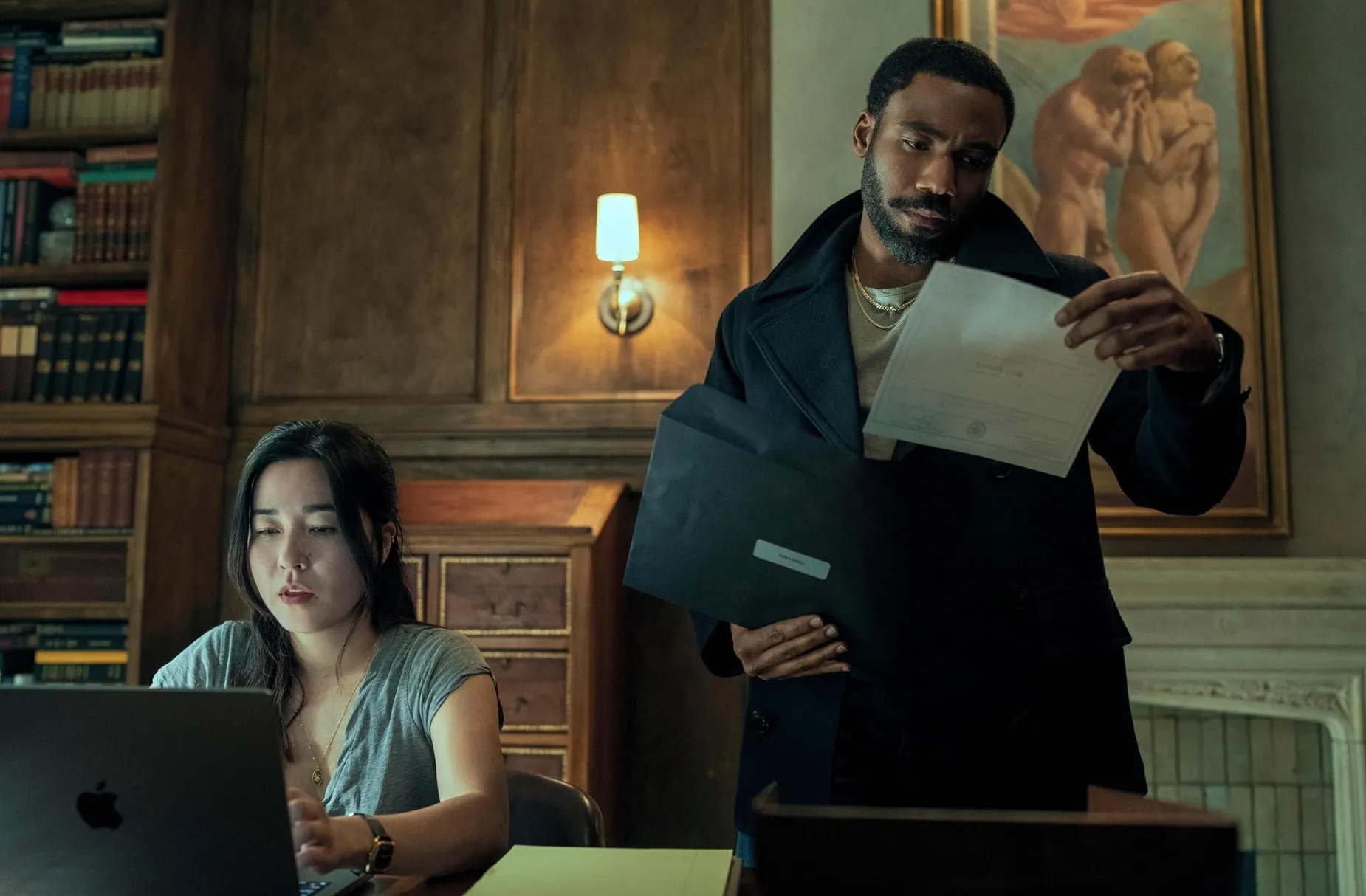
On Mr. & Mrs. Smith, Donald Glover reimagines the spy protagonist in a more minimalist key. Alongside Maya Erskine, he plays an undercover operative balancing suburban domesticity with covert missions. The wardrobe is sleek and unfussy: pared-down suits, muted palettes, and crisp outerwear. The effect is stylish without being flashy. There’s elegance, but it’s carefully restrained.
Billions
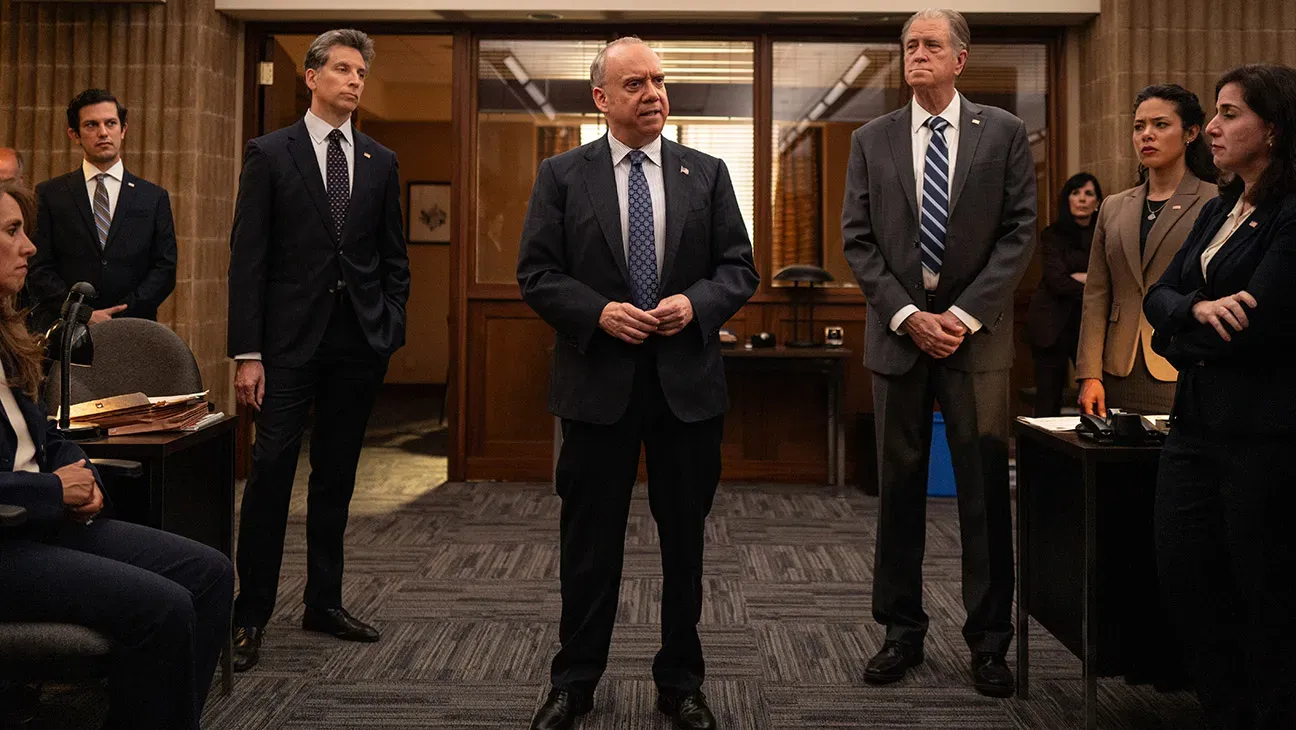
For fans of corporate power plays, Billions continues to deliver. The long-running series, centered on New York’s finance and legal elite, still treats tailoring as part of its core language. Suits remain precise and expensive, a visual cue for status, intellect, and strategic thinking.
Peaky Blinders
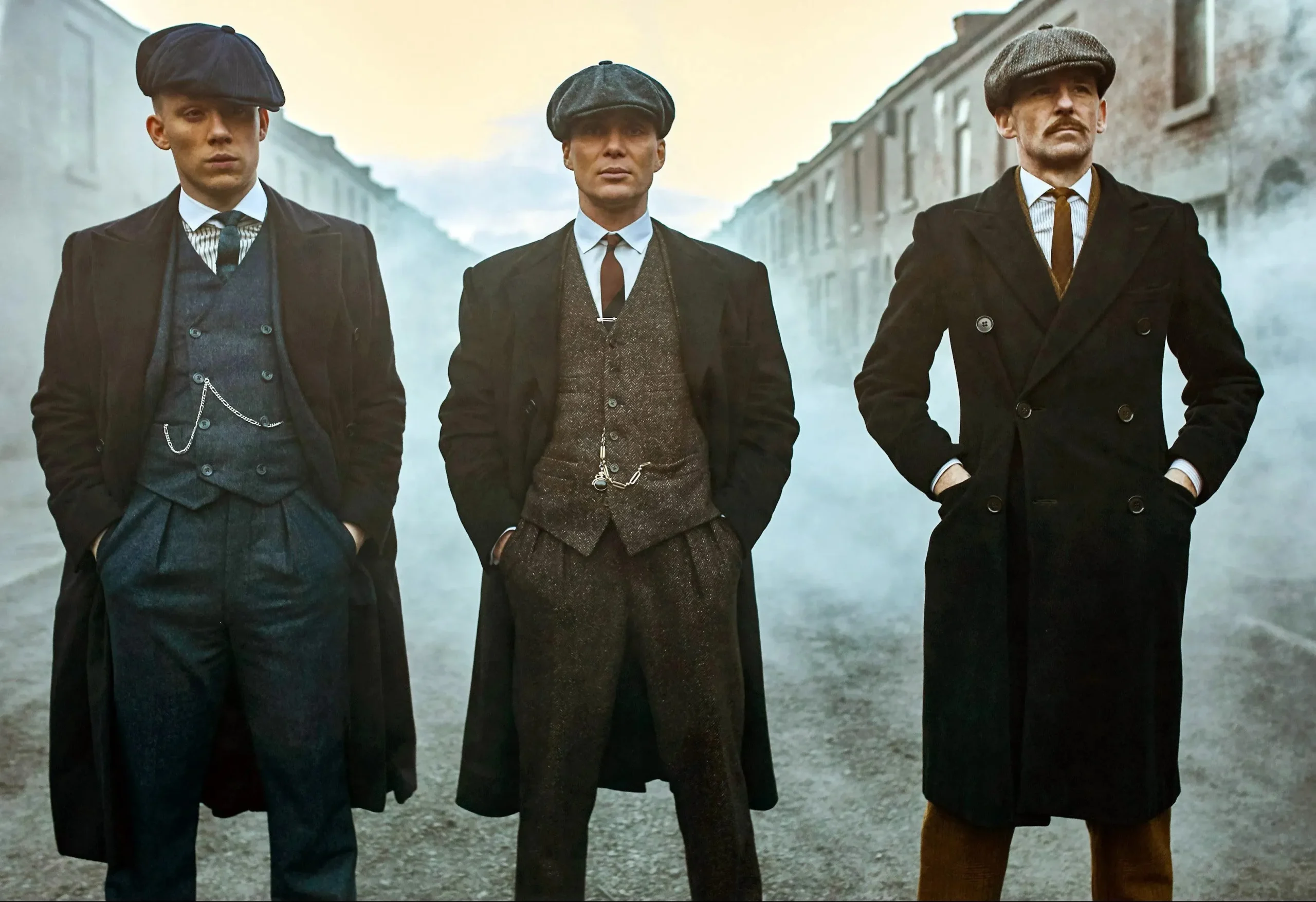
And while Peaky Blinders has concluded, its influence endures. The early 20th-century gangland drama helped reintroduce vintage formalwear into popular style consciousness, from three-piece suits and stiff collars to long coats and pocket watches. It reminded viewers that formal menswear could carry both menace and elegance. The show’s global impact is still felt in fashionFashionThe art and industry of designing, producing, and styling clothing, footwear, accessories, and beauty trends. It reflects cultural influences, personal expression, and evolving styles across seasons and markets.Go to Fashion Glossary and in how period style is portrayed on screen.
What connects these new portrayals is not nostalgia but intention. Today’s tailored protagonists do not wear formalwear to seduce or impress. The suit is used as a tool, something that conceals, protects, or communicates calculated authority. The aesthetic remains compelling, but the context has changed.
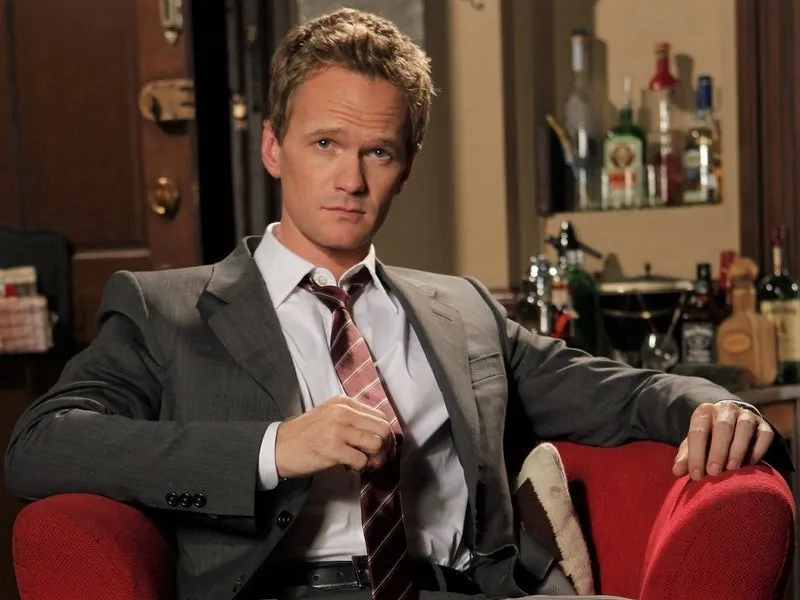
Instead of representing aspiration, suits on television now tend to signal constraint or even threat. These characters are not selling the fantasy of the good life. They are navigating complicated, high-risk environments where every detail, down to the break of a trouser, is intentional. The formality is still present, but it is no longer romanticized.
If earlier TV made the suit a symbol of confidence and charm, today’s shows recast it as a marker of subtle power and self-control. For anyone inspired by these updated takes, the key is tailoring that feels clean, structured, and minimal. Whether it’s a slim coat over a turtleneck or a sharp suit in a deep neutral, modern formality is less about standing out and more about holding your ground.
Photos courtesy IMDB
Recommended Video