Styling Takes Center Stage at SS26 Shows in Paris and Milan
In SS26, designers used accessories, layering, and subtle details to redefine how clothes are seen and worn on the runway




At the Spring/Summer 2026 menswear shows in Paris and Milan, design took a quieter role, leaving space for styling to emerge as the new frontier of expression. The silhouettes were familiar, the cuts largely commercial. But on the runway, these garments weren’t focused on innovation. They were about interpretation. In many cases, the clothes felt curated rather than newly designed. They gained meaning through unexpected layering, sharp accessories, and subtle disruptions that gave the collections their energy.
Across major houses, the shift was unmistakable. The return of the “main character” wardrobe came with new depth this season. Designers moved away from dramatic costumes and full-look transformations, leaning instead into the idea that everyday fashionFashionThe art and industry of designing, producing, and styling clothing, footwear, accessories, and beauty trends. It reflects cultural influences, personal expression, and evolving styles across seasons and markets.Go to Fashion Glossary can carry a sense of drama. With confident styling and precise detail, even subtle looks were elevated to feel cinematic.
ALSO READ: The Popped Collar Is Back—And It’s Weirdly Chic This Time
Subversion in the details
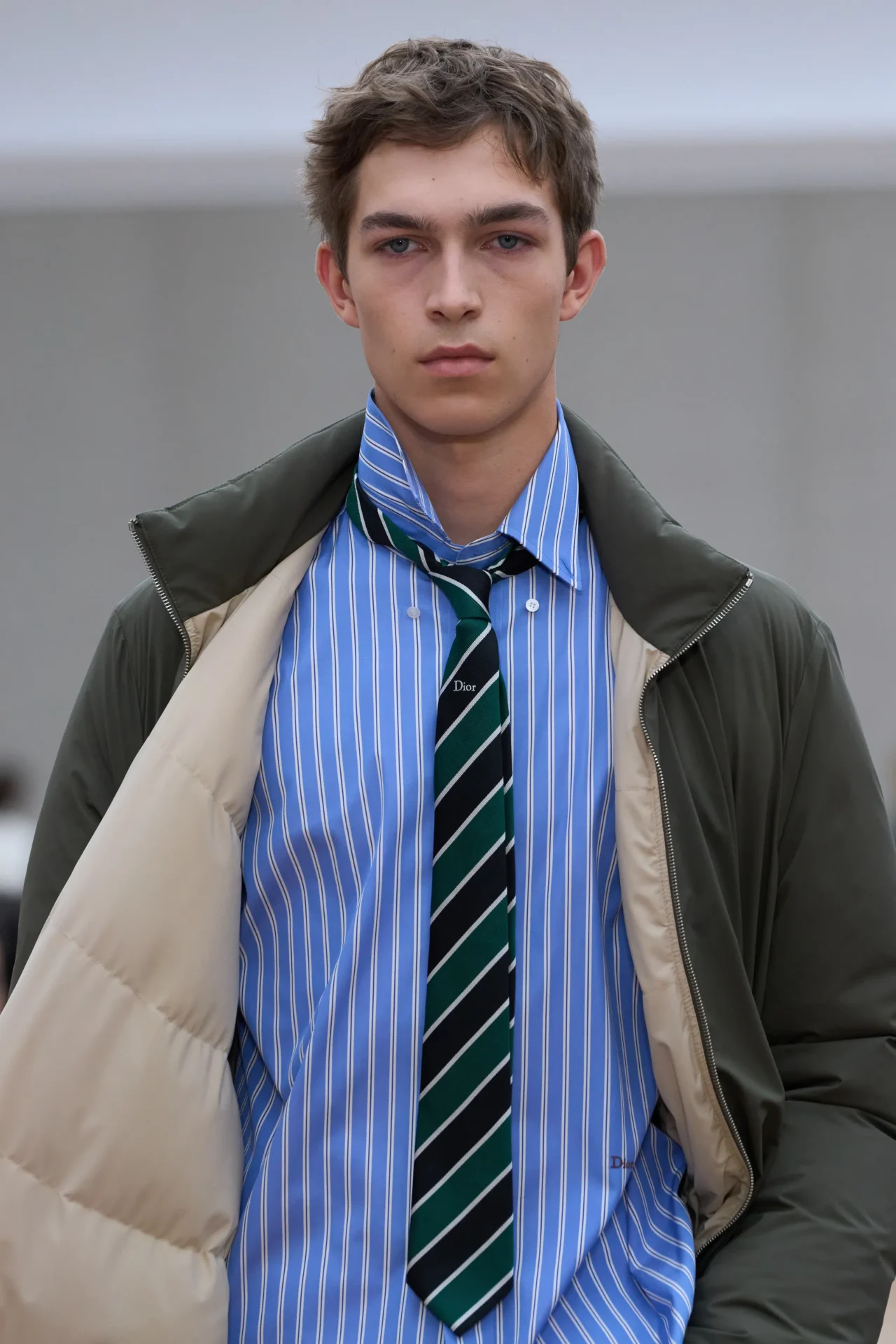
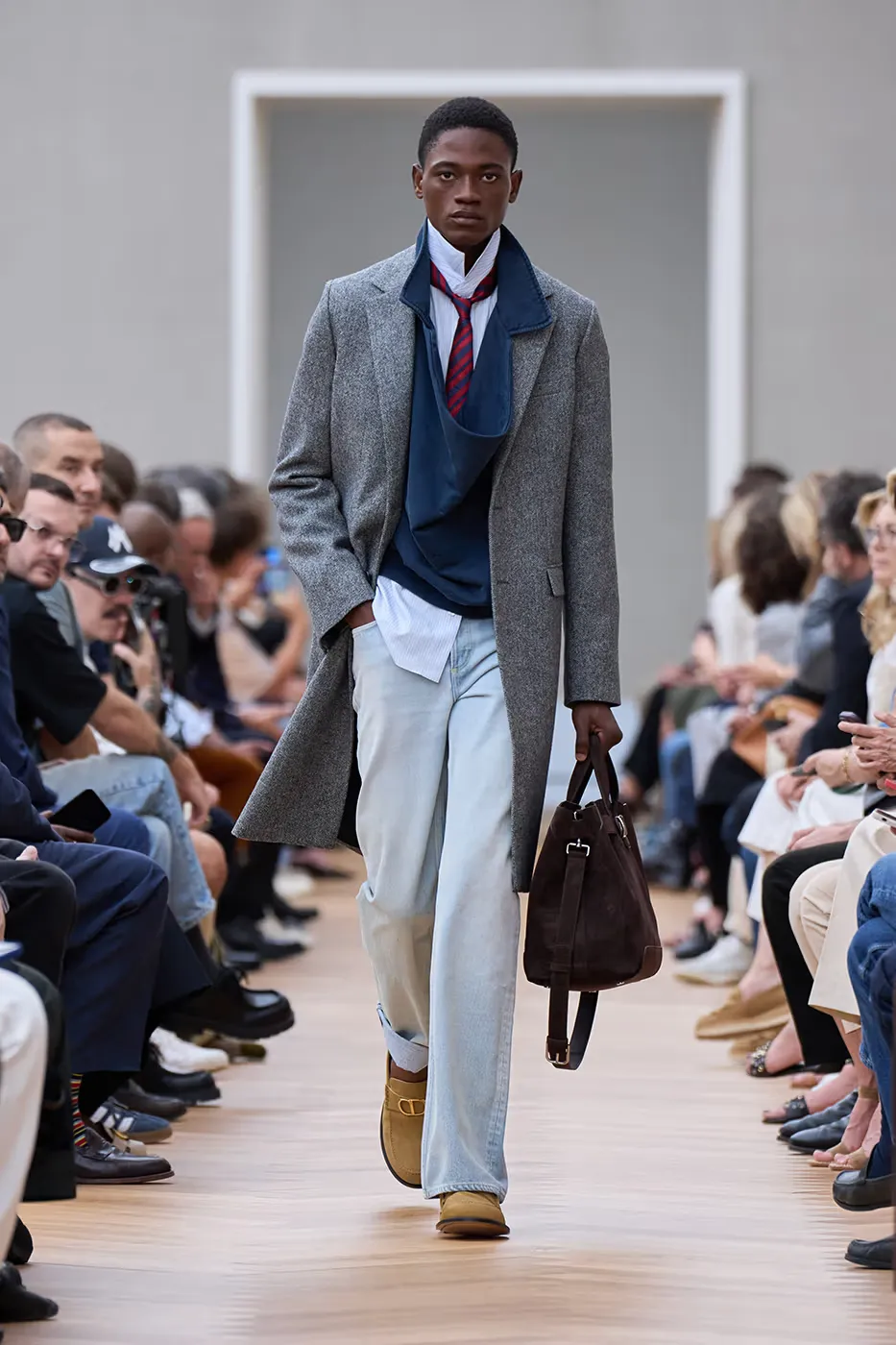
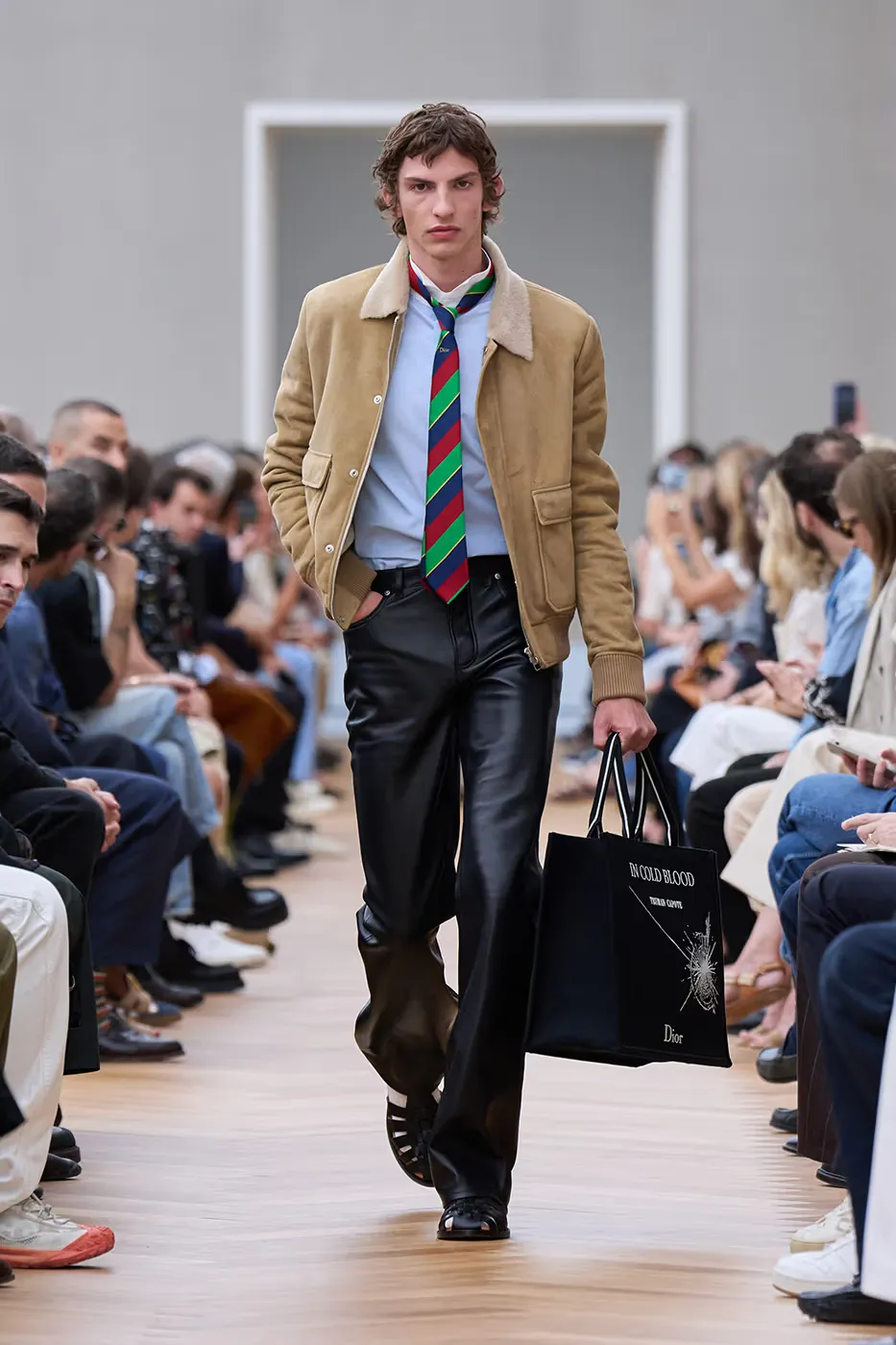
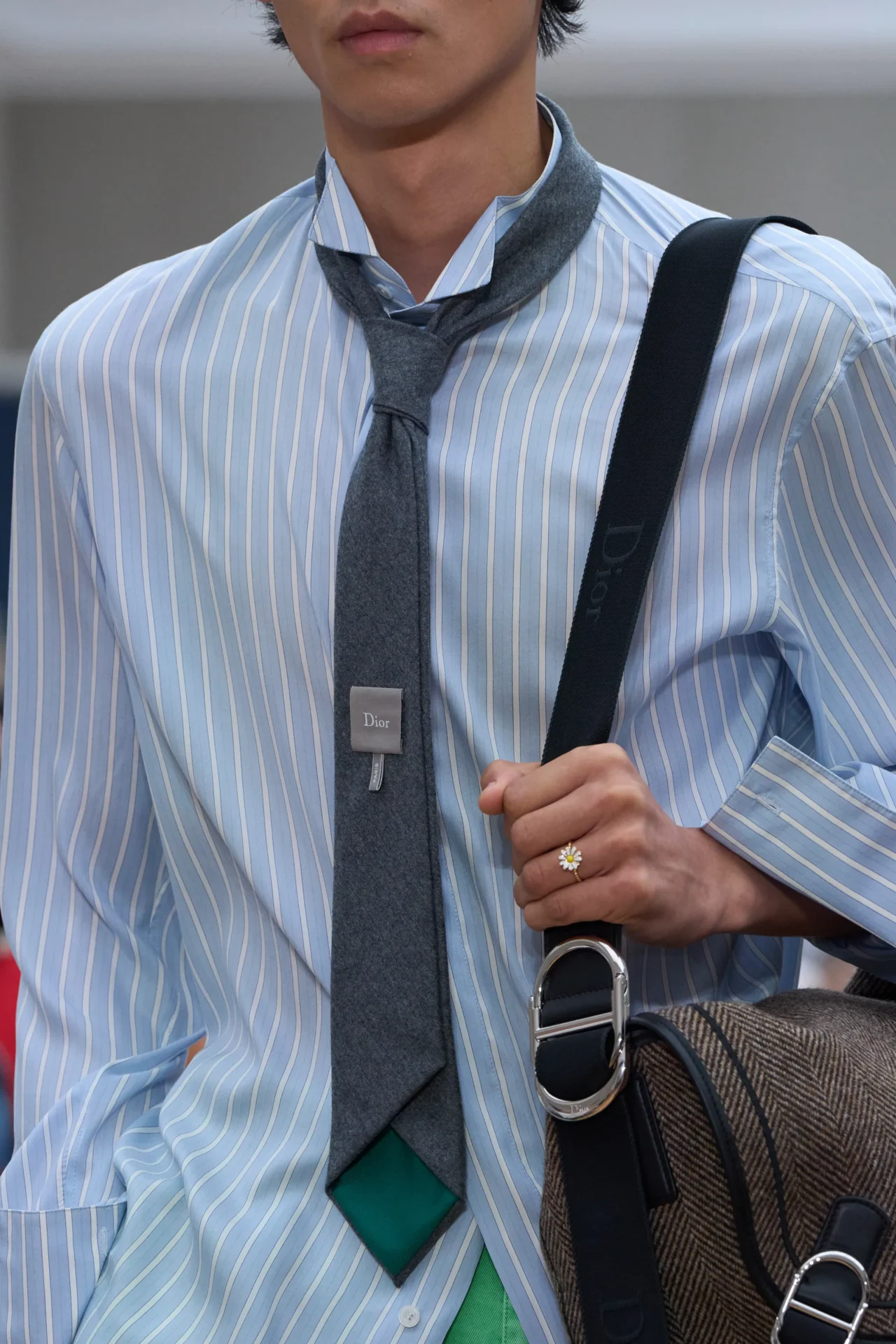
Nowhere was this more apparent than at Dior, where Jonathan Anderson’s much-anticipated debut subverted the house’s storied codes with whimsy. British romanticism met Parisian discipline in a collection where styling carried much of the emotional weight: collars left half-up, a single pant leg rolled at the cuff, and fabric draped like pages mid-turn.
The clothes invited a closer look. Even the accessories echoed the tone. Fisherman sandals grounded the fluid silhouettes in function, while asymmetry in both tailoring and presentation gave the show its poetic rhythm. Jonathan made it clear that modern elegance lives in the gesture, not the garment alone.
Cool and casual
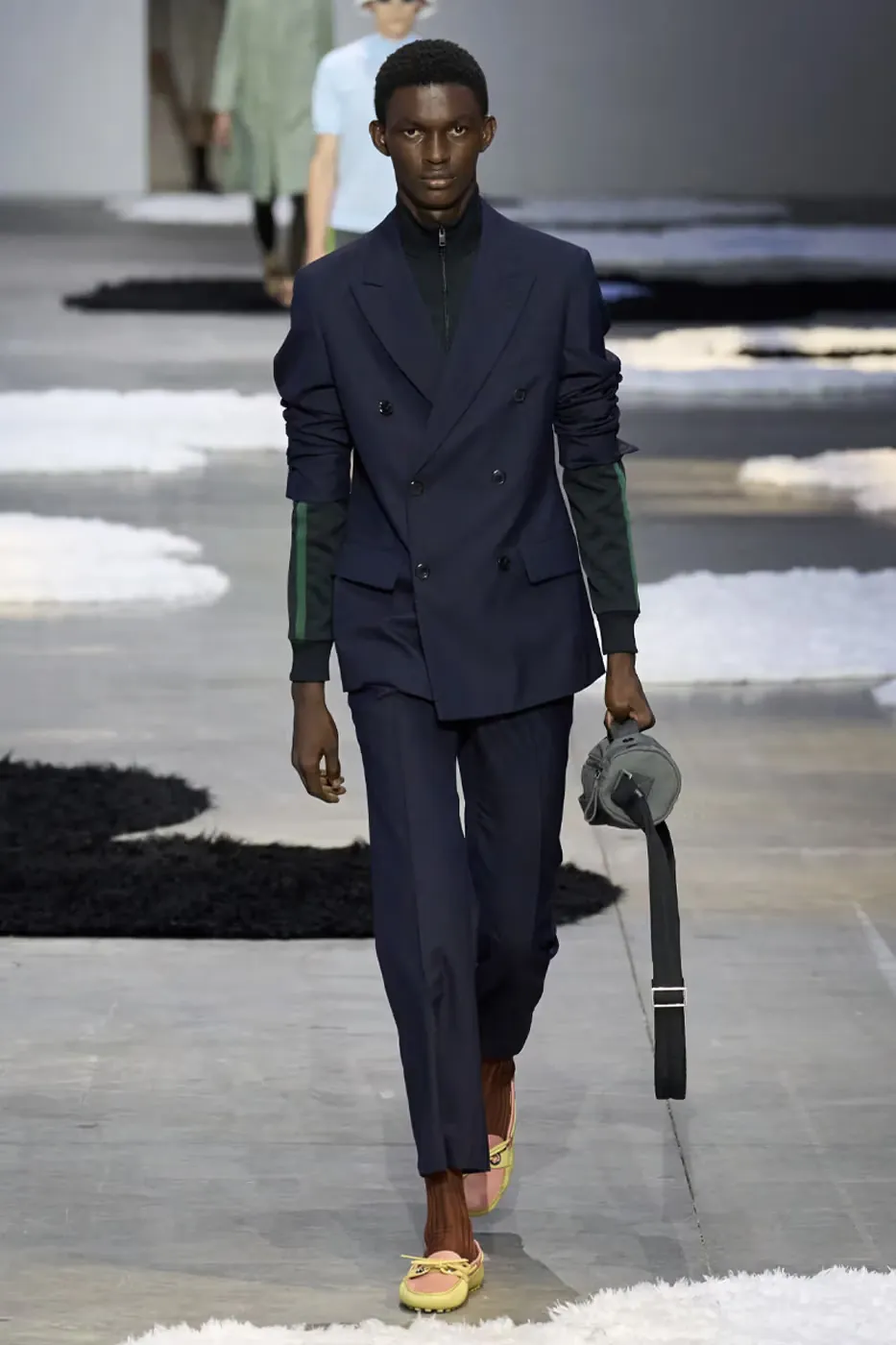
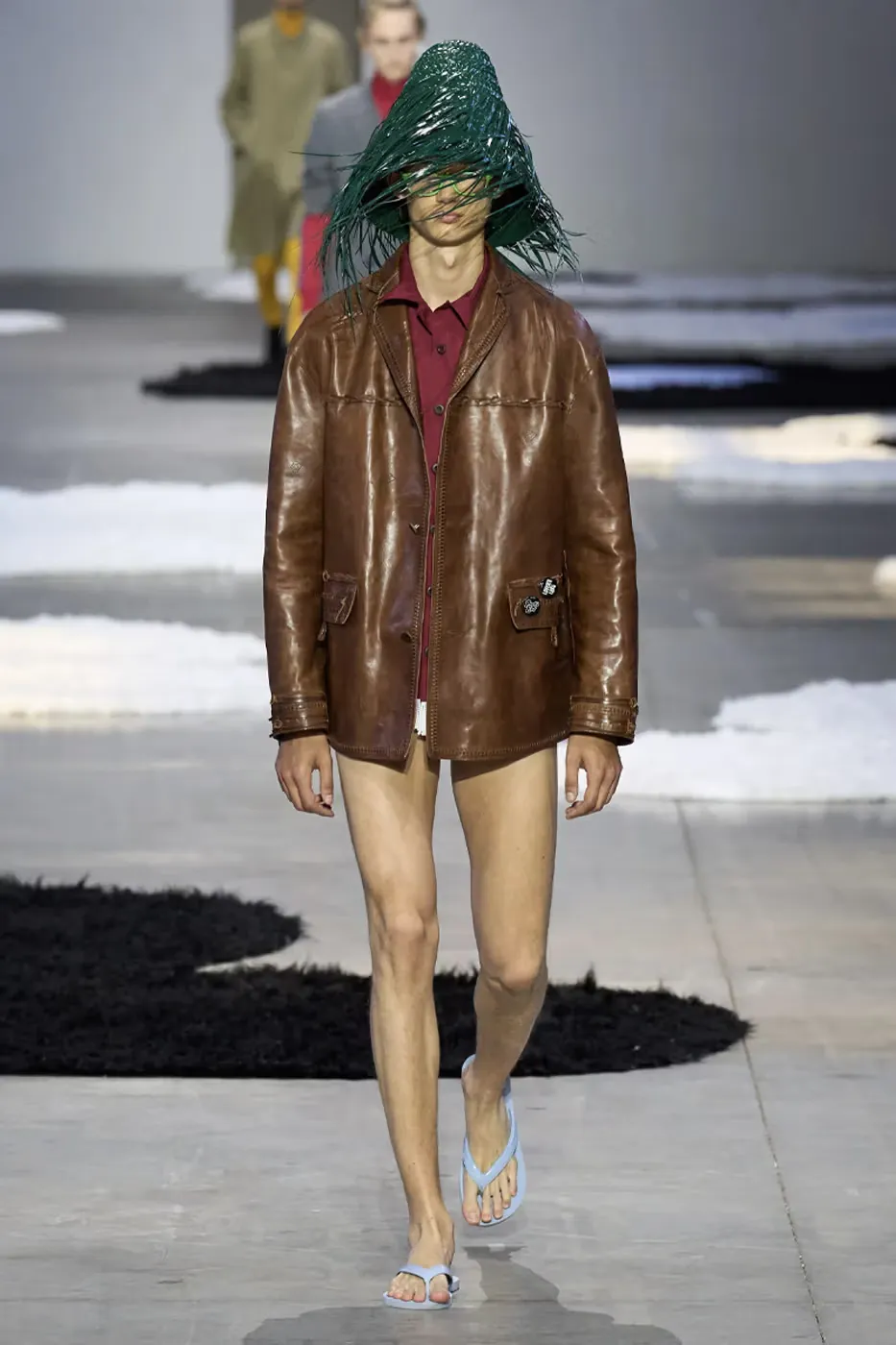
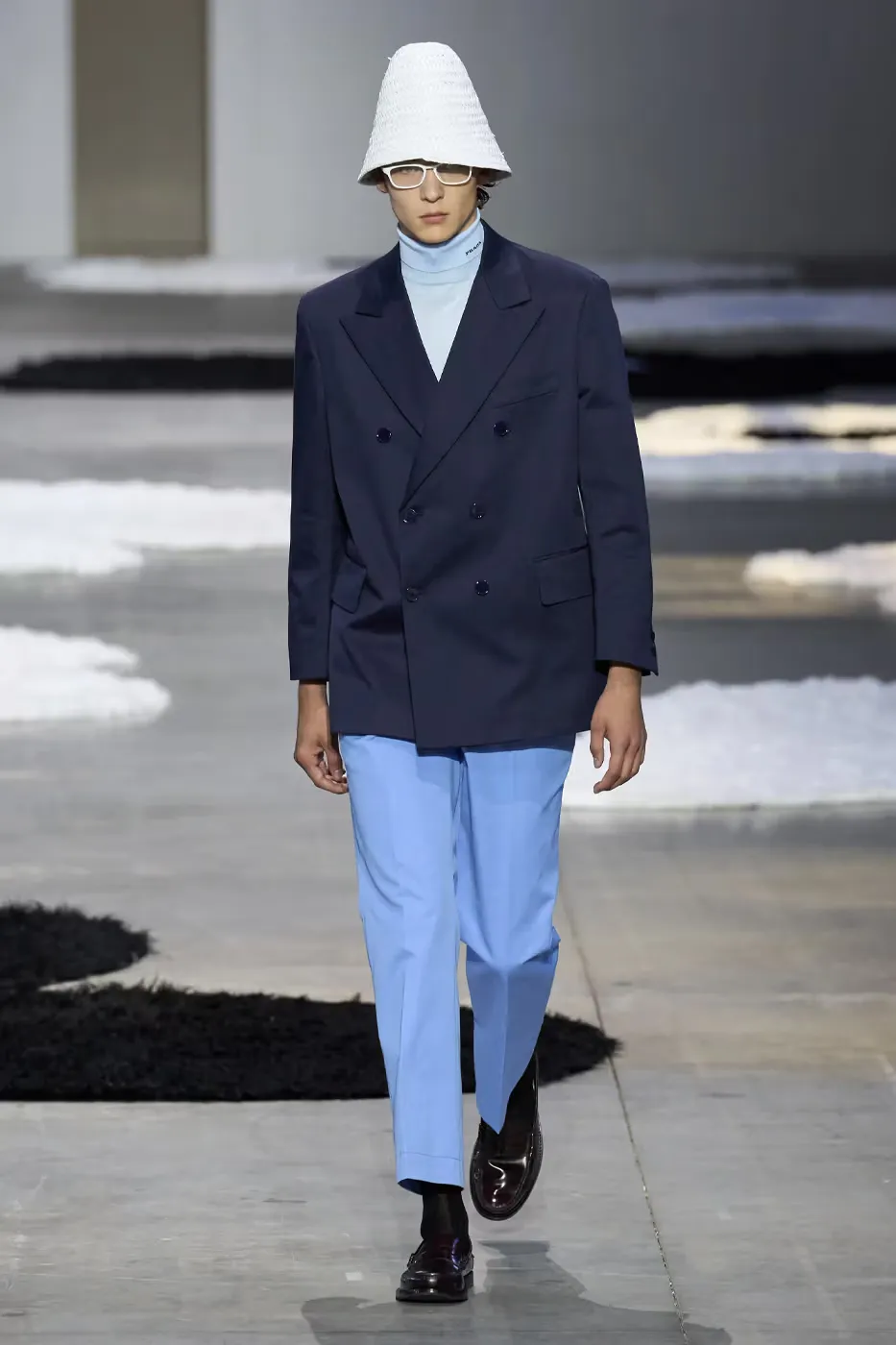
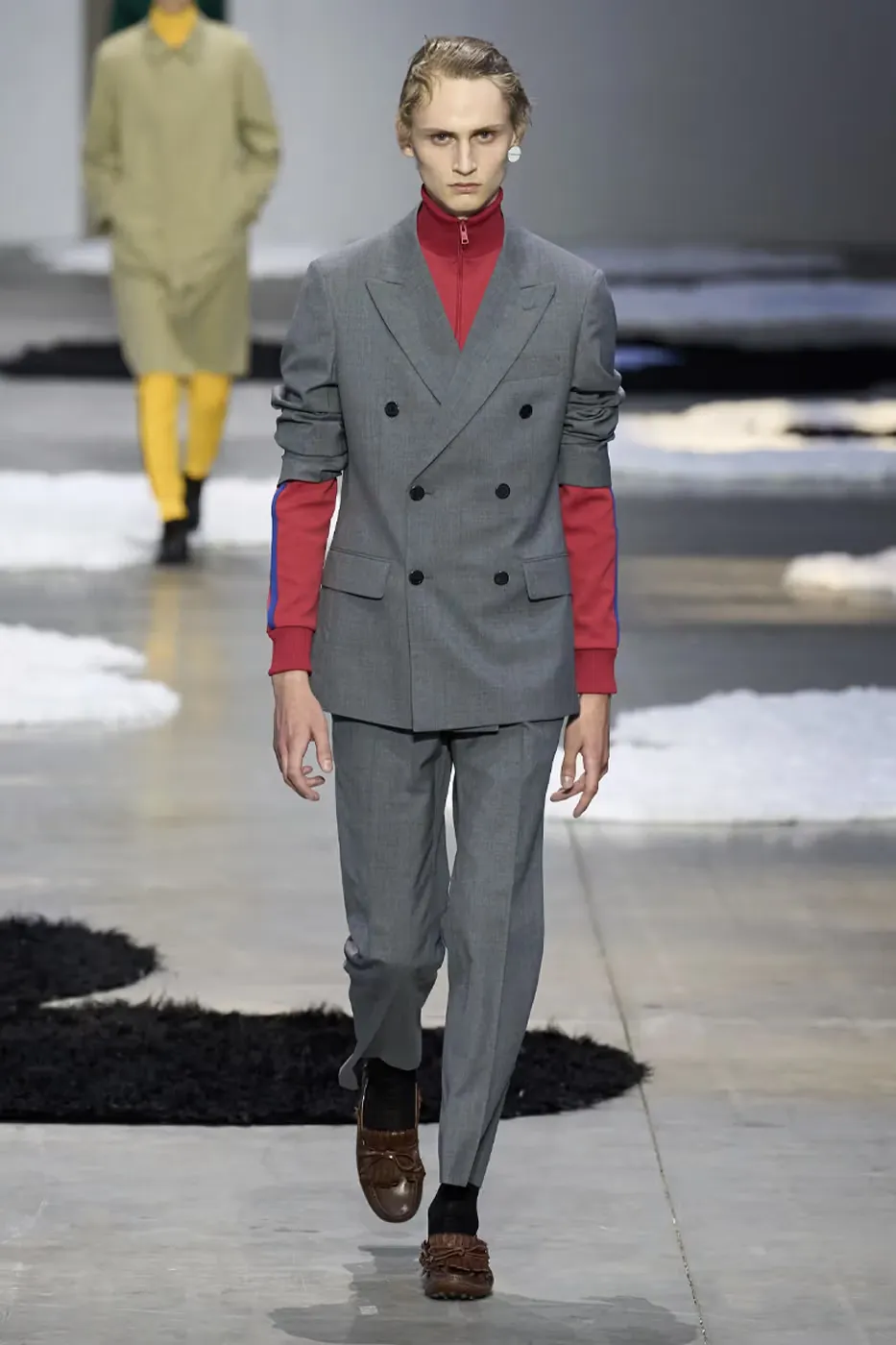
Prada, in contrast, leaned into an offhand and unapologetically leggy energy. This was a collection shaped less by tailoring and more by attitude. Raf Simons and Miuccia Prada offered a study in proportion, pairing long coats with breezy shorts, relaxed trousers with flip-flops, and tracksuits with crisp bucket hats.
The palette was soft, but the styling was precise. Nothing felt overly considered, yet every detail was intentional. Flip-flops worn with suiting might once have seemed ironic. Here, they felt right. The message came through in the styling, which gave familiar pieces a fresh point of view.
Sensuality in restraint
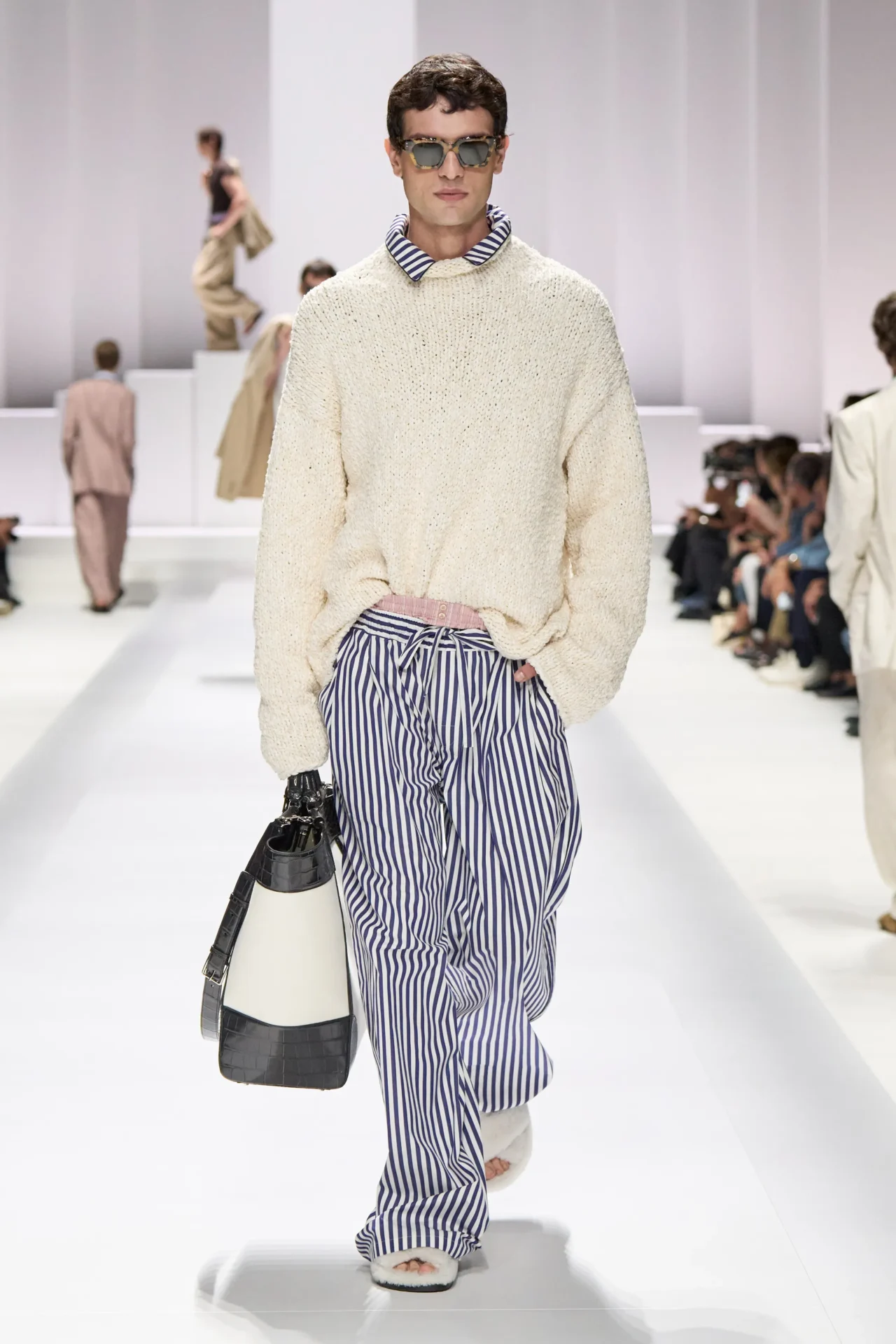
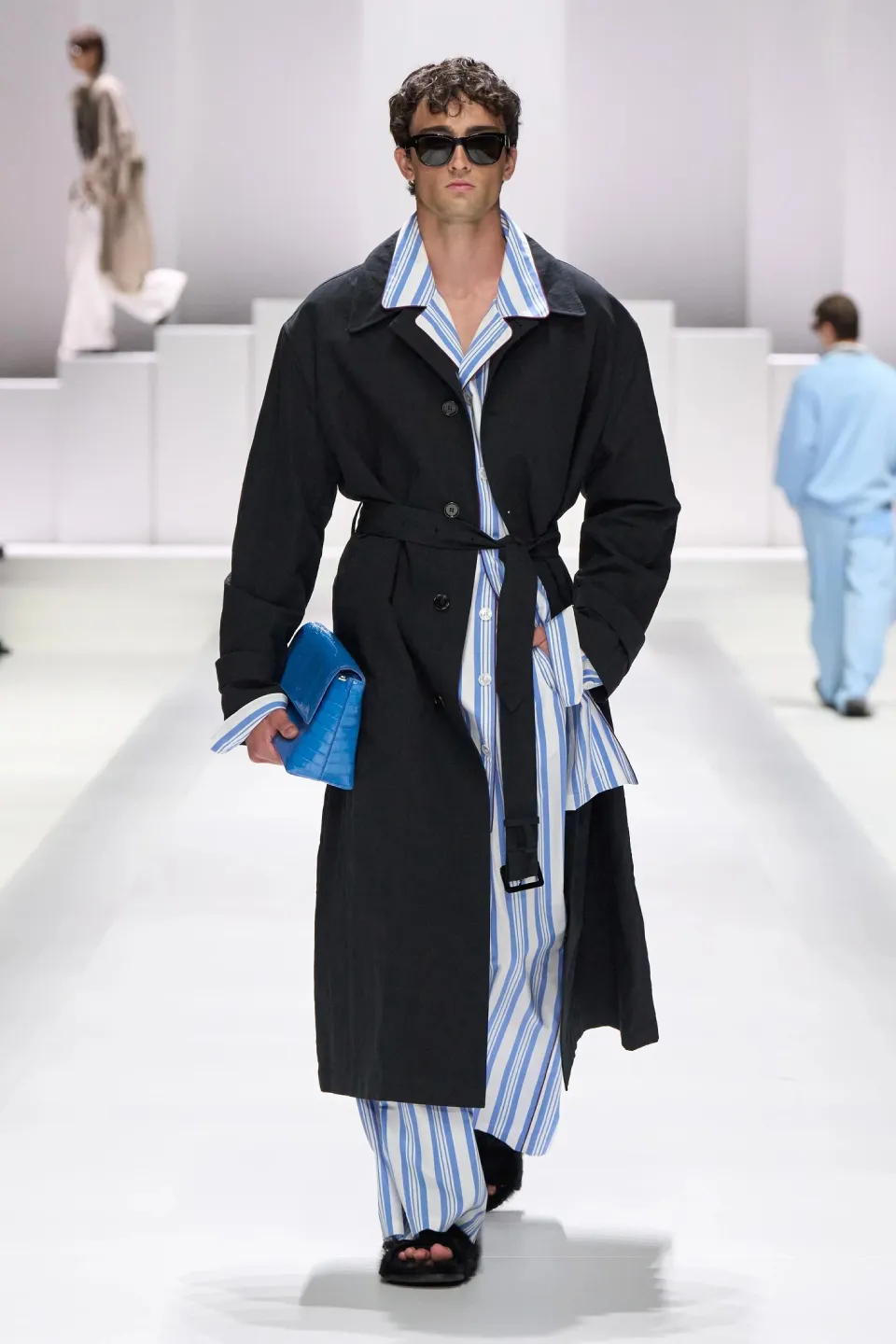
If Prada’s take was casual confidence, Dolce&Gabbana turned inward, offering a version of elegance that felt domesticated and intimate. Their Spring/Summer 2026 show in Milan centered on pajama-inspired dressing: silk sets and open robes that blurred the line between private and public. What could have come across as indulgent was handled with restraint.
Each look was styled just enough to suggest luxury without tipping into caricature, as seen in a knitted jumper half-tucked in a pajama bottom and striped trousers paired with house slippers. The strength of the collection came from how it was assembled, making the case that sensuality today is best expressed through control, not excess.
A balanced inheritance
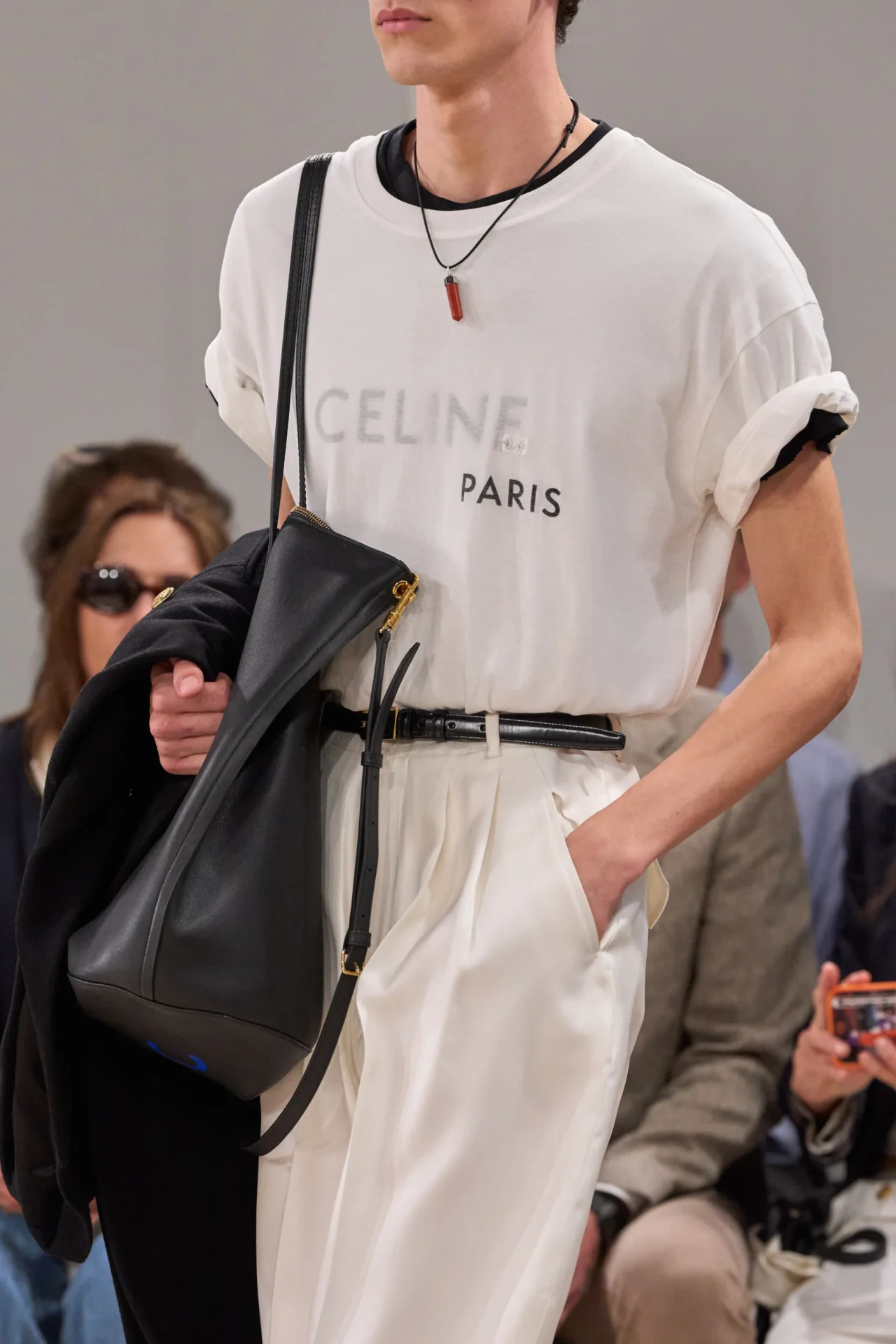
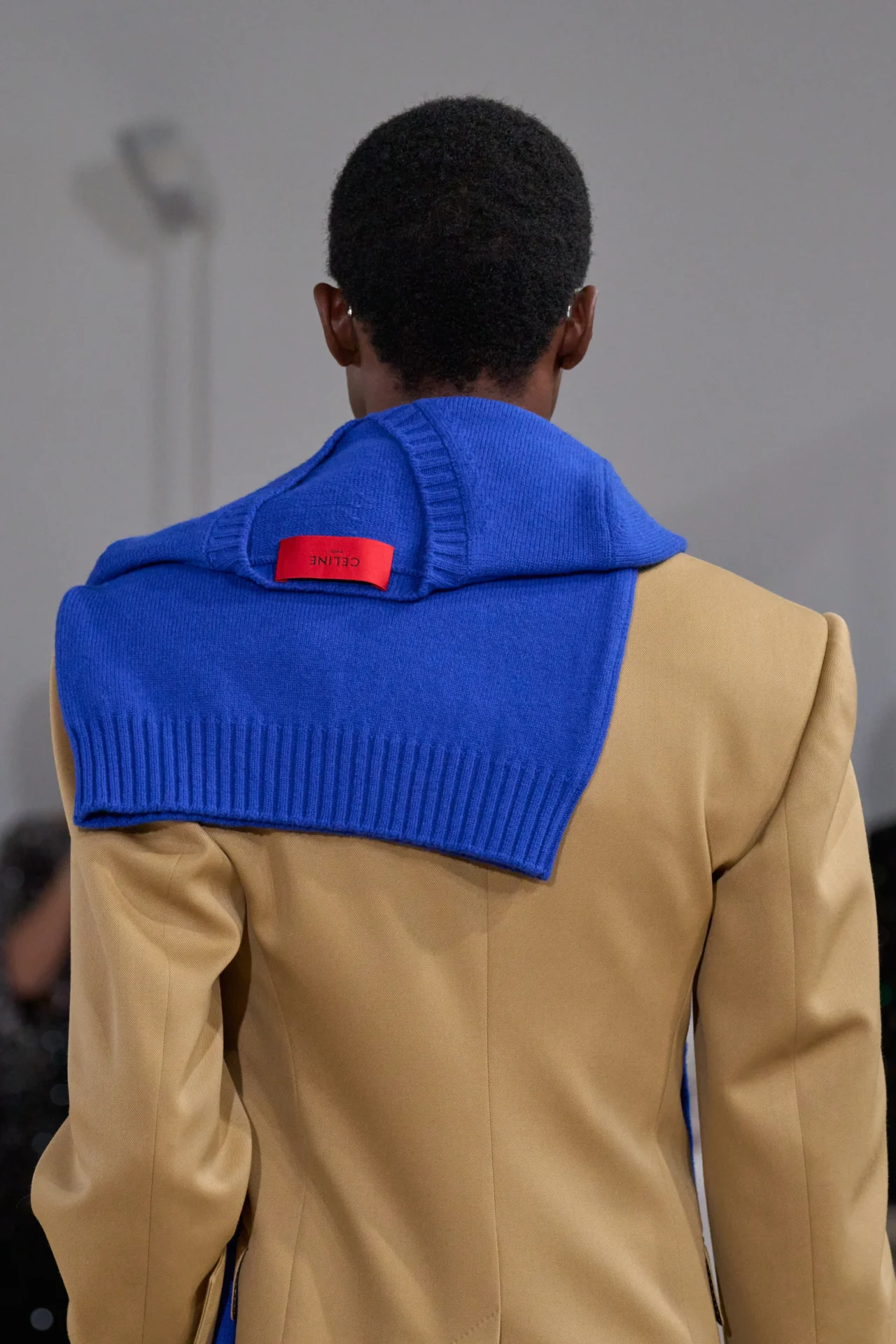
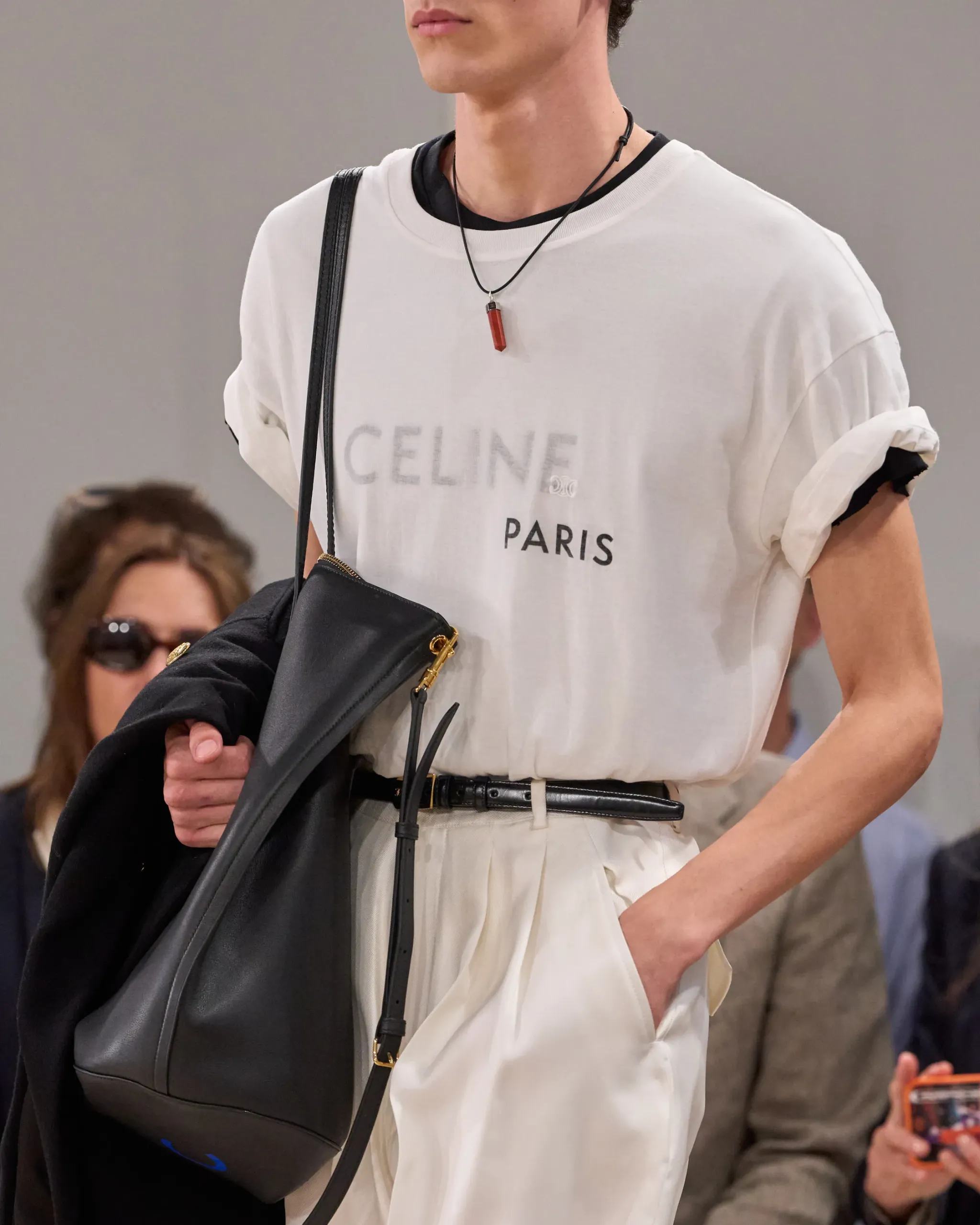
Meanwhile at Celine, the season marked the debut of American designer Michael Rider, who stepped into the role of creative director with a dual men’s and women’s show. His approach wove together elements from the house’s history, blending Hedi Slimane’s lean exactness, Phoebe Philo’s soft rigor, and subtle nods to Céline Vipiana’s understated charm.
The styling brought clarity to the collection. Nothing felt out of place, yet every piece carried a sense of intention. Michael offered a perspective that felt new, while still paying tribute to the codes and legacy of the French maison.
Collectively, the season moved away from spectacle and leaned into subtlety. The overt provocations of past seasons gave way to forms of control: draping that looked effortless, accessories that changed the mood of an outfit, and silhouettes defined by a single, off-kilter detail. Across the board, designers presented looks that might have seemed unremarkable on their own but became transformative through styling.
A softer avant-garde
Some might call it the return of “avant-basic.” Once a term used to mock the overdesigned minimalismMinimalismA design philosophy that favors clean lines, restrained color palettes, and quality materials over ornament and logos. In menswear, minimalism emphasizes impeccable fit and fabric, producing clothes that feel timelessGo to Minimalism Glossary of the early 2010s, it reemerged this season with new dimension. Sculptural or eccentric pieces were grounded by thoughtful styling, making them feel wearable rather than performative. Avant-garde wasn’t something to admire from a distance. It was brought closer to reality through accessories and wardrobe staples that gave it context and ease.
It’s no longer enough for clothes to be well-designed. In Spring/Summer 2026, they had to be well-considered. In many cases, it was the bags, the hats, the eyewear, or even the way a collar was left half popped that transformed a decent look into something memorable.
Photos courtesy Dior, Prada, Dolce&Gabbana, Celine
Recommended Video