Key Moments from Paris Fashion Week You Might Have Missed
In Paris, menswear designers set aside spectacle in favor of structure, crafting collections that spoke in intention




Paris FashionFashionThe art and industry of designing, producing, and styling clothing, footwear, accessories, and beauty trends. It reflects cultural influences, personal expression, and evolving styles across seasons and markets.Go to Fashion Glossary Week once again served as a platform for designers to showcase both innovation and reinvention in men’s fashion. This season’s shows balanced daring experimentation with a return to refined elegance, as each house presented its distinct vision for the future of menswear.
ALSO READ: Key Moments from Milan Fashion Week You Might Have Missed
Saint Laurent and the new uniform
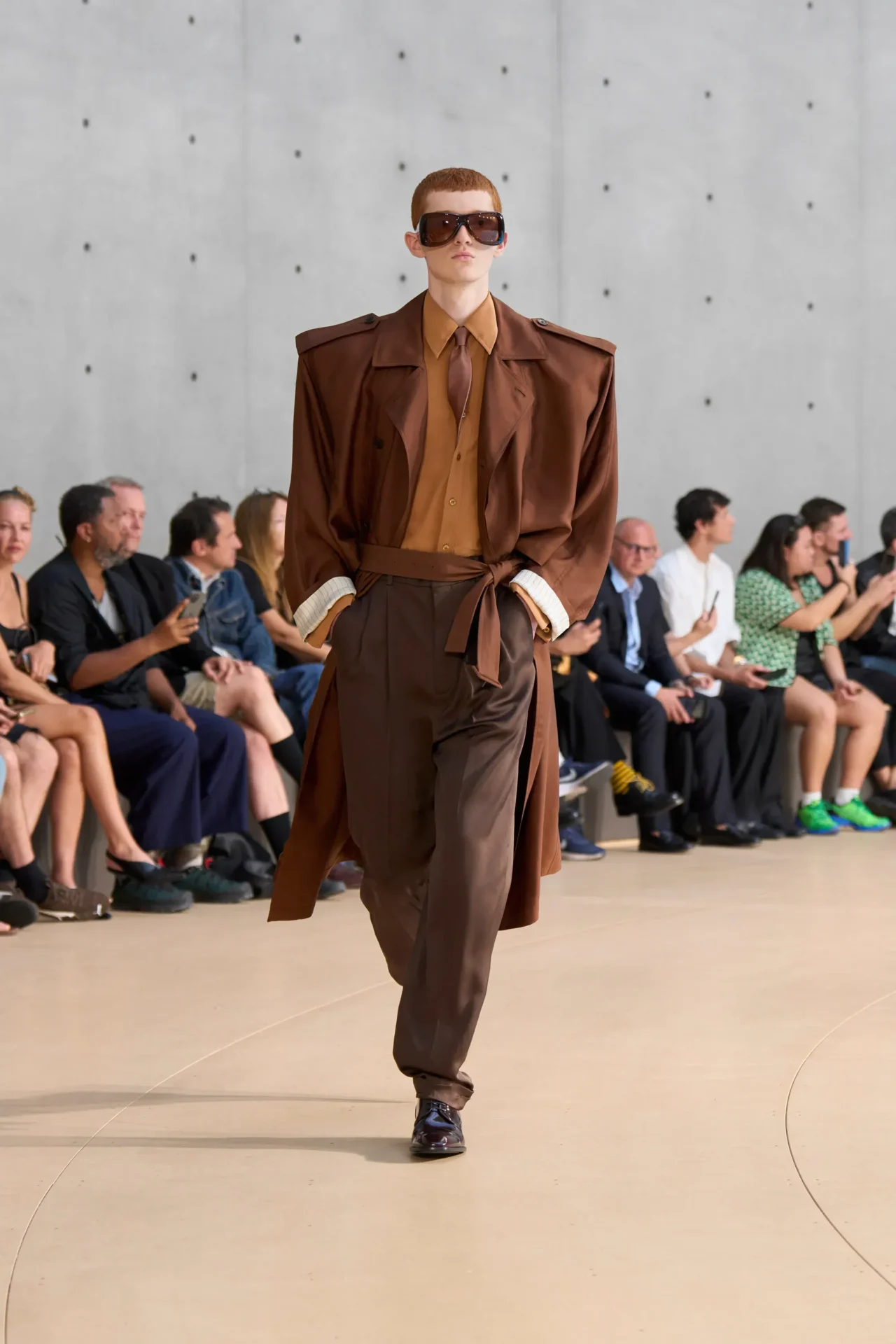
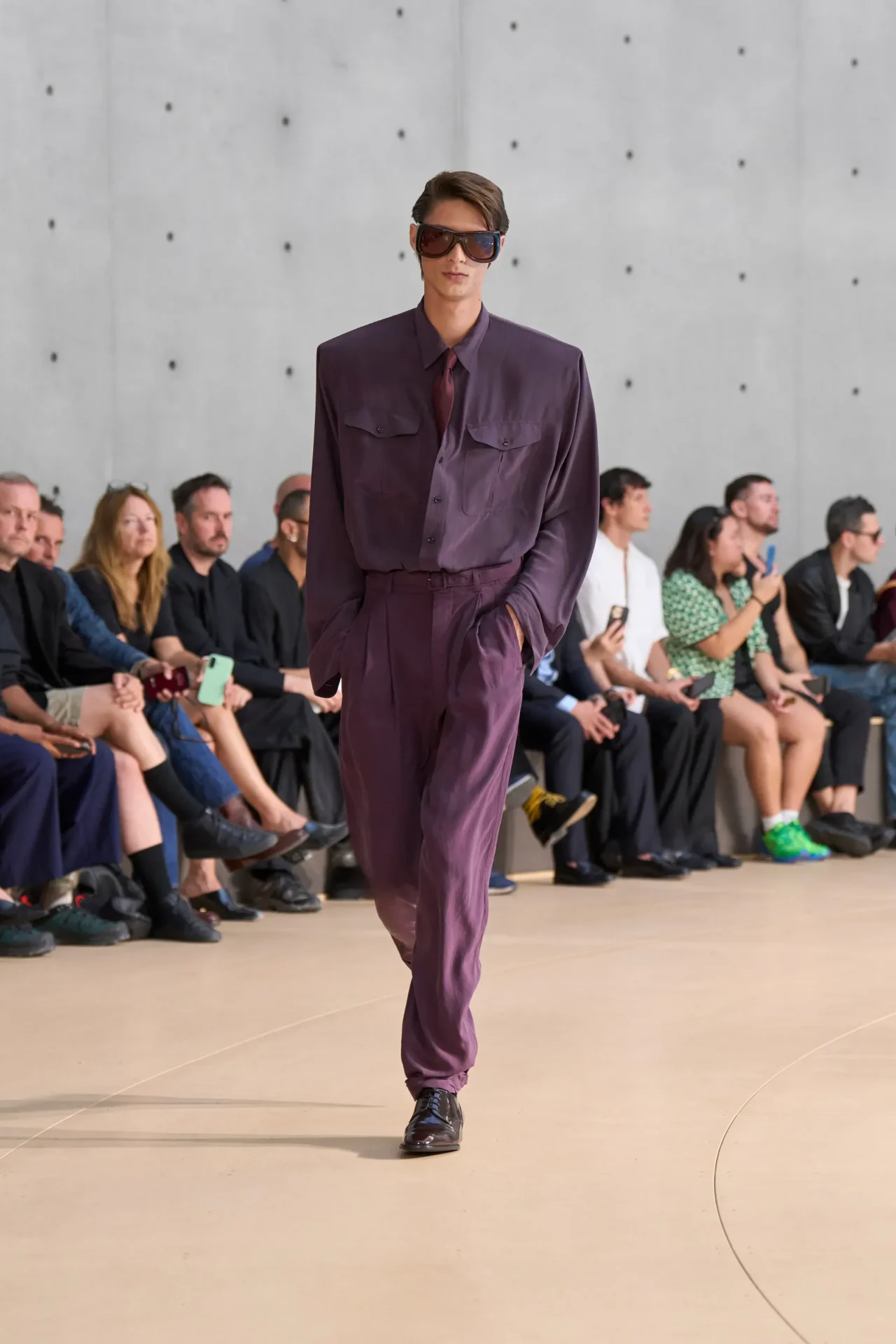
Saint Laurent drew attention with a reimagined look that paired neatly tucked-in ties with high-waisted trousers. Neck ties were nonchalantly half-tucked into shirts, while trapeze-cut paperbag shorts, hitched sky-high, suggested a seamless transition from office to coast. This styling shift marked a move away from pure decadence toward a balance of sharp tailoring and understated utility, setting the tone for the season ahead.
Material as metaphor at EGONlab
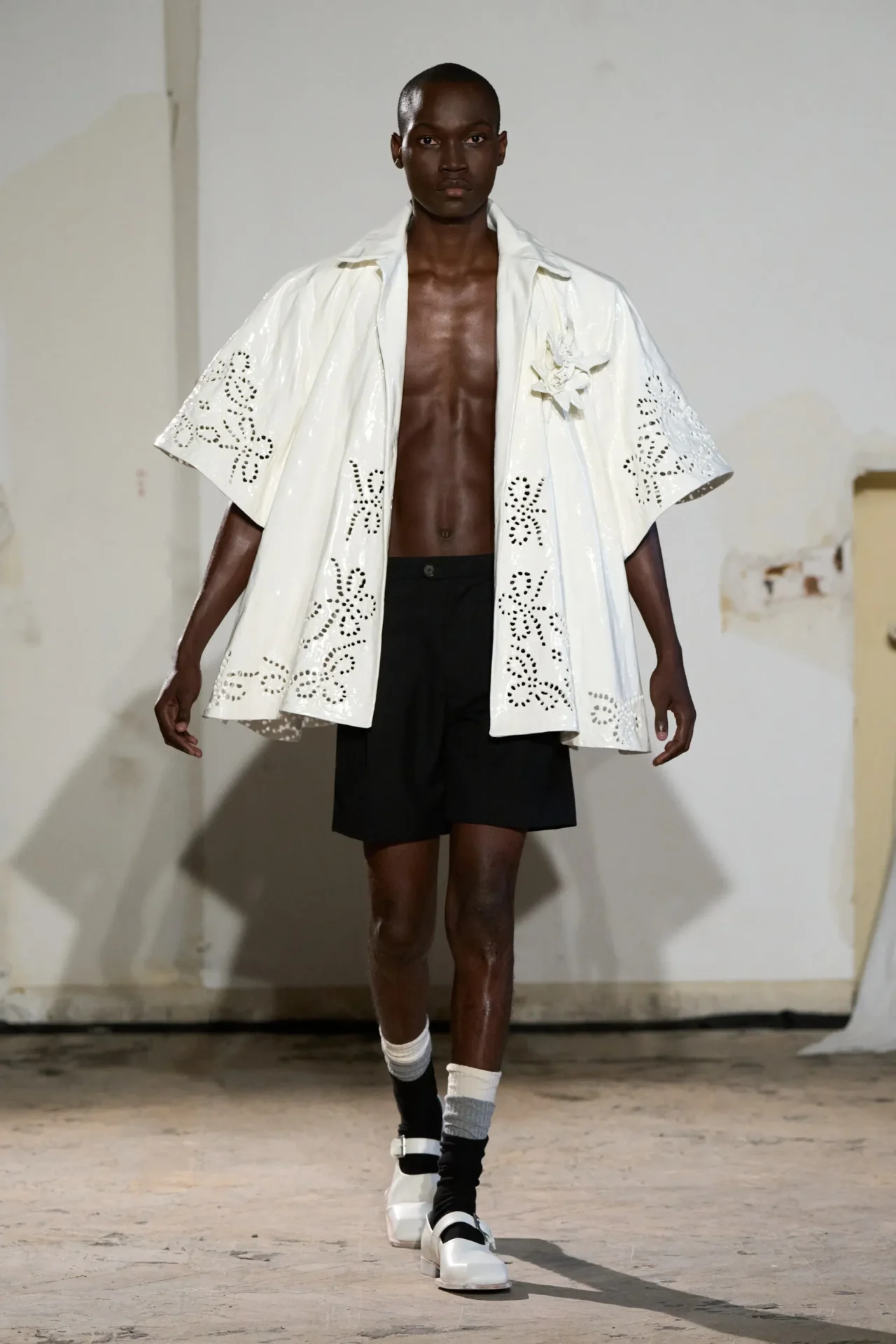
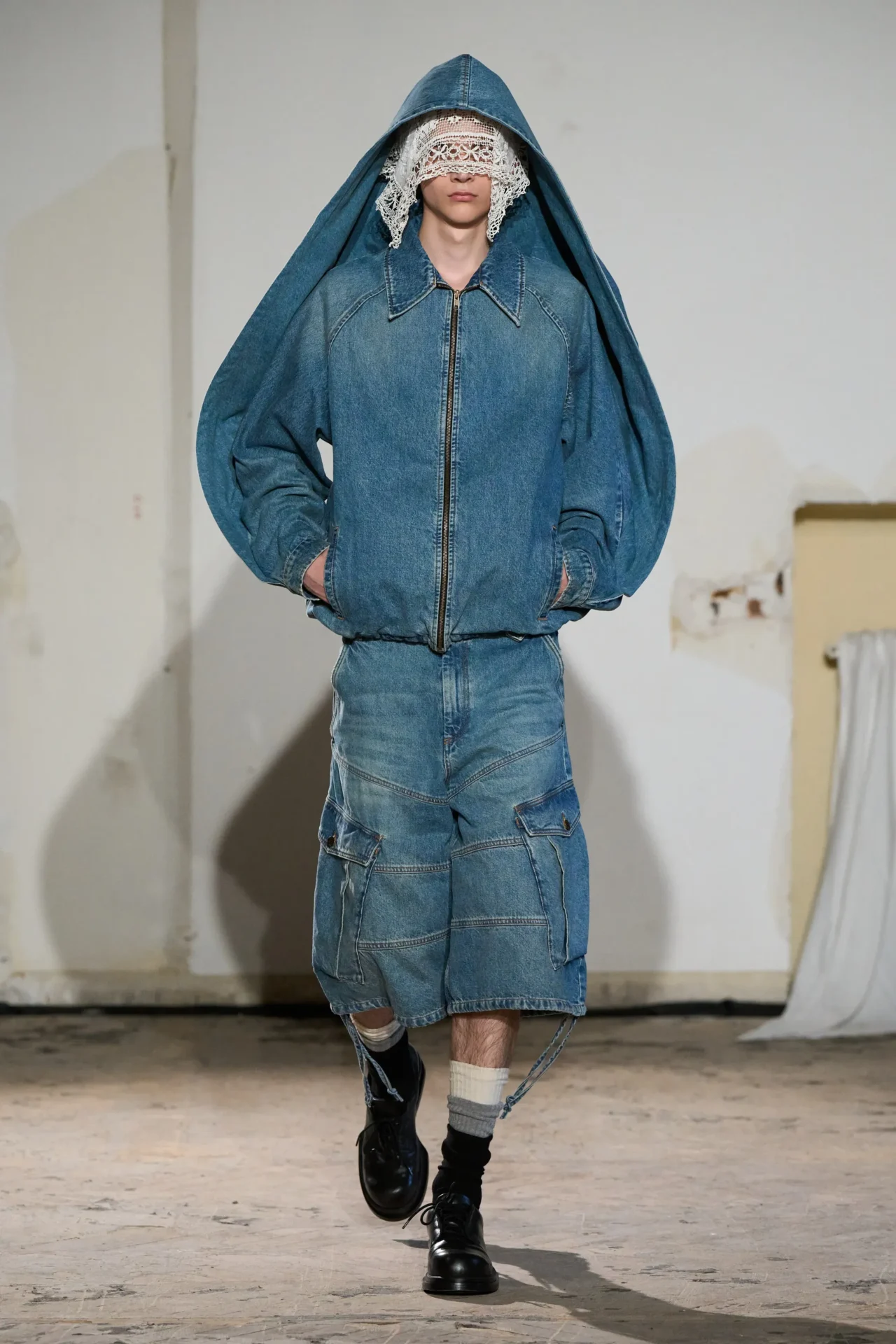
EGONlab pushed material boundaries with a full porcelain shirt designed to mimic the flow and feel of fabric. This striking piece challenged conventional ideas of apparel, merging art and fashionFashionThe art and industry of designing, producing, and styling clothing, footwear, accessories, and beauty trends. It reflects cultural influences, personal expression, and evolving styles across seasons and markets.Go to Fashion Glossary to create a garment that was as much a statement as it was wearable.
Wales Bonner reclaims her space
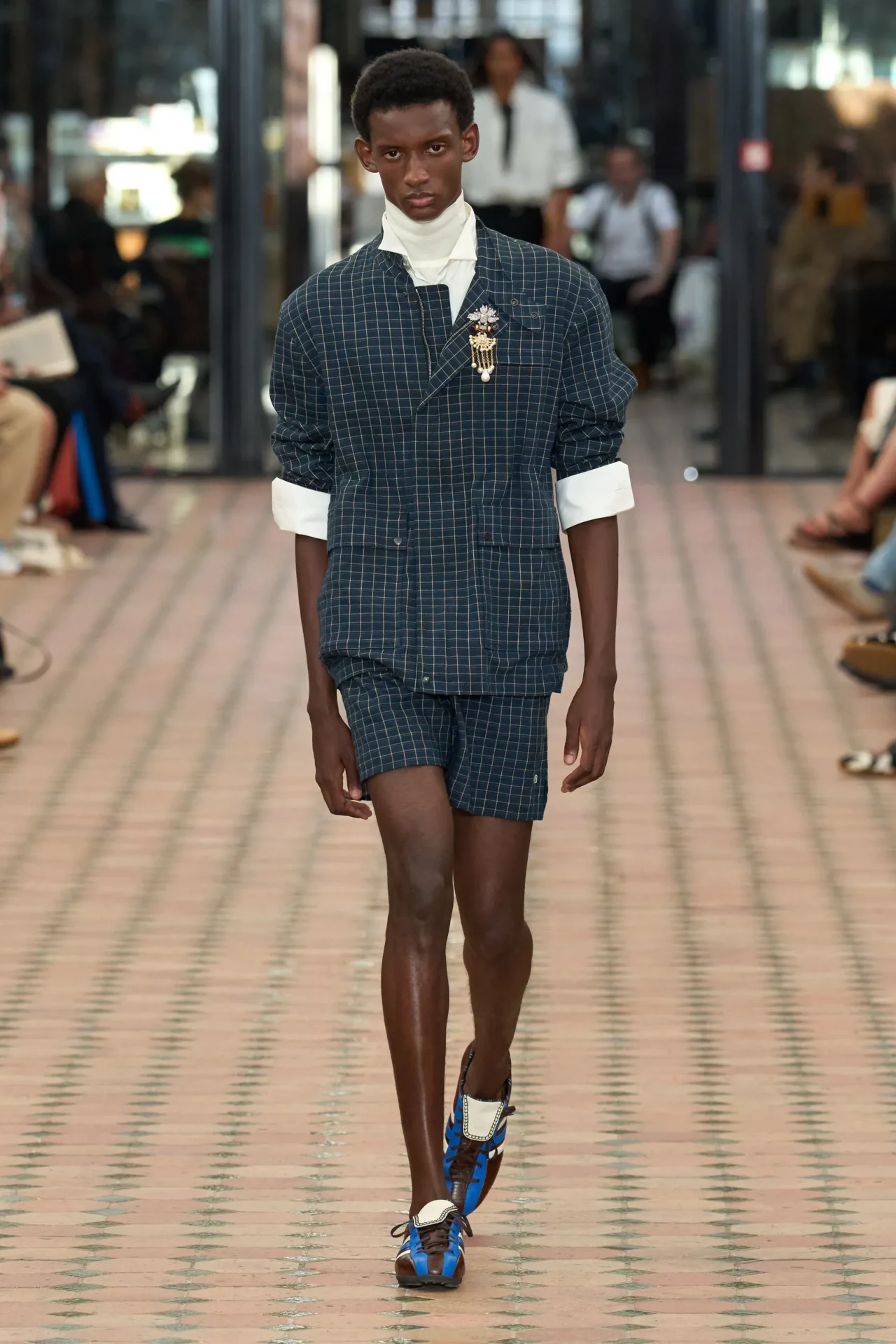
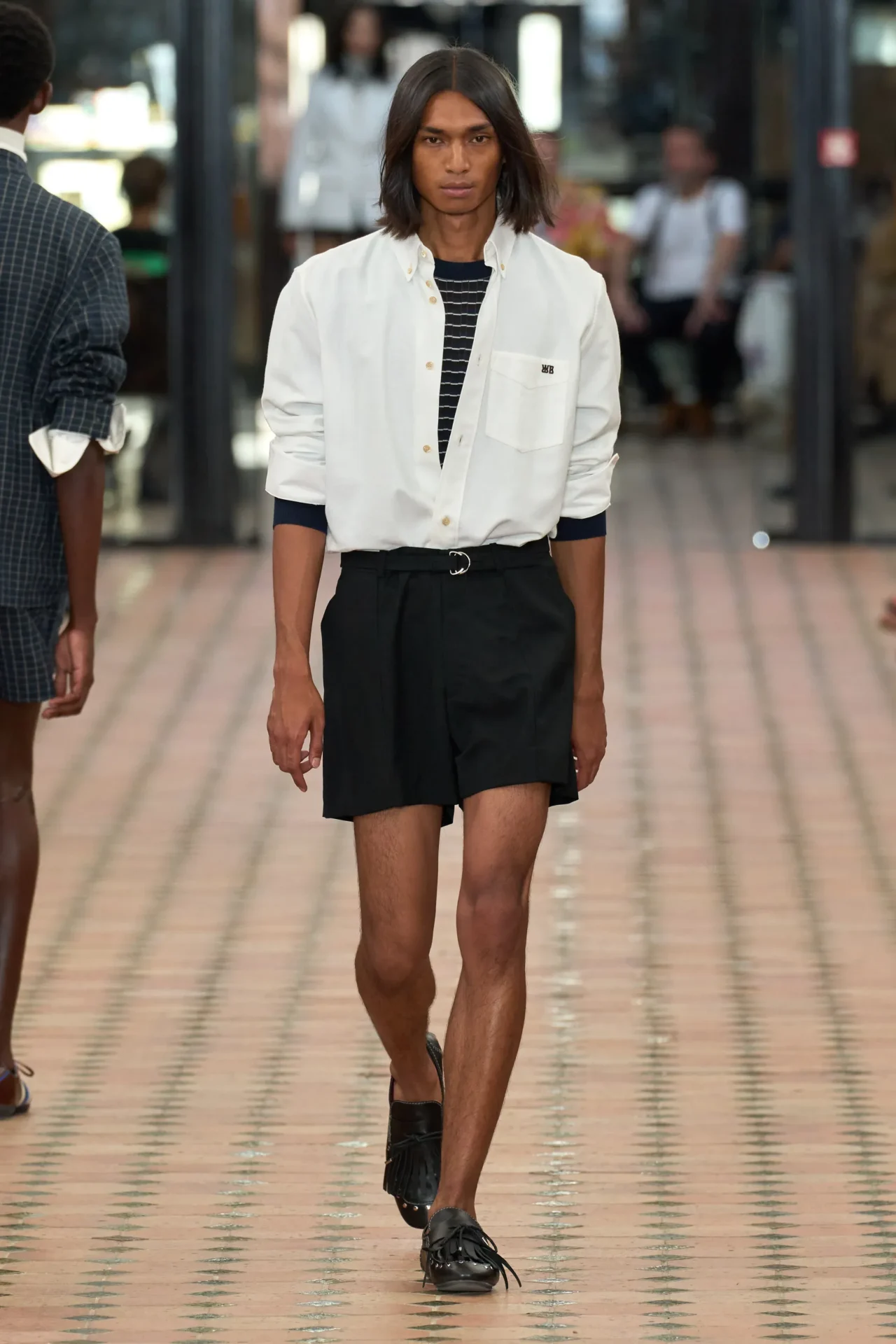
Marking its 10th anniversary, Wales Bonner made a confident return to the Paris stage with a collection that revisited themes of Black European identity. From leopard loafers adorned with silver brooches to perfectly slouched tailoring and textured knits, each look felt like a treasured piece meant for pleasure, leisure, and everything in between.
Movement and meaning at IM Men
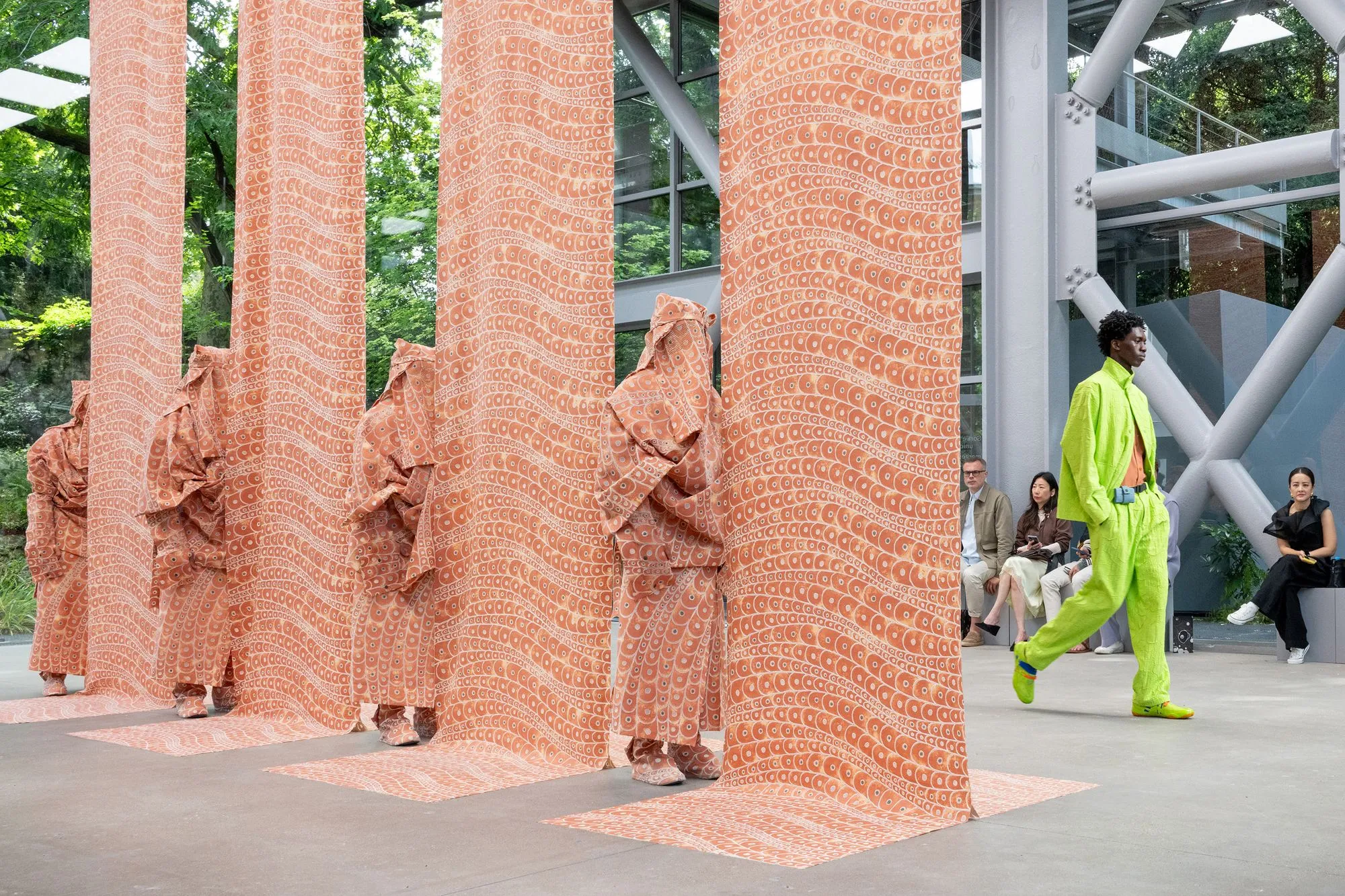
IM MEN introduced a performative dimension by using movement to explore textile patterns. Models engaged in choreographed sequences that emphasized the layered garments, which created a visual dialogue between fabric and form that underscored the evolving dynamism of menswear. The collection played with texture as a visual language, using dancing prints, advanced pleating, and sculptural piping to turn garments into kinetic statements.
The Dries Transition: Julian Klausner’s Debut

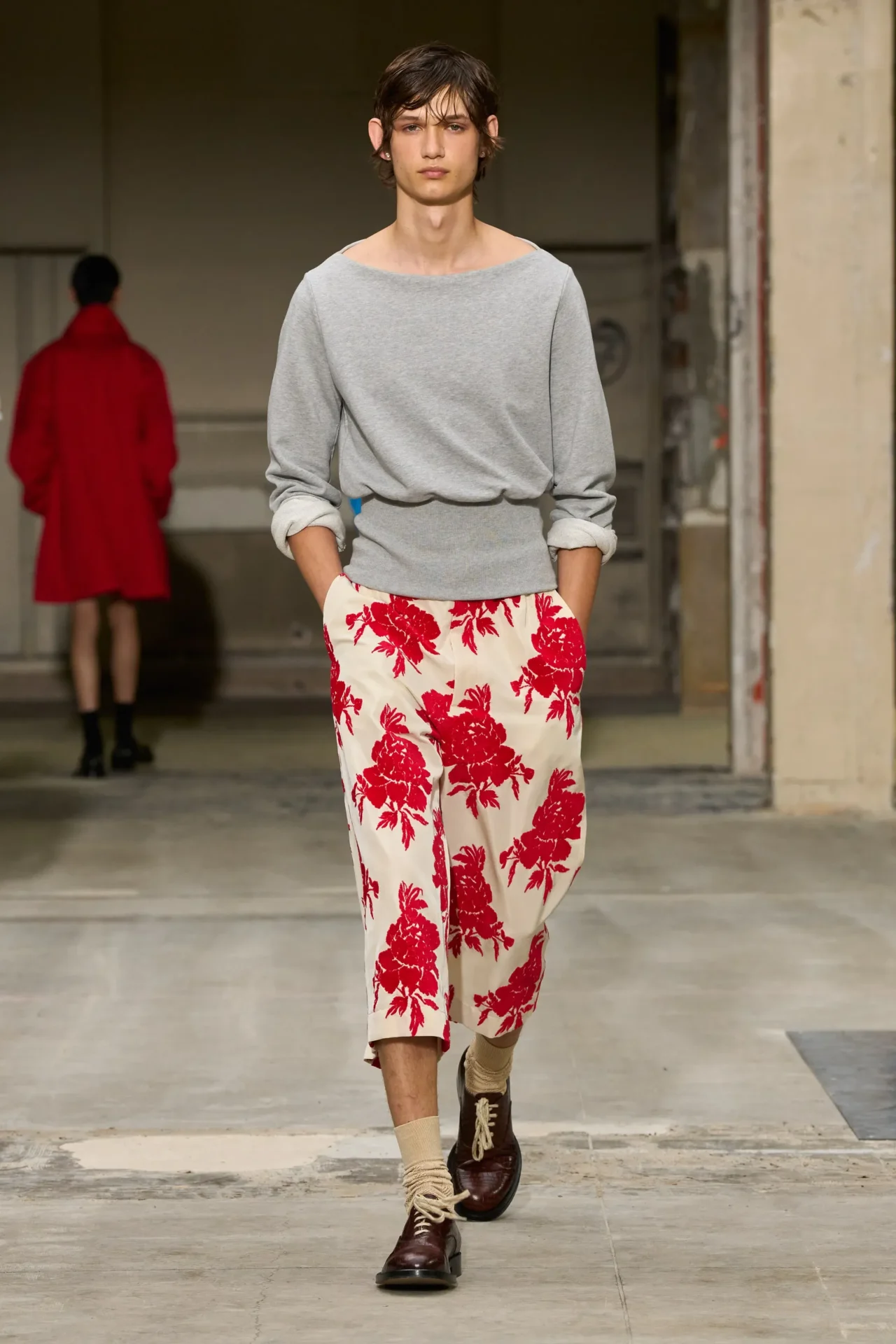
For the first time under new creative leadership, Dries Van Noten unveiled a collection by Julian Klausner. His debut embraced pared-down embroidery and a cooler color palette, striking a careful balance between honoring the house’s heritage and introducing an evolved aesthetic. The show was a study in contrasts: clashing stripes and patterns; bold colors, sequins, and florals balanced by neutral tones; and jackets, coats, and lightweight trousers paired with wraparounds that doubled as belts and skirts.
Rick Owens submerges the runway
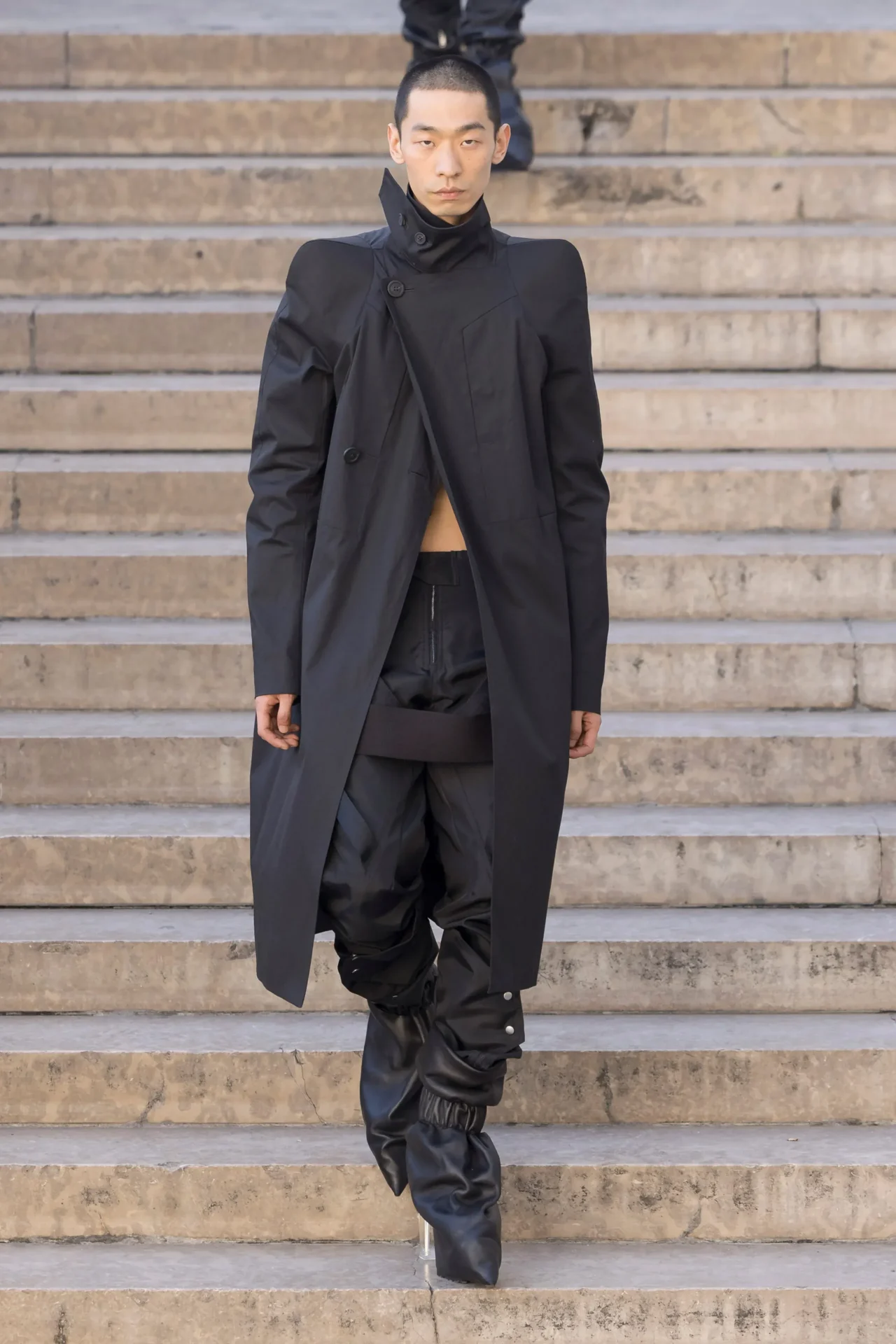
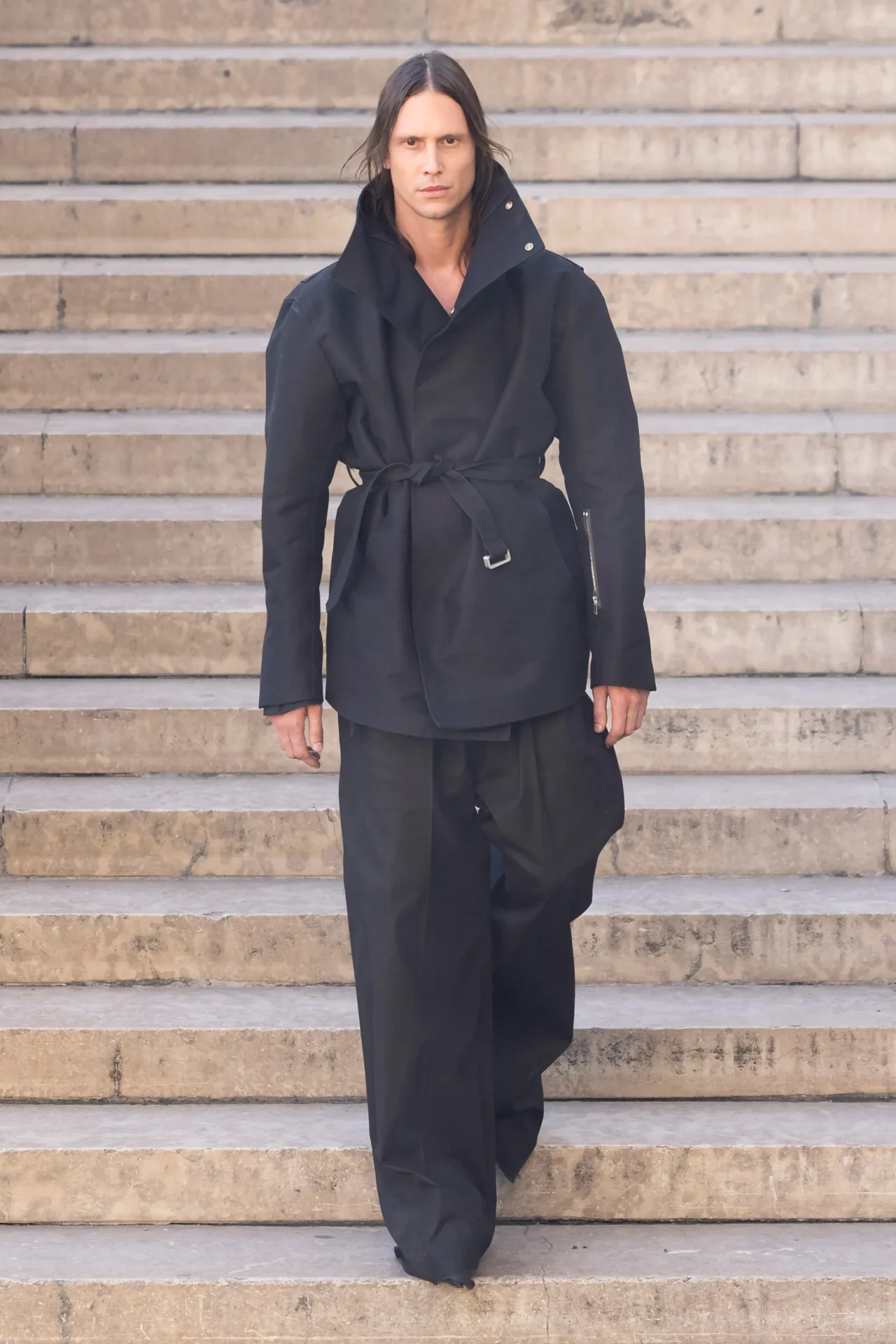
Rick Owens turned heads by literally flooding his venue. Models navigated ankle-deep water, a setting that complemented the brand’s reputation for dramatic and visceral presentations. This unexpected choice reinforced Rick’s commitment to creating an immersive experience that extends beyond traditional runway norms.
Jonathan Anderson’s first show for Dior
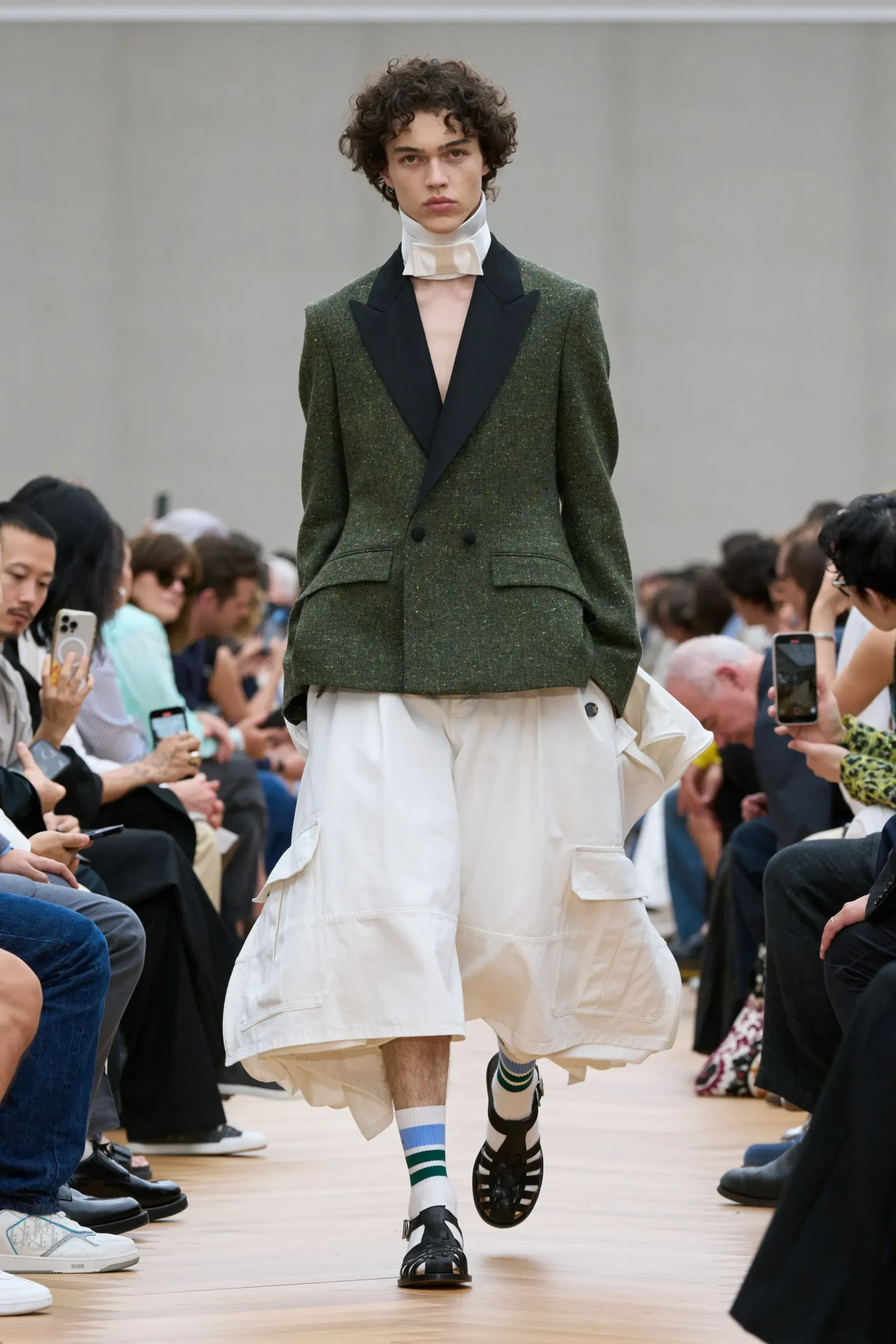
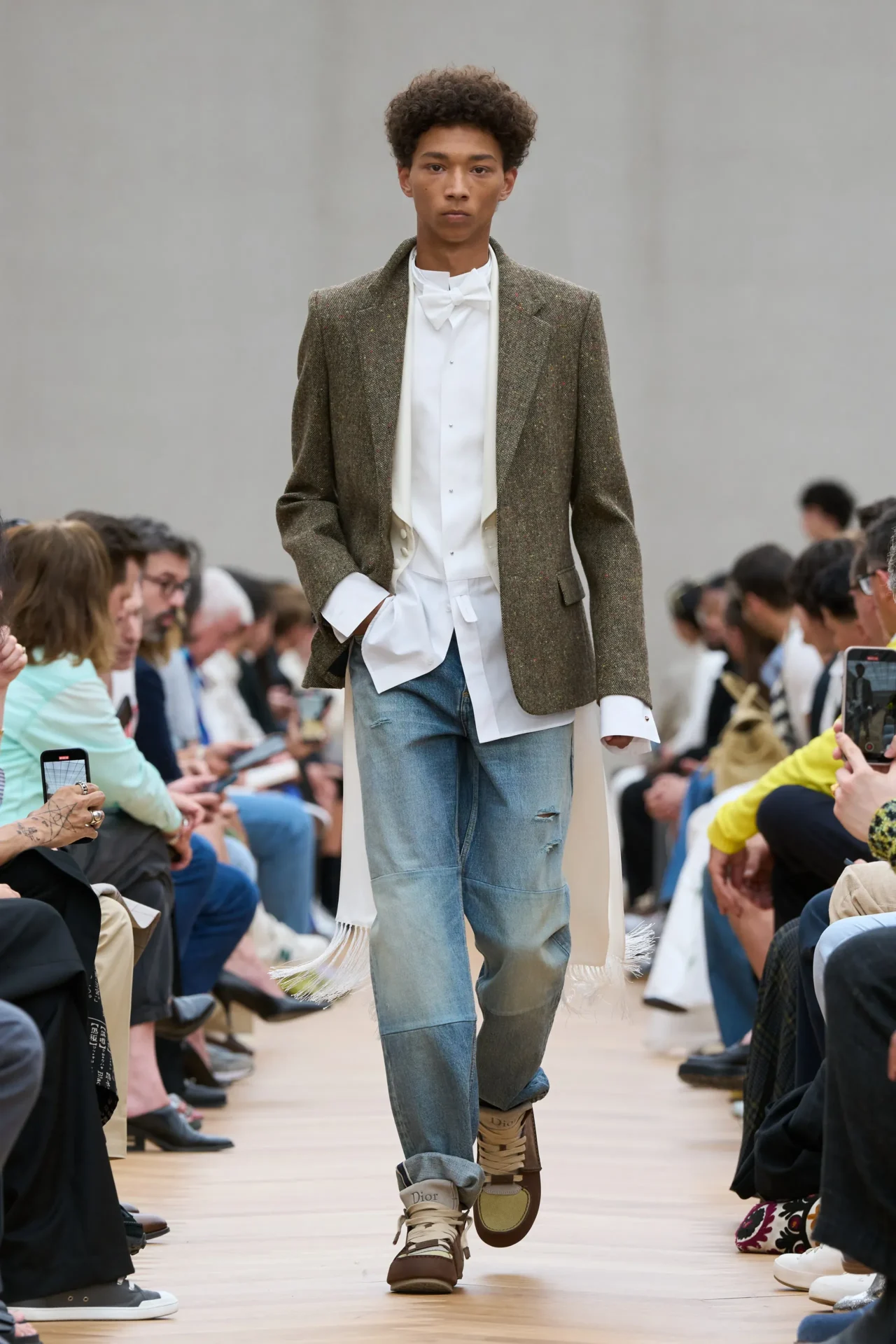
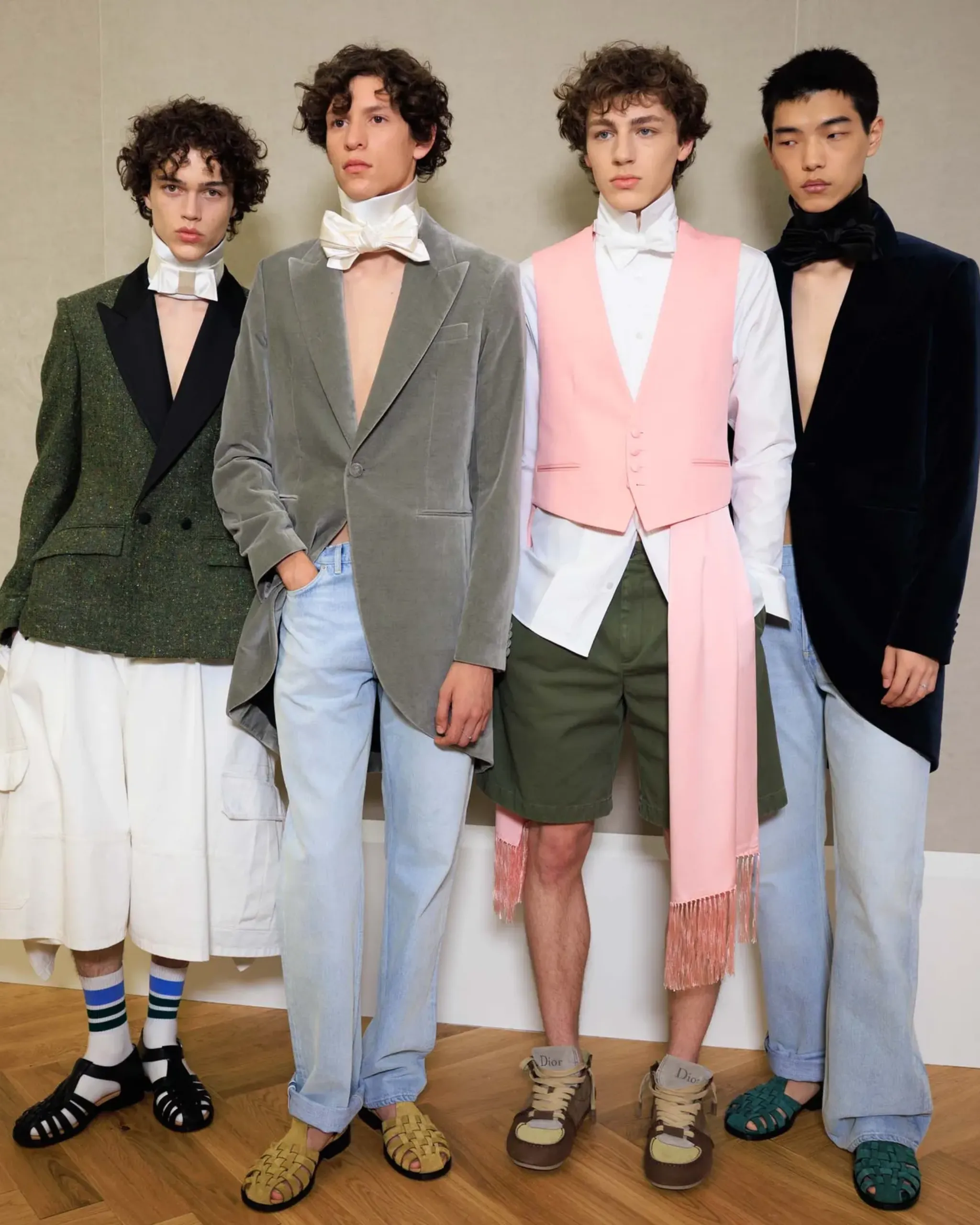
After much anticipation, Jonathan Anderson made his debut for Dior Men with a collection that honored house codes, like cannage quilting and sharp tailoring, while reinterpreting them through a modern lens. British romanticism met Parisian polish through asymmetrical details, poetic silhouettes, and softly draped accoutrements. The draping, at times, resembled pages turning mid-air.
Fisherman sandals grounded the looks with utilitarian charm, while offbeat touches like a single jean cuff rolled up or one side of the collar flipped up added a sense of studied nonchalance. The result was a show that felt both reverent of Dior’s legacy and receptive to new influences.
Craig Green’s electric vision
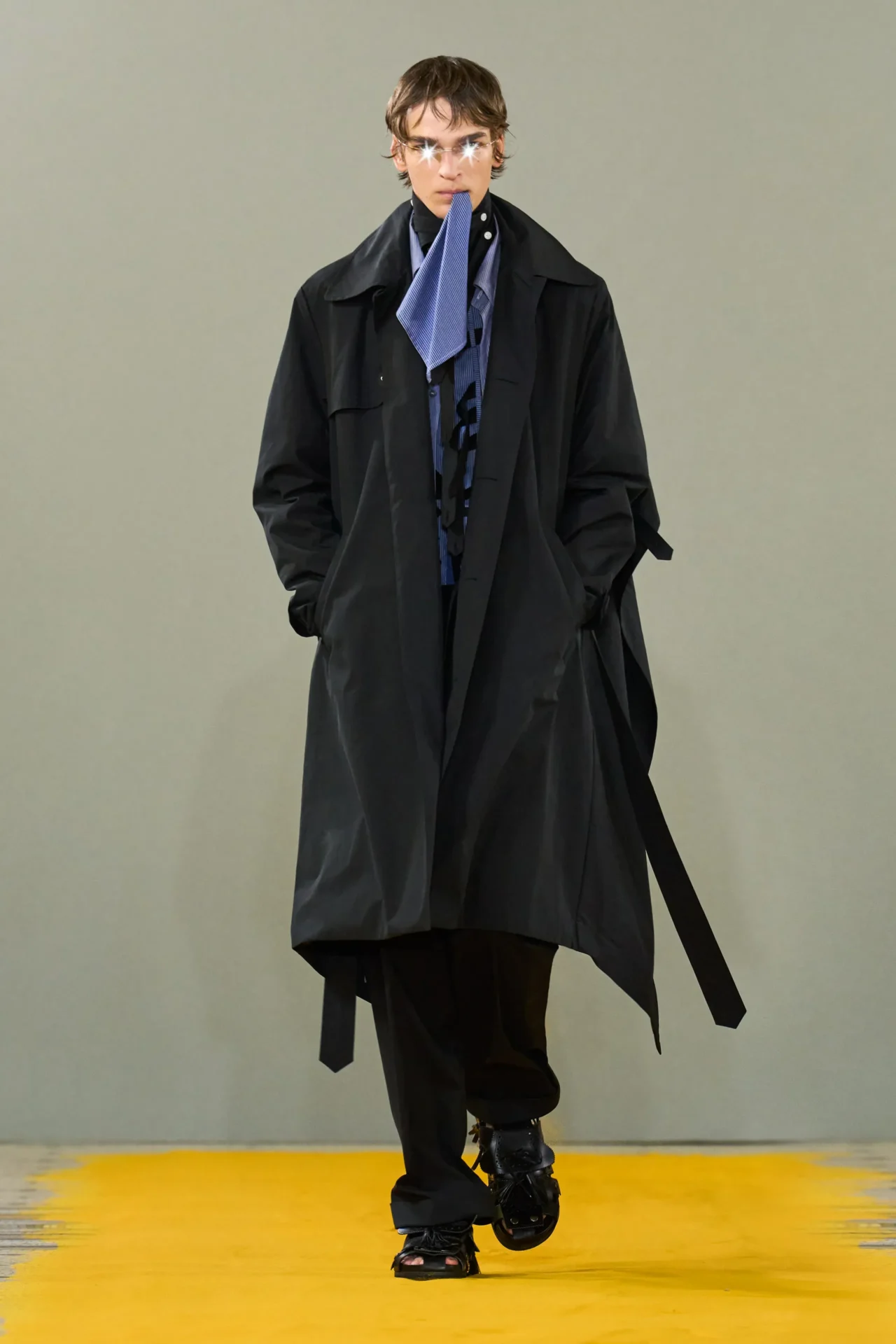
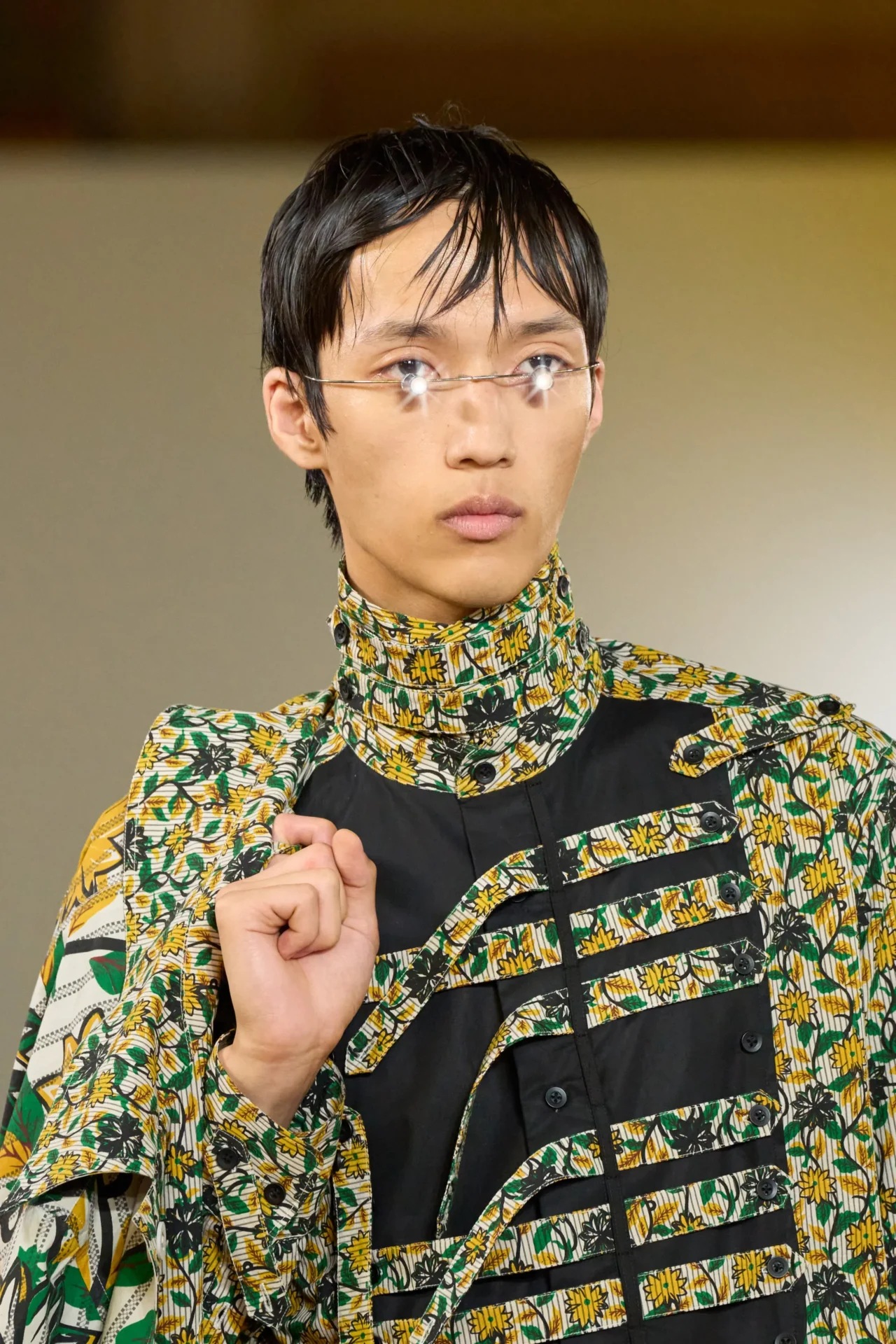
Craig Green brought a futuristic edge to the runway with LED eyewear illuminating his signature uniform-inspired silhouettes. Long known for reimagining utilitarian forms, the brand introduced tech-forward elements that added a layer of innovation, merging functionality with a distinctly forward-looking design ethos. Florals were reinterpreted with a sculptural softness, while fluid shapes and ribboned detailing softened the sense of utility. Strips and ties appeared throughout, introducing motion that balanced technicality with emotional depth.
Junya Watanabe’s brocade reboot
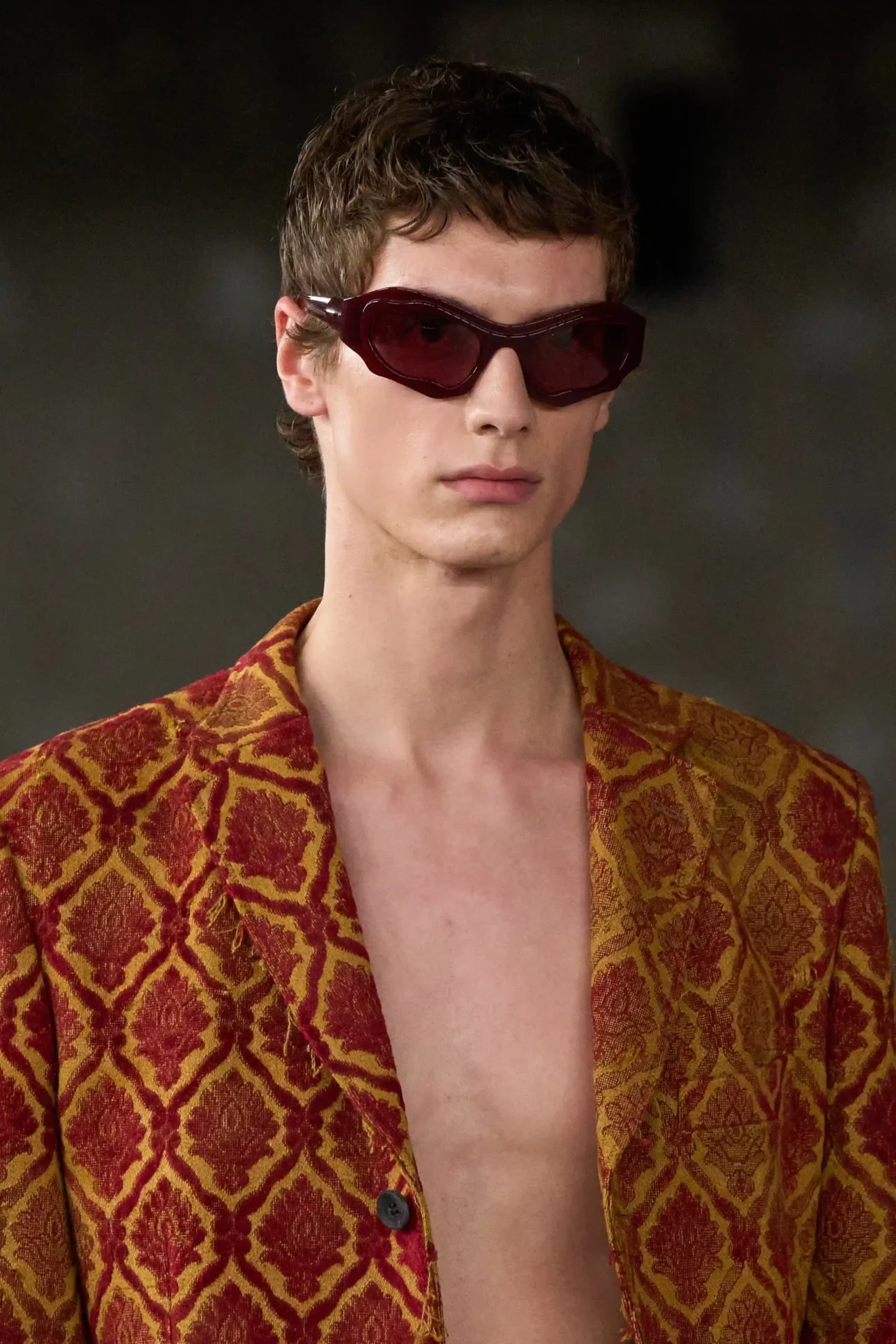

Junya Watanabe revisited vintage brocade fabrics, reworking them into contemporary forms. From cropped jackets to oversized cargo pants, the collection showed how traditional materials can be reimagined for modern streetwear and pay homage to history while embracing new silhouettes. Flared bell bottoms, jacquard blazers in floral and paisley prints, and longline silhouettes created a striking remix of tradition.
Jacquemus closes Paris with a memory
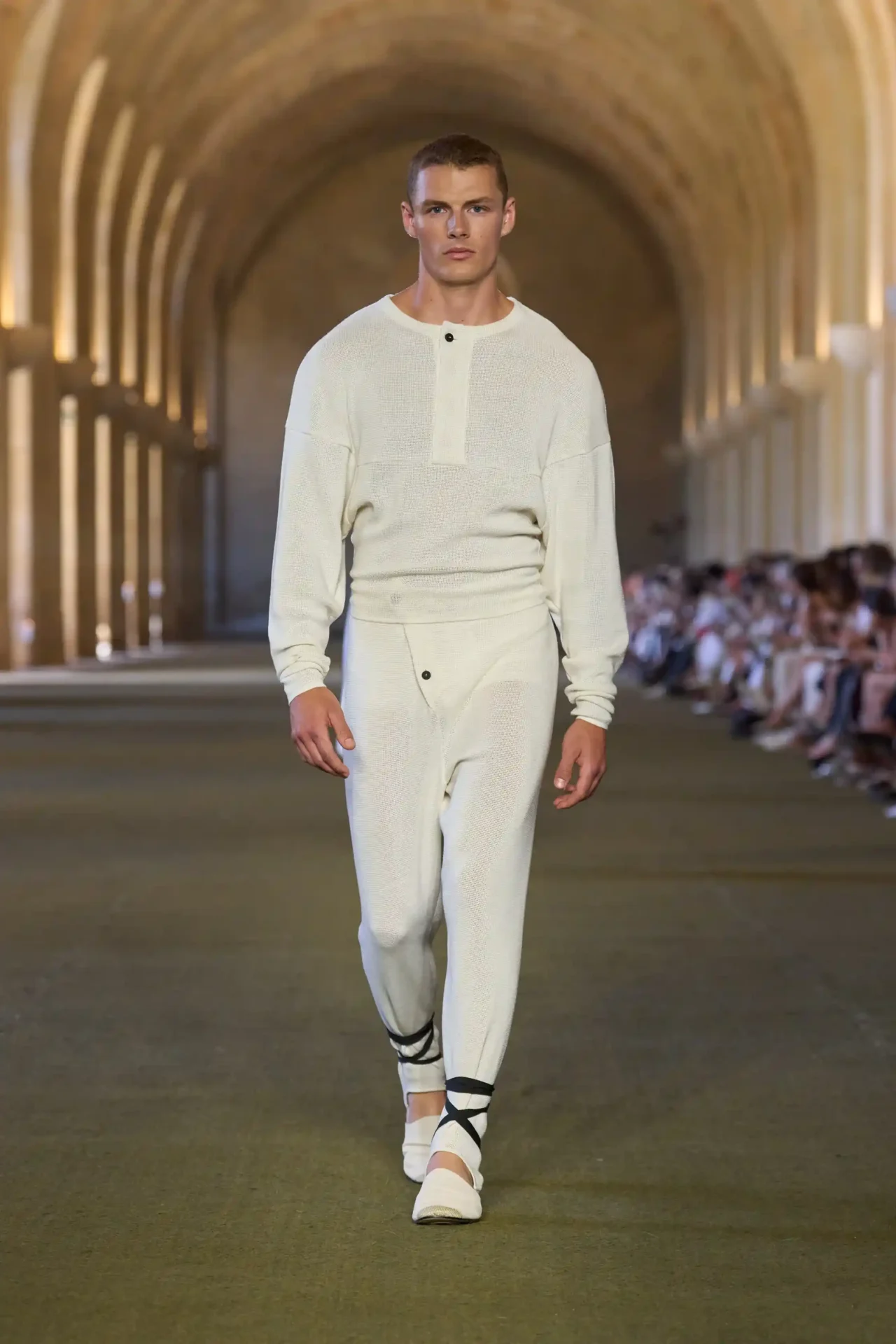
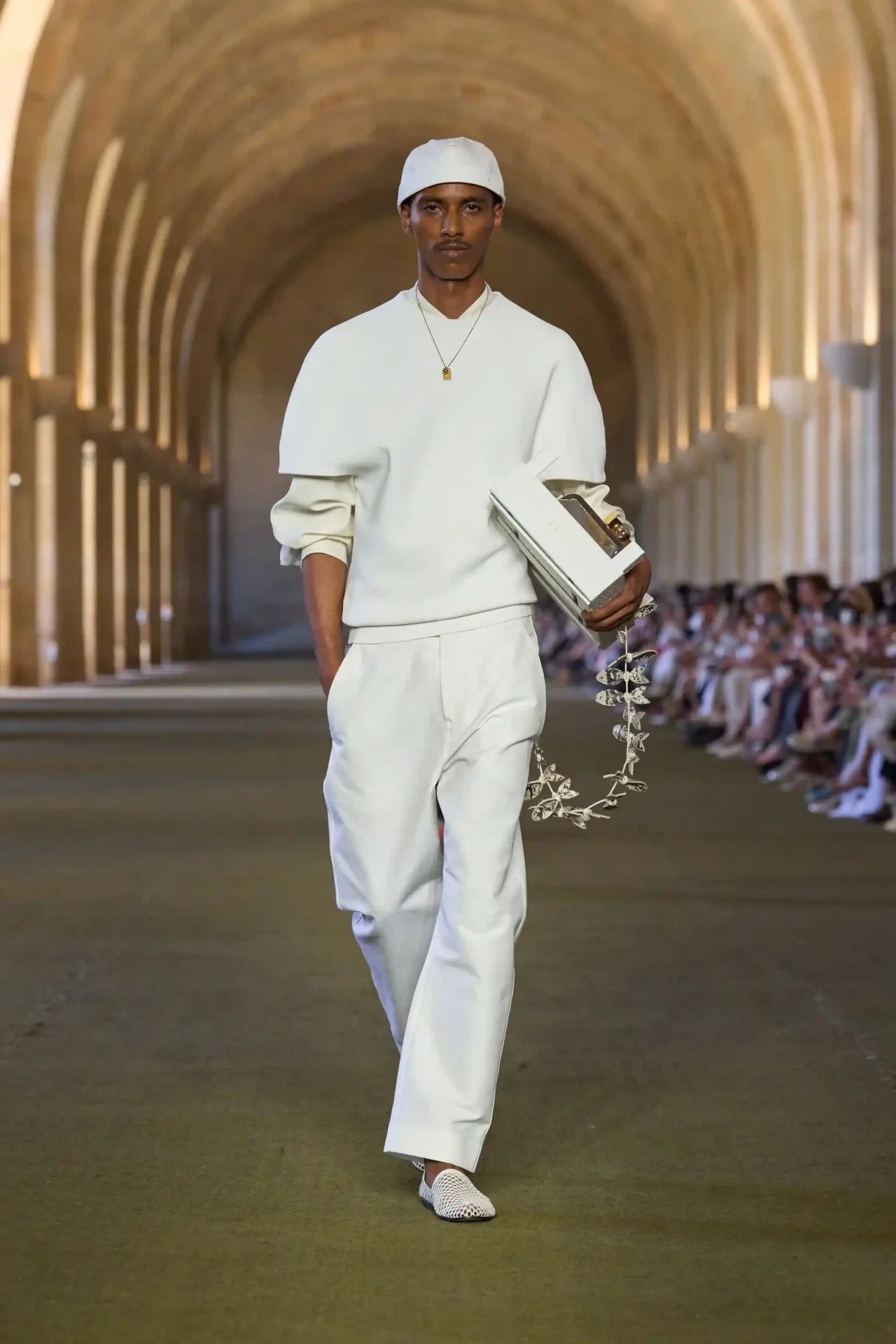
Jacquemus closed out Paris FashionFashionThe art and industry of designing, producing, and styling clothing, footwear, accessories, and beauty trends. It reflects cultural influences, personal expression, and evolving styles across seasons and markets.Go to Fashion Glossary Week with a show steeped in nostalgia. The setting and mood evoked memories of simpler times, without tipping into sentimentality. Skirts over pants, rolled hems that recalled capri trousers, and soft suits reinterpreted classic tailoring, while light blouses, sweatshirts, and upside-down berets added a playful twist. Understated designs paired with a soft atmosphere offered a gentle and fitting end to the week’s presentations.
In summary
This year’s Paris FashionFashionThe art and industry of designing, producing, and styling clothing, footwear, accessories, and beauty trends. It reflects cultural influences, personal expression, and evolving styles across seasons and markets.Go to Fashion Glossary Week showcased both innovation and heritage in menswear. Designers challenged convention through bold experiments with materials and movement. Though the collections varied, from Saint Laurent’s sharp tailoring to Rick Owens’ flooded runway, they all reflected a thoughtful dialogue with the past and a clear vision for the future of men’s fashion.
Photos courtesy Dior, Saint Laurent, EGONlab, Wales Bonner, IM Men, Dries van Noten, Rick Owens, Craig Green, Junya Watanabe, Jacquemus
Recommended Video