At This Bangkok Fashion Show, the Future of Thai Style Took the Stage
A new class of Thai fashion students reveals collections that rethink self-expression, all with an eye toward the future of regional design




Charged with vision
On a sweltering Bangkok afternoon, where the heat moved like breath between buildings and the traffic hummed in a slow dirge, something electric happened inside SWU House. Not loud or explosive, rather, a gradual combustion. One by one, 135 looks emerged from behind the curtain, a slow-motion signal flare: this is what the future of Thai fashionFashionThe art and industry of designing, producing, and styling clothing, footwear, accessories, and beauty trends. It reflects cultural influences, personal expression, and evolving styles across seasons and markets.Go to Fashion Glossary might look like, and it begins here.
The annual graduate showcase from the College of Creative Industry at Srinakharinwirot University (SWU) has always been an altar for ambition, meticulous craftsmanship, and the pain and pleasure of making. The show featured 27 collections developed over 11 months of research, trial, error, and endless reworking.
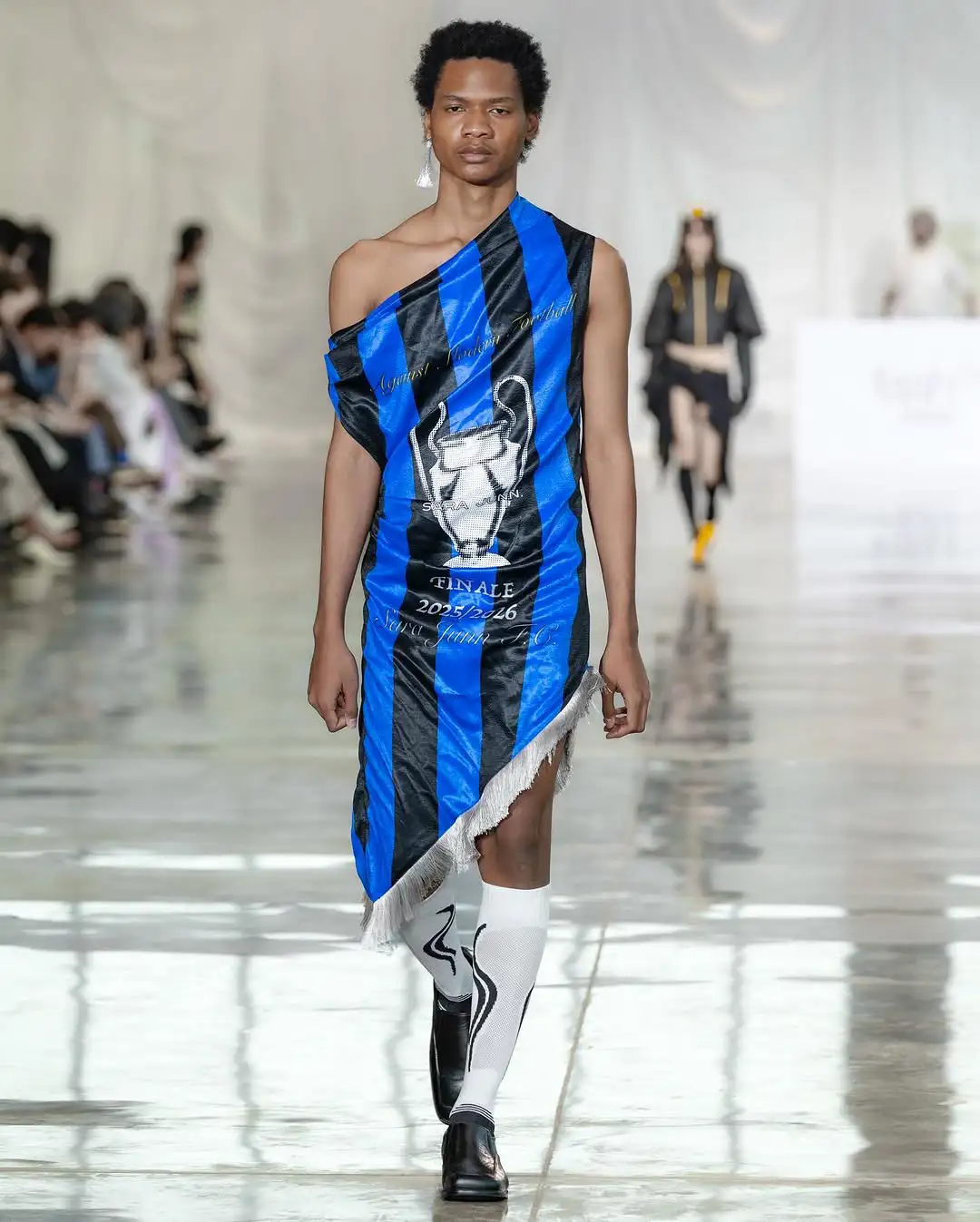
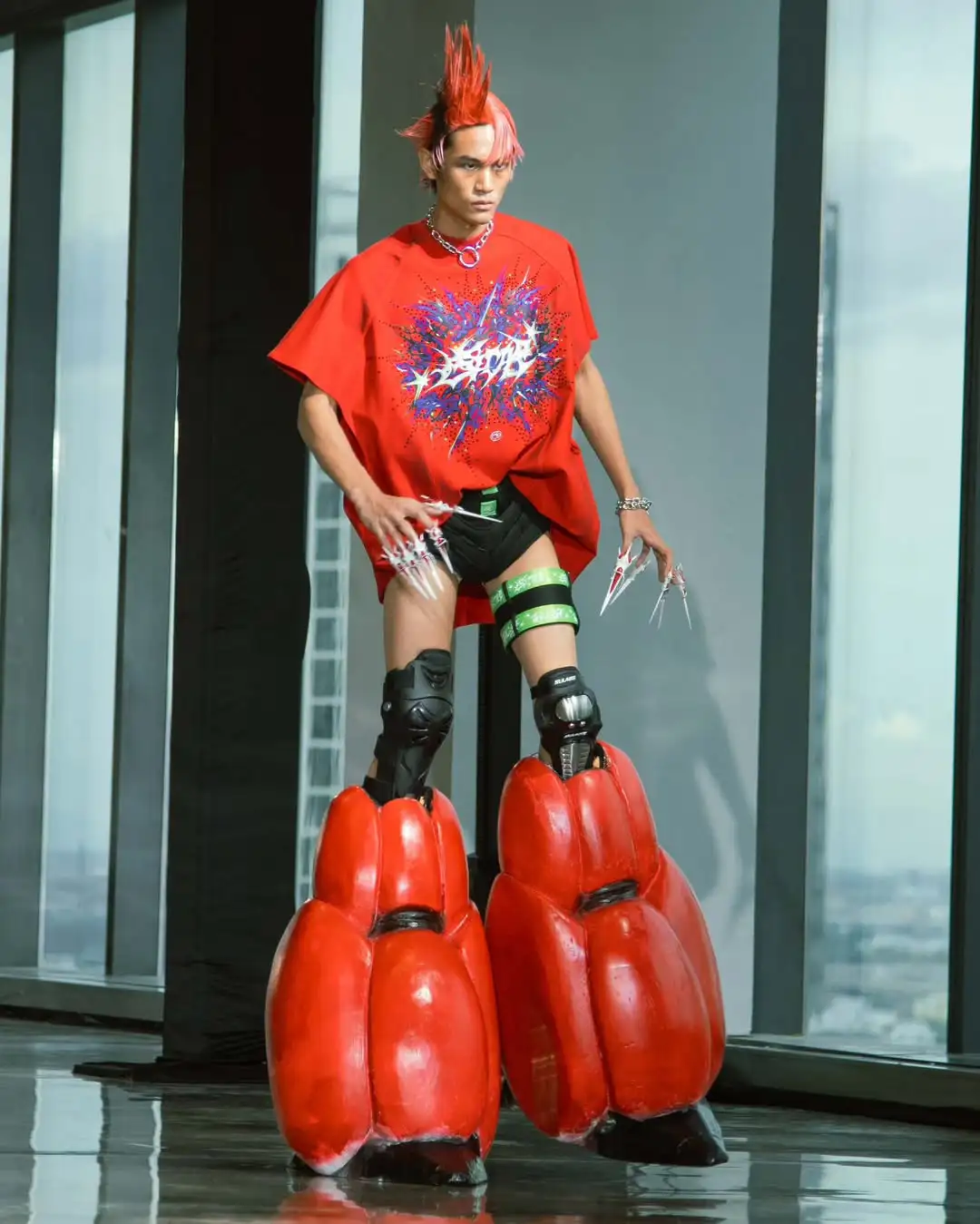
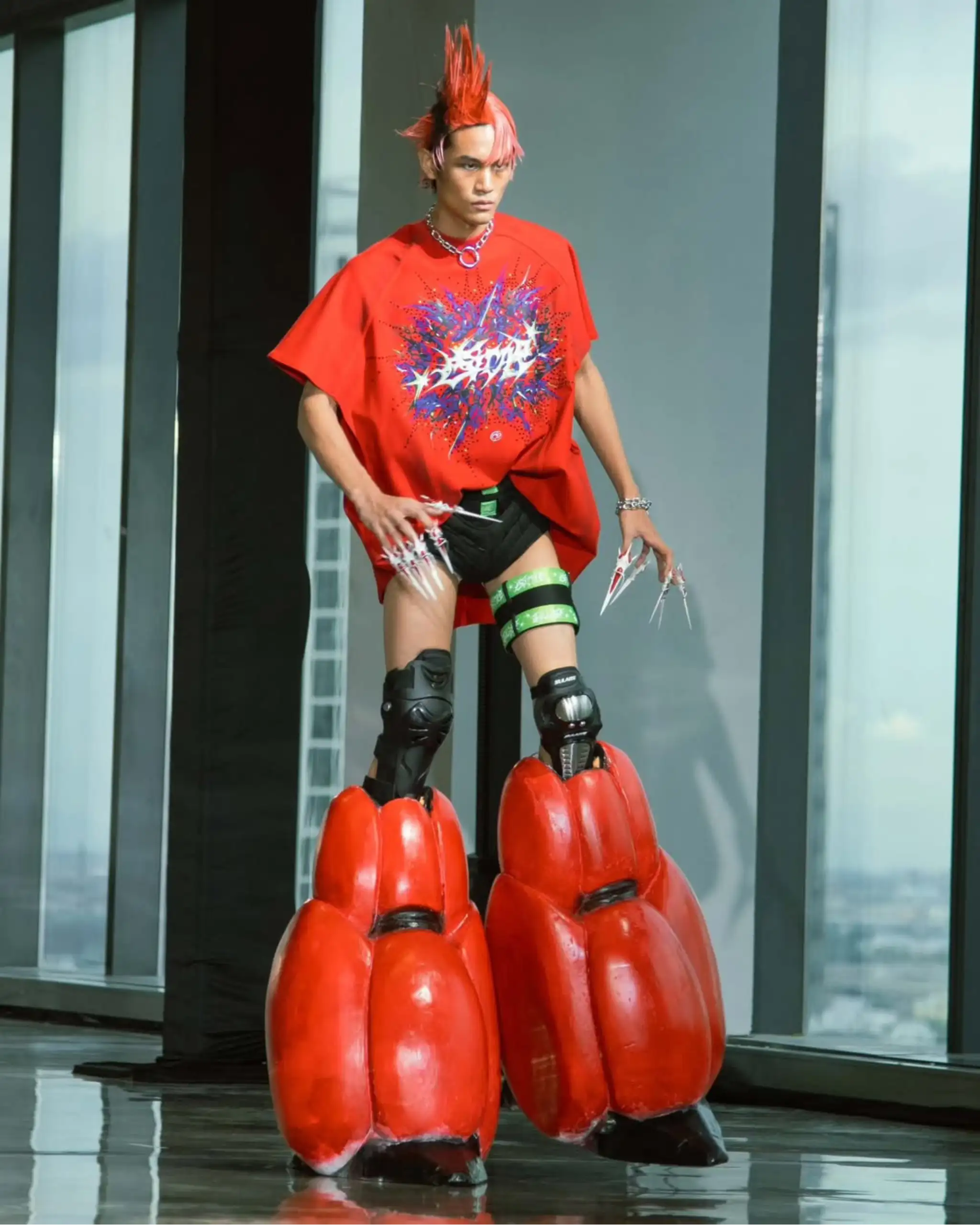
The students worked under the loose but fertile theme of Bio-Circular-Green economy and Thai wisdom; a brief that encouraged them to explore Thailand’s ecological goals as well as the deep archives of local craftsmanship and technique. But nothing about the show felt didactic or restrained. The silhouettes were experimental but wearable, sometimes raw, often elegant.
The collections explored the outer edges of form and function, playing with architectural silhouettes, synthetic textures, and radical proportions to create garments that felt both otherworldly and still wearable. It was creative ready-to-wear, but also speculative design folded together in the shape of clothing.
Pure expression
There was a tenderness in these collections, an intimacy that only comes when ideas have been carried for months like a second skin. Graduate collections are often overlooked in the wider fashion ecosystem, especially in Southeast Asia, where platforms for young designers remain few and tightly gated. But in these moments, when the runway is not yet about market or prestige but expression, we see the beginning of something more essential. These clothes were deeply personal. Not just in the stories they told, but in the way they questioned what Thai fashion can be, how it can look, or who it can serve.
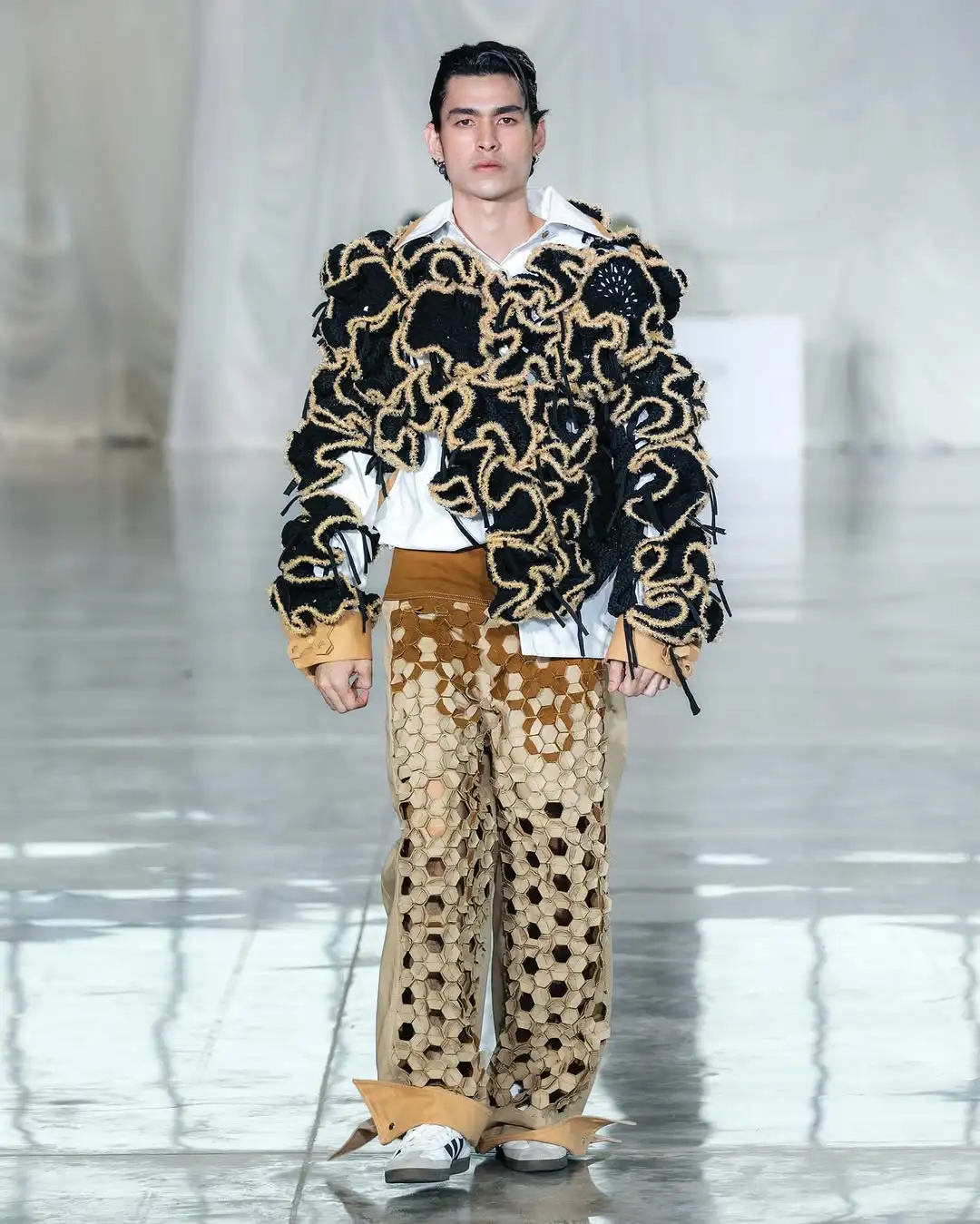
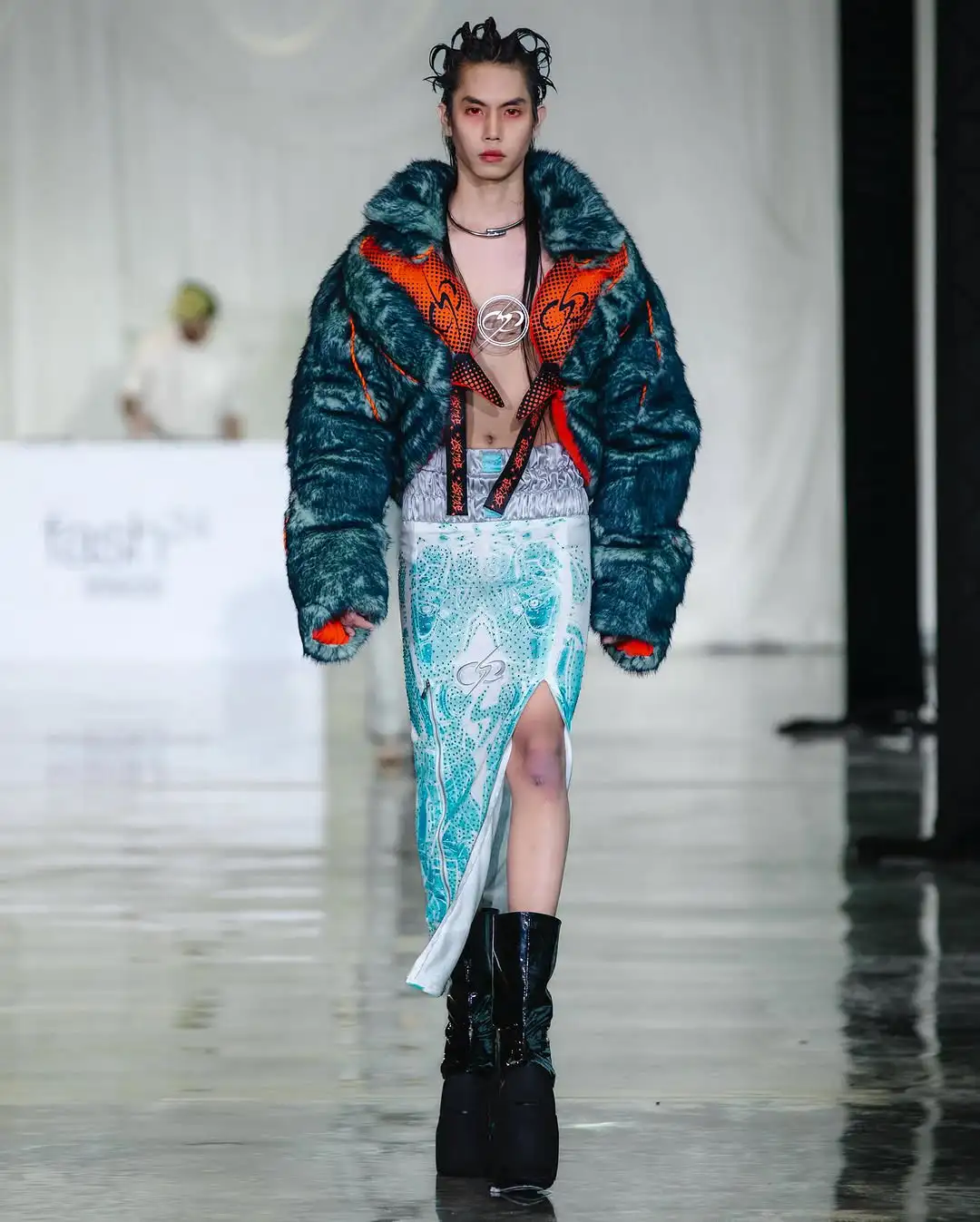
What emerged was a new language, not spoken in words but in fabric and structure. The students didn’t treat Thai wisdom as a relic, but as something alive and reprogrammable. These were not garments trying to replicate the past, but using it as a design tool for thinking forward.
And this is what makes this particular generation of designers one to watch. They’re redefining the purpose of learning craft and translating it into a visual future. One could feel it in the rhythm of the show. A subtle but distinct sense that small ideas, when held with enough conviction, can shift entire paradigms. In a time when fashion globally is being asked to do more, be more sustainable, more inclusive, more transparent, this group is answering with curiosity and clarity.
A platform without limits
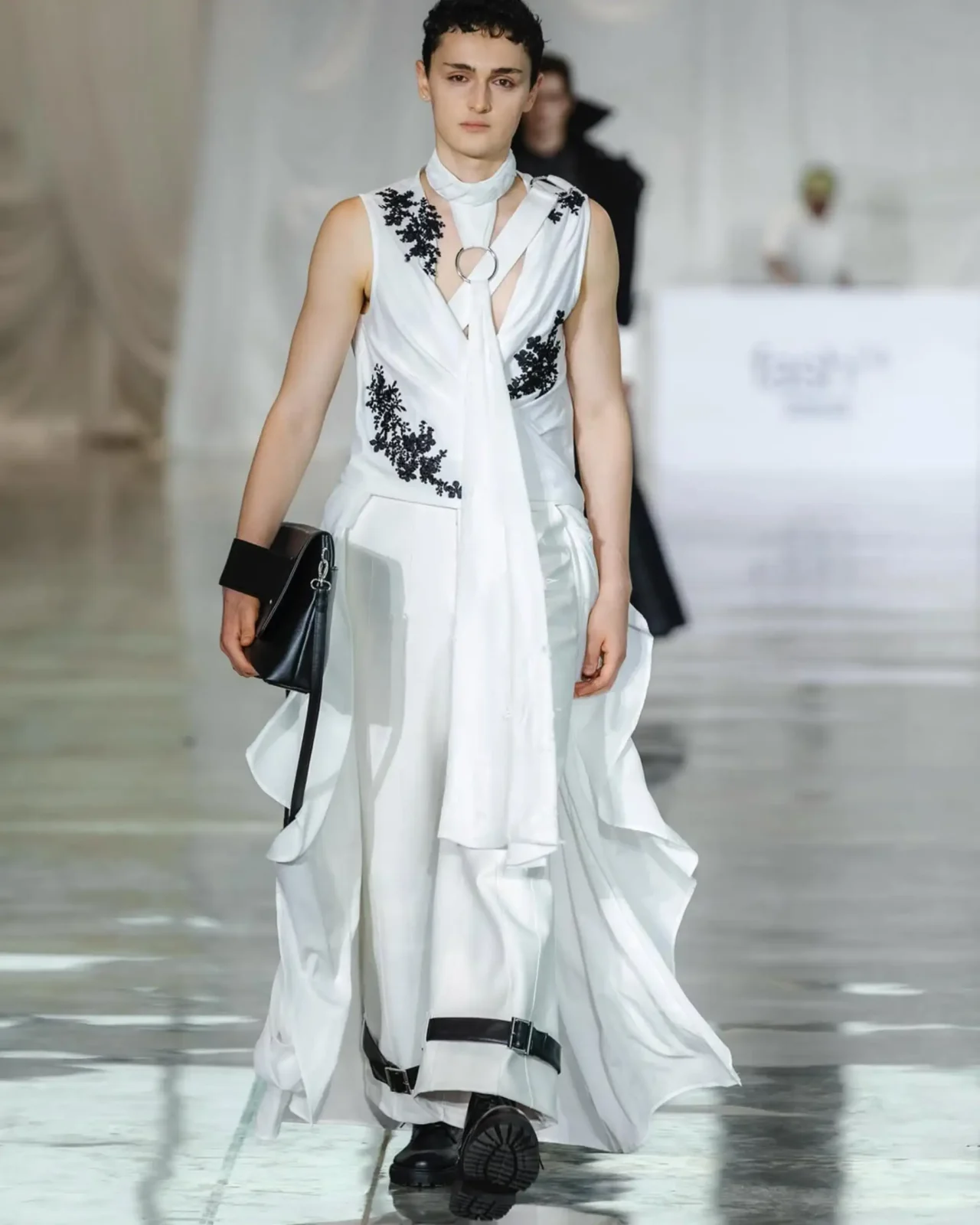
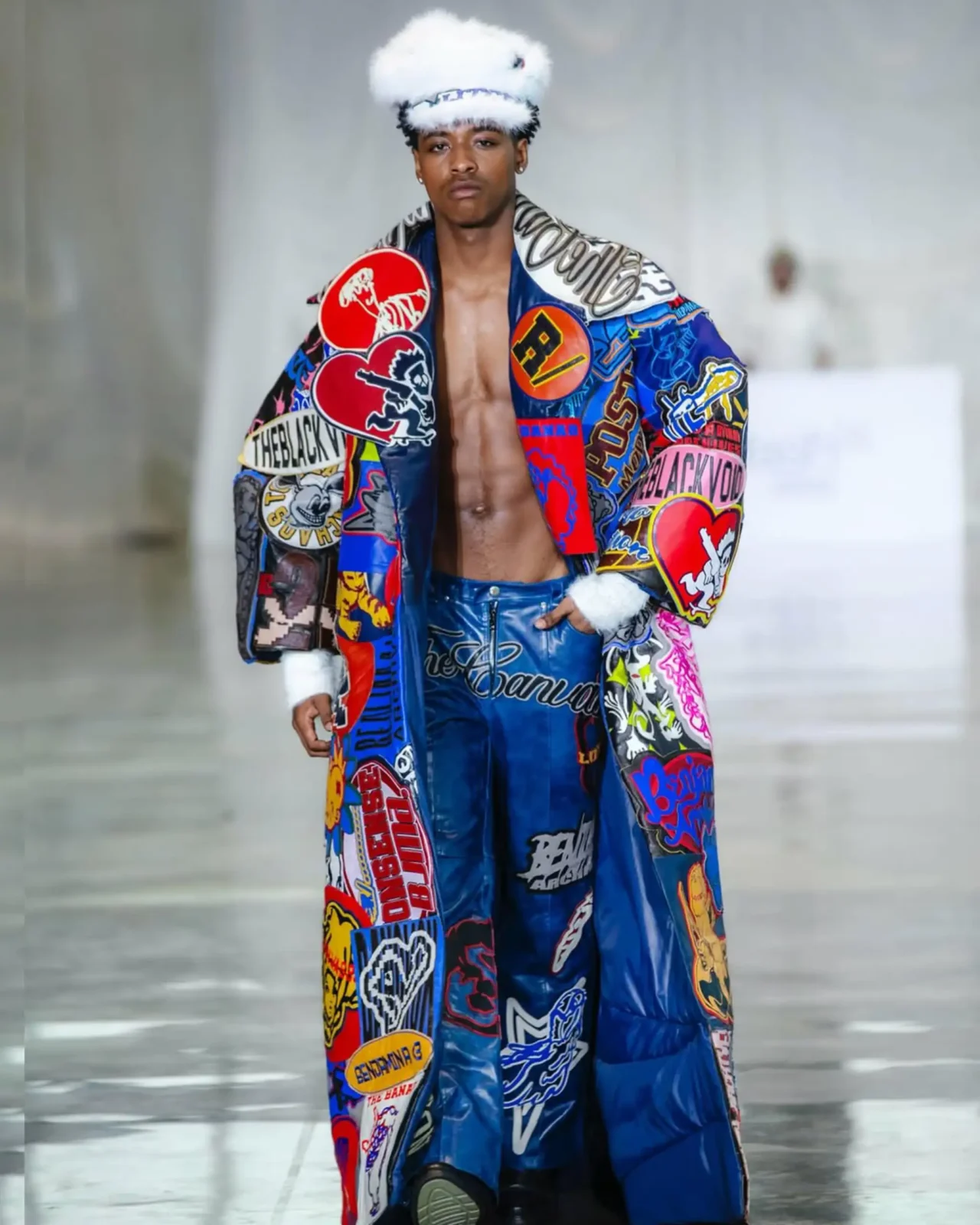
It’s rare for young Southeast Asian designers to be handed a platform this large without compromise. Perhaps that’s why this moment matters so much. For many of the students, this was the first and only time they would present a collection entirely on their own terms. It was, in every sense, the culmination of everything they’ve learned.
And now, with portfolios in hand and new ideas forming like storms, they step off the runway and into a wider world. A world in which they may not always be heard immediately, but one they are already beginning to reshape.
If this show proved anything, it’s that the future of regional fashionFashionThe art and industry of designing, producing, and styling clothing, footwear, accessories, and beauty trends. It reflects cultural influences, personal expression, and evolving styles across seasons and markets.Go to Fashion Glossary is already in motion. And it’s being built, not in New York or Paris, but right here. At Srinakharinwirot University. One look at a time.
Featured designers SARA JUNN. (@broccdisciples), Oscars Art Studio (Chonlachat Thongpradab), Labyrina (@celinajsh), Obsession Department, and Benjamin Archives
Photos courtesy Instagram/@Luliperb0i and @fash24swu
Recommended Video