Is Balenciaga… Gonna Be Pretty Now?
Pierpaolo Piccioli’s appointment as Balenciaga’s new creative director promises a more human chapter for the storied fashion house




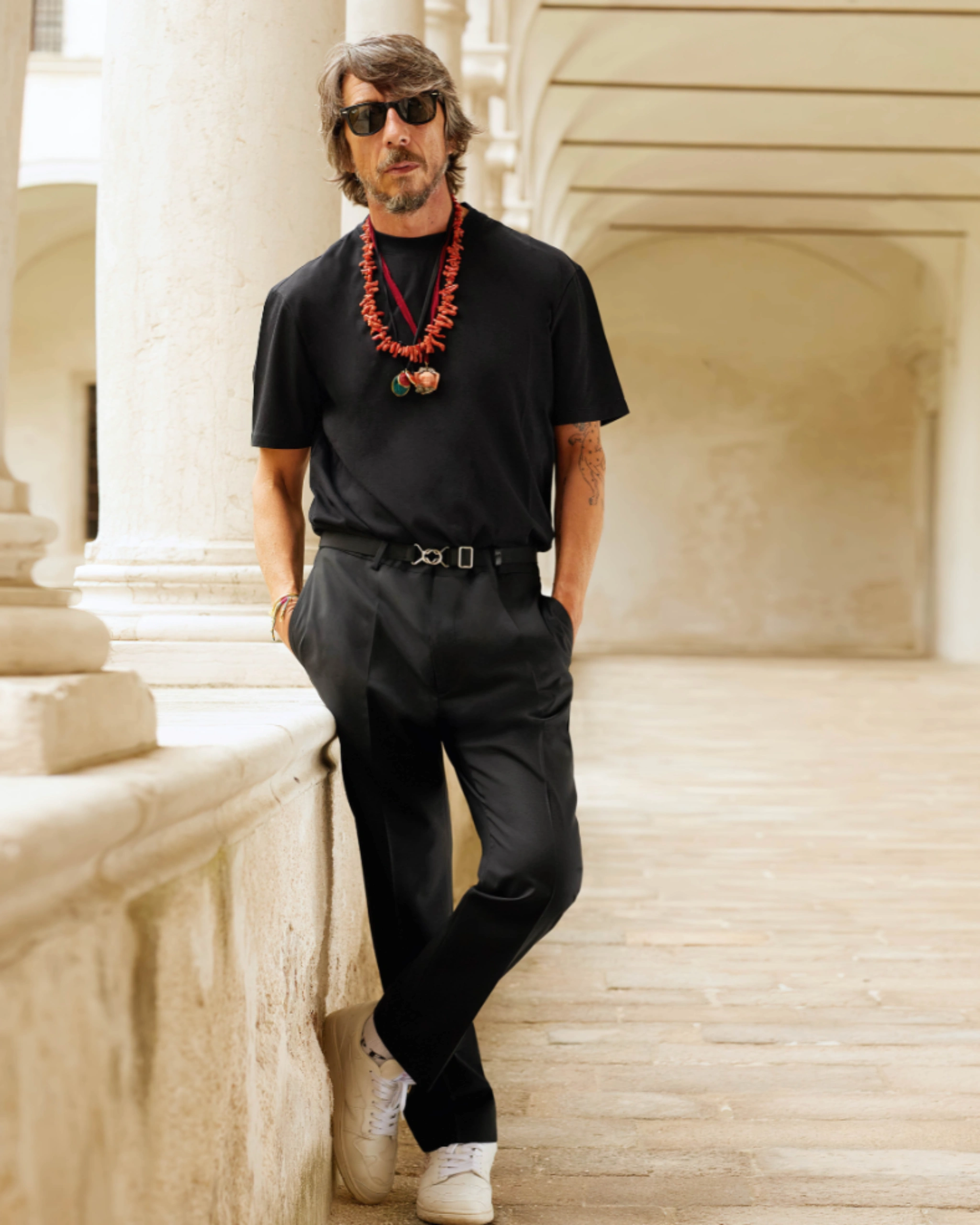
Pierpaolo Piccioli has been named the new creative director of Balenciaga, stepping into a role vacated by Demna Gvasalia, a designer who, for nearly a decade, turned the house into an ongoing critique of itself, a meme, a protest, and, at times, a provocation. With Pierpaolo’s appointment comes a startling and almost cinematic shift: from post-ironic abrasion to radical sincerity.
ALSO READ: Demna at Gucci? This Is Either Genius or a Beautiful Disaster
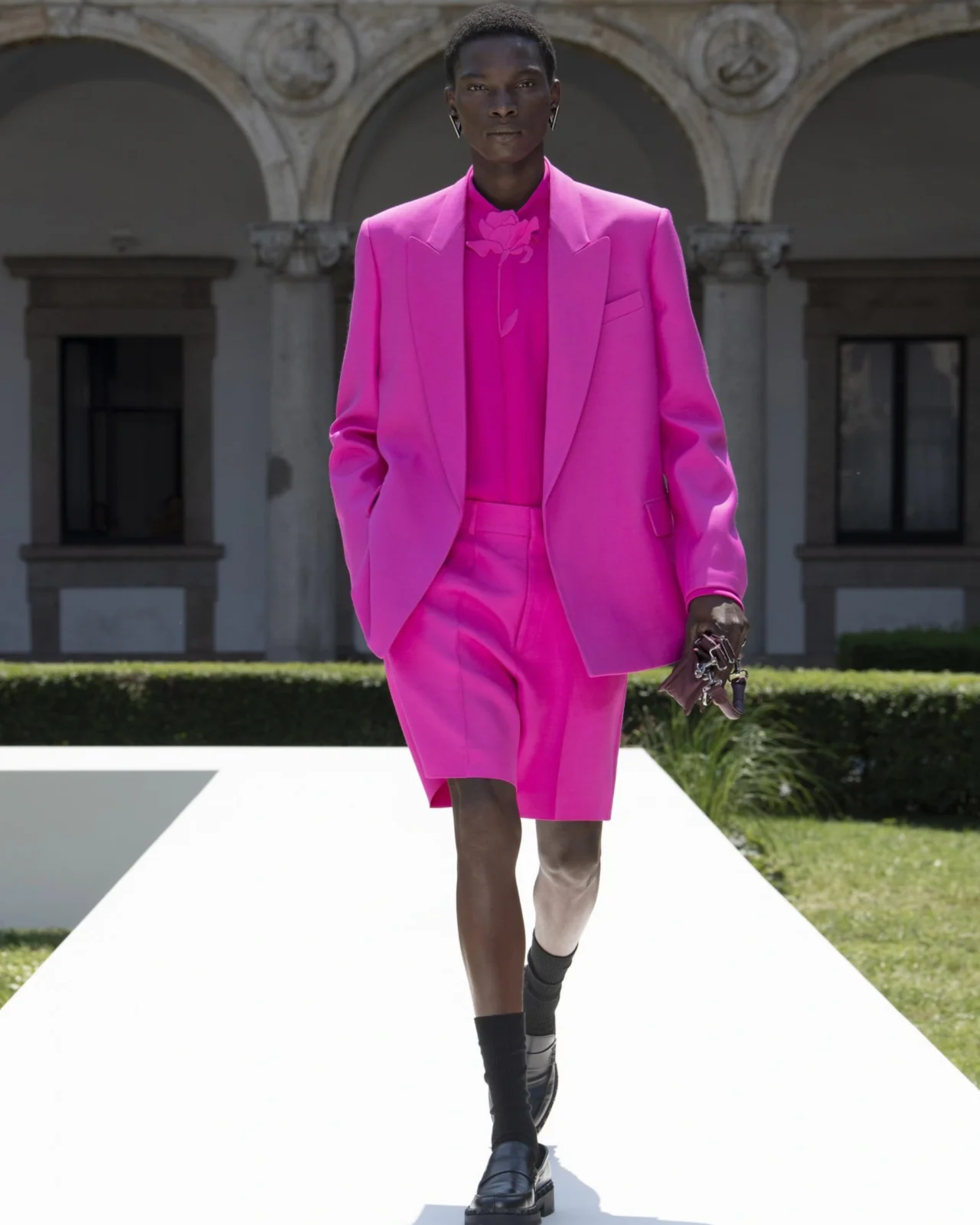
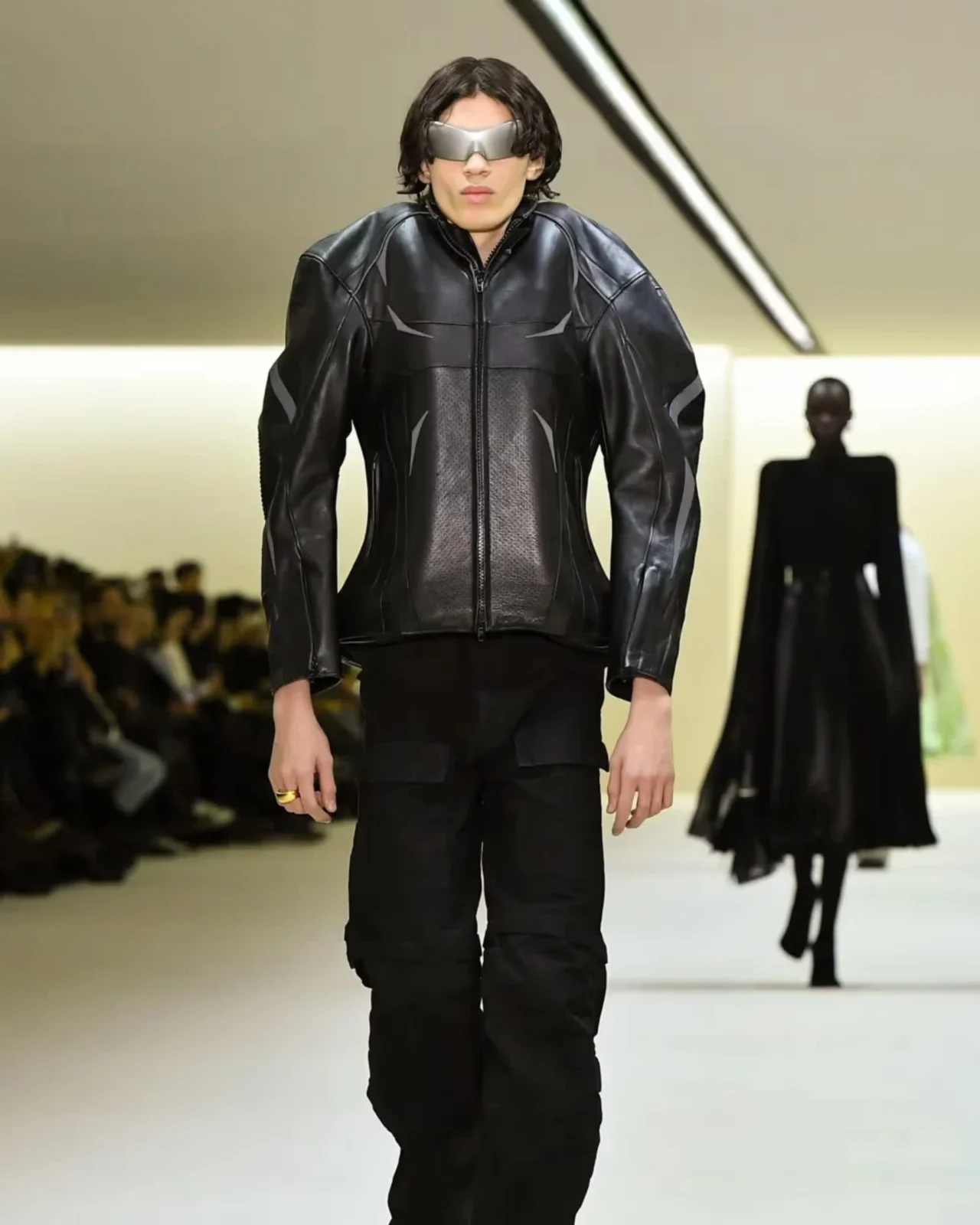
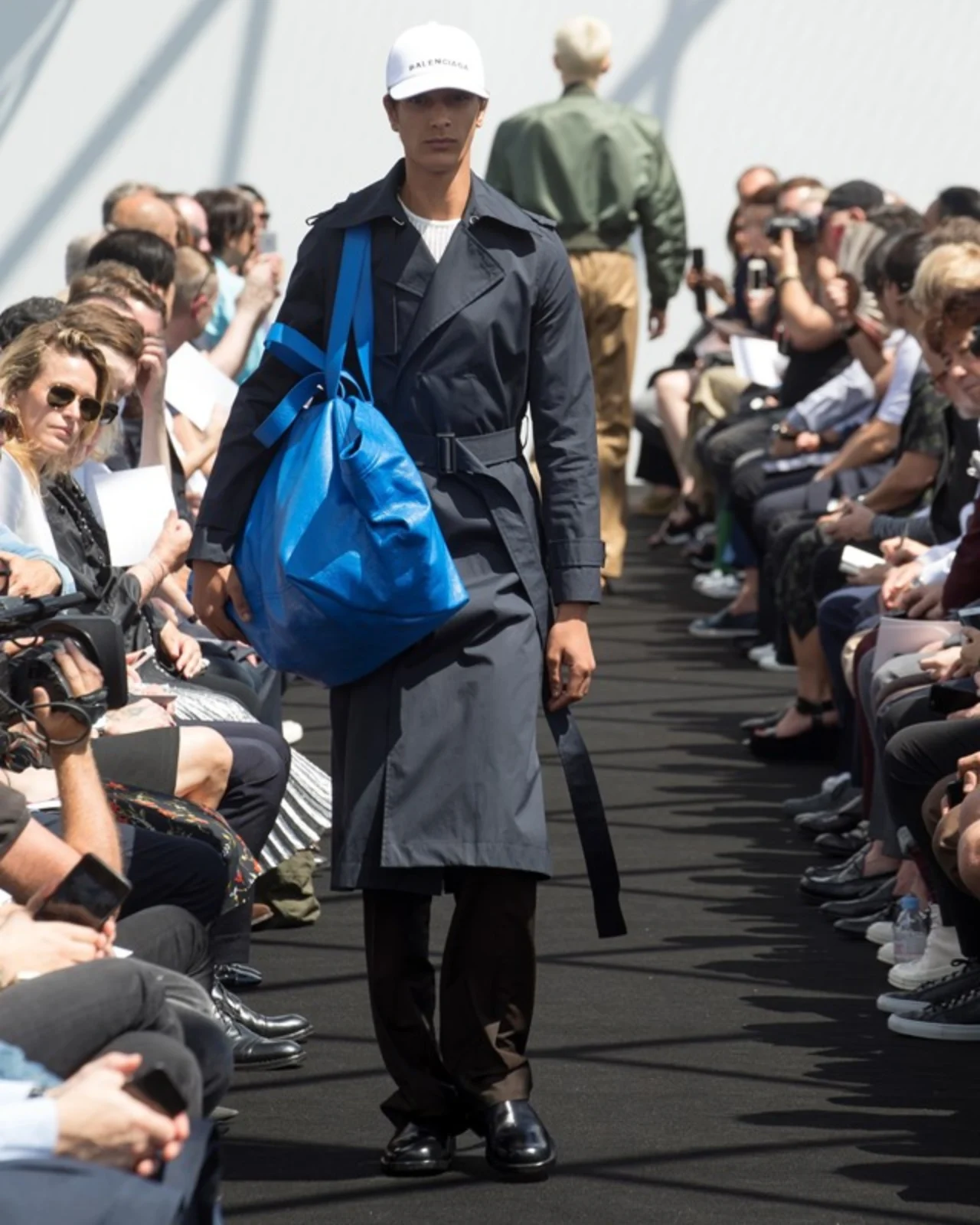
The Italian designer, best known for his tenure at Valentino, does not deal in irony. Where Demna’s Balenciaga seemed to revel in the surreal ugliness of late capitalism, those heaving shoulder pads, IKEA-bag clutches, and cyber-apocalyptic silhouettes, Pierpaolo’s sensibility is that of a humanist poet. Under his stewardship, Valentino became a home for luminous romanticism, for clothing that made space for beauty as resistance. There was color, an assertive pink; sweeping reds that seemed to speak of blood and rebirth. Above all, there was emotion.
Now, imagine that sensibility poured into the brutalist cathedral that is Balenciaga. The friction alone suggests a narrative worth following.
The undoing of the aesthetic wall
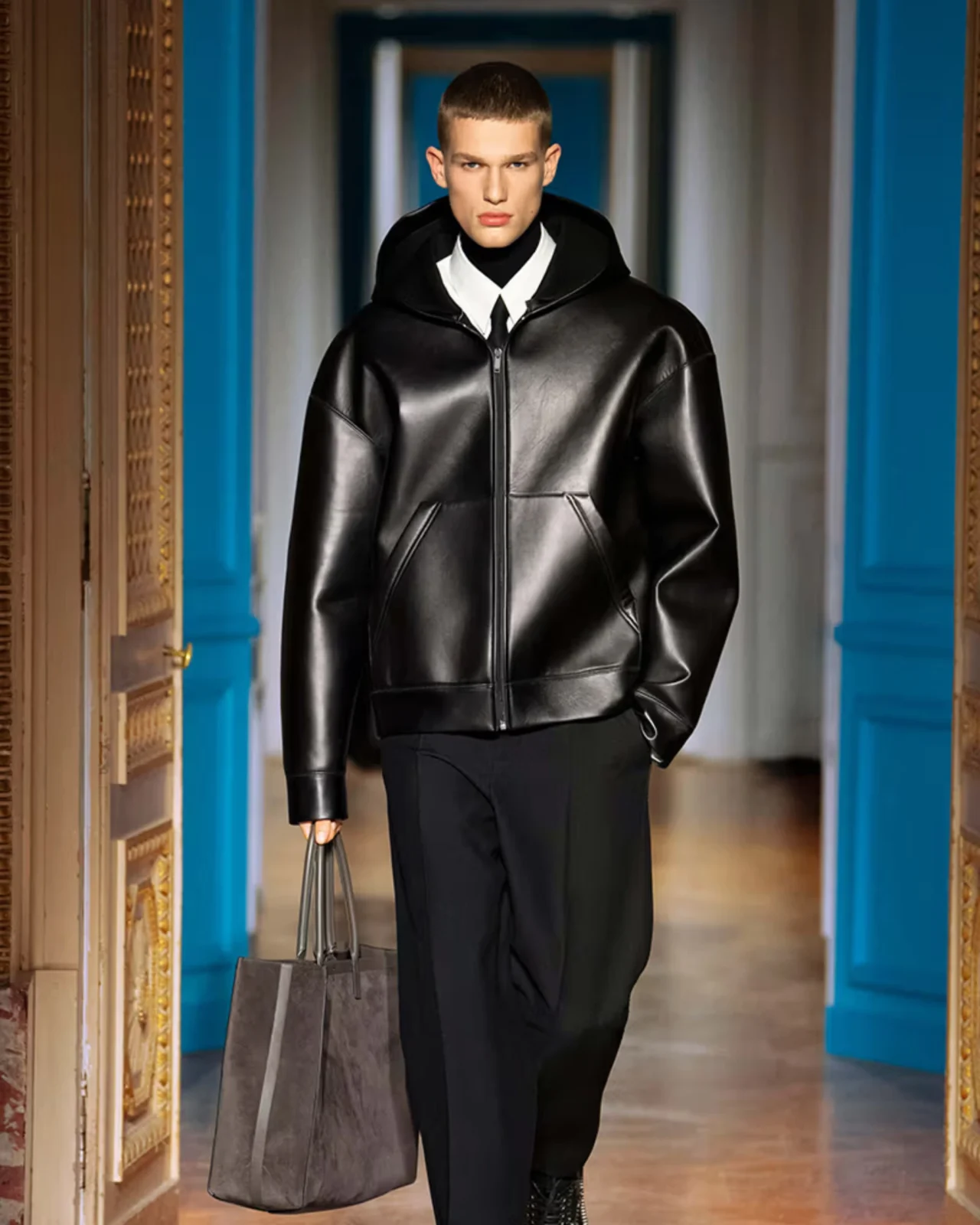
Demna’s Balenciaga was always about distance: between wearer and viewer, between designer and consumer, between image and meaning. He played with distortion, repurposed streetwear through a dystopian lens, and turned social commentary into sartorial spectacle. It was intelligent, confrontational, and ultimately polarizing.
Pierpaolo, in contrast, offers no such detachment. He once said he doesn’t believe in beauty as something perfect, but rather as something that embraces diversity and flaws. His design language is inclusive in philosophy, rooted in the belief that fashionFashionThe art and industry of designing, producing, and styling clothing, footwear, accessories, and beauty trends. It reflects cultural influences, personal expression, and evolving styles across seasons and markets.Go to Fashion Glossary should reflect a more human spectrum of identity.
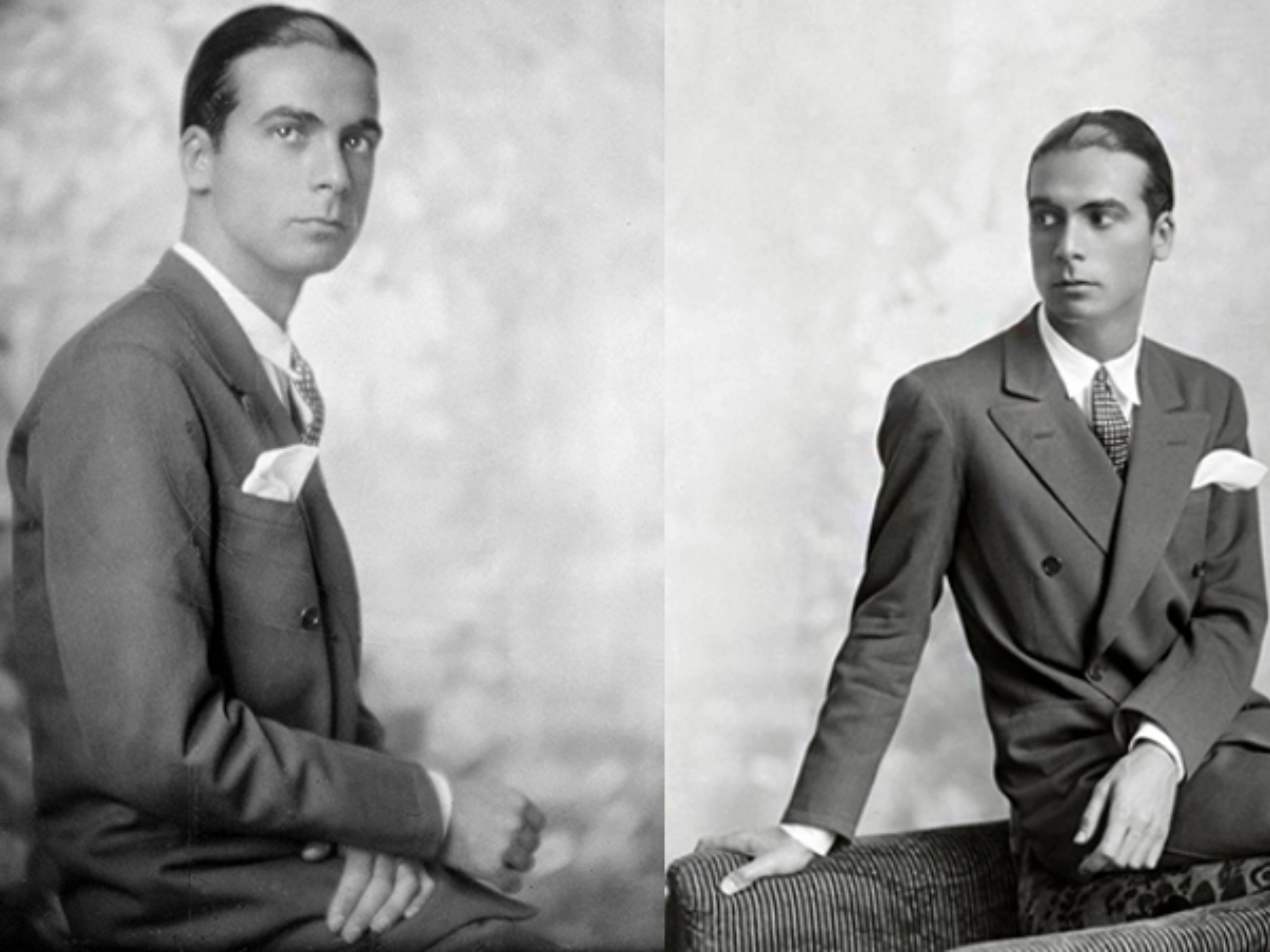
Where Demna turned Balenciaga into a site of confrontation between fashionFashionThe art and industry of designing, producing, and styling clothing, footwear, accessories, and beauty trends. It reflects cultural influences, personal expression, and evolving styles across seasons and markets.Go to Fashion Glossary and politics, this one may return the house to its spiritual core: Cristóbal Balenciaga’s obsession with form and silhouette. The original Balenciaga was a master of structure, revered by his peers for his unmatched patternmaking and sculptural precision. Under Pierpaolo, the house has the potential to return to that legacy, not through retro nostalgia, but through a modern reawakening of its foundational codes.
A legacy carried in a new key
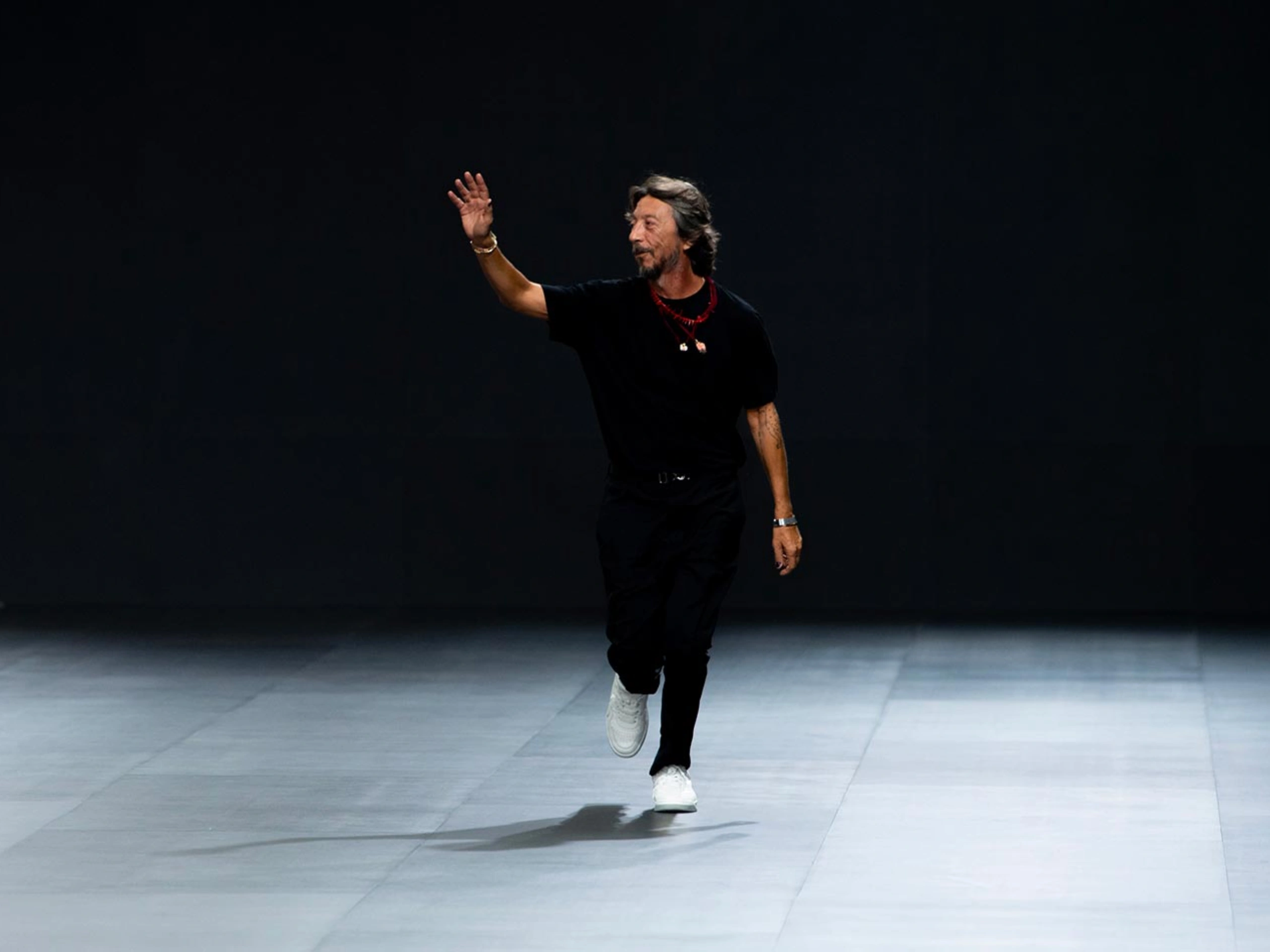
Pierpaolo is not new to the complexity of heritage. When he took over Valentino solo in 2016, after co-leading the brand with Maria Grazia Chiuri, he illuminated its codes. He made the old new not through gimmick but through feeling. Under his guidance, Valentino embraced an emotional maximalism, proving that couture could still feel urgent and necessary. The Valentino woman became not just beautiful, but powerful and modern.
His work has always been political in its own way, steeped in representation and the elevation of the overlooked. Models of color, older bodies, and unorthodox beauties walked his runways not as statements but as standards. He does not perform wokeness; he simply believes in beauty as a democratic force.
At Balenciaga, that ethos could upend years of performative nihilism. In the wake of controversy, most notably the 2022 campaign backlash that nearly consumed Demna’s reign, the house finds itself at a crossroads. Do they double down on irony, or search for something redemptive?
What comes after irony?
In this light, Pierpaolo’s appointment begins to make perfect sense. We are perhaps nearing the end of irony’s cultural dominance. The pandemic, the climate crisis, the churn of war and political instability, all of it has nudged society toward sincerity. People want to feel again. They want to believe. A logo is no longer enough. A Balenciaga show can’t just be a meme.
He is a builder of worlds, not punchlines. He is more likely to find drama in drape than in shock. That doesn’t mean Balenciaga will suddenly become soft or dull; it means it might become quiet in a way that feels new. Expect silhouettes that speak with restraint, palettes that breathe, and garments that carry affect. Pierpaolo’s Balenciaga could be less about seeing and more about sensing.
There is also the question of legacy: how will he carry the torch of one of fashion’s most intellectually complicated houses? If anyone can stitch together the threads of past and future, it is he. He is as comfortable in archival research as he is in contemporary critique. His work often hovers at the edge of poetry, but it never forgets the body it clothes.
The age of soulful luxury
In many ways, Pierpaolo Piccioli is the anti-zeitgeist designer, which might be exactly what Balenciaga needs. His arrival signals a desire for the soul. Not nostalgia nor trend-chasing, but an aesthetic rooted in feeling and truth. In his hands, Balenciaga might cease to be a provocation and become, once more, a proposition.
Not just what we wear, but why.
It is still too early to imagine what his first collection will look like. But if his past work offers any clues, it will not be about shouting. It will be about listening to fabric, form, and history. To the urgency of now.
And perhaps that’s the final irony: that after all the noise, Balenciaga’s most radical move might be grace.
Photos courtesy Valentino, Balenciaga, Instagram
Recommended Video