Kristian Somera on Art and Style with Thought and Restraint
The Filipino painter’s personal style is much like his art: understated, yet wholly intentional—not being too loud but still revealing truths about himself in the quiet details




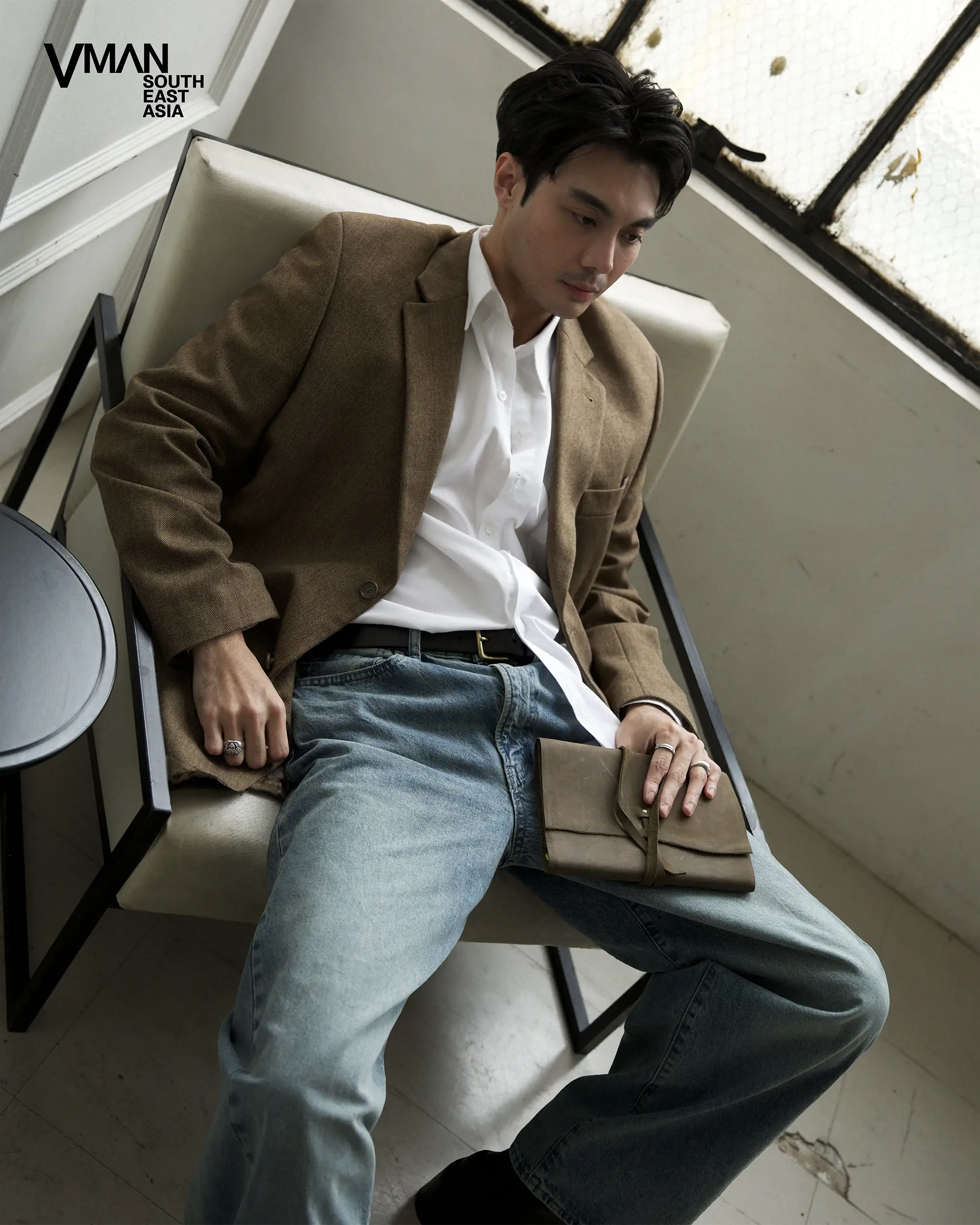
The artist expressing clarity through abstraction
Filipino abstract painter Kristian Somera spent most of his 20s traveling for work, getting exposed to different forms of art from all over the world.
“I’ve always been fascinated by how artists and designs forge connections through art. I dabbled in interior design a few years back, but I realized that my longing to connect went beyond function and logic, which led me to abstract painting,” he shares.
His chosen artistic expression came to him organically—he never expected to become a painter, nor did he go to art school or studied under a mentor. “It was almost like a primal need to express myself and engage with others,” he adds.
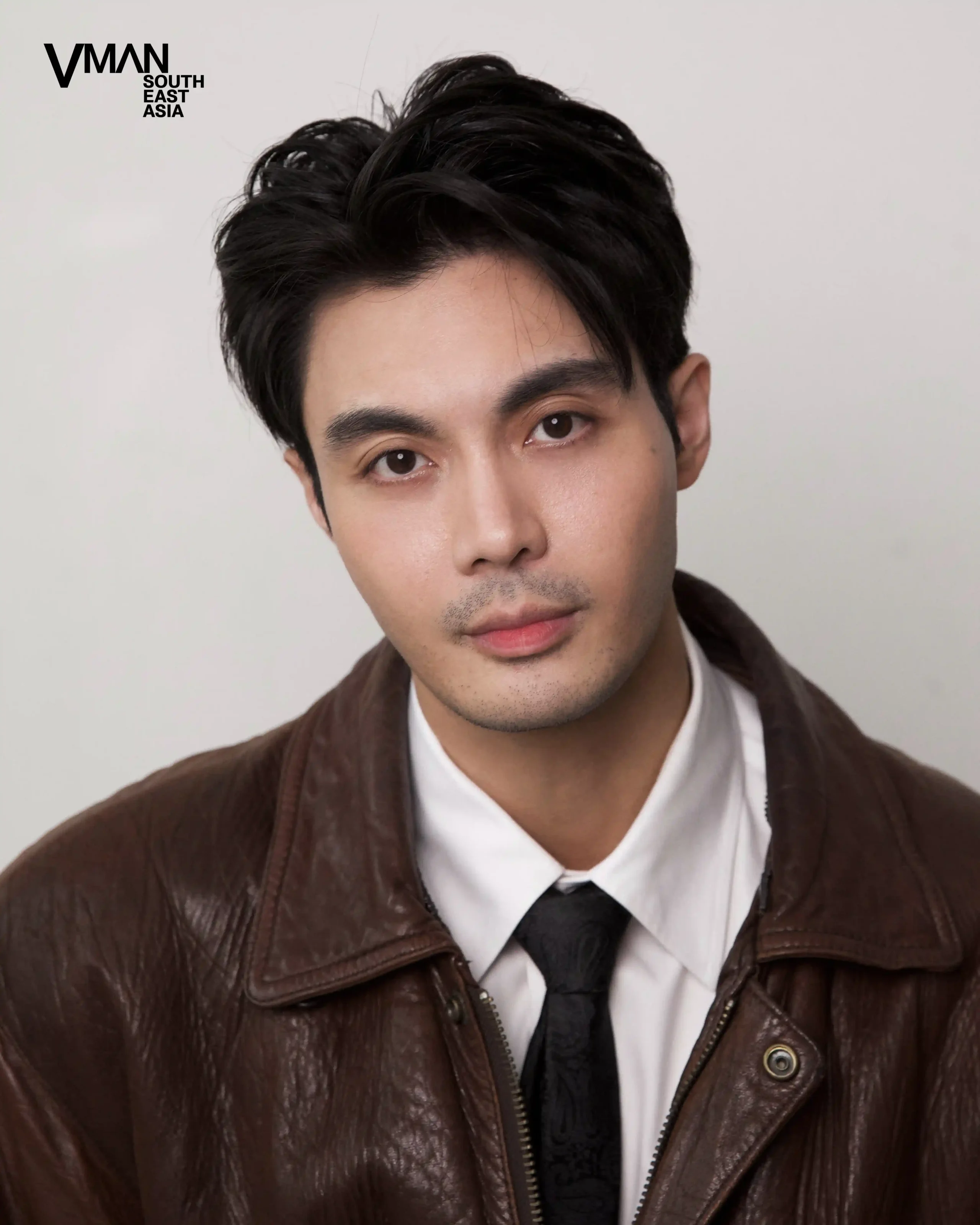
Kristian also takes inspiration from the Filipino creative community, which he describes as stylistically diverse. “I’m always emboldened by how [our creatives] courageously express themselves through fashion. Their eccentricity and rebellion against conventional dressing never fail to inspire me.”
As he focuses on preparing for his residency in France next year, Kristian is deepening his relationship with his roots to elevate his artistry on both local and global aspects.
“I have an upcoming trip to my hometown in Mindanao to learn about repurposing textiles that I can use in my art. I’m still in the early stages of my career, and I’m excited about the things I’ve yet to learn and discover about my culture that I can apply to my work.”
VMAN: Please tell us more about your personal style. How would you describe it, and how did you develop it?
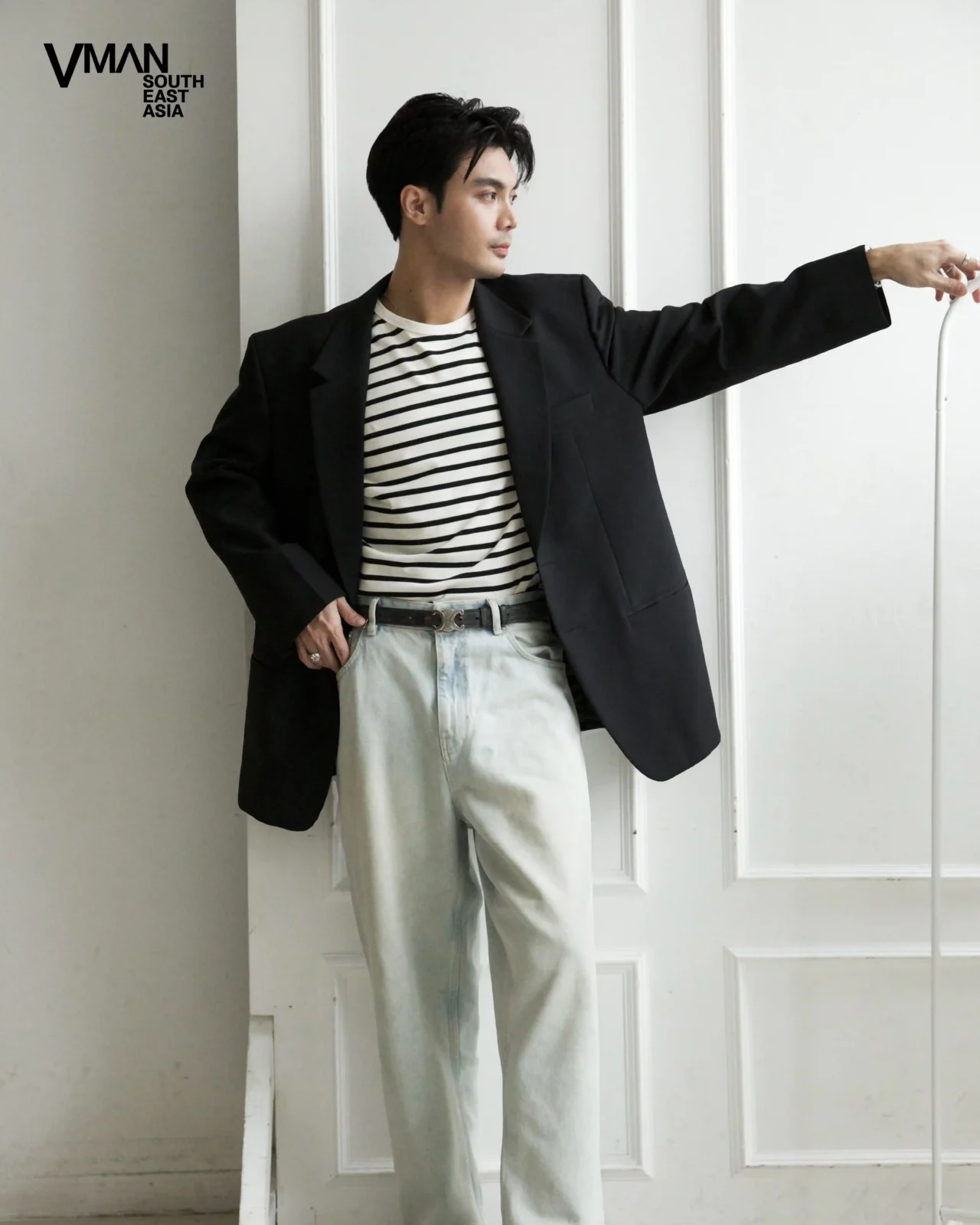
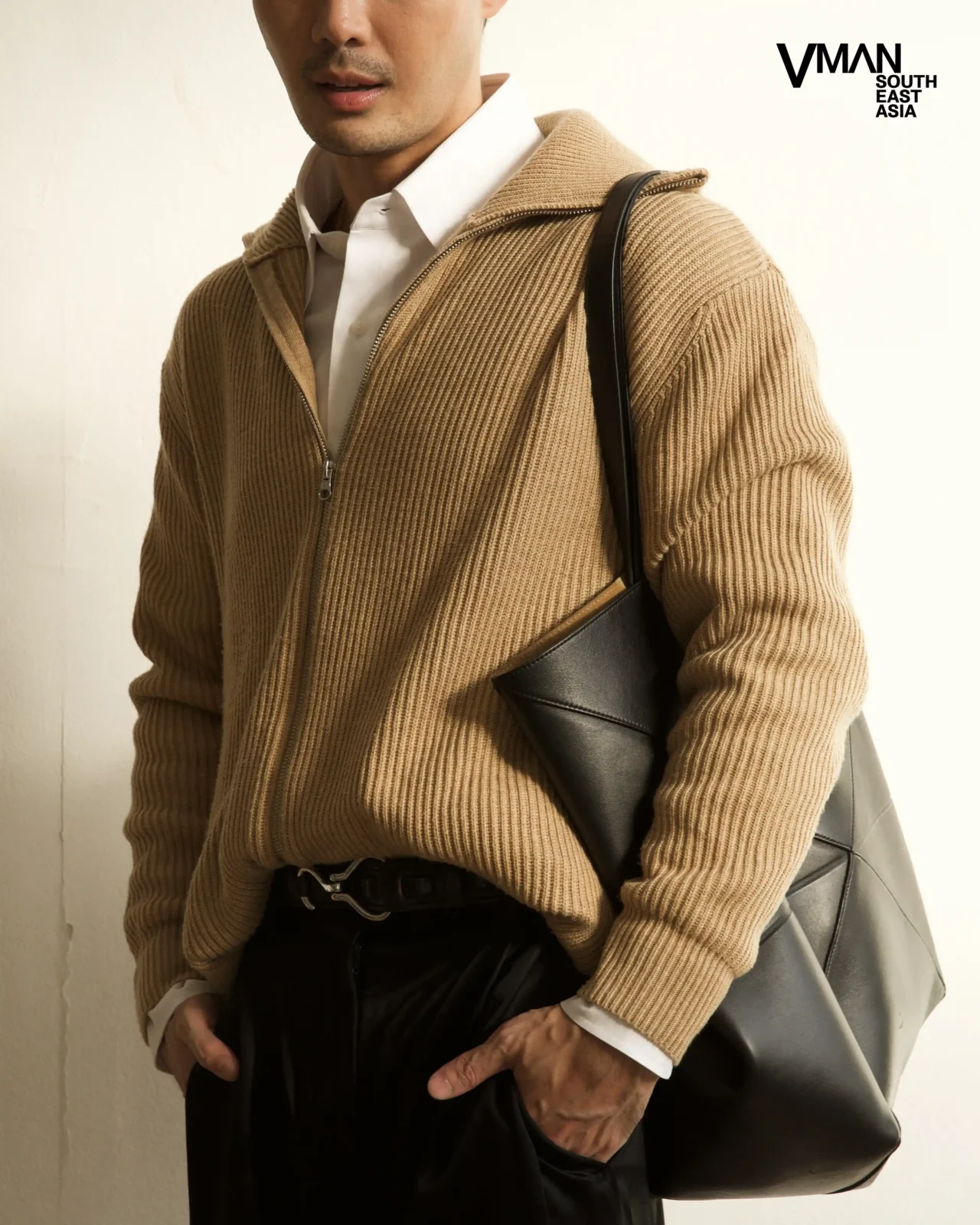
Kristian Somera: My personal style is much like my art: understated, yet wholly intentional—not being too loud but still revealing truths about myself in the quiet details.
VMAN: How do you use personal style to express yourself?
KS: I think my personal sartorial choices reflect a strong sense of restraint. In terms of my professional life, I see fashion as a visual continuation of my artistic voice: subtle, but still layered and thoughtful.
VMAN: Who are your style influences?
KS: Gregory Peck, the collective style of John F. Kennedy Jr. and Carolyn Bassett Kennedy, and Fran Lebowitz. I like how all of them saw understatement as power. The clothes they put on their backs, although quiet and not flashy, were all loud declarations of their values like refinement and intentionality.
VMAN: What other creative fields influence your style?
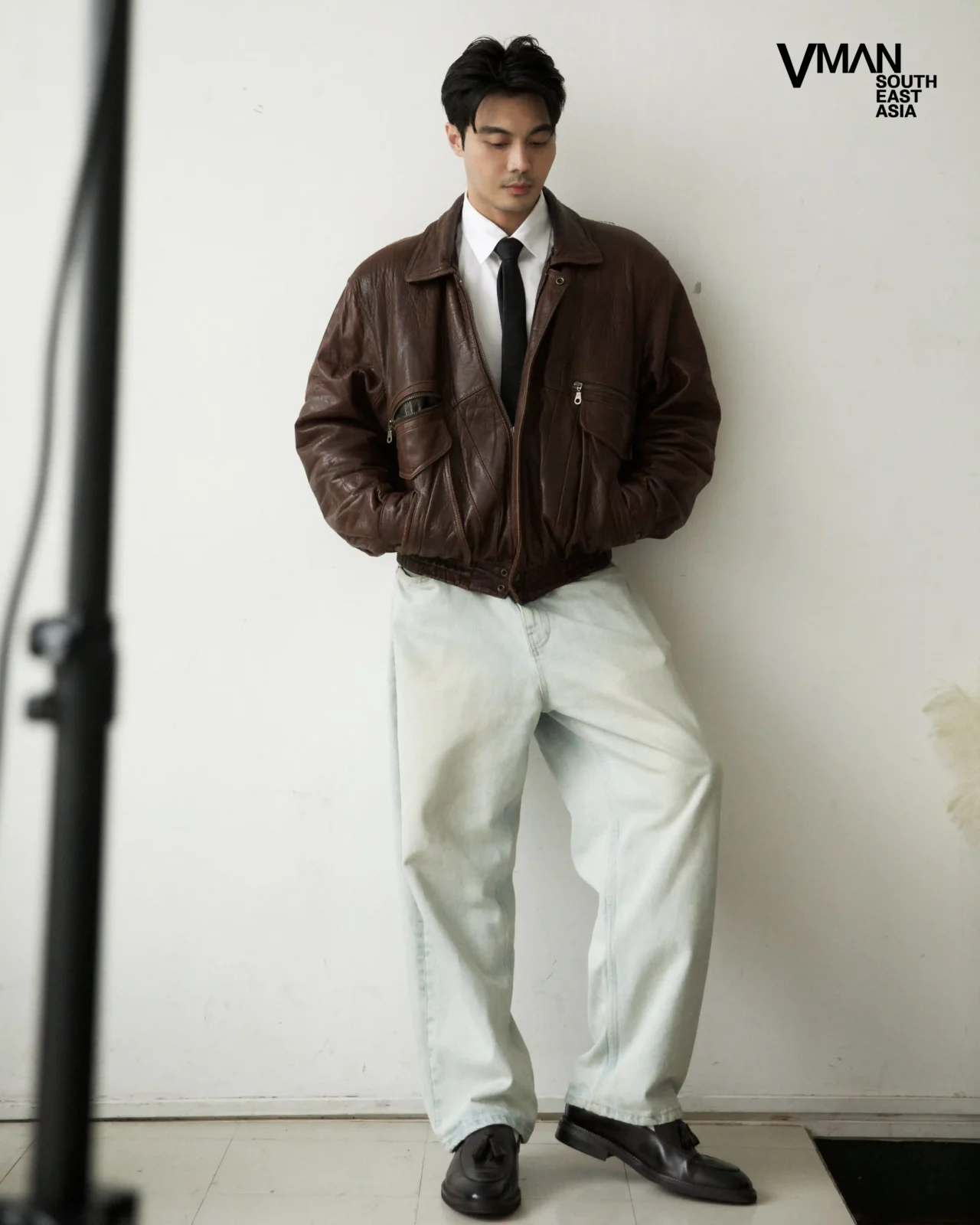
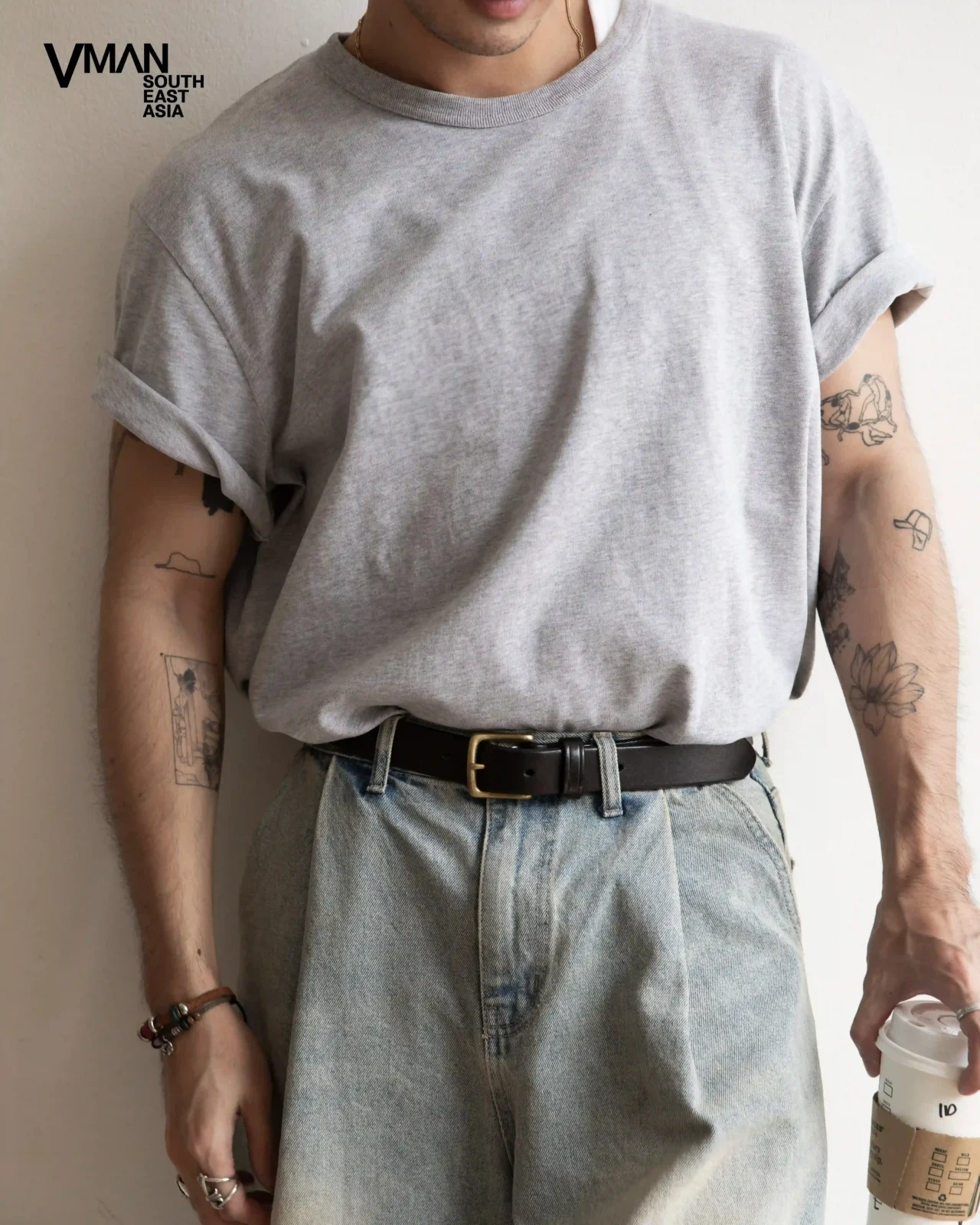
KS: I remember seeing the works of Yves Klein and Mark Rothko when I was younger. I was impressed by how their paintings were minimal in form and structure but maximal in emotional weight. I think that impression lingered, and I’ve since been applying it to all my creative choices. This is why I’m drawn to brands that champion form and quality over flash, like Lemaire, The Row, ‘90s Helmut Lang, and Loro Piana, among others.
VMAN: How does a person develop or cultivate their own sense of style? What is your foremost advice?
KS: Wear clothes that feel undeniably truthful to who you are. It should feel like taking off a mask, not putting one on.
VMAN: Do you feel this responsibility to represent your culture to the world through your style and work?
KS: Absolutely. I will, by birthright, always carry the Filipino name—and proudly so. This makes me more mindful of the things I put out into the world. I think our country is home to some of the best creatives out there; the only thing standing between them and global acclaim is opportunity. Given the chance, I’m sure any Filipino creative will feel honored to represent the country.
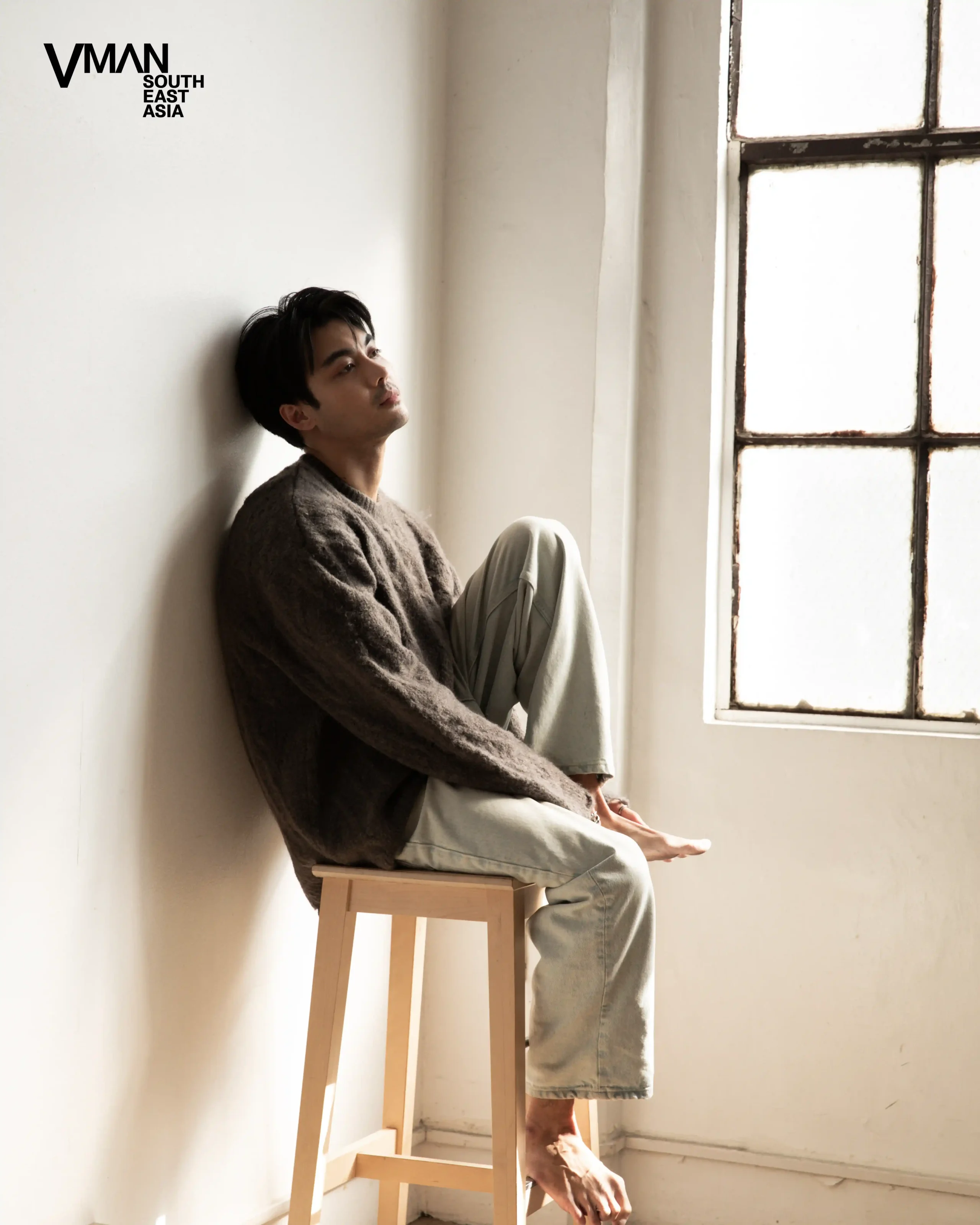
As seen in the pages of VMAN SEA 04, available in print and by e-subscription.
Photography Belg Belgica