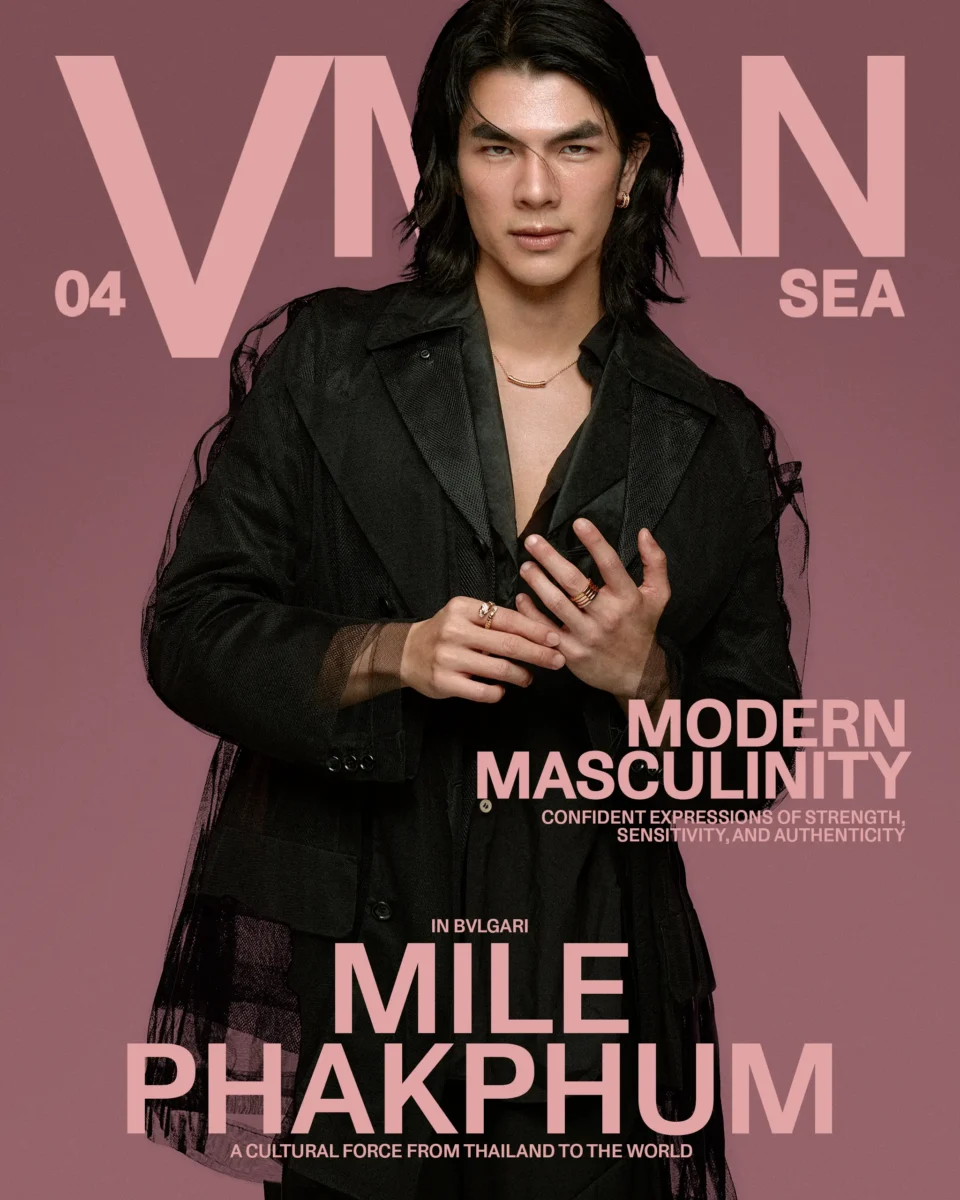
Kobe Paras Is No Longer Playing to Expectations
Once the future of Philippine basketball, Kobe is now rebuilding a life on his own terms, far from the spotlight that first defined him




The weight of a name
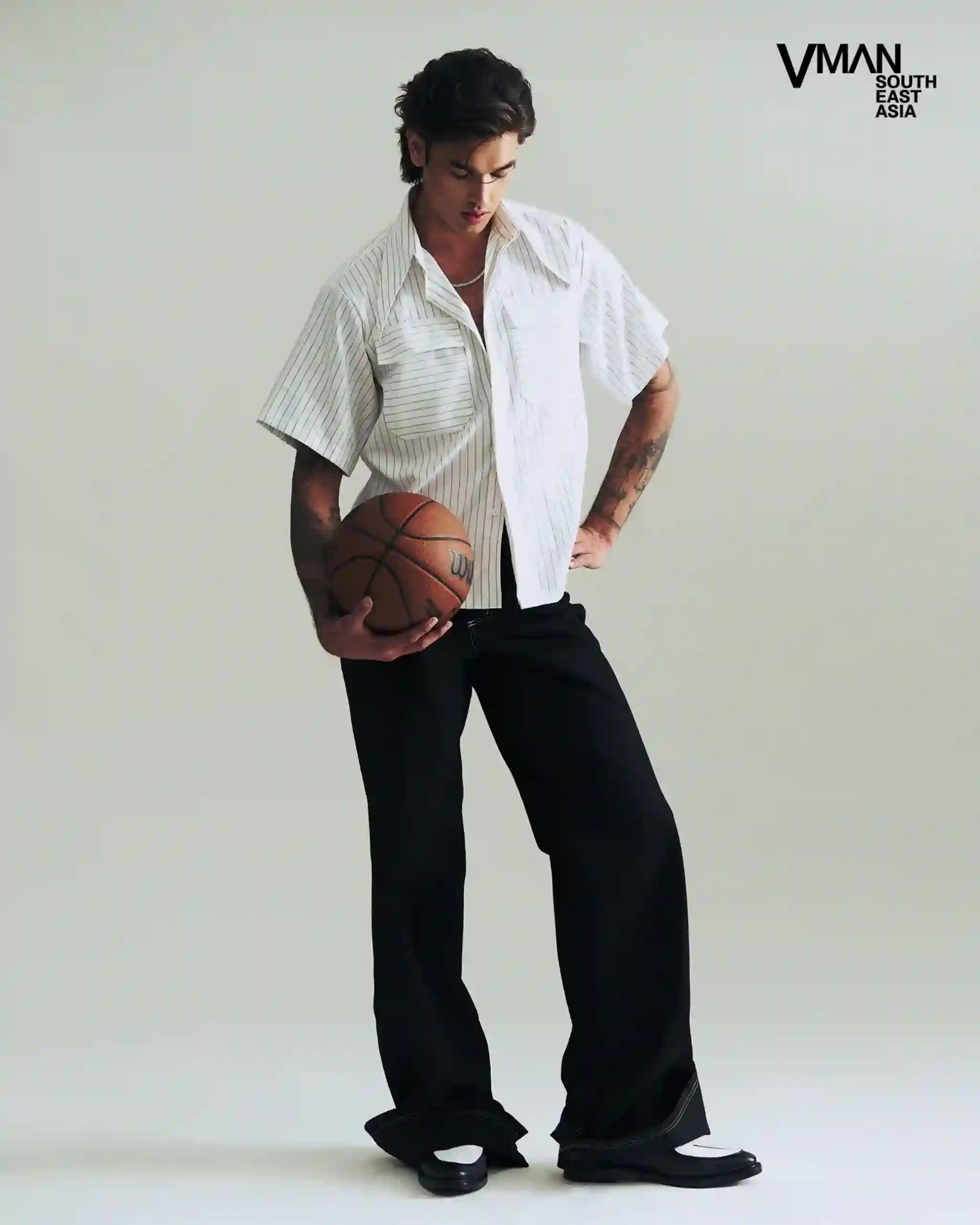
Kobe Paras arrived pre-scripted in the Filipino consciousness. His story, son of basketball royalty, athletic prodigy, and poster boy for future glory, was outlined well before he had a chance to write it himself. The spotlight came early, brighter and less forgiving than most. As a teenager, he flew from Manila to Los Angeles, not just to chase a dream, but to outrun a narrative he hadn’t yet had the freedom to shape.
Now, several years later, that same boy, once crowned the hope of Philippine basketball, sits at the center of his own artistic detour. The sharp edges of professional sports have given way to something looser and gentler: solo walks, self-made meals, and silent afternoons of sketching ink into skin. Kobe, once defined by vertical leaps and viral dunks, is slowly becoming something else entirely. Or rather, Kobe is finally becoming himself.
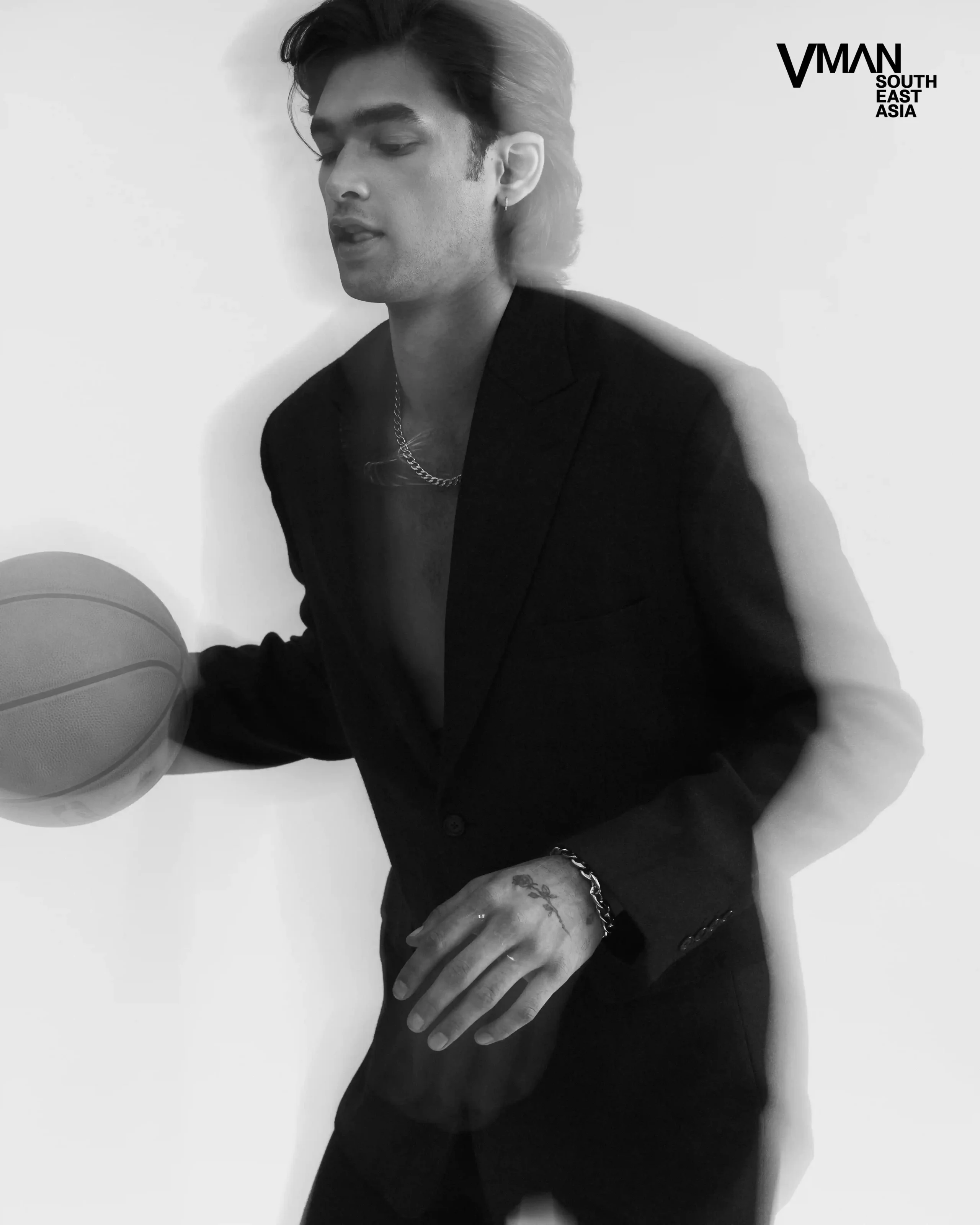
“It was a leap of faith,” he says, looking back on the first stirrings of change. “A lot of people think it’s easy to stop what you’re doing and switch paths, but it takes a little courage and faith to get you a long way.”
Faith. That word returns often in conversation with Kobe, not as dogma, but as philosophy. Moving alone to the U.S. at 14 was the beginning of a necessary severance; the slow undoing of a life made for him by others. It was there, in the strange silence of independence, that he first learned the difference between expectation and desire.
Listening to the body, not the noise
In the Philippines, sports celebrity often blurs into myth. The Paras surname carries weight; his father, Benjie Paras, is still the only player in the Philippine Basketball Association’s (PBA) history to win both Rookie of the Year and MVP in the same season.
For Kobe, this legacy loomed not just large, but loud. Interviews. Endorsements. Comments about his body, “too fat, too skinny, too tall, too this or that.” Stardom was supposed to be linear. Instead, Kobe veered.
“I think moving alone at that age made me realize that I’m able to do what I want. But it didn’t really hit me until I graduated high school, around freshman or sophomore year in college, when I started seeing more clearly what I wanted and what my body wanted.”
That clarity came at a cost. College wasn’t a straight path. Kobe dropped out, questioned himself, confronted disillusionment, not with the game itself, but with the machinery surrounding it. “Basketball is a business,” he says now, without bitterness, but with the measured neutrality of someone who has made peace with reality. “I wish it wasn’t. I wish I could just play and have fun without worrying about critics or what the fans might say.”
That wish for simplicity, authenticity, and solitude threads its way through his current life. His days are slower now, structured more by intuition than performance. He cooks alone, finding peace in the rhythm of chopping garlic, searing steak, and layering provolone on toasted bread.
Ink as armor and memory

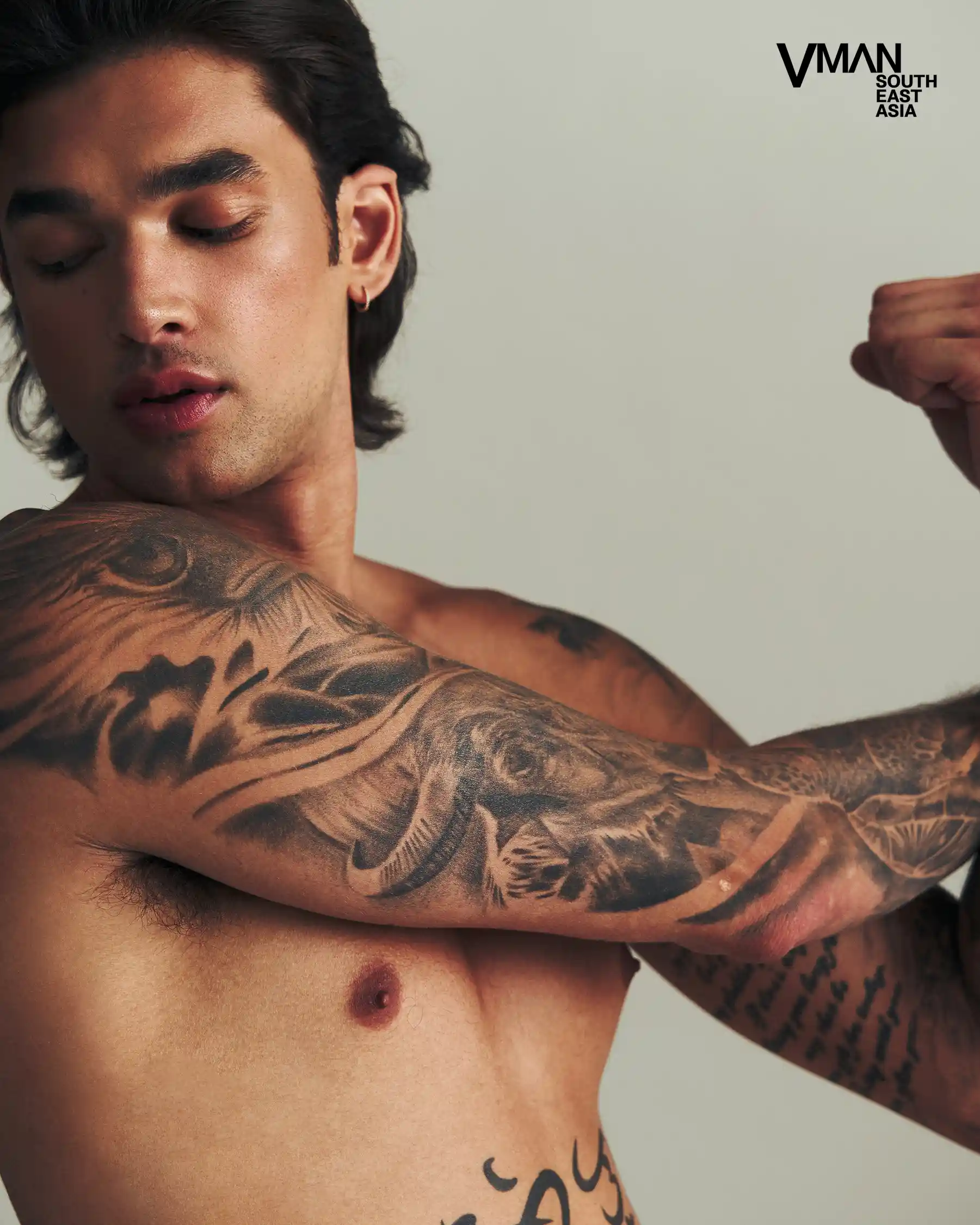
There is no clearer marker of this shift than his tattoos, which are fragments of memory, pain, healing, and joy etched into his skin. “I was very insecure about my body growing up,” he confesses. When the pandemic hit and the world stopped, he turned inward. Art became a sanctuary. Through the steady hand of tattoo artist Jack Brizuela, Kobe found language where words failed. His skin, once scrutinized, became a site of reclamation. “The more ink I have, the more comfortable I feel in my skin.”
He doesn’t pretend to have it all figured out. He still misses basketball, and when he talks about it, there’s a flash of longing that doesn’t go unnoticed. He speaks of practice with a wistful smile, of teammates and the physical poetry of the game. But he also knows, intimately, what it takes from you and what it leaves behind.
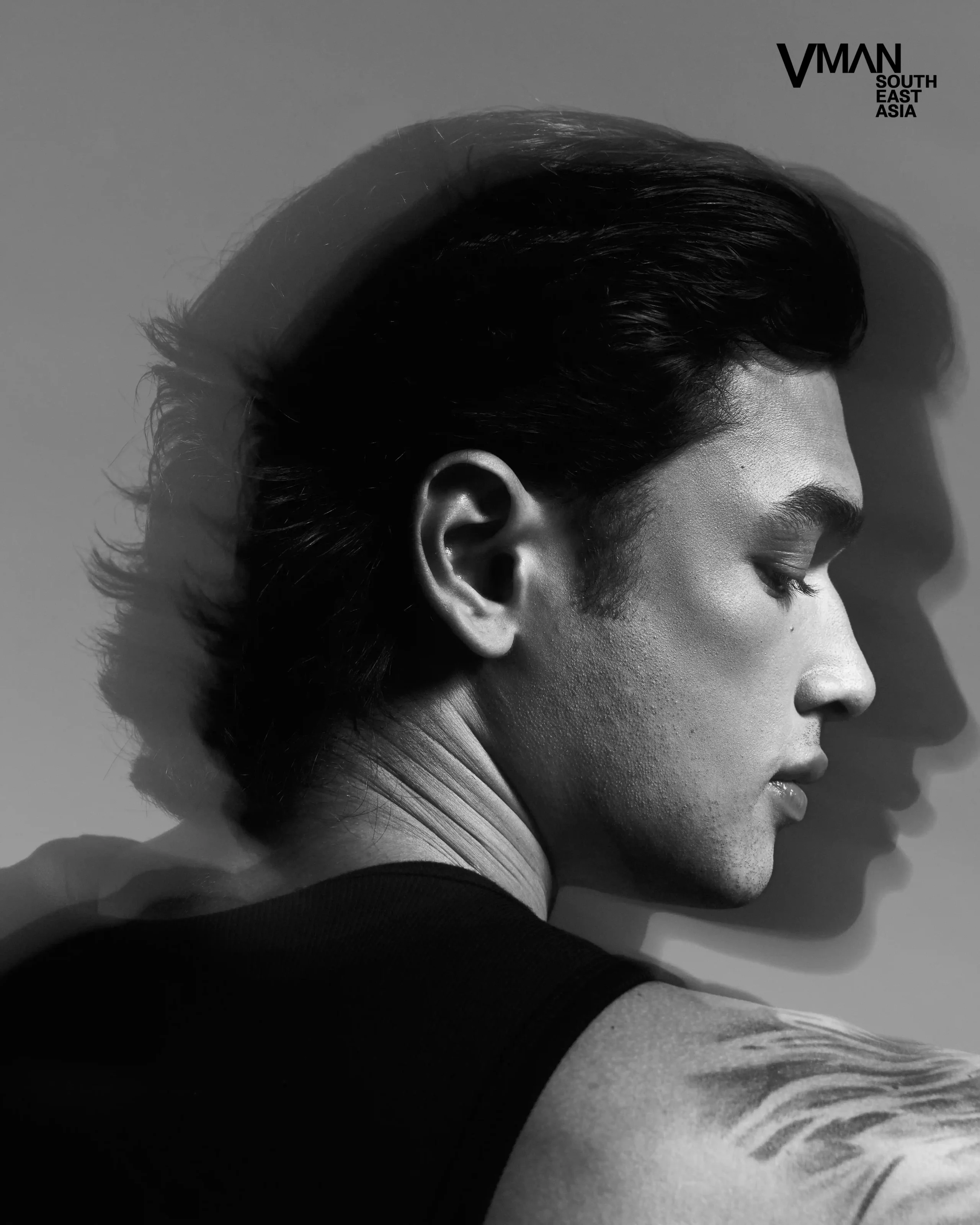
He doesn’t talk much about legacy, and when he does, it’s clear he isn’t interested in the kind you hang in rafters. Kobe talks about his grandmother. About the tattoo he got for her. About memory, loss, and love that doesn’t need to be exclaimed to be profound.
READ MORE: Why People Get Inked Again (and Again), According to Tattoo Artists
Freedom over finish lines
Kobe’s not here to be a role model. He’s not here to be a cautionary tale. His comfort with uncertainty and the unknown feels rare and brave in a world that constantly craves certainty. “I still love basketball. I miss it,” he says. “But I also love what I’m doing now. Being myself and doing whatever I want.” There’s audacity in that, not just in stepping away from the game, but in refusing to let it define the totality of who he is.
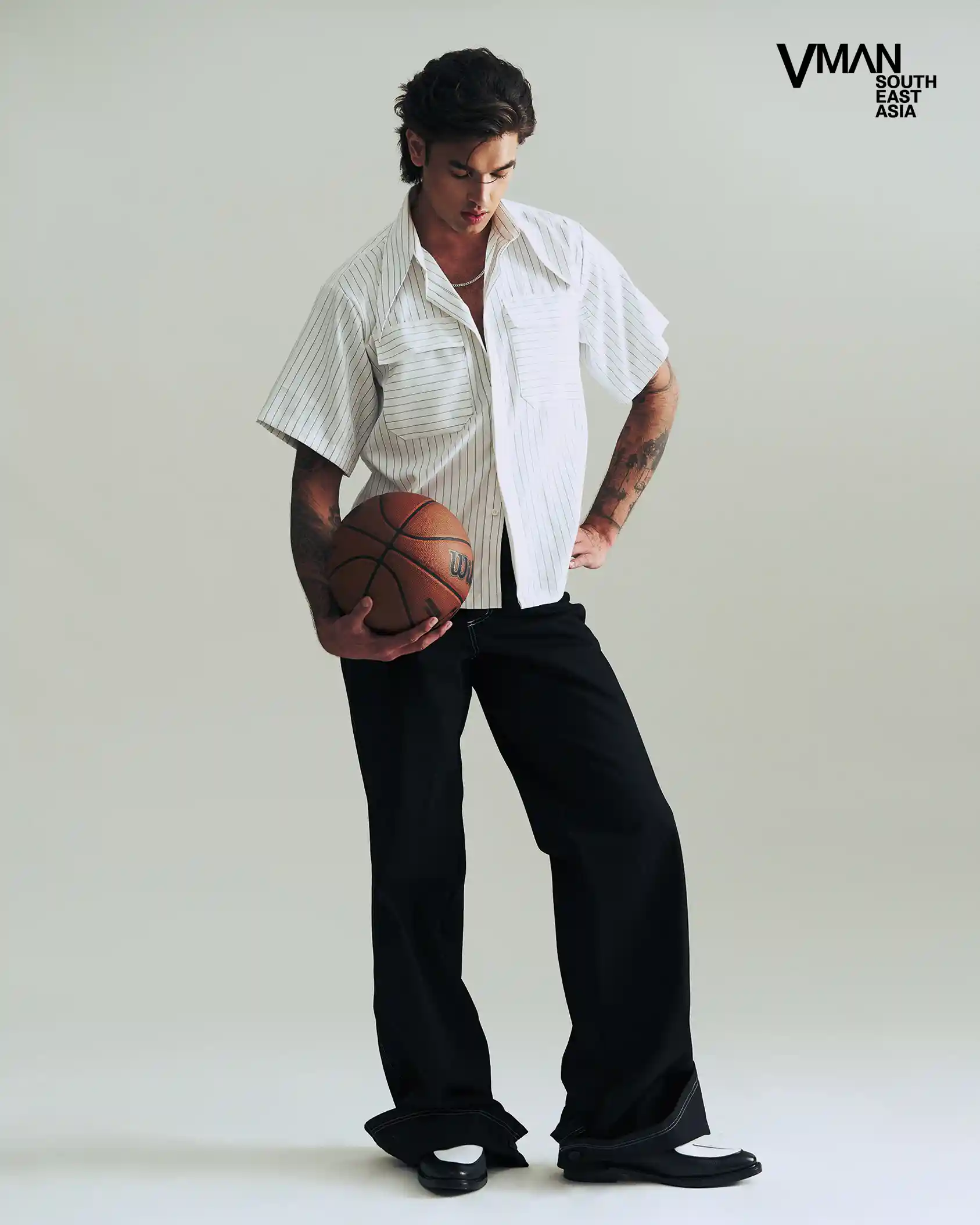
The real deal with Kobe Paras is that his forgotten dream of greatness doesn’t signal retreat. It’s a reimagining. A life no longer shaped by the architecture of fame, but by small acts of self-trust.
He’s not interested in proving anything anymore, not to coaches, not to fans, not even to himself. What he’s building now is softer, slower, but no less true: a version of success that makes space for joy and curiosity.
As seen in the pages of VMAN SEA 03: now available for purchase!
Photography JL Javier
Chief of Editorial Content Patrick Ty
Art direction Mike Miguel
Fashion Rex Atienza
Grooming Yra Mantaring
Hair Gab Villegas
Photography assistant Ruel Constantino