From Behind the Camera to Center Stage, Ivan Wang Defines His Vision
The Taiwanese-American model who sees the world through a lens and beyond




Between the frame and the flash
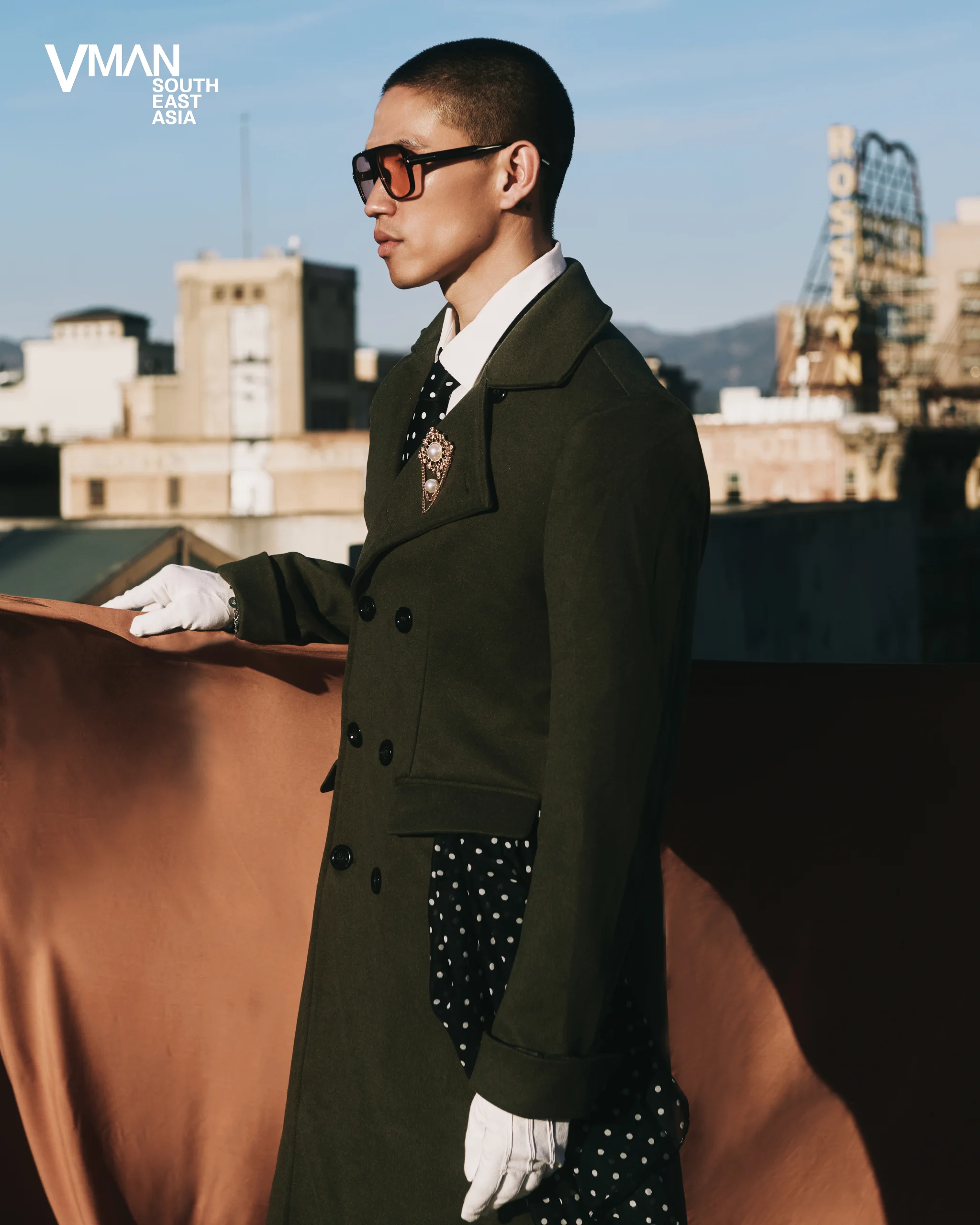
In a Los Angeles studio, the air feels suspended before the shutter clicks. Assistants adjust racks of clothing. A stylist smooths a collar. Ivan Wang stands just beyond the frame, studying the light as it falls across a concrete wall.
He shifts a reflector slightly, steps back, and nods. Minutes later, he will trade places with the model and step into the shot himself.
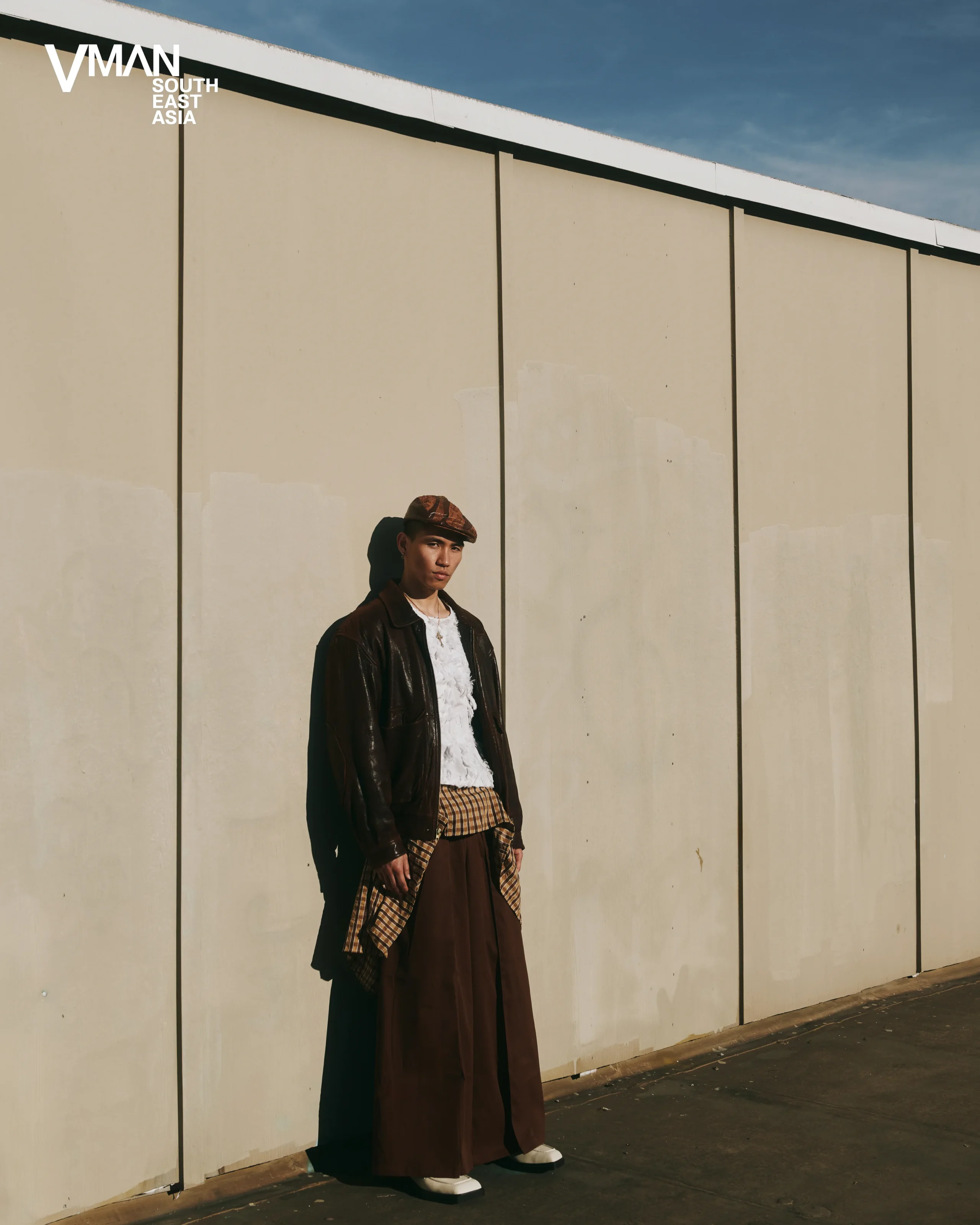
This fluid movement between roles is how Ivan works. Model, photographer, and creative director. Each informs the other. Each sharpened by experience on both sides of the lens.
A cultural identity reclaimed
Born in Taiwan and raised in California, his creative life is inseparable from his cross cultural upbringing. His parents immigrated to the United States when he was young, though much of his family remains in Taiwan. He returns every year.
“Growing up, I had a lot of difficulties being Taiwanese-American. When I was younger, I wasn’t surrounded by a lot of Asian people. It was mostly Americans, and for the longest time our culture and the food and everything, I was made fun of.”
Representation was scarce. Asian men were rarely positioned as aspirational figures in Western media, let alone as models. “The media didn’t really portray Asians, especially Asian males, as the model type until recently,” he explains. “So I never really had a figure in the media to look up to.”
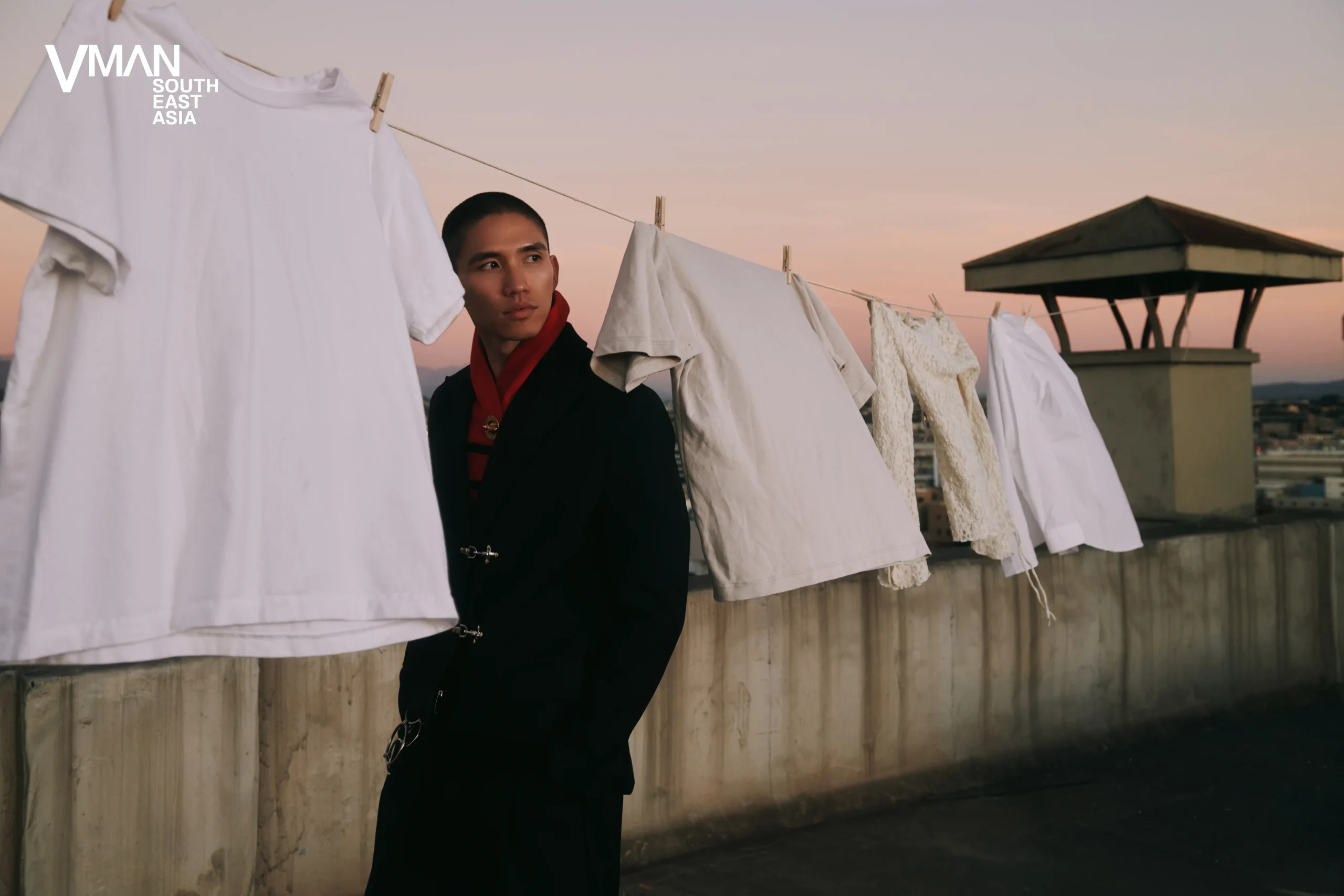
That absence shaped him, though not in the way one might expect. Over the past decade, he says, something shifted internally. “I’ve really grown to appreciate my culture and be completely in touch with it. It brings me a lot of joy to say that I’m Taiwanese.”
He laughs recalling how often people confused Taiwan with Thailand. “People would say, ‘Oh, you’re Taiwanese? I love Thai food.’ And I’d be like, that’s not the same thing at all.”
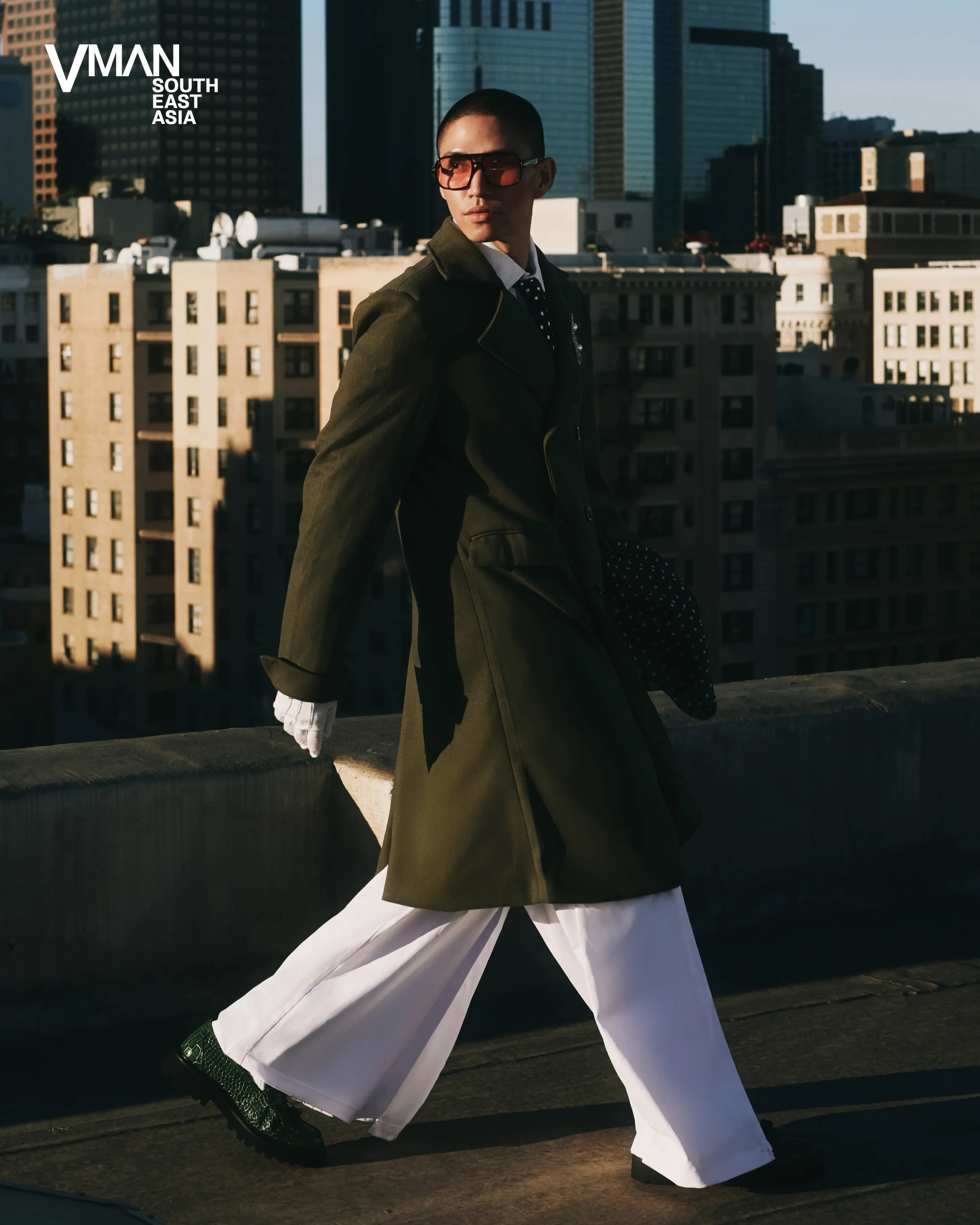
Reframing Taiwan through the lens
The misunderstanding became motivation. Taiwan, he insists, is underrated. Its night markets, mountain ranges, coastal views, and warmth of its people remain largely outside mainstream travel narratives. “There’s beautiful nature, delicious food, it’s super safe, and the people are very kind,” he says.
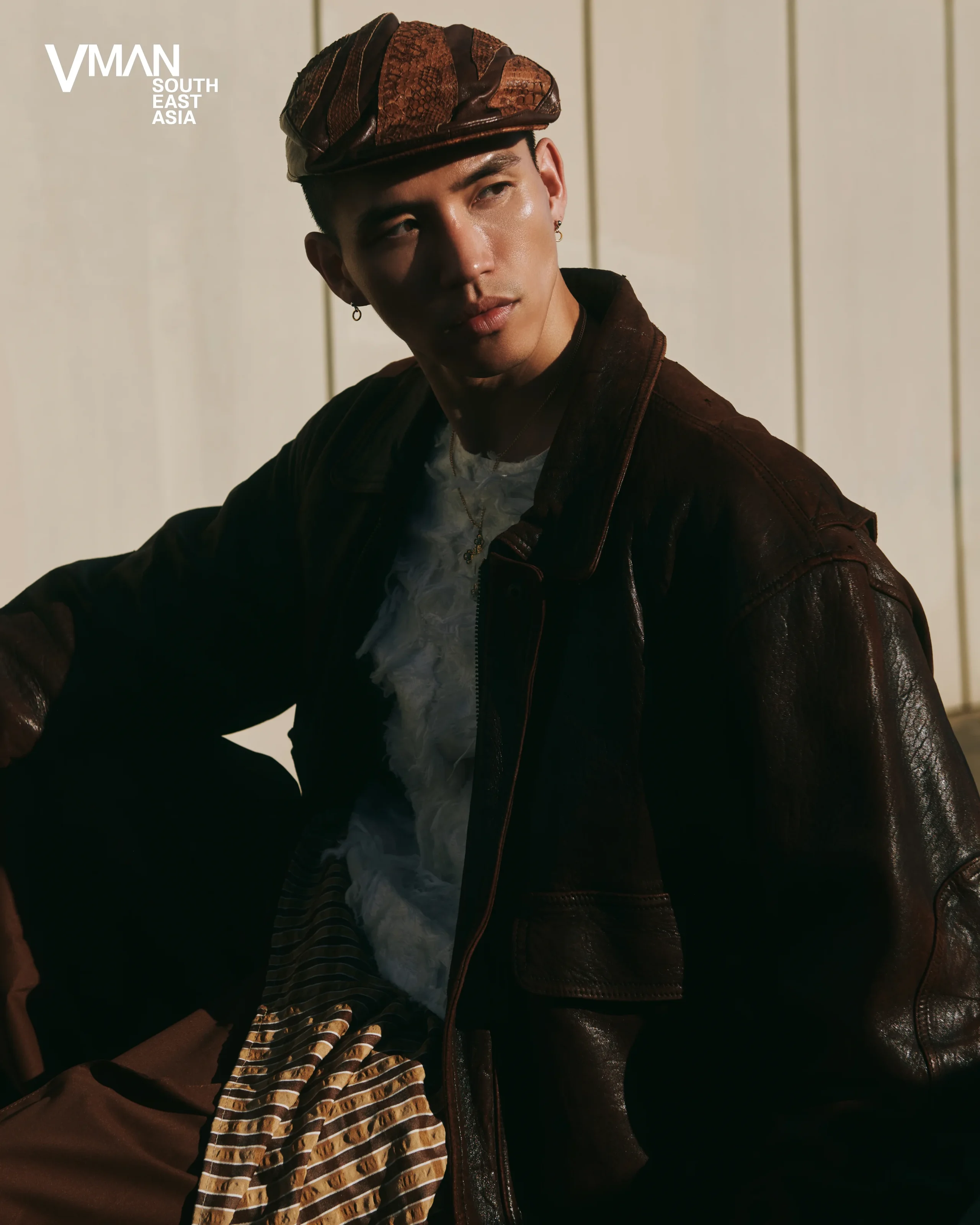
One of his recent editorials in Taiwan centered on old-school barber shops. “My father and grandfather went to them,” he says. What surprised him was who often runs them. “They’re often run by middle-aged Taiwanese women, which is different from Western barber culture.”
Learning by doing
Yet none of this was mapped out in advance. In college, Ivan picked up photography on a whim. Instagram was on the rise, and landscape photography was everywhere.
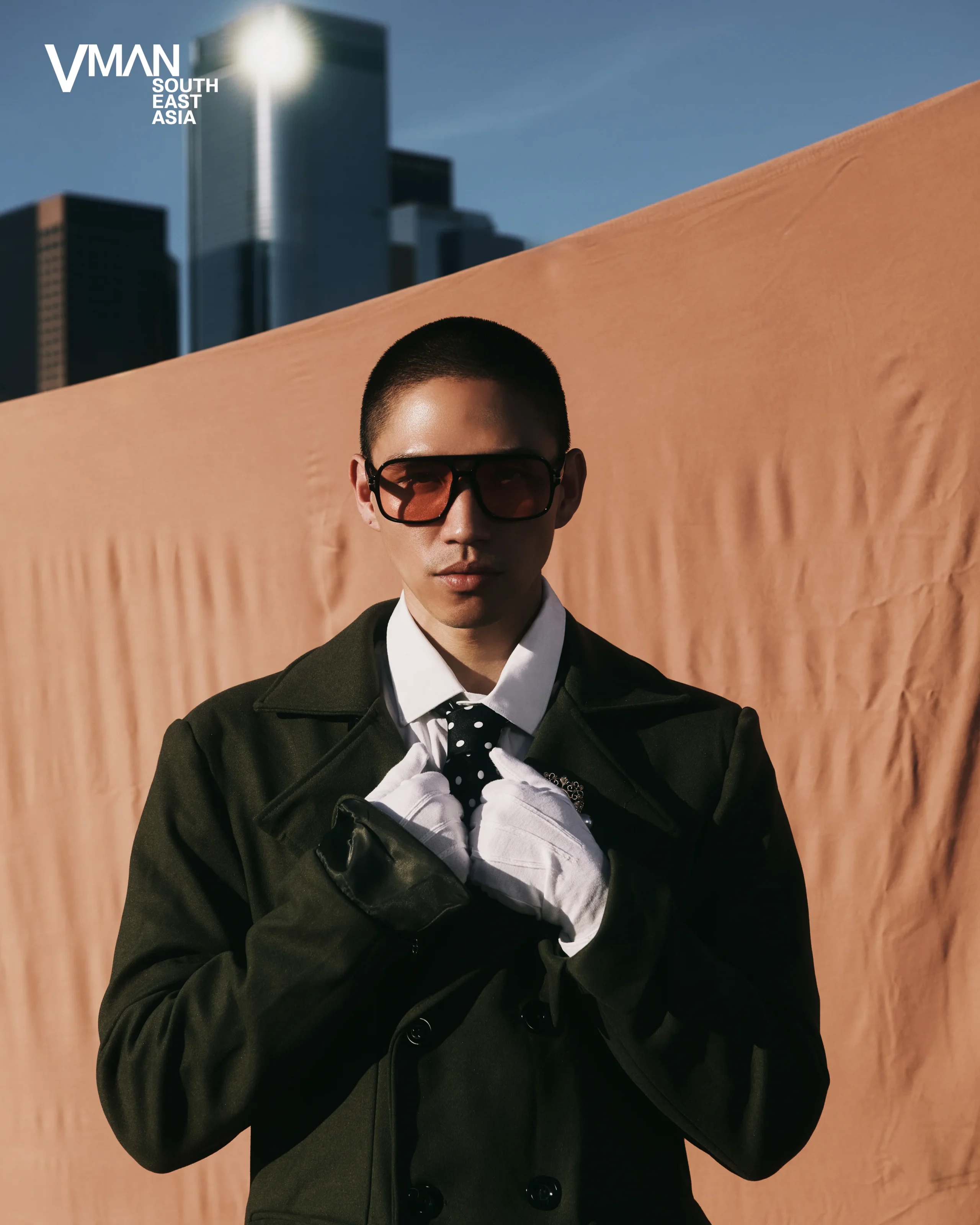
He went to Best Buy and bought the cheapest camera he could find, no research involved. “I started taking photos of everything. Train tracks, graffiti, sunsets. Some photos I’m embarrassed to show now,” he says.
What began casually became serious over four years. He photographed friends and graduation portraits. His first paid photography job paid poorly, but it introduced him to stylists, makeup artists, and producers.
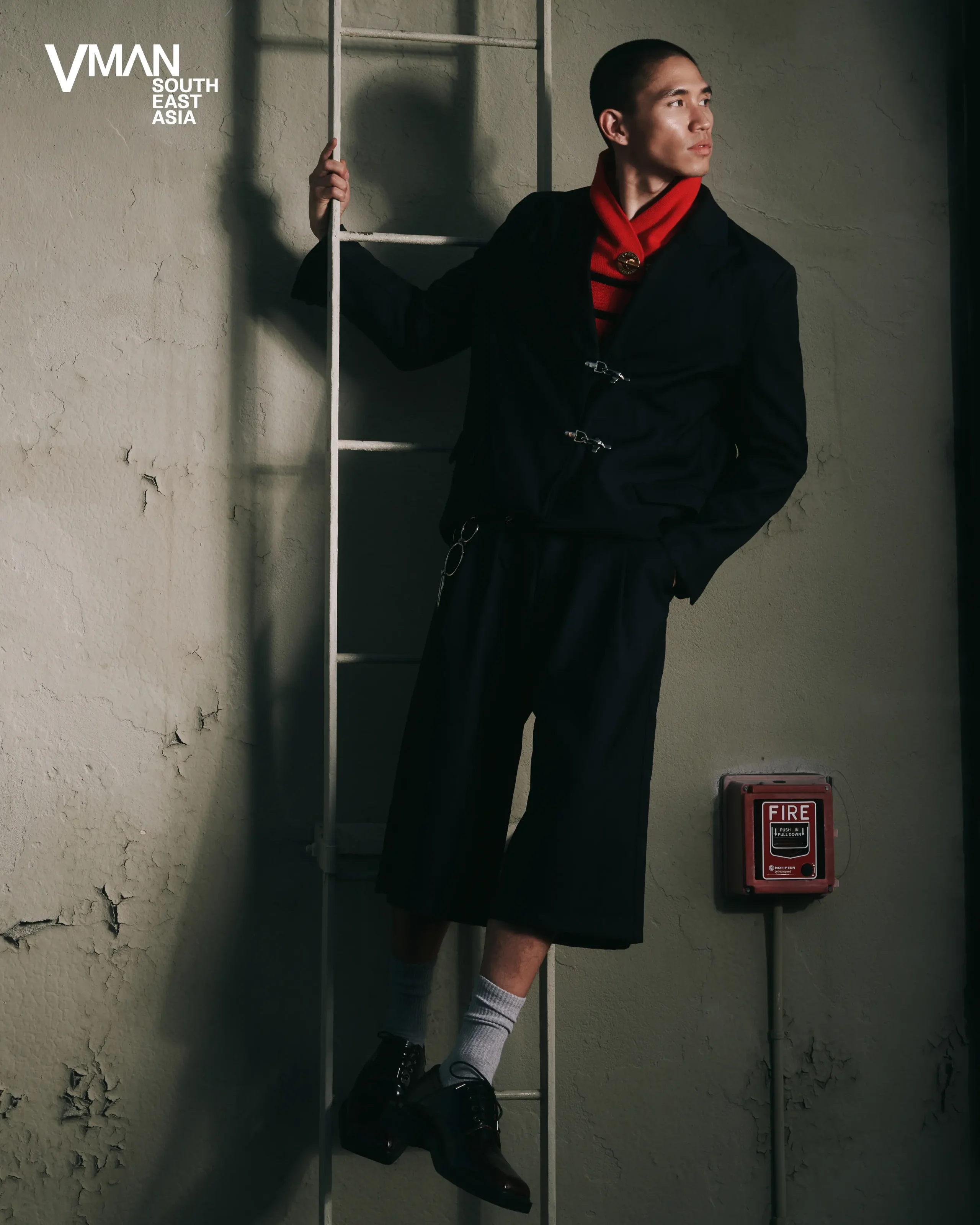
On weekends, they organized independent shoots with agency models. That environment exposed him to professional standards and sharpened his instincts.
The turning point came through initiative. Ivan sent a direct message to a former boss at PacSun asking if there were any job openings. Three months later, they met for tacos. He was hired, in part because of the work he had been doing independently.
“Closed mouths don’t get fed. If I never sent that message, nothing would have happened.”
Direction as dialogue
Around that same period, he was scouted by his first mother agency. Modeling had not been a childhood aspiration. In many Asian households, creative industries are not considered conventional paths.
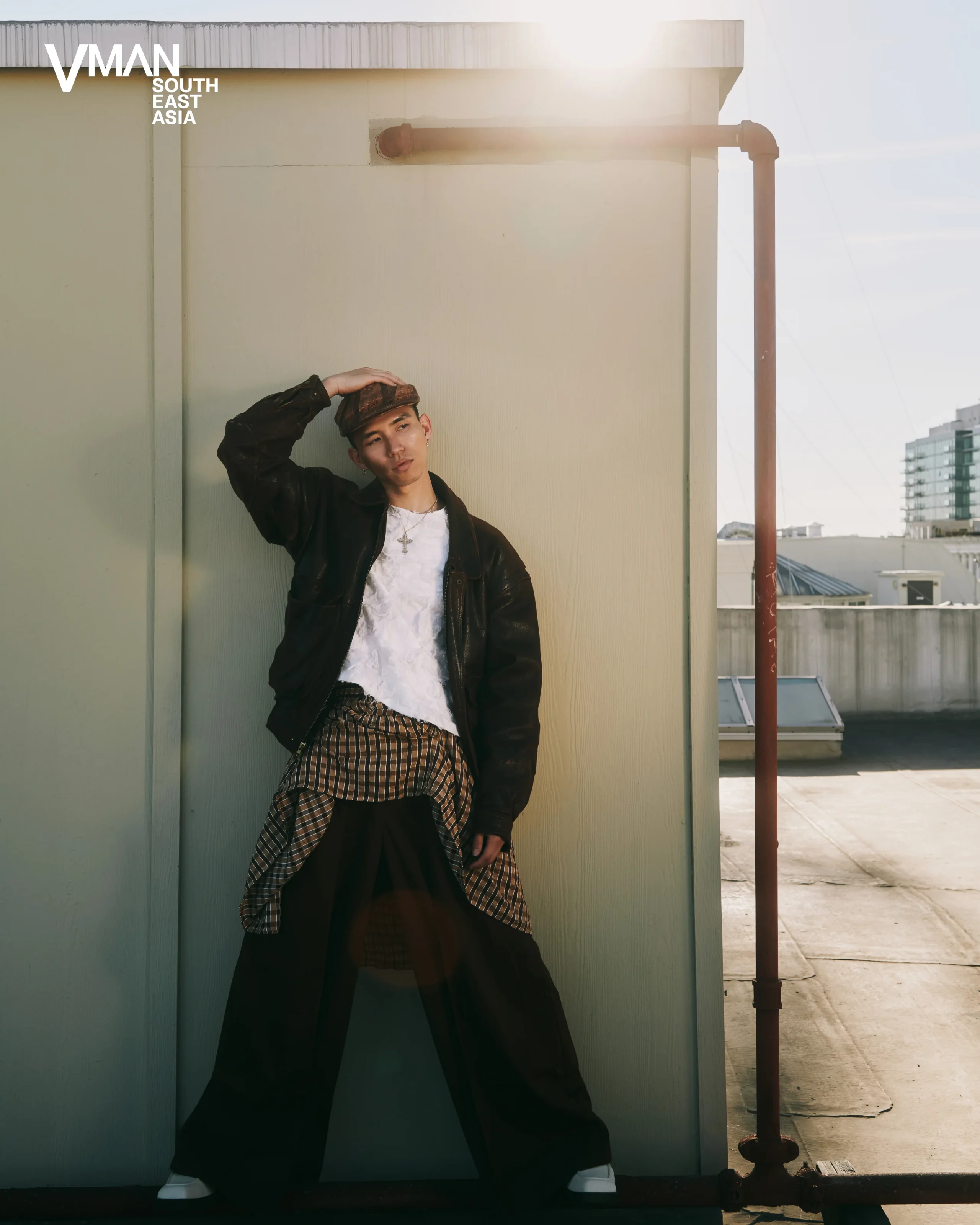
“In Asian culture, modeling is not exactly the kind of industry that parents look for,” he says. Traditional careers in technology or medicine are more common. Choosing a creative life required resilience.
Modeling, once an experiment, became another pillar of his career. His ability to move between streetwearStreetwearCasual fashion rooted in skate, hip-hop, and urban youth culture, characterized by graphic tees, hoodies, sneakers, and limited-edition releases. Streetwear has grown into a major global influence on luxury menswear,Go to Streetwear Glossary and sportswear led to collaborations with globally recognized brands. Yet even on set as a model, his photographer’s mind remains active.
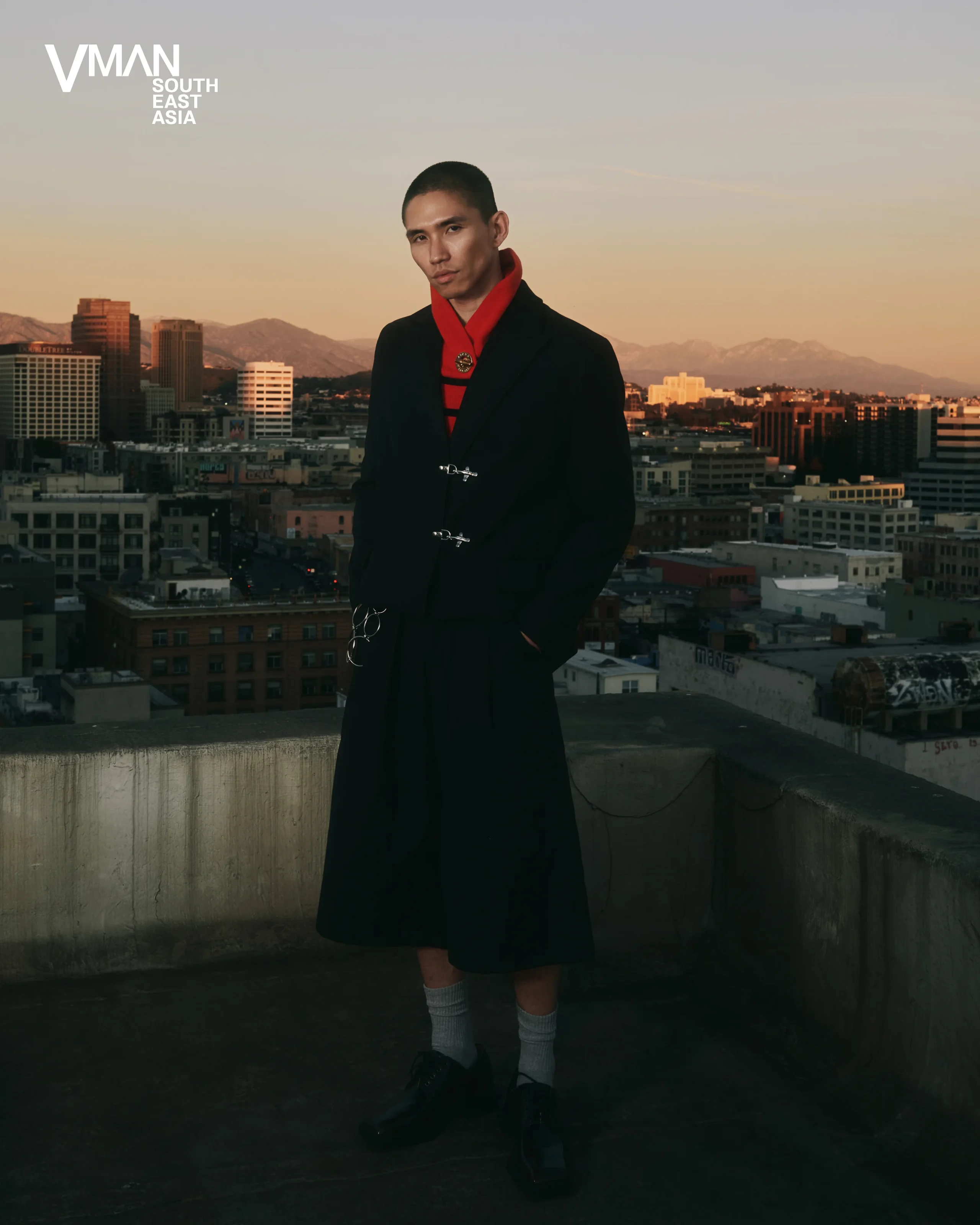
“When I model, I’m thinking like both a model and a photographer,” he says. He tracks the sun, considers angles, and avoids blocking logos or design elements. “I’m hyper aware because I’ve been on both sides.”
That dual awareness informs his creative direction work today. He conceptualizes and produces campaigns that balance commercial clarity with editorial depth. Before any shoot, he prioritizes conversation.
“Whether it’s Zoom or in person, I ask about their life, culture, and interests. I want modeling to feel like a partnership.”
The camera, in his words, becomes an extension of himself, not a barrier.
Carrying culture forward
As a Taiwanese creative working internationally, representation carries weight. “It’s very important for me to stay in touch with my roots while working in the West,” he says.
Whenever he returns to Taiwan, he tries to create work there, ensuring Asian influence remains visible in his portfolio.
“There aren’t many Taiwanese models. Being in the minority makes it more important to showcase the best of my country and connect cultures.”
Even his name carries layered meaning. His full Chinese name is Wang Yifan. One character remains consistent across generations in his family. His sisters share it.
If he had been born female, he would have been named Yifan. Instead, his parents chose Ivan because it sounds similar. The adaptation mirrors his life: rooted in tradition and translated across cultures.
In the future, he wants to create projects that integrate East and Southeast Asian influences more deeply and to offer opportunities to other Asian creatives.
“There’s so much culture in East and Southeast Asia,” he says. “It’s my favorite place in the world. I want to keep showcasing it through my work.”
As seen in the pages of VMAN SEA 05: now available for purchase!
Photography Rielle Oase
FashionFashionThe art and industry of designing, producing, and styling clothing, footwear, accessories, and beauty trends. It reflects cultural influences, personal expression, and evolving styles across seasons and markets.Go to Fashion Glossary Nuha Marjan Hussain
Photography assistants Zak Scherbak and Amirza Indradjaya
Frequently Asked Questions
Ivan Wang is a Taiwanese-American model, photographer, and creative director based in Los Angeles. His work spans fashion campaigns, editorial photography, and creative direction, with a focus on Asian identity and cultural representation.
Growing up in California with Taiwanese roots shaped his perspective on cultural identity and representation. His cross-cultural upbringing — between Taiwan and the United States — is a recurring anchor in both his visual work and his public advocacy for Asian visibility in Western media.
Wang has spoken directly about the scarcity of Asian male models in Western media during his formative years, noting that Asian men were rarely positioned as aspirational figures. He has since used his platform to address that gap through modeling and visual storytelling.
Wang began photography in college on a self-taught basis, shooting landscapes and portraits before transitioning into professional work. He was later scouted by his first modeling agency while building his photography portfolio independently, developing both careers simultaneously.
Wang returns to Taiwan annually and produces editorial work there intentionally — to keep Asian cultural influence visible in his portfolio and to ensure Taiwanese identity is represented in global fashion contexts. He has also expressed interest in creating projects that integrate East and Southeast Asian creative voices more broadly.
Recommended Video