The Unexpected Perfume Capitals You’re Sleeping On
Middle Eastern fragrance houses are reshaping the global scent industry with viral appeal, and a growing cult of niche collectors




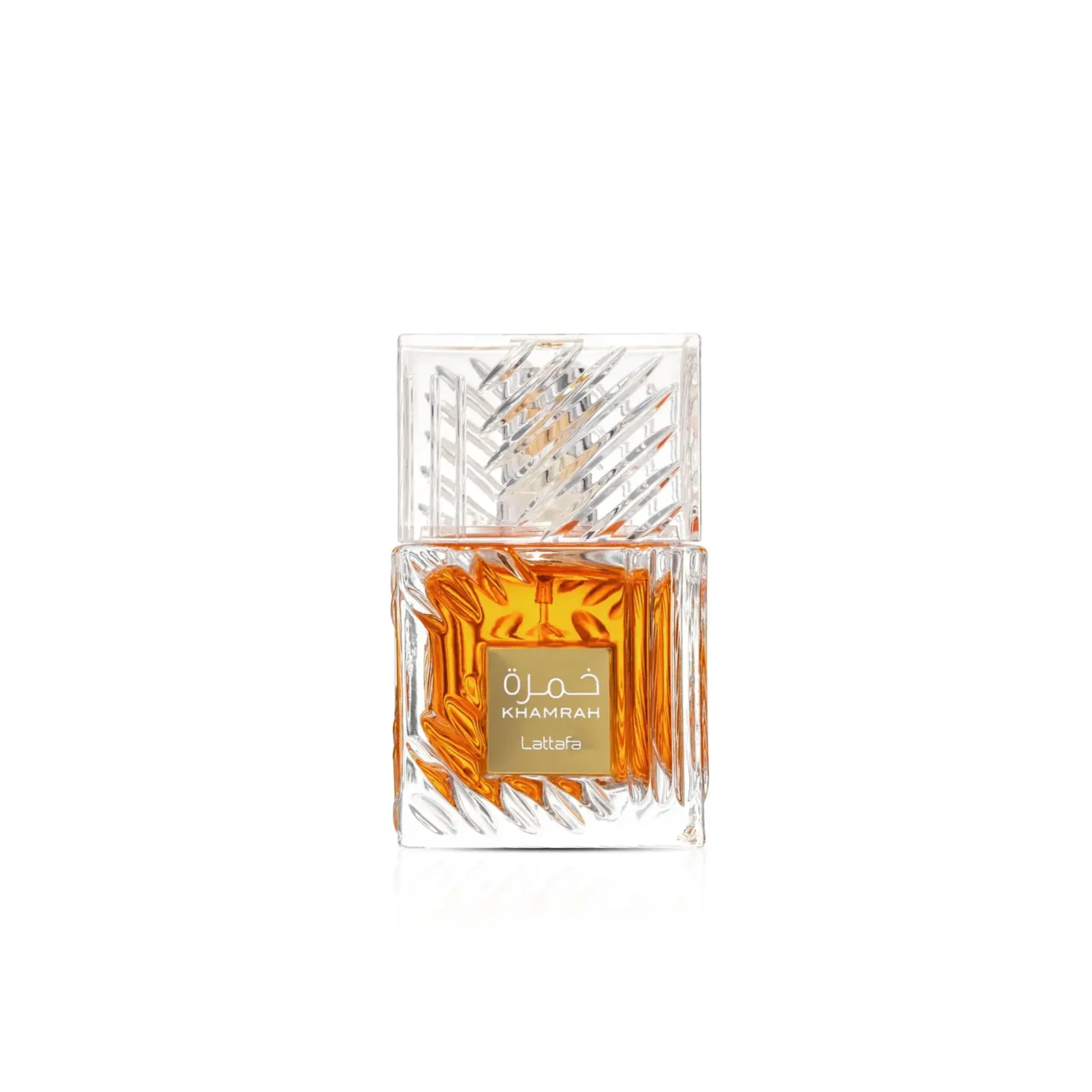
By the time the mist of Khamrah settles on your skin, warm with cinnamon and heavy with date and rum, it’s already gone viral. Lattafa’s now-infamous gourmand-oud blend, often compared to luxury offerings triple its price, is just one of dozens of scents from the Middle East making a thunderous takeover of Western vanities.
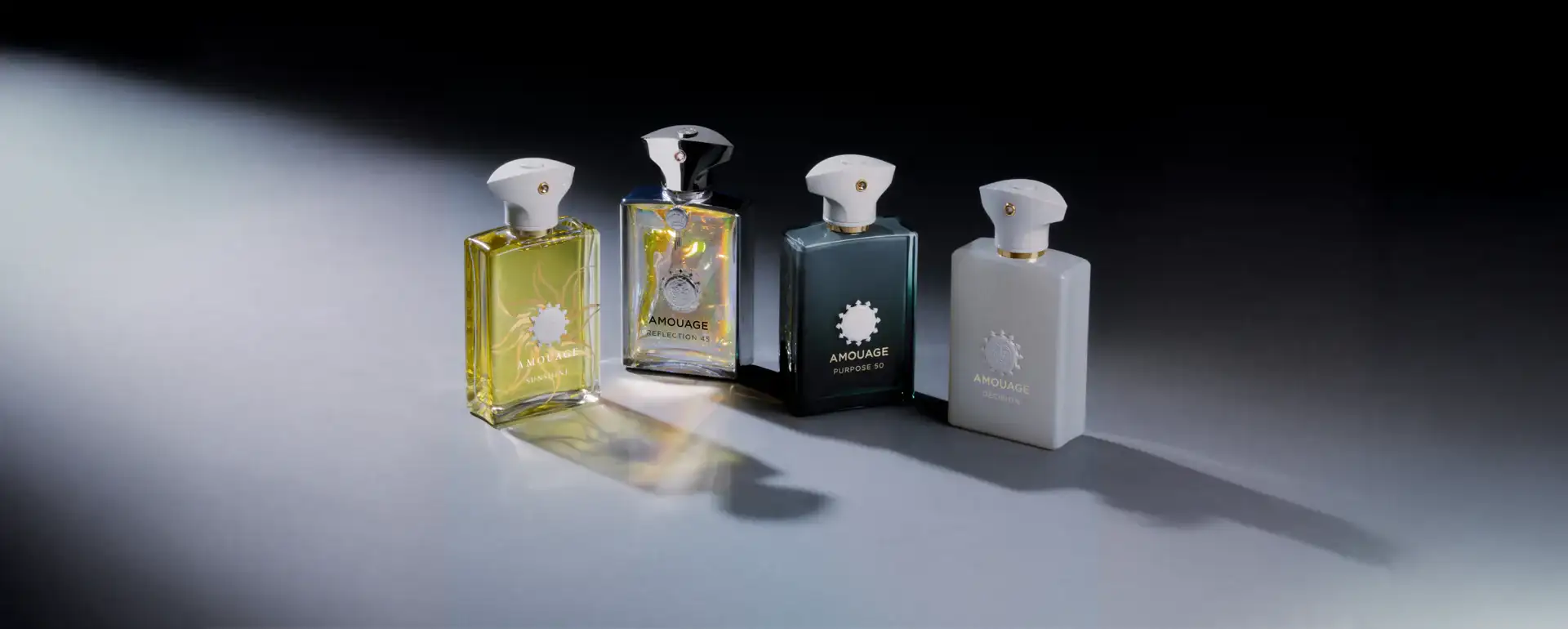
Scroll through social media’s fragrance niche videos and you’ll find the algorithm thick with resinous descriptions of Lattafa perfumes, the reverent unboxings of Arabian Oud bottles the size of relics, and the hushed awe reserved for names like Amouage, which was until recently, largely unknown to the crowd.
What was once whispered in fragrance threads and traded in small vials across forums is now breaking into Nordstrom and Harrods, reshaping a perfume landscape long dominated by Parisian legacy and minimalist Scandi blends. The Middle Eastern scent world is here to seduce, envelop, and conquer.
A tradition measured in smoke and resin
Perfumery in the Middle East is not merely decorative. Oud, perhaps the region’s most famous aromatic export, has been burned in homes, woven into hair, and pressed onto skin after prayer for centuries. Extracted from agarwood and often priced higher than gold, oud’s scent is both sacred and divisive.
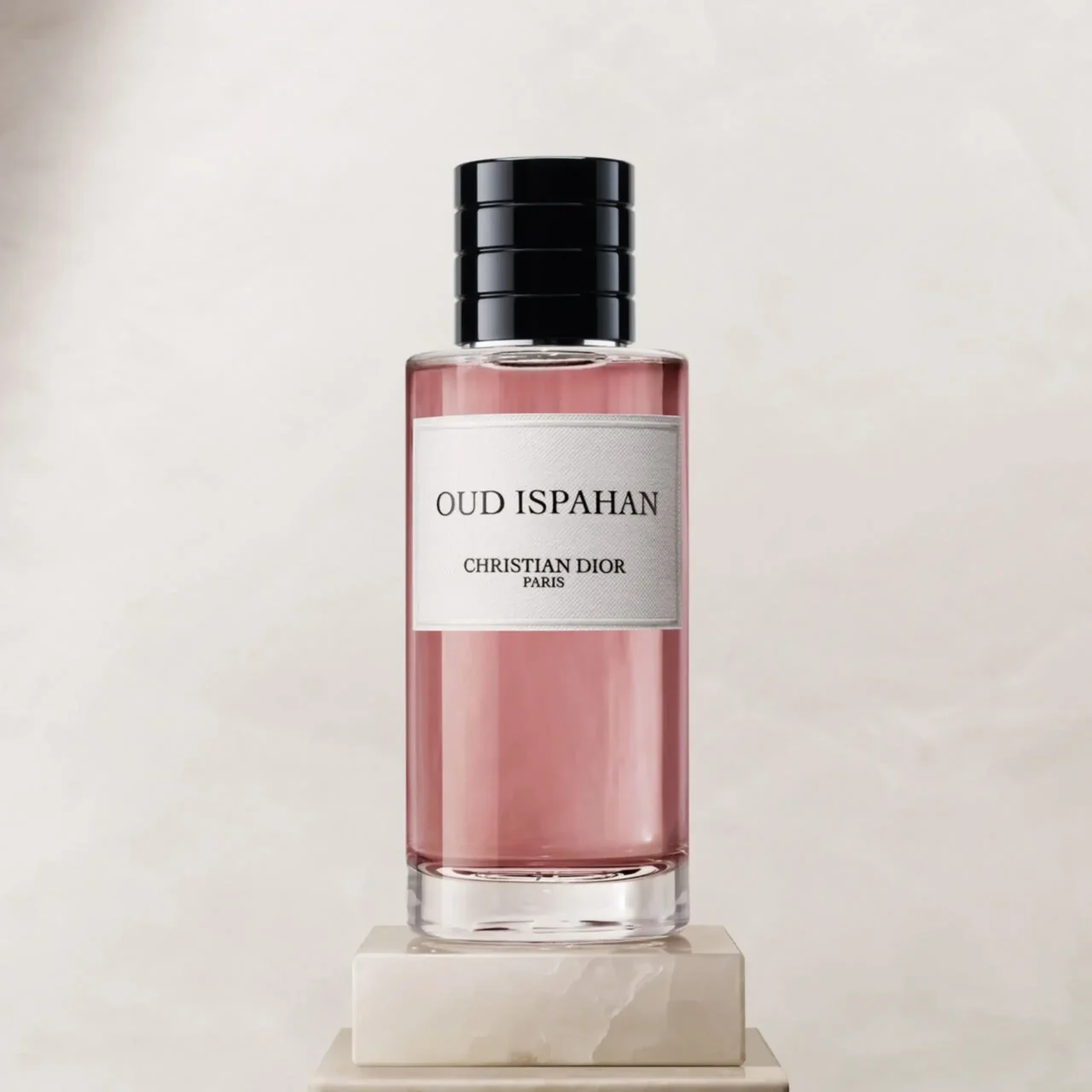
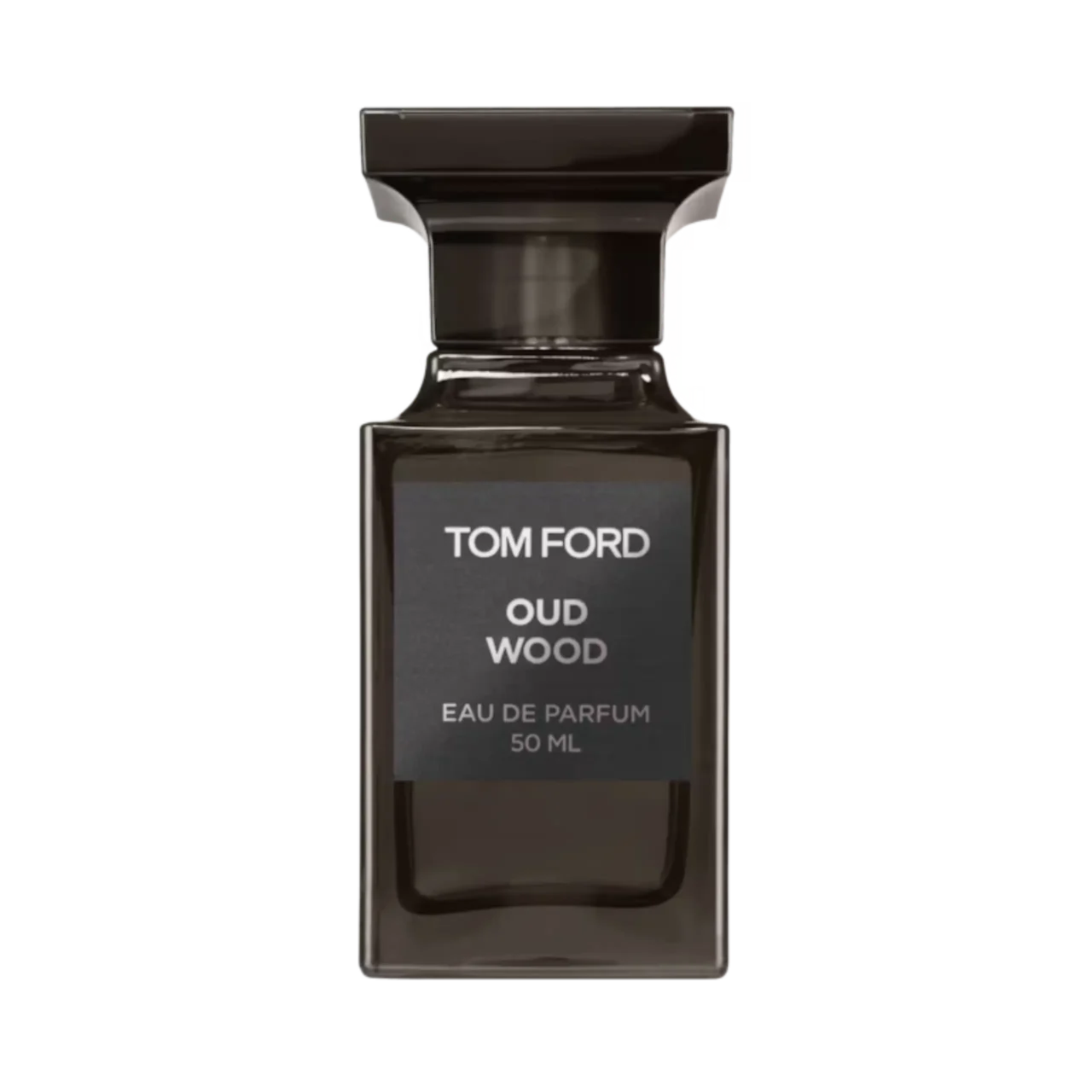
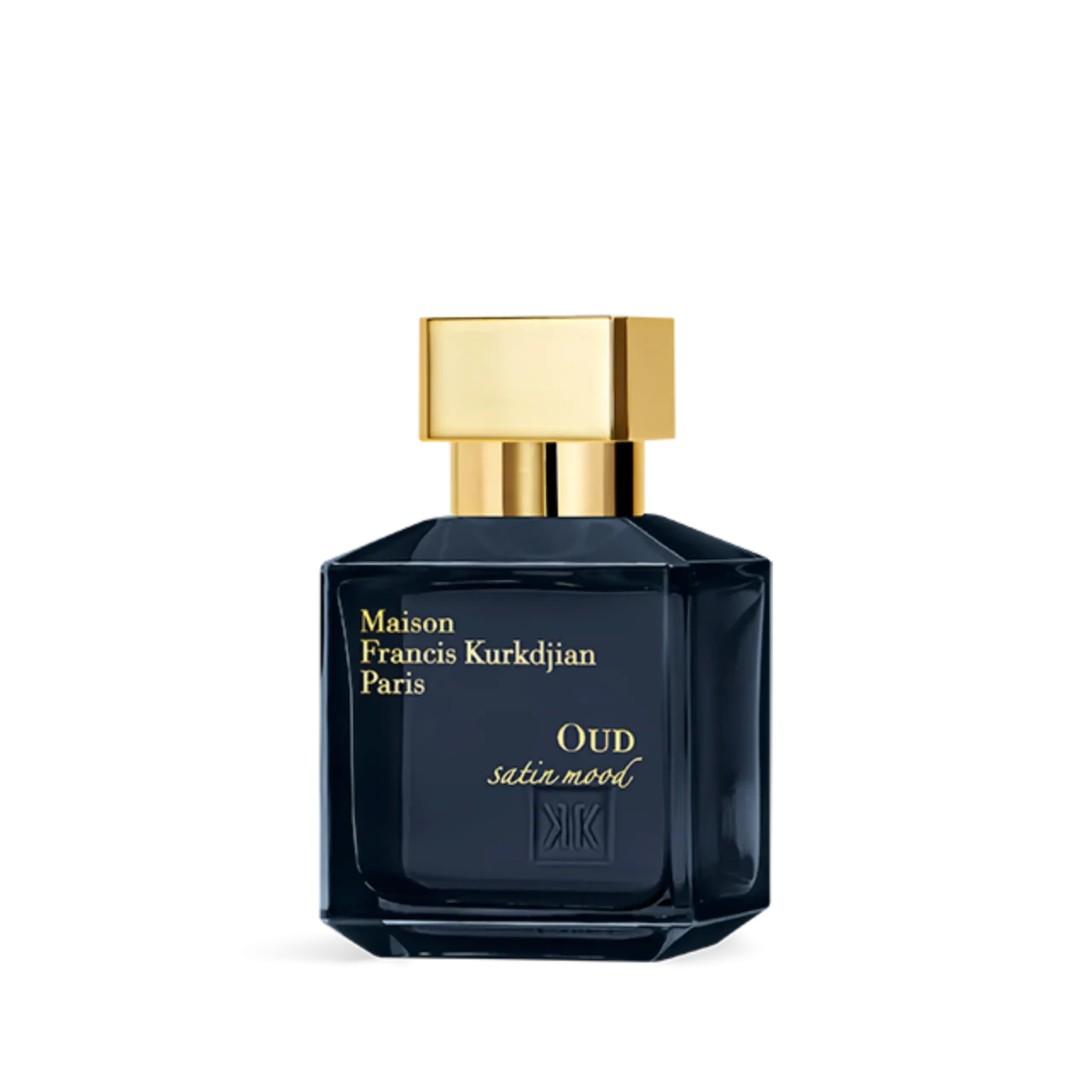
That presence now lingers in the global scent lexicon, no longer foreign but coveted. Even Western houses like Dior (Oud Ispahan), Tom Ford (Oud Wood), and Maison Francis Kurkdjian (Oud Satin Mood) have tried to interpret it, often softening its bite for broader appeal. But for brands like Arabian Oud, there’s no dilution. Their compositions are unapologetically thick with wood, musk, rose, and ambergris.
ALSO READ: 13 Fragrances That Say ‘I’m a Man of Taste’ Without You Having to Say Anything
The Amouage effect
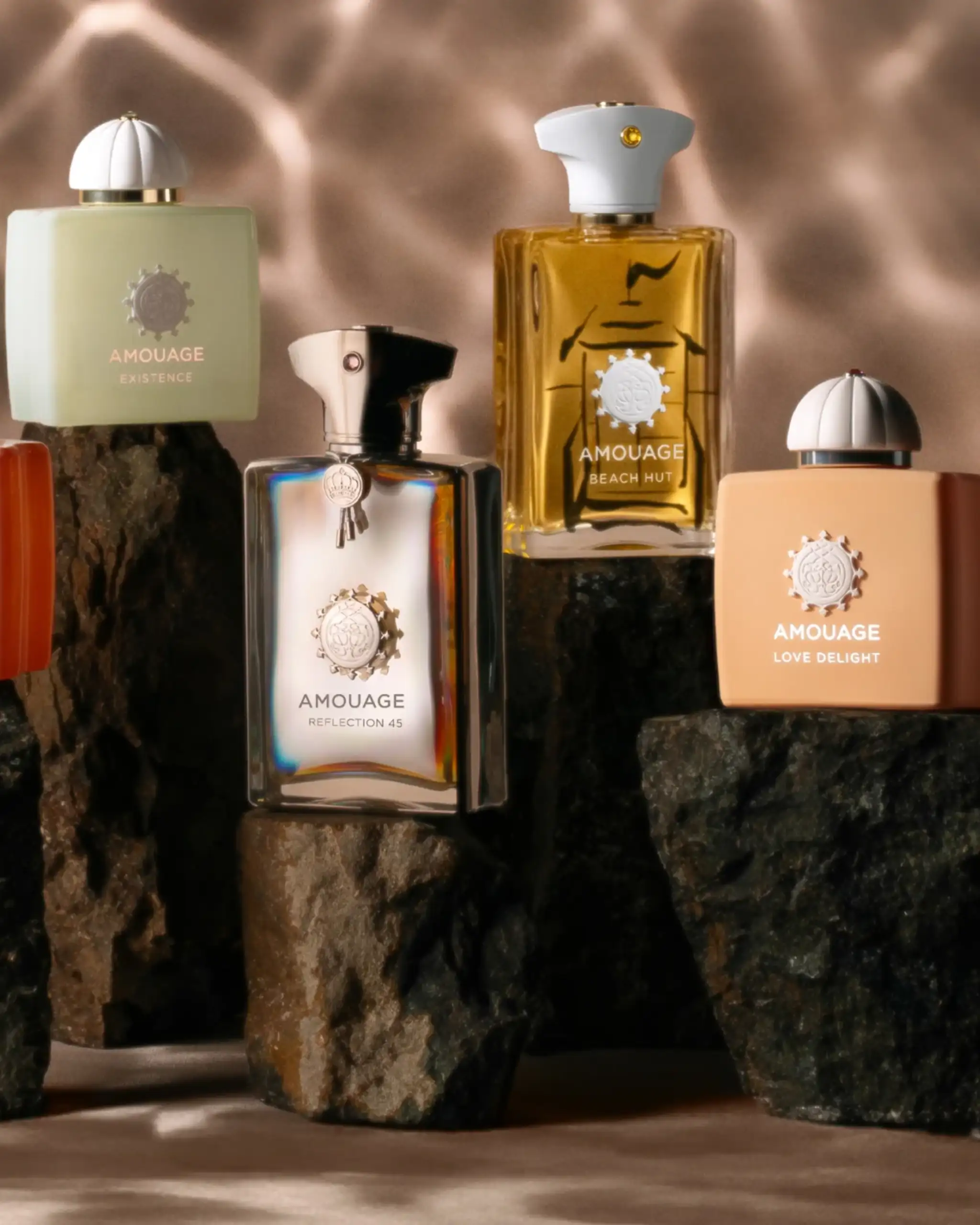
At the top of the pyramid sits Amouage, Oman’s regal gift to the world of fine fragrance. Founded in 1983 by royal decree, the house was initially intended to preserve the Arabian art of perfumery. What it did instead was establish a new global standard for perfume as high art.
Amouage bottles look like cathedral windows. Their scents are operatic. Interlude Man, often nicknamed “The Blue Beast,” has achieved cult status, known for its chaotic yet harmonious clash of incense, oregano, and amber. It is not easy. But it is unforgettable.
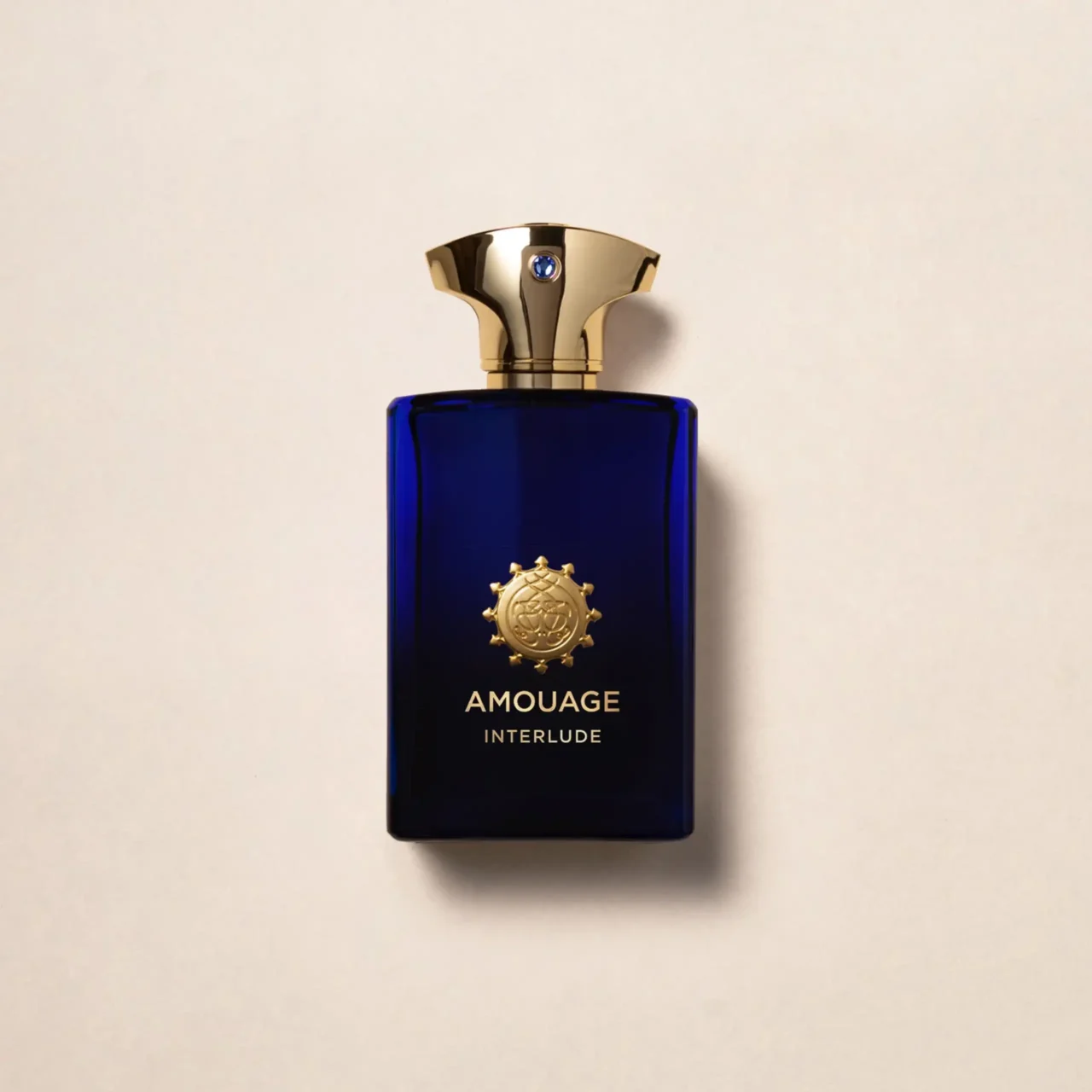
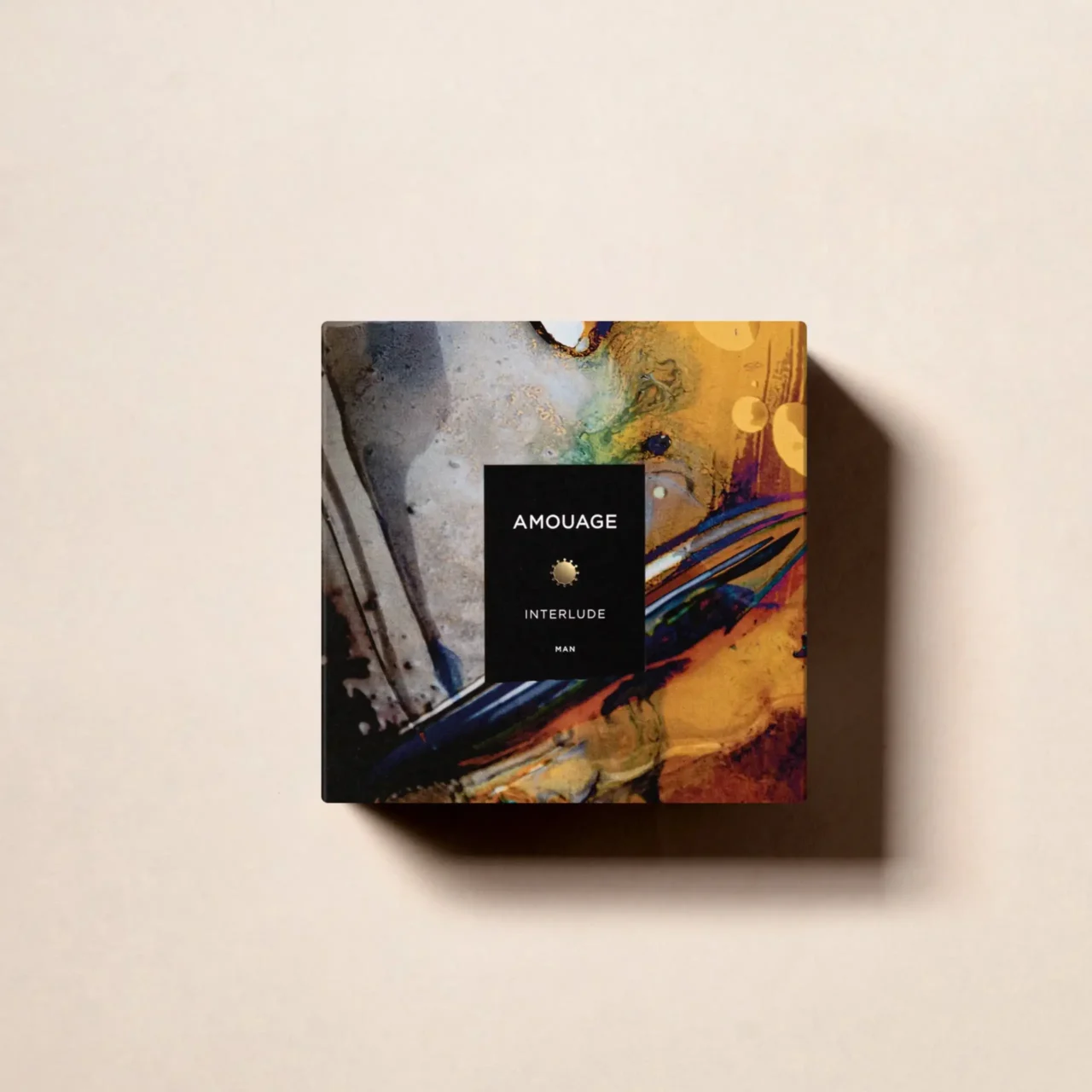
For fragrance collectors and scent explorers seeking complexity over consensus, Amouage offers something increasingly rare in a market saturated with sugary florals and clean musks.
Breaking the algorithm
Then there’s Lattafa. If Amouage is the grand oil painting, Lattafa is the remixing street artist, no less skilled, but wildly accessible. The Dubai-based house has exploded on social media for its uncanny ability to create budget-friendly scents that echo designer favorites.
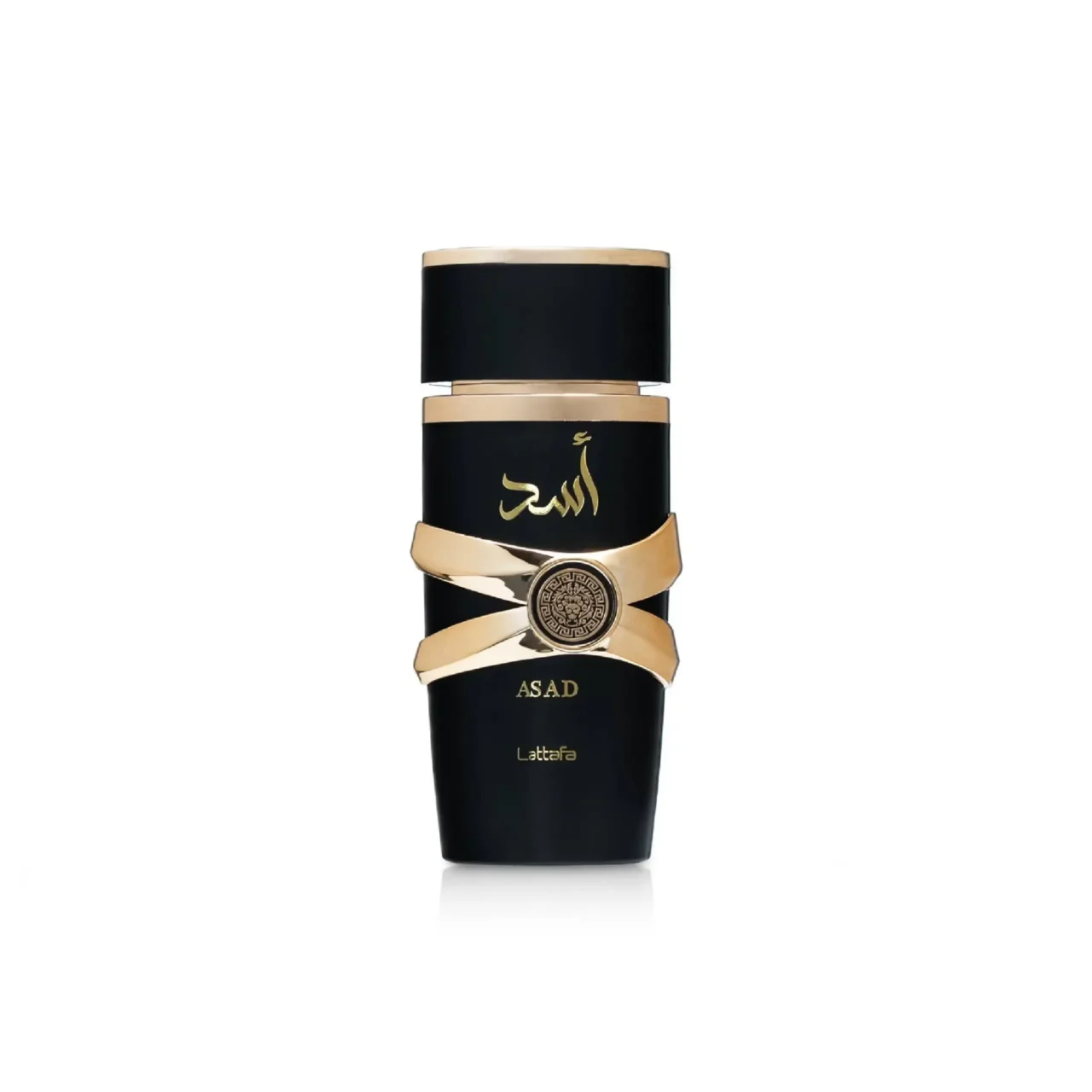
Fragrances like Khamrah (a spiced gourmand echo of By Kilian’s Angels’ Share) or Asad (reminiscent of Sauvage Elixir) are not coy about their inspirations. But what makes them remarkable is ambition. These are not hollow clones. They’re thoughtful interpretations made to democratize decadence.
Unlike the alcohol-based sprays of the West, traditional Middle Eastern attars are oil-based and often alcohol-free, applied to the skin with small glass sticks or fingers. This intimacy is what draws a growing number of niche fragrance lovers to lesser-known brands like Al Haramain or Swiss Arabian. These houses straddle the line between tradition and modernity, offering both oil-based attars with deep cultural roots and EDP sprays formulated for a more Western mode of wear.
To wear an attar is to engage in a conversation with time. It stays longer, warms with the body, and resists the ephemeral nature of today’s scent trends.
Photos courtesy Amouage, Lattafa, Arabian Oud