
How Sports Communities Are the New Hub for Male Wellness
Beyond the final score, men are finding a holistic blueprint for physical, mental, and social health through shared athletic pursuits




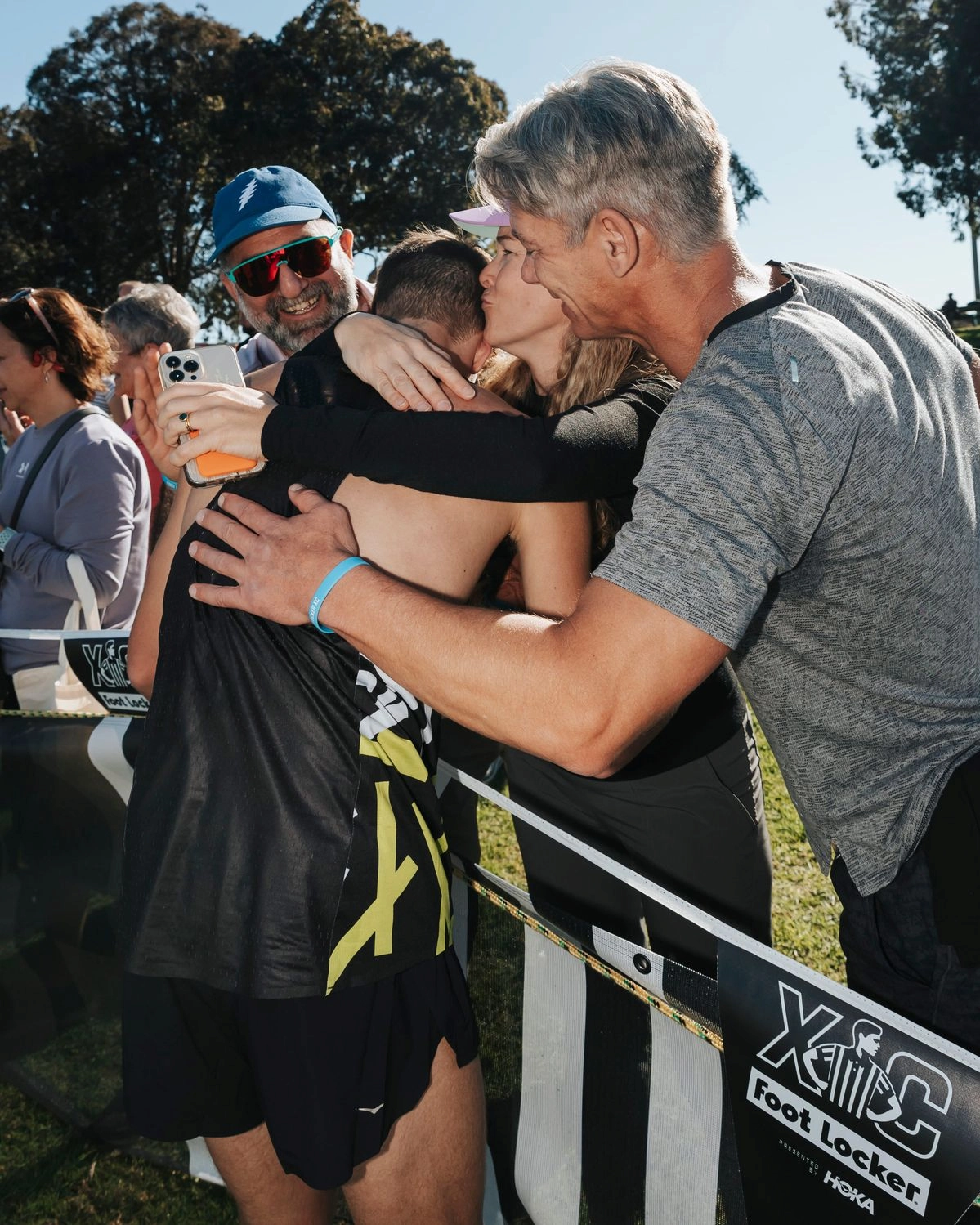
- Sports groups provide a “third space” for men to build deep friendships outside of work and family.
- Physical activity combined with camaraderie acts as a natural buffer against anxiety and isolation.
- The team environment encourages consistency in fitness routines that solo gym-goers often lack.
- Competitive settings are increasingly becoming safe spaces for men to discuss life challenges.
- These communities often expand into nutritional advice, mindfulness, and professional networking.
What makes these communities essential?
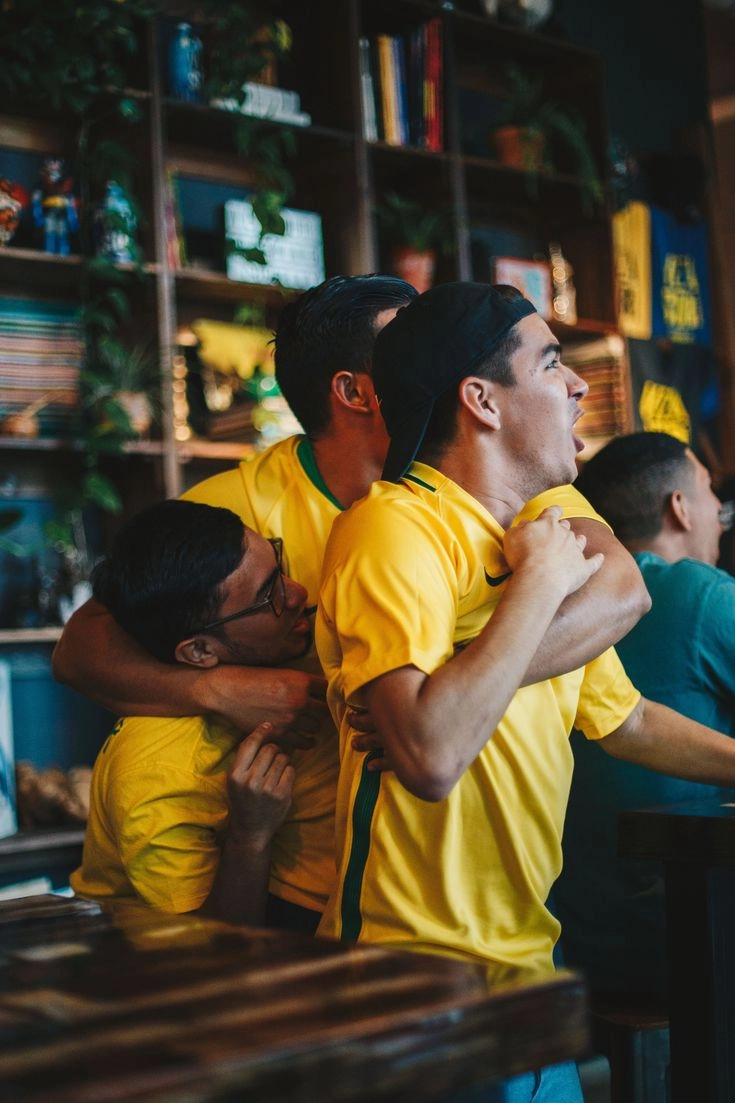
The image of male wellness was largely solitary: a lone runner on a treadmill or a man silently lifting weights in a garage. However, a cultural shift is underway. Men are increasingly ditching the isolation of the traditional gym for sports communities.
From urban run clubs that dominate city streets to community basketball tournaments that take over local parks, these groups are becoming the primary infrastructure for men’s holistic health.
The rise of grassroots athletic movements also fills a gap left by traditional wellness spaces. In cities where the grind culture often dictates a man’s daily life, these sports hubs are more than just a physical outlet, as they also provide a vital cultural bridge.
Redefining strength and vulnerability
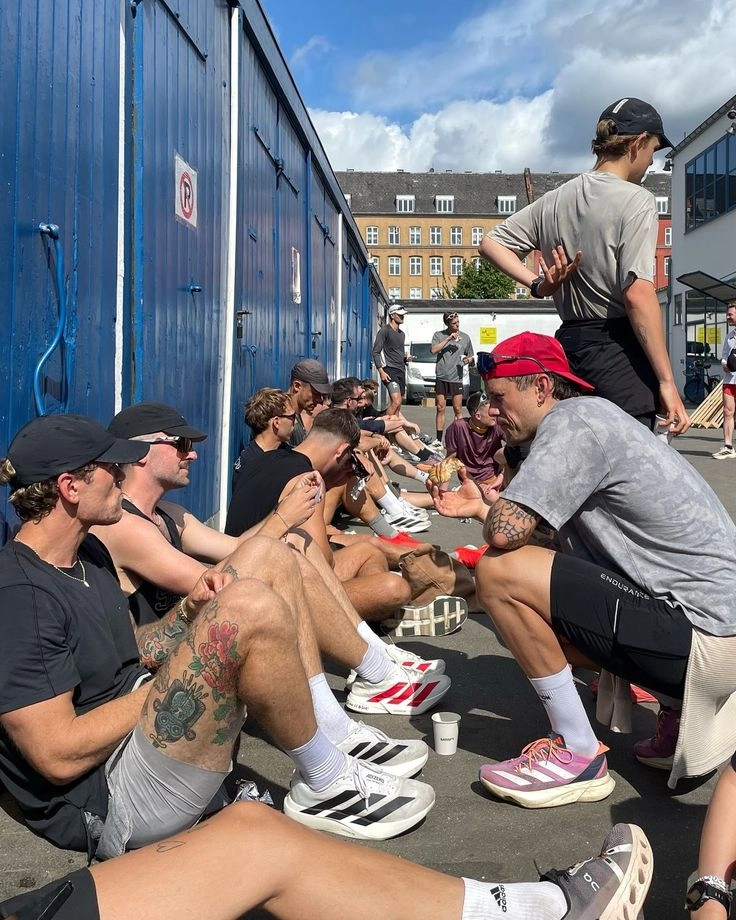
Modern sports spaces are dismantling outdated notions of stoic silence. While competitive spirit remains, these hubs are becoming safe zones where men can lower their guard. The athletic setting provides a baseline of mutual respect that makes openness possible.
Post-activity conversations often pivot from stats to real-life stresses like fatherhood or career changes. Because a bond is already established, men feel safer being vulnerable. Checking on a teammate’s mental state is now as common as checking the score.
This openness proves that seeking support is a component of high performance, not a sign of failure. By normalizing mental health discussions, these groups are removing old stigmas. True strength is now defined by the resilience to navigate life together.
The power of group accountability
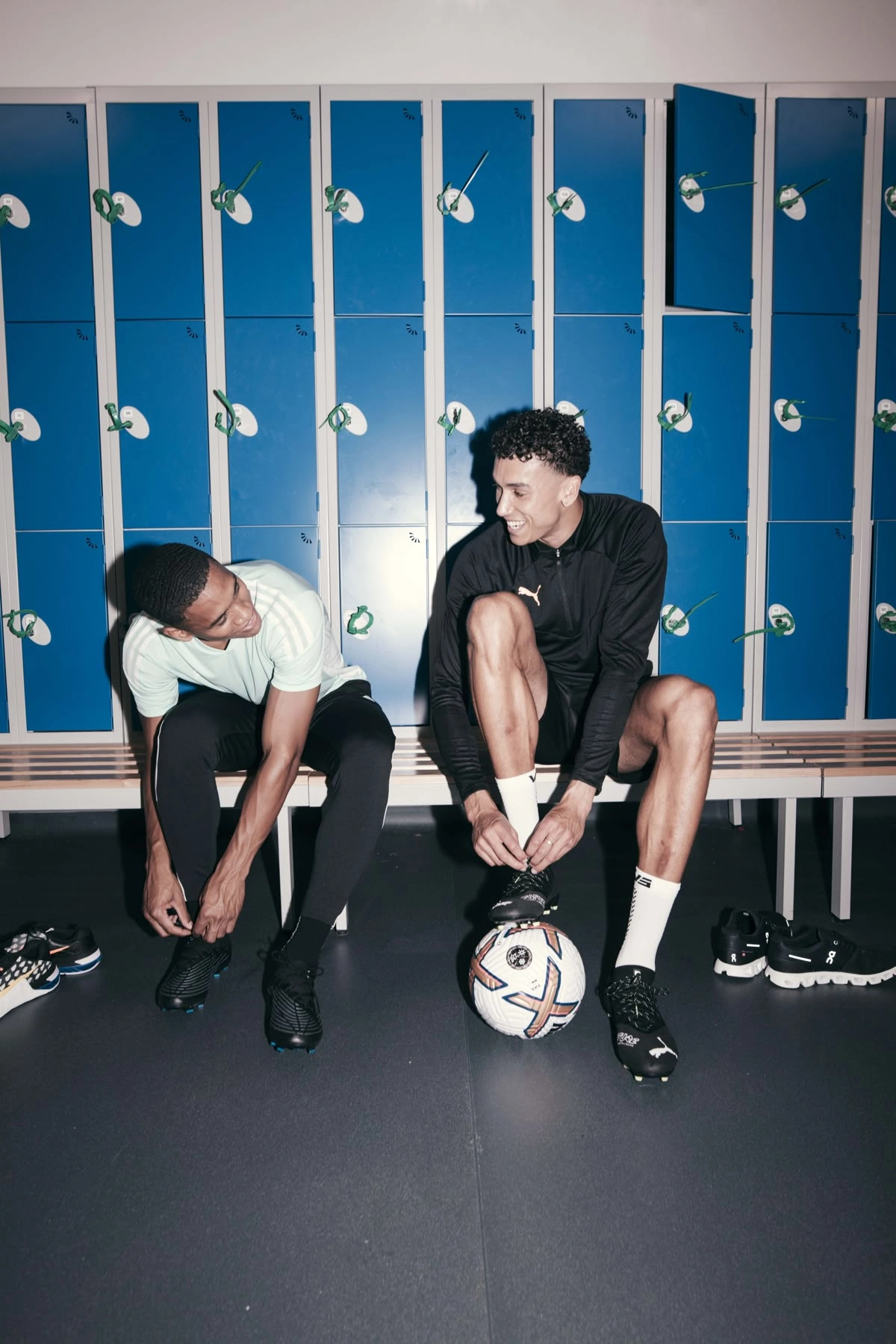
Consistency is the hardest part of wellness, and solo routines are easily abandoned. In a sports community, your absence is noticed, creating a social contract that drives results. This accountability keeps men moving even when motivation dips.
Whether in a run crew or a basketball roster, knowing others count on you is a powerful motivator. These groups often become networks for trading advice on sleep, injury prevention, and nutrition. This collaborative approach ensures a 360-degree health plan.
Shared discipline transforms fitness into a collective habit that is hard to break. Members push past perceived limits because they see their peers doing the same. By leveraging group willpower, men achieve health goals that feel effortless.
A new playbook
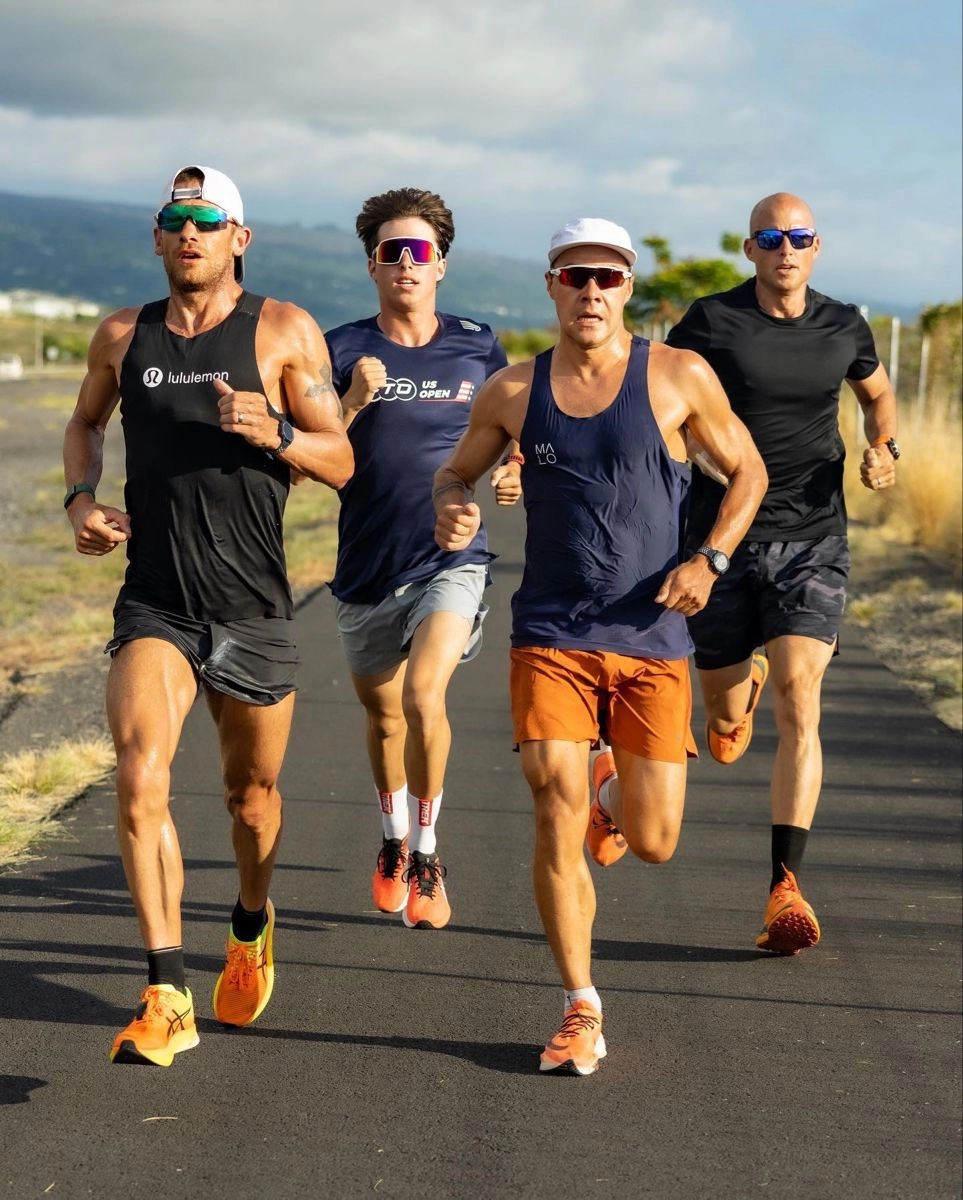
The rise of these communities signals a shift toward “relational” wellness. They address modern stress and social fragmentation by combining movement with community. This model offers a sustainable solution that far outlasts solo gym memberships.
As these spaces grow, “healthy” now includes emotional intelligence and social connectivity. The future of wellness lies not in technology, but in the power of the huddle. We are at our best when working toward a common goal.
The most important win isn’t on a scoreboard; it’s the lifelong support system found within the team. These communities prove that the strongest version of a man is a connected one. The huddle is paving the way for a more resilient generation.
Frequently Asked Questions
They offer social integration and purpose, which are key to long-term mental well-being.
Yes. Most clubs have tiers for different skill levels to ensure everyone can participate safely.
Yes. Group exercise boosts endorphins and oxytocin, while social support lowers stress hormones.
Any sport that encourages regular attendance and social interaction works. Consistency and community are the goals.
Modern groups prioritize “inclusive competition,” focusing on collective growth and mentorship over individual ego.

Recommended Video