
Comparing Mineral and Chemical Sunscreens
Understanding the vital differences in how modern formulas protect your skin from UV damage




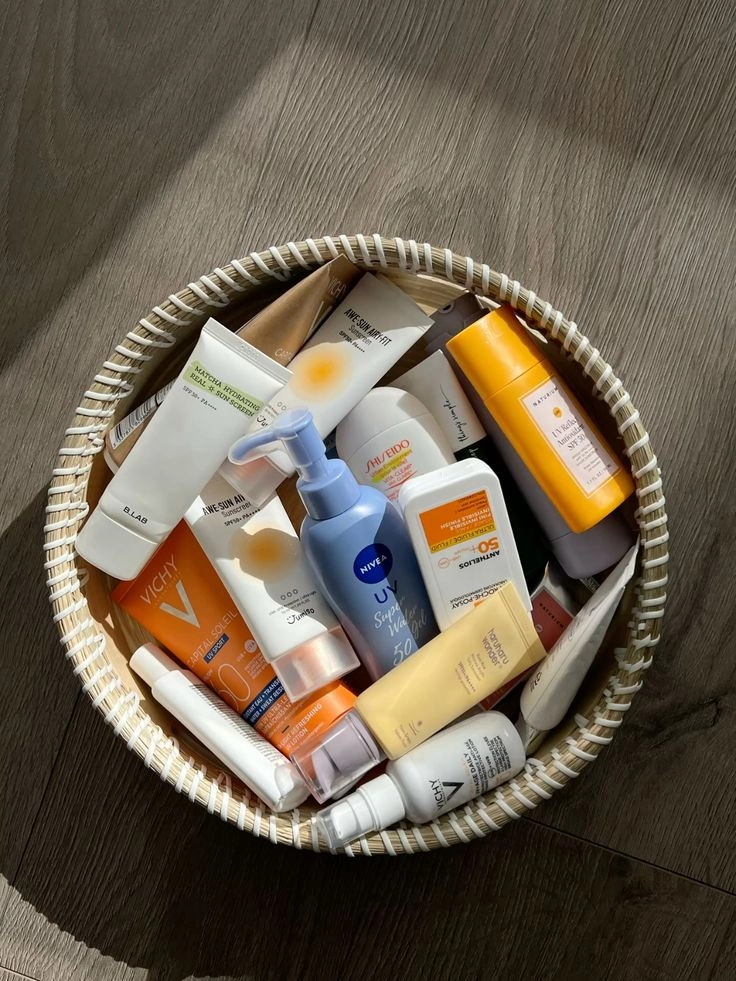
- Mineral sunscreens use physical blockers like zinc oxide to reflect UV rays away from skin.
- Chemical sunscreens absorb UV rays and convert them into negligible amounts of heat.
- Transparency has historically been a challenge for mineral options, though micronized formulas are changing the game.
- Skin sensitivity is a major factor, as mineral filters are generally less irritating for reactive skin types.
- Environmental impact varies, with certain chemical filters facing scrutiny over coral reef safety.
Active ingredients and UV filtration

Mineral sunscreens, often called physical blockers, sit on top of the skin. They primarily utilize active ingredients like zinc oxide or titanium dioxide to create a literal shield. This barrier reflects and scatters incoming UVA and UVB rays before they can penetrate the dermis.
Chemical sunscreens work more like a sponge than a shield. They contain organic compounds, such as avobenzone, octisalate, or oxybenzone, that undergo a chemical reaction when exposed to sunlight, transform UV radiation into heat, and are released from the skin’s surface.
Mineral formulas provide protection the moment they are applied, making them great for immediate sun exposure. Chemical formulas, however, typically require about 15 to 20 minutes to settle into the skin before they become fully effective.
Texture, tone, and transparency

Mineral sunscreens are notorious for leaving a thick and chalky white cast. This is commonly due to the large particles of zinc and titanium. For those with deeper skin tones, this often made mineral options mismatch their skin tone, leaving them impractical.
However, transparent sunscreens are on the rise. These use micronized particles, breaking down the minerals into smaller sizes, giving users a formula that blends invisibly while maintaining high SPF ratings.
Chemical sunscreens remain the gold standard for sheer, lightweight textures because the ingredients are formulated into clear gels and sprays that feel almost weightless. This makes this type popular for athletes or individuals who wear makeup over sun protection.
Sensitivity and the environment

For individuals with eczema, rosacea, or sensitive skin, mineral sunscreens are usually the given recommendation, since the ingredients aren’t absorbed into the skin. They are far less likely to cause allergic reactions or redness in the face.
Chemical sunscreens, while generally safe for most, can sometimes cause stinging or irritation, particularly around the eyes. Some users also express concern regarding systemic absorption of certain chemical filters, leading to a surge in the popularity of “clean” mineral alternatives.
Environmental health is the final piece of the puzzle. Certain chemical ingredients, like oxybenzone, have been linked to coral bleaching in marine ecosystems. Consequently, many reef-safe labels are found exclusively on mineral products, as zinc and titanium are considered more environmentally inert in many coastal regions.
Frequently Asked Questions
Yes, both types should be reapplied every two hours or immediately after swimming or sweating, as the protective layer can be rubbed off or washed away.
It is not recommended to mix them yourself, as the ingredients may destabilize one another; instead, look for “hybrid” sunscreens that are professionally formulated with both filters.
Current research indicates that micronized mineral particles stay within the outermost layer of dead skin cells and do not penetrate into the bloodstream in significant amounts.
The active ingredients in chemical formulas can migrate as you sweat or as the product settles, irritating your eyes when they come into contact with it.
Chemical sunscreens are often thinner and “non-comedogenic,” but many modern mineral sunscreens now use matte-finish zinc, which can actually help absorb excess oil.

Recommended Video