Where Did All the Hypebeasts Go? The Age of Unquiet Quiet Luxury
As quiet luxury learns to speak up, the hypebeasts of yesterday aren’t gone. They just changed their uniforms




The whispers that once ruled fashion
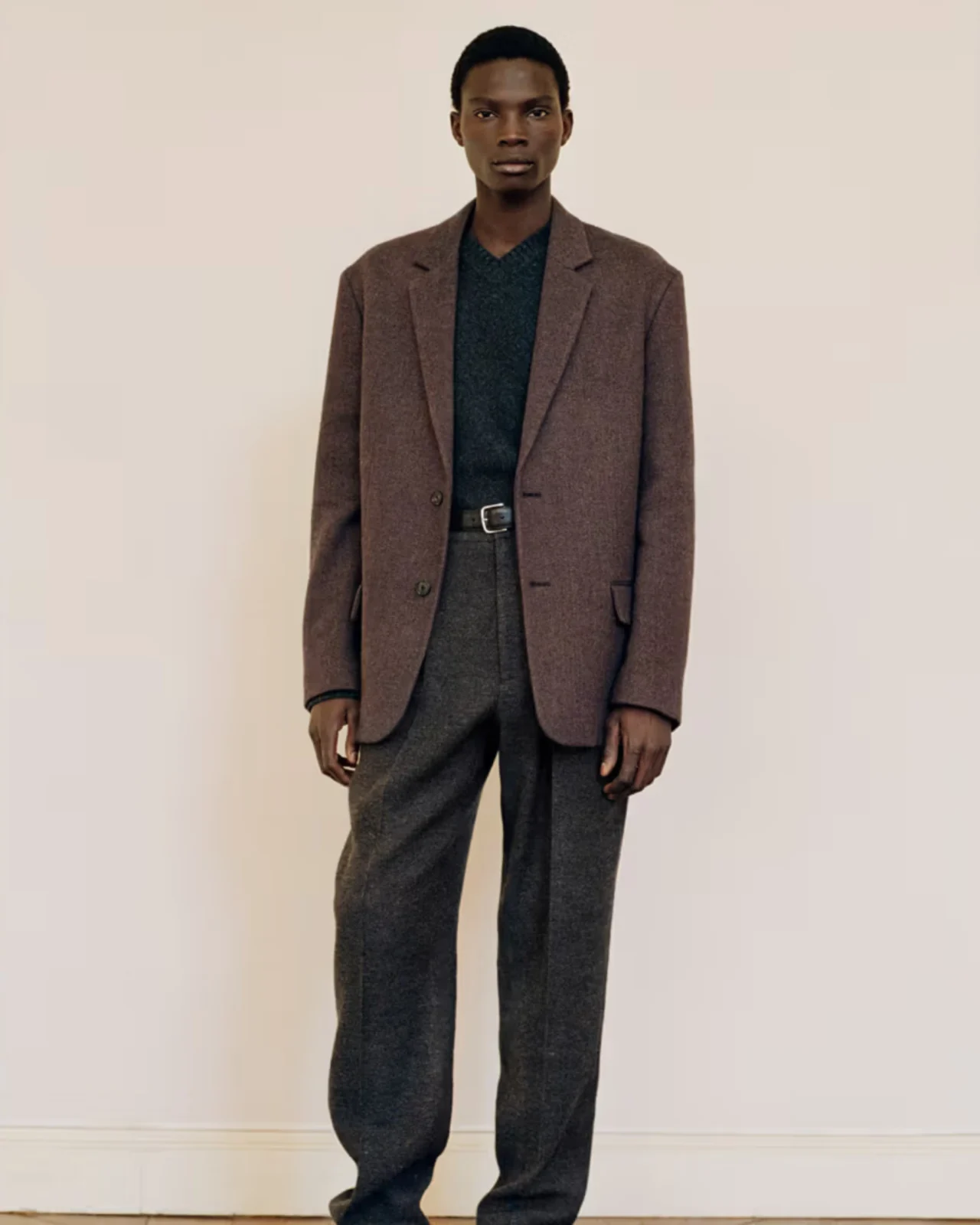
For years, the guardians of quiet luxury, The Row, Brunello Cucinelli, Loro Piana, thrived on reverent invisibility. Their garments spoke in soft-spoken tongues: brushed wool, hand-stitched silk, and the click of mother-of-pearl buttons. There were no logos, theatrics, or viral campaigns. Just a tacit understanding between brand and buyer, a whisper shared among the knowing. But in 2025, the whisper has grown louder.
The Row is experimenting with bold silhouettes and cinematic campaigns. Loro Piana has launched a capsule collection with pop-up activations and an influencer rollout that would’ve felt sacrilegious just five years ago. Brunello Cucinelli has doubled its runway presence and inked a deal with a tech giant for a line of “wearable luxury,” whatever that means (and somehow, it works). It’s not a betrayal. It’s a strategy.
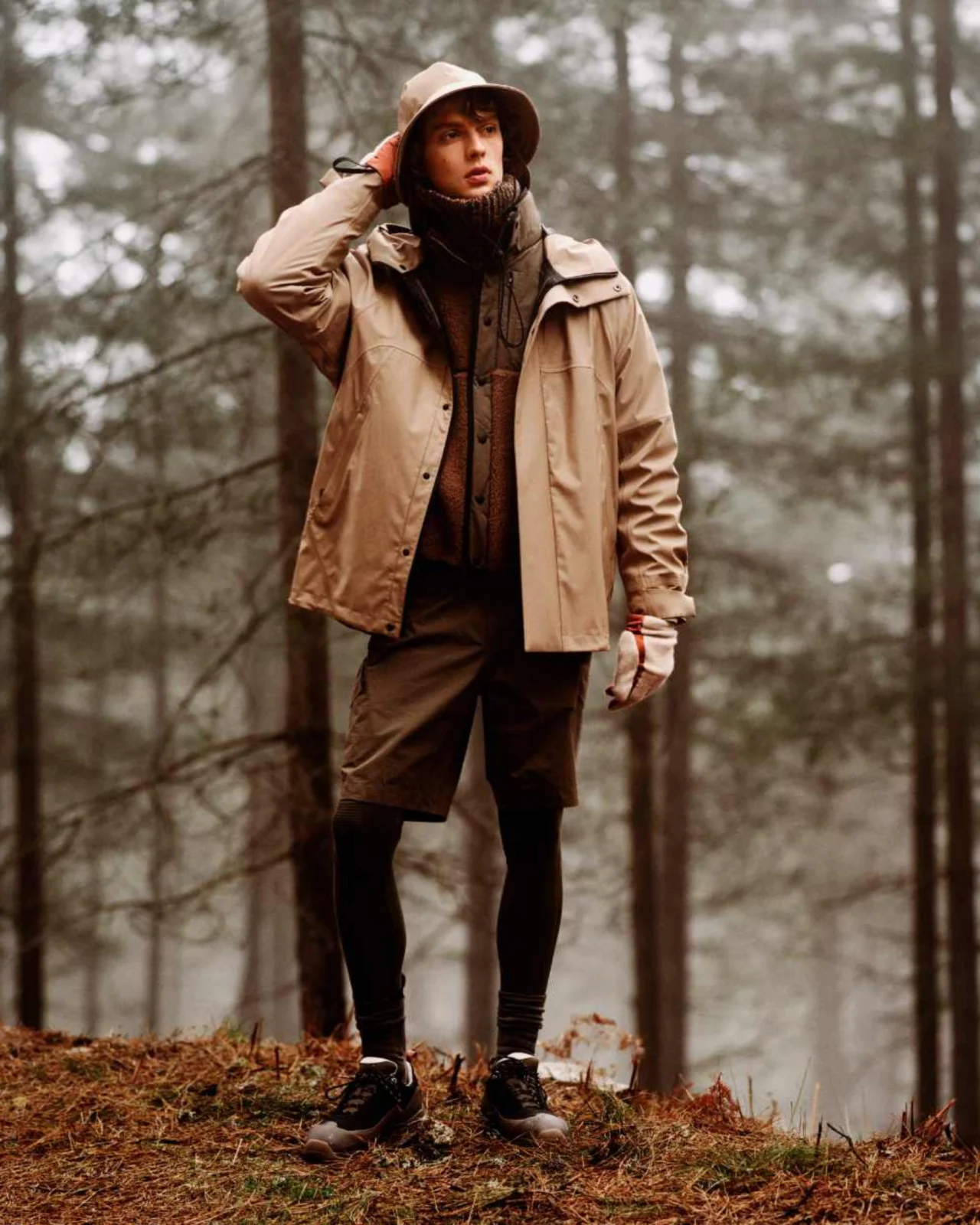
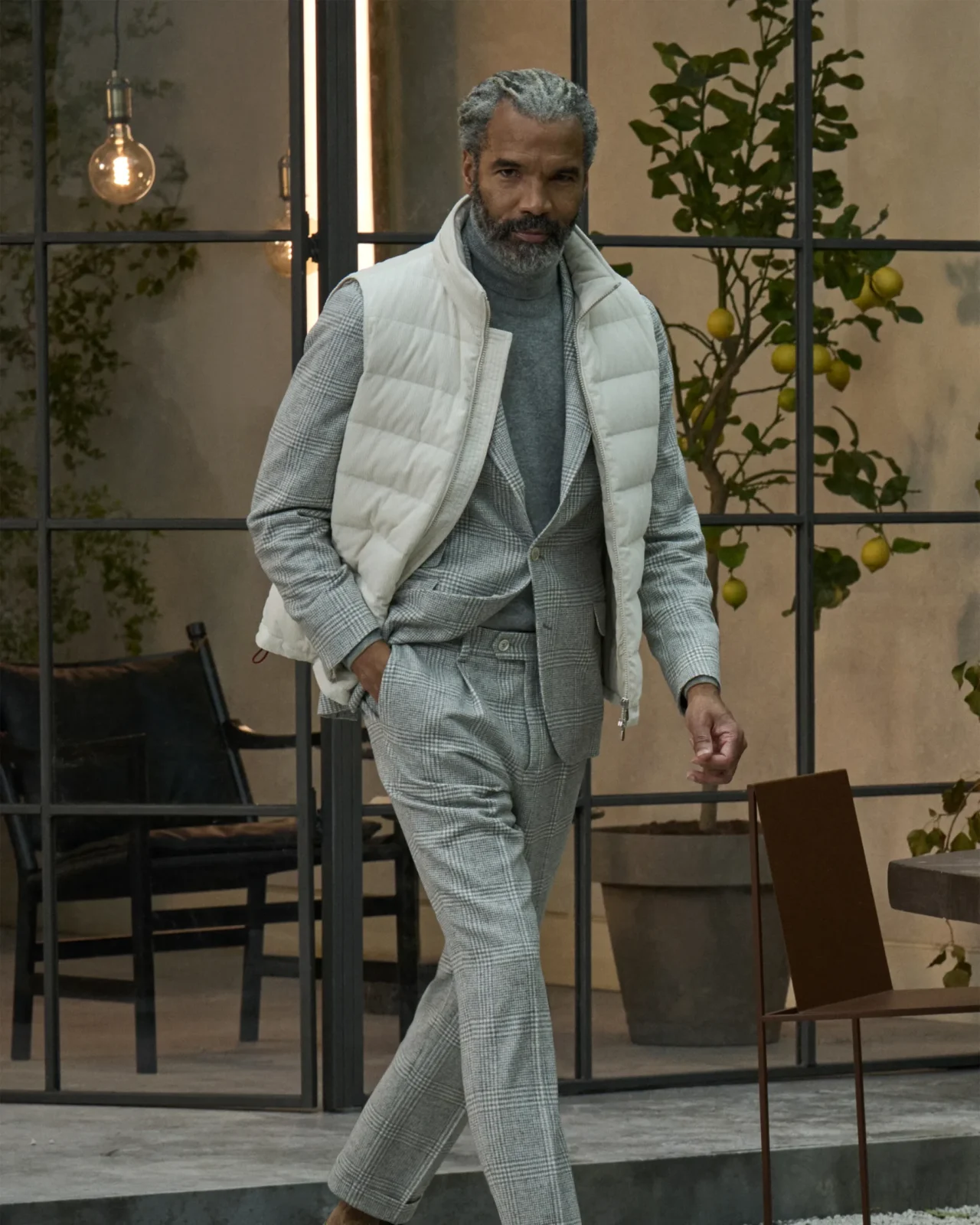
In today’s hyper-saturated fashion ecosystem, quiet doesn’t scale on its own. Scarcity needs visibility. Exclusivity needs storytelling. Craftsmanship needs a digital stage. And so, the custodians of restraint are learning to speak carefully, but out loud.
Where the hypebeasts went
But as these once-hushed brands find their voice, we’re left asking: where did all the hypebeasts go? The answer isn’t that they vanished. It’s that they evolved.
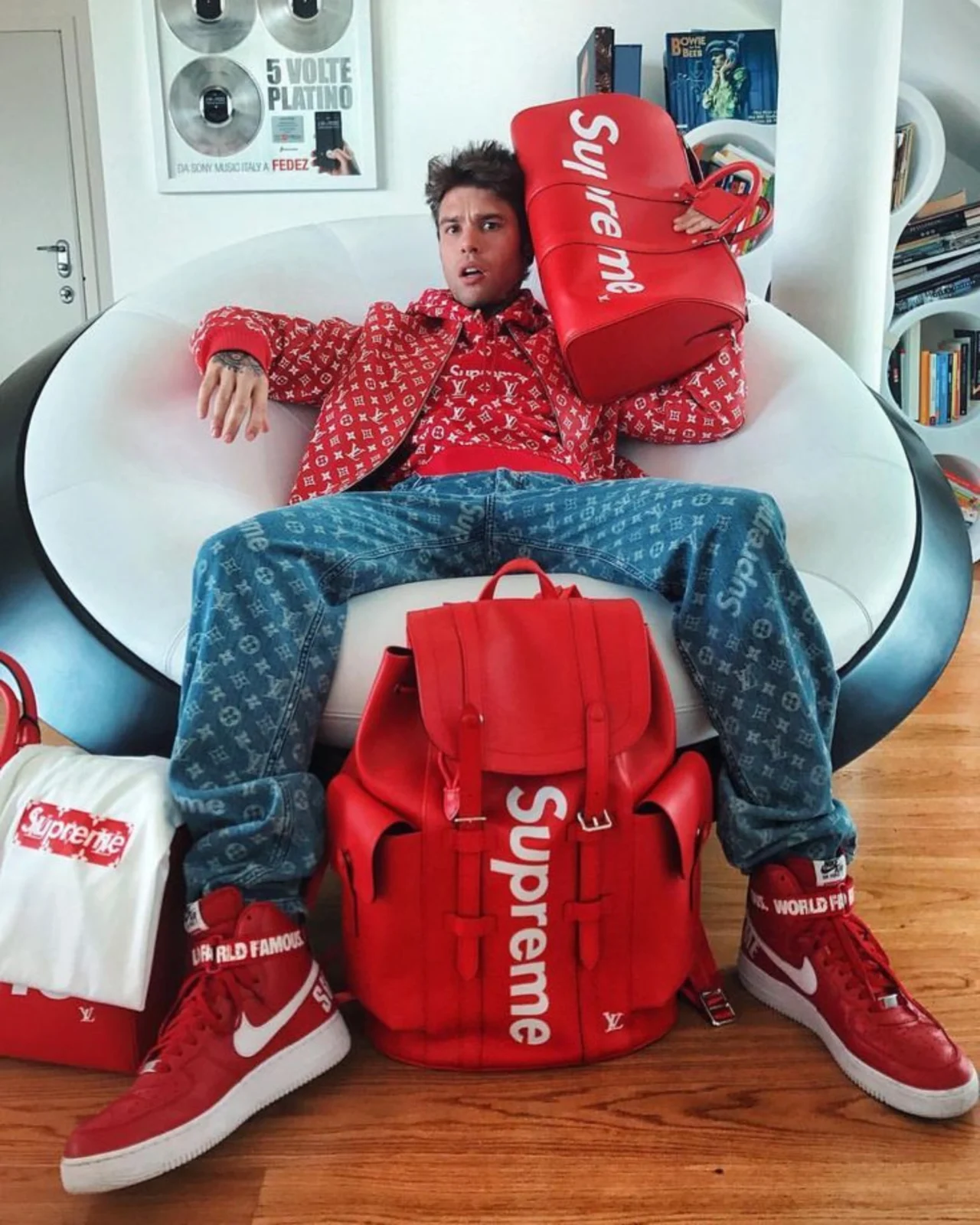
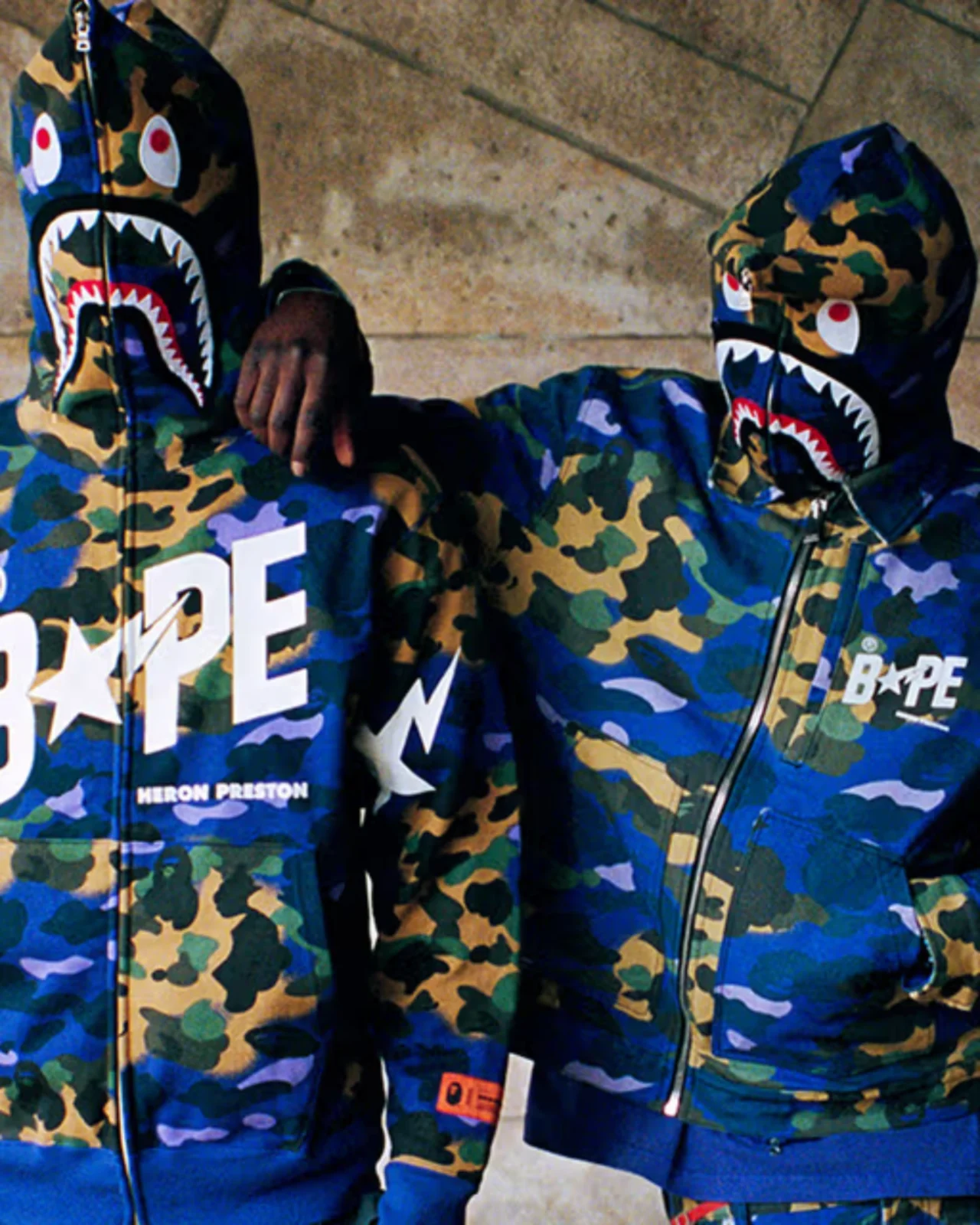
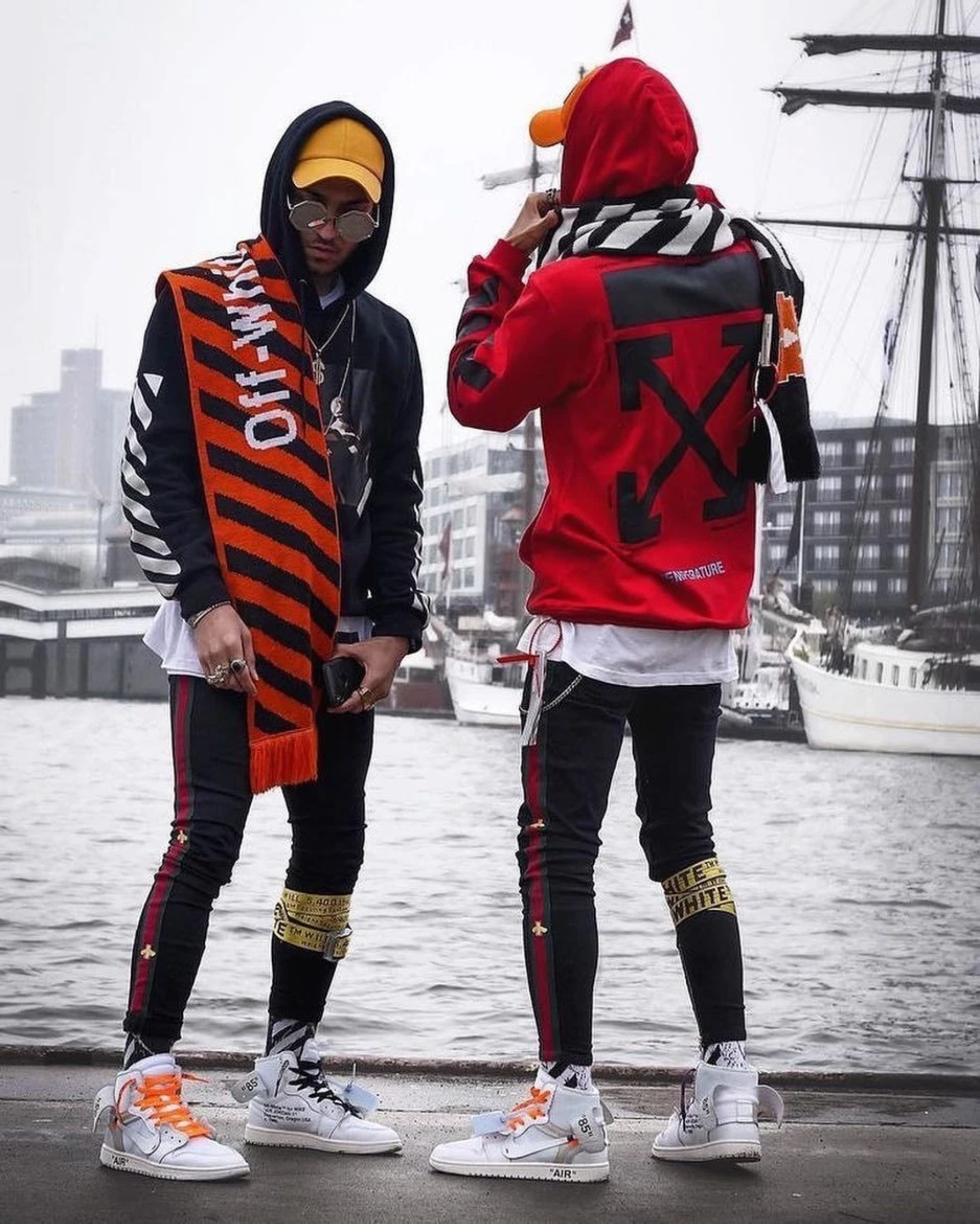
The era of logo maximalism, drop culture, and conspicuous consumption has been reabsorbed into a broader streetwear landscape. The post-hypebeast aesthetic is less about the flex and more about the fit. And today’s discerning dresser is chasing scarcity and curating taste. The culture that once orbited Supreme, Bape, and Off-White now finds itself seduced by the tactile poetry of Aimé Leon Dore, the elevated normcore of New Balance, the deconstructed nostalgia of Gallery Dept., the monk-like minimalism of JJJJound, and the gothic futurism of Rick Owens, among others.
RELATED: Grey Shoes? In This Economy? New Balance Says Yes, and We Kind of Agree
There’s also a newfound reverence for vintage, an entire generation weaned on instant drops now scouring second-hand markets for worn Levi’s and archival Helmut Lang. In many ways, it’s the same impulse: exclusivity, identity, and a sense of belonging, but with a different vocabulary.
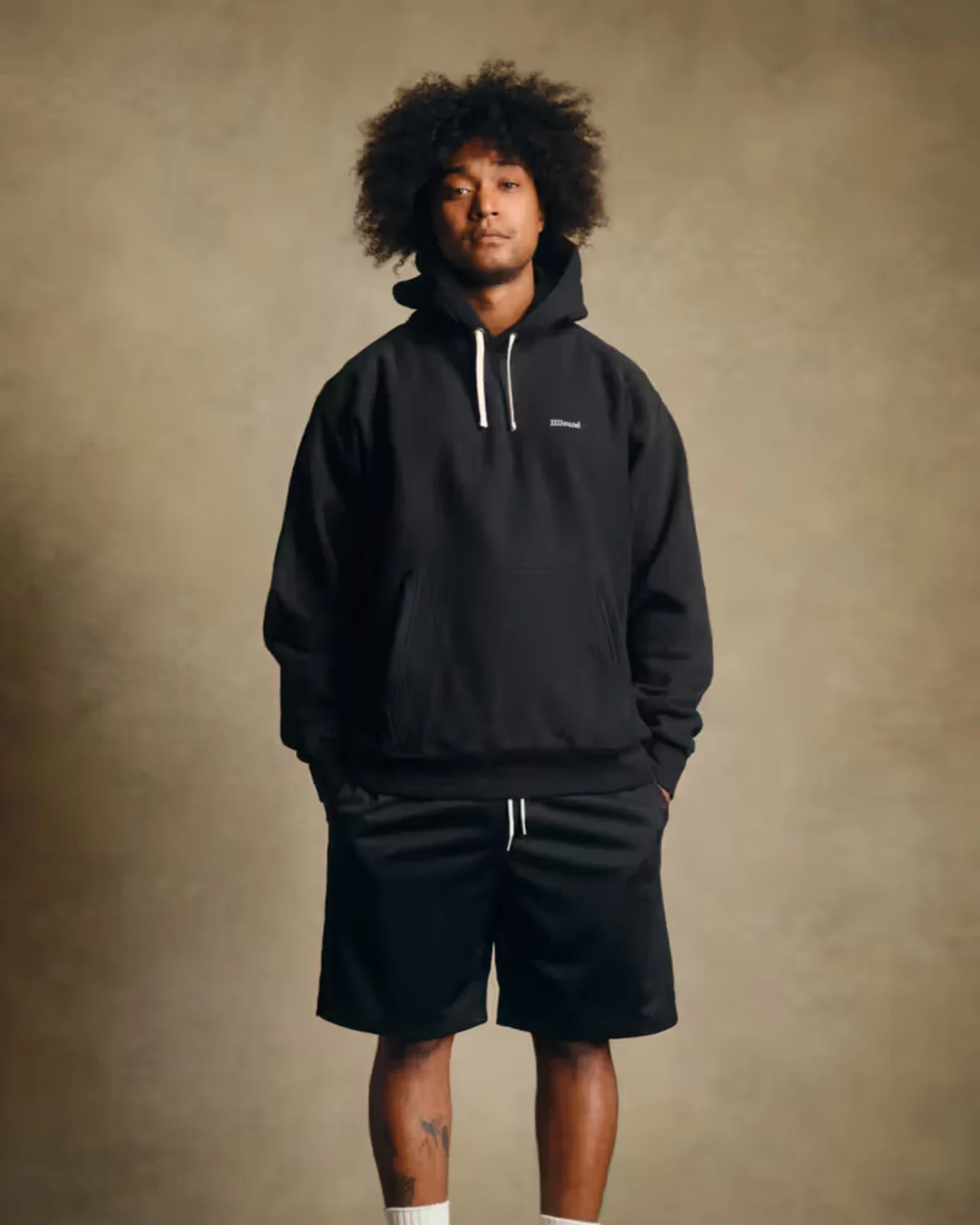
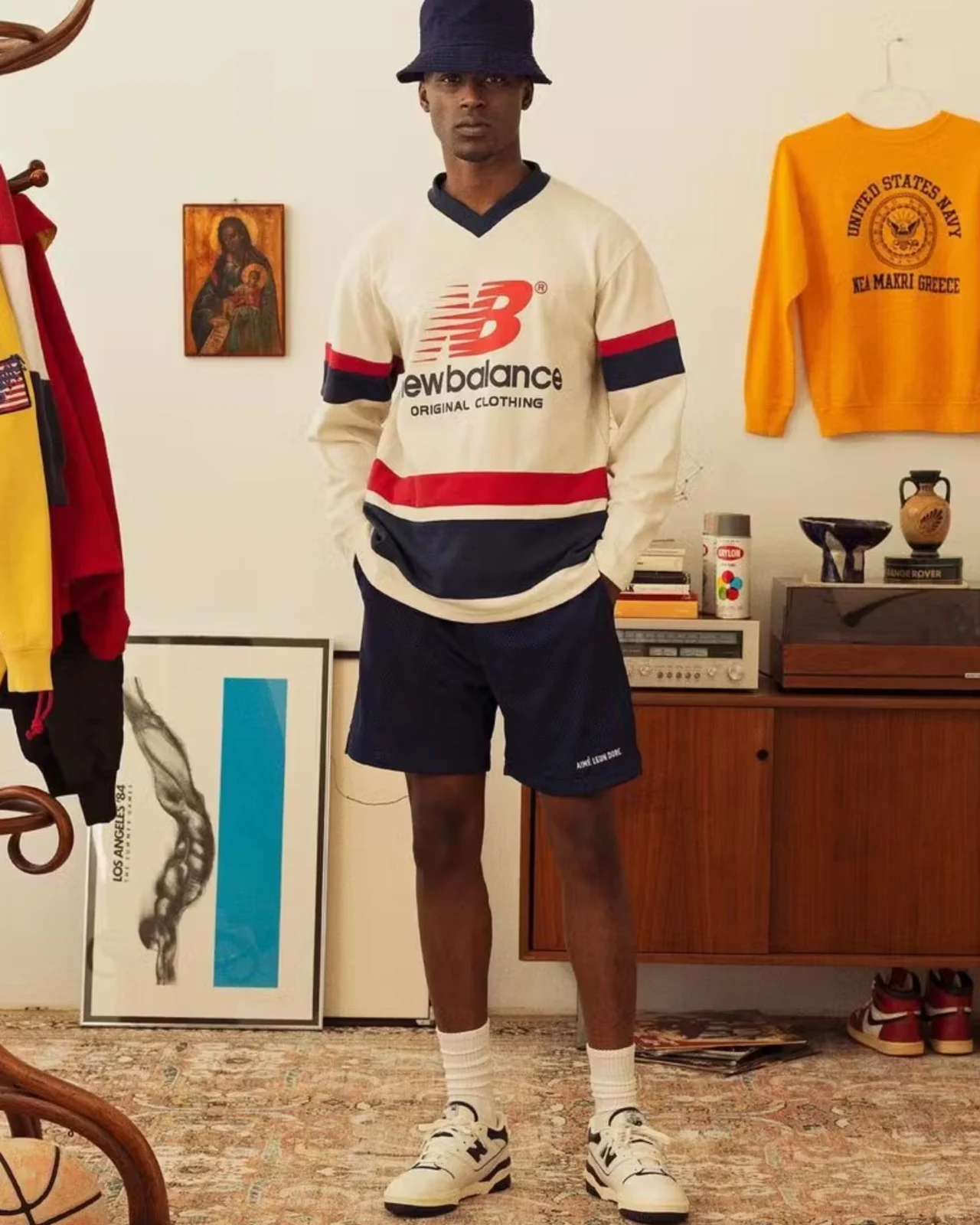
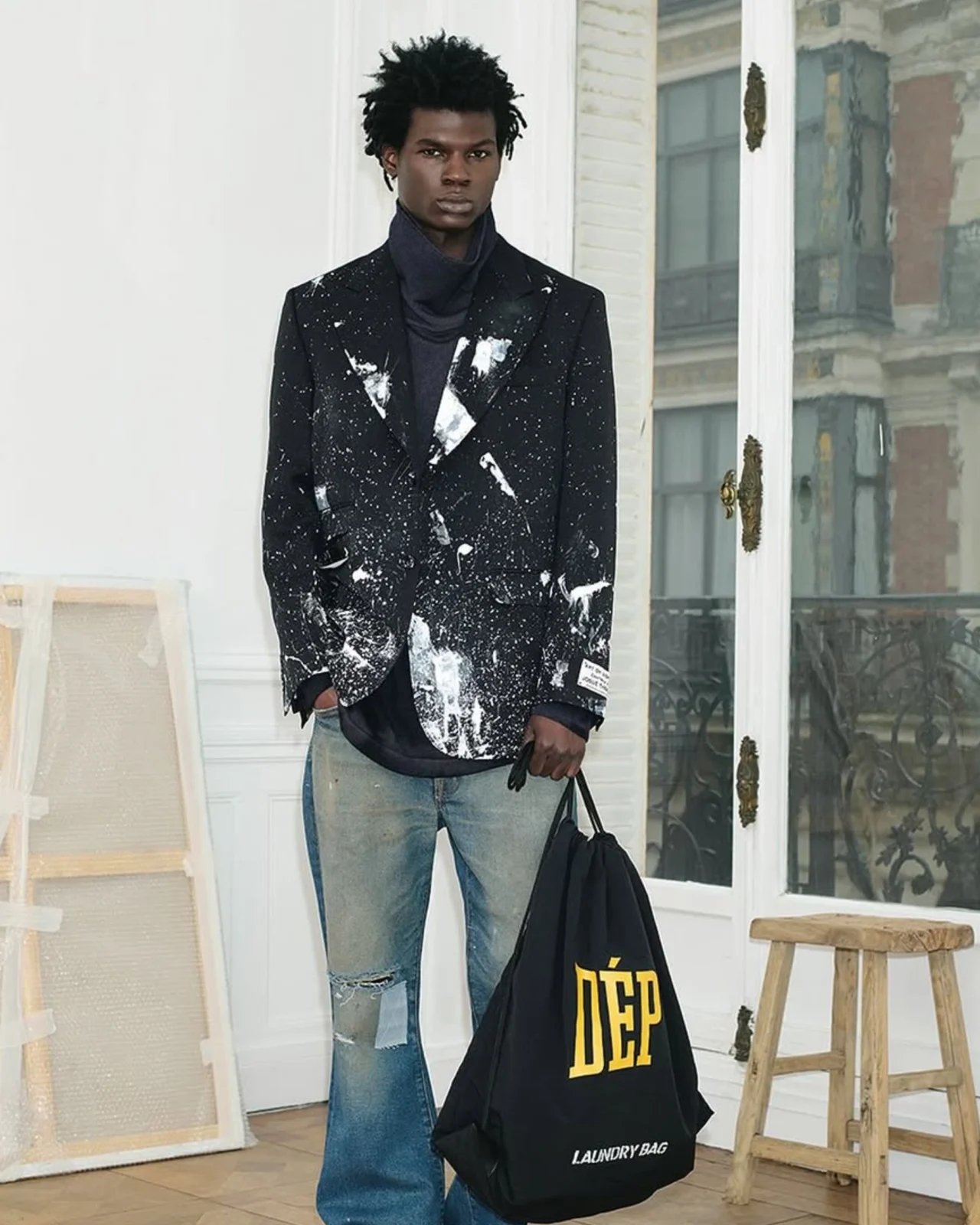
So no, the hypebeasts aren’t gone. They’ve just changed clothes. They’ve grown quieter, more intentional, maybe even a bit sentimental. The new flex is knowing where the piece came from, who made it, and why it matters. They’re still chasing the thrill, but now it’s in the nuance: the drape of a coat, the weight of a knit, or the obscurity of the label.
Meeting the algorithm
And the brands of quiet luxury are meeting them halfway. This is about staying relevant without losing soul and reimagining restraint for a generation raised on noise. The new quiet luxury murmurs across platforms, gently, but with intent. It flirts with the world, but on its own terms.
Still, a tension remains. Can you be both visible and exclusive? Emotional and elite? Can you scale without selling out? Perhaps. If 2025 proves anything, it’s that even silence can evolve. And those once devoted to the loudest logos are listening more carefully now, watching, feeling, and occasionally, still flexing. Just… softer.
Photos courtesy The Row, Loro Piana, Brunello Cucinelli, Supreme, Bape, JJJound, Aimé Leon Dore x New Balance, Instagram