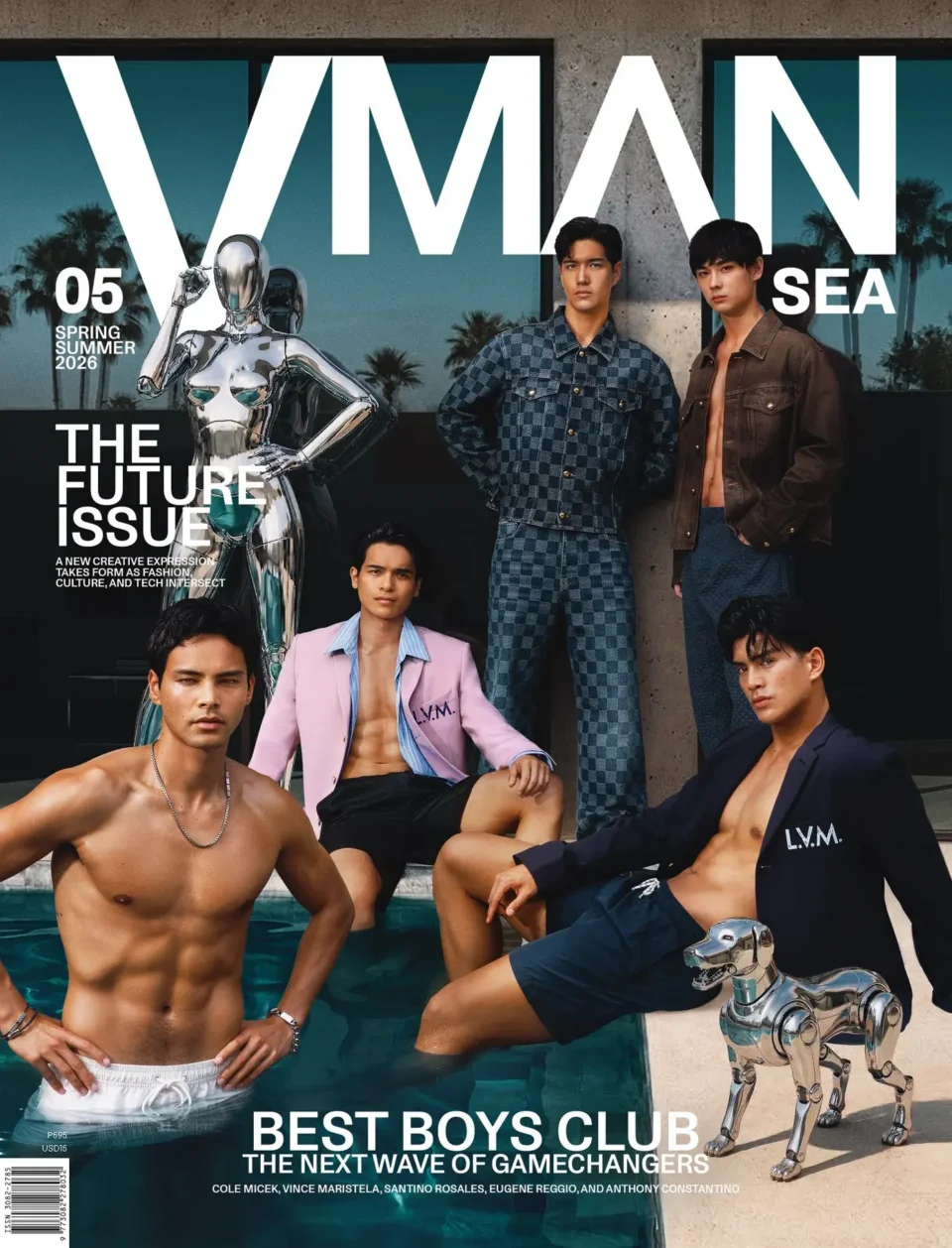
Leather Is the Investment Piece Your Wardrobe Needs Now
From the perfect jacket to the right accessories, here’s how to make leather work harder in your wardrobe




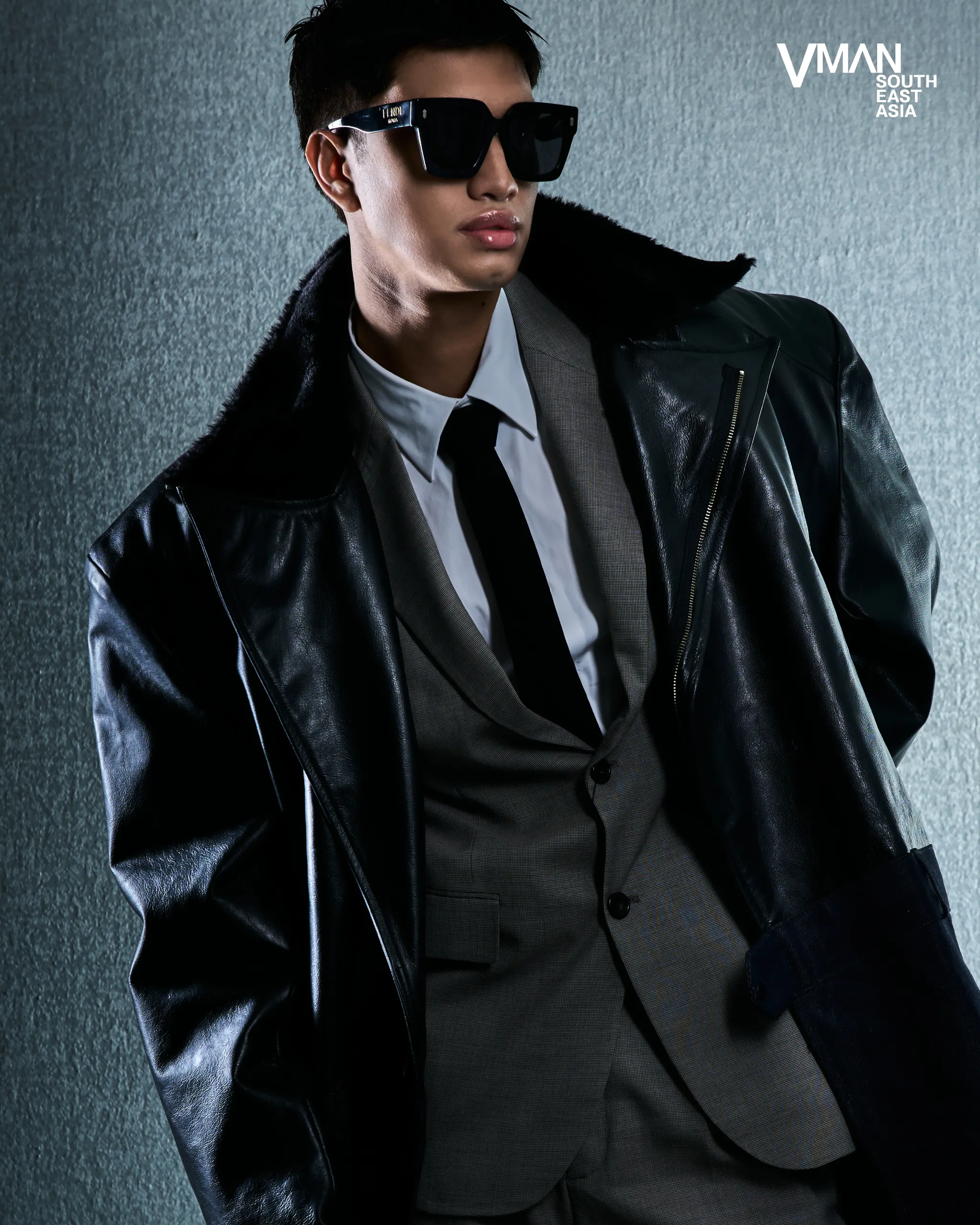
- This season favors clean silhouettes, smooth finishes, and polished pieces over heavily distressed treatments.
- Let leather lead the look while pairing it with simpler fabrics like cotton, denim, knitwear, and tailoring.
- From jackets and shirts to belts and loafers, choose the right fit, weight, and colour for your style and the Southeast Asian climate.
Shedding its tough-guy image
Leather continues to reign as the ultimate investment piece. Moving away from the rugged and distressed treatments of seasons past, this year’s interpretations embrace sleek silhouettes and a second-skin finish. The biker attitude is still there, but the styling has changed.
A leather jacket can sharpen a T-shirt and trousers, can replace a blazerBlazerA tailored jacket that is less formal than a suit coat and often worn with contrasting trousers, in single- or double-breasted styles. The blazer is a versatile wardrobe cornerstone, movingGo to Blazer Glossary, and even a simple leather belt or loafer can give an otherwise casual outfit some authority. The trick is knowing when to let the material take the lead and when to keep it in the background.
The new leather is sleek, not beat-up
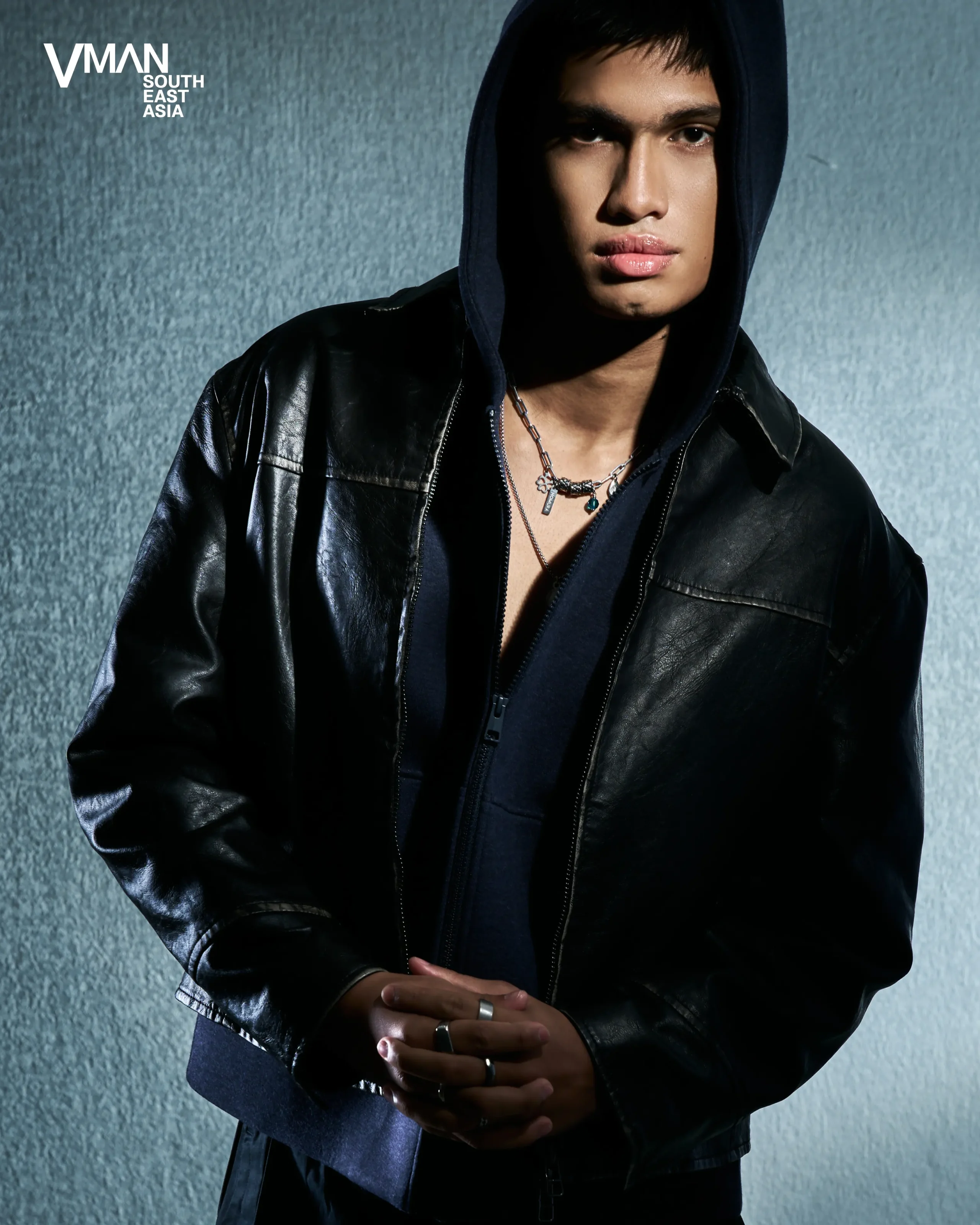
The first rule is simple: lose the unnecessary distressing. This season’s strongest leather pieces are cleaner and smoother, with silhouettes that follow the body rather than fight it.
Think minimal hardware and finishes that look better up close. A little wear will come naturally with time. You do not need to buy something that looks like it has already survived three decades on the road.
Let the jacket be the main character
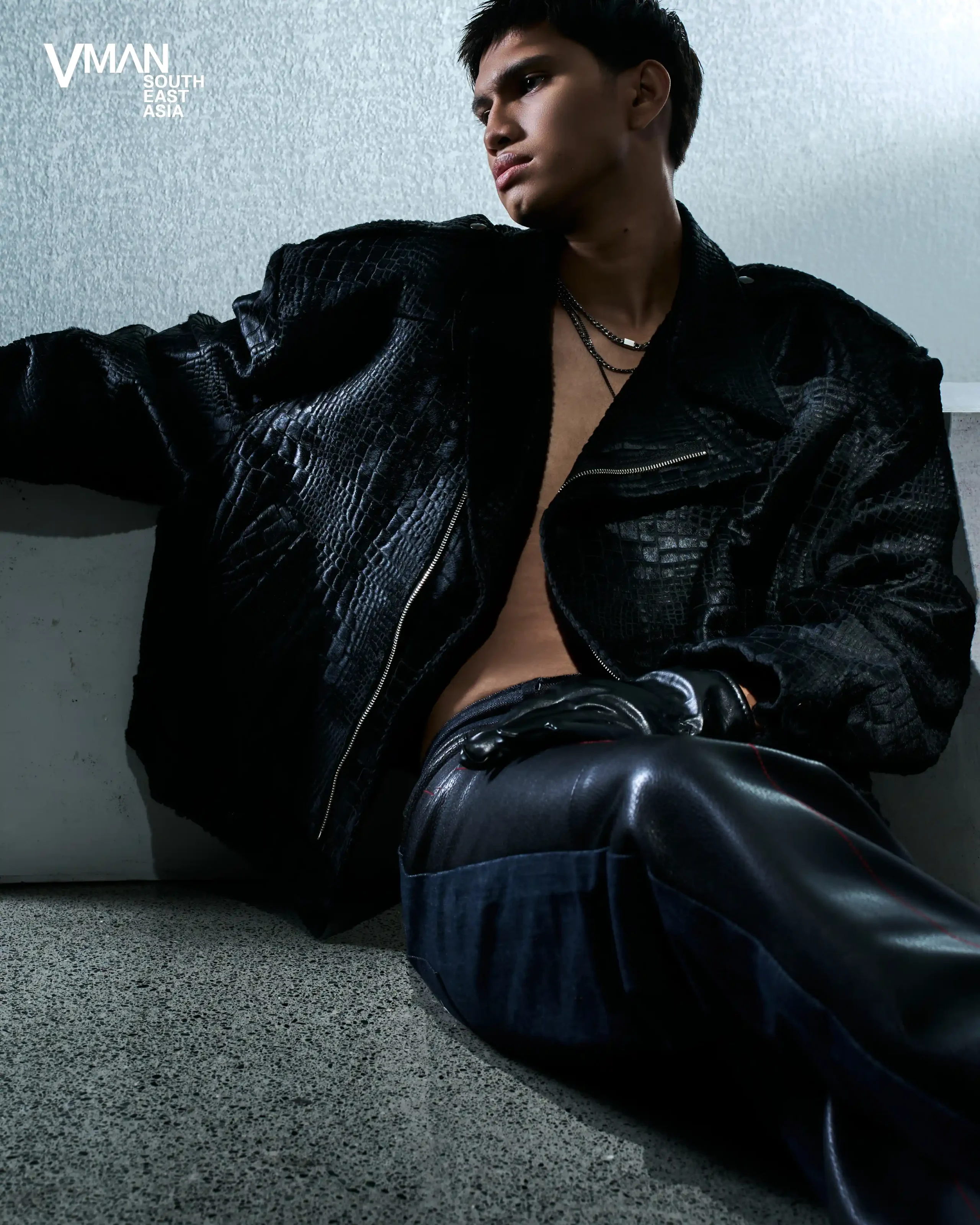
There is a reason the leather jacket refuses to disappear. It is one of the few pieces capable of transforming an outfit without requiring much effort.
Wear a clean-cut jacket over a white T-shirt and straight-leg trousers. Throw it over knitwear when the temperature drops. Pair it with tailored trousers when you want something sharper than denim but less formal than a blazer. The jacket does the work. Everything else can stay relatively simple.
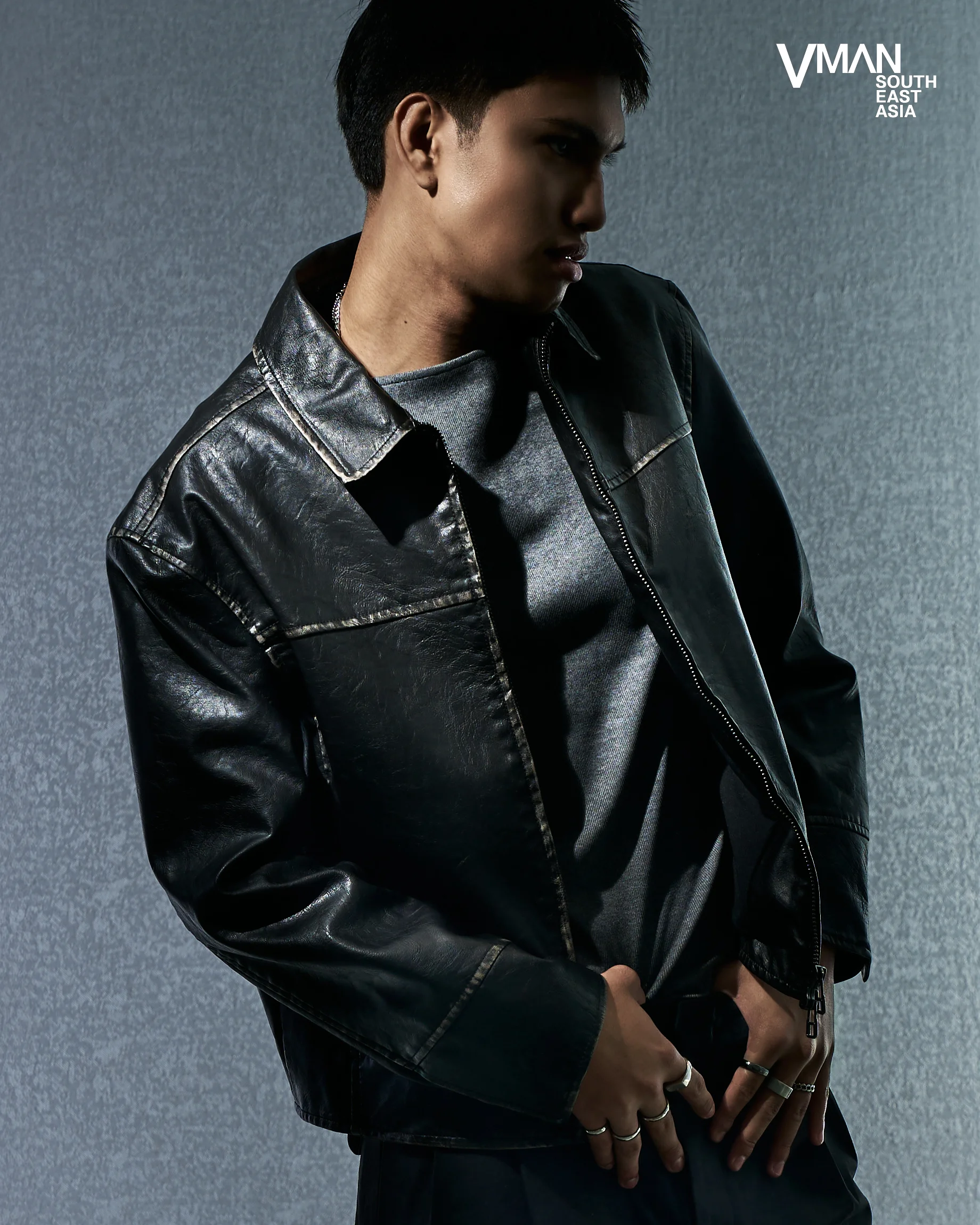
Black will always work, brown has more to say
Black leather remains the safest investment because it goes almost everywhere, but it’s not always limited to black. Deep brown, oxblood, charcoal, and muted tan bring a softer dimension to the material.
Brown leather with navy or cream feels particularly rich, while oxblood works naturally with grey, black, and dark denim. These colours retain leather’s sophistication without making every outfit feel quite so severe.
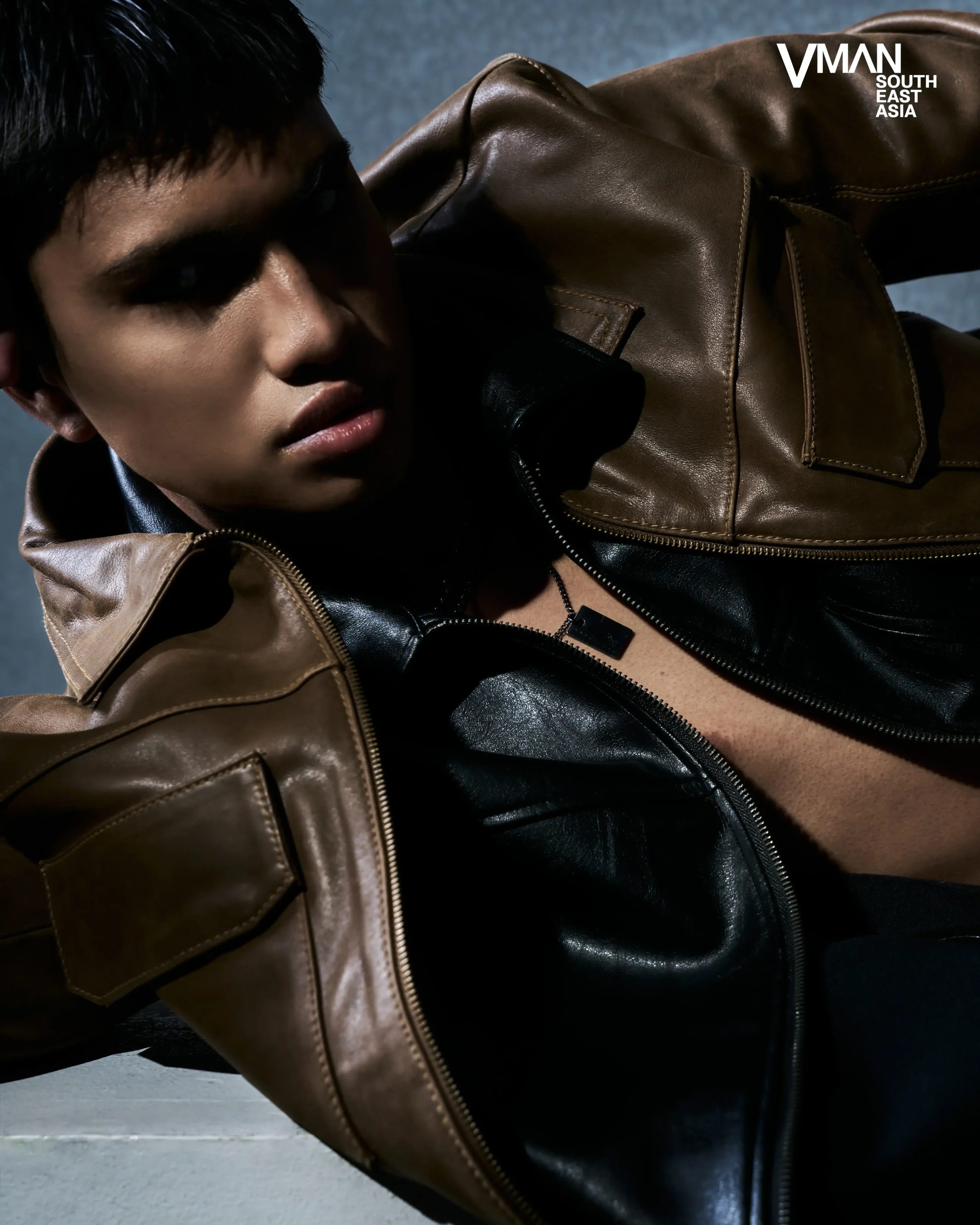
Fit is everything
Leather does not forgive a bad fit in the way cotton or knitwearKnitwearGarments made by knitting yarn into stretchy fabric, including sweaters, cardigans, polos, and vests. A cornerstone of men's autumn and winter wardrobes, knitwear varies by weight, stitch, and fiber, andGo to Knitwear Glossary sometimes can. Too tight and it can feel dated. Too oversized and the silhouette can lose its structure.
Start at the shoulders. A jacket should sit cleanly there, with enough room through the body to allow movement and layering. For trousers, look for a shape that follows the leg without clinging to it.
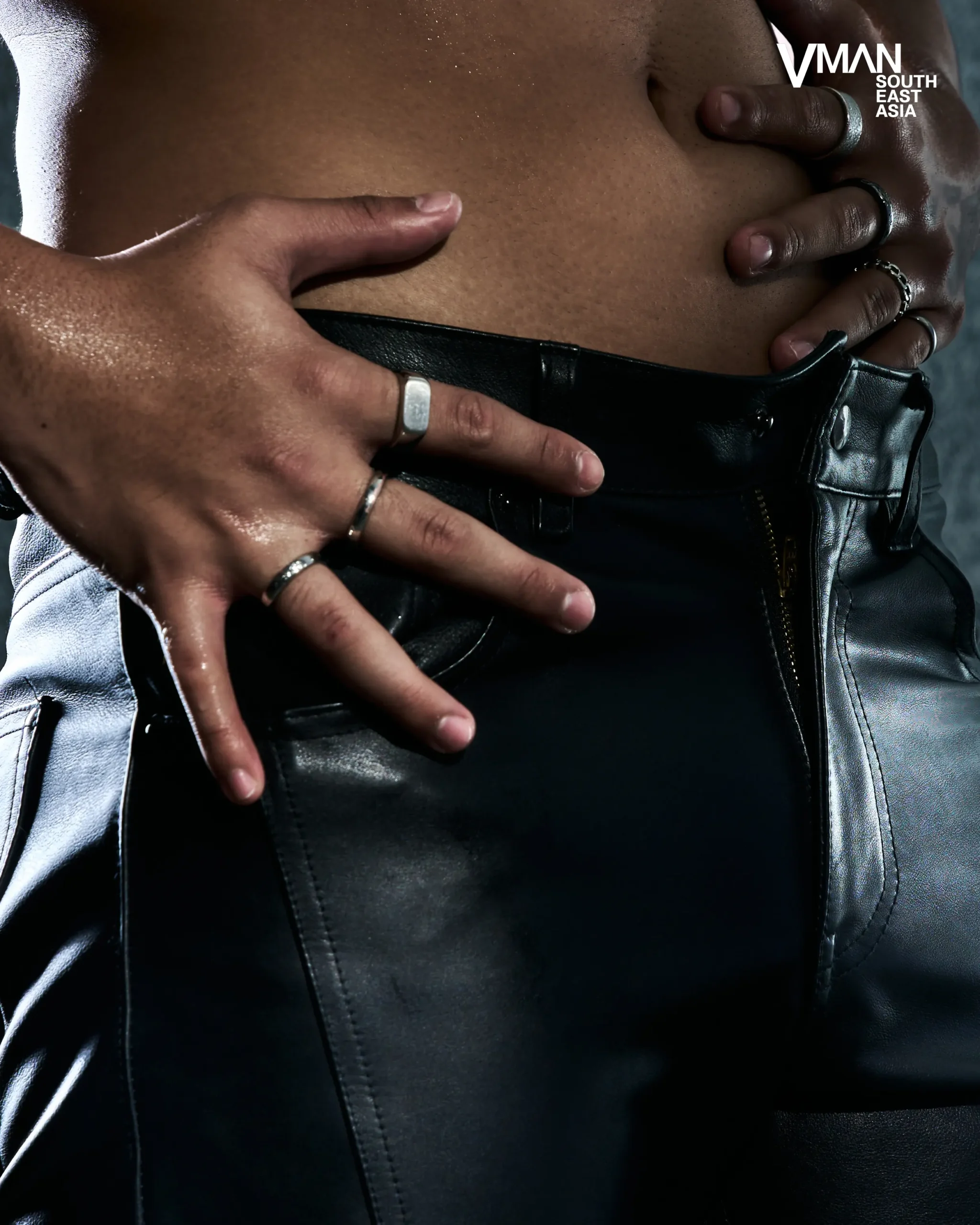
Yes, leather works in Southeast Asia
The obvious objection is the weather. Leather is traditionally associated with colder cities, but Southeast Asian dressing has its own rules.
In warmer climates, the answer is not to abandon leather but to change the way you wear it. Lightweight shirts, unlined jackets, leather loafers, belts, bags, and smaller accessories offer the same texture without turning a humid afternoon into a personal endurance test.
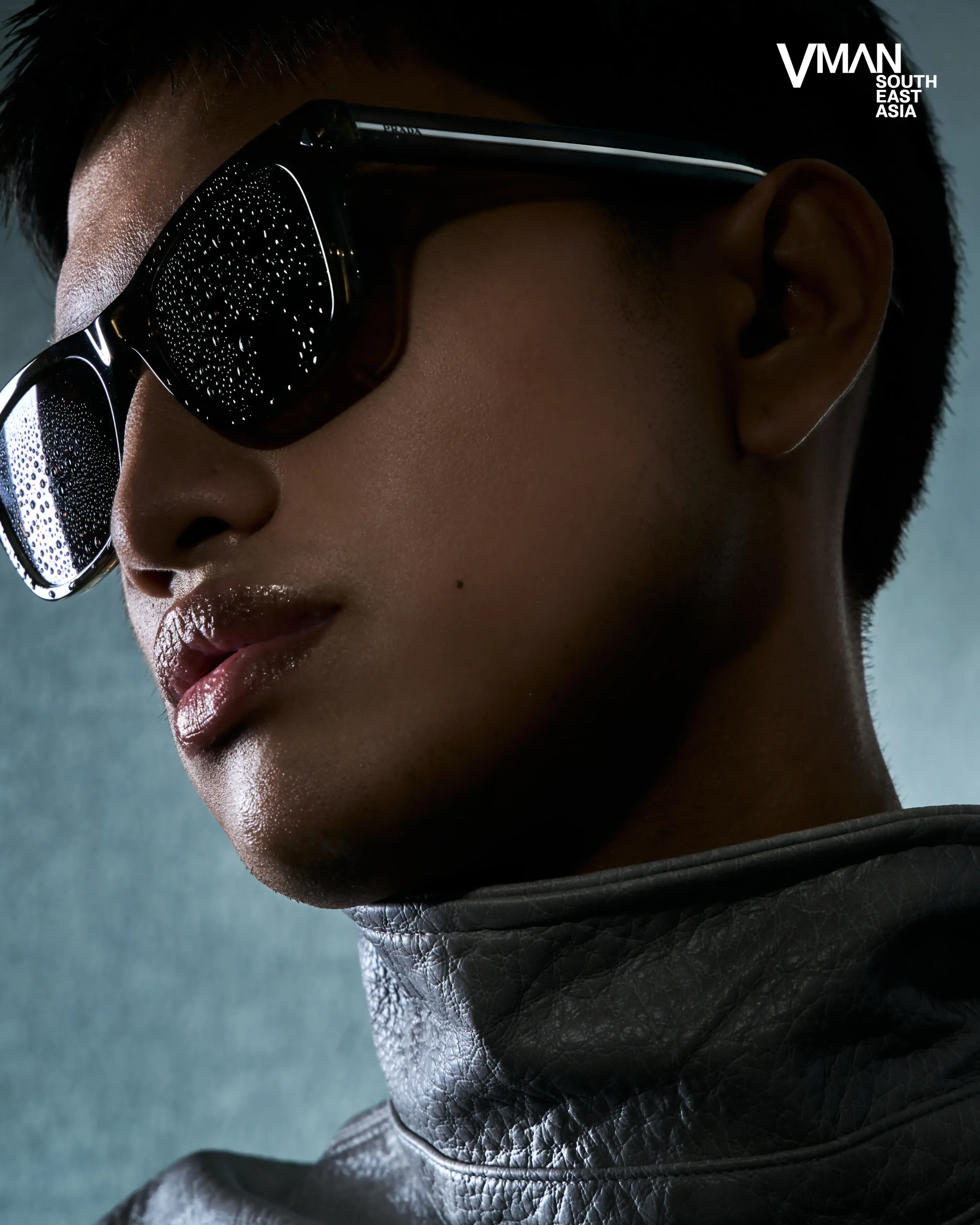
A leather shirt over a tank or T-shirt can work in the evening. A leather belt with trousers can sharpen an otherwise simple daytime look. Sometimes the smartest leather piece is the one you can actually keep on.
The strongest looks treat leather like any other wardrobe staple. Wear it with the jeans you already own. Throw it over a T-shirt. Pair it with tailoring. Let a brown jacket break up an otherwise monochromatic outfit. You are not dressing around the leather. You are simply giving it a place in the rotation.
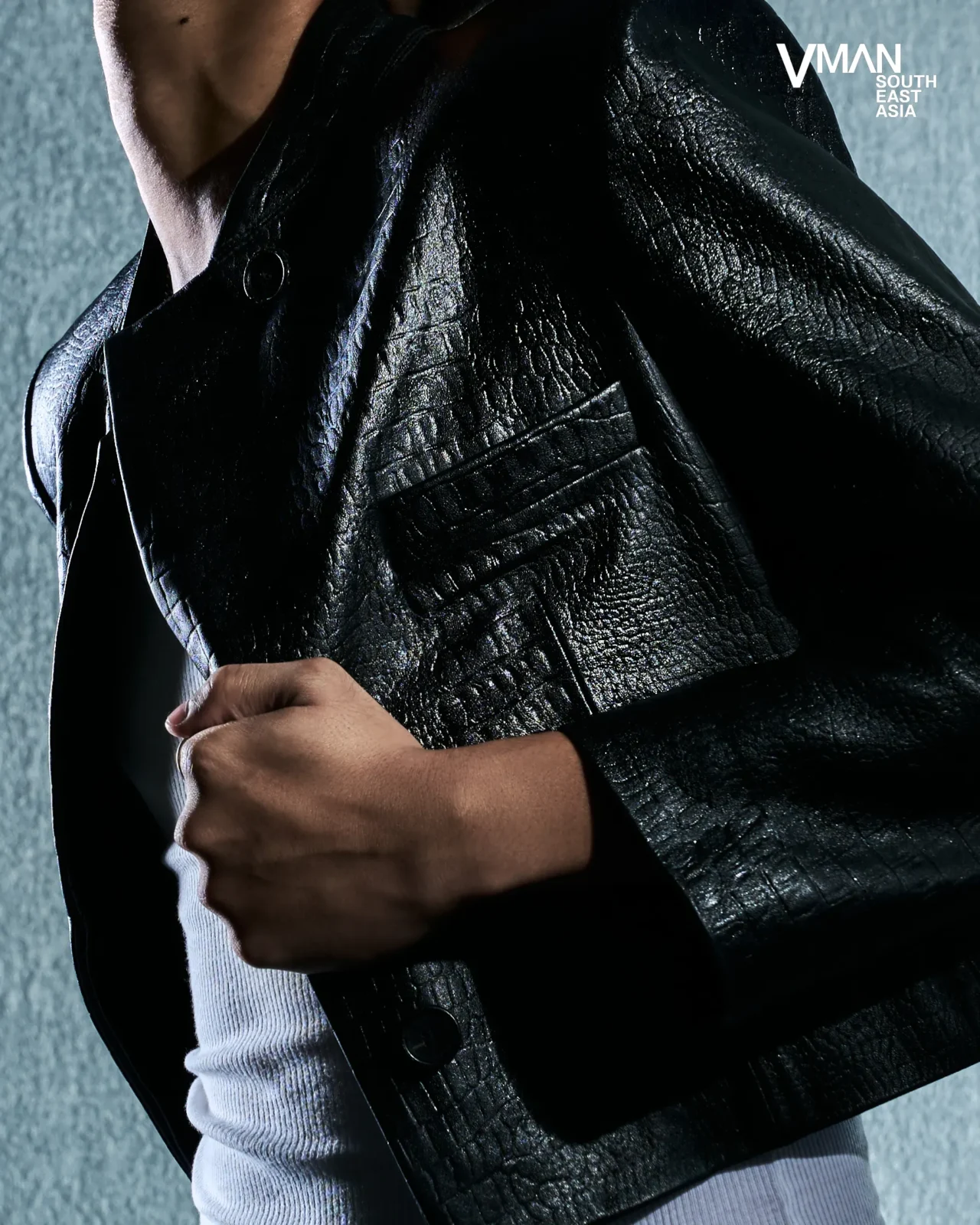
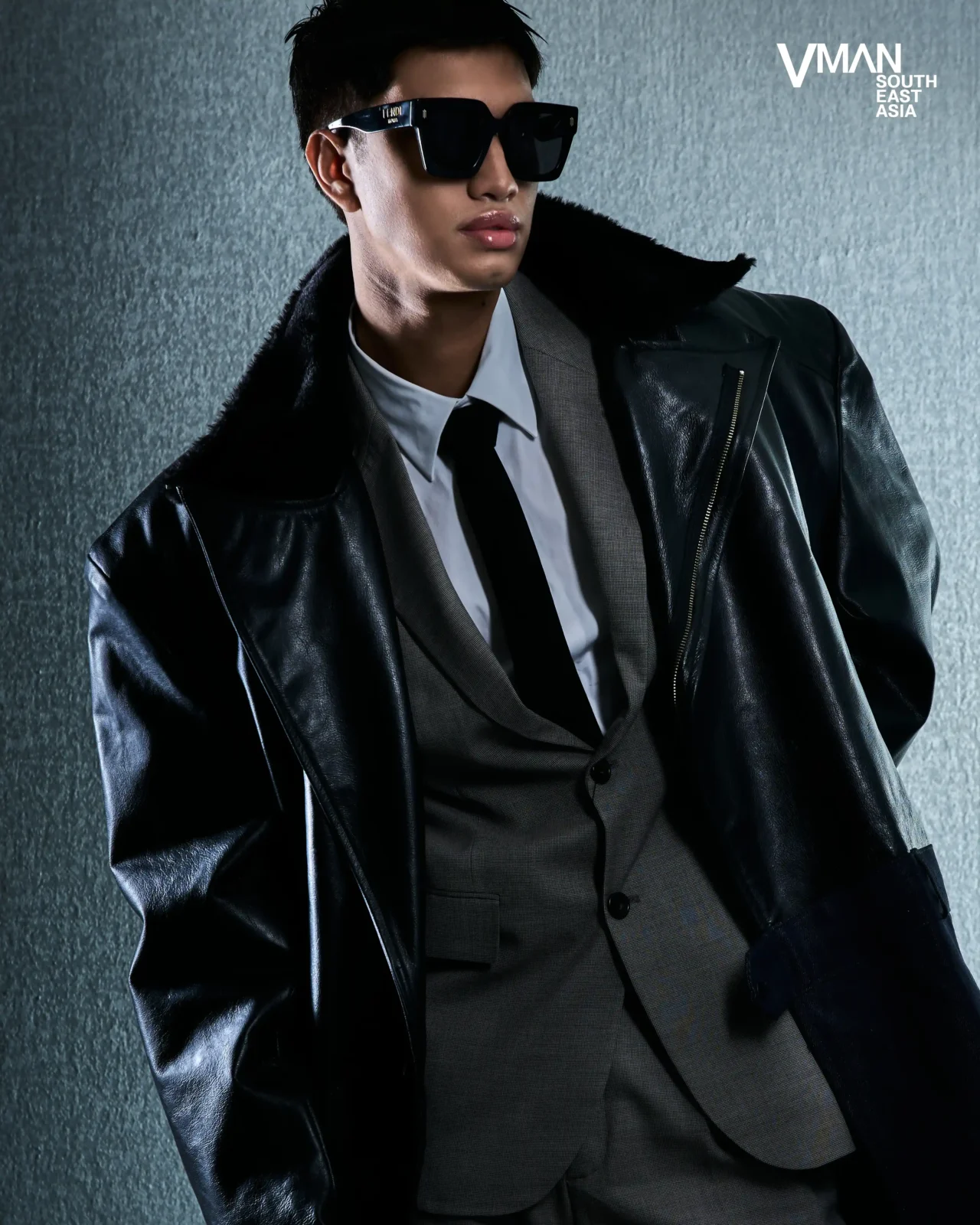
It has moved beyond its familiar associations with rock stars and motorcycle jackets and into something more useful: an everyday material with enough history to make even the simplest outfit feel cool. Buy the right piece, get the fit right, and resist the urge to over-style it. Leather already knows how to make an entrance.
As seen in the pages of VMAN SEA 06: now available for purchase!
Photography Gab Villareal
Art direction Mike Miguel
FashionFashionThe art and industry of designing, producing, and styling clothing, footwear, accessories, and beauty trends. It reflects cultural influences, personal expression, and evolving styles across seasons and markets.Go to Fashion Glossary Corven Uy
Grooming Kyla Jhane (Nix Institute of Beauty)
Model Aeron Vizcocho (Monarq)
Photography assistant Rossman Hitosis
Frequently Asked Questions
Men should opt for sleek leather pieces with clean silhouettes and minimal detailing. Pair leather jackets, shirts, or trousers with simple staples like T-shirts, denim, knitwear, or tailored trousers.
Yes, leather remains a key investment piece, but its current direction is more streamlined. Smooth finishes and modern silhouettes are replacing heavily distressed treatments.
A leather jacket works well with simple T-shirts, straight-leg trousers, denim, knitwear, and tailored pants. Keeping the rest of the outfit minimal lets the jacket stand out without looking overstyled.
Yes, especially when you choose lightweight or unlined leather pieces. Leather shirts, belts, loafers, bags, and other smaller accessories can work well in Southeast Asian climates.
Black is the most versatile choice, while brown, oxblood, charcoal, and muted tan offer softer alternatives. Choose a shade that works with the colors already in your wardrobe for maximum versatility.

Recommended Video