The Congolese Dandies: Bold, Unapologetic, and Stylish
These men take what were once symbols of colonial status—the elements of the black tie and other Western formal codes—and transform them into statements of self-worth, dignity, and style




How did the Congolese Dandy influence menswear?
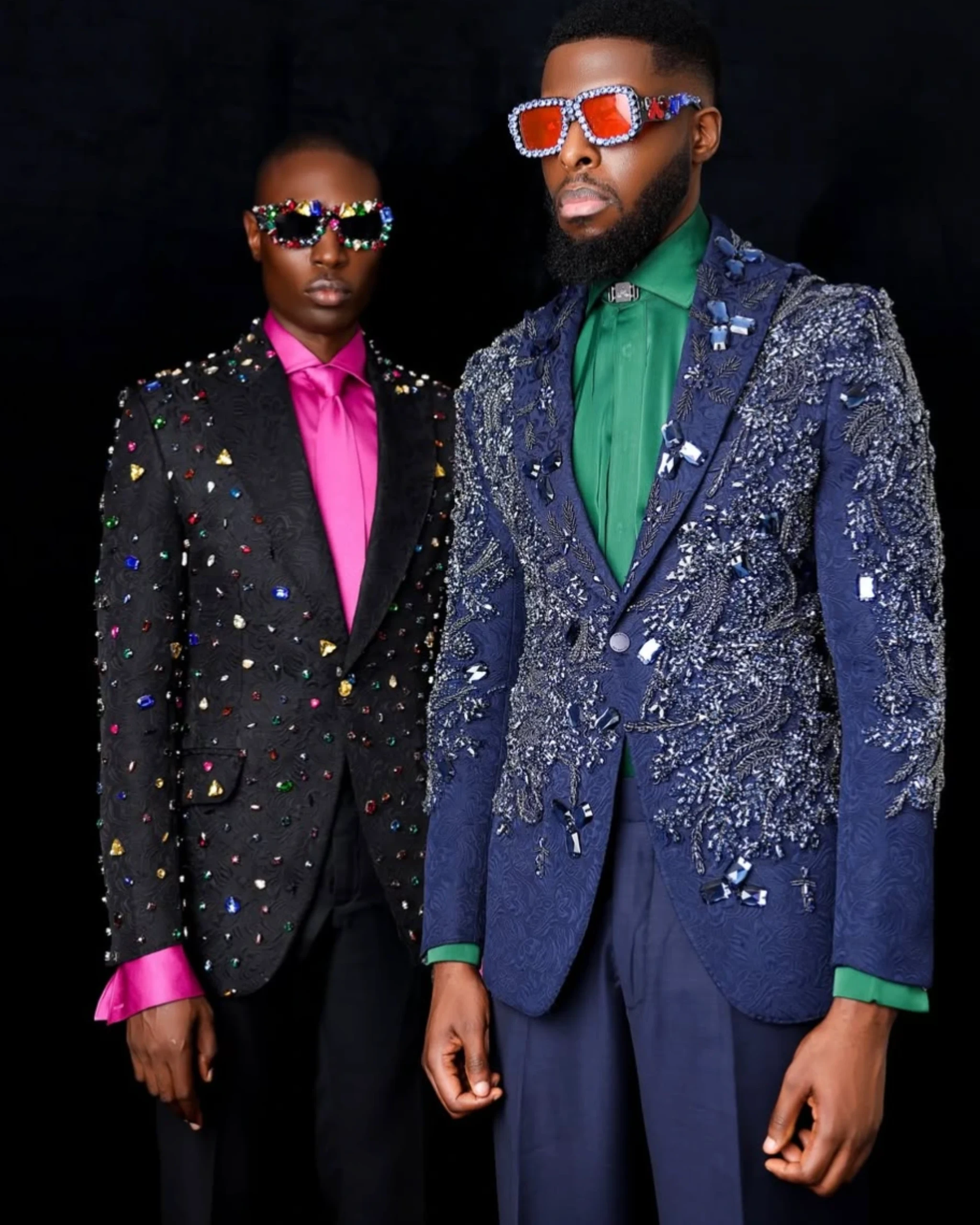
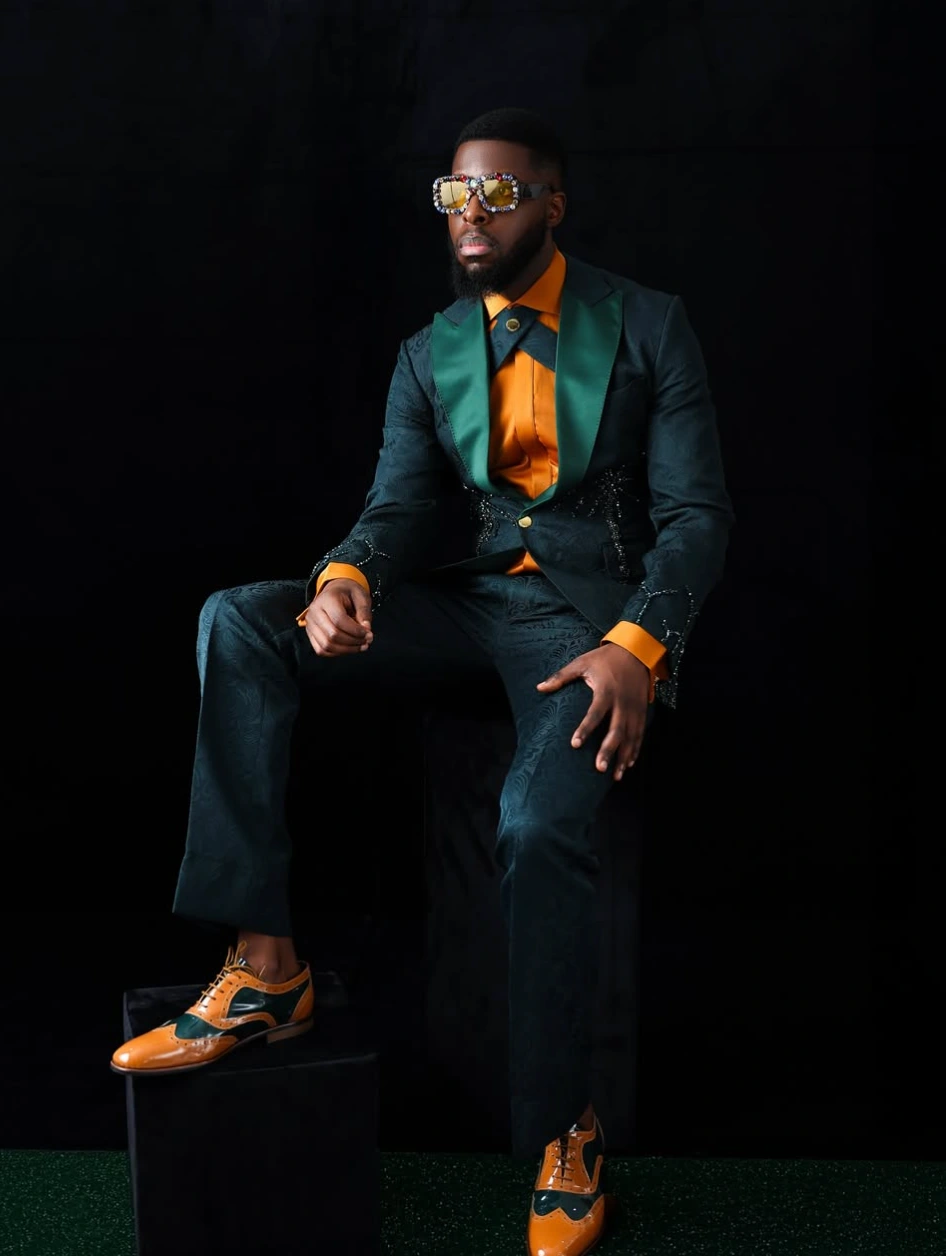
The streets of Congo are home to a sartorial tradition that exists in full color. La Sape, a subculture focused on flamboyant and elegant style of dress, sees men known as sapeurs don tailored suits in vivid hues, polished shoes, standout hats, and crafted canes.
These men take what were once symbols of colonial status—the elements of the black tie and other Western formal codes—and transform them into statements of self-worth, dignity, and style.
The Congolese Dandies have an enduring legacy that goes beyond the streets of Kinsasha and Brazzaville. The global fashion circuit has taken notice, inspired by the bright colors and bold tailoring that the sapeurs wear.
In the 1920s and ’30s, Congolese young men under Belgian colonial rule adopted European suits and accessories as a way to claim modernity, elegance and social respect. This was not mere mimicry—it was reclamation.
Over time, the movement formalised into La Sape, where dressing well became a discipline: outfits assembled with precision, accessories chosen deliberately, and behavior adjusted to echo refinement.
Throughout the mid‑20th century, sapeurs gathered in competitions and parades, showcasing not only their clothes but their poise and etiquette. Their flamboyance, in contexts of hardship, became a mode of resistance—a way to assert existence, relevance, and elegance.
La Sape’s impact on contemporary menswear is both aesthetic and conceptual. British designer Paul Smith admitted his Spring/Summer 2010 collection was inspired by the photo‑book Gentlemen of Bacongo, featuring sapeurs. He reproduced the book’s vibrant palette—pink suits, orange bowler hats—and incorporated these into his tailoring.
African‑influenced brands also build on the Sapeur tradition: designer Nikki Billie Jean launched a 2016 “Les Sapeurs” collection of brightly‑coloured three‑piece suits in ankara print and tailored forms, directly referencing the movement’s bold tailoring and style.
Conceptually, the Sapeurs’ approach has shaped how menswear approaches personal style. More men now consider suits beyond black and navy, accessories become less optional and more essential, and the act of dressing as a resounding performance gets reiterated.

Many tailors and menswear savants cite La Sape’s influence in resurrecting double‑breasted suits in vivid tones, flamboyant lapels and clashing color combinations.
What the Congolese Dandies reiterate are the following: tailoring goes beyond fit, taking presentation into account. Color and patterns can carry meaning, and elegance involves disposition as much as it is expressed through clothing.
Moreover, they emphasize the act of dressing up as a reiteration of identity, dignity, and self-expression. From Congo to the world, the sapeur’s bold suit, polished shoes and confident stride continue to influence what it means to dress well and be unapologetically oneself.
Photos courtesy Deji & Kola