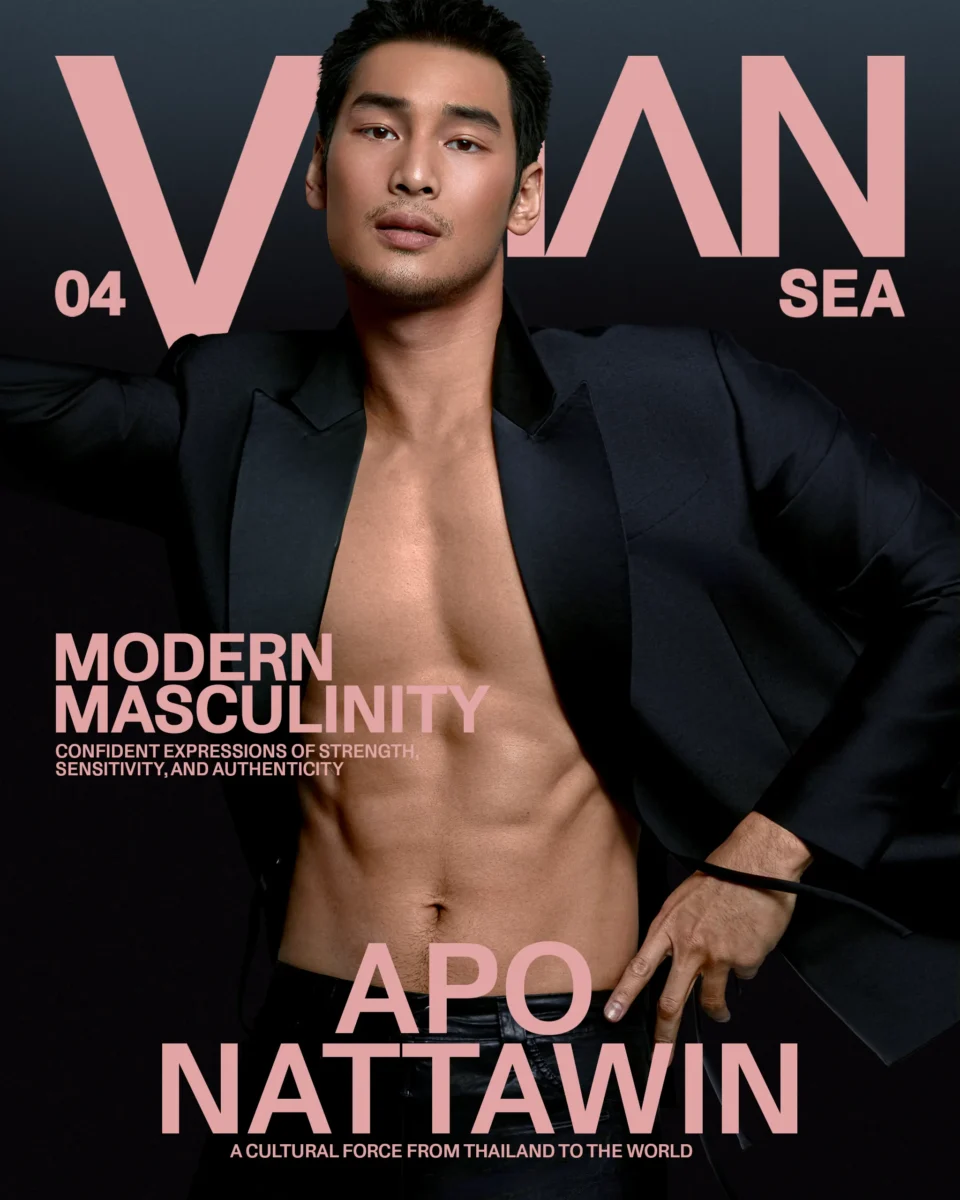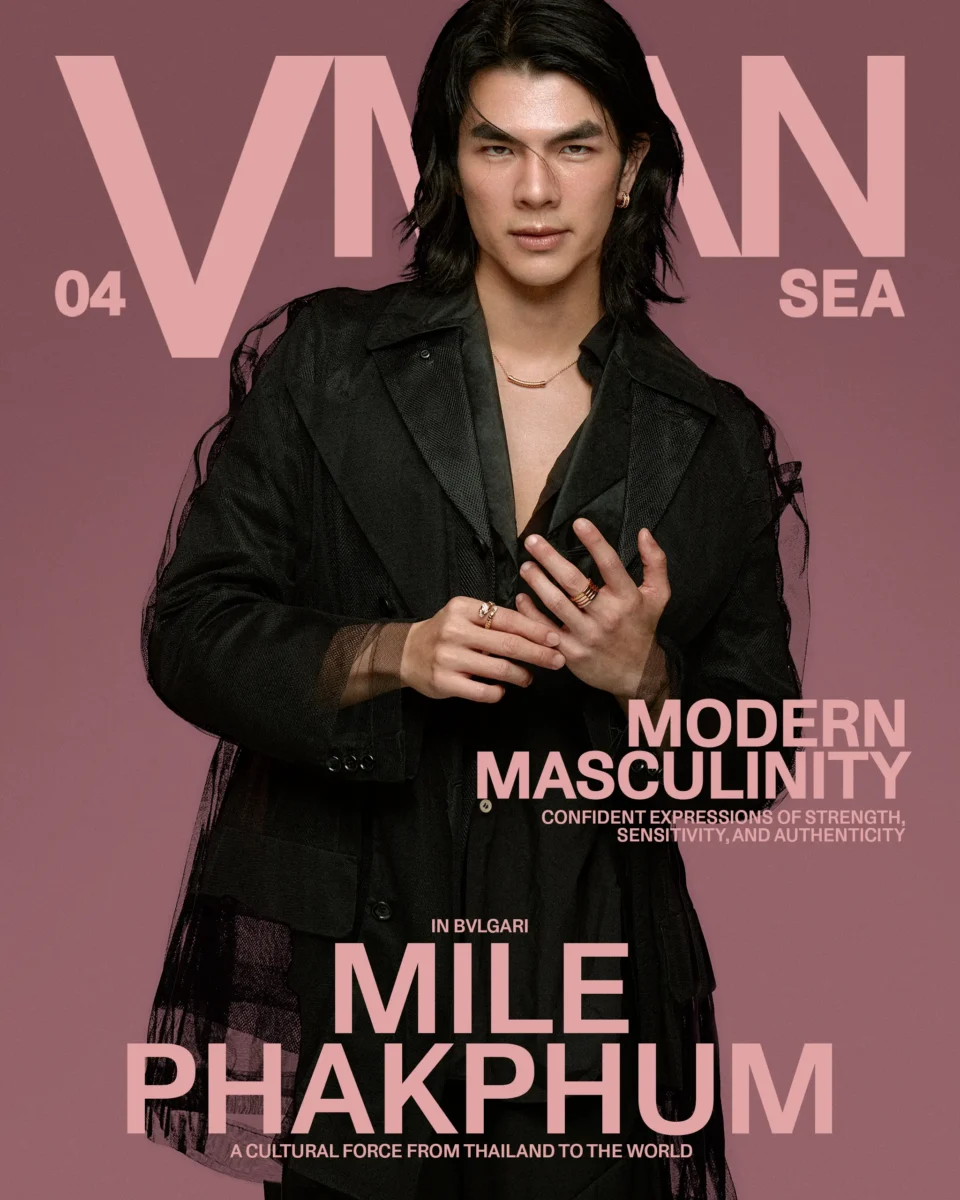
The Cinched Waist Returns to Menswear for FW25
Menswear is shifting away from oversized cuts this season as designers across the FW25 collections bring the cinched waist back into focus




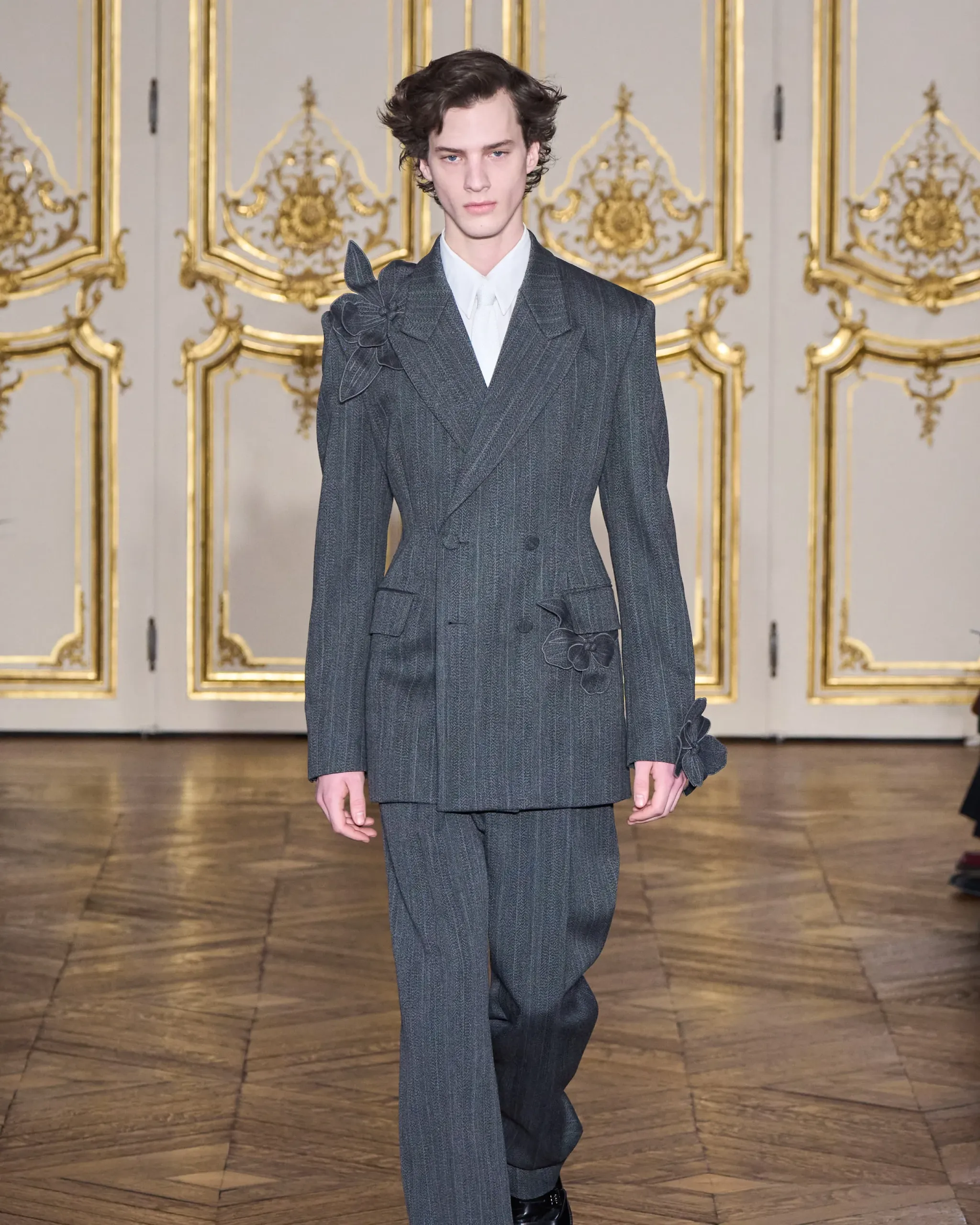
Cinched and sculpted
The Fall/Winter 2025 menswear season signals a decisive shift in silhouette. After years of oversized tailoring and voluminous, streetwear-influenced shapes, a more structured and sculpted form is emerging on the runway. This renewed focus centers on a long-overlooked element in men’s fashion: the waist.
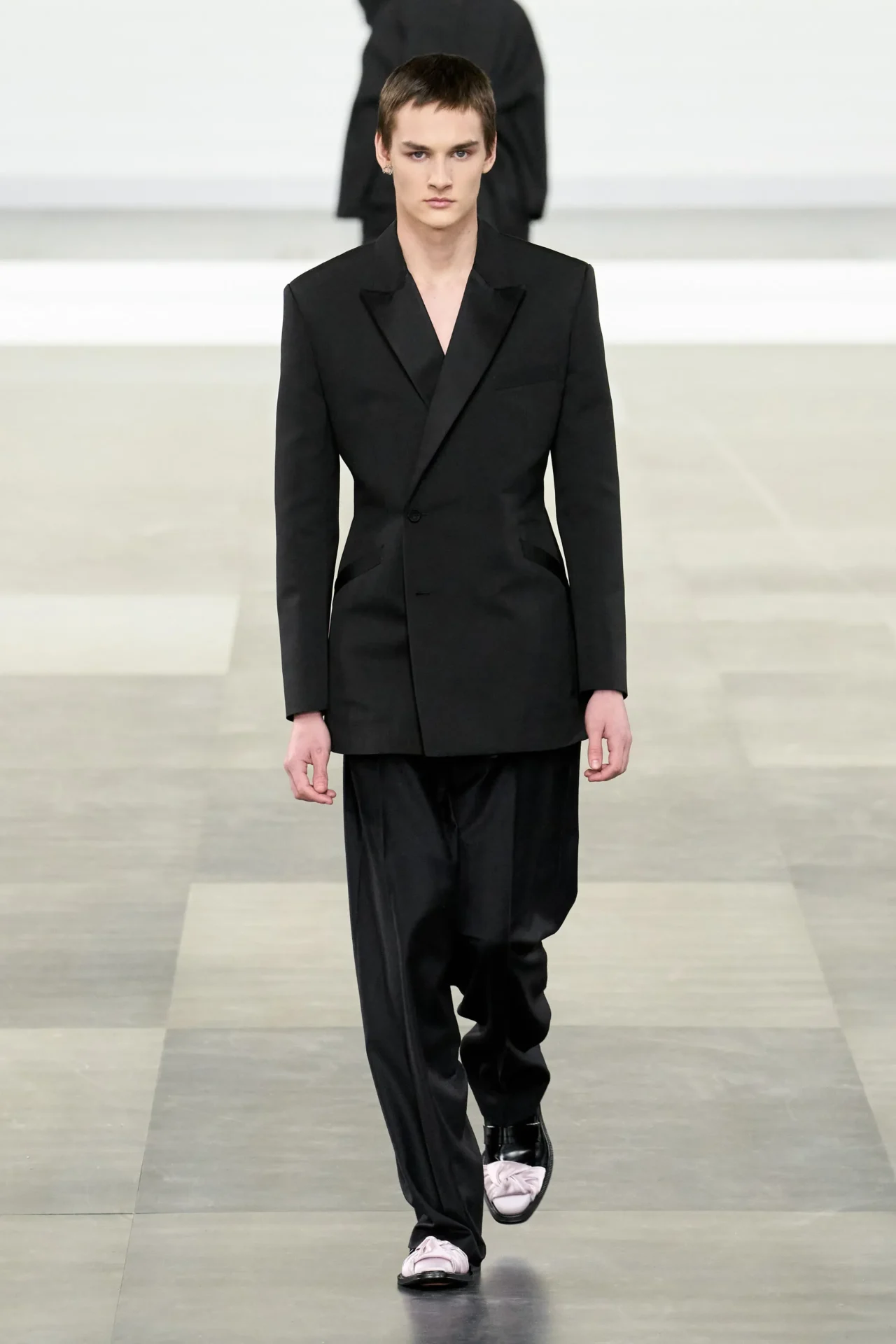
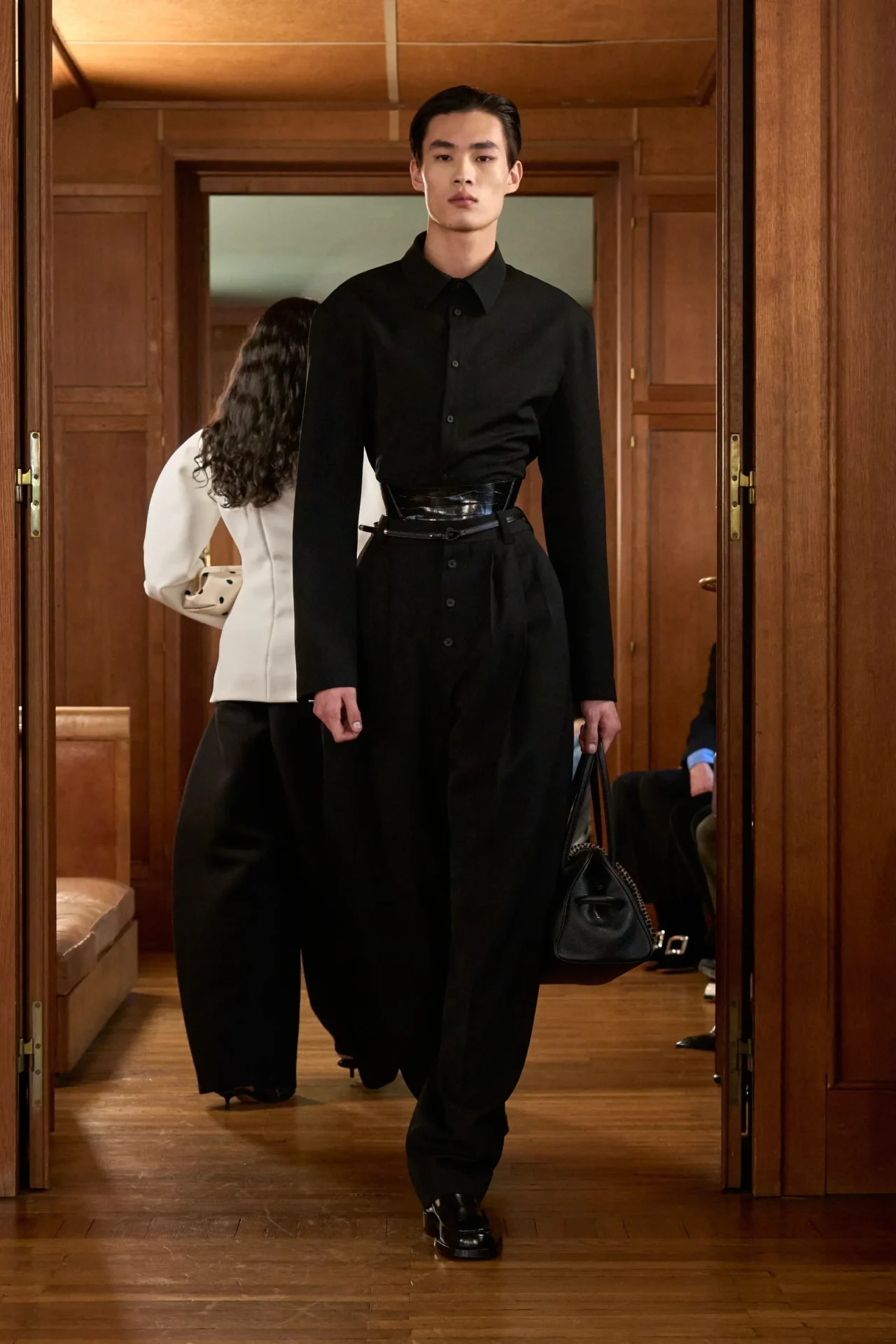
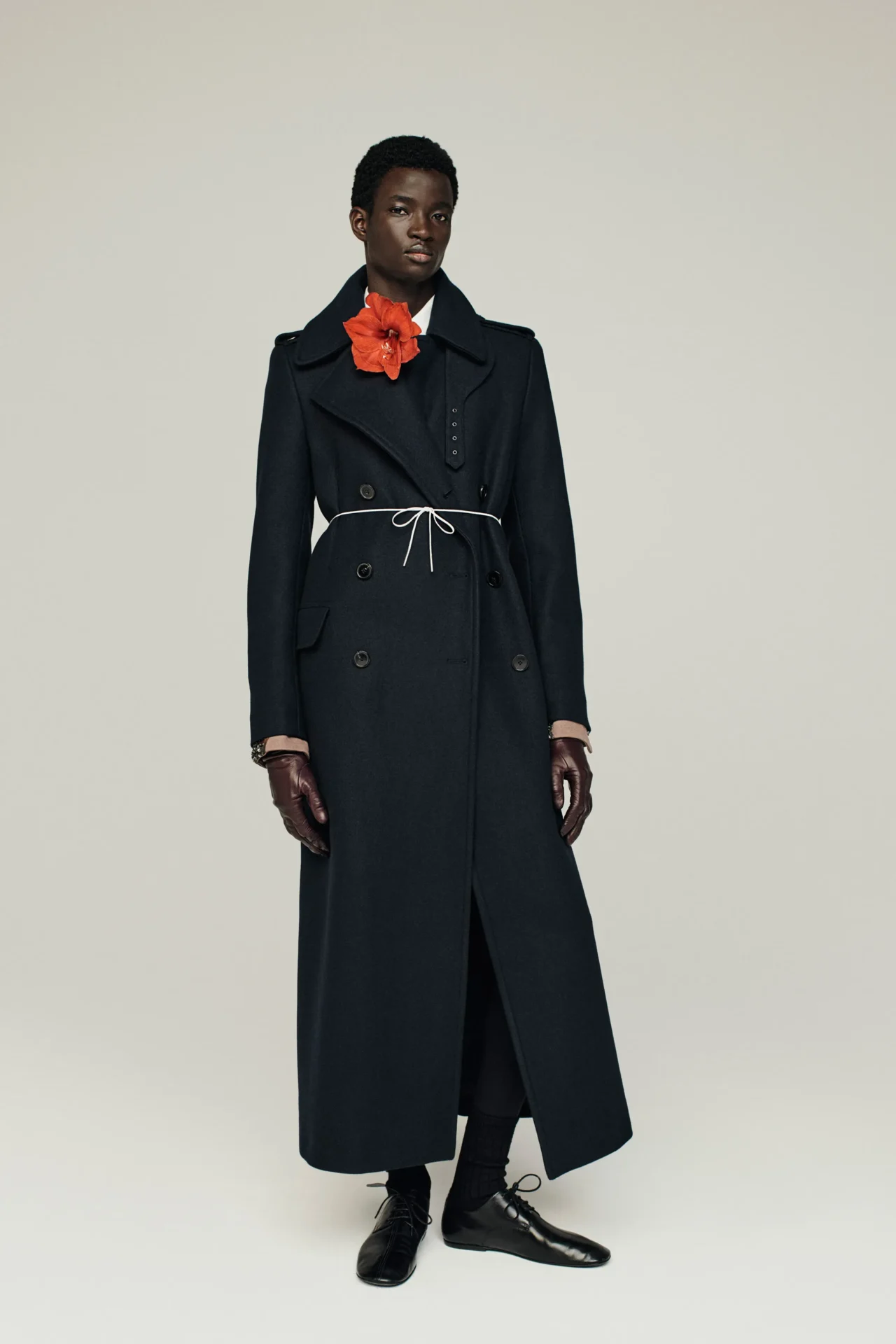
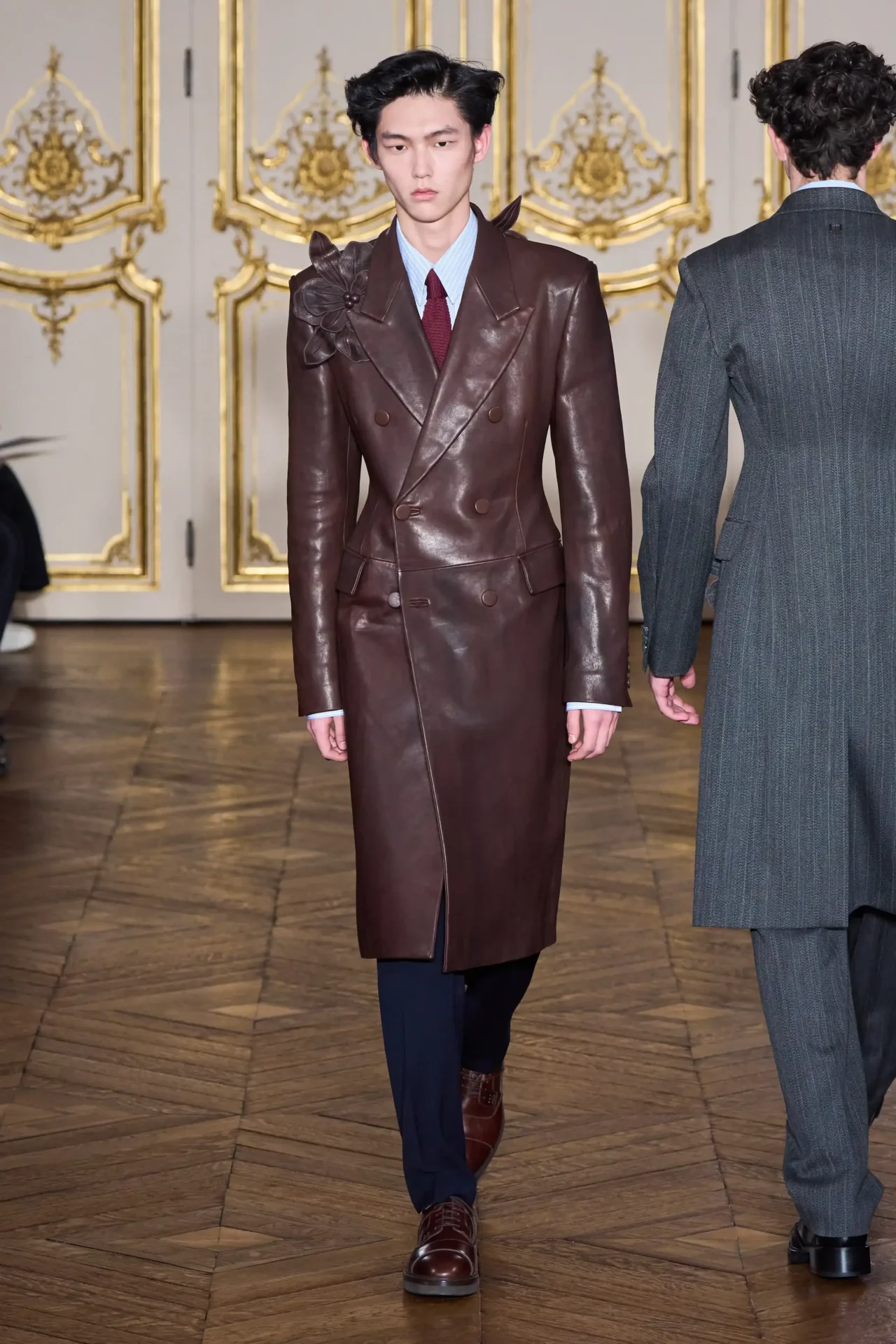
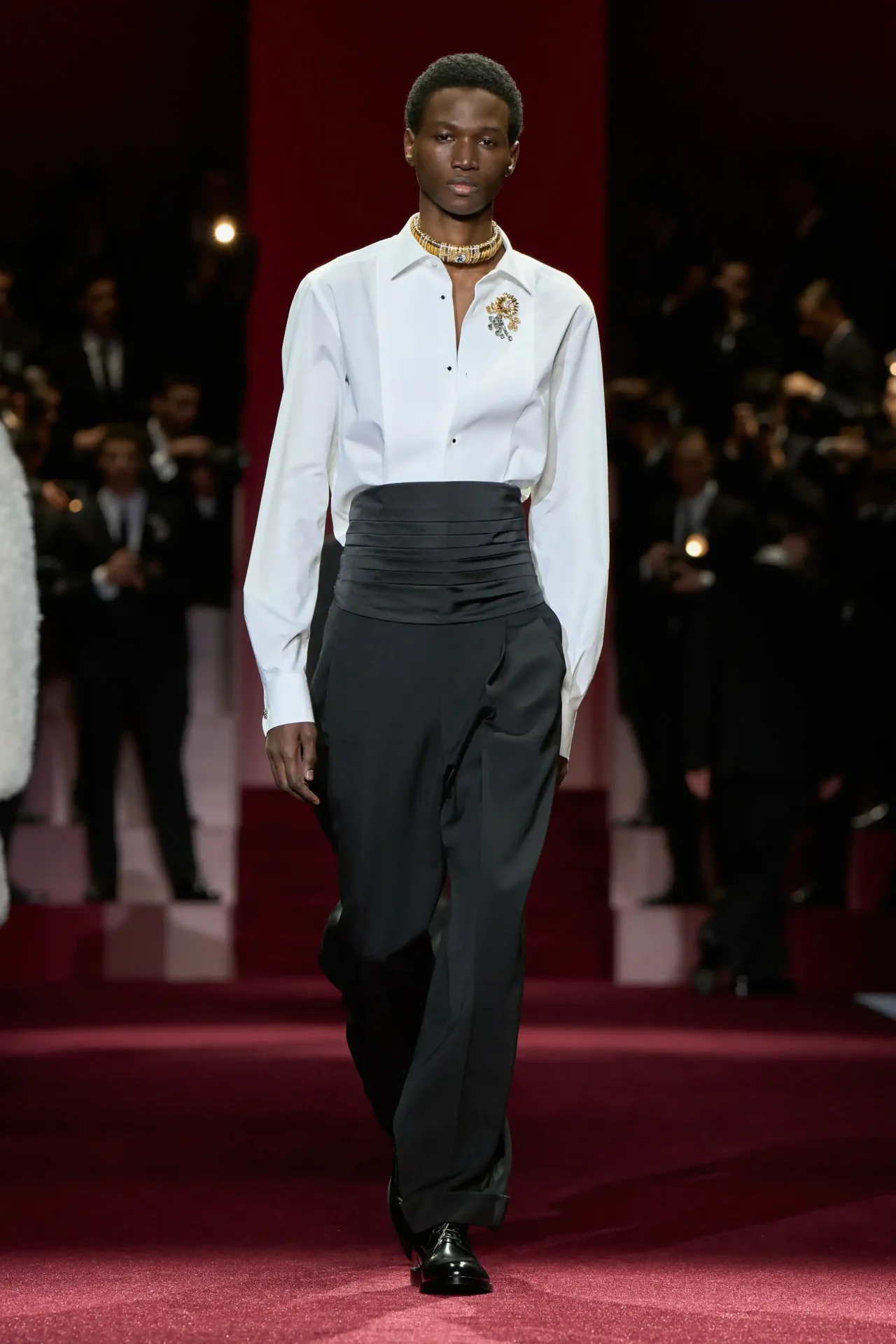
Seen across collections from Dior Men, Wooyoungmi, Dries Van Noten, Jacquemus, Dunhill, and Dolce&Gabbana, the cinched waist has reemerged as a defining gesture in men’s tailoring. At Dior Men, Kim Jones’ final outing as artistic director leaned heavily into this architectural silhouette, with nipped jackets, belted coats, and sharply tailored pieces that curved subtly through the torso.
SEE: Kim Jones Takes Elevated Basics to the Next Level with Dior’s FW25 Collection
At Wooyoungmi and Dries Van Noten, the effect was more playful, with a slight peplum-like flare. For Jacquemus, the waist served as a framing device, drawing the eye inward and breaking from the oversized proportions that dominated recent years.
A silhouette with a past
While the return of the cinched waist may feel new within today’s menswear landscape, it comes with historical roots. Christian Dior’s 1947 “New Look” famously centered on the hourglass blazer, celebrating postwar femininity through structure and generous fabric. That same silhouette, once seen as exclusively feminine, is now being reinterpreted as a symbol of precision and controlled expression. It no longer reflects gender, but rather form and intention.
In fact, the cinched silhouette has deep historical roots in menswear. From 18th-century frock coats to 19th-century military uniforms and mid-20th-century tailoring, the male waist was long viewed as a marker of discipline and refinement. What sets today’s version apart is the framing. Rather than signal rank or formality, sculpted tailoring now reflects a sense of purpose and offers a response to the casual ease that has defined menswear in recent years.
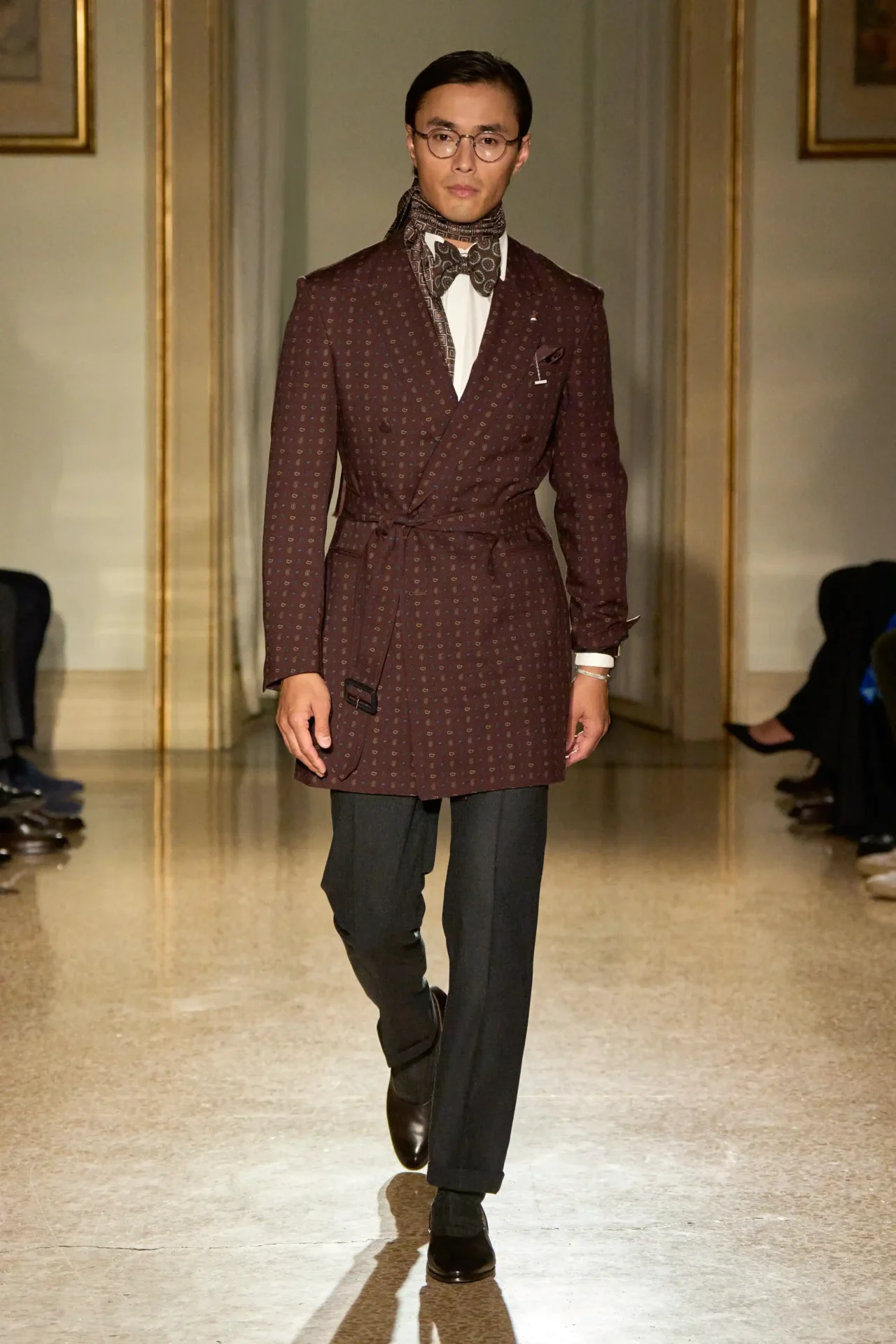
Culturally, the shift reflects a broader recalibration in menswear. The dominance of streetwear, with its oversized silhouettes and relaxed fit, is beginning to fade. In its place is a renewed interest in tailoring. This isn’t just about the return of suits, but about how the fit can shape both the body and the attitude it conveys. Where an oversized blazer suggests ease or anonymity, a cinched one implies posture and control.
No shape is off limits
There’s a generational subtext to this shift as well. Younger designers and consumers are less concerned with traditional boundaries in menswear. The notion that a cinched waist is tied to a specific gender feels outdated in a culture where shape is increasingly democratic. What matters now is the detail and the craft.
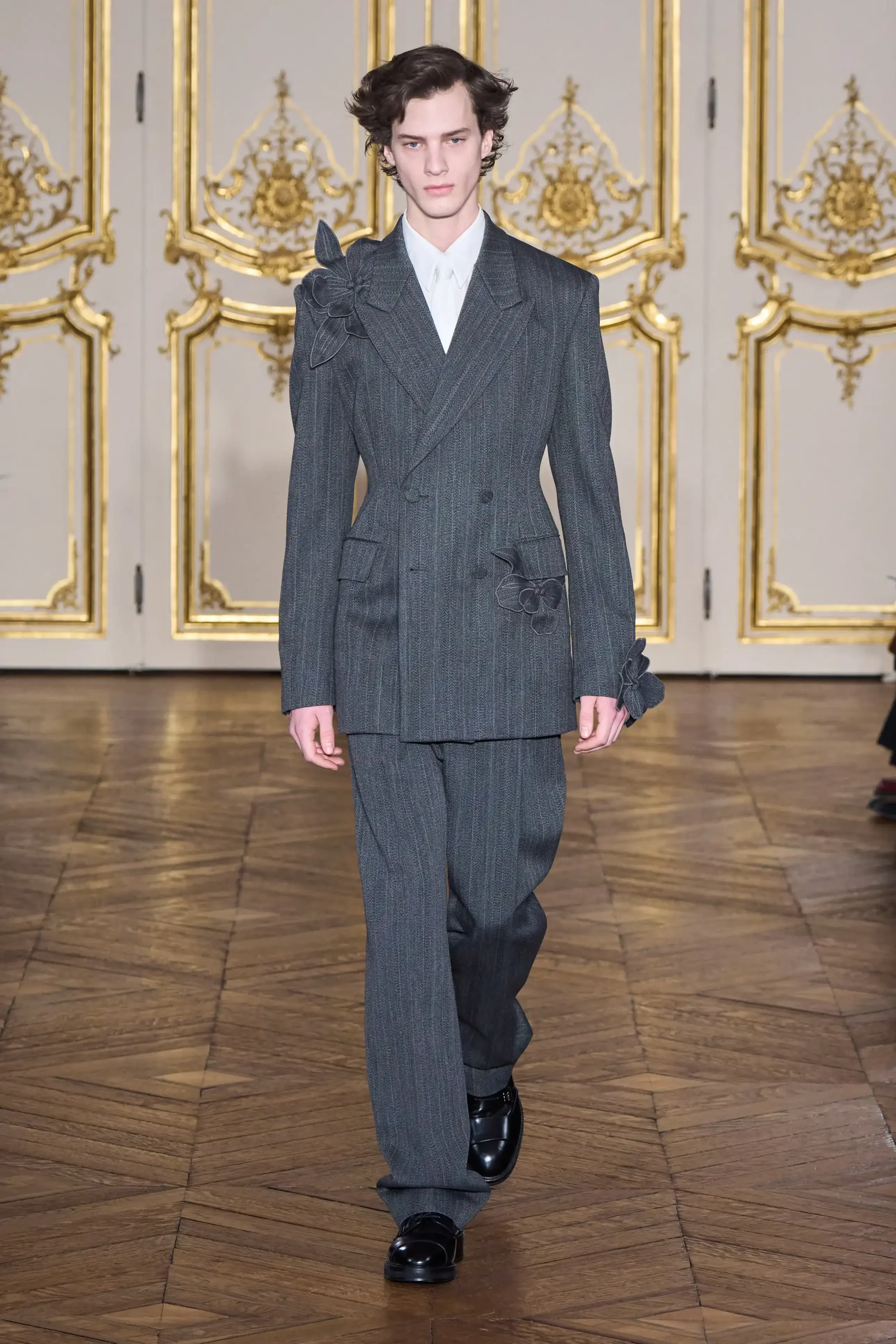
This season’s tailoring does not entirely abandon volume, but redistributes it. Shoulders remain strong, trousers wide or relaxed, and the middle is drawn in, creating an hourglass shape that feels more engineered than theatrical. It is a recalibration rather than a rejection, a new balance between form and ease.
Whether the cinched waist will dominate menswear beyond this season is uncertain. Trends in tailoring tend to evolve slowly, often taking years to filter beyond the runways into broader retail and streetwear culture. But for now, the signal is clear. Menswear is tightening its silhouette, reclaiming the waist as a site of design rather than just function. And with it comes a shift in how masculinity is framed, focusing less on size and more on shape.
Photos courtesy Dior Men, Wooyoungmi, Dries Van Noten, Jacquemus, Dunhill, and Dolce&Gabbana