The 9 Best Tailor Shops in Vietnam for Bespoke Suits Worth the Trip
Your next great suit probably isn’t hanging on a rack. It’s waiting in Vietnam




- Ho Chi Minh City is home to Vietnam’s heritage tailoring houses, known for luxury bespoke craftsmanship and decades of expertise.
- Hoi An remains the country’s tailoring capital, offering custom suits and formalwear in as little as 24 to 48 hours.
- Hanoi specializes in meticulous and fully canvassed bespoke tailoring, with master artisans creating timeless suits built to last.
Your next great suit might just require a boarding pass
If you’re headed to Vietnam, pack light and leave room in your suitcase. The country has earned its reputation as one of the world’s top destinations for bespoke tailoringBespoke TailoringGarments made entirely to a single client's measurements, with a unique pattern cut from scratch and several fittings along the way. Bespoke tailoring represents the highest level of craftsmanship inGo to Bespoke Tailoring Glossary, where heritage craftsmanship and remarkably accessible prices make commissioning a custom wardrobe simply make sense.
But Vietnam’s tailoring scene isn’t one-size-fits-all. Ho Chi Minh City is where heritage ateliers and bespoke houses continue decades-old traditions.
Hanoi specializes in fully canvassed suits built for the long haul. Hoi An, meanwhile, has become famous for doing what sounds almost impossible: turning around beautifully tailored garments in as little as 24 hours.
Whether you’re commissioning your first bespoke suit or adding another to the rotation, these are the tailor shops that have earned their place among Vietnam’s best.
Ho Chi Minh City
1. Cao Minh Tailor
Some tailoring houses become institutions. Cao Minh is one of them.
Founded in 1948, the atelier has spent more than seven decades elevating the art of bespoke tailoringBespoke TailoringGarments made entirely to a single client's measurements, with a unique pattern cut from scratch and several fittings along the way. Bespoke tailoring represents the highest level of craftsmanship inGo to Bespoke Tailoring Glossary. Established by Ly Minh, who received Vietnam’s prestigious “Tailoring Artist” title from the State Council, the business remains family-run, with second and third generations carrying forward its legacy.
Its reputation rests on painstaking hand-stitched construction and uncompromising attention to detail. Cao Minh also holds a notable place in Vietnam’s fashion history as the country’s first high-end tailoring company to successfully export suits to Japan, a market known for exceptionally high standards.
For those after timeless tailoring, few addresses carry as much weight.
2. Pham Minh Tailor
A tight itinerary doesn’t have to mean settling for off-the-rack.
Located on Pasteur Street in District 1, Pham Minh Tailor has built a loyal following for suits and blazers that can often be completed within 24 to 48 hours. Despite the pace, the atelier prioritizes careful measurements and personalized styling consultations to ensure every piece feels considered.
3. Antonio De Torres
The appointment-only atelier combines European sartorialSartorialRelating to tailoring, clothes, and the way a man dresses, often implying careful attention to quality, fit, and style. A sartorial approach to menswear values craftsmanship and details, and theGo to Sartorial Glossary traditions with Southeast Asian craftsmanship under the direction of a designer of Spanish heritage. Rather than volume, the emphasis is on hand-built garments cut from premium textiles sourced around the world, with fabrics carefully selected to thrive in Vietnam’s tropical climate.
Hoi An
4. Yaly Couture
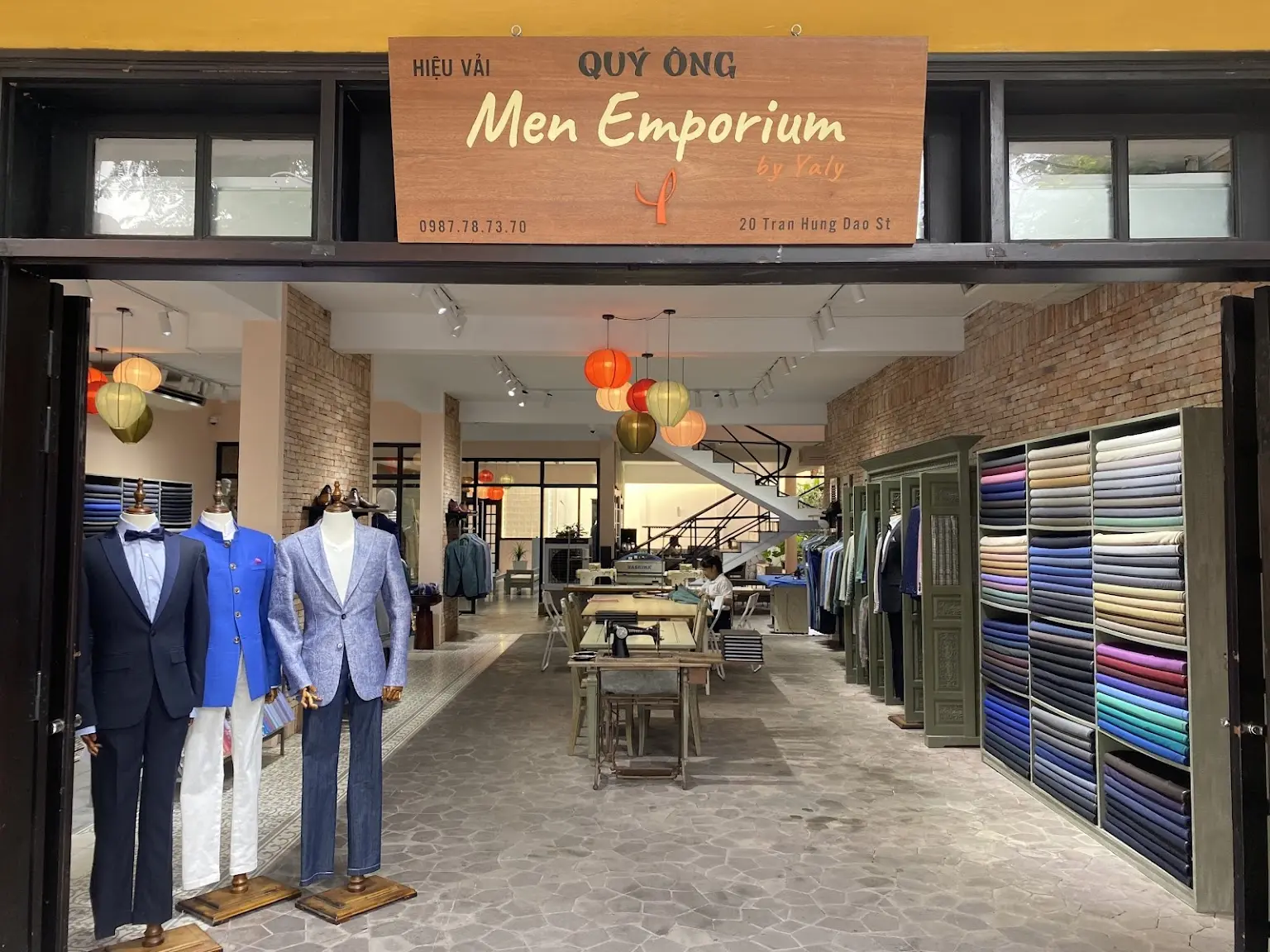
If Hoi An is Vietnam’s tailoring capital, Yaly Couture is one of its biggest names.
Established in 1995, the brand has become synonymous with premium bespoke clothing produced at remarkable speed. Clients can browse an extensive selection of silks, linens, wools, cashmere, and cottons before working with consultants to customize everything from lapels to buttons.
5. BeBe Tailor
Few places capture Hoi An’s tailoring culture quite like BeBe Tailor. The women-owned business operates across three locations and is known for its enormous fabric library and efficient four-step approach: design, measure, fit, and collect.
Customers regularly arrive with photos of designer pieces or favorite garments, which the team recreates or reimagines to suit individual proportions.
6. A Dong Silk
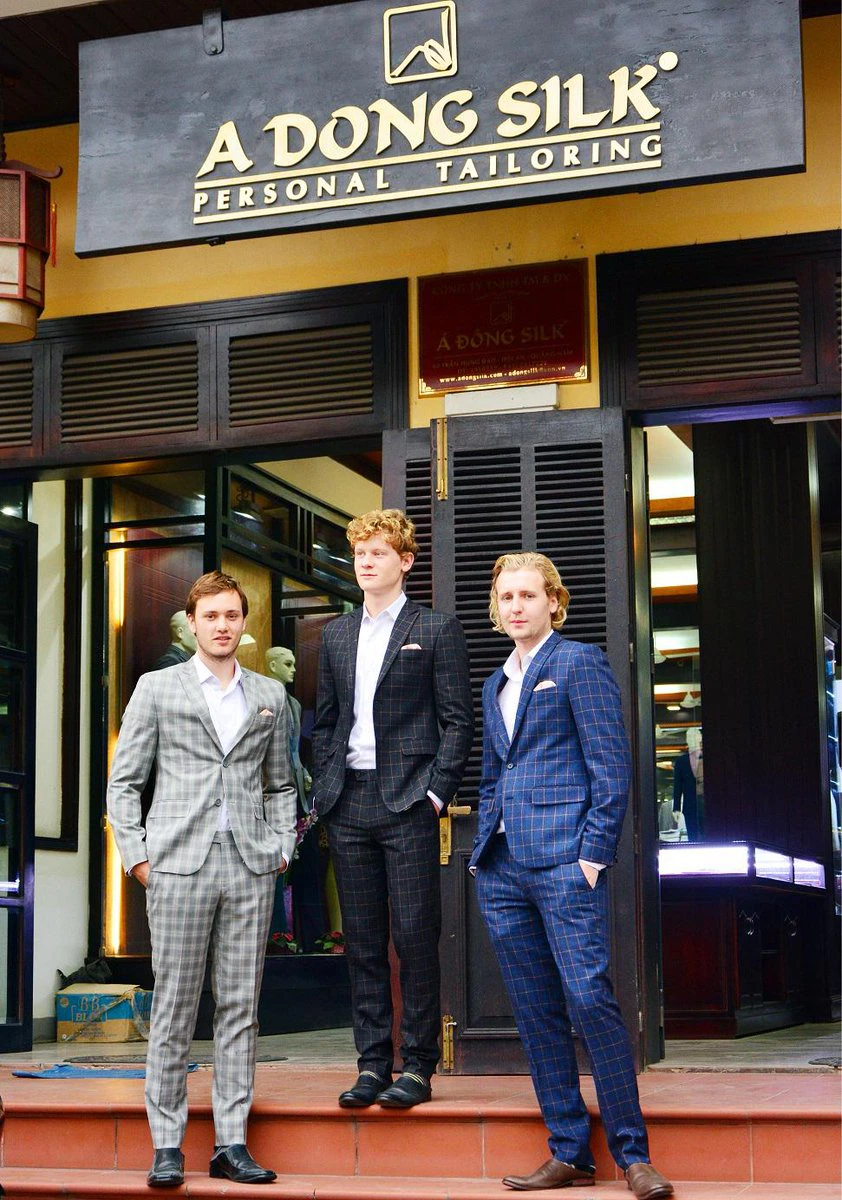
With locations in Hoi An and Ho Chi Minh City, A Dong Silk specializes in custom men’s suits and traditional Vietnamese áo dài.
Premium fabrics, experienced artisans, and fast turnaround times have made it a reliable choice for travelers seeking polished formalwear without a lengthy wait.
Hanoi
7. Chuong Tailor
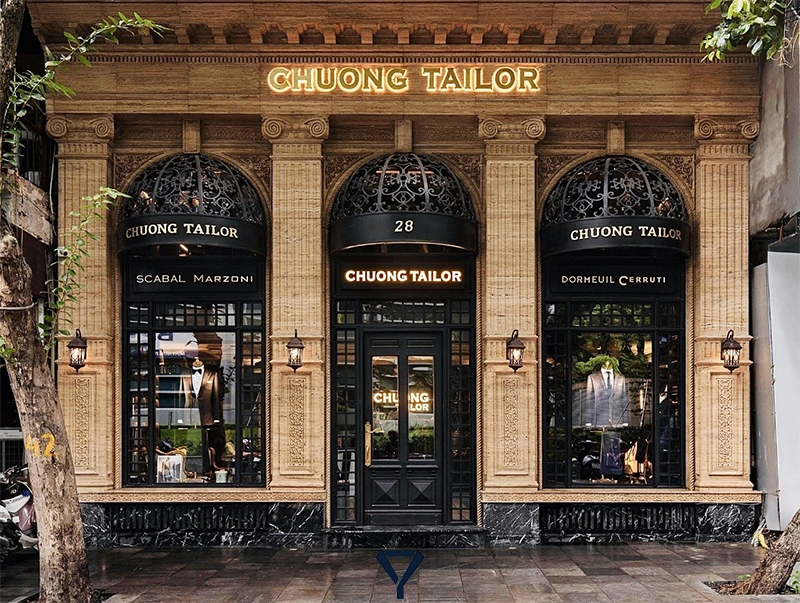
Founded in 1968, Chuong Tailor has spent decades dressing politicians, executives, celebrities, and generations of loyal clients. Founder Dương Văn Chương was recognized by Vietnam’s State Council as a “Tailoring Artist,” and that heritage continues to define the house today.
Alongside classic Western tailoring, clients can choose from one of the country’s most impressive collections of luxury fabrics sourced from renowned mills, including Scabal and Dormeuil.
8. Pham Brothers
Pham Brothers represents a newer generation of bespoke tailoringBespoke TailoringGarments made entirely to a single client's measurements, with a unique pattern cut from scratch and several fittings along the way. Bespoke tailoring represents the highest level of craftsmanship inGo to Bespoke Tailoring Glossary without abandoning traditional techniques.
The atelier specializes in bespoke suits crafted with full-canvas construction. Premium Italian textiles, including Super 120s wool from Vitale Barberis Canonico, help create garments with longevity and a naturally elegant drape.
9. Hanoi Peak Bespoke
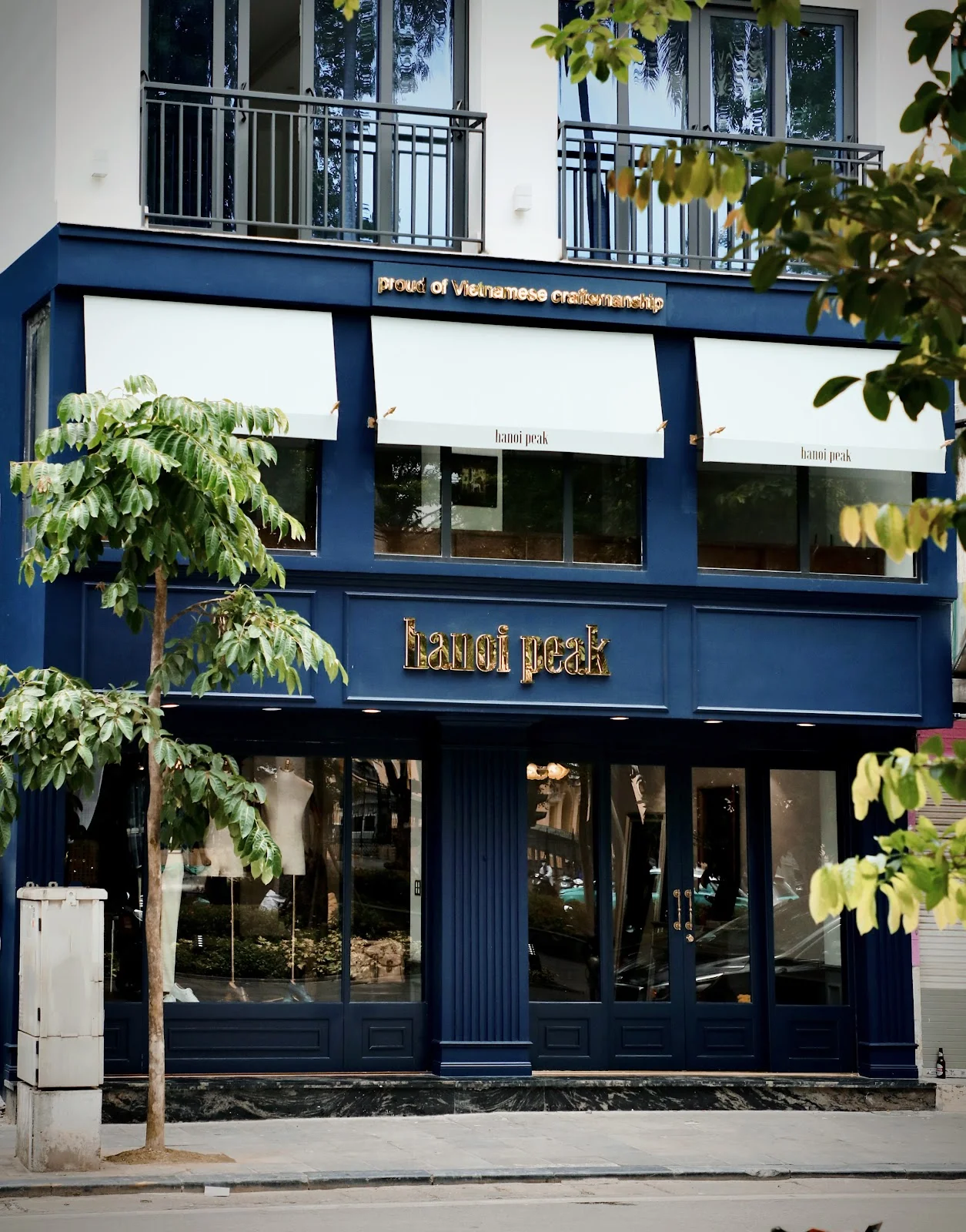
Not every great suit is made in a day. At Hanoi Peak Bespoke, each commission is handcrafted by a single artisan over 19 to 40 days. With extensive fabric choices and multiple fittings throughout the process, every garment is shaped patiently.
Why Vietnam continues to set the standard
Vietnam’s tailoring reputation is built on generations of craftsmanship, an openness to personalization, and a tailoring culture that welcomes everyone from first-time buyers to seasoned bespoke enthusiasts.
Whether you have a single afternoon in Hoi An or several weeks in Hanoi, there’s a tailor ready to turn a few measurements into something you’ll wear for years.

Recommended Video