
Footwear Etiquette in 2025—What Should We Keep in Mind?
Many ‘rules’ are now being broken, while other helpful tips are not as widely known. What should we commit to memory?





If the shoe fits
The foot is having quite the moment, what with the spotlight on flip-flops and menswear’s current penchant for comfort and ease (ergo, shoe rules being thrown out the window).
It’s becoming more nonsensical to adhere to a strict set of rules. Sneakers paired with suits are getting less off-kilter. Chunky soles aren’t so garish now as they are stylish. And black dress shoes with acid wash jeans? Go ahead, you do you.
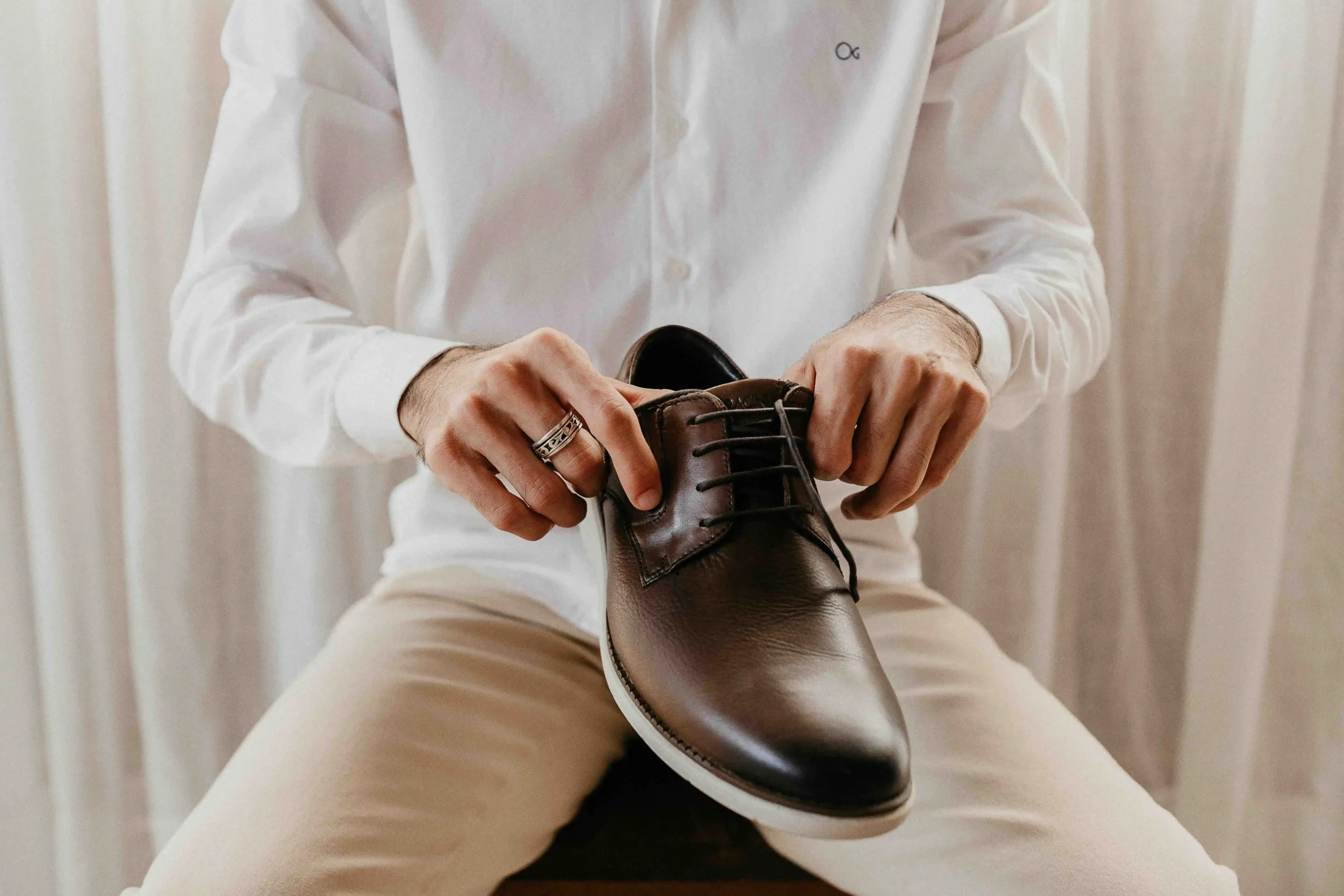
So perhaps it’s less about what should or shouldn’t be worn than how you should think about footwear, from the humble slipper to the formal dress shoe. Here are a few pointers to think about.
Get to know your feet better, and treat them well
If you’ll insist on the humble flip-flop for more occasions beyond the casual stroll, or if going sockless is your style story for 2025, then make sure that pedicures become a habit. Foot care, from keeping your nails trimmed to holding odors at bay, is something you can do at home, as outlined in our guide here, but you can always leave it to the pros.
When getting dress shoes made, you’ll most likely discover that one of your feet is slightly larger than the other. That is perfectly fine—approximately 60% of adults have feet that differ in size. Your cobbler will most likely know this, so don’t be surprised if you’ll get a pair that’s not exactly the same.

Your foot arch also determines what kinds of soles, sizes, and cushioning work best for you. Flat-footed people often have trouble with balance, so get shoes that help stabilize your feet. Conversely, those with high arches don’t absorb shock and impact well, especially if you do sports. So, get shoes that support with added padding.
Knowing your feet this way allows you to get shoes that support your weight well—or, it warns you of the consequences, should you insist on a pair that looks great and fits your style, but not your anatomy.
The ‘wrong’ shoe can still be ‘right’
Shoes comprise less than 5 to 10% of your overall look, but it’s such an integral part of the ensemble that if it doesn’t work, it throws off your whole fit—and yes, this applies even for those who want to achieve a deliberate contrast.
Much has been known and written about the best combinations and matches—the classic belt-shoe color rule, for instance, which can also be bent—but if you want to rock the ‘wrong shoe,’ how can you get it ‘right?’

This is where attention to detail comes in. Going back to the sneaker-suit combination: are the laces and soles of the pair matching or harmonious with, say, the color of your trousers? Are certain designs or embellishments on the shoe thematically aligned with your accessories?
So yes, even if the shoe seems to clash with the rest of the fit, you can tweak certain details to make it work. Especially with menswear embracing more vibrant colors, unconventional fits, and outlandish details, the shoes can follow suit—just still try to keep a semblance of balance.
Photos courtesy Pexels and Unsplash