Are You Brave Enough to Wear the “Ugliest” Shoe of the Summer?
As fashion shifts away from excess, a new wave of minimalist and barefoot-inspired shoes is redefining how we move through the world this summer




The era of excess, now ending
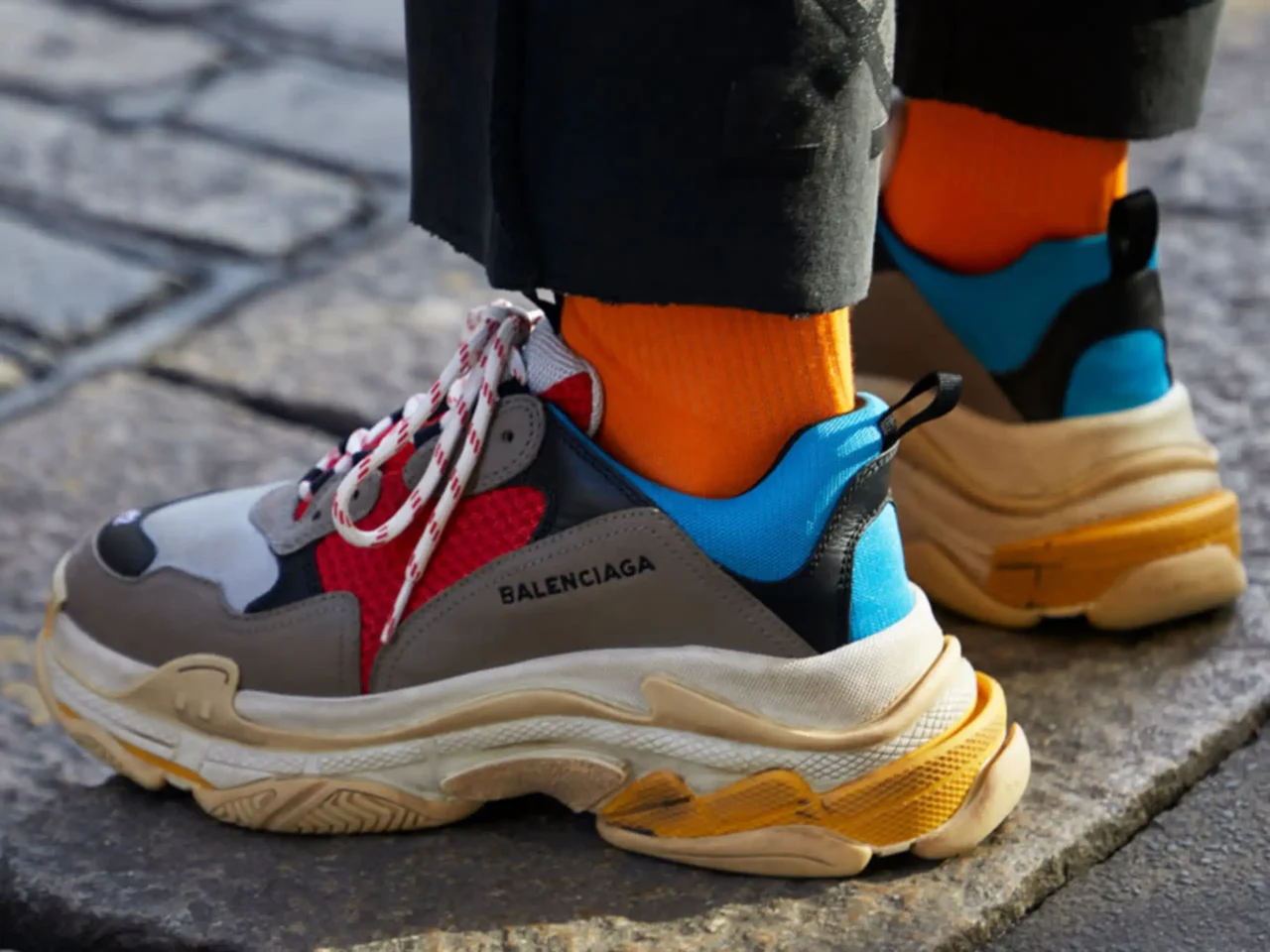
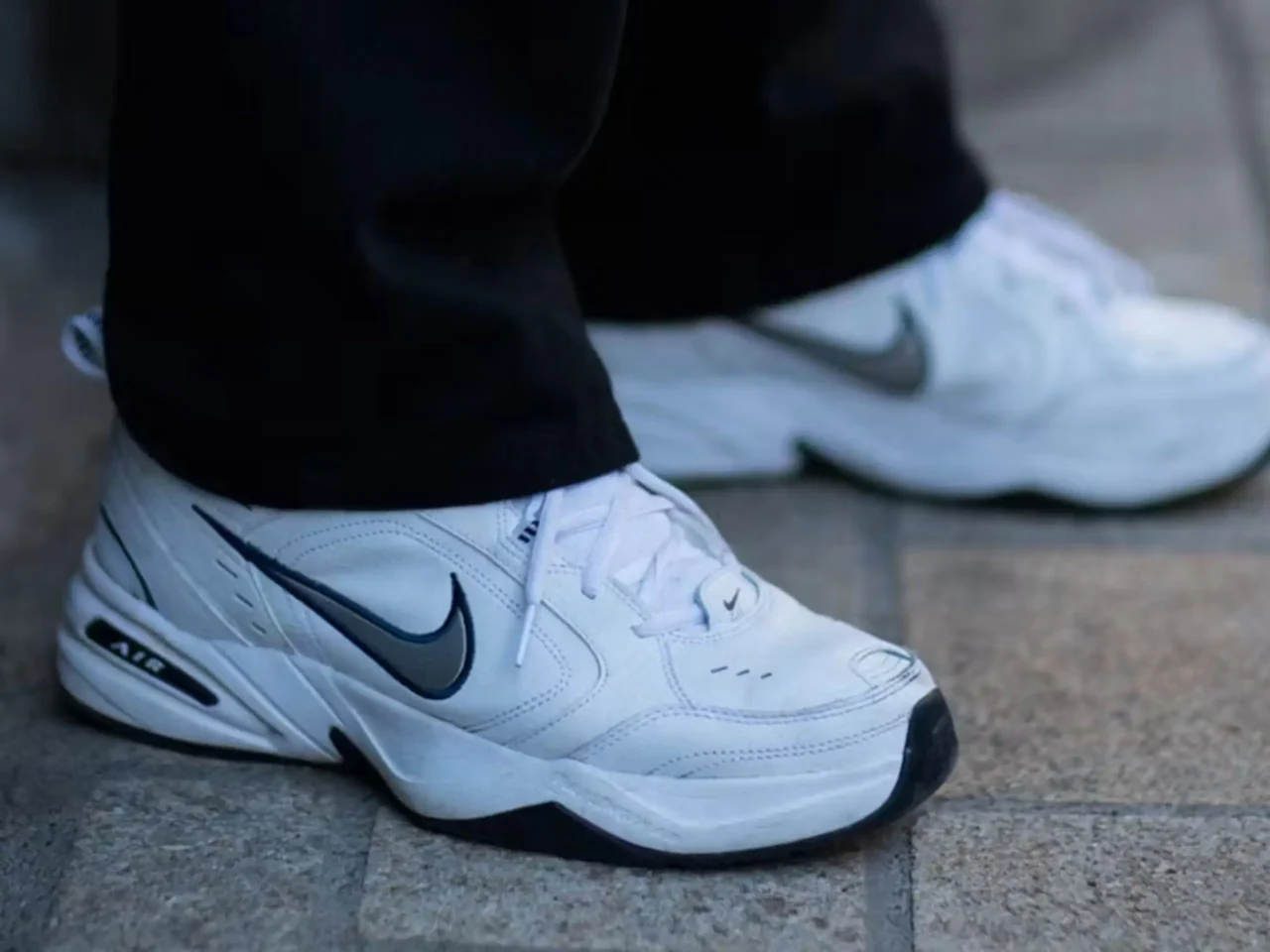
For years, fashion has looked up, quite literally. Footwear became an arena for height and heft, producing shoes so architecturally exaggerated that they bordered on the surreal. We accepted and celebrated the excess. The Balenciaga Triple S, a behemoth of rubber and irony, became both a meme and a luxury must-have. Nike’s Monarchs returned from dad closets to become streetwear staples. Soles thickened and arches ballooned. Shoes became performance and parody. But as always, the pendulum swings.
Something sleeker is happening now. It is less about spectacle and more about sensation. Minimalist footwear, barefoot shoes, in all their oddity, are moving from the margins of wellness culture into the center of fashion discourse. And the transition feels less like a trend and more like a shift in consciousness.
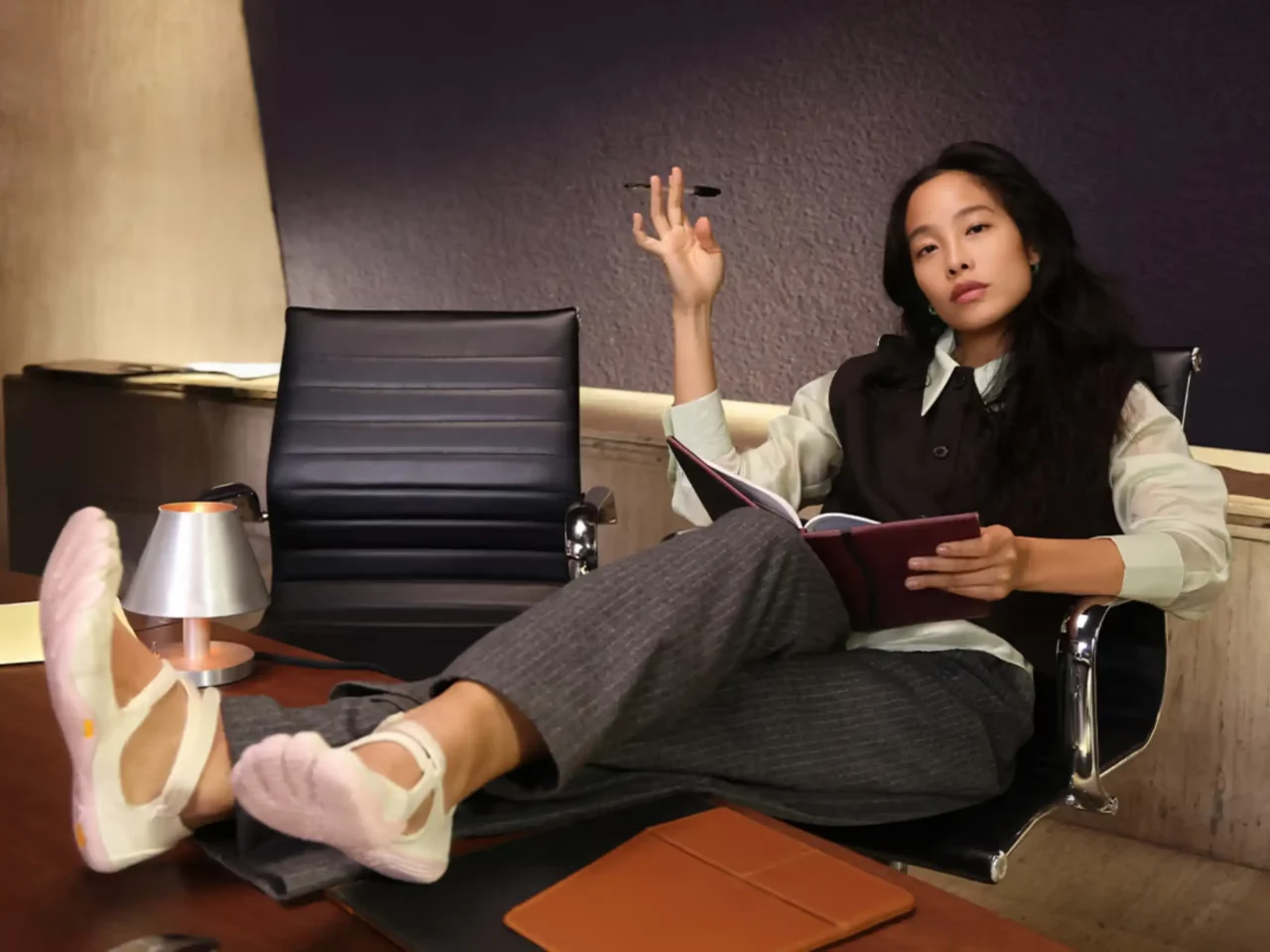
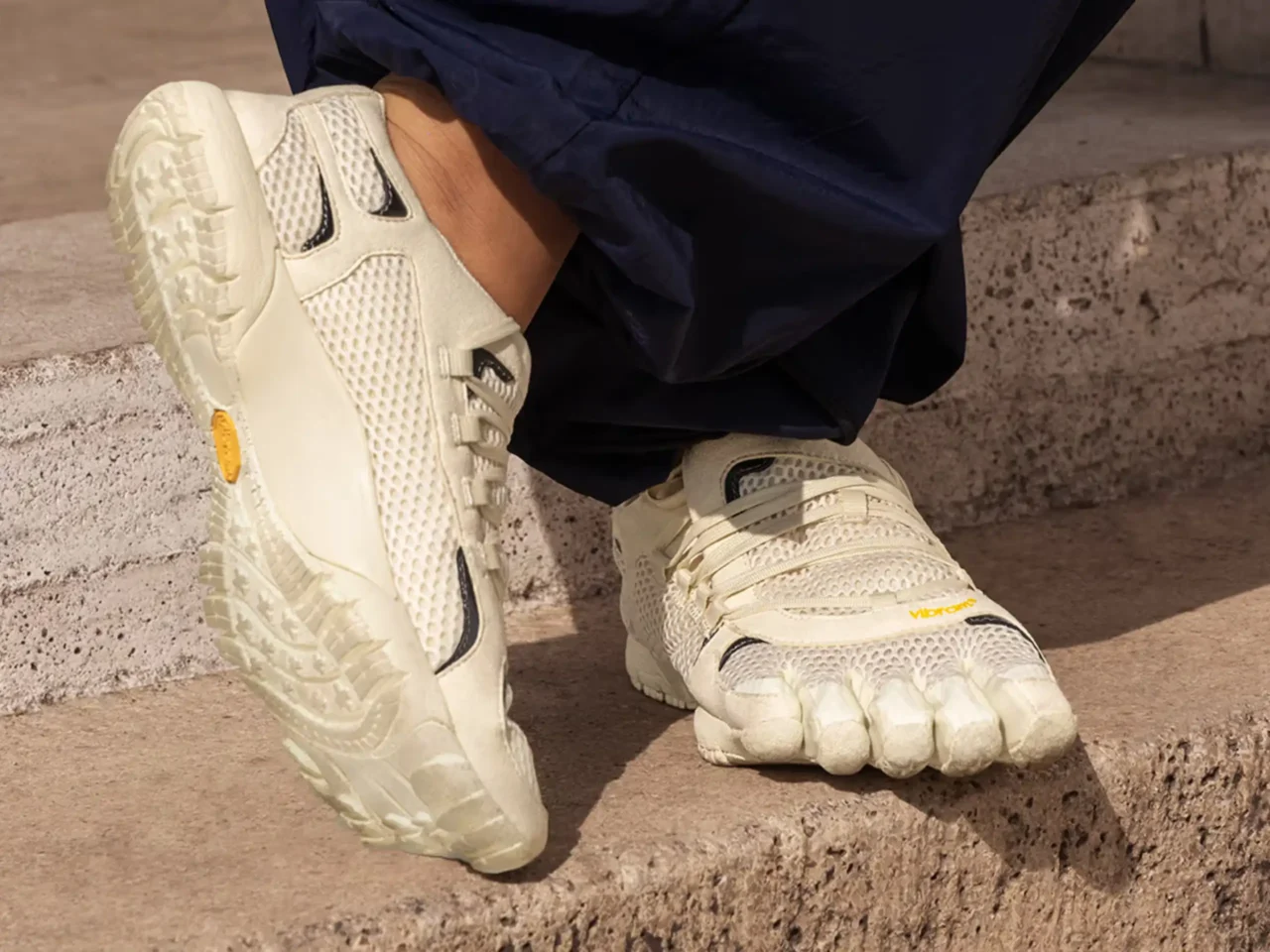
This summer, the flat and the tactile are gaining traction. Literally. Shoes that were once ridiculed, Vibram’s FiveFingers, for example, are being seen not just on trails or in eccentric health circles, but on city streets and in social media fashion grids. Their presence is divisive. Some recoil. Some lean in. But everyone notices. This is the year we begin to walk closer to the ground.
Health meets aesthetics
The logic is almost countercultural. In an era obsessed with optimization, with digital interfaces mediating every human act, the rise of barefoot shoes signals a strange regression. But it’s not nostalgic. It’s primal. The movement is about returning to what the body was designed to do. Strip away the cushioning. Unlearn the posture of performance. Walk like a human being again.
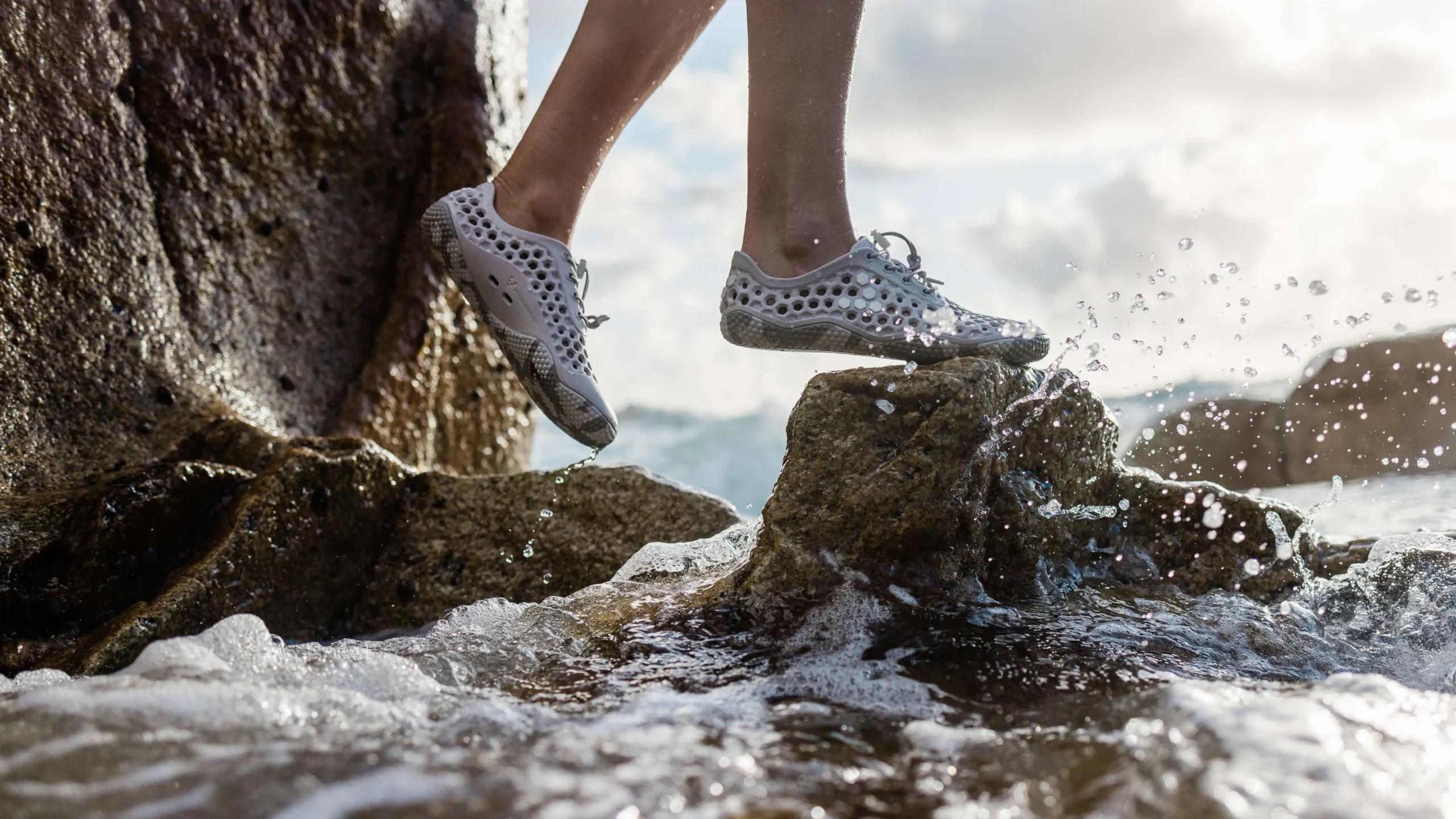
Brands like Vivobarefoot have built loyal followings around these principles. Their shoes resemble aquatic animal skins more than traditional footwear: thin, flexible, and almost formless. They promise a reconnection with the earth. To feel the terrain, not float above it. Their appeal lies not in what they add but in what they remove. They are anti-fashion in a way that makes them, of course, fashion-forward.
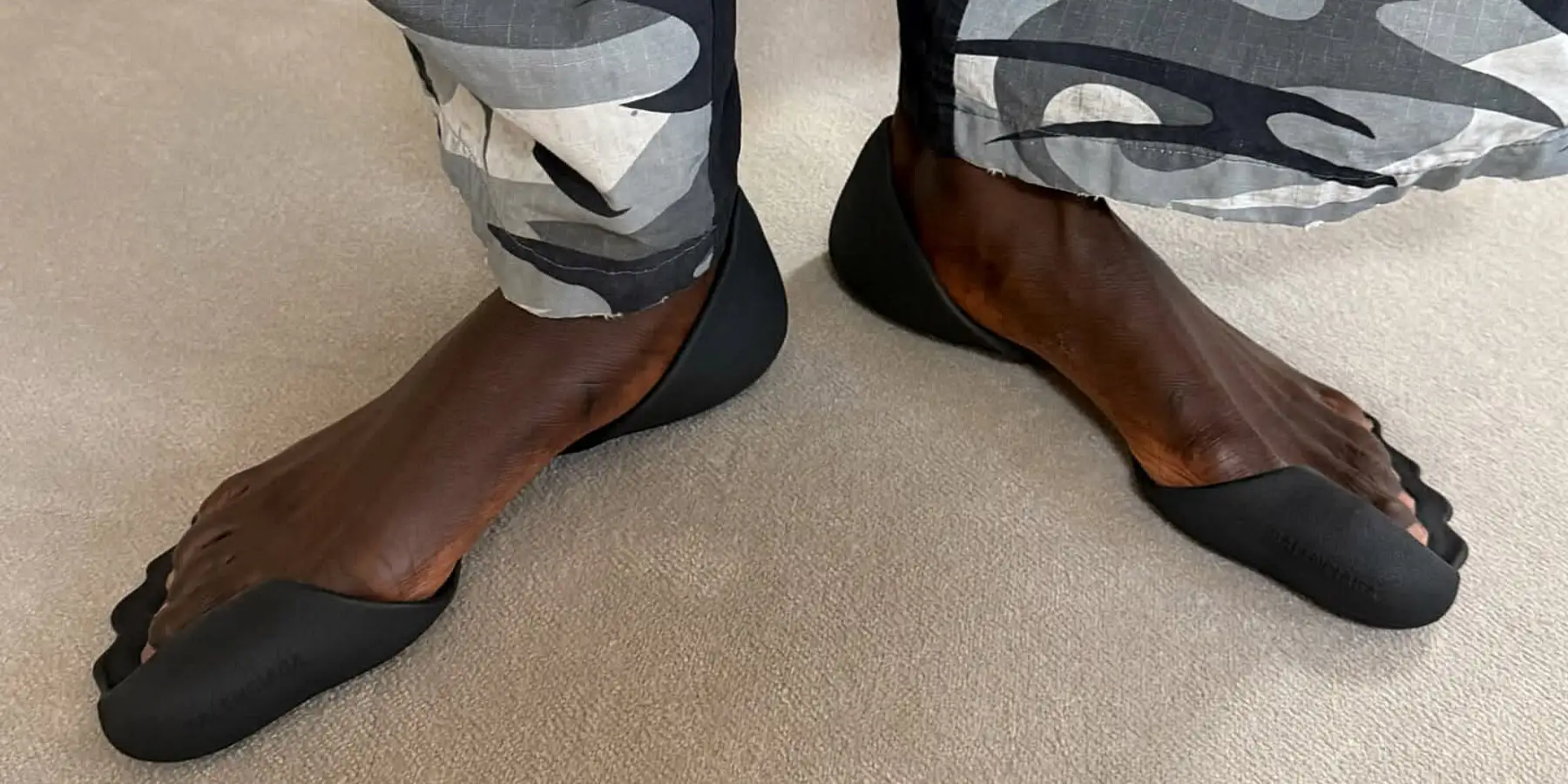
Even high fashion is not immune. Balenciaga, the same house that helped launch the era of maximalist sneaker absurdity, has already shown signs of pivoting. Their Zero Shoe, a ghost of a sole and barely-there construction, embodies the shift. It is the opposite of the Triple S, and perhaps, its inevitable consequence.
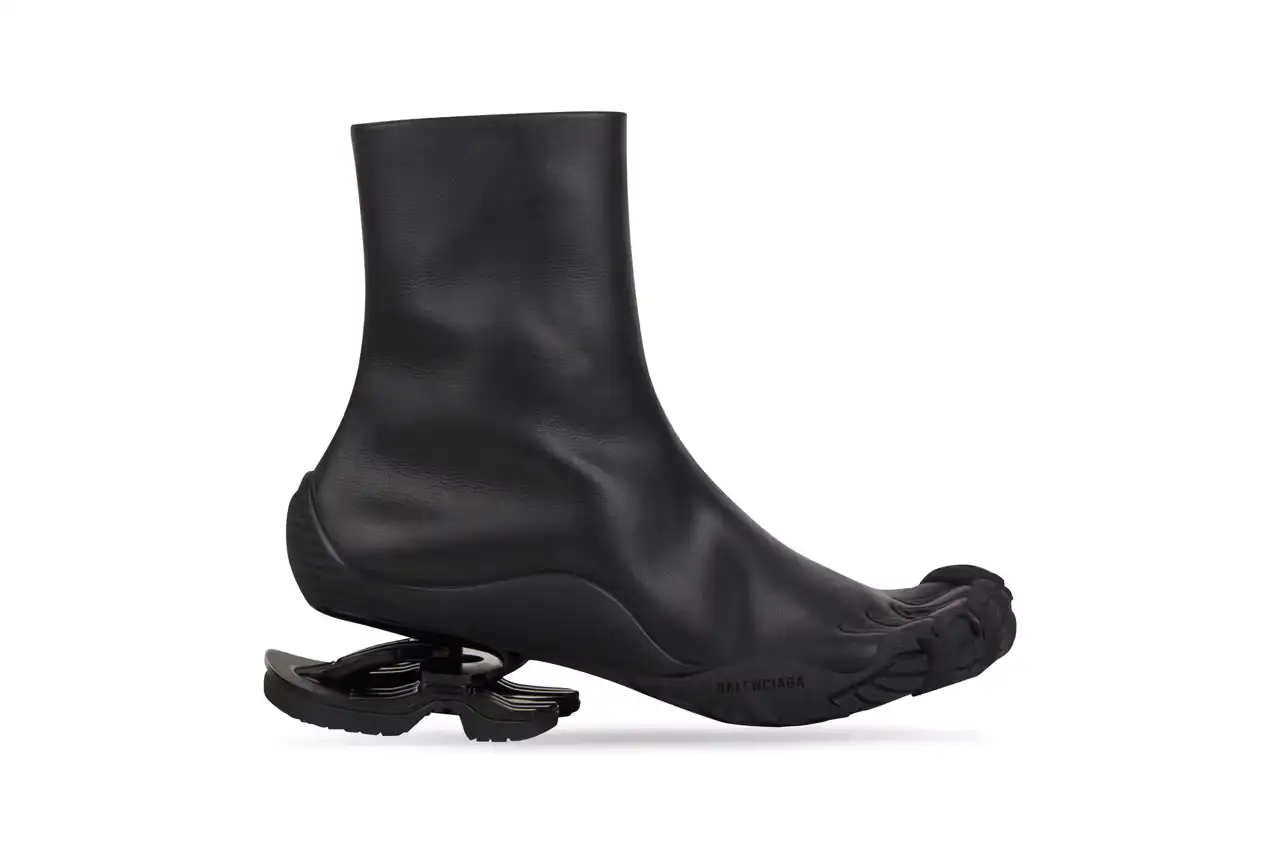
More telling is Balenciaga’s direct collaboration with Vibram on the Toe Bootie, a hybrid of runway surrealism and primal foot-glove functionality. With its five-toe structure and heeled silhouette, the shoe feels like an absurd and anatomical provocation. It’s high fashion admitting that even the weirdest corner of wellness culture might be worth walking into.
Feet first
This aesthetic change mirrors a wider cultural undercurrent. After years of performance wear, hype cycles, and turbocharged brand collaborations, a new silhouette is emerging: sleek, minimal, and low to the ground. Look around and you’ll see it everywhere. The Onitsuka Tiger Mexico 66, slim and nostalgic, has become a global staple. Nike’s Air Rift, with its soft neoprene body and split toe, offers an unconventional yet lightweight alternative. Puma’s Speedcat, designed for the precise footwork of race car drivers, is now a darling of stylists and fashion editors. Maison Margiela’s Tabi, long seen as a symbol of avant-garde discomfort, is now mainstream, its weirdness softened by repetition and recognition.
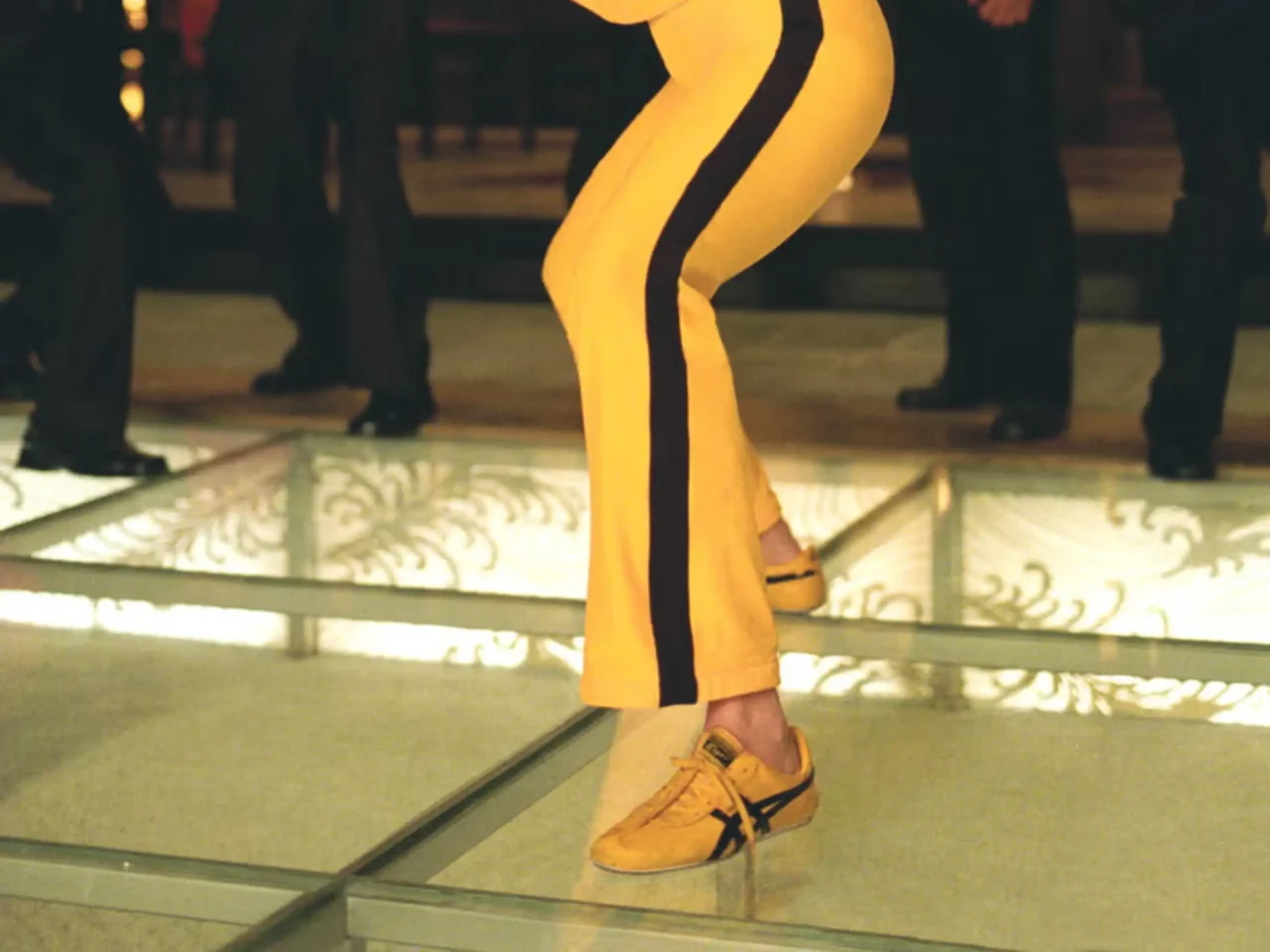
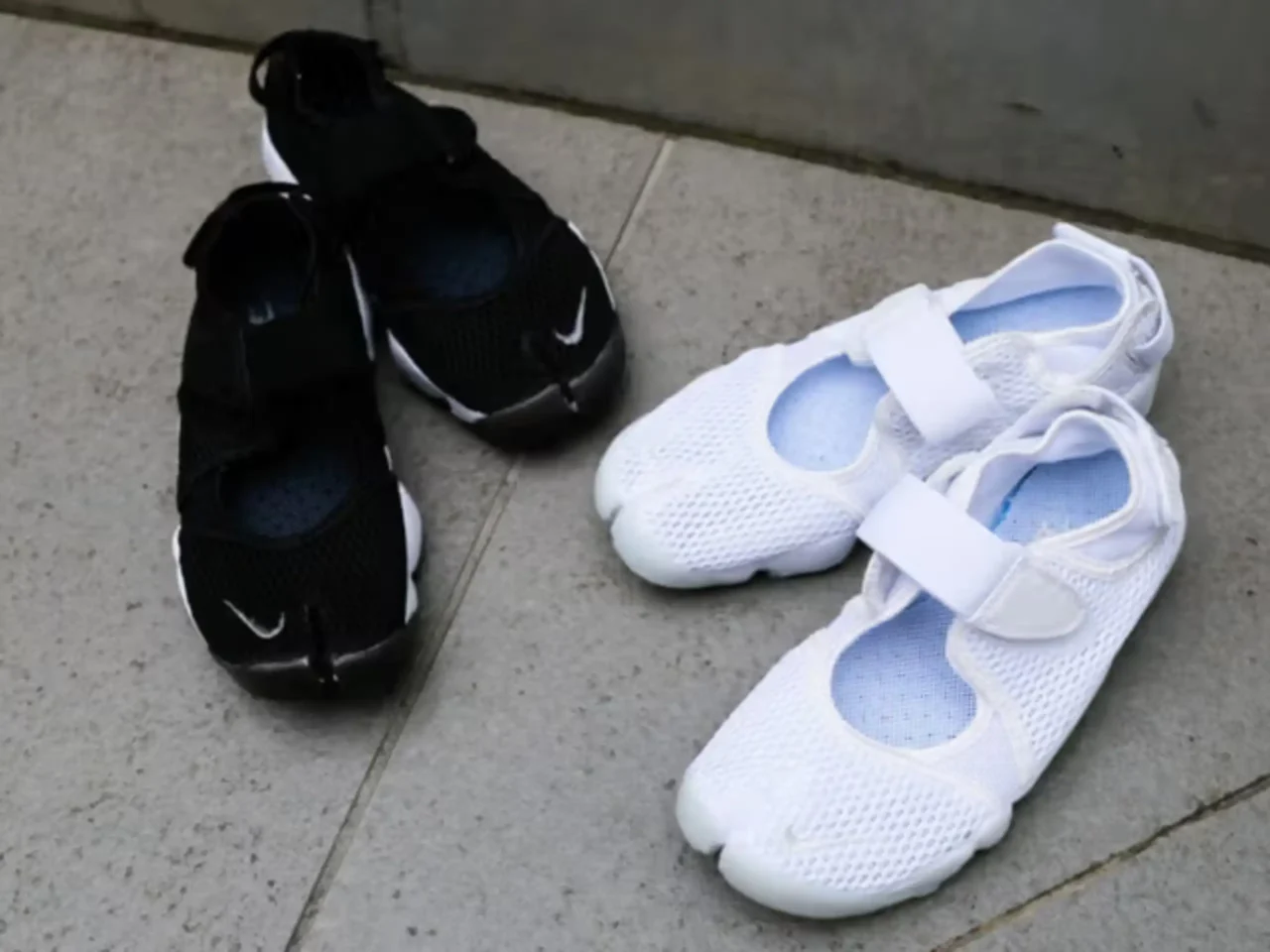
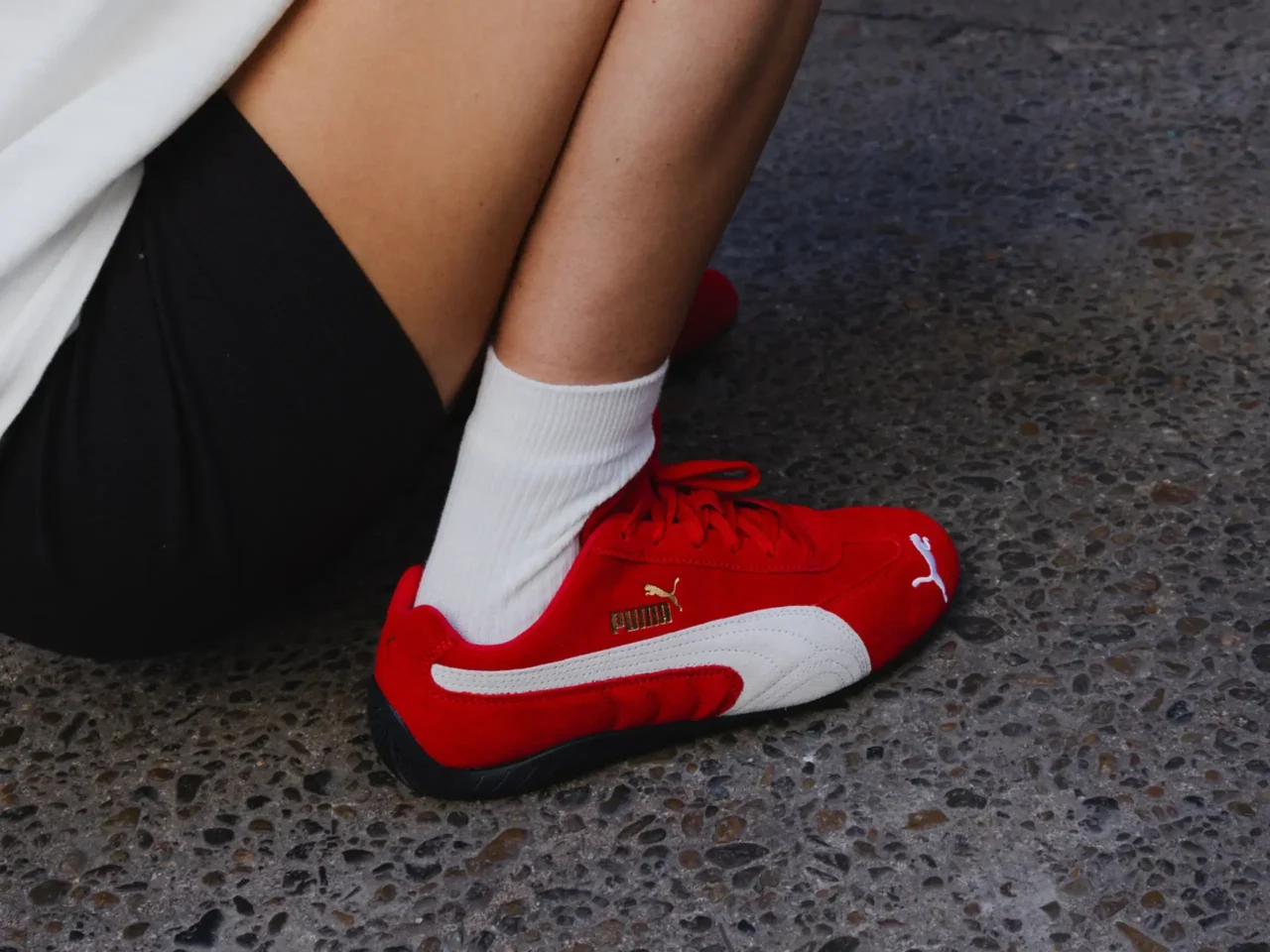
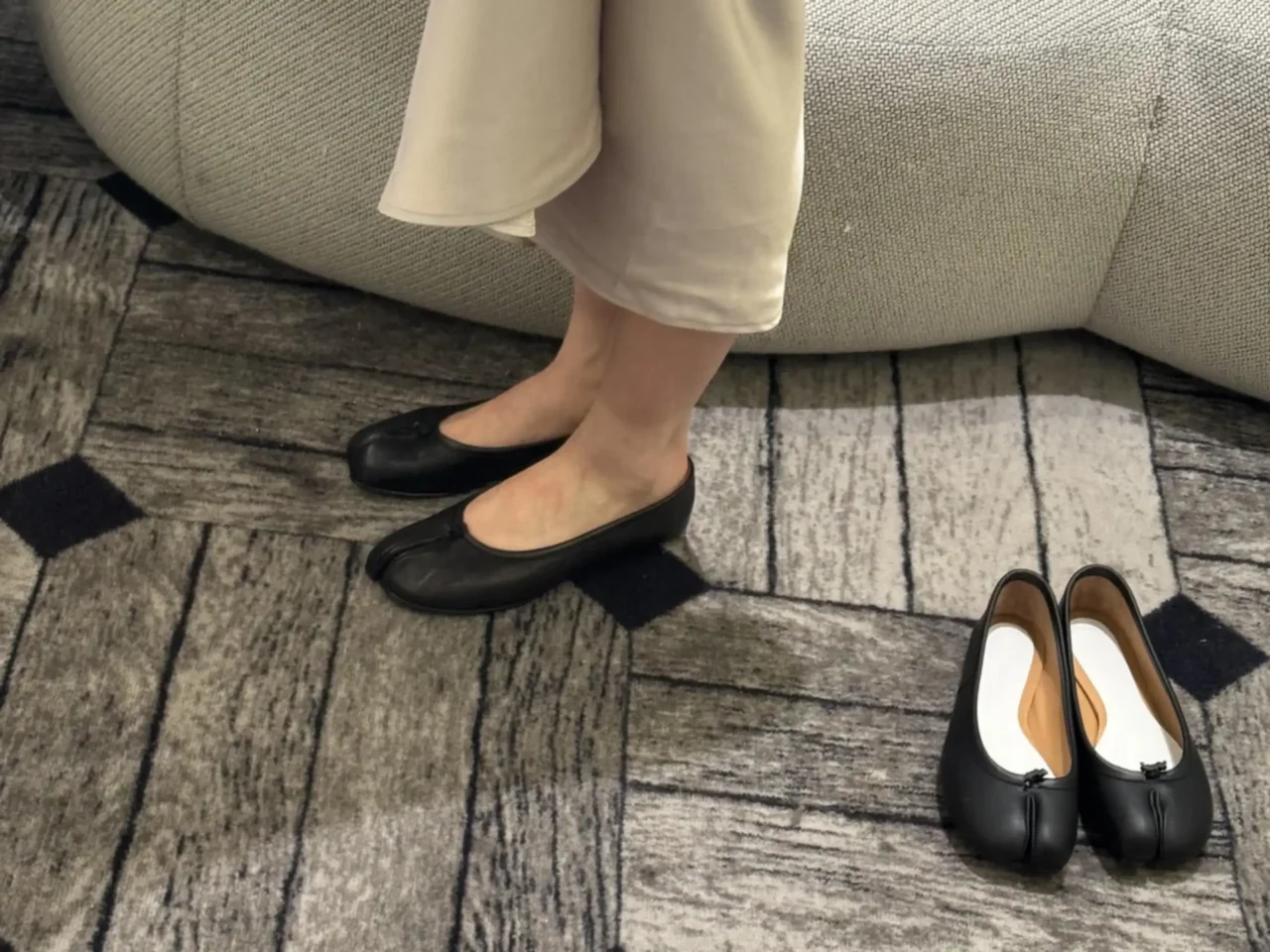
The unifying theme among these shoes is proximity to the earth. They are not interested in elevating the wearer. They are not interested in spectacle. Instead, they prioritize tactility, sensation, and a sense of bodily presence. They are shoes for people who want to feel their feet.
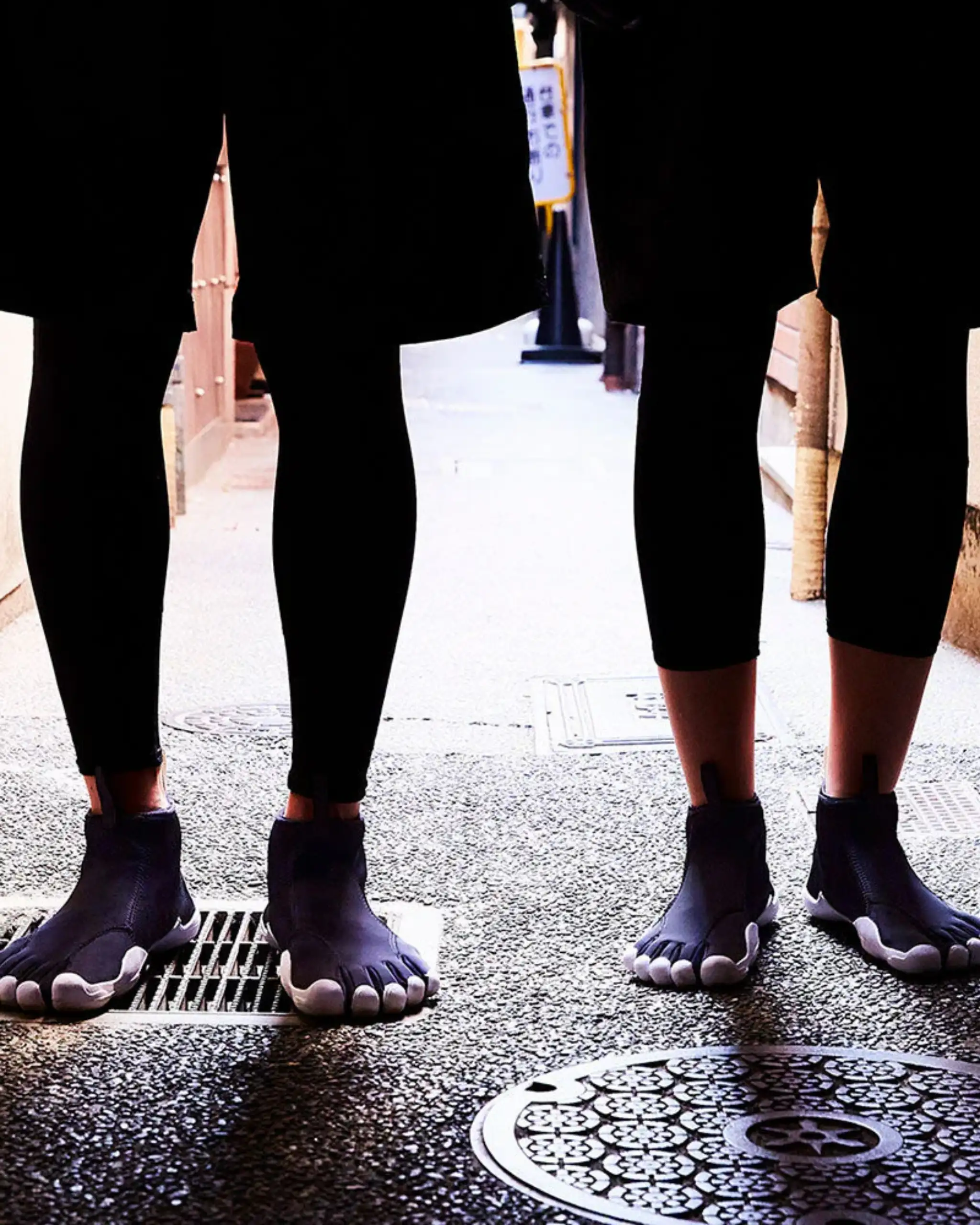
Of course, not everyone is on board. The Vibram FiveFingers remain a deeply polarizing item. Their toe-separated design is often likened to a frog’s foot, and wearing them in public can feel like an act of social resistance. But perhaps that’s part of the appeal.
The sensory return
And yet, if you pay attention to what’s bubbling beneath the surface, the FiveFingers may well be the canary in the fashion coal mine. Not because they will become ubiquitous, but because they signal a change in values. A turn away from shoes that perform for others and toward those that perform for the self. A rejection of padding, height, and illusion. An embrace of immediacy.
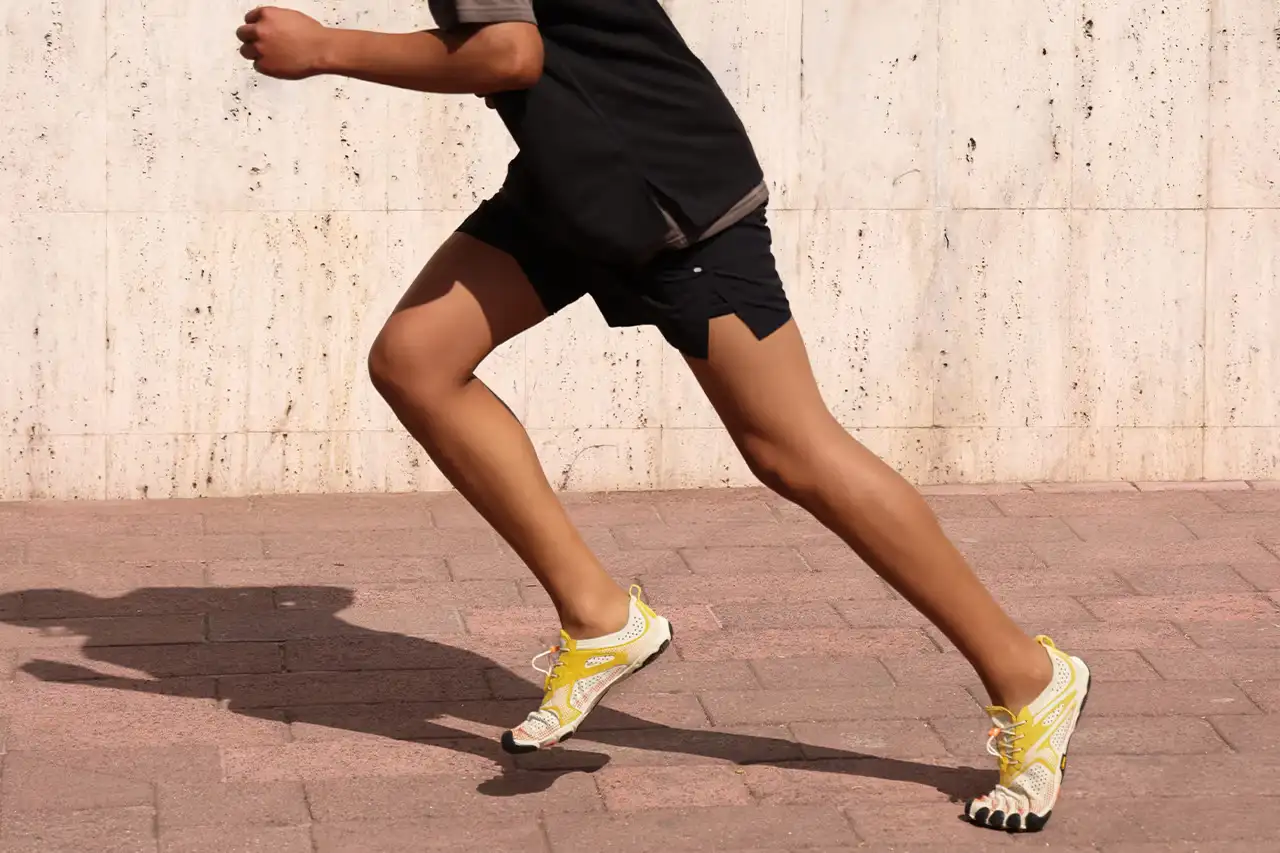
There is something undeniably intimate about feeling the ground as you walk. It changes the way you move. You take smaller steps. You notice cracks in the pavement. You become aware of weight distribution and balance. It’s a reminder that walking is not just transit but an act of relation to space and time. In this way, barefoot shoes belong not only to fashion, but to philosophy.
This new wave of footwear is not concerned with orthopedics or trendiness alone. It is part of a broader reevaluation of the body in modern life. As people grow increasingly disillusioned with the grind of optimization culture, there is a hunger for a return to lived experience. And fashion, always the mirror, reflects that back in soles that are thinner and closer.
Minimalist shoes won’t be for everyone. Some will hate them. Some already do. But trends rarely begin with consensus. They begin with discomfort and with dissonance. The barefoot rebellion does not announce itself. But if you listen closely, you’ll hear it. The sound of rubber brushing against concrete. The absence of a heel. The rhythm of steps, grounded and strange.
Photos courtesy Balenciaga, Nike, Vibram, Vivobarefoot, Onitsuka Tiger, Puma, Maison Margiela