Animal Print Is Back—and This Time, It’s a Year-Round Staple
Once seen as seasonal or excessive, animal print is now a consistent fixture in both luxury collections and everyday fashion




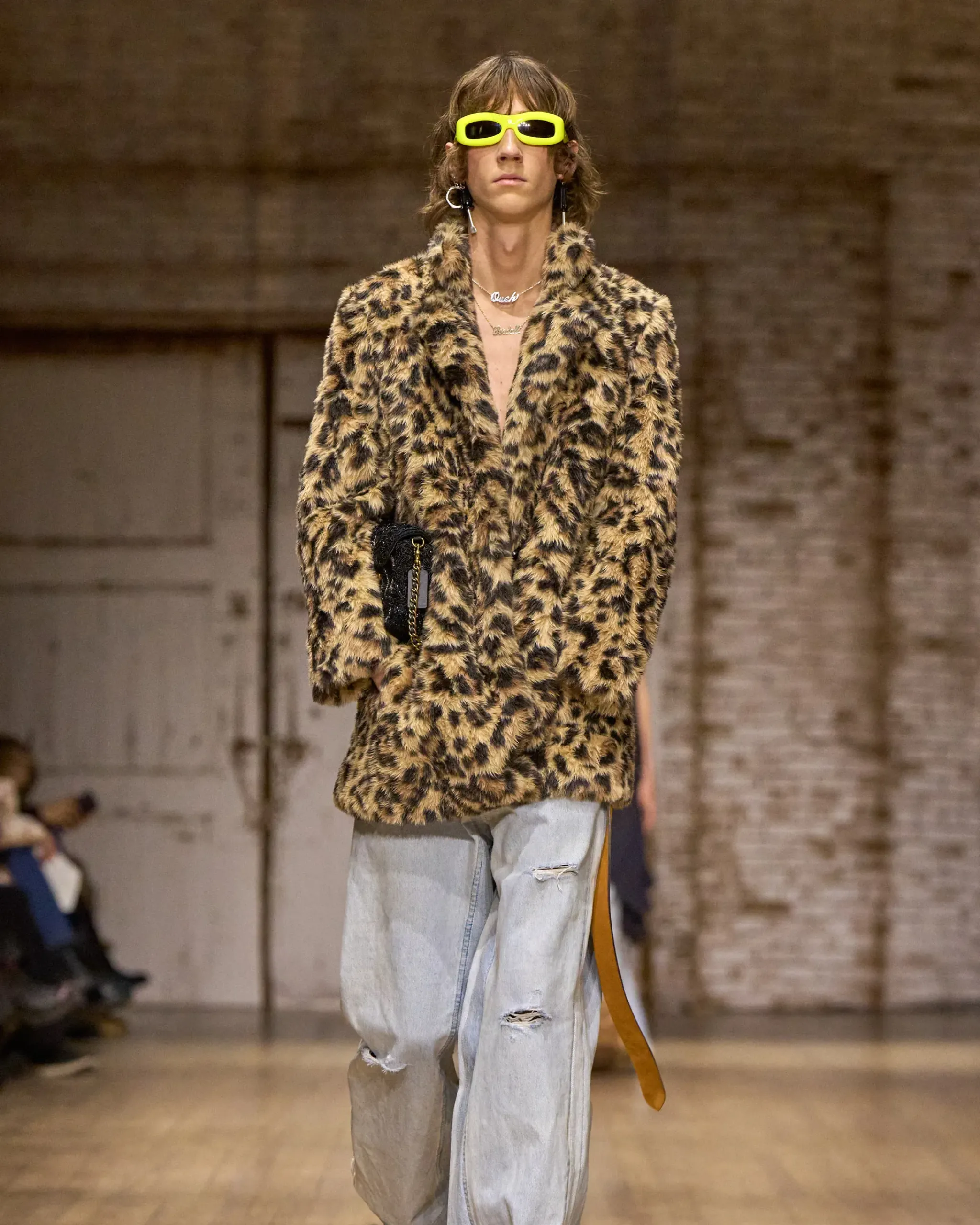
Walk on the wild side
Animal print, long regarded as a maximalist flourish or periodic comeback, is now reasserting itself as a central motif in contemporary fashion. Once considered eccentric or nostalgic, it is being reframed across runways and retail as a visual neutral. Particularly this season, animal print is coordinated and deployed with the consistency of denim or monochrome.
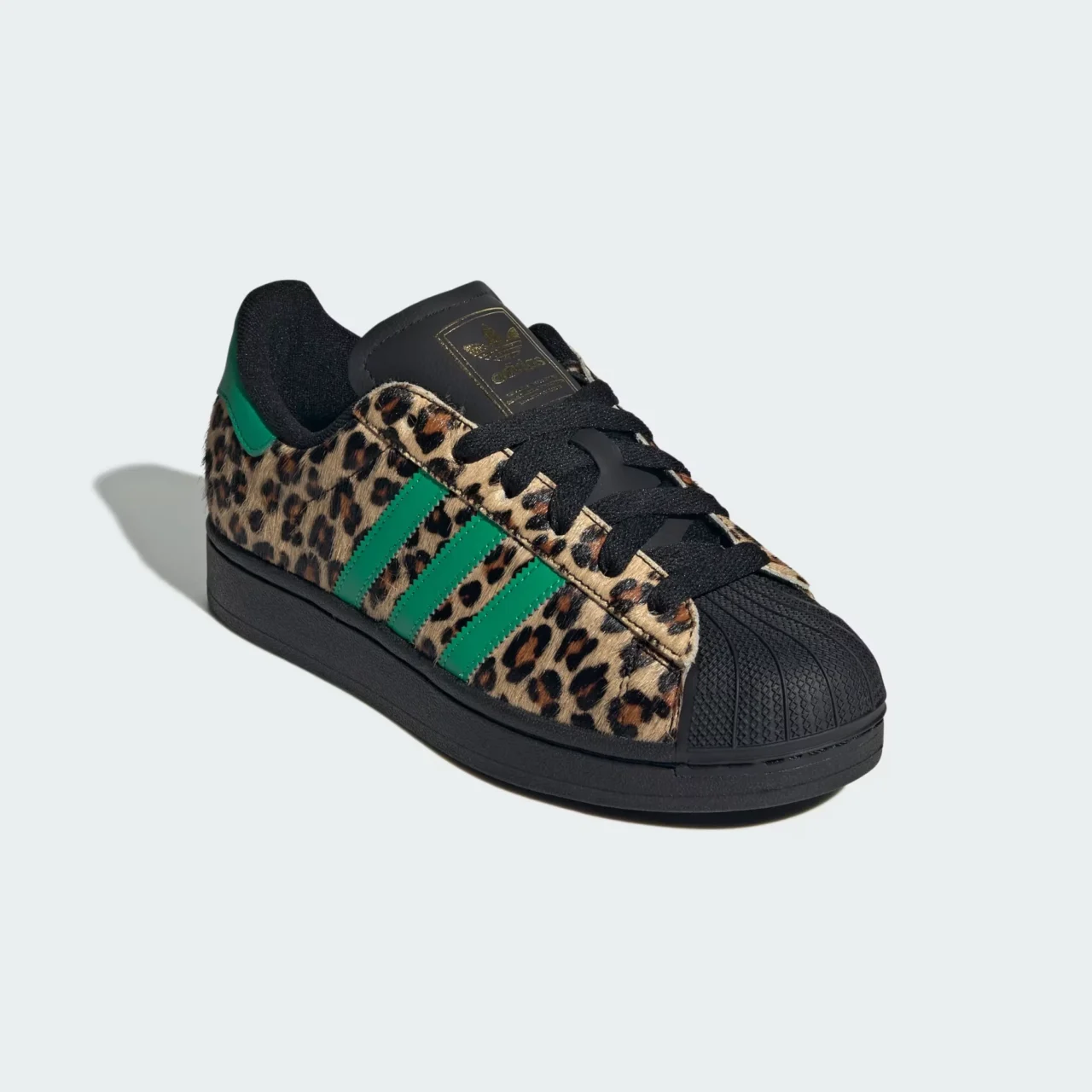
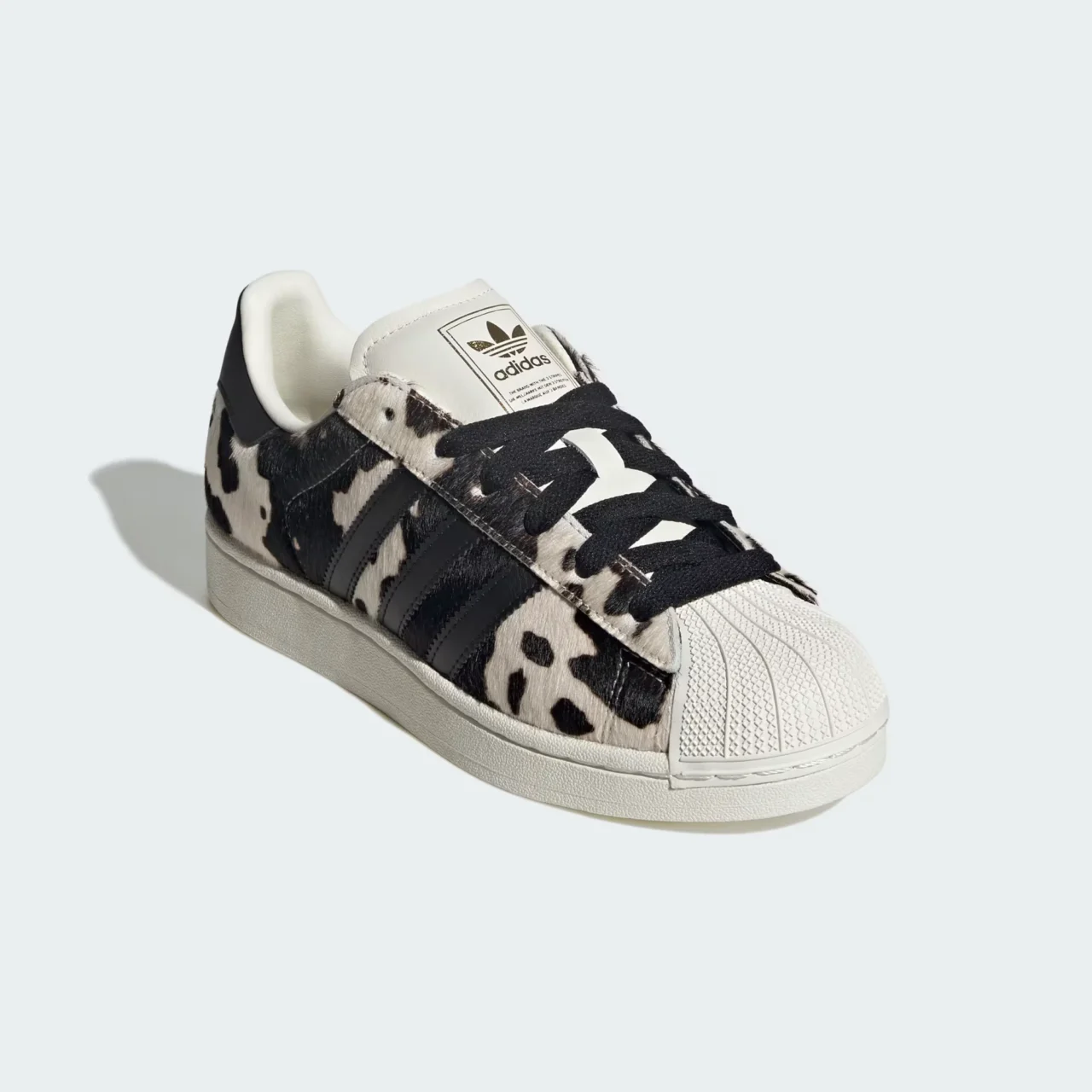
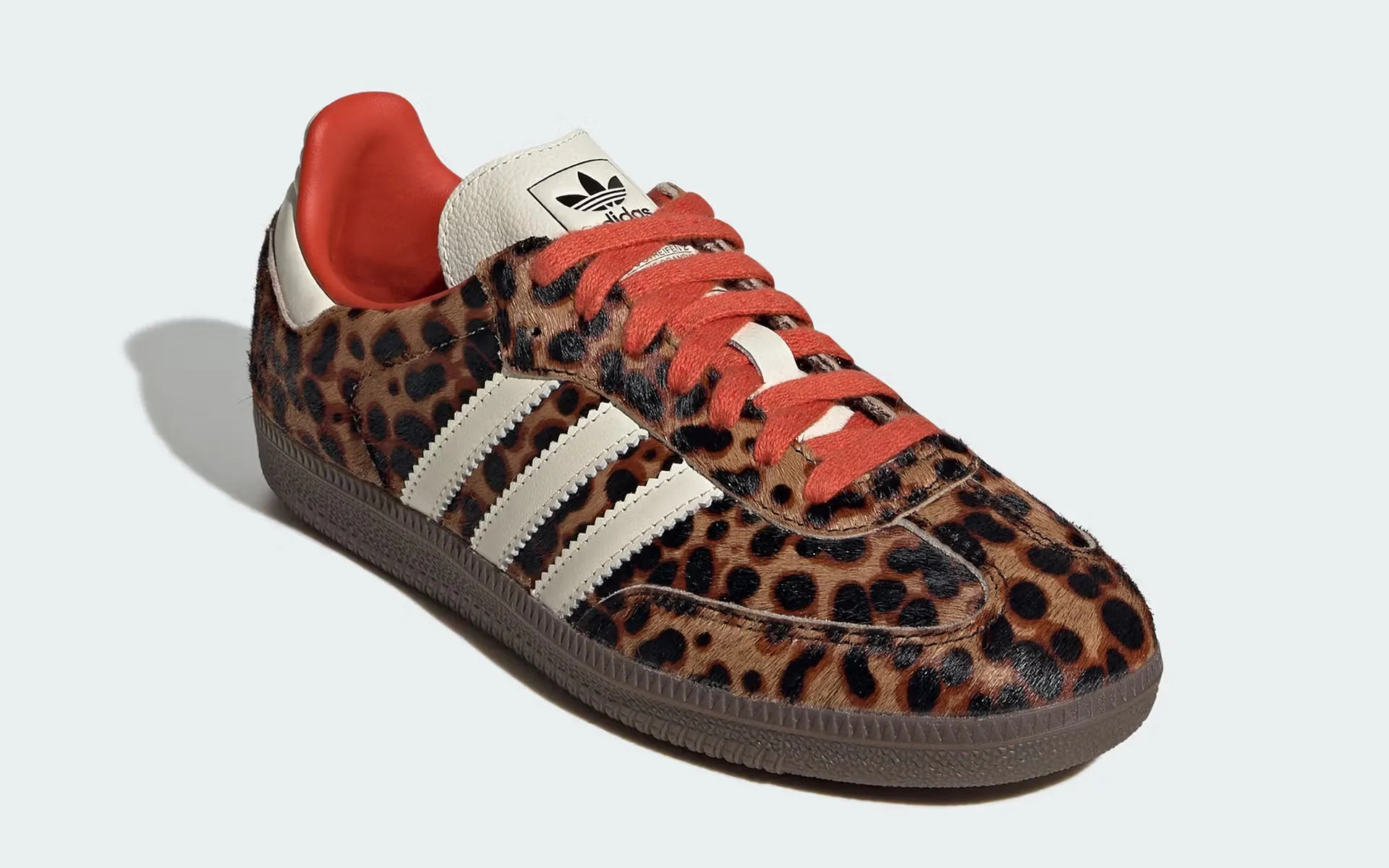
Footwear has been a critical entry point in the trend’s latest resurgence. Brands such as Adidas have leveraged familiar silhouettes to test the reach of pattern-based design within their core product lines. Following the success of its leopard-print Samba, Adidas has extended the motif to other staples including the Superstar II and Campus 00s. These shoes now appear in cow, leopard, and zebra variations, textured in faux pony hair, color-blocked with earth tones, and restyled with the intention of permanence.
READ MORE: Too Many Pockets, Not Enough Trout—The Rise of Anglercore
Runway redux
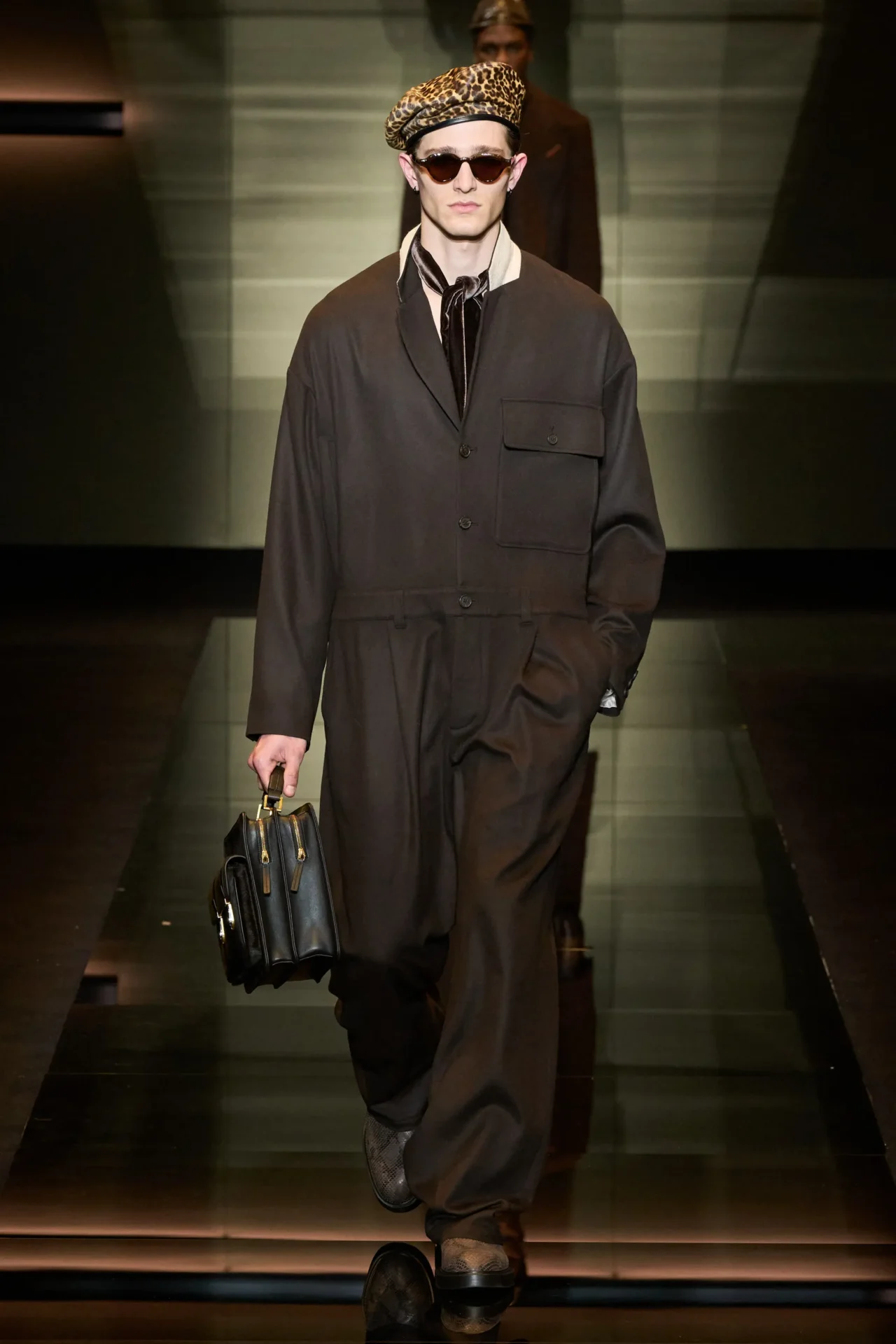
However, the animal print story is not confined to footwear. Recent Fall/Winter 2025 runways showed a clear alignment across luxury fashion houses. At Emporio Armani, animal print appeared in outerwear and eveningwear, rendered in subdued palettes and modern tailoring.
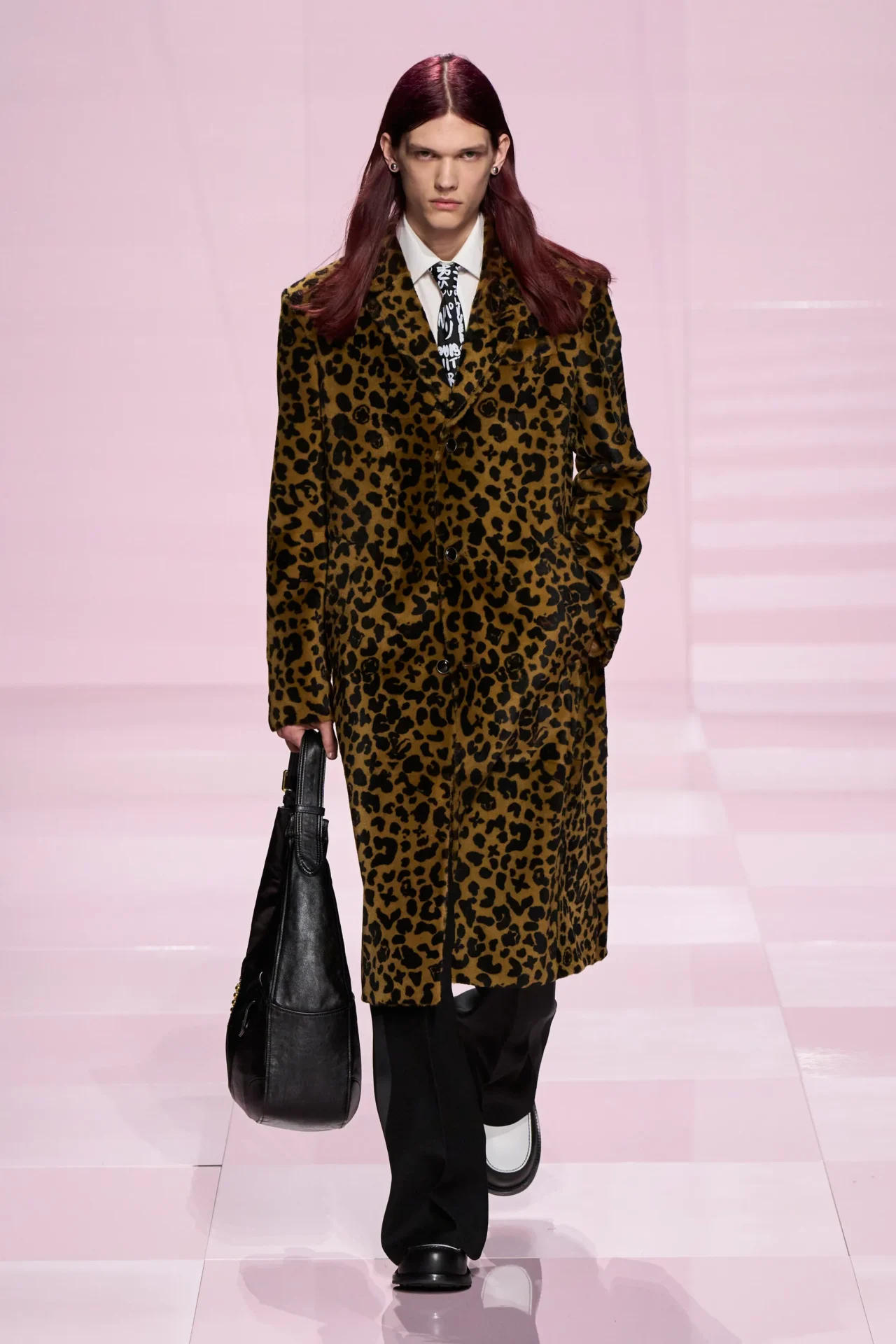
Louis Vuitton and Prada both approached the motif with restraint, integrating it into their respective frameworks of utility and futurism. Their treatment suggested that animal print can function within highly disciplined aesthetic systems. Dolce&Gabbana, predictably more theatrical, leaned into its heritage approach to leopard and cheetah. Yet even there, the styling felt more embedded in a broader narrative of everyday opulence.
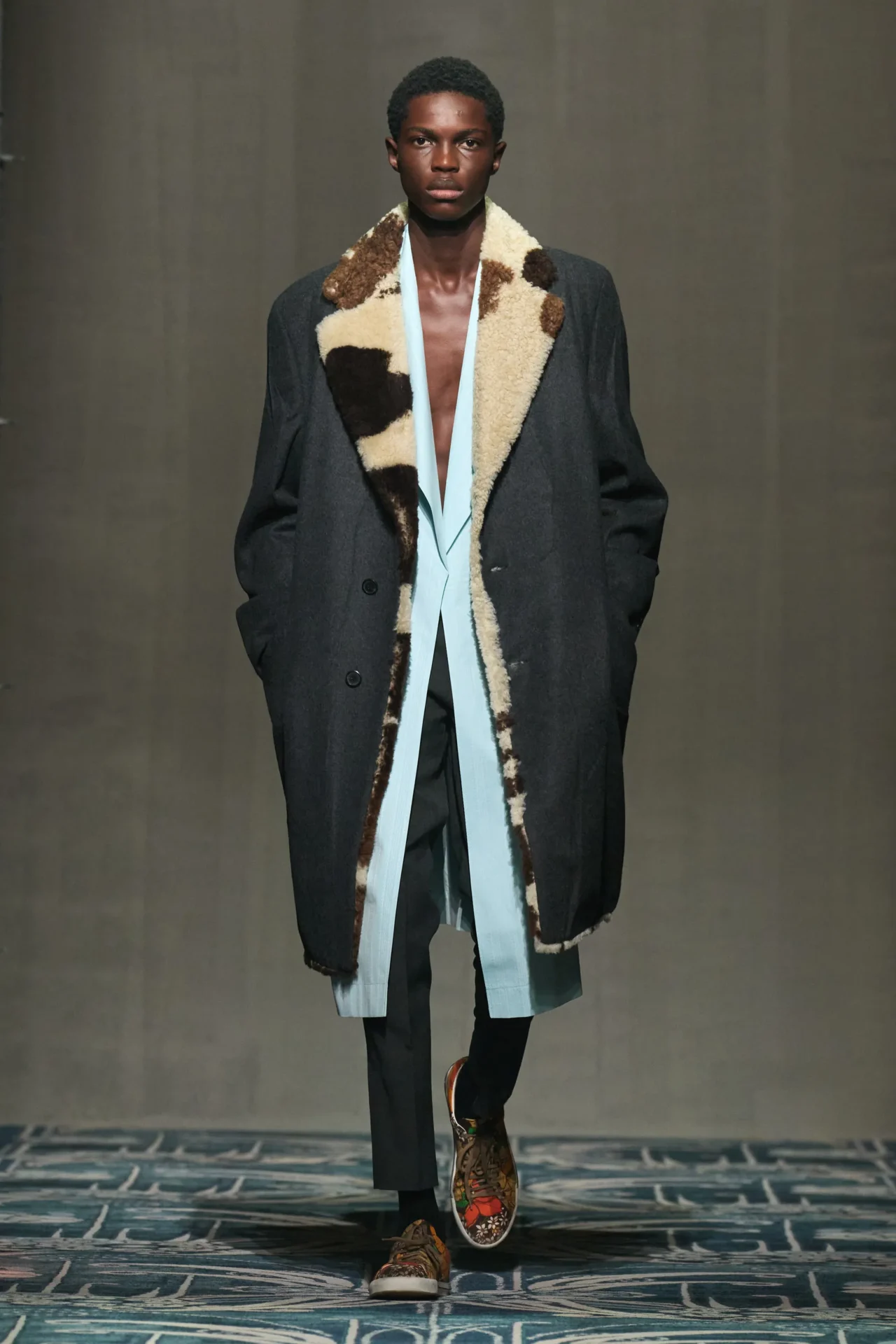
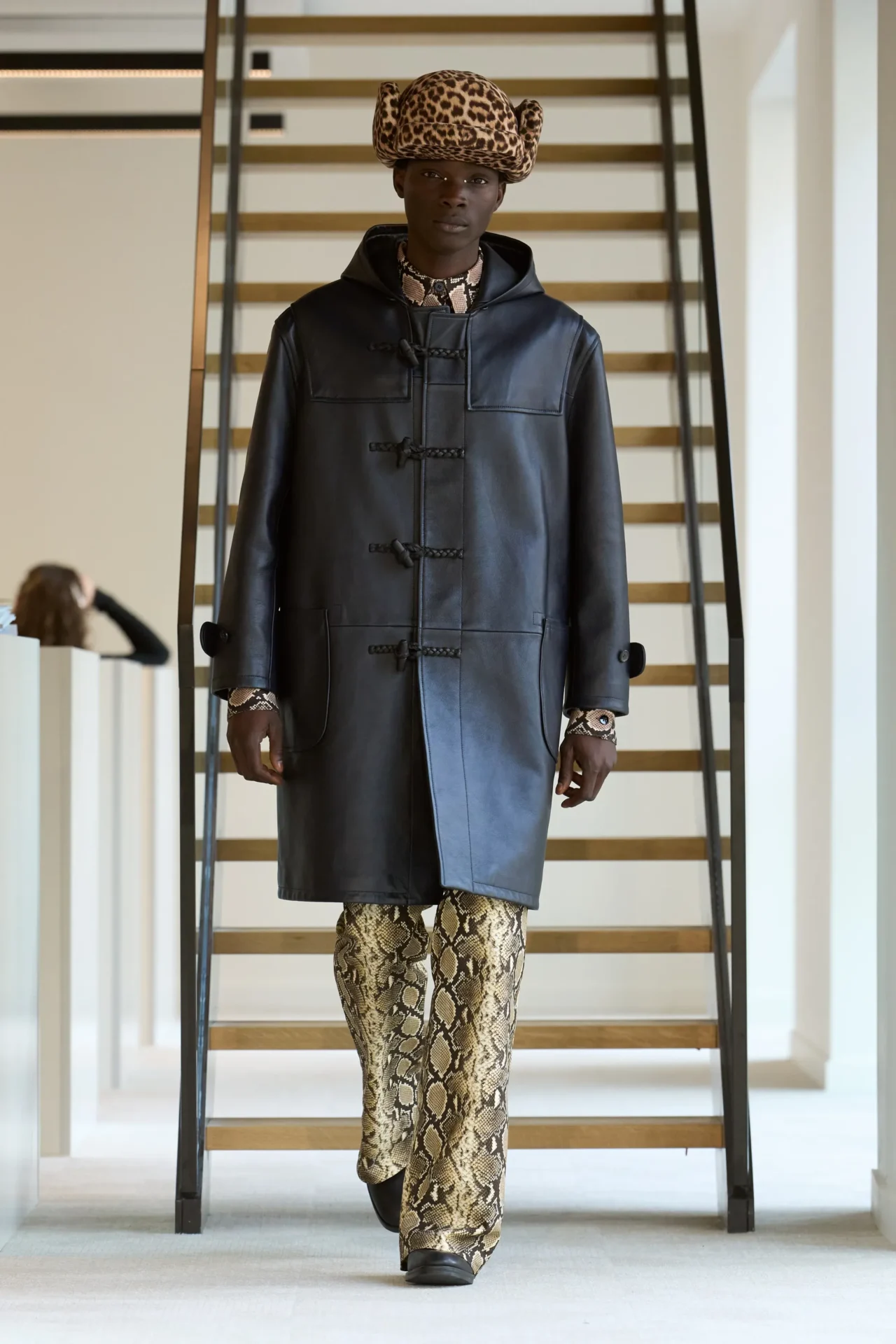
What unites these executions, whether on a runway coat or a street-level sneaker, is the move toward normalization. Animal print is no longer used to provoke or decorate; it is being positioned as part of fashion’s language of versatility. In that sense, it now occupies the space once held by houndstooth, pinstripe, or even camouflage. It is a recognizable visual structure that can be adapted across garments and categories, regardless of season.
This shift is strategic. In a retail environment where attention is fragmented and taste is algorithmically flattened, animal print offers clarity without redundancy. It operates at the intersection of memory and modernity: instantly recognizable, but now stripped of its historical baggage. Consumers are no longer expected to wear it as irony or statement. It functions, instead, as a kind of style infrastructure. A pattern system that works across formal and casual, tailored and athletic.
Sneakers started it
Footwear may have accelerated the print’s broader adoption because of its utility. Shoes allow for contrast without commitment. They can carry texture and color without destabilizing an outfit. But the runway’s endorsement suggests something more systemic. Animal print is being reabsorbed into the logic of contemporary dressing. It no longer exists on the fringe. It operates from the center.
The language around animal print is also changing. It is no longer shorthand for rebellion or sensuality. In 2025, it is being used to signal coherence, confidence, and even restraint. The prints themselves haven’t changed, but the fashion context around them has. What once needed careful styling or a supporting moodboard is now worn plainly, paired with technical outerwear, knits, and monochrome tailoring.
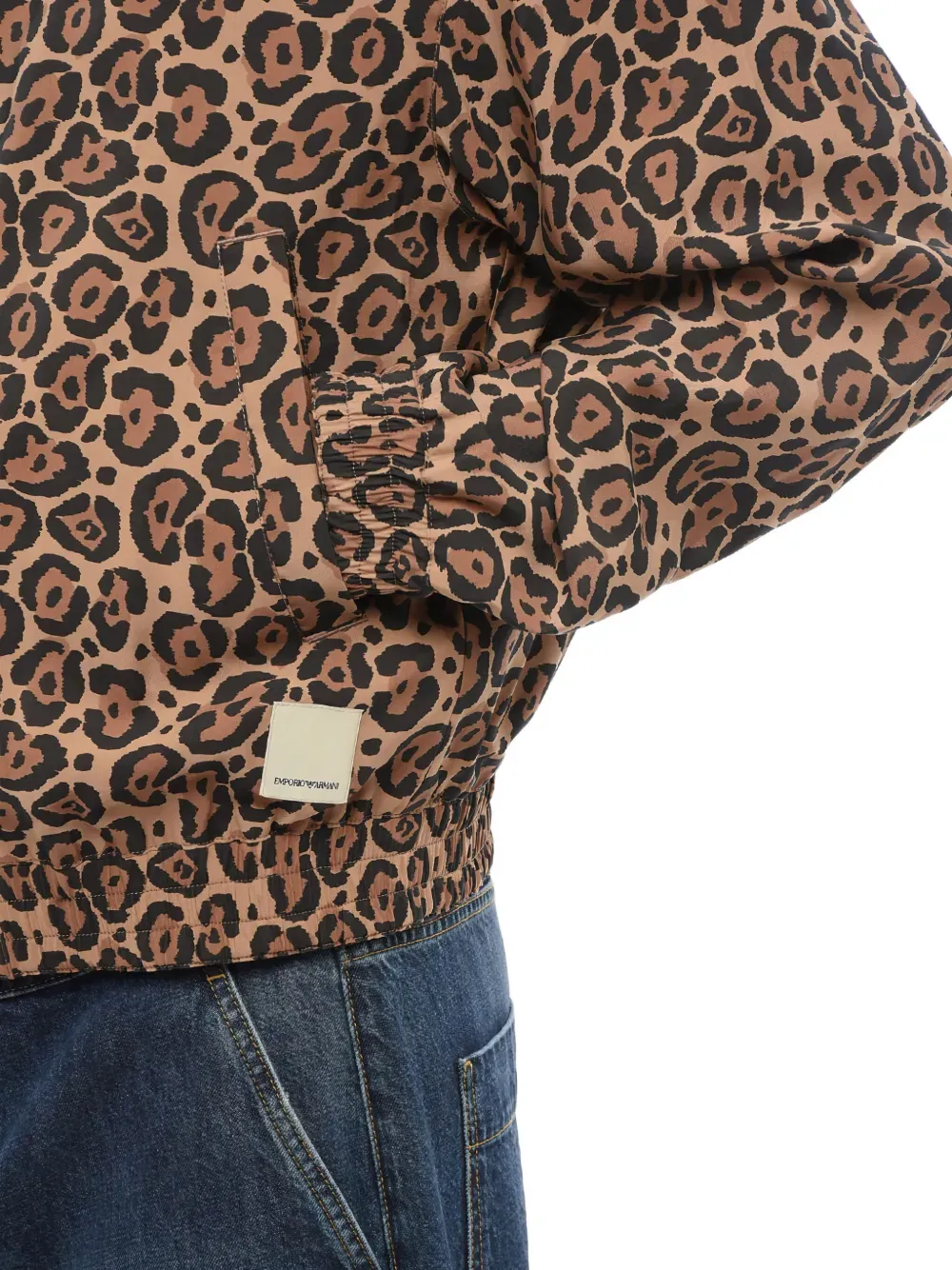
Across price points, from luxury collections to accessible sportswear, animal print is being used to stabilize. Its visibility is no longer the point. Its integration is.
What we’re witnessing is less a trend cycle and more a shift in visual coding. Animal print is no longer the outlier; it is the new baseline. The pattern has been domesticated, streamlined, and made essential.
Photos courtesy Coach, Adidas, Emporio Armani, Louis Vuitton, Prada, Duran Lantink