7 Classic Suiting Rules for Men (and the Right Way to Break Them)
The longstanding rules of menswear are being reexamined, reinterpreted, and increasingly set aside





For decades, menswear operated under a clear set of rules. These rules weren’t arbitrary; they were rooted in proportion and a shared understanding of what it meant to be well dressed. But in today’s fashion landscape, where personal style often overrides formal codes, many of those long-standing guidelines are being questioned, and in some cases, deliberately discarded.
This is not to say that every menswear rule is obsolete. But the rigidity once associated with classic menswear has loosened. What was once seen as a misstep, such as mixing suit separates, mismatching accessories, or letting the short end of a tie show, is now often considered a marker of informed dressing. Below is a closer look at seven traditional menswear rules and how they are being reinterpreted.
ALSO READ: 5 Ways to Wear Corpcore in 2025
1. Don’t break up a suit

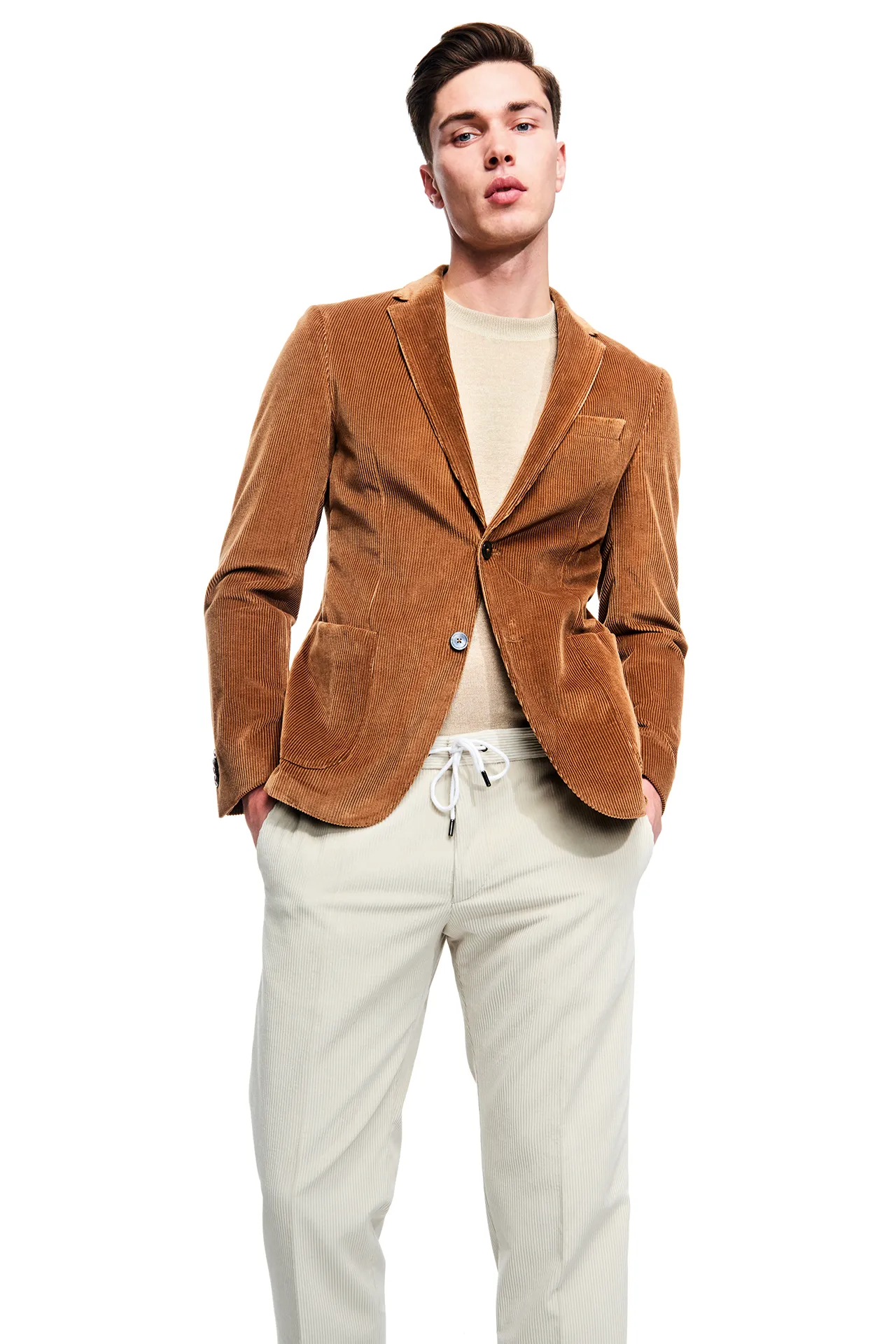
How the rule worked: Suits are traditionally worn as complete sets, with the jacket and trousers cut from the same cloth, sold together, and worn together.
What’s changing: Today, suiting is more modular. A navy jacket paired with gray trousers is no longer a fashion faux pas; it is a practical and stylish way to extend the use of a wardrobe. Texture helps, as pairing a flannel jacket with smoother trousers creates visual depth. The key is proportionality, with matched fits and no clashing patterns.
2. Belt and shoe colors must match

How the rule worked: Black shoes with a black belt, brown shoes with brown. This was once considered non-negotiable.
What’s changing: As shoes become more varied in texture and tone, such as gray suede, blue leather, or contrast midsoles, exact color matching has become less realistic. Instead, men are choosing belts that reflect complementary tones, like matching a belt to the shoe’s sole or welt, or selecting belts that tie in with other accessories. The emphasis has shifted from strict uniformity to overall cohesion.
3. Shirt pattern must dominate over tie pattern
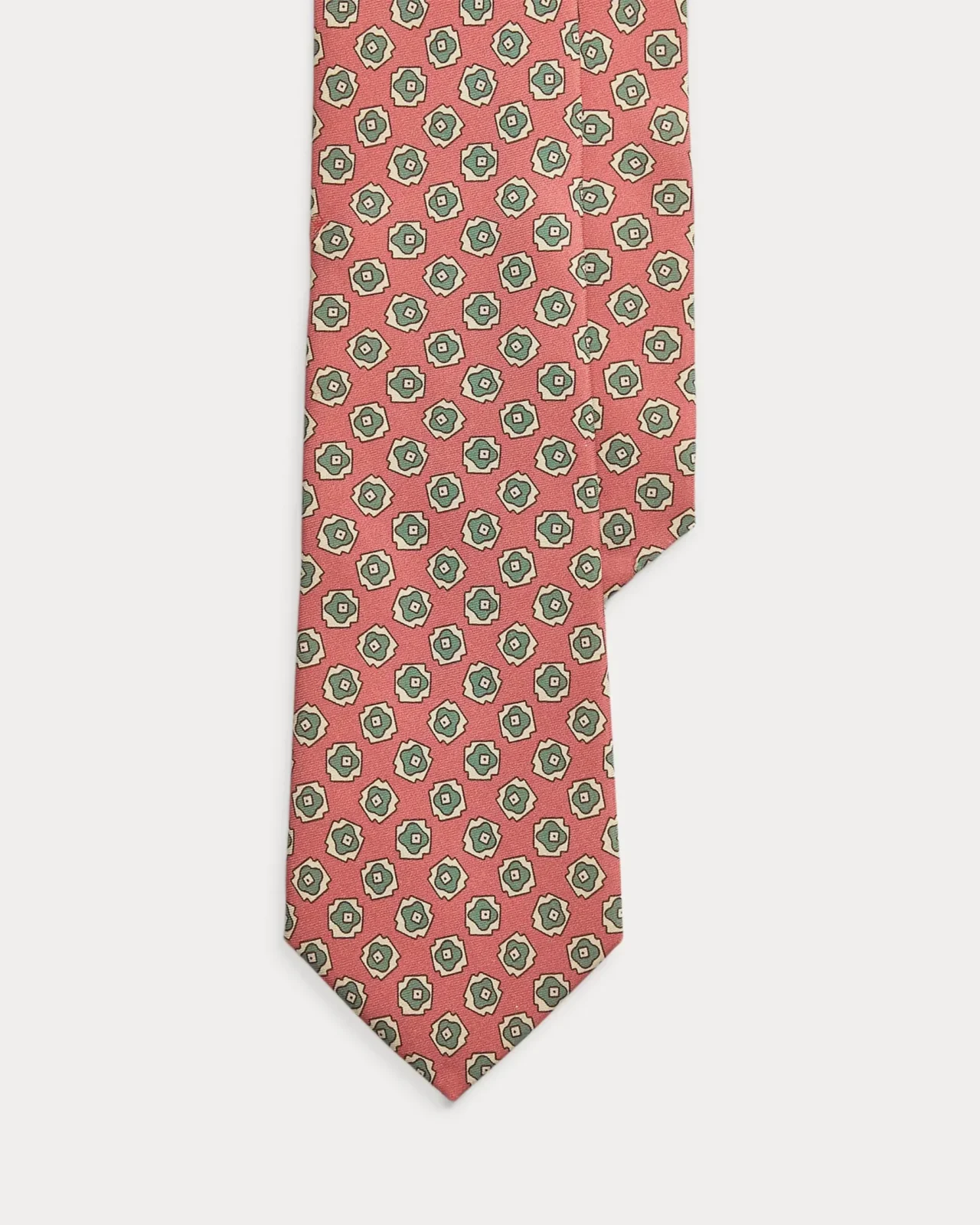
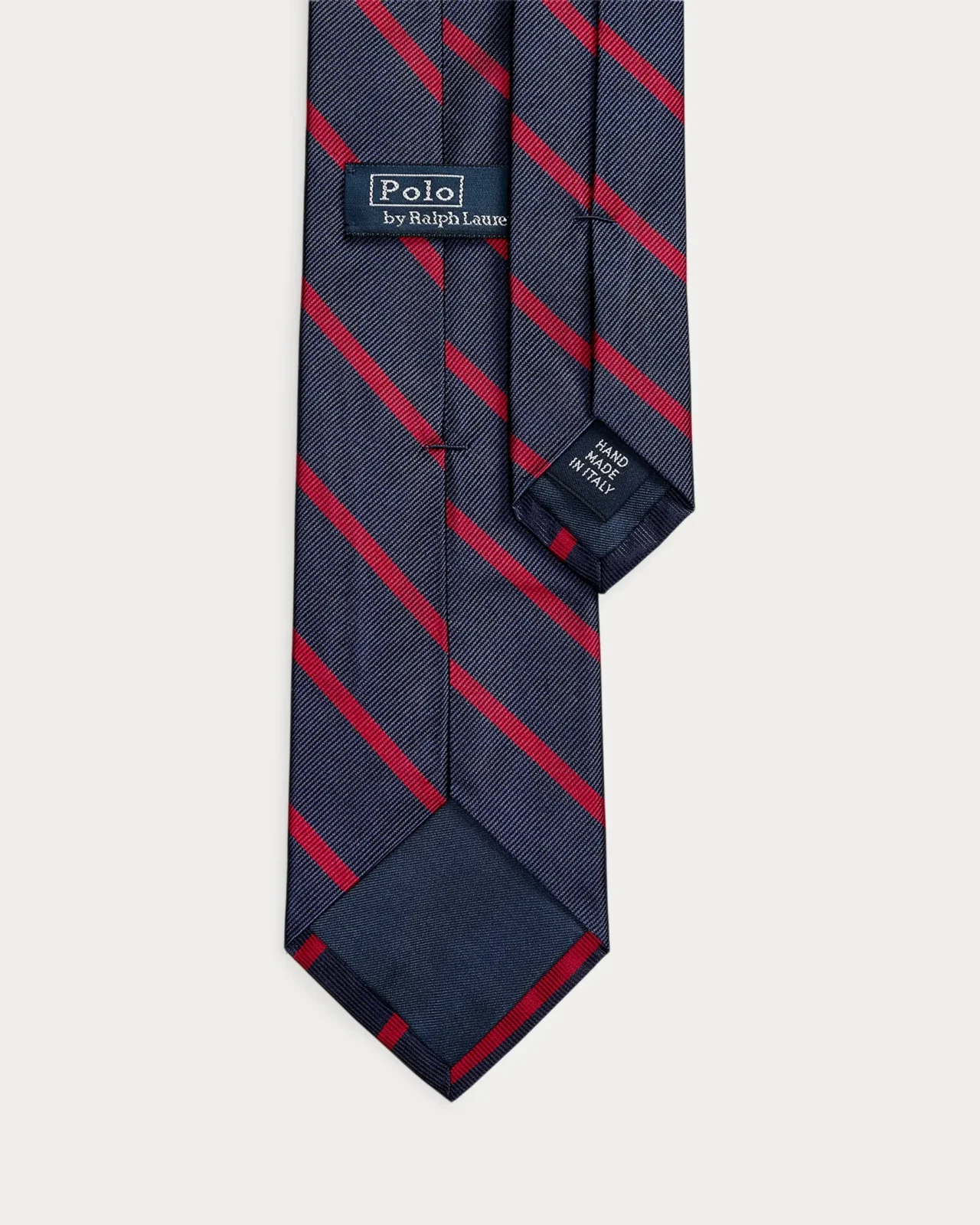
How the rule worked: Wearing a louder tie over a subtle shirt was once discouraged to avoid visual clutter.
What’s changing: Pattern mixing has evolved into a more sophisticated game of scale and contrast. A tie with a bold motif can work with a patterned shirt, as long as the patterns differ enough in size and the color palette remains restrained. Rather than avoiding clashes entirely, the modern approach focuses on managing the relationship between pieces.
4. Always tuck the short end of the tie

How the rule worked: The thin end of the tie was traditionally kept hidden behind the front blade to maintain a neat and symmetrical appearance.
What’s changing: The sprezzatura movement, which originated in Italian menswear circles, champions relaxed elegance. Letting the short end of the tie show or hang slightly lower is increasingly accepted in informal contexts. It is a subtle signal of dressing with confidence, though still considered inappropriate for strictly formal occasions.
5. Show 1/4 to 1/2 inch of short cuff
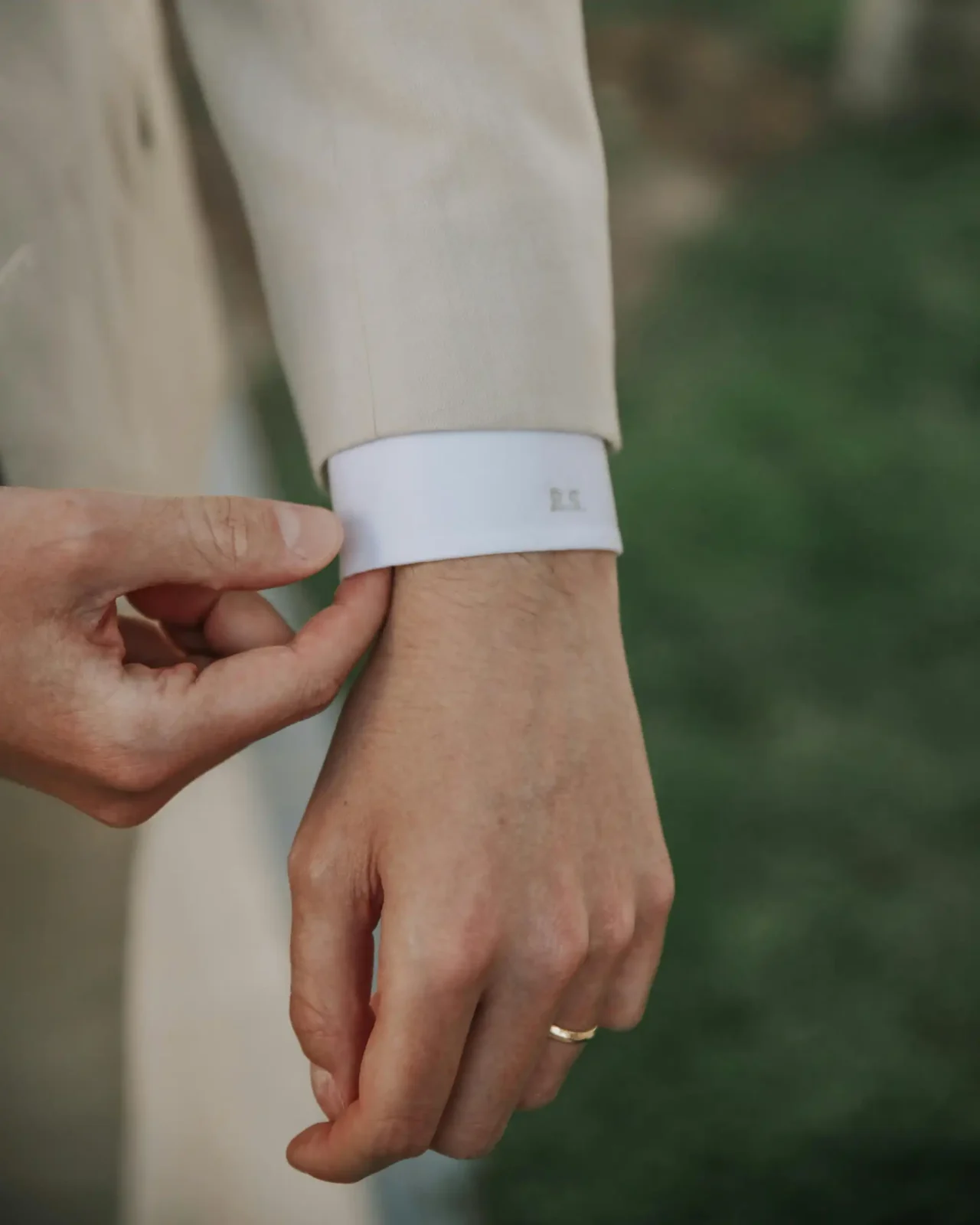
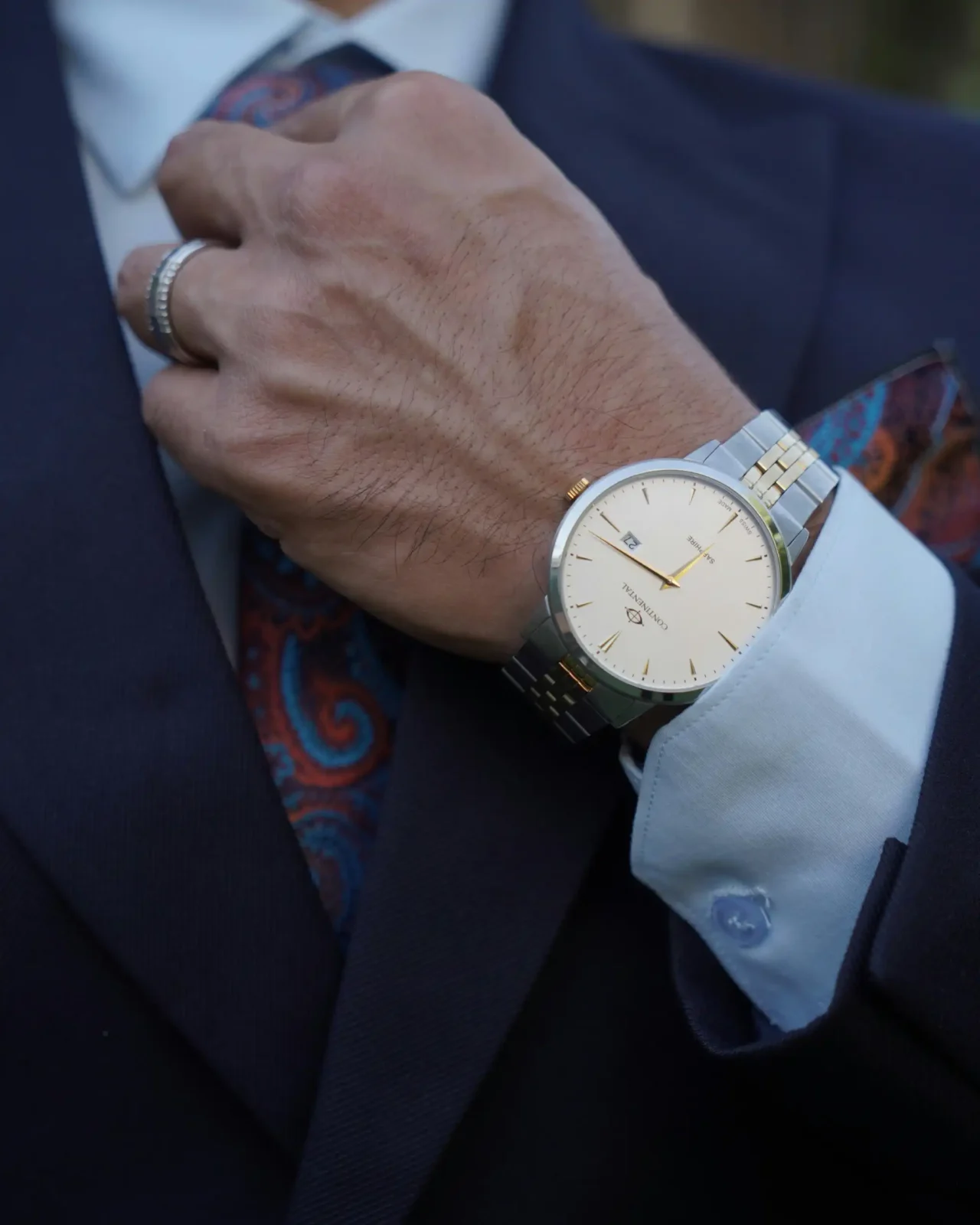
How the rule worked: This measurement was once the gold standard for tailoring, ensuring clean lines at the wrist and signaling a well-fitted shirt and jacket combination.
What’s changing: The reality of off-the-rack suiting makes perfect sleeve length difficult to achieve without tailoring. Many are now accepting a wider range of cuff visibility, as long as neither the jacket nor the shirt sleeve is drastically misaligned. The overall goal is balance, not perfection.
6. Formal shoes require hemmed trousers
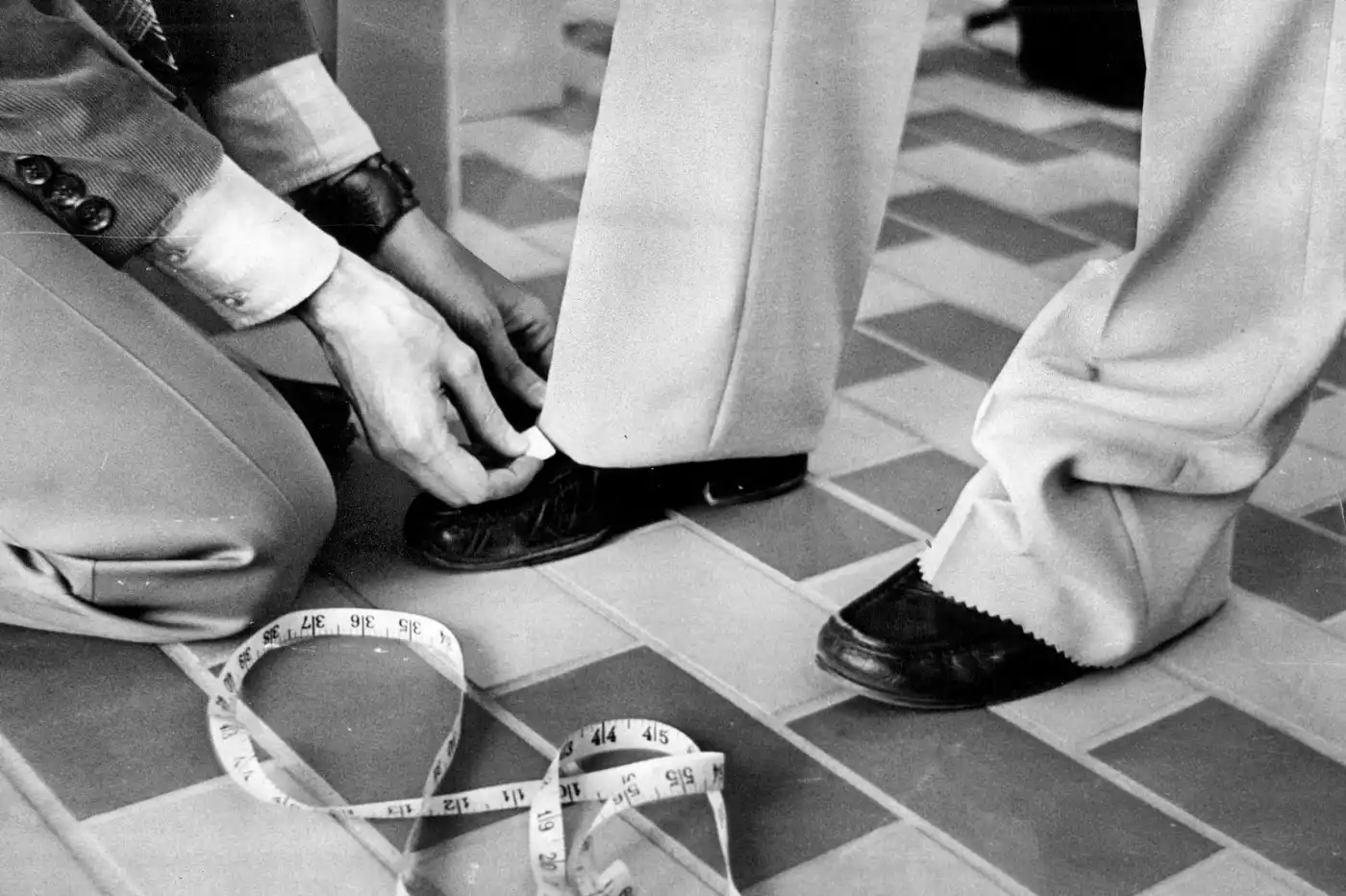
How the rule worked: Clean, tailored trousers were the expected match for classic formal shoes such as Oxfords, Derbies, and Loafers.
What’s changing: Boots, particularly slimmer styles like Chelseas or chukkas, now serve as a bridge between formal and casual. They pair well with tailored trousers, cropped hems, and even raw edges, as long as the trousers are cut to accommodate their shape. The emphasis is now on silhouette and intention rather than strict adherence to dress codes.
7. Match socks to trousers
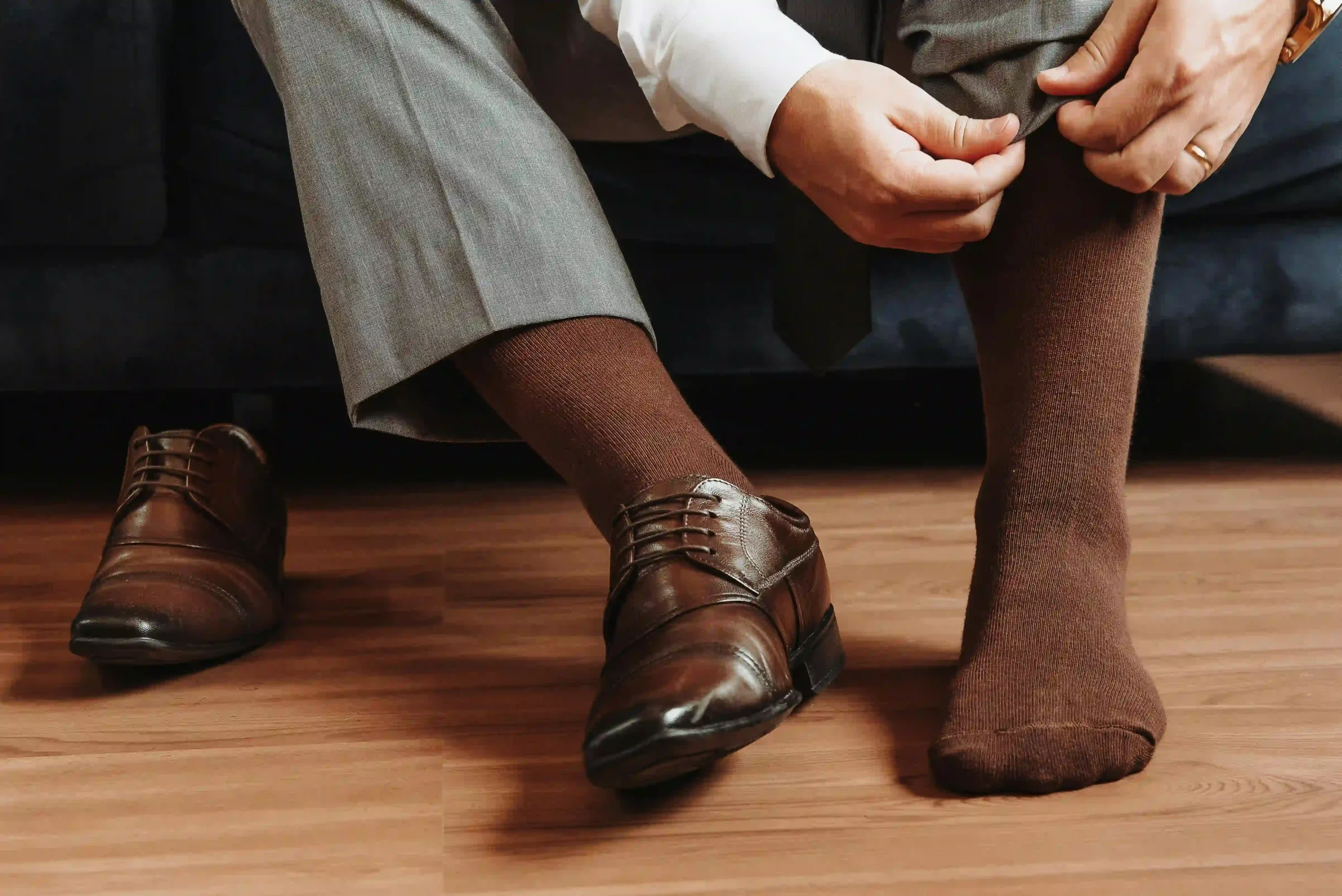
How the rule worked: Socks in the same color as the trousers were traditionally used to create a seamless leg line and maintain visual continuity.
What’s changing: Exact color matches are difficult in practice and often unnecessary. Darker socks in the same tonal family, or patterned socks that reflect another element of the outfit such as a tie or shirt, can achieve the same effect while adding personality. The only misstep is wearing novelty socks with no connection to the rest of the outfit. Contrast is welcome, but randomness is not.
What’s shifting?
What ties all these shifts together is a broader move away from rigid adherence and toward personal expression. In previous generations, dressing well meant following a rulebook. Today, it is about showing that you understand the rules and breaking them with intention.
This does not mean menswear has entered a completely rule-free era. Poor fit, clashing tones, and over-accessorizing are still missteps. But style is no longer about checking off a list. It is about fluency, knowing what works, when to follow tradition, and when to move beyond it.
In short, the modern well-dressed man is not defined by how closely he follows the rules but by how thoughtfully he chooses to break them.
Photos courtesy BOSS and Ralph Lauren