
Would You Watch a Dead Superstar Perform Live?
Innovations in volumetric rendering and high-frequency light-field projection are redefining the live concert experience, granting iconic performers a high-definition form of immortality




The finality of a legendary artist’s passing was once an undisputed truth in the music industry. When the stage lights dimmed for the last time, fans were left with static recordings and fading memories.
In 2026, ultra-short-throw projectors and volumetric rendering are breaking that silence. The industry has moved beyond nostalgia into digital resurrection, rewriting the boundary between historical legacy and live performance.
Holographic technology has evolved from a festival novelty into a multi-billion-dollar residency business, effectively giving icons a second life. Audiences are now paying to watch high-definition recreations performed on stage.
The pioneers: Michael Jackson to ABBA
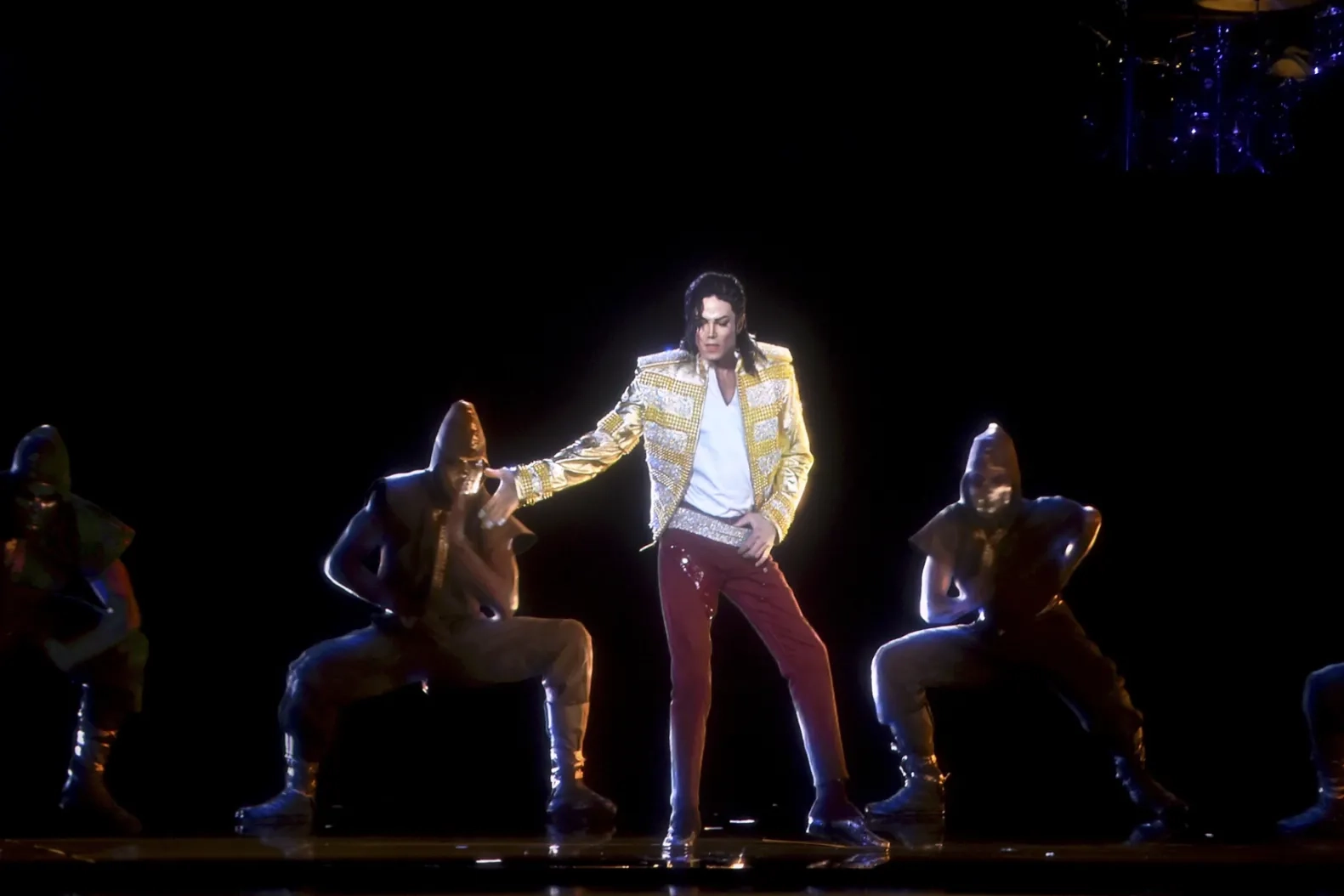
While the technology feels futuristic, its mainstream arrival was punctuated by the 2014 Billboard Music Awards, where a “holographic” Michael Jackson performed Slave to the Rhythm. The effect, groundbreaking at the time, relied on a modernized version of a Victorian stage illusion, projecting a 2D image onto a transparent surface.
The current gold standard is ABBA Voyage in London, which uses a 65-megapixel LED backdrop and a large-scale application of the Pepper’s Ghost principle.
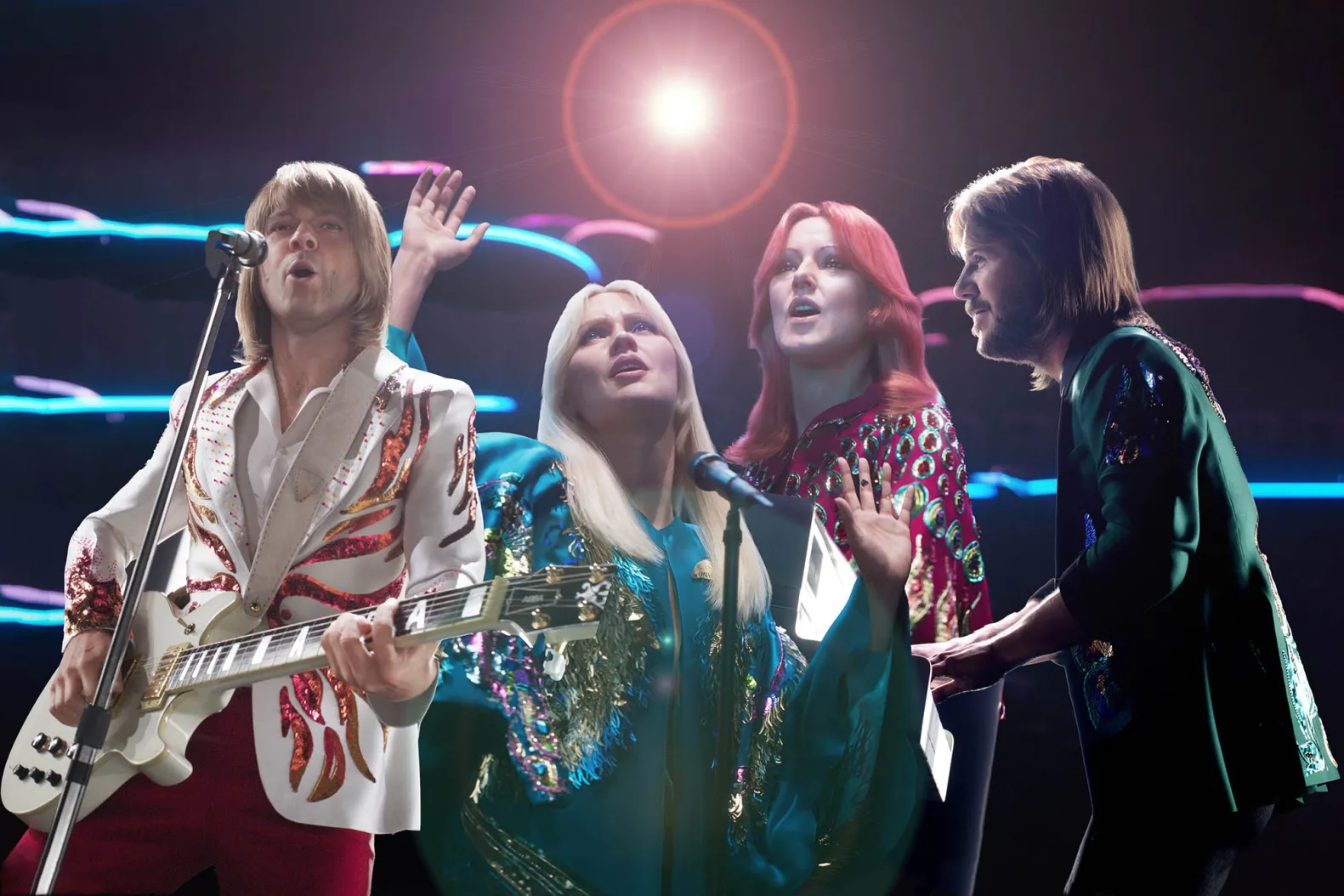
Created by Industrial Light & Magic (ILM), the “ABBAtars” are the result of months of performance capture, with the original band members wearing motion-capture suits to record every nuance of movement.
The arena’s system maps synchronized lighting across 30,000 points, aligning the digital performers’ shadows with the physical stage in real time. This eliminates visible seams and strengthens the illusion of a physically present band.
Volumetric horizons and future icons
This year, the technology is advancing toward true volumetric light-field displays. These systems reproduce light-ray fields, allowing audiences to perceive different perspectives of a performer based on their position in the venue, without the need for 3D glasses.
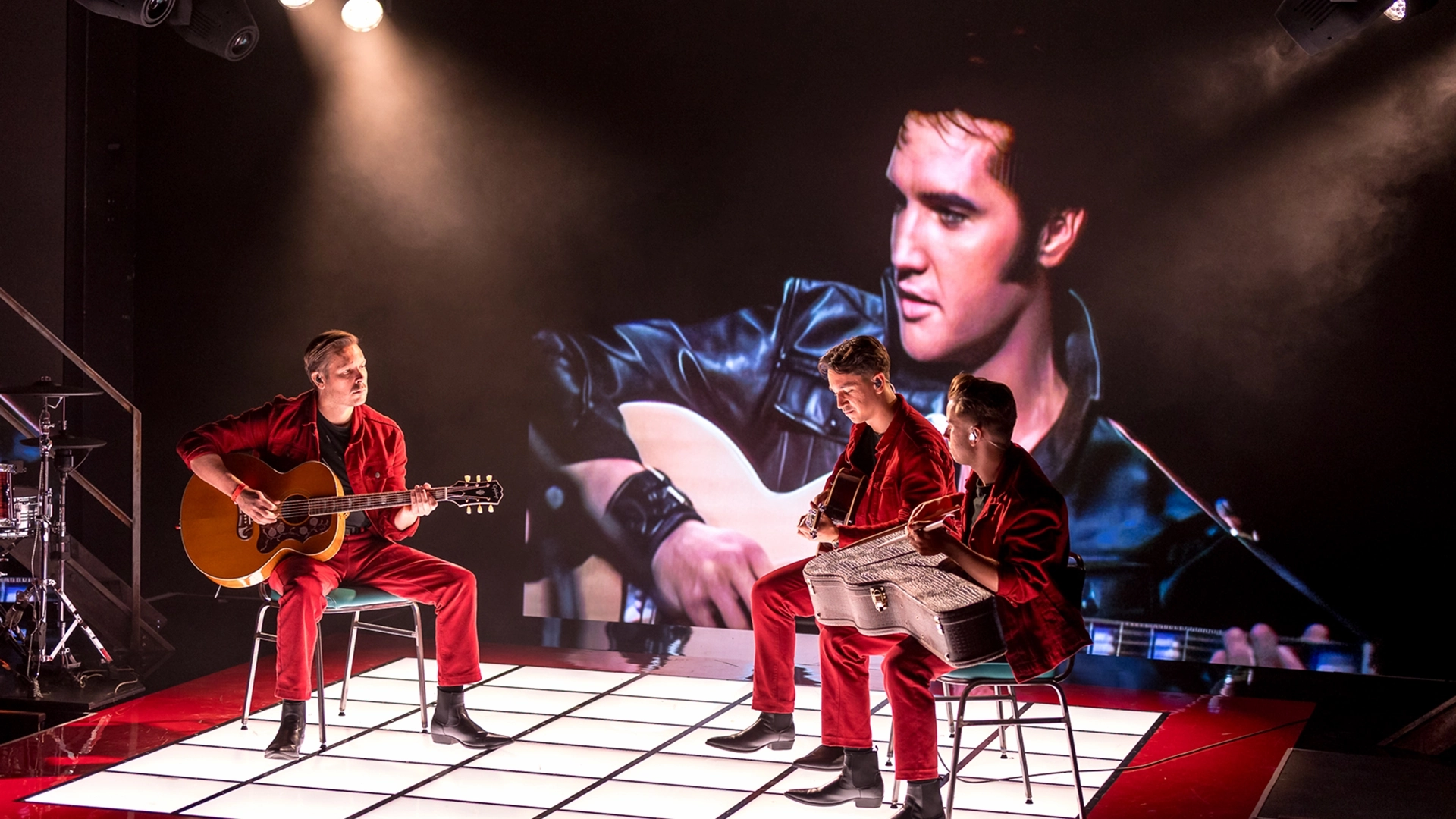
The Elvis Evolution residency uses high-speed spatial light modulators and digital de-aging from thousands of hours of 1968 footage to create a life-sized, photorealistic Elvis. The rendered performer interacts with live musicians in a 4D environment.
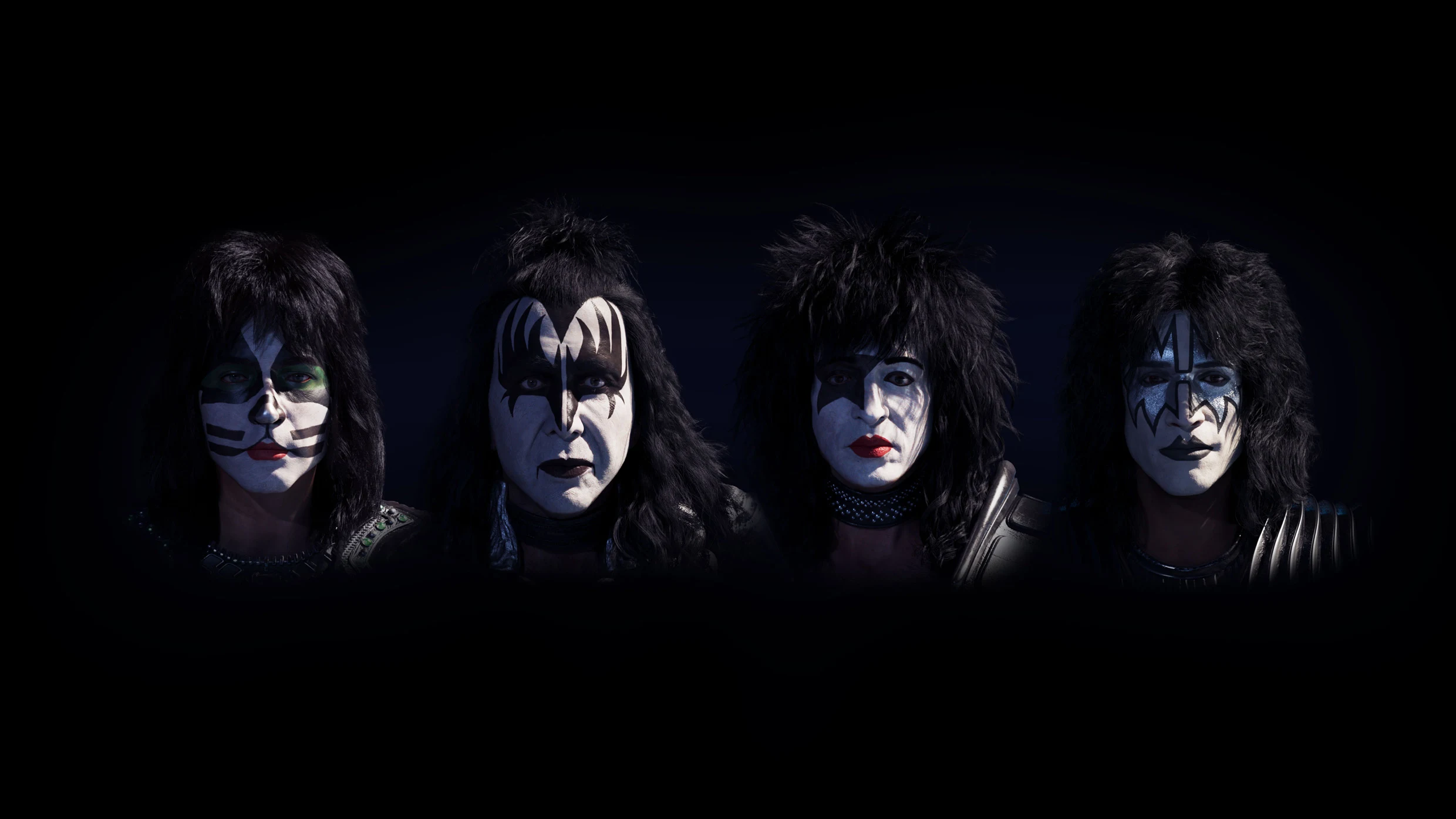
Similarly, KISS, in partnership with Pophouse, is launching a Las Vegas residency featuring digital avatars. Advanced GPU clusters process performance-capture data in real time, enabling physics-defying stunts while preserving the band members’ micro-expressions.
The technical encore
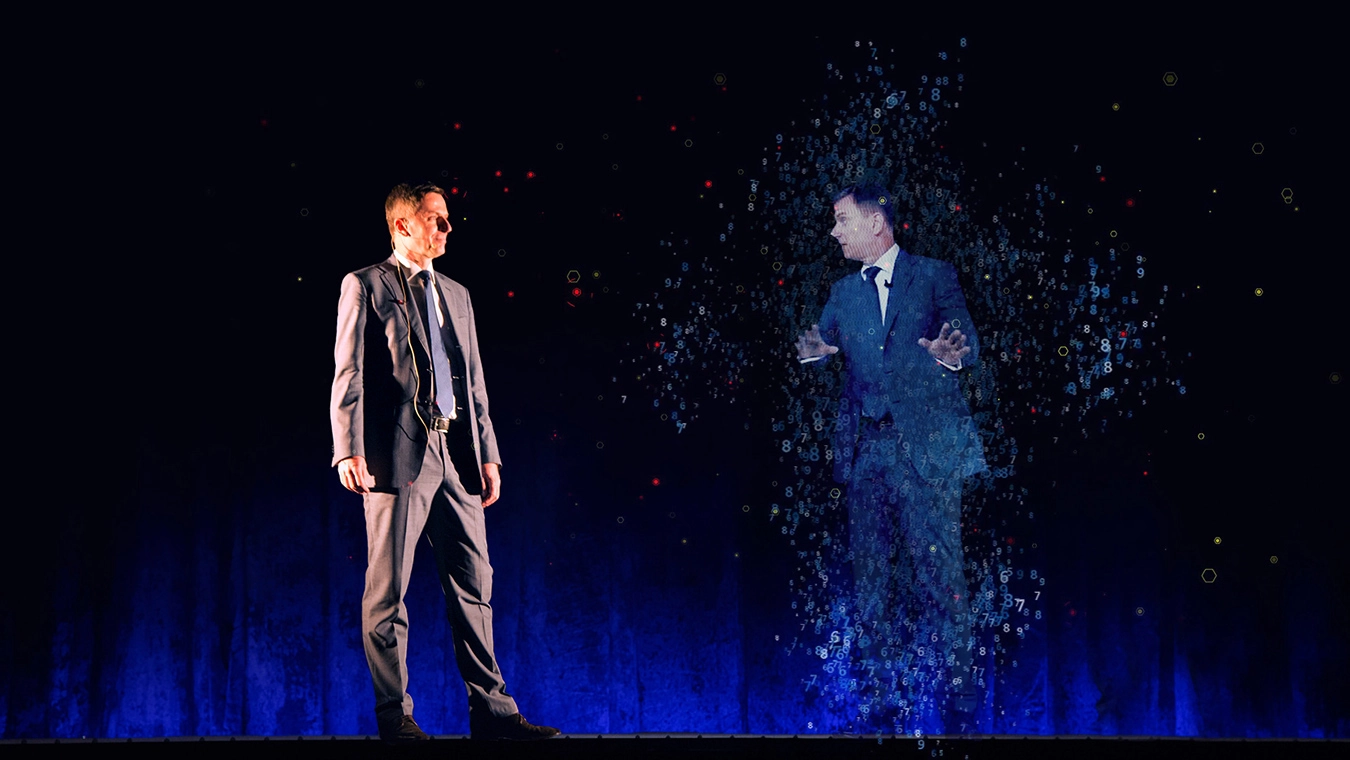
A major leap in computational rendering powers this shift toward high-tech revivals. Generating a light-field experience requires processing dozens of perspective-correct images simultaneously to capture every viewing angle within an arena.
Despite the high hardware costs, performance immortalization removes the expiration date from an artist’s touring career. A musician’s legacy is shifting from physical presence to a preserved architecture of light and data.
Frequently Asked Questions
ABBA Voyage is a London residency featuring digital recreations of the band, built by Industrial Light & Magic using performance-capture suits and a 65-megapixel LED backdrop aligned with 30,000 synchronized lighting points.
The 2014 Michael Jackson performance was not a true hologram. It used a modernized Pepper’s Ghost illusion — projecting a 2D image onto a transparent surface, a technique dating back to the Victorian era.
Volumetric light-field displays reproduce actual light-ray fields, allowing audience members in different positions to perceive distinct viewing angles of a performer — without 3D glasses or fixed projection angles.
ABBA Voyage is running in London, while Elvis Evolution uses spatial light modulators and de-aged footage. KISS, in partnership with Pophouse, is launching a Las Vegas residency using real-time GPU-rendered digital avatars.
Holographic performance removes the expiration date from an artist’s touring career. A musician’s legacy can now be preserved as a rendered architecture of light and data, independent of physical presence or continued touring capacity.
Recommended Video