
Why Audiences Crave the Unscripted Drama of Reality Shows
From Big Brother to Love Island, the addictive appeal of unscripted human behavior continues to dominate our digital screens





- The 2007–2008 Writers Guild of America strike abruptly halted production on all scripted television dramas and comedies.
- Audiences are naturally drawn to the raw voyeurism of observing real human relationships and conflicts unfold in real time.
- The era proved that unscripted storytelling could generate massive engagement, forever changing the global media ecosystem.
What led to the rise of Reality TV?
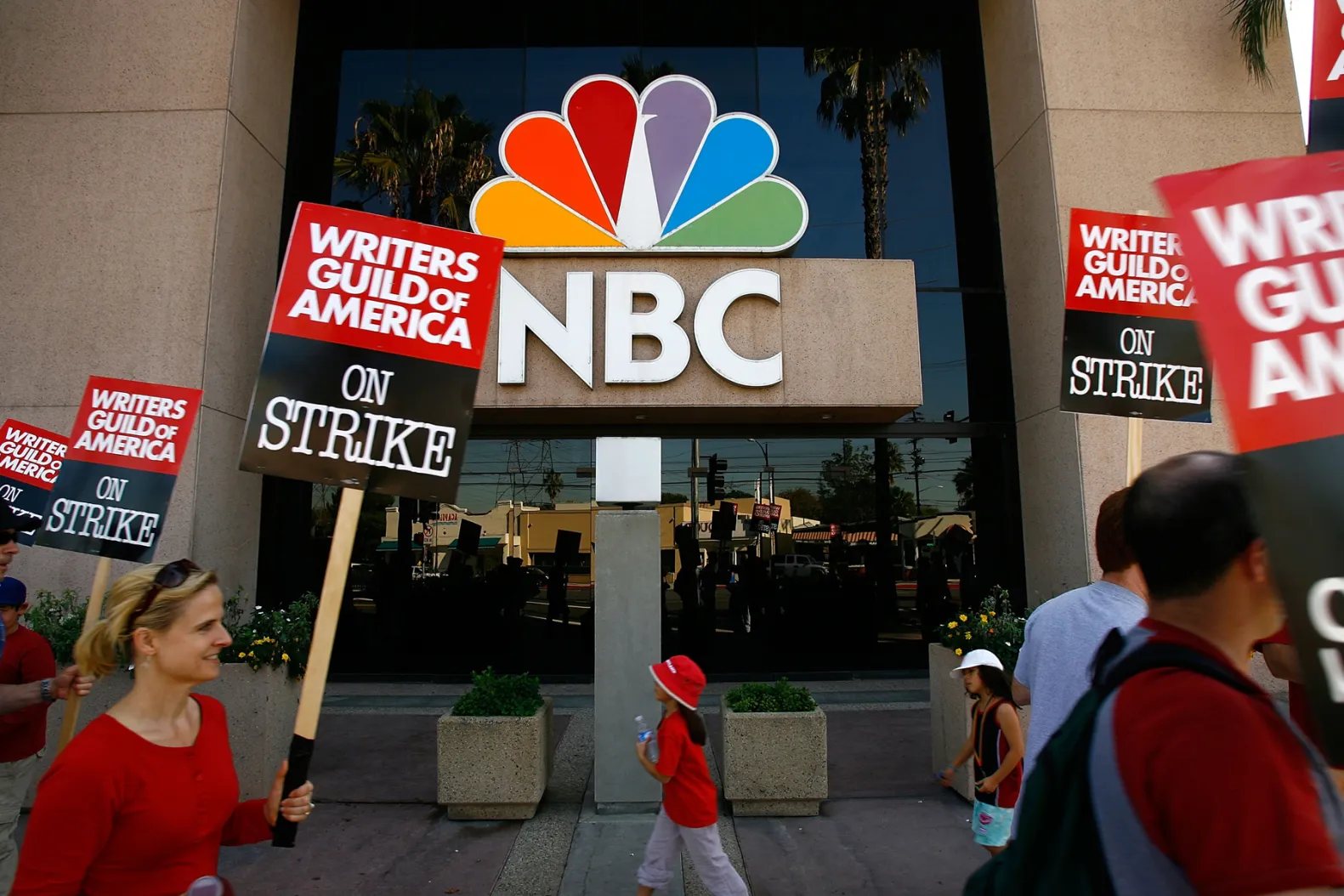
In late 2007, the entertainment industry ground to a sudden halt. A massive dispute over digital streaming residuals led thousands of writers to walk off the job. Within weeks, popular shows and sitcoms ran out of completed scripts, forcing networks into an absolute panic.
Executives were suddenly staring down empty primetime slots and vanishing advertising revenues. They needed a quick solution that required zero union writers and could be produced overnight. The answer was already in their back pockets: unscripted reality television.
What followed was a sweeping transformation of the broadcast landscape. For several months, the traditional, carefully plotted television season was effectively dead. In its place stood an endless parade of competition shows designed to keep the lights on.
The science of voyeurism and connection

Decades later, reality shows like the Big Brother series and Love Island have become absolute cornerstones of pop culture. Audiences are deeply drawn to the voyeuristic thrill of watching real social experiments play out under extreme conditions.
Shows like Love Island fast-track romantic tension through forced coupling, while Big Brother traps diverse personalities in a single house to observe natural friction. Viewers see reflections of their own lives, and insecurities mirrored in the contestants.
Furthermore, heavy viewer interaction transforms passive watching into an active community event. By voting to save or eliminate contestants in real time, audiences feel personally responsible for the narrative, turning these shows into massive cultural conversations.
A lucrative and addictive future

The mid-2000s reality boom taught networks a lasting lesson about media economics. Reality television is incredibly cost-effective compared to scripted dramas, carries far less financial risk, and yields immense social media buzz.
Today, streaming platforms and networks rely heavily on unscripted content to maintain steady viewer engagement. These shows are perfectly tailor-made for the internet era, where a single explosive argument can instantly go viral across global feeds.
Ultimately, our collective obsession with these franchises is the direct legacy of that chaotic era when the scripts died. What started as a temporary emergency safety net for panicking networks evolved into television’s most unpredictable storytelling juggernaut.
Frequently Asked Questions
The 100-day strike forced networks to fill empty primetime slots with unscripted shows, proving to executives that reality formats could pull in massive audiences and anchor an entire network’s identity.
Audiences connect with the show because it strips away celebrity personas, forcing a diverse group of ordinary people into close quarters where real cultural values, conflicts, and authentic human emotions naturally emerge.
Love Island thrives on high-stakes romance, fast-paced drama, and heavy viewer interaction, allowing the audience to control the contestants’ fates through voting apps actively.
While the situations, challenges, and environments are highly engineered by producers, the emotional reactions, interpersonal conflicts, and psychological strain experienced by the contestants are entirely real.
Streaming platforms prioritize reality TV because it is significantly cheaper and faster to produce than scripted dramas, while generating massive social media buzz and high viewer retention rates.

Recommended Video