
What Happens If Your Digital Bank Goes Under?
As digital banks become part of everyday life across Southeast Asia, Paraguay’s banking crisis offers a reminder of what happens when the app holding your money suddenly stops working


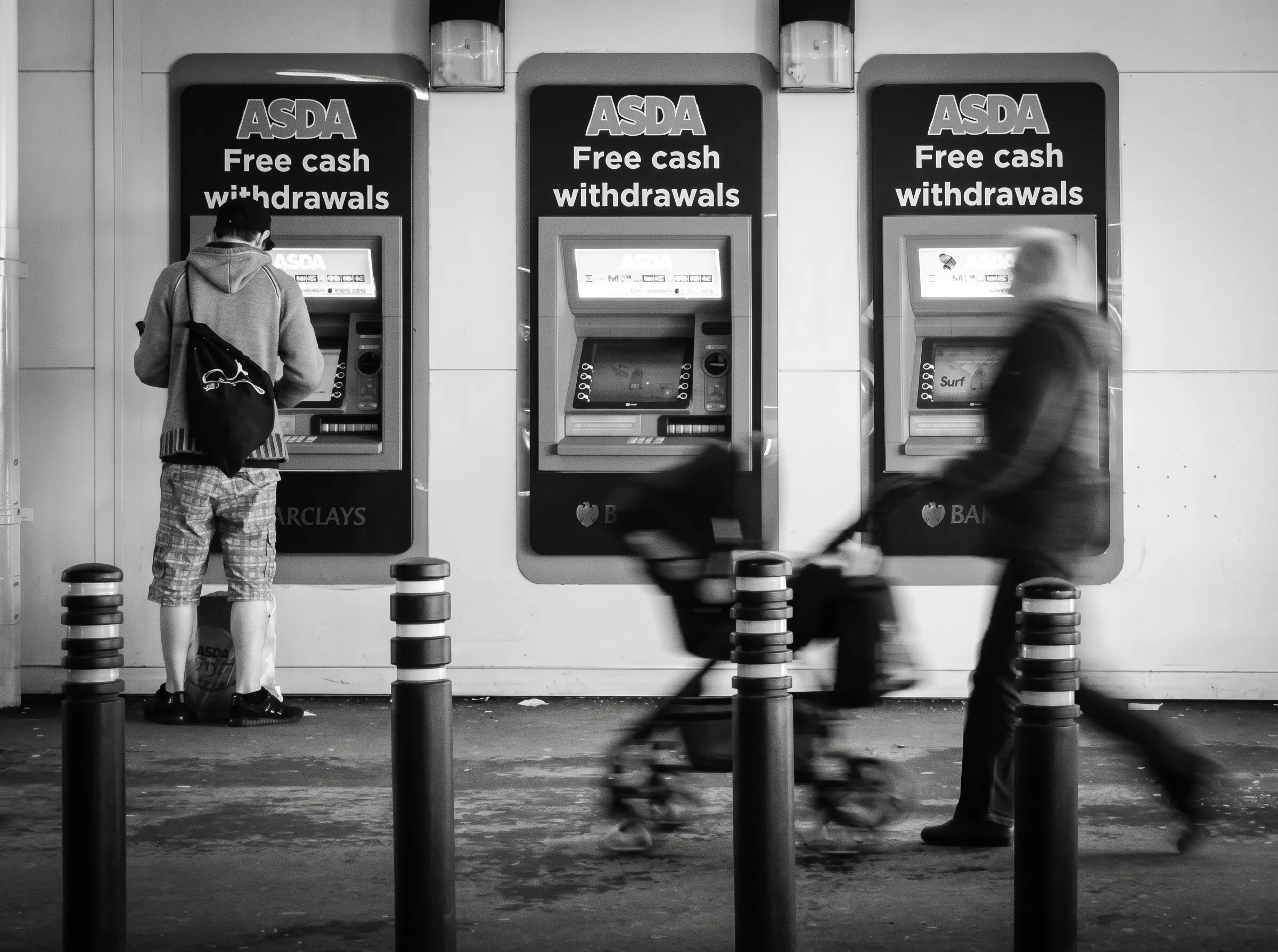
- Digital banks are regulated financial institutions, but a failure can disrupt access to savings, salaries, and everyday payments.
- Deposit insurance protects eligible savings up to a limit, making it important to understand what your bank actually covers.
Banking has become an everyday app
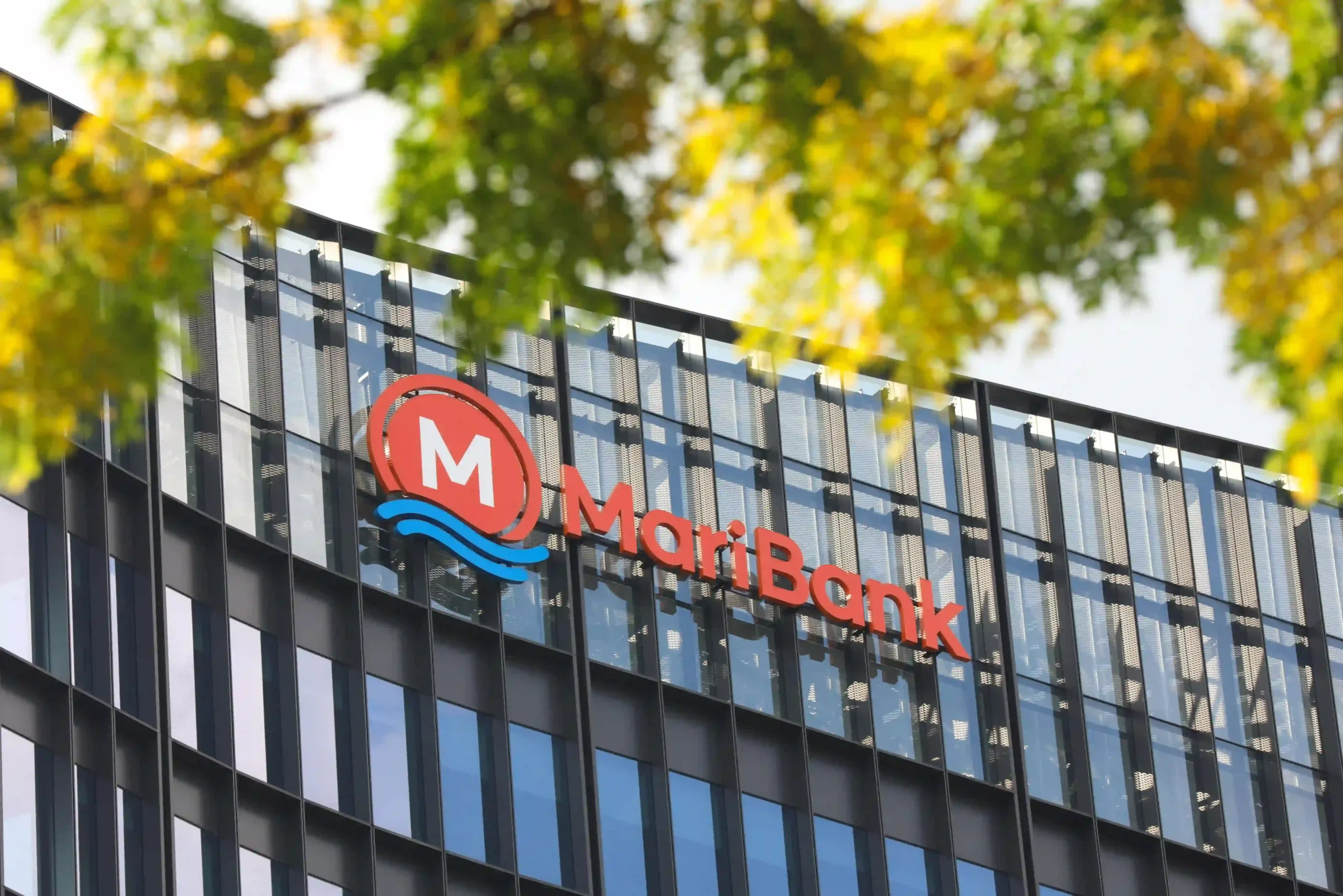
For people in Southeast Asia, banking now takes place between other things you need to do. It could be sending rent money, paying for a meal, or looking at your savings while you wait for your coffee.
Digital banks like Maya, GoTyme, and Tonik in the Philippines; Bank Jago and blu by BCA in Indonesia; Trust Bank, MariBank, and GXS in Singapore; and GXBank, Boost Bank, and Ryt Bank in Malaysia have made it easier to access services through mobile apps. The ASEAN+3 Macroeconomic Research Office has also documented the region’s expanding digital financial sector.
When the bank behind the app runs into trouble

Paraguay’s Ueno Bank crisis offers a glimpse of what can happen when a digital-first institution faces serious financial problems.
According to Reuters, the bank had grown to around three million customers before regulators placed it into resolution after finding it had breached minimum solvency requirements. The situation also raised questions about alleged insider lending and political connections.
For customers, the consequences can be immediate: failed transfers, declined cards, or delayed access to salaries and savings. Regulators may restrict transactions, take control of the institution, or arrange for another bank to assume its deposits.
A bank entering resolution does not automatically mean customers lose all their money. What happens next depends on the institution’s financial position, the regulator’s intervention, and the deposit protections available.
How deposit insurance protects your savings

Deposit insurance protects eligible bank deposits when a member institution fails, but coverage varies across Southeast Asia. In the Philippines, the Philippine Deposit Insurance Corporation (PDIC) covers eligible deposits up to ₱1 million per depositor, per bank, including qualifying accounts at licensed digital banks.
Elsewhere, Malaysia’s PIDM covers up to RM250,000, Singapore’s SDIC up to S$100,000, and Indonesia’s LPS up to Rp2 billion per depositor, per bank. These limits apply to eligible deposits and are subject to each country’s requirements.
However, insured does not mean immediately accessible. Customers may need to wait for verification and payout procedures, while balances exceeding the coverage limit may depend on the bank’s resolution or liquidation process. In Paraguay, authorities began reimbursing eligible depositors through the country’s guarantee system, as reported by the Associated Press.
Not everything inside your banking app is insured
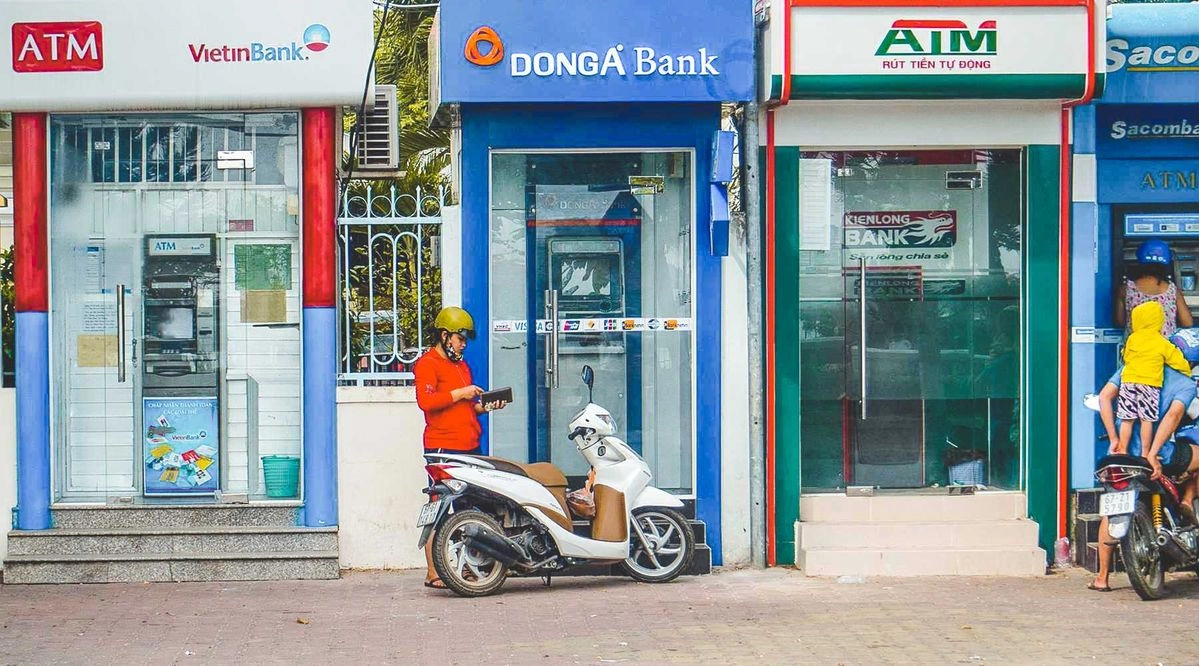
Deposit insurance generally follows the licensed institution and the financial product, not the app or brand customers use to access it. A savings account, e-wallet balance, and investment product can carry different protections even when they appear on the same screen.
In the Philippines, eligible deposits at licensed digital banks receive the same PDIC protection as deposits at traditional banks. However, investment products such as securities and trust accounts are excluded, as are e-money balances issued by non-bank wallet providers.
The same distinction applies elsewhere. Malaysia’s PIDM does not automatically cover non-bank e-wallet providers, while Singapore’s SDIC protects eligible Singapore-dollar deposits but excludes investment products and foreign-currency deposits. Indonesia’s LPS also covers eligible deposits at participating digital banks, provided they meet its requirements.
How to keep your finances from depending on one app
Digital banking makes it easy to consolidate salary deposits, emergency funds, subscriptions, rent, and travel money in one place. But relying on a single account can leave everyday routines vulnerable if access is disrupted.
Keeping a secondary account with another regulated bank, maintaining accessible emergency cash, and having an alternative payment method can provide a useful backup.
It is also worth checking whether your bank is licensed and covered by the national deposit insurance scheme; in the Philippines, the BSP Verifier can help confirm whether an institution is supervised by the central bank.
Digital banking remains a convenient way to handle everyday finances, but Paraguay’s crisis is a reminder to look beyond the interface. The app may be where you access your money, but the institution behind it is what matters when things go wrong.
Frequently Asked Questions
Yes. Digital banks can face capital, liquidity, lending, or governance problems, just like traditional banks.
Eligible deposits at licensed digital banks are covered by PDIC up to ₱1 million per depositor, per bank.
No. Recovering insured deposits may involve verification and regulatory procedures.
Not necessarily. E-money and bank deposits may have different protections depending on the provider.
Keeping accounts at separate regulated banks can provide backup access if one institution becomes unavailable.

Recommended Video